Sustainable Food Sourcing 2026: Local Farms, Reduced Carbon Footprint
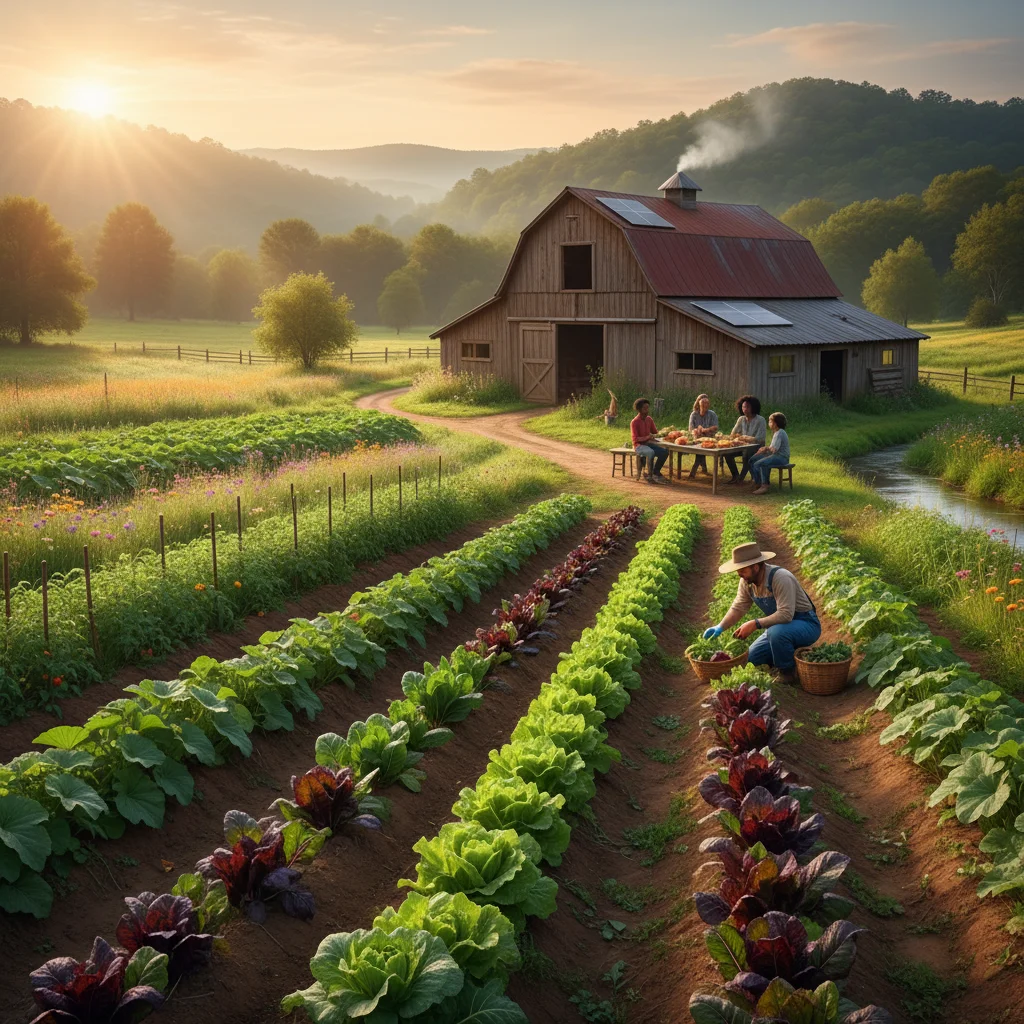
Sustainable Food Sourcing in 2026: How to Find Local Farms in the US and Reduce Your Carbon Foodprint by 10%
The year 2026 marks a pivotal moment in our collective journey towards a more sustainable future. As environmental concerns escalate and consumer awareness grows, the way we source our food has never been more critical. Sustainable food sourcing isn’t just a buzzword; it’s a fundamental shift in how we interact with our food systems, impacting everything from local economies to global climate patterns. This comprehensive guide will delve into the essence of sustainable food sourcing, providing actionable strategies to help you connect with local farms across the US and, crucially, reduce your personal carbon foodprint by a commendable 10%.
Why 2026? Because the urgency for change is now. Climate reports consistently highlight the need for immediate and significant reductions in greenhouse gas emissions. Our food choices play a massive role in this. From farm to fork, every step of the food supply chain contributes to our carbon footprint. By consciously choosing sustainable food sourcing, we can make a tangible difference. This article will equip you with the knowledge and tools to navigate the landscape of local food, understand its benefits, and implement practical changes that resonate with environmental responsibility.
Understanding Your Carbon Foodprint: The Silent Environmental Impact
Before we dive into finding local farms, it’s essential to grasp what a ‘carbon foodprint’ entails. Your carbon foodprint is the total greenhouse gas emissions generated by the production, processing, transport, preparation, and waste of the food you consume. It’s a complex metric, but understanding its components is the first step towards reduction.
Key Contributors to Your Foodprint:
- Agricultural Practices: Methane from livestock, nitrous oxide from fertilizers, and energy used for farm machinery.
- Processing and Packaging: Energy for manufacturing, refrigeration, and materials for packaging (plastics, cardboard, etc.).
- Transportation: The distance food travels from farm to plate (often referred to as ‘food miles’) and the mode of transport (air freight being the most carbon-intensive).
- Retail and Storage: Energy for lighting, refrigeration, and heating in supermarkets.
- Food Waste: Decomposing food in landfills produces methane, a potent greenhouse gas.
The average American’s foodprint is significant. Studies suggest that food production accounts for a substantial portion of global greenhouse gas emissions. By targeting a 10% reduction, we’re setting an ambitious yet achievable goal that, if adopted widely, could have profound environmental benefits. Sustainable food sourcing directly addresses many of these contributors, primarily by shortening supply chains and promoting eco-friendly farming methods.
The Power of Local: Why Choose Local Farms for Sustainable Food Sourcing?
Choosing local isn’t just a trend; it’s a powerful strategy for sustainable food sourcing. When you buy from local farms, you’re not just getting fresh produce; you’re investing in a system that inherently reduces environmental impact and strengthens communities.
Reduced Food Miles and Emissions:
This is perhaps the most obvious benefit. Food that travels shorter distances requires less fuel for transportation, significantly cutting down on greenhouse gas emissions. Imagine the difference between an apple flown in from another continent versus one picked from a farm just a few miles away. This reduction in ‘food miles’ is a cornerstone of effective carbon foodprint reduction.
Support for Sustainable Farming Practices:
Many local farms, particularly smaller operations, are more likely to employ sustainable or organic farming methods. These practices often include:
- Crop Rotation: Improves soil health and reduces the need for synthetic fertilizers.
- Reduced Pesticide/Herbicide Use: Protects biodiversity, water quality, and farmer health.
- Water Conservation: Implementing efficient irrigation techniques.
- Biodiversity Preservation: Encouraging diverse ecosystems on and around the farm.
- Animal Welfare: Often higher standards for humane treatment of livestock.
By choosing these farms, you’re directly supporting agricultural systems that are kinder to the planet.
Fresher, More Nutritious Food:
Food from local farms is often harvested at its peak ripeness and reaches your plate much faster. This means better flavor, texture, and often higher nutritional value, as nutrients can degrade during long transit times. Less travel also means less need for artificial ripening agents or preservatives.
Economic Benefits for Local Communities:
Your dollar stays within your community, supporting local businesses and farmers. This helps create jobs, strengthens the local economy, and fosters a more resilient food system that is less dependent on global supply chains.
Transparency and Connection:
When you buy local, you can often meet the farmers, ask questions about their practices, and even visit the farm. This transparency builds trust and reconnects you with where your food comes from, fostering a greater appreciation for the effort involved in producing it. This personal connection is invaluable for truly understanding sustainable food sourcing.
Finding Local Farms in the US in 2026: Your Essential Toolkit
With the benefits clear, the next question is: how do you actually find these local gems? Fortunately, in 2026, resources for connecting with local farms are more abundant and accessible than ever before.
1. Farmers Markets: The Original Local Hub
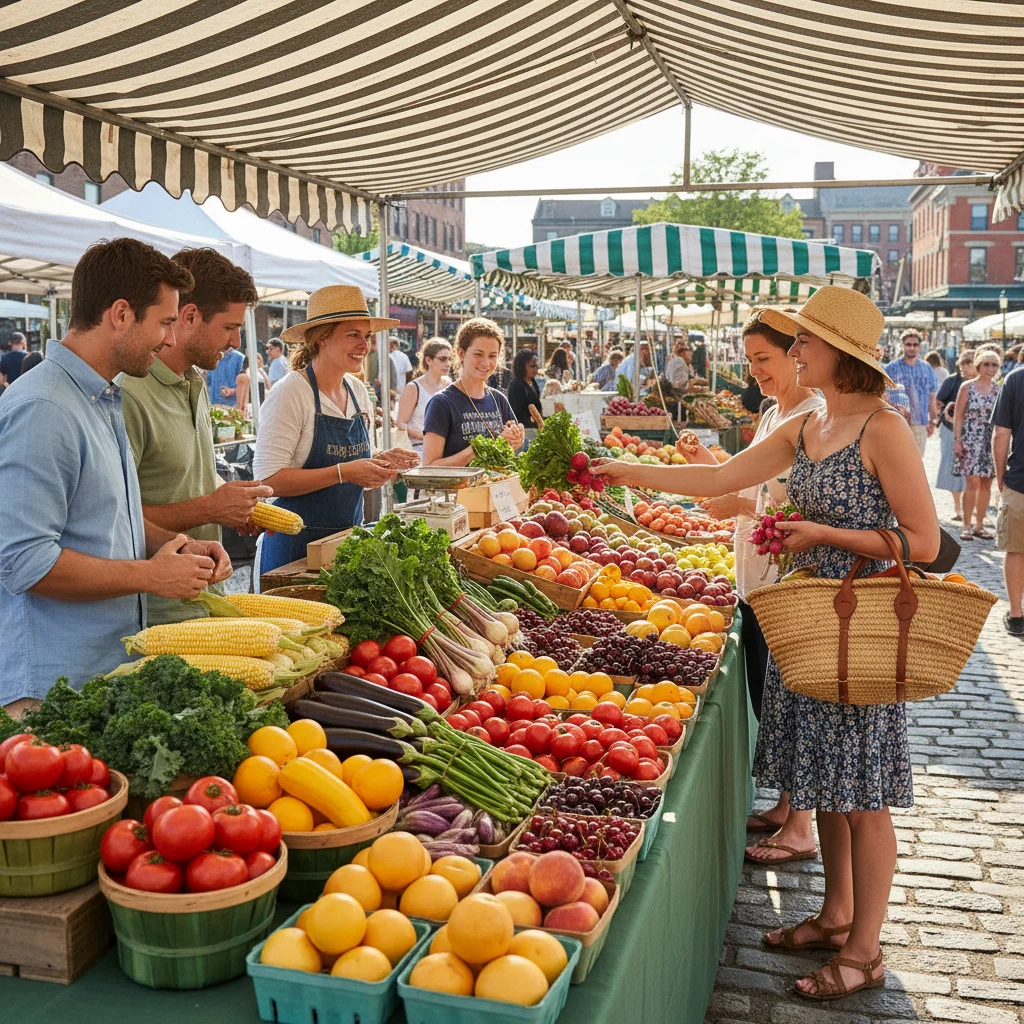
Farmers markets remain one of the best ways to find local produce and interact directly with growers. They offer a vibrant atmosphere and a chance to discover seasonal specialties. Most communities, even smaller ones, have at least one farmers market. Many have expanded to include not just produce, but also local meats, dairy, baked goods, and artisanal products.
- How to Find Them:
- Online Directories: Websites like LocalHarvest.org, USDA’s Farmers Market Directory, and the Farmers Market Coalition provide searchable databases across the US.
- Local Tourism Boards/Chambers of Commerce: Often list local markets and events.
- Social Media: Many markets have active Facebook or Instagram pages.
2. Community Supported Agriculture (CSA) Programs: A Direct Partnership
CSAs are an excellent model for sustainable food sourcing, forming a direct partnership between consumers and farms. You buy a ‘share’ of the farm’s harvest at the beginning of the growing season, and in return, you receive a weekly or bi-weekly box of fresh produce (and sometimes other farm products) throughout the season. This provides financial stability for farmers and ensures you get the freshest seasonal food.
- Benefits: Guaranteed fresh, seasonal produce; direct support for farmers; often encourages trying new vegetables; fosters a sense of community.
- How to Find Them:
- LocalHarvest.org: Has an extensive CSA search function.
- FairShare CSA Coalition: Focuses on supporting CSAs.
- Word of Mouth: Ask friends, neighbors, or at your local farmers market.
3. Farm Stands and On-Farm Sales: The Ultimate Direct Source
Many farms have their own stands or stores where you can purchase products directly. This is often the freshest option possible, sometimes even allowing you to pick your own produce (U-pick operations). It’s a fantastic way to see the farm firsthand and connect with the agricultural process.
- How to Find Them:
- State Agricultural Departments: Often have directories of farms open to the public.
- Google Maps/Search: Search for ‘farm stand near me’ or ‘U-pick farms [your area]’.
- Local Signs: Keep an eye out for roadside signs when driving through rural areas.
4. Online Local Food Marketplaces and Delivery Services: Convenience Meets Sustainability
The digital age has brought forth numerous online platforms dedicated to connecting consumers with local producers. These services aggregate products from multiple local farms and offer convenient delivery or pickup options. This model is rapidly expanding in 2026, making sustainable food sourcing more accessible than ever for urban and suburban dwellers.
- Examples (check for local availability):
- Farmigo, Good Eggs, Misfits Market (for ‘ugly’ but perfectly edible produce), Imperfect Foods: While some are national, many focus on regional sourcing.
- Local Food Hubs: Non-profit or for-profit organizations that facilitate the distribution of local food to consumers, restaurants, and institutions.
- Restaurant Partnerships: Many restaurants now proudly list their local farm suppliers. Supporting these establishments indirectly supports local agriculture.
5. Community Gardens and Urban Farms: Growing Your Own
While not strictly ‘finding a farm,’ participating in a community garden or supporting a local urban farm is an incredibly direct form of sustainable food sourcing. Growing even a small portion of your own food dramatically reduces your foodprint and connects you intimately with the food production process.
- How to Get Involved:
- Local Government Websites: Often have information on community garden plots.
- Non-profit Organizations: Many environmental or food justice groups run urban farm projects.
- Neighborhood Associations: A great resource for local initiatives.
Achieving a 10% Reduction in Your Carbon Foodprint: Practical Strategies for 2026
Finding local farms is a significant step, but a holistic approach is needed to hit that 10% reduction target. Here are actionable strategies you can implement in conjunction with sustainable food sourcing:
1. Embrace Seasonal Eating: The Rhythm of Nature
Eating what’s in season locally is one of the easiest and most impactful ways to reduce your foodprint. Seasonal produce requires less energy for growing (no heated greenhouses) and less transportation, as it’s readily available from nearby farms. It also tends to be cheaper and tastier!
- Tip: Use seasonal eating guides or apps to know what’s available in your region throughout the year.
2. Reduce Meat and Dairy Consumption: A Powerful Lever
Livestock agriculture is a major contributor to greenhouse gas emissions, particularly methane. While you don’t necessarily have to become fully vegan, even small reductions can make a big difference. Consider:
- Meatless Mondays: Dedicate one day a week to plant-based meals.
- Substituting: Replace some meat meals with plant-based alternatives like lentils, beans, or tofu.
- Choosing Sustainable Meats: If you do eat meat, opt for pasture-raised, grass-fed, and locally sourced options, which often have a lower environmental impact than industrial farming.
3. Minimize Food Waste: A Win-Win for Your Wallet and the Planet
Approximately 30-40% of the food supply in the US is wasted. This wasted food represents not only lost resources (water, energy, labor) but also generates methane in landfills. Reducing food waste is perhaps the single most impactful individual action you can take.
- Strategies:
- Meal Planning: Plan your meals to buy only what you need.
- Proper Storage: Learn how to store different foods to maximize their shelf life.
- Using Leftovers Creatively: Transform leftovers into new meals.
- Composting: Divert food scraps from landfills. Many communities have composting programs, or you can start a backyard compost bin.
- Understanding Dates: ‘Best by’ or ‘sell by’ dates are often about quality, not safety. Use your senses!
4. Cook More at Home and Choose Whole Foods: Control Your Ingredients
Processed and packaged foods often have a higher carbon footprint due to extensive processing, ingredients from far-flung locations, and packaging materials. Cooking from scratch using whole, local ingredients gives you greater control over your food’s origin and reduces waste.
- Tip: Prioritize cooking with ingredients purchased from your local farmers market or CSA.
5. Be Mindful of Packaging: Choose Bulk and Reusable
Excessive packaging contributes to waste and emissions. When possible:
- Buy in Bulk: Bring your own reusable bags and containers to bulk sections for grains, nuts, and spices.
- Choose Minimal Packaging: Opt for produce without plastic wraps.
- Reusable Bags: Always bring your own grocery bags.
6. Support Regenerative Agriculture: Beyond Sustainable
While sustainable farming aims to maintain current environmental health, regenerative agriculture goes a step further, actively working to improve soil health, sequester carbon, enhance biodiversity, and improve water cycles. Look for farms that explicitly state they practice regenerative methods.
- How to identify: Look for certifications or ask farmers directly about their practices (e.g., no-till farming, cover cropping, holistic grazing).
The Future of Sustainable Food Sourcing: What to Expect Beyond 2026
The movement towards sustainable food sourcing is constantly evolving. In 2026 and beyond, we can anticipate several key trends that will further shape our food landscape:
Increased Technology in Local Food Systems:
Expect more sophisticated apps and online platforms connecting consumers directly to farms, optimizing delivery routes to reduce emissions, and providing greater transparency through blockchain technology for traceability.
Urban Agriculture Expansion:
Vertical farms, rooftop gardens, and community plots will continue to proliferate in urban centers, bringing food production closer to consumers and drastically cutting food miles. Hydroponics and aquaponics will become more common, using less water and land.
Policy Support for Local and Sustainable Agriculture:
Governments at local, state, and federal levels are increasingly recognizing the importance of resilient, local food systems. Expect more grants, subsidies, and policy incentives for farmers adopting sustainable and regenerative practices, making local food more competitive and accessible.
Consumer Demand Driving Change:
As awareness of climate change and health grows, consumer demand for transparently sourced, sustainably produced, and ethically raised food will continue to drive market changes. Businesses that fail to adapt will be left behind.
Education and Empowerment:
More educational initiatives will emerge, teaching individuals about the benefits of sustainable food sourcing, how to cook with seasonal ingredients, reduce waste, and even grow their own food. This empowerment will be crucial for widespread adoption.
Putting It All Together: Your 10% Carbon Foodprint Reduction Plan
Achieving a 10% reduction in your carbon foodprint through sustainable food sourcing is an ambitious but entirely achievable goal. It requires a conscious effort, but the benefits extend far beyond environmental impact, touching on personal health, community well-being, and economic resilience.
A Sample Action Plan:
- Week 1-4: Research and Connect. Identify 2-3 local farmers markets or CSAs in your area. Start visiting or researching their offerings. Use online directories to find local farms.
- Week 5-8: Shift Your Shopping Habits. Commit 50% of your produce purchases to local sources. Start tracking your food waste for a week to identify key areas for reduction. Implement ‘Meatless Mondays.’
- Week 9-12: Deepen Your Engagement. Increase local produce purchases to 70-80%. Explore a new local meat or dairy producer. Begin composting food scraps. Plan meals to maximize use of ingredients and minimize waste.
- Ongoing: Refine and Advocate. Continue to explore new local producers. Share your journey and tips with friends and family. Advocate for policies that support local food systems in your community. Regularly assess your food choices and look for further opportunities to reduce your footprint.
Remember, every small change contributes to a larger impact. Don’t feel overwhelmed; start with one or two strategies and gradually incorporate more. The journey towards sustainable food sourcing is a continuous learning process, and every step you take brings us closer to a healthier planet.
Conclusion: Cultivating a Sustainable Future, One Plate at a Time
The call for sustainable food sourcing in 2026 is louder and clearer than ever. By actively seeking out local farms in the US, embracing seasonal eating, reducing meat consumption, minimizing food waste, and supporting regenerative practices, you are not just making personal dietary choices; you are participating in a global movement. You are contributing to a healthier environment, supporting local economies, and fostering a more resilient and equitable food system for all.
Your goal of reducing your carbon foodprint by 10% is within reach. It’s a commitment to a future where food is not just sustenance, but a source of pride, community, and environmental stewardship. Let’s collectively cultivate this future, one conscious food choice at a time.