Sustainable Transportation US Commuters: Lower Carbon Footprint by 20% in 2026
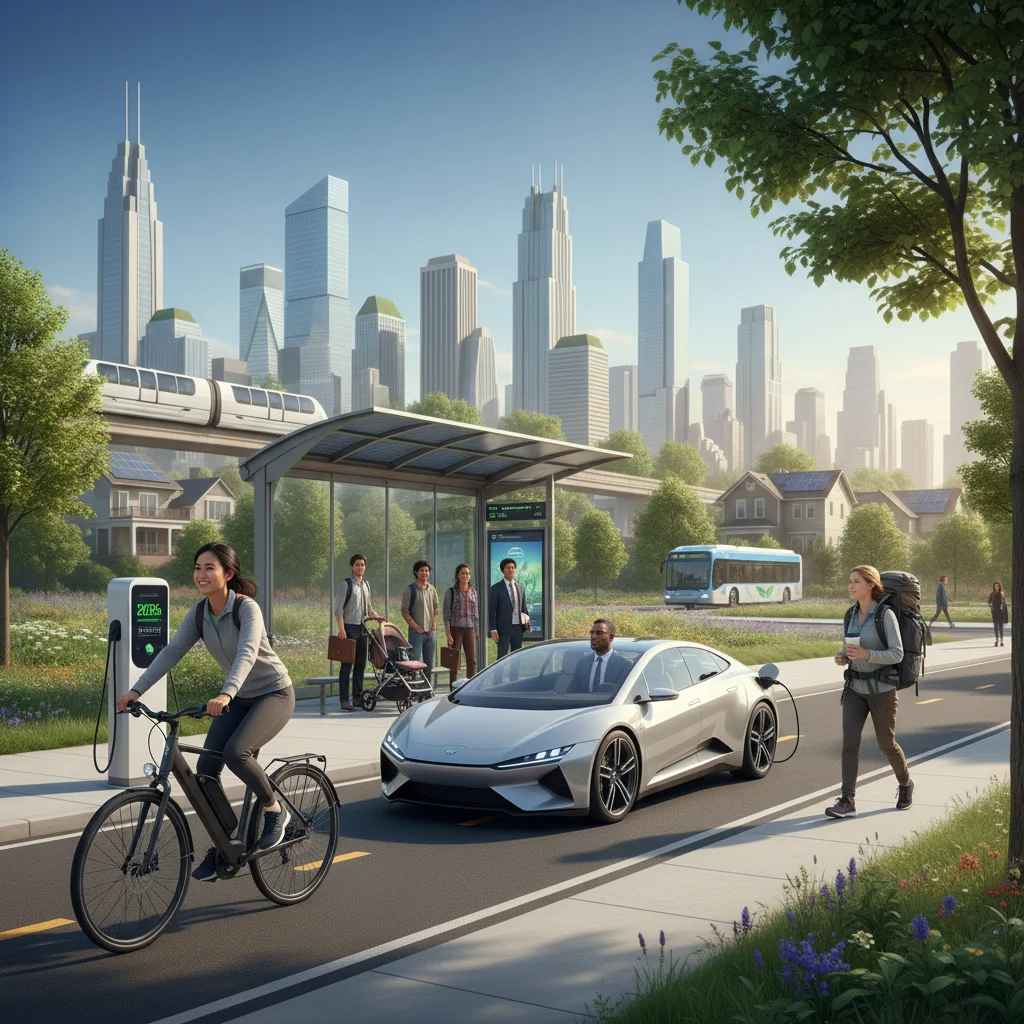
The urgency to address climate change has never been greater, and for US commuters, the daily journey offers a significant opportunity to make a tangible difference. As we look towards 2026, the imperative to adopt sustainable US commute options becomes not just an environmental plea, but a practical and economically sensible choice. Transportation remains one of the largest contributors to greenhouse gas emissions in the United States, making it a critical area for intervention. By embracing sustainable transportation alternatives, US commuters can collectively lower their carbon footprint by a remarkable 20% or more, paving the way for a healthier planet and more livable communities.
This comprehensive guide delves into six transformative ways US commuters can achieve this ambitious goal. We will explore everything from the burgeoning world of electric vehicles to the timeless simplicity of active commuting, providing actionable insights and highlighting the benefits of each approach. The journey to a sustainable US commute is not just about reducing emissions; it’s about reimagining our daily routines, fostering community, and embracing innovations that promise a brighter, cleaner future for all.
The Environmental Imperative: Why Your Commute Matters
Every mile driven in a conventional gasoline-powered vehicle contributes to air pollution and climate change. The burning of fossil fuels releases carbon dioxide (CO2) and other greenhouse gases into the atmosphere, trapping heat and leading to global warming. For the average US commuter, this translates into a substantial annual carbon footprint. Understanding the direct link between our daily travel choices and environmental health is the first step towards embracing a sustainable US commute.
Beyond global warming, vehicle emissions also impact local air quality, contributing to smog, acid rain, and respiratory illnesses. Shifting towards sustainable transportation can lead to cleaner air, healthier communities, and a reduced reliance on finite fossil fuel resources. The benefits extend beyond the environment to individual well-being, often leading to improved physical health, reduced stress, and even financial savings.
The year 2026 is not far off, and the technologies and infrastructure needed to support a more sustainable US commute are already in place or rapidly developing. It’s no longer a distant dream but an achievable reality. The collective effort of millions of commuters making small, consistent changes can lead to monumental environmental gains.
1. Embracing Electric Vehicles (EVs): A Powerful Step Towards a Sustainable US Commute
The rise of electric vehicles has fundamentally altered the landscape of personal transportation, offering a compelling solution for a sustainable US commute. EVs, including battery electric vehicles (BEVs) and plug-in hybrid electric vehicles (PHEVs), produce zero tailpipe emissions, significantly reducing air pollution and greenhouse gas contributions. The technology has matured rapidly, with increased range, faster charging times, and a growing selection of models making EVs more accessible and practical than ever before.
The EV Revolution: Beyond Zero Emissions
While the absence of tailpipe emissions is the most direct environmental benefit, the full impact of an EV depends on the source of electricity used to charge it. As the US electric grid incorporates more renewable energy sources like solar and wind power, the overall carbon footprint of EVs continues to decrease. Many utility companies now offer green energy plans, allowing EV owners to power their vehicles with 100% renewable electricity, further enhancing their sustainable US commute credentials.
Incentives and Infrastructure
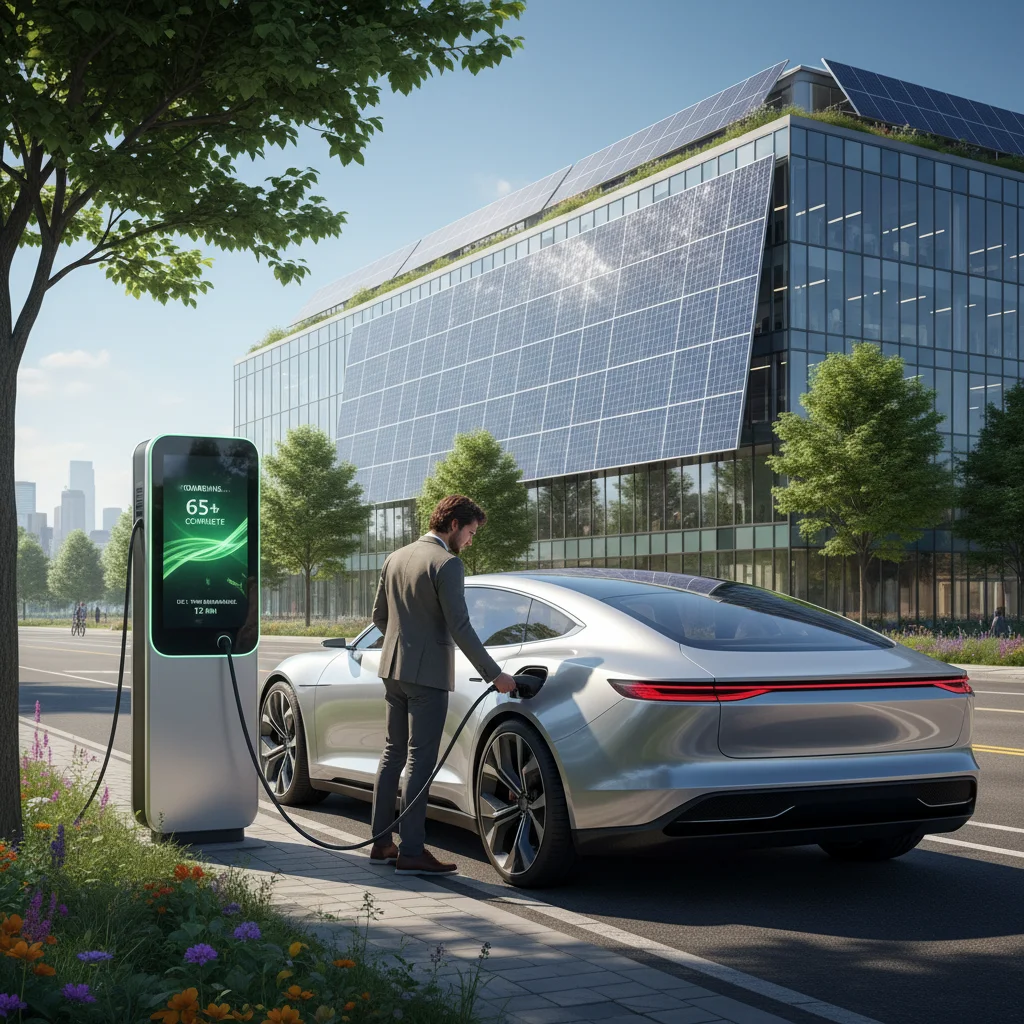
Government incentives, such as federal tax credits and state-level rebates, make EV ownership more affordable. Furthermore, the charging infrastructure is expanding at an unprecedented rate, with more public charging stations appearing in urban centers, workplaces, and along major highways. Home charging solutions are also becoming more common, offering unparalleled convenience for daily commuters.
Cost Savings and Performance
Beyond environmental benefits, EVs often boast lower operating costs due to cheaper electricity compared to gasoline, reduced maintenance needs (fewer moving parts), and potential access to HOV lanes. Modern EVs also offer impressive performance, with instant torque and a quiet, smooth ride that enhances the commuting experience. Making the switch to an EV is a significant and impactful way to achieve a truly sustainable US commute.
2. Optimizing Public Transportation: The Backbone of a Sustainable US Commute System
For many US commuters, public transportation remains one of the most efficient and environmentally friendly options available. Buses, trains, subways, and light rail systems are designed to move a large number of people using significantly less energy and producing fewer emissions per passenger mile than individual cars. Investing in and utilizing public transit is a cornerstone of a sustainable US commute strategy.
Rethinking Public Transit: Modern Solutions
Modern public transit systems are continuously evolving. Many cities are transitioning to electric buses, further reducing emissions. Real-time tracking apps, contactless payment systems, and improved accessibility features make public transportation more convenient and user-friendly. For those living in urban or suburban areas with robust transit networks, making public transportation their primary commute method can drastically reduce their carbon footprint.
The Power of Connectivity and Reduced Congestion
Choosing public transit not only lowers individual emissions but also contributes to reduced traffic congestion, leading to less idling and overall lower emissions from remaining private vehicles. It also frees up valuable urban space that would otherwise be dedicated to parking. Public transit fosters a sense of community and allows commuters to use their travel time for reading, working, or relaxing, transforming a stressful drive into productive or peaceful moments.
Integrating with Other Sustainable Options
Public transportation can also be seamlessly integrated with other sustainable modes. Many commuters use a combination of public transit for the longer leg of their journey and then walk, bike, or use an electric scooter for the ‘last mile’ to their destination. This multimodal approach maximizes efficiency and minimizes environmental impact, embodying the spirit of a truly sustainable US commute.
3. Active Commuting: Biking and Walking for Health and Planet
Perhaps the most direct and universally accessible way to achieve a sustainable US commute is through active commuting: walking and cycling. These modes produce zero emissions, promote physical health, and offer a unique connection to one’s surroundings. For commutes under five miles, active commuting can often be as fast, if not faster, than driving, especially in congested urban areas.
The Health and Environmental Dividend
Beyond the obvious environmental benefits of zero emissions, walking and biking offer significant health advantages, including improved cardiovascular fitness, reduced risk of chronic diseases, and enhanced mental well-being. Regular physical activity can reduce stress and boost mood, making the daily commute a positive experience rather person a source of frustration.
Infrastructure for Active Commuting
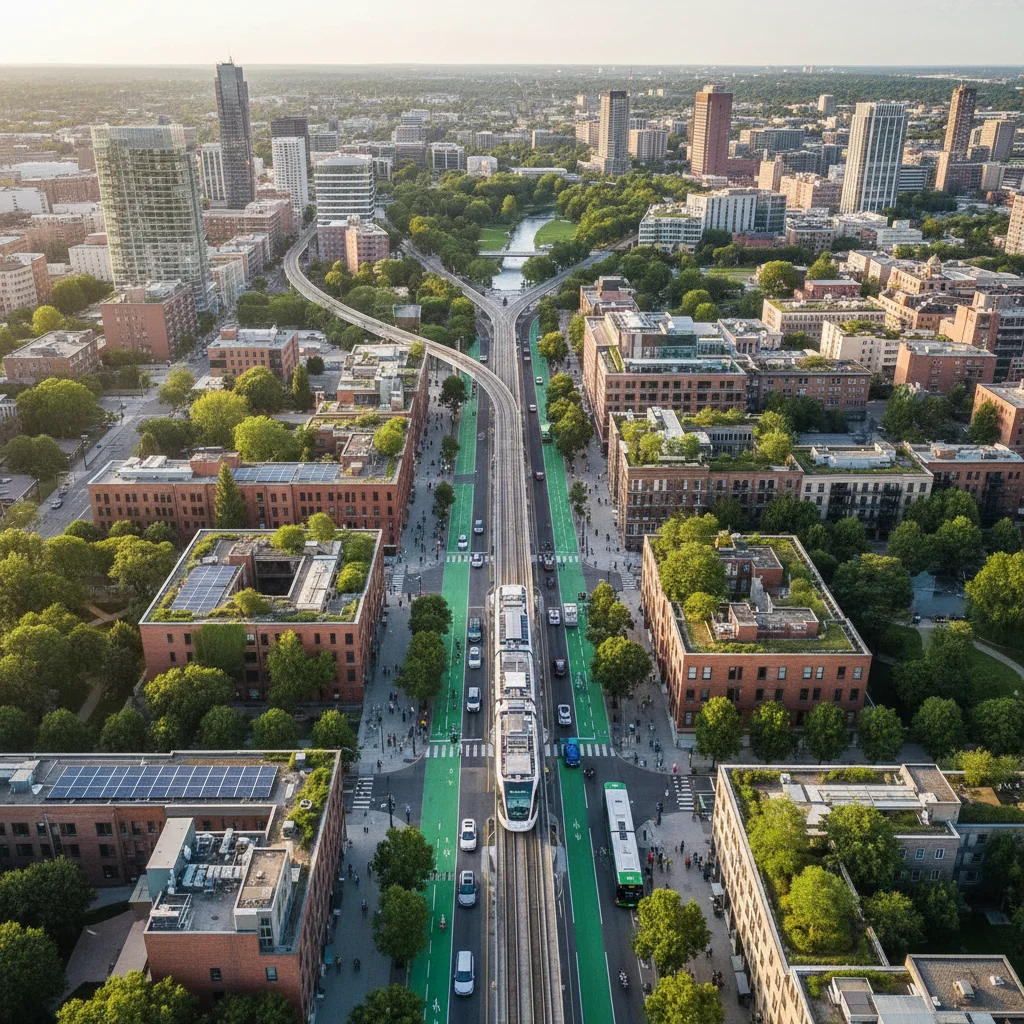
Cities across the US are increasingly investing in infrastructure to support active commuting, including dedicated bike lanes, pedestrian pathways, and secure bike parking facilities. The availability of electric bicycles (e-bikes) has also made cycling accessible to a wider range of commuters, flattening hills and extending practical commuting distances without significant physical exertion. E-scooters offer another flexible, low-impact option for shorter distances, further diversifying the active sustainable US commute portfolio.
Practical Tips for Active Commuters
- Plan Your Route: Utilize online maps to find the safest and most scenic walking or biking paths.
- Gear Up: Invest in appropriate safety gear, including helmets for cyclists, visible clothing, and lights for low-light conditions.
- Consider Shower Facilities: If your workplace doesn’t have showers, explore nearby gyms or alternative solutions.
- Embrace Multimodality: Combine walking or biking with public transit for longer commutes.
By choosing to walk or bike, commuters not only contribute to a greener environment but also invest in their own health and happiness, making it a truly holistic approach to a sustainable US commute.
4. Carpooling and Ride-Sharing: Maximizing Efficiency, Minimizing Impact
Even for those who rely on personal vehicles, there are ways to make their commute more sustainable. Carpooling and ride-sharing services significantly reduce the number of single-occupancy vehicles on the road, thereby lowering overall emissions, traffic congestion, and parking demand. This collaborative approach to transportation is a critical component of a broader sustainable US commute strategy.
The Benefits of Sharing the Ride
When multiple people share a ride, the carbon footprint per person decreases dramatically. For example, a car carrying four people produces one-quarter of the emissions per person compared to a single driver. This collective action directly translates into fewer cars on the road, leading to reduced fuel consumption, less air pollution, and a smaller carbon footprint for each individual.
Technological Facilitation
Modern technology has made carpooling and ride-sharing easier than ever. Dedicated apps and platforms connect commuters with similar routes and schedules, facilitating seamless ride coordination. Many companies also offer carpool matching services or incentives for employees who share rides. Furthermore, the expansion of ride-sharing services (like Uber Pool or Lyft Line) provides on-demand options for shared transportation, especially useful for occasional commutes or specific legs of a journey.
Financial and Social Perks
Beyond environmental benefits, carpooling offers financial savings through shared fuel costs, reduced wear and tear on personal vehicles, and potentially lower parking fees. It also provides an opportunity for social interaction, turning commute time into a chance to connect with colleagues or neighbors. For a more sustainable US commute, carpooling is a simple yet effective adjustment that yields multiple benefits.
5. Telecommuting and Flexible Work Arrangements: The Ultimate Zero-Emission Commute
The COVID-19 pandemic significantly accelerated the adoption of telecommuting and flexible work arrangements, revealing their immense potential for fostering a sustainable US commute. For many jobs, working from home eliminates the commute entirely, resulting in zero transportation-related emissions on those days. This paradigm shift in work culture offers one of the most impactful ways to reduce individual and collective carbon footprints.
The Environmental Dividend of Remote Work
When employees telecommute, they eliminate the need for a car trip, public transit ride, or any other form of physical travel to the workplace. This directly translates to a significant reduction in greenhouse gas emissions from the transportation sector. Beyond individual carbon savings, widespread telecommuting reduces overall traffic congestion, contributing to better air quality for everyone.
Beyond Emissions: Broader Benefits
The advantages of telecommuting extend far beyond environmental impact. Employees often report increased productivity, better work-life balance, and reduced stress from avoiding daily commutes. Employers can benefit from reduced office overheads, access to a wider talent pool, and potentially higher employee retention. Furthermore, the decreased demand on infrastructure can lead to less wear and tear on roads and public transit systems.
Hybrid Models for a Sustainable Future
While not all jobs can be done remotely, hybrid work models – where employees split their time between the office and home – offer a balanced approach. Even commuting just two or three days a week instead of five can lead to a substantial reduction in one’s carbon footprint. Advocating for and implementing flexible work policies is a powerful way to promote a sustainable US commute culture.
6. Integrating Micro-Mobility Solutions: Scooters and E-Bikes for the Last Mile
Micro-mobility solutions, such as electric scooters, electric bikes, and shared bicycle programs, have emerged as vital components for a truly sustainable US commute, particularly for addressing the ‘last mile’ challenge. These options bridge the gap between public transit stops and final destinations, making multimodal commuting more feasible and attractive.
The Rise of Micro-Mobility
Shared micro-mobility services are becoming increasingly common in urban and dense suburban areas. Users can easily locate, unlock, and pay for scooters or e-bikes via smartphone apps, offering convenient on-demand transportation without the commitment of ownership. These devices are compact, nimble, and ideal for navigating congested city streets, providing a quick and emissions-free way to cover short to medium distances.
Enhancing Public Transit Accessibility
Micro-mobility plays a crucial role in extending the reach of public transportation. By making it easier for commuters to get to and from bus stops or train stations, these tools encourage greater use of mass transit. Instead of driving a car for a short distance to reach a transit hub, commuters can opt for an e-scooter or an e-bike, seamlessly integrating their journey into a larger sustainable US commute plan.
Environmental and Urban Benefits
From an environmental perspective, micro-mobility devices are either human-powered or electric, meaning they produce zero direct emissions during use. Their small footprint also contributes to less urban congestion and reduced demand for parking spaces, helping to create more pedestrian-friendly and vibrant city environments. As technology advances and infrastructure improves, micro-mobility will continue to be an indispensable part of a comprehensive sustainable US commute strategy.
Measuring Your Impact: Tracking Your Carbon Footprint Reduction
To truly understand the effectiveness of adopting a sustainable US commute, it’s important to have a sense of your current carbon footprint and how your changes are impacting it. Many online calculators and apps can help you estimate your emissions based on your travel habits. By regularly tracking your mileage, fuel consumption, or mode of transport, you can quantify the positive difference you’re making.
Setting a goal, such as a 20% reduction in your transportation carbon footprint by 2026, provides a clear target. This can be achieved through a combination of strategies: perhaps switching to an EV for part of the week, carpooling another day, and integrating public transit or active commuting whenever possible. Even small, consistent changes add up significantly over time.
Remember that the journey towards a sustainable US commute is an ongoing process of learning, adapting, and making conscious choices. Every decision to opt for a greener mode of transport contributes to a larger collective effort that is vital for the health of our planet.
Overcoming Challenges and Planning for Success
While the benefits of a sustainable US commute are clear, implementing these changes can come with challenges. These might include:
- Infrastructure Gaps: Lack of adequate bike lanes, EV charging stations, or public transit routes in certain areas.
- Cost: Initial investment in an EV or an e-bike can be significant, despite long-term savings.
- Time & Convenience: Perceived longer travel times or less direct routes compared to driving.
- Weather: Active commuting can be challenging in extreme weather conditions.
- Safety Concerns: Worries about safety when cycling or walking in traffic.
Addressing these challenges requires a combination of individual planning and collective advocacy. On a personal level, research available incentives, plan your routes carefully, and explore hybrid commuting options. On a broader scale, support policies that invest in sustainable infrastructure, advocate for better public transit, and encourage your workplace to offer flexible arrangements and EV charging solutions.
By proactively identifying and addressing these hurdles, US commuters can successfully transition to more sustainable habits, making the 20% carbon footprint reduction by 2026 not just a goal, but a tangible reality.
Conclusion: A Greener Path Forward for US Commuters
The vision of a sustainable US commute by 2026 is not an idealistic dream but an achievable objective, driven by innovation, conscious choices, and collective action. By exploring and adopting alternatives like electric vehicles, optimizing public transportation, embracing active commuting, utilizing carpooling and ride-sharing, leveraging telecommuting, and integrating micro-mobility solutions, US commuters have the power to significantly reduce their carbon footprint.
Each of these six strategies offers unique benefits, not only for the environment but also for individual health, financial well-being, and community vitality. The transition to a more sustainable way of travel is a journey that requires commitment, but the rewards are profound – cleaner air, healthier cities, and a more resilient planet for future generations.
Let 2026 be the year when US commuters collectively make a decisive move towards a greener, more sustainable future, one commute at a time. Your daily choices have the power to create lasting positive change. Start today, and be a part of the solution for a truly sustainable US commute.