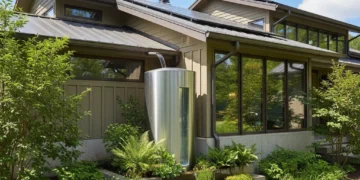
Rainwater Harvesting Systems in 2026: Cut Your Water Bill by an Average of 25%

In an era where environmental consciousness and financial prudence go hand-in-hand, finding innovative ways to manage household resources is paramount. One such solution gaining significant traction, especially as we look towards 2026, is the adoption of rainwater harvesting systems. Imagine a world where a significant portion of your water needs is met directly from the skies, free of charge. This isn’t a futuristic dream; it’s a tangible reality that can lead to an average reduction of 25% in your water bill, alongside a host of environmental benefits.
The concept of collecting rainwater is as old as civilization itself, but modern technology has transformed it into a sophisticated, efficient, and increasingly accessible practice for homeowners. As municipal water costs continue to climb and concerns about water scarcity grow, investing in rainwater harvesting systems is not just an eco-friendly choice, but a financially savvy one. This comprehensive guide will delve into everything you need to know about these systems in 2026, from their benefits and types to installation and maintenance, ensuring you’re well-equipped to make an informed decision for your home and your wallet.
The Compelling Case for Rainwater Harvesting Systems in 2026
Why should you consider rainwater harvesting systems now more than ever? The reasons are multifaceted, encompassing financial savings, environmental stewardship, and increased self-sufficiency. Let’s break down the key advantages:
Significant Water Bill Reductions
This is often the most immediate and compelling benefit for homeowners. By capturing and storing rainwater, you reduce your reliance on municipal water supplies. This water can be used for a variety of non-potable purposes, such as:
- Outdoor Irrigation: Watering gardens, lawns, and potted plants. This alone can account for a substantial portion of household water usage, especially in drier climates or during summer months.
- Toilet Flushing: Toilets are major water consumers. Using harvested rainwater for flushing can drastically cut down on potable water consumption.
- Laundry: Rainwater is naturally soft, meaning you might even use less detergent and extend the life of your clothes and washing machine.
- Car Washing and Outdoor Cleaning: Keep your vehicles and patios sparkling without tapping into your treated water supply.
Studies and real-world applications consistently show that households implementing rainwater harvesting systems can expect to see their water bills decrease by an average of 25%. In some regions with high water costs or significant outdoor water use, these savings can be even higher, leading to a relatively quick return on investment.
Environmental Benefits and Sustainability
Beyond the financial savings, the ecological impact of rainwater harvesting systems is profound:
- Reduced Demand on Municipal Supplies: Less strain on local water treatment plants and natural water sources like rivers and aquifers.
- Stormwater Management: Collecting rainwater helps to mitigate stormwater runoff, which can cause erosion, flooding, and pollution of waterways. By diverting water from storm drains, you contribute to healthier local ecosystems.
- Lower Carbon Footprint: Treating and transporting municipal water is energy-intensive. By using rainwater, you indirectly reduce energy consumption and associated greenhouse gas emissions.
- Chemical-Free Water for Plants: Rainwater is naturally free of chlorine and other chemicals found in treated tap water, making it ideal for plants and promoting healthier garden ecosystems.
Increased Water Independence and Resilience
In an age of unpredictable weather patterns and potential infrastructure vulnerabilities, having an independent water source offers peace of mind. Rainwater harvesting systems provide a backup supply during:
- Droughts or Water Restrictions: When municipal water usage is limited, your harvested supply can keep your garden alive and toilets flushing.
- Power Outages: If your system is gravity-fed or has a solar-powered pump, you maintain water access even when the grid is down.
- Rural Living: For homes not connected to a municipal water supply, rainwater harvesting can be a primary water source, reducing the need for well drilling or expensive water deliveries.
Understanding the Components of Rainwater Harvesting Systems
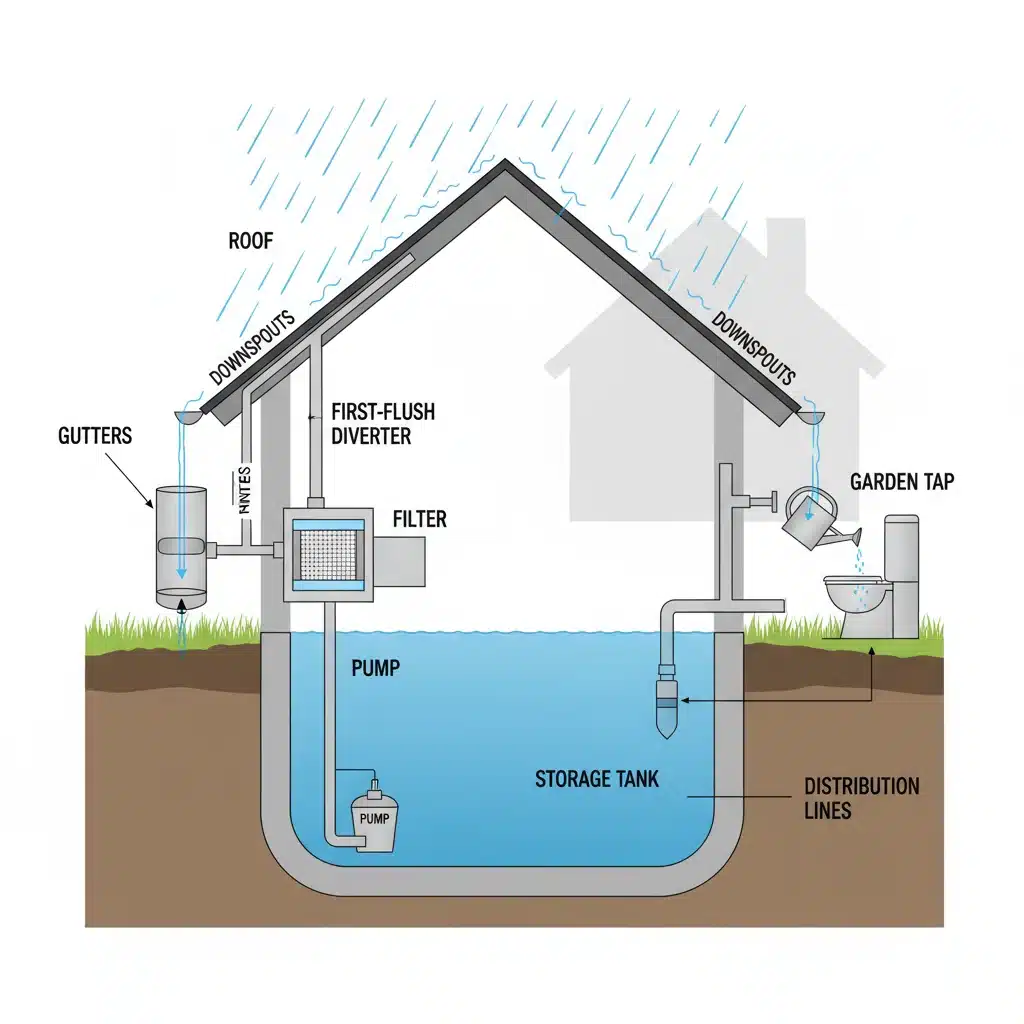
While the basic principle is simple – catch rain, store it, use it – modern rainwater harvesting systems involve several key components that work together to ensure efficiency and water quality. Understanding these parts is crucial for proper installation and maintenance.
Catchment Surface
This is typically your roof. The larger the roof area, the more rainwater you can collect. The material of your roof can also affect water quality; metal or tile roofs are generally preferred over asphalt shingles due to fewer contaminants and smoother surfaces for runoff.
Conveyance System
Gutters and downspouts direct the rainwater from the catchment surface to the storage tank. It’s important that these are well-maintained, free of debris, and properly sloped to ensure efficient flow.
Leaf Screens and Debris Filters
Before water enters the storage tank, it passes through screens and filters to remove leaves, twigs, insects, and other large debris. This prevents contamination and clogging of the system. A ‘first-flush diverter’ is an excellent addition, as it diverts the initial flow of rainwater (which often contains the most impurities) away from the main storage tank.
Storage Tank (Cistern)
This is the heart of any rainwater harvesting system. Tanks come in various sizes, materials, and configurations:
- Materials: Common materials include polyethylene (plastic), fiberglass, concrete, and galvanized steel. Each has its pros and cons regarding cost, durability, and aesthetics.
- Above-Ground vs. Underground: Above-ground tanks are easier to install and maintain but take up yard space and can be subject to temperature fluctuations. Underground tanks are less visible, maintain cooler water temperatures, but are more expensive and complex to install.
- Capacity: Sizing your tank depends on your roof area, average rainfall, and intended water usage. It’s a critical calculation to ensure you have enough water when you need it.
Pump and Pressure System (Optional)
For applications requiring water pressure (e.g., toilet flushing, laundry, or garden hoses), a pump is necessary. Many modern rainwater harvesting systems integrate smart pumps that automatically turn on when water is demanded and shut off when the tank is empty to prevent damage.
Distribution System
This consists of pipes that deliver the harvested rainwater to its points of use. For non-potable uses, it’s crucial to have a clearly separate and labeled distribution system to prevent accidental cross-connection with potable water lines.
Filtration and Treatment (Optional but Recommended)
Even for non-potable uses, basic filtration (e.g., sediment filters) is advisable to protect appliances and ensure cleaner water. For applications where water might come into contact with people or animals, or if you aspire to potable use (which is more complex and regulated), further treatment like UV sterilization or advanced filtration is required.
Types of Rainwater Harvesting Systems for Your Home
The beauty of rainwater harvesting systems lies in their adaptability. There’s a system to suit almost every need and budget, from simple DIY setups to fully integrated, automated solutions.
Simple Rain Barrels
This is the most basic and cost-effective entry point into rainwater harvesting. A rain barrel is placed under a downspout to collect water directly from the roof. They are ideal for:
- Gardeners: Perfect for watering small gardens, potted plants, and hanging baskets.
- Beginners: A great way to test the waters of rainwater harvesting without a significant investment.
- Small Spaces: They don’t require much space and can be easily moved.
While effective for small-scale use, rain barrels have limited capacity and typically only provide gravity-fed water pressure.
Integrated Domestic Systems
These are more sophisticated rainwater harvesting systems designed to meet a significant portion of a household’s non-potable water needs. They involve larger storage tanks, advanced filtration, and often a pump to deliver pressurized water to multiple points within the home (e.g., toilets, laundry). These systems can be:
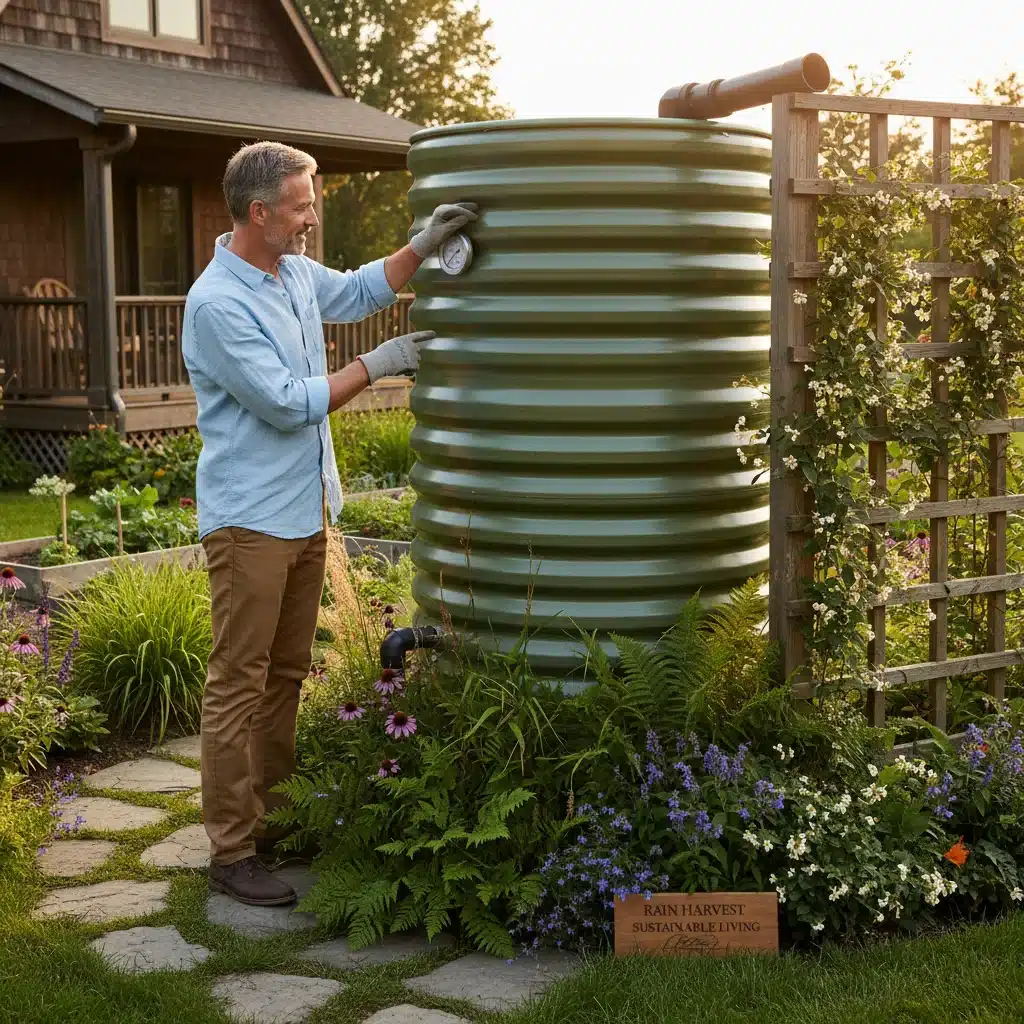
- Above-Ground: Tanks are visible in the yard, potentially integrated into landscaping.
- Underground: Tanks are buried, preserving yard aesthetics and keeping water cooler.
- Modular: Systems designed to be expanded over time by adding more storage capacity.
Integrated systems require professional installation and careful planning to maximize efficiency and comply with local regulations.
Potable Rainwater Harvesting Systems
While most residential rainwater harvesting systems focus on non-potable uses, it is possible to treat rainwater to make it safe for drinking and bathing. However, this involves a much more rigorous treatment process, including:
- Multi-stage filtration: Sediment, carbon, and sometimes even reverse osmosis.
- Disinfection: UV sterilization or chemical treatment (e.g., chlorine).
- Regular testing: To ensure water quality meets health standards.
Such systems are more complex, expensive, and subject to strict health regulations. They are more common in remote areas where no other reliable water source exists.
Planning and Installation: What to Consider for 2026
Implementing rainwater harvesting systems requires careful planning to ensure optimal performance and compliance. Here’s what you need to think about:
Assess Your Needs and Climate
- Water Usage: How much water do you currently use for non-potable purposes? This will help determine the required tank size.
- Rainfall Patterns: Research your local average annual rainfall and seasonal variations. This influences how much water you can realistically collect.
- Roof Size and Type: Calculate your roof’s catchment area. A larger, cleaner roof means more water.
- Intended Use: Will it be for gardening only, or do you plan to connect it to indoor fixtures?
Site Selection for Your Tank
Choose a location that is:
- Close to Downspouts: Minimizes piping and maximizes efficiency.
- Level and Stable: Prevents the tank from shifting or tipping. For large tanks, a concrete pad may be necessary.
- Shaded: Helps keep water cooler and reduces algae growth.
- Accessible: For maintenance and cleaning.
- Aesthetically Pleasing: Consider how the tank will look in your landscape, especially for above-ground options.
Permits and Regulations
This is a critical step that often gets overlooked. Regulations regarding rainwater harvesting systems vary significantly by state, county, and even municipality. Before you begin any installation, check with your local authorities for:
- Building Codes: Requirements for tank placement, foundations, and connections.
- Health Codes: Especially if you’re considering potable use.
- Water Rights: In some arid regions, there might be regulations on collecting rainwater, though these are becoming less common as water conservation gains importance.
- Rebates and Incentives: Many regions offer financial incentives, tax credits, or rebates for installing rainwater harvesting systems, which can significantly offset the initial cost.
Professional Installation vs. DIY
For simple rain barrel setups, DIY is certainly feasible. However, for integrated rainwater harvesting systems involving pumps, extensive piping, and connections to household plumbing, professional installation is highly recommended. Experts can ensure:
- Correct Sizing: Proper calculation of tank capacity and pump requirements.
- Optimal Design: Efficient layout of gutters, filters, and distribution lines.
- Code Compliance: Adherence to all local building and health regulations.
- Longevity and Reliability: Quality workmanship and proper component selection.
Maintaining Your Rainwater Harvesting System for Peak Performance
Like any home utility system, rainwater harvesting systems require regular maintenance to function efficiently and ensure water quality. Neglecting maintenance can lead to reduced collection, contaminated water, or damage to the system.
Regular Cleaning of Gutters and Downspouts
This is perhaps the most frequent and crucial task. Clogged gutters mean less water reaching your tank and can lead to overflow and damage to your home’s fascia. Clean them at least twice a year, or more often if you have many trees nearby.
Inspect and Clean Filters and Screens
Leaf screens and first-flush diverters are designed to catch debris. They need to be cleaned regularly to prevent blockages and ensure water flows freely into the tank. Check them monthly, especially during periods of heavy rainfall or leaf fall.
Tank Inspection and Cleaning
Periodically inspect the inside of your storage tank for sediment buildup or algae growth. The frequency depends on your system’s filtration effectiveness and water usage. For most systems, a thorough cleaning every 1-3 years is sufficient. This usually involves draining the tank, scrubbing the interior, and flushing out any accumulated sludge.
Pump and Piping Check
If your system includes a pump, inspect it periodically for proper operation, leaks, or unusual noises. Check all visible pipes and connections for leaks or signs of wear. Ensure all non-potable lines are clearly labeled to avoid confusion.
Water Quality Monitoring
Even for non-potable uses, it’s a good idea to visually inspect the water for clarity and odor. If you’re using the water for more sensitive applications or have a potable system, regular water testing is essential to ensure it meets safety standards.
Future Trends and Innovations in Rainwater Harvesting for 2026
The field of rainwater harvesting systems is continually evolving, with new technologies and approaches making them more efficient, user-friendly, and integrated into smart homes. Looking ahead to 2026, we can expect to see:
Smart Systems and Automation
Integration with home automation platforms will become more common. Smart controllers will monitor tank levels, predict rainfall, and automatically manage water distribution, even diverting excess water to specific garden zones or municipal systems if regulations allow. Sensors will detect issues like clogs or leaks and alert homeowners.
Modular and Aesthetically Integrated Designs
Tanks are becoming more stylish and less obtrusive. Expect to see more modular tank designs that can be expanded easily, as well as tanks designed to blend seamlessly into landscaping, act as architectural features, or even be hidden within walls or under decks.
Advanced Filtration and Treatment
While potable systems remain complex, advancements in compact, low-maintenance filtration and UV treatment technologies will make clean rainwater more accessible for a wider range of uses, potentially reducing the reliance on municipal supplies for more household needs.
Community-Scale Harvesting
Beyond individual homes, entire communities and urban developments are exploring large-scale rainwater harvesting systems for shared irrigation, public spaces, and even aquifer replenishment. This collective approach maximizes impact and shares resources.
Sustainable Materials and Manufacturing
The industry will increasingly focus on using recycled and sustainably sourced materials for tanks and components, further enhancing the eco-friendly credentials of these systems.
Addressing Common Concerns About Rainwater Harvesting
While the benefits are clear, potential homeowners often have questions or concerns about rainwater harvesting systems. Let’s tackle some of the most common ones:
Is Rainwater Safe to Use?
For non-potable uses (gardening, flushing, laundry), rainwater is generally safe once filtered for debris. For potable use, it requires rigorous filtration and disinfection, as it can pick up contaminants from the roof and air. Always consult local health guidelines if considering drinking rainwater.
What About Mosquitoes and Pests?
Properly designed rainwater harvesting systems are sealed to prevent mosquito breeding. Tanks should have tight-fitting lids and screens on all openings (inlets, outlets, overflow pipes) to keep insects and other pests out. Regular maintenance helps prevent stagnant water issues.
Will I Run Out of Water?
The risk of running out of water is mitigated by proper system sizing. Calculating your roof area, average rainfall, and water demand will help determine the appropriate tank capacity. Many advanced systems can also integrate with municipal water supplies, providing an automatic top-up if rainwater levels get too low.
Is It Expensive to Install?
Initial costs can vary widely depending on the system’s complexity, tank size, and installation challenges. Simple rain barrels are inexpensive, while integrated systems can range from a few thousand to over ten thousand dollars. However, considering the long-term savings on water bills, potential property value increase, and available rebates, the return on investment can be very attractive.
Does it Require a Lot of Maintenance?
While not maintenance-free, the tasks are generally straightforward: cleaning gutters, checking filters, and occasional tank inspection. With a well-designed system, these tasks are manageable and can be incorporated into routine home maintenance.
Conclusion: Embrace the Future with Rainwater Harvesting Systems
As we navigate towards 2026 and beyond, the imperative for sustainable living and smart resource management will only intensify. Rainwater harvesting systems stand out as a powerful solution, offering a compelling blend of financial savings, environmental responsibility, and increased household resilience. By cutting your water bill by an average of 25% and reducing your environmental footprint, these systems are not just an investment in your home, but an investment in a more sustainable future.
Whether you start with a simple rain barrel or opt for a sophisticated integrated system, embracing rainwater harvesting is a tangible step towards greater self-sufficiency and a healthier planet. Take the time to research, plan, and consult with professionals to design a system that perfectly fits your needs and local conditions. The benefits, both personal and planetary, are clear and compelling, making rainwater harvesting systems an increasingly essential feature of the modern, eco-conscious home.