
Cultivating Inner Peace: 4 Daily Habits Adopted by 2026’s Top Performers for Enhanced Mental Clarity and Reduced Anxiety, Based on Neuroscience
In the relentless pursuit of success, the modern professional often finds themselves caught in a maelstrom of deadlines, demands, and digital distractions. The year 2026 has ushered in an era where peak performance is not merely about working harder, but working smarter – and more importantly, living calmer. The most successful individuals, the true top performers of our time, have recognized a profound truth: sustained achievement is inextricably linked to an inner state of peace. It’s not about escaping the chaos, but about cultivating a sanctuary within, a place of mental clarity and emotional resilience.
This isn’t some New Age fad; it’s a strategic imperative backed by robust neuroscience. Research consistently demonstrates that a calm and focused mind is more innovative, more productive, and significantly more resilient to stress. Chronic stress, conversely, erodes cognitive function, impairs decision-making, and contributes to a host of physical and mental health issues. So, how are 2026’s top performers not just surviving, but thriving, in an increasingly complex world? They are deliberately cultivating inner peace habits.
This article will delve into four pivotal daily habits, grounded in cutting-edge neuroscience, that have become the bedrock of mental fortitude for the highest achievers. These aren’t grand, time-consuming rituals, but rather accessible, impactful practices designed to rewire your brain for tranquility and peak performance. By integrating these inner peace habits into your daily routine, you too can unlock enhanced mental clarity, significantly reduce anxiety, and navigate life’s challenges with unwavering composure.
The Neuroscience of Inner Peace: Why It Matters More Than Ever
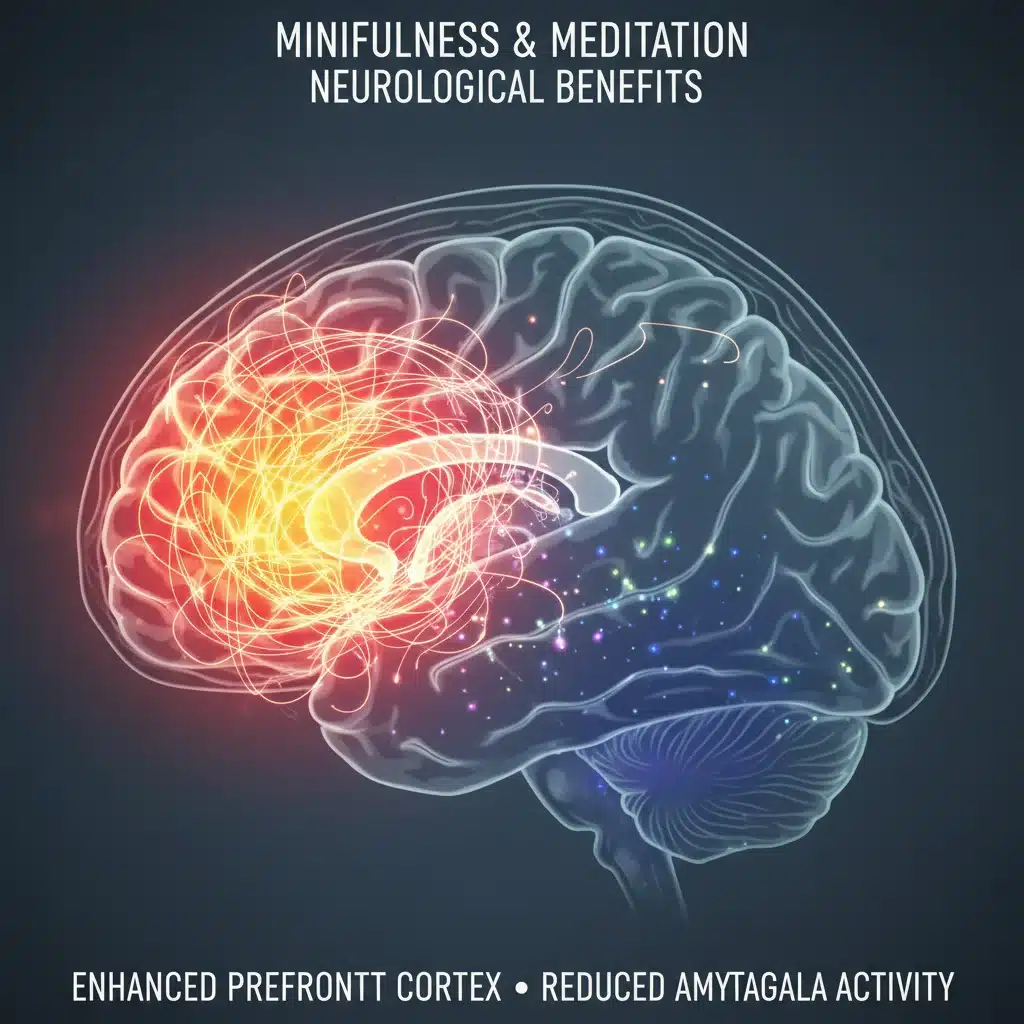
Before we explore the specific habits, it’s crucial to understand the scientific rationale behind them. Our brains are incredibly adaptable, a phenomenon known as neuroplasticity. This means that with consistent practice, we can literally reshape our neural pathways. Chronic stress activates the amygdala, the brain’s fear center, and floods our system with cortisol, the stress hormone. This can lead to impaired prefrontal cortex function (responsible for executive functions like planning, decision-making, and emotional regulation), reduced hippocampal volume (critical for memory and learning), and an overall state of hyper-vigilance and anxiety.
Conversely, practices that promote relaxation and mindfulness activate the parasympathetic nervous system, often called the ‘rest and digest’ system. This reduces cortisol levels, calms the amygdala, and strengthens the prefrontal cortex. The result? Improved focus, better emotional control, enhanced creativity, and a profound sense of well-being. The inner peace habits we’re about to discuss are direct pathways to leveraging this neuroplasticity for your benefit.
In 2026, the understanding of these neurological mechanisms has become mainstream among high-achievers. They don’t just ‘feel’ better; they know their brains are operating at an optimal level, giving them a distinct competitive edge. They recognize that investing in their mental landscape is as critical, if not more so, than investing in their professional skills or financial portfolios. It’s the ultimate bio-hack for sustained success and contentment.
Habit 1: Mindful Mornings & The Power of Intentionality
Starting Your Day with Purpose, Not Panic
The first habit embraced by 2026’s top performers is the practice of mindful mornings. This isn’t about waking up at 4 AM to run a marathon, but rather about intentionally crafting the first hour of your day to set a positive tone and cultivate mental clarity. Instead of immediately diving into emails, social media, or the news (which often triggers stress and reactivity), these individuals dedicate time to quiet reflection and purposeful activity.
Neuroscience supports this approach. The prefrontal cortex, responsible for focus and decision-making, is often at its peak performance in the morning. By engaging in mindful activities, you’re essentially ‘warming up’ this crucial brain region, preparing it for the day’s challenges. Conversely, immediately exposing yourself to a barrage of information can overwhelm the brain, leading to decision fatigue and reduced cognitive function later in the day.
Practical Application of Mindful Mornings:
- "No-Screen Zone" for the First Hour: Resist the urge to check your phone, tablet, or computer. This allows your brain to transition from sleep to wakefulness naturally, without immediate external demands.
- Short Meditation or Breathwork (5-15 minutes): Even a few minutes of focused breathing can significantly reduce cortisol levels and activate the parasympathetic nervous system. Apps like Calm or Headspace offer guided meditations that can be incredibly helpful. This habit directly contributes to developing robust inner peace habits.
- Journaling for Clarity: Spend 5-10 minutes writing down your thoughts, intentions for the day, or simply what you’re grateful for. This practice helps to organize your thoughts, process emotions, and reinforce positive neural pathways.
- Mindful Movement: Gentle stretching, yoga, or a short walk can awaken your body and mind without the intensity of a full workout. Focus on the sensations in your body and your breath.
- Reading Something Uplifting: Instead of news, choose a book or an article that inspires you, stimulates positive thought, or teaches you something new.
By consistently implementing these small, intentional actions, top performers are training their brains to be proactive rather than reactive. They are establishing a foundation of calm and focus that carries them through the rest of their day, making them more resilient to stress and more effective in their roles. This foundational habit is paramount for anyone serious about cultivating lasting inner peace habits.
Habit 2: Strategic Breaks & The Art of Micro-Restoration
Recharging Your Cognitive Batteries Throughout the Day
The traditional view of productivity often involves long, uninterrupted stretches of work. However, 2026’s top performers understand that sustained focus is a myth. Our brains are not designed for continuous high-intensity output. Neuroscience confirms that our cognitive resources deplete over time, leading to decreased attention, increased errors, and heightened stress. The solution? Strategic breaks, or what we call ‘micro-restoration’ periods.
These aren’t just coffee breaks; they are intentional pauses designed to actively recharge your mental and emotional reserves. Research on the ultradian rhythm suggests that our bodies and minds operate in cycles of approximately 90 minutes of high focus followed by 20 minutes of rest. Ignoring these natural rhythms leads to burnout and diminished performance. Top performers have learned to honor these cycles, integrating short, purposeful breaks that are integral to their inner peace habits.
Practical Application of Strategic Breaks:
- The Pomodoro Technique (or similar): Work for 25-50 minutes, then take a 5-10 minute break. After four such cycles, take a longer 20-30 minute break. This structured approach helps maintain focus and prevents mental fatigue.
- Movement & Stretching: Get up from your desk, walk around, stretch your body. This boosts circulation, reduces muscle tension, and provides a mental shift. Even a 5-minute walk can significantly improve mood and cognitive function.
- Mindful Breathing Exercises: A quick 2-minute breathing exercise can reset your nervous system. Try the "4-7-8 breathing" technique (inhale for 4, hold for 7, exhale for 8) to rapidly calm your mind.
- Nature Exposure (even indoors): If possible, step outside for a few minutes. If not, look out a window, or even focus on a plant in your office. Exposure to nature has been shown to reduce stress and improve cognitive performance.
- Brief Social Connection: A short, positive interaction with a colleague can be rejuvenating. Avoid discussing work during these micro-breaks; focus on light, positive conversation.
These strategic breaks aren’t distractions; they are essential components of a high-performance routine. By consistently integrating these micro-restoration periods, top performers prevent cognitive overload, maintain emotional equilibrium, and sustain their energy levels throughout the day. This proactive approach to energy management is a cornerstone of effective inner peace habits.
Habit 3: Mindful Eating & Conscious Consumption
Nourishing Your Body and Mind with Intention
The third habit that distinguishes 2026’s top performers is mindful eating and conscious consumption. This goes beyond simply choosing healthy foods; it’s about paying attention to how and why we eat, and understanding the profound connection between our gut and our brain. The gut-brain axis is a rapidly expanding area of neuroscience, revealing how our diet directly impacts our mood, cognitive function, and overall mental health.
A diet rich in processed foods, sugar, and unhealthy fats can lead to inflammation, disrupt gut microbiota, and negatively affect neurotransmitter production, contributing to anxiety and depression. Conversely, a balanced diet rich in whole foods, fiber, and healthy fats supports optimal brain function and emotional stability. Top performers recognize food as fuel for both body and mind, making mindful choices that support their demanding lifestyles and reinforce their inner peace habits.
Practical Application of Mindful Eating:
- Eliminate Distractions During Meals: Put away your phone, turn off the TV, and focus solely on your food. Notice the colors, textures, aromas, and flavors. This simple act can transform eating from a routine chore into a meditative experience.
- Eat Slowly and Chew Thoroughly: Digestion begins in the mouth. Slower eating allows your body to register fullness more accurately, preventing overeating and aiding digestion.
- Listen to Your Body’s Hunger Cues: Eat when you’re truly hungry, not just out of habit or boredom. Stop when you’re satisfied, not stuffed. This attunement to your body is a key aspect of mindful living.
- Prioritize Nutrient-Dense Foods: Focus on whole, unprocessed foods like fruits, vegetables, lean proteins, and healthy fats. These provide the essential nutrients for brain health and stable energy levels.
- Stay Hydrated: Often overlooked, adequate water intake is crucial for cognitive function. Dehydration can lead to fatigue, poor concentration, and irritability.
- Conscious Snacking: If you snack, make it a mindful choice. Opt for nutrient-rich options like nuts, seeds, fruit, or yogurt, rather than sugary or processed snacks.
By approaching meals with awareness and intention, top performers are not only optimizing their physical health but also profoundly impacting their mental state. This conscious consumption helps regulate blood sugar, stabilize mood, and reduce brain fog, creating a consistent foundation for enhanced mental clarity and robust inner peace habits.
Habit 4: Reflective Evenings & The Power of Digital Detox
Winding Down with Intention for Restorative Sleep
The final, yet equally critical, habit adopted by 2026’s top performers is the practice of reflective evenings coupled with a strict digital detox. The quality of our sleep directly impacts our cognitive function, emotional regulation, and physical health. Yet, in our always-on culture, many people sacrifice restorative sleep for late-night screen time or work. Top performers understand that sleep is not a luxury but a non-negotiable biological necessity for peak performance and sustained well-being.
Neuroscience highlights the critical role of sleep in memory consolidation, emotional processing, and cellular repair. During deep sleep, the brain clears out metabolic waste products that accumulate during wakefulness. Exposure to blue light from screens in the hours before bed disrupts melatonin production, the hormone that signals to our body it’s time to sleep, leading to difficulty falling asleep and reduced sleep quality. These inner peace habits are about optimizing the entire 24-hour cycle.

Practical Application of Reflective Evenings:
- Digital Curfew (1-2 hours before bed): Power down all screens – phones, tablets, computers, and even TV. Engage in activities that don’t involve blue light, such as reading a physical book, listening to calming music, or talking with family.
- Evening Reflection/Gratitude Journaling: Spend 5-10 minutes reflecting on your day. What went well? What could be improved? What are you grateful for? This helps process the day’s events and ends on a positive note, reducing rumination. This is a powerful component of inner peace habits.
- Mindful Wind-Down Routine: Create a consistent routine that signals to your body it’s time to relax. This could include a warm bath, gentle stretching, light reading, or a cup of herbal tea.
- Prepare for Tomorrow: Briefly lay out clothes for the next day or make a short to-do list. This reduces morning stress and allows your mind to relax, knowing that essential tasks are organized.
- Optimize Your Sleep Environment: Ensure your bedroom is dark, quiet, and cool. Invest in a comfortable mattress and pillows. Remove any work-related items from your bedroom.
By consciously winding down and protecting their sleep, top performers are ensuring their brains have the optimal conditions for repair and rejuvenation. This leads to improved cognitive function, enhanced emotional resilience, and a consistent sense of calm and readiness for the day ahead. These reflective evenings are not just about sleep; they are about consolidating the day’s learning and reinforcing all the other inner peace habits, preparing for another day of mindful productivity.
Integrating Inner Peace Habits into Your Life: A Path to Sustainable Success
The journey to cultivating inner peace is not a sprint; it’s a marathon. It requires consistency, patience, and a willingness to embrace small, incremental changes. The top performers of 2026 didn’t wake up with these habits fully formed; they intentionally built them, one mindful morning, one strategic break, one conscious meal, and one reflective evening at a time. They understood that their greatest asset was not their intellect or their network, but their ability to maintain a calm, clear, and focused mind amidst the demands of their professional and personal lives.
The neuroscience is clear: these practices literally reshape your brain, enhancing your capacity for focus, creativity, emotional regulation, and resilience. By adopting these four inner peace habits, you are not just improving your well-being; you are strategically investing in your long-term success and happiness. You are moving beyond merely managing stress to actively cultivating a state of profound inner tranquility that empowers you to perform at your best, consistently and sustainably.
Start small. Choose one habit to focus on for a week, then gradually integrate another. Be kind to yourself; there will be days when you falter. The key is to return to the practice with renewed intention. As you consistently apply these principles, you will begin to notice a profound shift: less anxiety, greater mental clarity, improved decision-making, and a deeper sense of contentment. You will discover that true power lies not in controlling external circumstances, but in mastering your internal state. Embrace these inner peace habits, and join the ranks of those who are not just achieving success, but truly thriving.
Conclusion: Your Blueprint for a Calmer, More Accomplished 2026 and Beyond
In a world that constantly vies for our attention and energy, the ability to cultivate inner peace is no longer a luxury, but a fundamental skill for high performance and holistic well-being. The four daily habits – mindful mornings, strategic breaks, mindful eating, and reflective evenings – are not isolated practices but interconnected pillars supporting a robust mental and emotional foundation. They are the practical application of neuroscience, designed to optimize your brain, reduce anxiety, and unlock your fullest potential.
By consciously integrating these inner peace habits into your daily rhythm, you are choosing to step off the hamster wheel of reactivity and into a life of intentionality and calm. You are equipping yourself with the tools to navigate challenges with grace, innovate with clarity, and lead with compassion. The top performers of 2026 are not just successful; they are serene. Their achievements stem from a deep well of inner peace, cultivated through consistent, science-backed practices.
Make the commitment today to embark on this transformative journey. Your mind, your body, and your future success will thank you. Start with one habit, nurture it, and watch as your inner world transforms, leading to an outer life of greater accomplishment, fulfillment, and profound peace. The future of peak performance is peaceful performance, and it begins with you, one mindful moment at a time.