Mastering Monthly Self-Reflection: Your Guide to Personal Growth in the US

Do you ever feel like you’re moving through life on autopilot, without truly understanding your progress or direction? In the fast-paced environment of the United States, it’s easy to get caught up in the daily grind, neglecting the crucial practice of monthly self-reflection. This isn’t just about reviewing your to-do list; it’s about a deeper, more strategic look at your personal development, your well-being, and your alignment with your core values. Regular, intentional monthly self-reflection is a powerful tool for anyone serious about personal growth, offering clarity, direction, and a renewed sense of purpose. It allows you to pause, assess, and adjust your course, ensuring you’re not just busy, but busy with purpose. Without this crucial step, even the most ambitious individuals can find themselves adrift, making progress in areas that don’t truly matter to them, or repeating patterns that hinder their true potential. The act of dedicated monthly self-reflection transforms vague aspirations into actionable insights, making your personal development journey not only more effective but also more fulfilling.
In this comprehensive guide, we’ll delve into the profound benefits of integrating monthly self-reflection into your routine. We’ll explore why this practice is indispensable for sustained personal development and how it can help you navigate the complexities of modern life in the US. More importantly, we’ll provide you with 10 powerful questions designed to prompt deep introspection and actionable insights. These questions are not just theoretical; they are practical prompts that will guide you through a thorough evaluation of your past month, helping you to celebrate successes, learn from challenges, and strategically plan for the future. By the end of this article, you’ll have a clear framework to begin your own journey of strategic monthly self-reflection, empowering you to take intentional steps towards the life you envision.
The Indispensable Role of Monthly Self-Reflection in Personal Growth
Why is monthly self-reflection so crucial for personal growth? Think of it as a compass and a map for your life’s journey. Without periodically checking your position and direction, you might wander off course without even realizing it. In the context of personal development, this means you might be investing time and energy into activities or goals that no longer serve your highest purpose, or you might be overlooking critical areas that need attention. The modern world, especially in the US, bombards us with information, demands, and distractions. It’s easy to lose sight of our personal values, long-term aspirations, and even our current emotional state amidst the noise. Monthly self-reflection provides a dedicated space to cut through that noise, reconnect with yourself, and ensure your actions are aligned with your intentions.
Moreover, consistent monthly self-reflection fosters a growth mindset. It trains you to view challenges not as failures, but as opportunities for learning and improvement. By regularly evaluating your experiences, you develop a greater understanding of your strengths, weaknesses, triggers, and patterns of behavior. This heightened self-awareness is the bedrock of all personal development. It enables you to make more conscious choices, cultivate healthier habits, and respond to life’s ups and downs with greater resilience. Imagine the cumulative effect of a year’s worth of strategic monthly self-reflection: 12 opportunities to fine-tune your approach, 12 chances to course-correct, and 12 moments to celebrate progress. This consistent feedback loop is what transforms incremental changes into significant, sustainable personal growth. It’s not about being perfect, but about being perpetually in a state of becoming, always evolving towards your best self.
Furthermore, monthly self-reflection is a powerful antidote to burnout. By regularly checking in with your emotional and physical well-being, you can identify signs of stress or fatigue before they escalate. It allows you to proactively adjust your schedule, set boundaries, and prioritize self-care, which is often neglected in the pursuit of external achievements. This holistic approach to personal development acknowledges that true growth encompasses all aspects of your life – mental, emotional, physical, and spiritual. Without this regular check-in, the risk of pushing yourself too hard, ignoring your needs, and ultimately compromising your long-term well-being significantly increases. Therefore, embracing monthly self-reflection isn’t just about achieving more; it’s about achieving more sustainably and joyfully, ensuring that your journey of personal development is one of continuous well-being and fulfillment.
Benefits Beyond the Obvious: Why You Need This Practice
- Enhanced Self-Awareness: Understanding your motivations, strengths, and areas for improvement.
- Clearer Goal Setting: Aligning your actions with your long-term aspirations.
- Improved Decision Making: Making choices based on thoughtful analysis rather than impulse.
- Increased Resilience: Learning from setbacks and adapting to change more effectively.
- Greater Emotional Intelligence: Recognizing and managing your emotions and understanding others.
- Reduced Stress and Burnout: Proactively addressing well-being and setting healthy boundaries.
- Stronger Relationships: Understanding your role in interactions and improving communication.
- Boosted Productivity: Focusing on what truly matters and eliminating distractions.
- Cultivation of Gratitude: Recognizing and appreciating the positive aspects of your life.
- Sustained Motivation: Regularly reconnecting with your purpose and passion.
10 Essential Questions for Your Monthly Self-Reflection
Now that we understand the profound importance of monthly self-reflection, let’s dive into the core of the practice: the questions themselves. These aren’t just any questions; they are carefully crafted prompts designed to stimulate deep thought across various dimensions of your life. Approach each question with an open mind and a genuine desire for insight. There’s no right or wrong answer, only your honest perspective. Consider dedicating a specific time each month for this exercise, perhaps the last weekend or the first few days of a new month. Find a quiet space where you won’t be interrupted, grab a journal or open a document on your computer, and allow yourself the luxury of uninterrupted introspection. The more honest and detailed you are in your responses, the more valuable your monthly self-reflection will be. Remember, this is your time to connect with yourself, to listen to your inner wisdom, and to chart a course that truly resonates with your authentic self.
Question 1: What were my biggest accomplishments and successes this month?
This question is crucial for building self-esteem and recognizing progress. It’s easy to overlook small wins in the pursuit of bigger goals. Take time to list everything you achieved, no matter how small. Did you complete a challenging project at work? Did you stick to your fitness routine? Did you have a meaningful conversation with a loved one? Acknowledging your accomplishments reinforces positive behaviors and provides a sense of momentum. This initial step in your monthly self-reflection sets a positive tone, reminding you of your capabilities and the tangible results of your efforts. Don’t just list them; take a moment to savor the feeling of success and consider what made these achievements possible. This isn’t about bragging; it’s about internal validation and building a robust personal narrative of success.
Question 2: What challenges did I face, and how did I overcome them (or how am I still working on them)?
Life isn’t always smooth sailing, and challenges are inevitable. This question invites you to reflect on difficulties without judgment. What obstacles arose? How did you react? What strategies did you employ to navigate them? If you’re still working through a challenge, what have you learned so far, and what steps can you take next? This part of your monthly self-reflection is about developing resilience and a problem-solving mindset. It helps you identify patterns in your responses to stress and adversity, allowing you to refine your coping mechanisms. Understanding how you respond to challenges is a cornerstone of personal growth, transforming potential setbacks into powerful learning experiences. It’s an honest assessment of where you stumbled, and more importantly, how you picked yourself up.
Question 3: What new things did I learn or discover about myself or the world?
Continuous learning is vital for personal development. This question encourages you to reflect on new knowledge, skills, or insights gained. Did you read a new book, listen to an insightful podcast, or have a conversation that shifted your perspective? Did you discover a new strength or a hidden talent within yourself? This aspect of your monthly self-reflection highlights your intellectual and personal evolution. It helps you appreciate the richness of your experiences and encourages you to remain curious and open to new ideas. Recognizing these learnings keeps your mind agile and your spirit engaged, fostering a lifelong love of discovery and growth. It’s about acknowledging the subtle shifts in your understanding of yourself and the broader universe you inhabit.
Question 4: How did I spend my time this month, and was it aligned with my priorities?
Time is our most precious resource. This question prompts an honest evaluation of your time management and priorities. Were you spending your hours on activities that genuinely matter to you, or were you distracted by less important tasks? Consider your professional life, personal relationships, hobbies, and self-care. This monthly self-reflection helps you identify time sinks and areas where you might need to reallocate your energy. It’s a powerful tool for ensuring your actions are consistent with your stated values and goals. If there’s a discrepancy, this is your opportunity to recognize it and plan for a more intentional allocation of your time in the coming month. This question brings a practical, actionable element to your reflective process.
Question 5: What relationships did I nurture, and how can I improve my connections?
Our relationships are fundamental to our well-being. Reflect on your interactions with family, friends, colleagues, and community members. Who did you connect with meaningfully? Where might your relationships need more attention? This question encourages you to assess the health of your social network and identify opportunities to deepen bonds or resolve conflicts. It’s a reminder that personal development isn’t solely an individual endeavor but is deeply intertwined with our connections to others. Through this monthly self-reflection, you can ensure you’re investing in the people who bring joy and support to your life, and proactively address any areas of neglect or misunderstanding. Stronger relationships contribute significantly to a fulfilling life.
Question 6: How did I care for my physical and mental well-being this month?
Self-care is non-negotiable for sustained personal growth. This question focuses on your physical health (sleep, nutrition, exercise) and mental health (stress management, mindfulness, emotional balance). Did you prioritize these aspects, or did they fall by the wayside? What adjustments can you make to better support your well-being? This is a critical component of your monthly self-reflection, as neglecting these areas can undermine all other efforts at personal development. Be honest about where you might be falling short and commit to small, actionable steps to improve. Your well-being is the foundation upon which everything else is built, and regular assessment ensures its stability.
Question 7: What am I most grateful for this month?
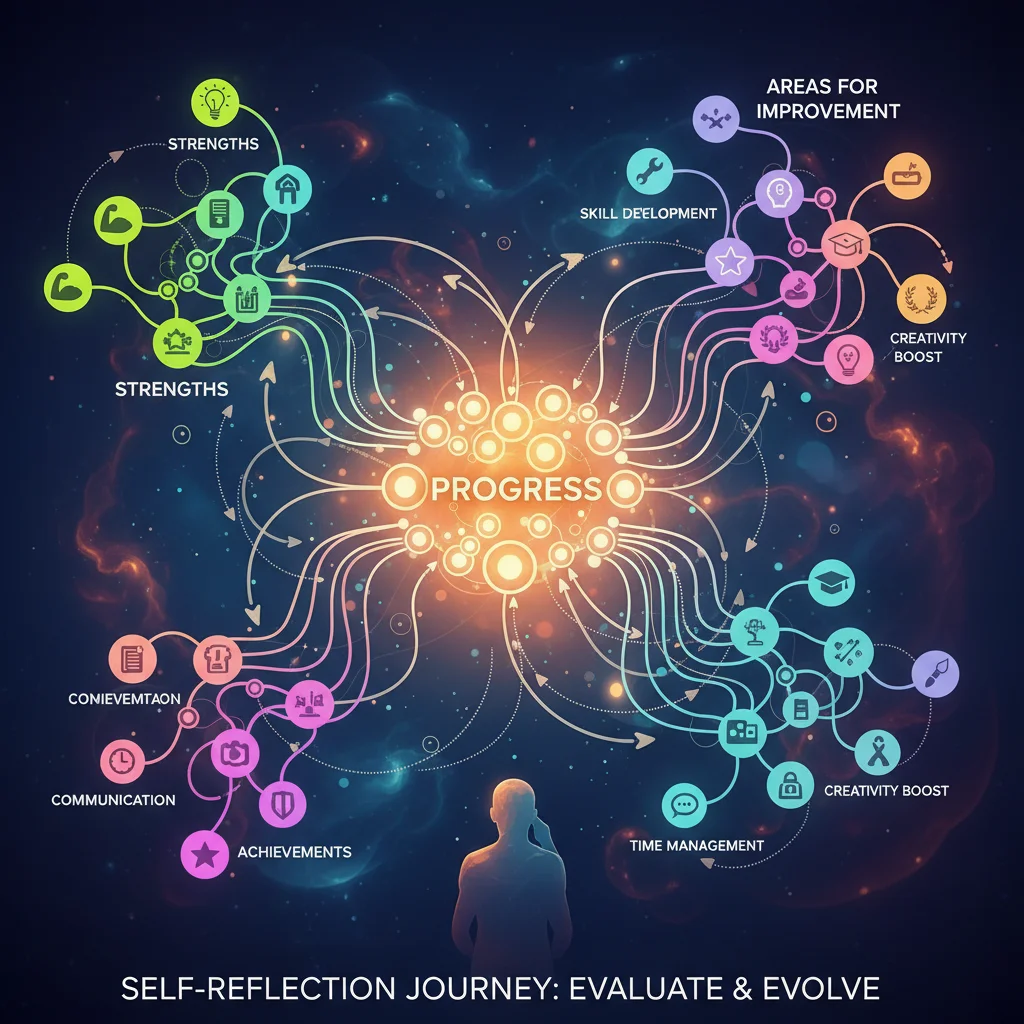
Cultivating gratitude is a powerful practice that shifts your perspective from what’s lacking to what’s abundant. Take time to list specific things, people, or experiences you are genuinely thankful for. This could be anything from a sunny day to a supportive friend, a successful project, or simply good health. This question grounds your monthly self-reflection in positivity and appreciation, fostering a more optimistic outlook. Regular gratitude practice has been shown to improve mental health, reduce stress, and enhance overall life satisfaction. It brings a vital element of joy and appreciation into your reflective process, reminding you of the good that exists even amidst challenges.
Question 8: What patterns or habits did I notice, both positive and negative?
Humans are creatures of habit. This question encourages you to observe your recurring behaviors, thoughts, and emotional responses. Are there positive habits you want to reinforce? Are there negative patterns you want to break? This insight is invaluable for targeted personal development. For instance, you might notice a pattern of procrastination before big tasks, or a habit of reaching for your phone instead of engaging in deeper work. Identifying these patterns during your monthly self-reflection is the first step towards intentional change. Once you’re aware of them, you can consciously choose to cultivate new, more beneficial habits and gradually dismantle those that no longer serve you. This self-awareness is a cornerstone of behavioral change.
Question 9: What do I need to let go of to move forward?
Sometimes, personal growth requires releasing old baggage. This could be a limiting belief, a past resentment, an unhealthy attachment, or even a goal that no longer resonates with you. What are you holding onto that is preventing you from advancing? This question in your monthly self-reflection invites you to practice detachment and forgiveness, both for yourself and others. Letting go can be challenging, but it creates space for new opportunities, perspectives, and energies to enter your life. It’s an act of self-compassion and a powerful step towards emotional freedom. Identifying what to release is just as important as identifying what to pursue.
Question 10: What are my top 1-3 priorities for the upcoming month, and what is one actionable step for each?
The final question transforms your monthly self-reflection into a forward-looking action plan. Based on your insights from the previous questions, what are the most important areas you want to focus on next month? Be specific and realistic. For each priority, identify one concrete, actionable step you can take. This ensures your reflection leads to tangible progress rather than just passive introspection. This step is where the rubber meets the road, where your insights are translated into deliberate actions. It provides a clear roadmap for the next 30 days, giving you direction and purpose. Without this planning phase, the rich insights gained from your monthly self-reflection might remain just that – insights, rather than catalysts for real change.
Integrating Monthly Self-Reflection into Your Routine
Understanding the questions is one thing; consistently integrating monthly self-reflection into your busy life is another. Here are some practical tips to make this powerful practice a sustainable habit:
Choose a Consistent Time and Place
Just like any other important appointment, schedule your monthly self-reflection. Whether it’s the first Sunday of the month, the last Friday evening, or a specific day you mark on your calendar, consistency is key. Find a quiet, comfortable space where you can think without interruption. This might be a favorite armchair, a local park, or even a quiet corner of a coffee shop. The environment plays a significant role in fostering a contemplative state. By making it a regular fixture, you signal to yourself that this practice is a non-negotiable part of your personal development journey, reinforcing its importance and making it easier to stick with over time. This dedicated ritual helps to mentally prepare you for the introspective work ahead.
Use a Journal or Digital Tool
Writing down your thoughts is crucial for effective monthly self-reflection. A physical journal offers the tactile experience of pen on paper, which many find therapeutic and conducive to deeper thought. Alternatively, a digital document, a note-taking app, or a dedicated journaling app can be just as effective, offering searchability and easy access. The act of writing helps to solidify thoughts, clarify ideas, and track progress over time. You can look back at previous months’ reflections to see how far you’ve come, identify recurring themes, and celebrate your evolution. Choose the method that feels most natural and sustainable for you, ensuring that your reflections are captured and accessible for future review.
Be Honest and Non-Judgmental
The purpose of monthly self-reflection is not to criticize yourself, but to understand and grow. Approach your answers with honesty and compassion. There will be months where you feel you haven’t made much progress, or where you faced significant setbacks. That’s okay. Acknowledge these realities without judgment. Self-compassion is a vital ingredient for personal development; beating yourself up only hinders growth. Treat yourself with the same kindness and understanding you would offer a good friend. This non-judgmental stance allows for a more authentic and productive exploration of your inner landscape, fostering psychological safety for genuine self-discovery.
Don’t Rush the Process
Allow ample time for your monthly self-reflection. This isn’t a quick checklist to tick off. Depending on the depth of your thoughts, it might take anywhere from 30 minutes to a couple of hours. Resist the urge to rush through the questions. Some questions might trigger deeper insights that require more contemplation. Give yourself the gift of time and space to truly delve into your experiences and feelings. Rushing defeats the purpose, leading to superficial answers and missed opportunities for profound understanding. This dedicated time is an investment in your future self, so treat it with the importance it deserves.
Review Past Reflections
Periodically look back at your previous months’ reflections. This longitudinal view is incredibly powerful. You’ll be able to identify patterns over time, see how your answers to certain questions have evolved, and gain a deeper appreciation for your growth journey. This review process solidifies the learning and reinforces the value of consistent monthly self-reflection. It provides concrete evidence of your progress, motivations, and evolving priorities. Seeing your growth in black and white can be a huge motivator, confirming that your efforts are indeed yielding positive results and guiding you towards your desired future.
Act on Your Insights

The most important step after reflecting is to act on your insights. Your answers to the 10th question – your priorities for the upcoming month and their actionable steps – are your blueprint. Don’t let your valuable reflections gather dust. Integrate these action steps into your planner or calendar. Make conscious efforts to implement the changes you’ve identified. Whether it’s setting new boundaries, learning a new skill, or dedicating more time to a particular relationship, turn your insights into tangible actions. This commitment to action is what truly transforms monthly self-reflection from a mere exercise into a powerful engine for continuous personal development. Without implementation, even the most profound reflections remain theoretical. Make your reflections work for you.
Common Pitfalls to Avoid in Your Monthly Self-Reflection
While monthly self-reflection is an incredibly beneficial practice, there are common traps that can diminish its effectiveness. Being aware of these pitfalls can help you navigate your reflective journey more smoothly and productively:
Pitfall 1: Turning It Into a Self-Criticism Session
One of the most common mistakes is to use monthly self-reflection as an opportunity to dwell on failures, shortcomings, and perceived inadequacies. While it’s important to acknowledge challenges, the goal is not to punish yourself. Instead, focus on learning and growth. If you find yourself spiraling into negative self-talk, pause and remind yourself of the purpose: constructive analysis, not destructive criticism. Frame your observations in terms of lessons learned and opportunities for future improvement. This shift in perspective is crucial for maintaining motivation and ensuring the practice remains empowering rather than disheartening. Remember, self-compassion is your greatest ally in this process.
Pitfall 2: Lack of Specificity
Vague answers lead to vague insights and, consequently, vague actions. When reflecting, try to be as specific as possible. Instead of saying, “I want to be healthier,” ask yourself, “What specific steps did I take this month to improve my health? Did I eat more vegetables? Exercise three times a week? Get 7-8 hours of sleep?” Similarly, for challenges, pinpoint the exact situations or triggers. Specificity makes your reflections actionable and allows for clearer progress tracking. The more detailed your input, the more valuable and precise your output will be, making your monthly self-reflection a truly effective tool for tangible change.
Pitfall 3: Overwhelming Yourself with Too Many Goals
After a powerful monthly self-reflection session, it’s easy to get excited and want to change everything at once. However, trying to tackle too many goals or make too many drastic changes can lead to overwhelm and burnout. Focus on 1-3 key priorities for the upcoming month, as suggested in Question 10. Small, consistent steps are far more effective than ambitious but unsustainable leaps. Prioritize what truly matters most and what will have the biggest impact, then break those down into manageable actions. This strategic focus ensures that your efforts are concentrated and more likely to yield positive results, making your monthly self-reflection a spring-board for sustainable progress.
Pitfall 4: Isolating Reflection from Action
As mentioned earlier, reflection without action is merely contemplation. The insights gained from your monthly self-reflection are only valuable if they lead to changes in behavior, mindset, or strategy. Ensure that you have a clear plan for implementing your insights. This might involve setting new habits, scheduling specific tasks, or having difficult conversations. If you consistently reflect but never act, you’ll find yourself stuck in the same patterns. The bridge between introspection and tangible progress is deliberate action. Make sure you close the loop by translating your discoveries into concrete steps that propel your personal development forward.
Pitfall 5: Inconsistency
The power of monthly self-reflection comes from its regularity. Skipping months or doing it haphazardly diminishes its long-term benefits. Life happens, and sometimes you might miss a session. Don’t let one missed month derail the entire practice. Just pick it up again the following month. However, strive for consistency. Make it a non-negotiable appointment with yourself. The cumulative effect of regular check-ins is what truly accelerates personal growth and allows you to build a comprehensive understanding of your journey. Consistency fosters momentum and reinforces the habit, ensuring that this vital practice becomes a natural and anticipated part of your routine.
Conclusion: Empowering Your Journey with Monthly Self-Reflection
In a world that constantly pulls us in a multitude of directions, the practice of monthly self-reflection stands as a beacon of intentionality and personal empowerment. It’s more than just a habit; it’s a commitment to your own growth, well-being, and fulfillment. By dedicating time each month to thoughtfully engage with the 10 questions we’ve explored, you equip yourself with the clarity, self-awareness, and strategic foresight needed to navigate your personal development journey effectively in the US and beyond. This consistent introspection allows you to celebrate your victories, learn from your setbacks, adjust your course with precision, and ultimately, live a life that is deeply aligned with your true values and aspirations.
Embracing monthly self-reflection is not about achieving perfection, but about fostering a continuous state of becoming—a journey of perpetual learning and evolution. It’s about being proactive rather than reactive, making conscious choices that shape your reality, and cultivating a profound connection with your inner self. As you integrate this practice into your life, you’ll discover an increased sense of purpose, greater resilience in the face of challenges, and a deeper appreciation for the rich tapestry of your experiences. Start today, commit to this powerful practice, and unlock the transformative potential of monthly self-reflection to shape the extraordinary life you deserve.