Understanding 2026 401(k) and IRA Contribution Changes: Your Comprehensive Guide

The world of retirement planning is constantly evolving, and staying informed about upcoming changes is paramount for securing your financial future. As we look towards 2026, significant new regulations affecting 401(k) and IRA contributions are on the horizon. These changes, often stemming from legislative acts like the SECURE Act 2.0 and other federal initiatives, are designed to influence how Americans save for retirement, offering both new opportunities and potential challenges. Understanding these 2026 retirement contributions adjustments is not just about compliance; it’s about optimizing your savings strategy, maximizing your tax advantages, and ensuring your golden years are as comfortable and secure as possible.
For many, the 401(k) and IRA are the cornerstones of their retirement strategy. These tax-advantaged accounts provide powerful tools for wealth accumulation, but their rules are subject to periodic revisions. The upcoming 2026 changes are particularly noteworthy, as they could impact everything from how much you can contribute annually to the flexibility of withdrawals and even the age at which required minimum distributions (RMDs) begin. Ignoring these updates could mean missing out on significant benefits or, worse, facing unexpected penalties.
This comprehensive guide aims to demystify the new regulations affecting 401(k) and IRA contributions in 2026. We’ll delve into the specifics of what’s changing, who will be most affected, and, most importantly, what steps you can take now to prepare. Our goal is to equip you with the knowledge needed to navigate these shifts successfully, ensuring your retirement plan remains robust and aligned with your long-term financial aspirations. Let’s explore the future of 2026 retirement contributions and how you can make the most of it.
The Legislative Landscape: Why Changes Are Coming in 2026
Before diving into the specifics of the 2026 retirement contributions changes, it’s crucial to understand the driving forces behind them. Federal retirement legislation is not static; it’s regularly reviewed and updated to address evolving economic conditions, demographic shifts, and policy goals. The most recent significant catalyst for many of the upcoming changes is the SECURE Act 2.0, enacted in late 2022. This bipartisan legislation built upon the original SECURE Act of 2019, introducing a wide array of provisions designed to enhance retirement savings, simplify administrative rules, and expand access to retirement accounts.
While many provisions of the SECURE Act 2.0 took effect immediately or in the years following its passage, some are specifically slated for implementation in 2026. This staggered approach allows for a smoother transition for financial institutions, employers, and individual savers, giving them time to adapt to the new requirements and opportunities. The overarching goals of these legislative efforts typically include:
- Increasing Retirement Savings: Encouraging more Americans to save for retirement and to save more effectively.
- Expanding Access: Making retirement plans more accessible to small business employees and part-time workers.
- Simplifying Rules: Reducing the complexity of retirement plan administration for employers and participants.
- Enhancing Financial Security: Providing greater flexibility and protection for retirement savers in various life stages.
- Addressing Longevity: Adjusting rules to account for longer lifespans and the potential for extended retirement periods.
Understanding these foundational objectives helps to contextualize the specific changes we’ll discuss. The government’s intention is generally to improve the retirement outlook for its citizens, and the 2026 retirement contributions adjustments are a direct manifestation of this ongoing commitment. It’s not just about tweaking numbers; it’s about a broader vision for financial wellness across the nation.
Key Changes to 401(k) Contributions in 2026
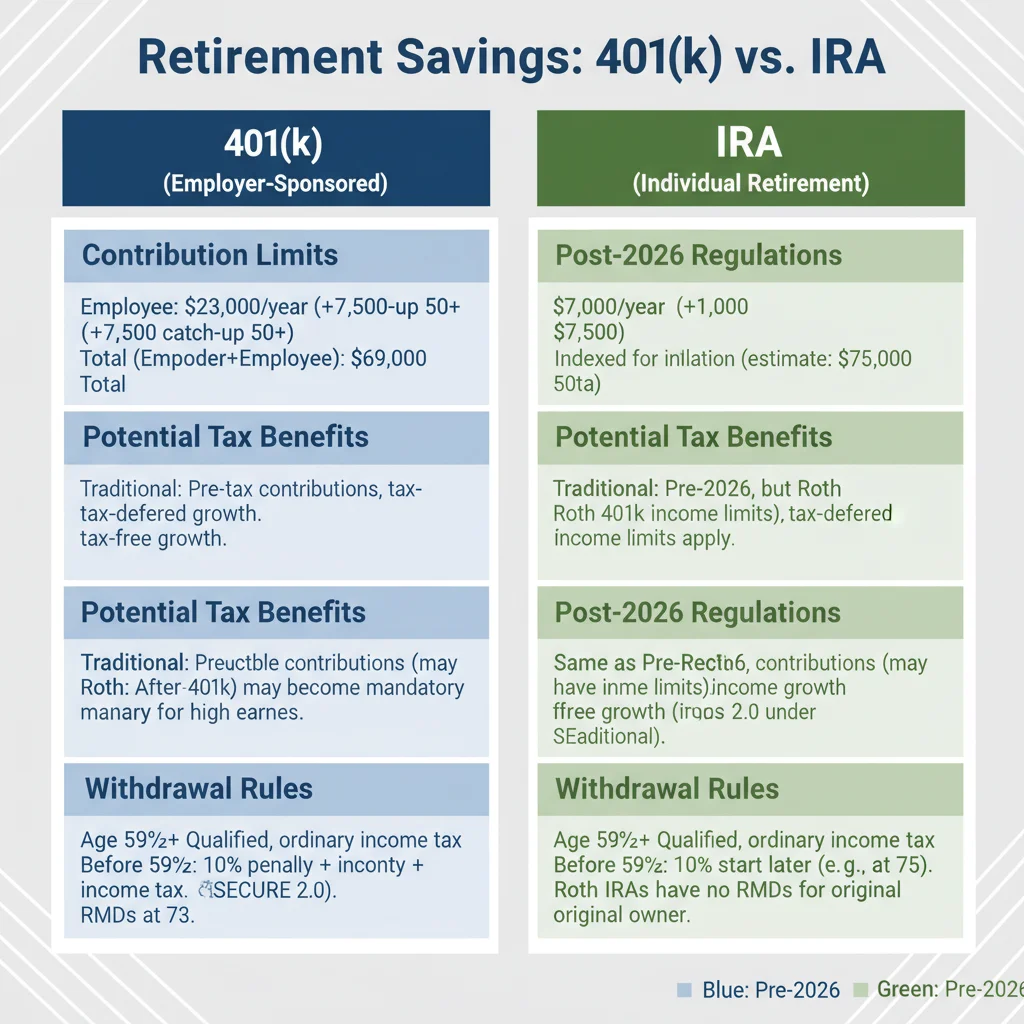
For millions of Americans, the 401(k) is the primary vehicle for employer-sponsored retirement savings. The changes coming in 2026 will undoubtedly impact how you contribute and manage these accounts. While exact figures for contribution limits are usually subject to annual inflation adjustments, the structural changes introduced by legislation are more permanent and significant. Here are some of the key areas where you can expect to see modifications:
Catch-Up Contributions for Older Workers
One of the most anticipated changes for 2026 affects catch-up contributions for older workers. Currently, individuals aged 50 and over can make additional contributions to their 401(k)s beyond the standard limit. The SECURE Act 2.0 introduces a provision that could significantly increase these catch-up limits for certain high-income earners. Specifically, for participants aged 60, 61, 62, and 63, the catch-up contribution limit will be higher, potentially reaching $10,000 or 50% more than the regular catch-up amount, whichever is greater, indexed for inflation. However, there’s a crucial caveat: for individuals with wages exceeding a certain threshold (e.g., $145,000 in 2023, indexed for inflation), these increased catch-up contributions must be made on a Roth (after-tax) basis.
This Roth catch-up requirement for high earners is a significant shift. It means that while these individuals can save more, they will not receive an upfront tax deduction for those specific catch-up contributions. Instead, their qualified withdrawals in retirement will be tax-free. This change necessitates a careful re-evaluation of tax planning strategies for those in this income bracket, as it could impact their current taxable income and future tax liability. It underscores the importance of understanding the nuances of these 2026 retirement contributions rules.
Automatic Enrollment and Escalation
Another provision set to take effect in 2026 mandates automatic enrollment for new 401(k) and 403(b) plans. This means that employers establishing new plans will generally be required to automatically enroll eligible employees, with an initial contribution rate of at least 3% but not more than 10% of their pay. Furthermore, these plans must include an automatic escalation feature, increasing the contribution rate by 1% each year until it reaches at least 10% but not more than 15%. Employees, of course, retain the right to opt out or adjust their contribution rates.
This change is designed to boost participation rates and increase overall savings, particularly among younger workers and those who might not proactively sign up for retirement plans. While it’s a boon for retirement security, it also means employees need to be aware of these automatic deductions and actively review their contribution rates to ensure they align with their personal financial goals and budget. Employers, too, will need to ensure their systems are compliant with these new auto-enrollment and auto-escalation requirements for 2026 retirement contributions.
Small Business Tax Credits
To encourage more small businesses to offer retirement plans, the SECURE Act 2.0 also enhances tax credits for eligible employers. While some of these credits were available earlier, 2026 may see further refinements or increased awareness of these incentives. Small businesses (with up to 100 employees) can receive a tax credit for up to 100% of their startup costs for new 401(k) plans, capped at $5,000. An additional credit is available for employer contributions, further reducing the financial burden of offering a plan. These incentives are critical for expanding access to 401(k)s, especially in sectors traditionally underserved by retirement benefits.
Significant Updates to IRA Contributions in 2026
Individual Retirement Accounts (IRAs) offer another powerful avenue for retirement savings, especially for those without access to an employer-sponsored plan or for those looking to supplement their 401(k). Similar to 401(k)s, IRAs will also see important modifications in 2026, primarily influenced by the same legislative drivers.
Expanded Access for Part-Time Employees
One notable change, though not exclusively for IRAs but impacting retirement savings broadly, is the expanded eligibility for long-term part-time employees to participate in 401(k) plans. This provision, which has been phased in, will see its full implementation by 2026. Initially, part-time employees needed to work 1,000 hours in one year or 500 hours over three consecutive years to be eligible. The SECURE Act 2.0 reduces the three-year requirement to two years, meaning more part-time workers will qualify for 401(k) participation. While this directly impacts 401(k)s, it’s relevant for IRA savers because it offers an alternative retirement vehicle for a segment of the workforce who previously might have exclusively relied on IRAs. This broadens the landscape of 2026 retirement contributions options.
Emergency Savings Accounts Linked to Retirement Plans
A new feature coming in 2026 allows employers to offer emergency savings accounts linked to retirement plans. These accounts, which can be Roth-like (after-tax contributions), would allow participants to save for unexpected expenses without dipping into their primary retirement savings. While not a direct change to IRA contributions, the existence of such an option could indirectly influence how individuals allocate their savings, potentially freeing up more funds for traditional IRA contributions once their emergency savings are adequately built. This innovative approach aims to reduce early withdrawals from retirement accounts, a common issue that erodes long-term savings.
Student Loan Payment Matching
Another significant provision taking effect in 2026 allows employers to make matching contributions to an employee’s retirement plan based on their student loan payments. This means if an employee is making payments on their student loan, their employer can contribute a matching amount to their 401(k) or 403(b), even if the employee isn’t directly contributing to the retirement plan themselves. While this is primarily a 401(k) feature, it’s a game-changer for many younger workers burdened by student debt. By reducing the dilemma between paying down loans and saving for retirement, it could indirectly enable more individuals to start or increase their IRA contributions once their employer-sponsored plan is optimized. This is a crucial development for encouraging wider participation in 2026 retirement contributions.
Broader Implications for Retirement Planning and Investment Strategy
The changes to 2026 retirement contributions are not isolated events; they have broader implications for your overall retirement planning and investment strategy. Adapting to these new rules requires a holistic approach, considering how they interact with your personal financial situation, tax bracket, and long-term goals.
Revisiting Your Contribution Strategy
With increased catch-up limits for certain age groups and the introduction of Roth catch-up requirements, it’s an opportune time to revisit your contribution strategy. If you’re nearing retirement age and fall into the high-income bracket, you’ll need to decide if making Roth catch-up contributions aligns with your tax strategy. While you won’t get an upfront deduction, tax-free withdrawals in retirement can be incredibly valuable, especially if you anticipate being in a higher tax bracket later in life. For younger workers, the automatic enrollment and escalation features mean you should actively confirm your contribution rates and consider increasing them beyond the default to maximize your savings potential.
Tax Planning Considerations
The Roth catch-up provision highlights the growing importance of Roth accounts in retirement planning. As tax laws are always subject to change, having a diversified tax strategy – combining pre-tax (traditional 401(k)/IRA) and after-tax (Roth 401(k)/IRA) savings – can provide greater flexibility in retirement. The 2026 retirement contributions changes serve as a reminder to consult with a tax advisor to understand the optimal allocation for your specific circumstances.
Impact on Investment Choices
While the new regulations primarily focus on contribution mechanics, they can indirectly influence investment choices. For instance, if you anticipate making larger contributions, you might re-evaluate your portfolio’s allocation to ensure it can accommodate the increased capital and remains aligned with your risk tolerance and time horizon. The availability of emergency savings accounts could also mean less need to hold highly liquid, low-growth investments within your primary retirement accounts, potentially allowing for a more aggressive long-term investment strategy.
Employer Responsibilities and Opportunities
Employers also face new responsibilities and opportunities. Complying with automatic enrollment and escalation mandates, understanding the nuances of student loan matching, and potentially offering emergency savings accounts requires careful planning and system adjustments. However, these provisions also present opportunities for employers to enhance their benefits packages, attract and retain talent, and demonstrate a commitment to their employees’ financial well-being. Keeping abreast of these 2026 retirement contributions requirements is vital for businesses.
Preparing for 2026: Actionable Steps You Can Take Now
The year 2026 might seem a long way off, but proactive planning is key to successfully navigating these upcoming changes. Here are actionable steps you can take now to ensure you’re well-prepared:
Review Your Current Retirement Plan
Start by thoroughly reviewing your existing 401(k) and IRA accounts. Understand your current contribution rates, investment allocations, and the specific features of your plans. Are you maximizing your employer match? Are you contributing enough to meet your retirement goals? A clear picture of your current situation is the first step towards informed adjustments for 2026 retirement contributions.
Understand the New Catch-Up Rules
If you are aged 50 or over, or will be by 2026, pay close attention to the new catch-up contribution rules, especially the Roth requirement for high-income earners. Begin to model how a shift to Roth catch-up contributions might affect your current tax liability and your future tax-free income in retirement. This might involve adjusting other aspects of your financial plan.
Evaluate Your Emergency Savings
With the potential introduction of employer-sponsored emergency savings accounts, it’s a good time to assess your current emergency fund. Having a robust emergency fund outside of your retirement accounts is always a sound financial practice. If your employer offers this new feature, understand how it works and whether it complements your existing savings strategy.
Consider Student Loan Matching Benefits
If you have student loan debt, research whether your employer plans to implement the student loan payment matching feature. If they do, this could be an incredible opportunity to jumpstart or significantly boost your retirement savings without directly contributing from your paycheck. This is a powerful new tool for 2026 retirement contributions.
Consult with a Financial Advisor
The complexity of these new regulations underscores the value of professional financial advice. A qualified financial advisor can help you understand how the 2026 changes specifically apply to your unique financial situation, optimize your contribution strategy, refine your investment portfolio, and ensure your retirement plan remains on track. They can also help you navigate the tax implications of Roth contributions and other legislative adjustments.

Stay Informed
Retirement legislation can be dynamic. While we’ve covered the major anticipated changes for 2026 retirement contributions, there’s always a possibility of further clarifications or minor adjustments. Stay informed by regularly checking reputable financial news sources, IRS guidance, and updates from your plan administrator or financial advisor.
Looking Beyond 2026: The Future of Retirement Savings
The changes slated for 2026 are part of a larger, ongoing effort to strengthen the U.S. retirement system. It’s reasonable to expect that legislative bodies will continue to monitor the effectiveness of these provisions and introduce further adjustments in the years to come. Trends suggest a continued focus on:
- Expanding Coverage: Efforts to ensure nearly all workers have access to a retirement savings vehicle.
- Simplifying Rules: A persistent push to make retirement plans easier for both employers to administer and individuals to understand.
- Promoting Financial Literacy: Initiatives to educate Americans on the importance of saving and investing for retirement.
- Addressing Healthcare Costs: Potential future legislation that may integrate healthcare savings more closely with retirement planning.
By understanding the direction of these trends, you can position yourself to adapt to future changes more effectively. The landscape of 2026 retirement contributions is a stepping stone, not a final destination, in the journey towards financial independence in retirement.
Conclusion: Empowering Your Retirement Journey
The new regulations affecting 401(k) and IRA contributions in 2026 represent a significant evolution in retirement savings policy. From modified catch-up contribution rules and automatic enrollment mandates to innovative features like student loan matching and emergency savings accounts, these changes offer both new challenges and powerful opportunities for savers.
By taking the time to understand these adjustments, reviewing your current financial plan, and proactively seeking expert advice, you can ensure your retirement strategy remains robust, tax-efficient, and aligned with your long-term goals. Don’t let these changes catch you off guard. Embrace them as an opportunity to optimize your savings and secure the comfortable retirement you envision. Your future financial well-being depends on staying informed and taking decisive action today regarding your 2026 retirement contributions.