2026 US Economic Outlook: What a 3.5% Inflation Rate Means for Your Personal Finances (RECENT UPDATES, FINANCIAL IMPACT)
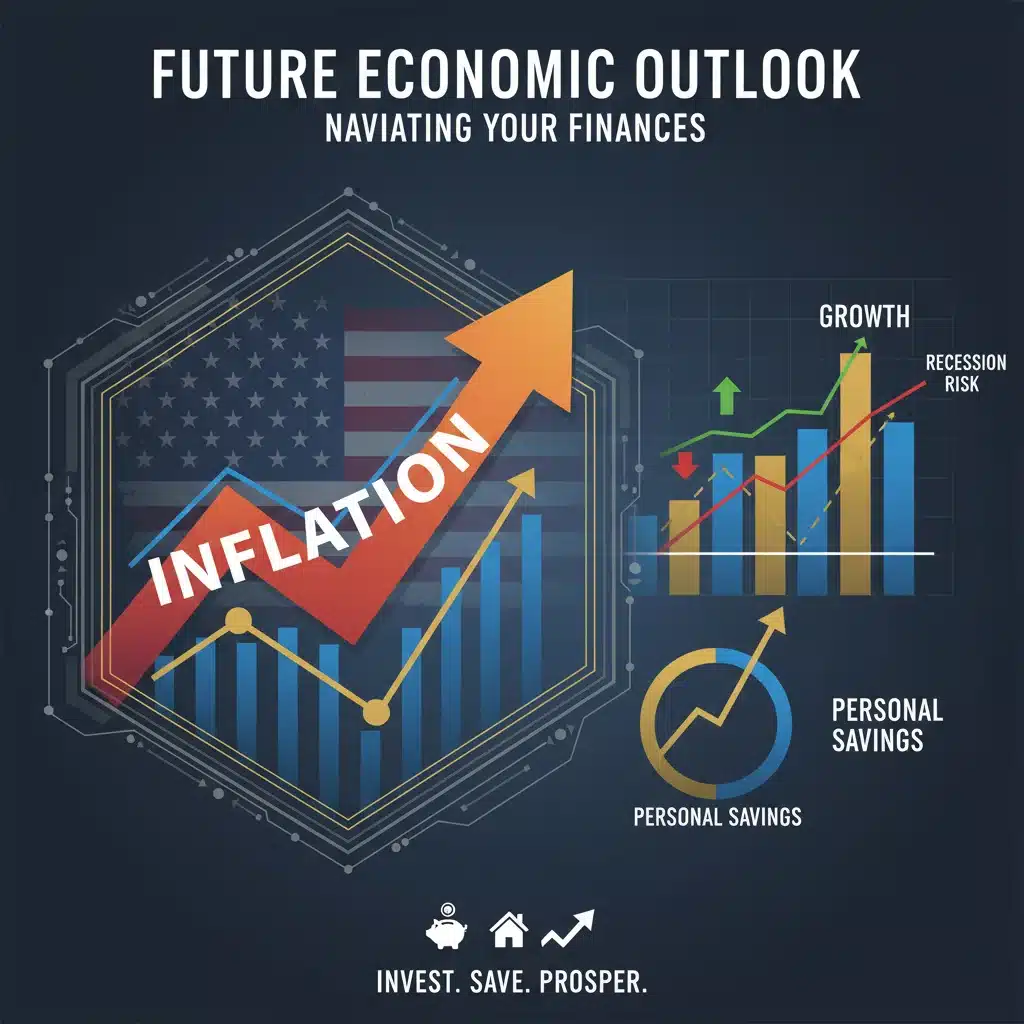
As we navigate the complexities of the global economy, eyes are firmly fixed on the future, particularly the 2026 US economic outlook. Projections suggest a 3.5% inflation rate could be a defining characteristic of this period, a figure that carries significant implications for every American household and individual. Understanding this forecast is not merely an academic exercise; it’s a crucial step in preparing your personal finances for the road ahead. This comprehensive guide will delve into the anticipated economic landscape, dissecting what a 3.5% inflation rate truly means for your purchasing power, investments, savings, and overall financial well-being. We’ll explore expert analyses, recent updates, and actionable strategies to help you navigate the potential financial impacts and emerge resilient.
Understanding the 2026 US Economic Outlook: A Closer Look at Inflation
Inflation, at its core, is the rate at which the general level of prices for goods and services is rising, and consequently, the purchasing power of currency is falling. A projected 3.5% inflation rate for the 2026 US economy, while seemingly moderate to some, represents a significant erosion of value over time if not properly managed. This forecast is based on a confluence of factors, including ongoing supply chain adjustments, geopolitical developments, monetary policy decisions by the Federal Reserve, and shifts in consumer demand. Economists and financial institutions are constantly updating their models, and the consensus points to a persistent, albeit potentially stabilizing, inflationary environment.
The Federal Reserve’s target inflation rate typically hovers around 2%. A sustained 3.5% suggests that while efforts to tame inflation may be ongoing, the economy could still be experiencing pressures that keep prices elevated. This isn’t just about the price of gas or groceries; it permeates every aspect of the economy, from housing and healthcare to education and entertainment. For individuals, this means that every dollar earned or saved in 2026 will buy less than it does today, necessitating a proactive approach to financial planning.
Recent updates from leading economic indicators and central bank statements emphasize the need for vigilance. While some sectors may see price moderation, others, particularly those tied to global commodity markets or labor costs, could continue to experience upward pressure. The 2026 US economy will be a test of adaptability for both businesses and consumers, requiring a deep understanding of these underlying economic forces.
The Direct Impact of 3.5% Inflation on Your Purchasing Power
The most immediate and tangible effect of a 3.5% inflation rate is on your purchasing power. Simply put, your money won’t go as far. If your income doesn’t rise at least at the same rate as inflation, your real income – the amount of goods and services you can buy – effectively decreases. This is a critical consideration for budgeting and daily expenditures.
Everyday Expenses: Groceries, Gas, and Utilities
Consider your weekly grocery bill. If it’s currently $150, a 3.5% inflation rate means that by the end of 2026, those same items could cost approximately $155.25. While this might seem like a small increase individually, it compounds across all your expenditures. Fuel prices, utility bills, and even the cost of essential services like haircuts or childcare are all subject to these inflationary pressures. Over a year, these small increases add up, potentially straining household budgets that are already tight.
Housing Costs: Rent and Mortgages
Housing is another significant area. While fixed-rate mortgage payments remain constant, property taxes, homeowner’s insurance, and maintenance costs are likely to rise with inflation. For renters, landlords often adjust rents annually to account for increased operating costs and market conditions, which are heavily influenced by inflation. This means that securing affordable housing could become an even greater challenge in the 2026 US economy.
Healthcare and Education
Historically, healthcare and education costs have outpaced general inflation. A 3.5% overall inflation rate could mean even higher increases in these critical sectors. This has long-term implications for families planning for college education or managing medical expenses, underscoring the need for robust savings and insurance planning.
To counteract this erosion of purchasing power, individuals must actively seek ways to increase their income, reduce expenses, or strategically invest. Understanding where your money goes and where you can make adjustments will be paramount in the 2026 US economy.
Savings and Investments: Preserving and Growing Your Wealth
A 3.5% inflation rate poses a direct threat to the value of your savings if they are not earning a return that at least matches or exceeds this rate. Traditional savings accounts, which often offer meager interest rates, will see the real value of their deposits diminish over time. This makes strategic investment even more critical for the 2026 US economy.
The Challenge for Savers
If your savings account yields 1% interest annually, and inflation is 3.5%, your money is effectively losing 2.5% of its purchasing power each year. Over several years, this can significantly erode the value of your nest egg. This scenario highlights the importance of moving beyond basic savings accounts for long-term financial goals.
Investment Strategies to Combat Inflation
To preserve and grow wealth in an inflationary environment, investors often turn to assets that have historically performed well during periods of rising prices:
- Stocks: Equities, particularly those of companies with strong pricing power or in sectors that benefit from inflation (e.g., energy, materials), can offer a hedge. Companies that can pass on increased costs to consumers are better positioned.
- Real Estate: Historically, real estate has been a good inflation hedge, as property values and rental income tend to rise with inflation. However, rising interest rates can also impact affordability and market dynamics.
- Treasury Inflation-Protected Securities (TIPS): These are government bonds whose principal value adjusts with inflation, providing a direct hedge against rising prices.
- Commodities: Gold, silver, and other commodities often act as inflation hedges, though they can be volatile.
- Dividend Stocks: Companies that consistently pay and grow their dividends can provide a stream of income that helps offset inflation.

Diversification remains key. A balanced portfolio that includes a mix of these assets, tailored to your risk tolerance and financial goals, will be essential for navigating the 2026 US economy. Consulting with a financial advisor can provide personalized guidance on structuring your investment portfolio to mitigate inflation’s impact.
Borrowing and Debt: The Other Side of the Coin
While inflation erodes the value of money, it can have a dual effect on debt. For those with fixed-rate debt, such as a traditional mortgage, inflation can be beneficial in a sense. As wages potentially rise (even if not keeping pace with inflation), the real value of those fixed payments decreases over time, making them easier to manage.
Rising Interest Rates and New Debt
However, the monetary policies enacted to combat inflation often involve raising interest rates. This means that new debt, whether for a car loan, a personal loan, or a variable-rate mortgage, will likely come with higher interest costs. Credit card debt, which typically has variable interest rates, will also become more expensive.
In the 2026 US economy, individuals planning to take on new debt should factor in these higher interest rates. This could mean higher monthly payments and a greater overall cost of borrowing. It also underscores the importance of minimizing high-interest debt and prioritizing its repayment, especially during periods of sustained inflation.
Student Loans and Inflation
For student loan borrowers, the situation can be complex. Federal student loan interest rates are fixed upon disbursement, so existing loans won’t see rate hikes due to inflation. However, the purchasing power of your future earnings, which you’ll use to repay these loans, will be affected. This means that while the nominal payment stays the same, the real cost of that payment might feel heavier if your income isn’t keeping pace with inflation.
Understanding the interplay between inflation and interest rates is crucial for effective debt management in the 2026 US economy. Strategic refinancing, debt consolidation, or simply accelerating repayment of high-interest debt can be prudent moves.
Employment and Wages: Keeping Pace with the Cost of Living
The relationship between inflation, employment, and wages is a critical component of the 2026 US economic outlook. Ideally, wages would rise in tandem with or even outpace inflation, allowing individuals to maintain or improve their standard of living. However, this is not always the reality.
Wage Growth Dynamics
While a strong job market can put upward pressure on wages, wage growth often lags behind inflation. This means that even if you receive a raise, if it’s less than 3.5%, your real wages have effectively decreased. Workers in sectors with high demand or specialized skills may have more leverage to negotiate higher salaries, but many others may find their compensation struggling to keep up with rising costs.
Career Planning and Skill Development
In an inflationary environment, investing in your human capital becomes even more valuable. Acquiring new skills, pursuing further education, or seeking certifications can make you more competitive in the job market and provide leverage for higher wage negotiations. Industries that are less susceptible to economic downturns or those experiencing rapid growth might offer more robust wage increases.
The Gig Economy and Inflation
The rise of the gig economy also plays a role. While it offers flexibility, income from gig work can be more volatile and may not always adjust quickly enough to inflationary pressures. Individuals relying on gig income need to be particularly diligent in tracking their real earnings and adjusting their pricing strategies if possible.
Staying informed about industry trends, negotiating effectively, and continuously developing your professional skills are vital strategies to ensure your income keeps pace with the cost of living in the 2026 US economy.
Strategic Financial Planning for the 2026 US Economy
Given the projected 3.5% inflation rate for the 2026 US economy, proactive and strategic financial planning is not just advisable – it’s essential. Here are actionable steps you can take to protect and grow your wealth:
1. Re-evaluate Your Budget and Spending Habits
The first step is to gain a clear understanding of your current income and expenses. Create a detailed budget, if you’ve don’t already have one, and meticulously track your spending. Identify areas where you can cut back or optimize. Look for subscription services you no longer use, analyze your discretionary spending, and consider cheaper alternatives for everyday necessities. Even small adjustments can free up funds that can be directed towards inflation-beating investments or debt reduction.
2. Prioritize Debt Reduction, Especially High-Interest Debt
High-interest debt, such as credit card balances, becomes even more burdensome during periods of rising interest rates. Focus on paying down these debts aggressively. The money saved on interest payments can then be reinvested or used to bolster your savings. Consider strategies like the debt snowball or debt avalanche methods to accelerate your repayment.
3. Optimize Your Savings and Investment Portfolio
As discussed, traditional savings accounts are unlikely to keep pace with a 3.5% inflation rate. Explore options that offer higher returns:
- High-Yield Savings Accounts (HYSAs): While still not always beating inflation, HYSAs offer significantly better returns than traditional accounts and provide liquidity.
- Certificates of Deposit (CDs): Look for CDs with competitive rates, especially those that might be offered by online banks.
- Diversify Investments: Review your investment portfolio with a financial advisor to ensure it’s adequately diversified and includes assets that historically perform well in inflationary environments (e.g., TIPS, real estate, value stocks, commodities).
- Max Out Retirement Accounts: Contributions to 401(k)s and IRAs not only provide tax advantages but also allow your money to grow tax-deferred or tax-free, potentially outpacing inflation over the long term.

4. Consider Income Diversification and Skill Enhancement
To ensure your income keeps pace with rising costs, explore opportunities for additional income streams. This could involve freelancing, starting a side hustle, or investing in skills that are in high demand. Continuously learning and adapting your skillset can increase your earning potential and provide greater financial security.
5. Review Your Insurance Coverage
Inflation can also impact the adequacy of your insurance coverage. Review your health, home, auto, and life insurance policies to ensure they still provide sufficient protection against rising repair costs, medical expenses, and replacement values. You may need to adjust coverage limits to avoid being underinsured.
6. Stay Informed and Adaptable
The economic landscape is dynamic. Continuously monitor economic news, inflation reports, and interest rate changes. Be prepared to adjust your financial strategies as new information emerges. Flexibility and adaptability will be key to successfully navigating the 2026 US economy.
Long-Term Economic Implications and Future Projections
Beyond the immediate impact on personal finances, a sustained 3.5% inflation rate in the 2026 US economy has broader long-term implications. Policymakers will face ongoing challenges in balancing economic growth with price stability. The Federal Reserve’s actions, particularly regarding interest rates, will continue to be a dominant factor shaping the economic trajectory.
Monetary Policy and the Fed’s Role
The Federal Reserve’s dual mandate is to achieve maximum employment and stable prices. A 3.5% inflation rate suggests that the Fed may continue to lean towards tighter monetary policy, potentially keeping interest rates elevated to cool the economy and bring inflation closer to its 2% target. This could impact everything from corporate borrowing costs to consumer credit, influencing investment and spending decisions across the board.
Global Economic Interdependencies
The 2026 US economy does not operate in a vacuum. Global supply chain resilience, geopolitical stability, and the economic health of major trading partners will all play a role in shaping the inflationary environment. Disruptions in energy markets, trade disputes, or unexpected global events could further complicate efforts to manage price stability.
Technological Advancements and Productivity
On a more optimistic note, technological advancements and improvements in productivity could act as a counter-inflationary force. Innovations that reduce production costs or increase efficiency can help keep prices in check. Investing in these areas could be a long-term strategy for mitigating inflationary pressures.
Consumer Behavior and Expectations
Consumer expectations about future inflation can also be a self-fulfilling prophecy. If individuals and businesses expect prices to rise, they may adjust their spending and pricing decisions accordingly, further embedding inflation into the economy. Central banks pay close attention to these expectations, as managing them is crucial for effective monetary policy.
The 2026 US economic outlook is a complex tapestry of domestic and international factors. While a 3.5% inflation rate presents challenges, a well-informed and adaptable approach to personal finance can help individuals navigate these waters successfully.
Conclusion: Preparing for a Resilient Financial Future
The projected 3.5% inflation rate for the 2026 US economy is a significant factor that demands attention from every individual and household. It underscores the continuous need for vigilance, adaptability, and proactive financial planning. From the erosion of purchasing power to the impact on savings, investments, and debt, inflation touches every aspect of our financial lives.
By understanding the mechanisms of inflation, re-evaluating budgets, optimizing investment portfolios, prioritizing debt reduction, and continuously enhancing earning potential, individuals can build resilience against these economic pressures. The strategies outlined in this guide – from diversifying investments to staying informed about economic trends – are not just recommendations; they are essential tools for safeguarding and growing your wealth in the face of evolving economic realities.
The 2026 US economic outlook, while presenting challenges, also offers opportunities for those who are prepared. By taking control of your financial future today, you can navigate the inflationary environment with confidence and work towards achieving your long-term financial goals.