Community Engagement Trends 2026: Future-Proof Your Neighborhood
In an ever-evolving world, the fabric of our communities is constantly being rewoven. As we look towards 2026, the ways in which individuals connect, collaborate, and contribute to their neighborhoods are undergoing significant transformations. Understanding these shifts, particularly the latest Community Engagement Trends, is not just beneficial; it’s essential for fostering vibrant, resilient, and inclusive spaces where everyone thrives. This comprehensive guide will delve deep into the three most impactful trends shaping community engagement, offering actionable insights for leaders, residents, and organizations alike.
The concept of community engagement has broadened far beyond traditional town hall meetings and local volunteer drives. Today, it encompasses a dynamic interplay of digital tools, data-driven strategies, and deeply personalized, hyperlocal initiatives. The goal remains the same: to empower individuals, amplify voices, and build collective capacity. However, the methods are becoming increasingly sophisticated and nuanced. By embracing these emerging Community Engagement Trends, we can ensure our neighborhoods are not just prepared for the future, but actively shaping it.
From the rise of sophisticated digital platforms that make participation more accessible, to the renewed focus on hyper-local, grassroots movements addressing specific neighborhood needs, and the integration of sustainable practices into every facet of community life – the landscape is rich with opportunity. Let’s embark on this journey to uncover what your neighborhood needs to know now to future-proof its connections and collective well-being.
1. Digital Platforms: Redefining Accessibility and Participation in Community Engagement
The digital revolution has been a game-changer across all sectors, and community engagement is no exception. As we approach 2026, digital platforms are no longer just supplementary tools; they are foundational to how communities interact, organize, and make decisions. This trend is about more than just having an online presence; it’s about leveraging technology to create truly inclusive, efficient, and impactful engagement opportunities. The evolution of Community Engagement Trends in the digital realm points towards more sophisticated, user-friendly, and integrated solutions.
The Rise of Integrated Digital Ecosystems
Gone are the days of disparate online forums or static informational websites. The future of digital community engagement lies in integrated ecosystems. Imagine a single platform where residents can report issues, participate in surveys, attend virtual town halls, volunteer for local causes, receive personalized neighborhood updates, and even vote on local initiatives. These platforms are designed to be intuitive, mobile-first, and accessible to a wide range of digital literacy levels. They break down geographical barriers, allowing more people to participate regardless of their schedule or physical location. This holistic approach ensures that engagement is not a one-off event but a continuous, fluid process.
One of the key drivers behind this shift is the demand for convenience and immediate access to information. People expect to engage with their local government and community organizations with the same ease they interact with their favorite social media apps or online retailers. This means platforms must offer seamless navigation, personalized dashboards, and real-time feedback mechanisms. The integration of AI-powered chatbots for quick queries and automated notifications for relevant updates are becoming standard features, significantly enhancing user experience and fostering greater participation in Community Engagement Trends.
Enhancing Inclusivity and Bridging the Digital Divide
While digital platforms offer immense potential for accessibility, it’s crucial to address the persistent challenge of the digital divide. True digital community engagement in 2026 means actively working to ensure that technology serves everyone, not just those with easy access and high digital literacy. This involves multi-pronged strategies:
- Public Access Points: Establishing free Wi-Fi zones and public computer access in community centers, libraries, and other public spaces.
- Digital Literacy Programs: Offering workshops and training sessions to help residents, especially seniors and underserved populations, gain confidence and skills in using digital tools.
- Multilingual Support: Ensuring platforms are available in multiple languages to cater to diverse linguistic communities.
- Assistive Technologies: Designing platforms with accessibility features for individuals with disabilities, adhering to WCAG guidelines.
- Hybrid Models: Recognizing that not everyone will be online, and integrating digital engagement with traditional in-person methods to create a truly inclusive experience.
The hybrid model, in particular, is gaining traction. It acknowledges that while digital tools are powerful, human connection remains paramount. Imagine a neighborhood meeting where some residents attend in person, while others join virtually, with technology seamlessly bridging the two groups. This approach maximizes participation and ensures that diverse perspectives are heard, enriching the overall Community Engagement Trends. It’s about leveraging the strengths of both worlds to create a more robust and representative engagement process.
Data-Driven Insights for Smarter Engagement
Another significant aspect of digital platforms is their ability to collect and analyze data, providing invaluable insights into community needs, preferences, and engagement patterns. This data, when used ethically and transparently, allows organizations and local governments to make more informed decisions, tailor engagement strategies, and measure the impact of their initiatives. For instance, analyzing participation rates in different online forums can reveal which topics resonate most with residents, or which demographics are underrepresented in discussions.
However, the use of data comes with a responsibility to prioritize privacy and ensure data security. Transparent policies on data collection, anonymization where appropriate, and clear communication with residents about how their data is used are critical for maintaining trust. When implemented thoughtfully, data-driven insights can transform community engagement from a reactive process into a proactive, strategic endeavor, leading to more effective and equitable outcomes for all members of the community. This focus on data is a defining characteristic of modern Community Engagement Trends.

2. Hyperlocal Initiatives: Empowering Grassroots and Neighborhood-Specific Solutions
While digital platforms expand the reach of engagement, the second major trend for 2026 emphasizes the power of the local: hyperlocal initiatives. This trend signifies a recognition that effective community engagement often starts at the most granular level – the block, the street, or the immediate neighborhood. It’s about empowering residents to identify and solve problems that are unique to their specific corner of the world, fostering a sense of ownership and immediate impact. This approach is a cornerstone of evolving Community Engagement Trends.
Reclaiming the Neighborhood Identity
In an increasingly globalized world, there’s a growing desire for local identity and connection. Hyperlocal initiatives tap into this desire by focusing on issues that directly affect residents’ daily lives. This could range from organizing a neighborhood clean-up, establishing a local food swap, creating a community watch program, or advocating for a specific park improvement. The beauty of hyperlocal engagement lies in its ability to generate tangible results quickly, which in turn builds momentum and fosters a stronger sense of community pride and efficacy. These small, consistent wins are crucial for sustained Community Engagement Trends.
These initiatives are often driven by passionate individuals or small groups of residents who are deeply invested in their immediate surroundings. They don’t wait for top-down mandates; they identify a need and rally their neighbors to address it. This grassroots approach often leads to more creative, context-specific solutions that are genuinely responsive to the community’s unique character and challenges. It’s about moving from broad, city-wide strategies to highly targeted, neighborhood-specific interventions that resonate deeply with the people they serve.
Building Social Capital Through Local Connections
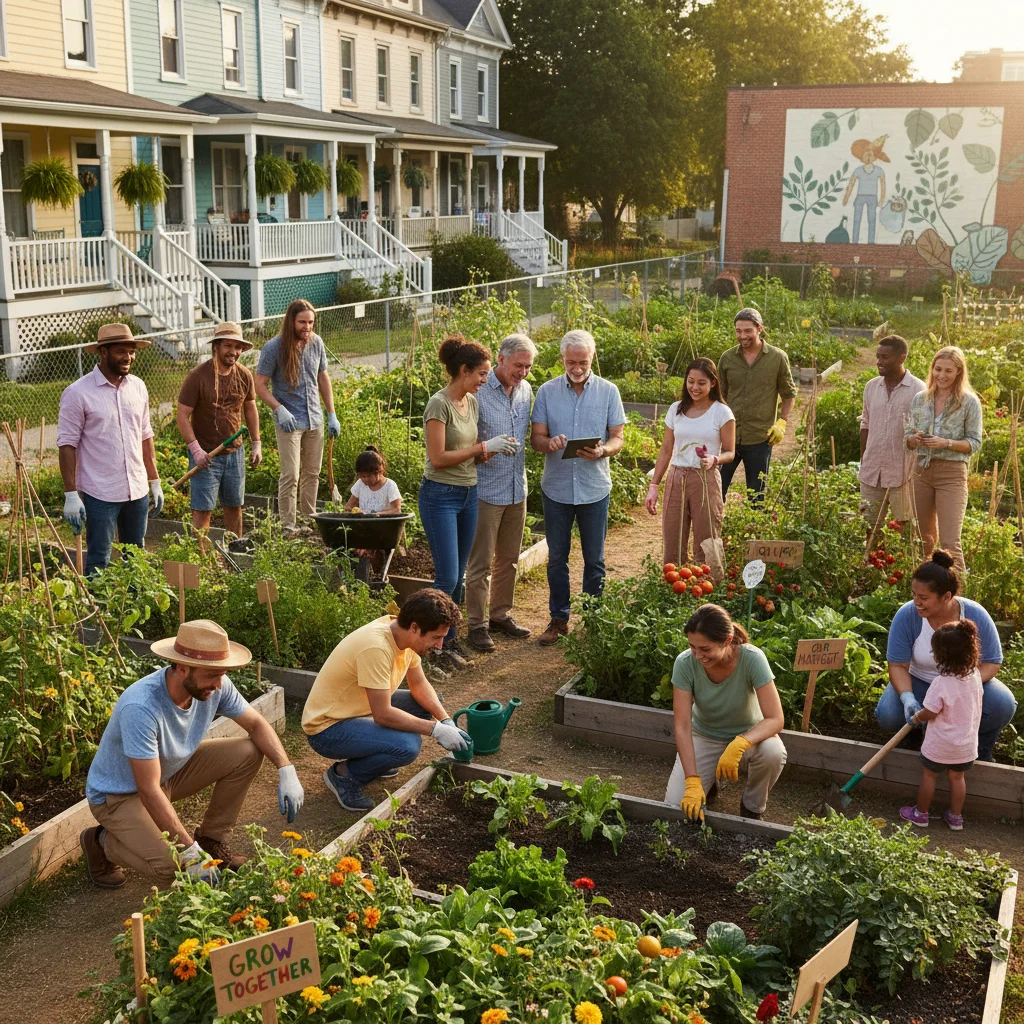
Hyperlocal initiatives are powerful engines for building social capital – the networks of relationships among people who live and work in a particular society, enabling that society to function effectively. When neighbors work together on a shared project, they get to know each other, build trust, and develop a sense of collective responsibility. This strengthens the social fabric of the neighborhood, making it more resilient in the face of challenges. Think of a neighborhood garden where residents not only grow food but also share stories, skills, and support.
This trend is also about decentralizing power and decision-making. Instead of all decisions being made at a city or regional level, hyperlocal initiatives empower residents to have a direct say in matters that affect their immediate environment. This democratic approach not only leads to better outcomes but also increases residents’ satisfaction and sense of belonging. It transforms passive residents into active co-creators of their neighborhoods, a vital aspect of progressive Community Engagement Trends.
Leveraging Micro-Funding and Local Partnerships
To support these grassroots efforts, we are seeing a rise in micro-funding opportunities and localized partnership models. Crowdfunding platforms specifically designed for community projects, small grants from local businesses, and partnerships with neighborhood associations or non-profits are becoming more prevalent. These funding mechanisms are often less bureaucratic and more accessible than traditional grants, allowing small, impactful projects to get off the ground quickly.
Furthermore, local businesses and institutions are increasingly recognizing the value of investing in their immediate surroundings. Sponsoring a neighborhood event, providing resources for a local clean-up, or offering space for community meetings are ways businesses can integrate themselves into the community and demonstrate their commitment. This symbiotic relationship between local enterprises and grassroots initiatives creates a powerful ecosystem for sustainable community development, reinforcing the importance of localized efforts within broader Community Engagement Trends.
3. Sustainability and Resilience: Integrating Environmental and Social Responsibility
The third significant trend influencing community engagement in 2026 is the profound integration of sustainability and resilience. This is no longer a niche concern; it’s becoming a central pillar of how communities organize, plan, and interact. From addressing climate change impacts to fostering economic stability and social equity, sustainability is woven into the very definition of a thriving neighborhood. This trend highlights how Community Engagement Trends are increasingly focused on long-term well-being.
Community-Led Climate Action and Green Initiatives
As the impacts of climate change become more evident, communities are stepping up to take local action. This trend involves engaging residents in initiatives that reduce environmental footprints and build climate resilience. Examples include:
- Community Gardens and Urban Farms: Promoting local food production, reducing food miles, and creating green spaces.
- Renewable Energy Cooperatives: Residents collectively investing in and benefiting from solar panels or other renewable energy sources.
- Waste Reduction Programs: Organizing community composting, recycling drives, and promoting circular economy principles.
- Green Infrastructure Projects: Engaging residents in planning and implementing rain gardens, permeable pavements, and tree planting initiatives to manage stormwater and cool urban heat islands.
- Disaster Preparedness Networks: Building neighborhood-level systems for communication, resource sharing, and mutual aid during extreme weather events or other emergencies.
These initiatives not only address environmental concerns but also strengthen social ties. They provide residents with opportunities to work together towards a common, vital goal, fostering a sense of collective purpose and shared responsibility. The focus is on practical, tangible actions that residents can participate in directly, making the concept of sustainability more accessible and impactful at the local level. This active participation is a hallmark of modern Community Engagement Trends.
Building Social Equity and Economic Resilience
Sustainability in 2026 extends beyond environmental concerns to encompass social equity and economic resilience. A truly sustainable community is one where all residents have access to opportunities, resources, and a fair quality of life. This aspect of the trend involves:
- Inclusive Planning: Ensuring that marginalized voices are central to decision-making processes, especially concerning development and resource allocation.
- Local Economy Support: Promoting local businesses, farmers’ markets, and skill-sharing initiatives to create a more robust and equitable local economy.
- Affordable Housing Advocacy: Engaging residents in campaigns and planning processes to ensure diverse housing options are available to all income levels.
- Health and Wellness Programs: Creating community-led initiatives that promote physical and mental well-being, addressing health disparities.
- Intergenerational Programs: Fostering connections between different age groups, allowing for knowledge transfer and mutual support.
Engaging residents in these areas means facilitating dialogues about difficult topics, building consensus, and co-creating solutions that address systemic inequalities. It requires a commitment to justice, fairness, and ensuring that the benefits of community development are shared by everyone. This comprehensive view of sustainability is critical for the long-term health and vibrancy of our neighborhoods, and a key element of future Community Engagement Trends.
Measuring Impact and Fostering Accountability
As communities invest more in sustainable and resilient initiatives, there’s a growing need to measure their impact and foster accountability. This involves developing clear metrics for environmental improvements, social equity gains, and economic benefits. Engagement processes are becoming more sophisticated in tracking progress, reporting outcomes, and using this information to adapt strategies.
For instance, a neighborhood might track reductions in household waste, increases in local food consumption, or improvements in resident perceptions of safety and inclusion. This data-driven approach not only demonstrates the value of community-led initiatives but also encourages continued participation and investment. Transparency in reporting these outcomes builds trust and reinforces the community’s commitment to long-term sustainability and resilience, driving the evolution of Community Engagement Trends.
The Intersection of Trends: A Holistic Approach
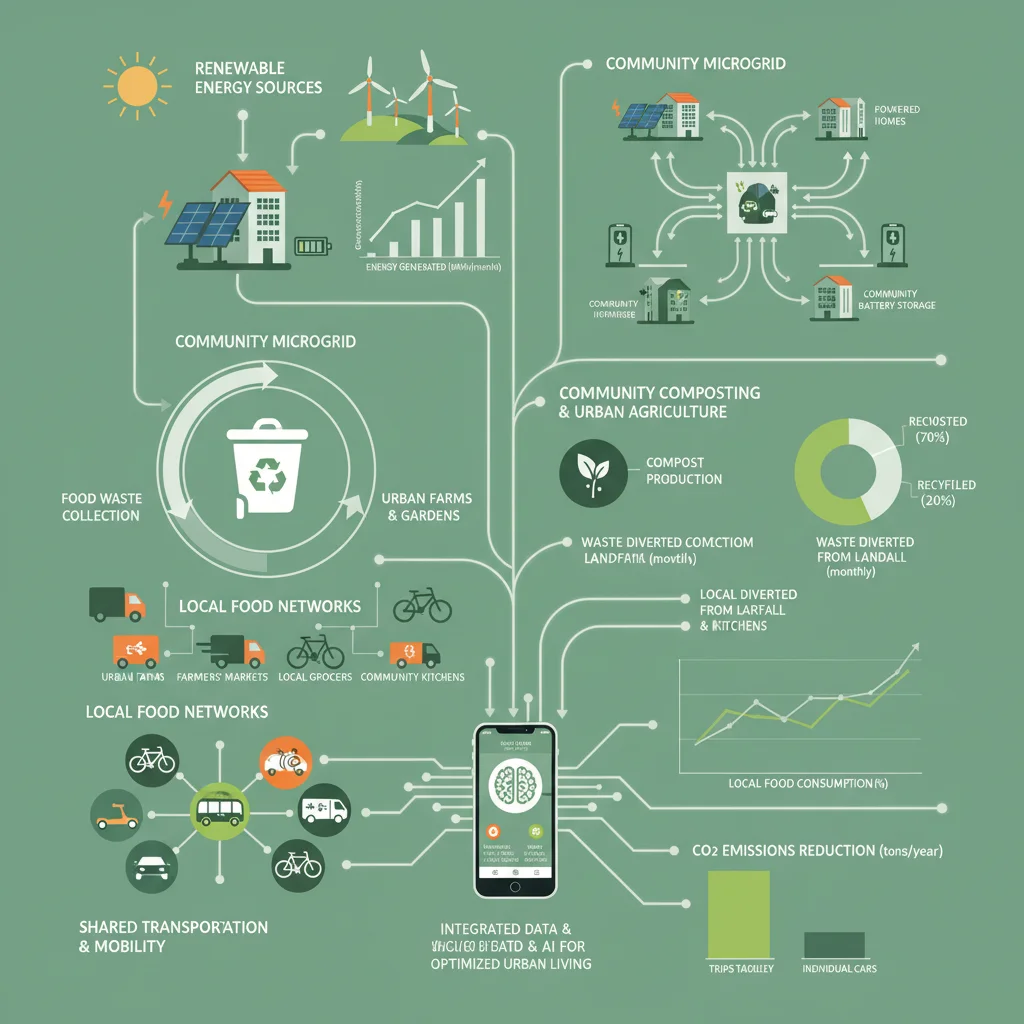
While we’ve discussed these three Community Engagement Trends separately, it’s crucial to understand that they are not isolated. In fact, their true power emerges when they intersect and reinforce one another. Imagine a hyperlocal initiative focused on creating a community solar farm, where residents use a digital platform to organize, raise micro-funds, and track energy production. This is where the future of community engagement truly lies: in integrated, multi-faceted approaches that leverage the best of all worlds.
Creating Hybrid Engagement Models
The most effective engagement strategies in 2026 will likely be hybrid models that seamlessly blend digital and in-person interactions. A local government might use a dedicated online platform to solicit initial feedback on a new park design, then hold a series of small, hyperlocal workshops in different neighborhoods to gather more detailed input, and finally host a virtual town hall to present the finalized plans and answer questions. This layered approach ensures broad reach while also providing opportunities for deep, meaningful engagement.
Moreover, digital tools can empower hyperlocal initiatives. A neighborhood group organizing a clean-up can use a messaging app to coordinate volunteers, a mapping tool to identify areas needing attention, and social media to celebrate their success. This integration amplifies the impact of grassroots efforts, making them more efficient and visible, and further solidifying the impact of Community Engagement Trends.
Data-Driven Sustainability at the Local Level
The marriage of data insights from digital platforms with hyperlocal sustainability efforts offers immense potential. Imagine a community using real-time data from smart sensors to identify areas with poor air quality or excessive energy consumption. This data can then inform hyperlocal initiatives, such as targeted tree planting campaigns or energy efficiency workshops organized by neighborhood groups. The ability to measure the impact of these local actions through data provides a powerful feedback loop, driving continuous improvement and demonstrating tangible results.
This holistic perspective means that communities are not just reacting to problems but proactively designing solutions that are both technologically informed and deeply rooted in local needs and values. It’s about creating smart, sustainable neighborhoods from the ground up, with residents as active participants in every stage of the process. This integrated vision is where the various Community Engagement Trends converge to create maximum impact.
Strategies for Future-Proofing Your Neighborhood with Community Engagement Trends
To effectively navigate these Community Engagement Trends and build a future-proof neighborhood, consider the following strategies:
Invest in Accessible Digital Infrastructure
Prioritize equitable access to high-speed internet and digital literacy programs. Ensure that any digital engagement platforms are user-friendly, mobile-responsive, and available in multiple languages. Conduct regular audits to ensure accessibility for individuals with disabilities. A robust digital backbone is non-negotiable for modern community participation.
Empower Local Leaders and Grassroots Efforts
Actively seek out and support individuals and groups who are passionate about their immediate neighborhoods. Provide resources, training, and platforms for them to organize and implement hyperlocal initiatives. Decentralize decision-making where appropriate, giving neighborhoods more autonomy over issues that directly affect them. Foster an environment where local innovation can flourish.
Embed Sustainability into Every Plan
Integrate environmental, social, and economic sustainability into all community planning and development. Engage residents early and often in discussions about climate resilience, green infrastructure, local food systems, affordable housing, and social equity. Make sustainability a shared responsibility and a core value of the community.
Foster Collaboration and Partnerships
Encourage cross-sector collaboration between local government, non-profits, businesses, educational institutions, and resident groups. Create opportunities for these diverse stakeholders to work together on shared goals, leveraging their unique strengths and resources. Strong partnerships are key to tackling complex community challenges.
Measure, Learn, and Adapt
Establish clear metrics for success for all engagement initiatives. Collect data on participation, feedback, and project outcomes. Use this information to evaluate what’s working and what isn’t, and be prepared to adapt strategies based on lessons learned. Community engagement is an iterative process that requires continuous improvement.
Build Trust Through Transparency and Communication
Be transparent about decision-making processes, funding, and the impact of community initiatives. Communicate regularly and clearly with residents through multiple channels, both digital and traditional. Actively listen to feedback and demonstrate that community input is valued and acted upon. Trust is the foundation of effective engagement.
Conclusion: A Connected and Resilient Future
The Community Engagement Trends for 2026 paint a picture of increasingly connected, empowered, and resilient neighborhoods. By embracing digital platforms, championing hyperlocal initiatives, and embedding sustainability into our core values, we can build communities that are not only prepared for the challenges of tomorrow but are also vibrant, equitable, and fulfilling places to live.
The future of community engagement is collaborative, innovative, and deeply human. It calls for leaders and residents alike to be proactive, open to new approaches, and committed to working together. The neighborhoods that successfully adapt to these trends will be those that foster genuine connections, amplify diverse voices, and collectively strive for a better, more sustainable future for all. It’s time to act, learn, and grow together, making our communities stronger, one engaged resident at a time.