Cultivating Inclusivity: 10 Actionable Steps for Diverse Community Engagement
Cultivating Inclusivity: 10 Actionable Steps for Diverse Community Engagement by Q3 2026
In an increasingly interconnected world, the strength and vitality of any community, organization, or initiative hinge on its ability to embrace and leverage diversity. Cultivating inclusivity is not merely a buzzword; it’s a strategic imperative that unlocks innovation, fosters resilience, and drives sustainable growth. By prioritizing diverse community engagement, we create spaces where every voice is heard, every perspective is valued, and everyone feels a genuine sense of belonging. This comprehensive guide outlines 10 actionable steps designed to help you achieve robust and meaningful diverse community engagement by Q3 2026.
The benefits of diverse community engagement are manifold. It leads to better decision-making, as a wider range of viewpoints are considered. It enhances problem-solving capabilities, as different life experiences contribute to creative solutions. Furthermore, it builds stronger social cohesion, reduces inequalities, and promotes a more equitable society. Ignoring diversity means missing out on incredible talent, unique insights, and the rich tapestry of human experience that can enrich any endeavor. Our goal is to provide a clear roadmap for organizations and individuals alike to move beyond good intentions and implement concrete strategies that yield tangible results in fostering diverse community engagement.
1. Conduct a Comprehensive Diversity Audit and Needs Assessment
Before embarking on any journey towards enhanced diverse community engagement, it’s crucial to understand your current landscape. A comprehensive diversity audit involves systematically evaluating your existing community demographics, engagement patterns, and internal practices. This isn’t just about counting heads; it’s about understanding who is currently represented, who is absent, and critically, why. What are the barriers preventing certain groups from participating? Are there cultural, linguistic, or accessibility hurdles that need to be addressed?
Actionable Steps:
- Data Collection: Gather demographic data on your current community members, participants, or employees. This might include age, gender identity, race, ethnicity, socioeconomic status, disability status, sexual orientation, geographic location, and other relevant identifiers. Ensure this is done ethically and with respect for privacy.
- Surveys and Interviews: Design and administer anonymous surveys and conduct one-on-one or focus group interviews with current members, non-members, and leaders from various community segments. Ask specific questions about their experiences, perceived barriers to entry, and suggestions for improvement.
- Accessibility Audit: Assess the physical and digital accessibility of your spaces, events, and communication channels. Are your venues wheelchair accessible? Is your website screen-reader friendly? Are materials available in multiple languages?
- Policy Review: Examine your organizational policies, procedures, and communication strategies for any unconscious biases or exclusionary language.
- Identify Gaps: Based on the collected data, clearly identify the specific demographic groups that are underrepresented and the primary reasons for their lack of engagement. This forms the foundation for targeted interventions to improve diverse community engagement.
A thorough audit provides a baseline against which you can measure progress and ensures that your subsequent efforts are data-driven and effectively address actual needs and challenges in promoting diverse community engagement.
2. Establish Clear, Measurable Goals and Key Performance Indicators (KPIs)
Without clear objectives, efforts to improve diverse community engagement can become aimless. Setting specific, measurable, achievable, relevant, and time-bound (SMART) goals is paramount. These goals should directly address the gaps identified in your diversity audit and provide a framework for evaluating success.
Actionable Steps:
- Define Target Demographics: Based on your audit, identify specific underrepresented groups you aim to engage more effectively.
- Set Quantitative Goals: Examples include: ‘Increase participation from individuals aged 18-25 by 15% in our quarterly events by Q3 2026,’ or ‘Increase the representation of BIPOC (Black, Indigenous, and People of Color) individuals on our leadership committee by 20% by Q3 2026.’
- Set Qualitative Goals: Examples include: ‘Improve the sense of belonging among LGBTQ+ community members by 25% as measured by post-event surveys,’ or ‘Enhance the accessibility of all digital communications by implementing WCAG 2.1 AA standards by Q2 2026.’
- Identify KPIs: Determine how you will track progress towards these goals. KPIs might include participation rates, survey satisfaction scores, demographic breakdowns of attendees/members, feedback on accessibility, and representation in leadership roles.
- Regular Review Schedule: Establish a regular schedule (e.g., quarterly) to review your progress against these KPIs and adjust your strategies as needed. This iterative process is vital for continuous improvement in diverse community engagement.
Transparent goals and KPIs not only guide your efforts but also demonstrate your commitment to accountability in fostering diverse community engagement.
3. Develop Inclusive Communication Strategies
Effective communication is the cornerstone of diverse community engagement. Your message, delivery, and channels must be designed to reach and resonate with a wide array of individuals, considering linguistic diversity, communication preferences, and accessibility needs.
Actionable Steps:
- Multilingual Outreach: If your community includes non-English speakers, provide key information in relevant languages. This could involve translated flyers, website sections, or interpreters at events.
- Accessible Formats: Offer information in various formats to accommodate different needs. This includes large print, Braille, audio versions, sign language interpretation (ASL), and closed captions for videos.
- Plain Language: Use clear, concise, and jargon-free language. Avoid acronyms or technical terms that might not be universally understood.
- Diverse Imagery: Ensure your marketing materials, website, and social media feature diverse imagery that authentically represents the community you wish to engage. Avoid tokenism.
- Multiple Channels: Utilize a variety of communication channels beyond traditional methods. This could include community radio, local cultural centers, social media groups specific to certain demographics, and partnerships with trusted community leaders.
- Feedback Loops: Create mechanisms for community members to provide feedback on your communication strategies. Are your messages clear? Are they reaching the right people? This continuous feedback helps refine your approach to diverse community engagement.
By consciously crafting inclusive communication strategies, you break down barriers and invite broader participation, significantly enhancing diverse community engagement.
4. Foster Authentic Partnerships with Underrepresented Groups
Genuine diverse community engagement cannot be achieved in isolation. It requires building trust and collaborating authentically with organizations and leaders representing underrepresented communities. These partnerships should be reciprocal, offering mutual benefits and respecting the autonomy and expertise of your partners.
Actionable Steps:
- Identify Key Stakeholders: Research and connect with local community leaders, non-profit organizations, cultural associations, advocacy groups, and faith-based organizations that serve the demographics you aim to engage.
- Build Relationships, Not Just Campaigns: Invest time in building genuine relationships. Attend their events, listen to their concerns, and understand their priorities before proposing collaborations.
- Co-creation and Co-ownership: Involve partners in the planning, design, and implementation of initiatives from the outset. This ensures that programs are culturally relevant and truly meet community needs. Share decision-making power and resources.
- Resource Sharing: Offer resources, expertise, or support to your partners, demonstrating a commitment beyond simply seeking their endorsement. This could be anything from sharing event space to offering volunteer support for their initiatives.
- Formalize Agreements: Where appropriate, formalize partnerships through MOUs (Memoranda of Understanding) or agreements that clearly outline roles, responsibilities, and shared goals for diverse community engagement.
Authentic partnerships transform outreach into genuine collaboration, creating a more sustainable and impactful approach to diverse community engagement.
5. Design and Implement Inclusive Programs and Events
The programs and events you offer are critical touchpoints for diverse community engagement. They must be intentionally designed to be welcoming, accessible, and relevant to a broad spectrum of individuals. Think beyond a ‘one-size-fits-all’ approach.
Actionable Steps:
- Diverse Content and Themes: Offer a variety of programs that reflect different cultural interests, languages, and needs. For example, host events celebrating various cultural holidays, workshops in different languages, or activities tailored for different age groups or abilities.
- Flexible Scheduling: Consider different schedules. Some community members might be available only on weekends, others during weekdays. Offer options to maximize participation.
- Accessibility Features: Ensure all events and programs are physically and digitally accessible. This includes ramp access, accessible restrooms, quiet spaces, sensory-friendly options, and virtual participation options where possible.
- Affordable or Free Options: Financial barriers can be significant. Offer free events or sliding scale fees to ensure economic inclusivity.
- Inclusive Facilitation: Train facilitators and staff in inclusive practices, active listening, and conflict resolution. Ensure they can create a safe and welcoming environment for everyone.
- Childcare and Transportation: Consider providing or subsidizing childcare and transportation options, as these can be major barriers to participation for many individuals.
By proactively designing inclusivity into your programs, you send a clear message that everyone is welcome and valued, thereby strengthening diverse community engagement.
6. Invest in Diversity, Equity, and Inclusion (DEI) Training
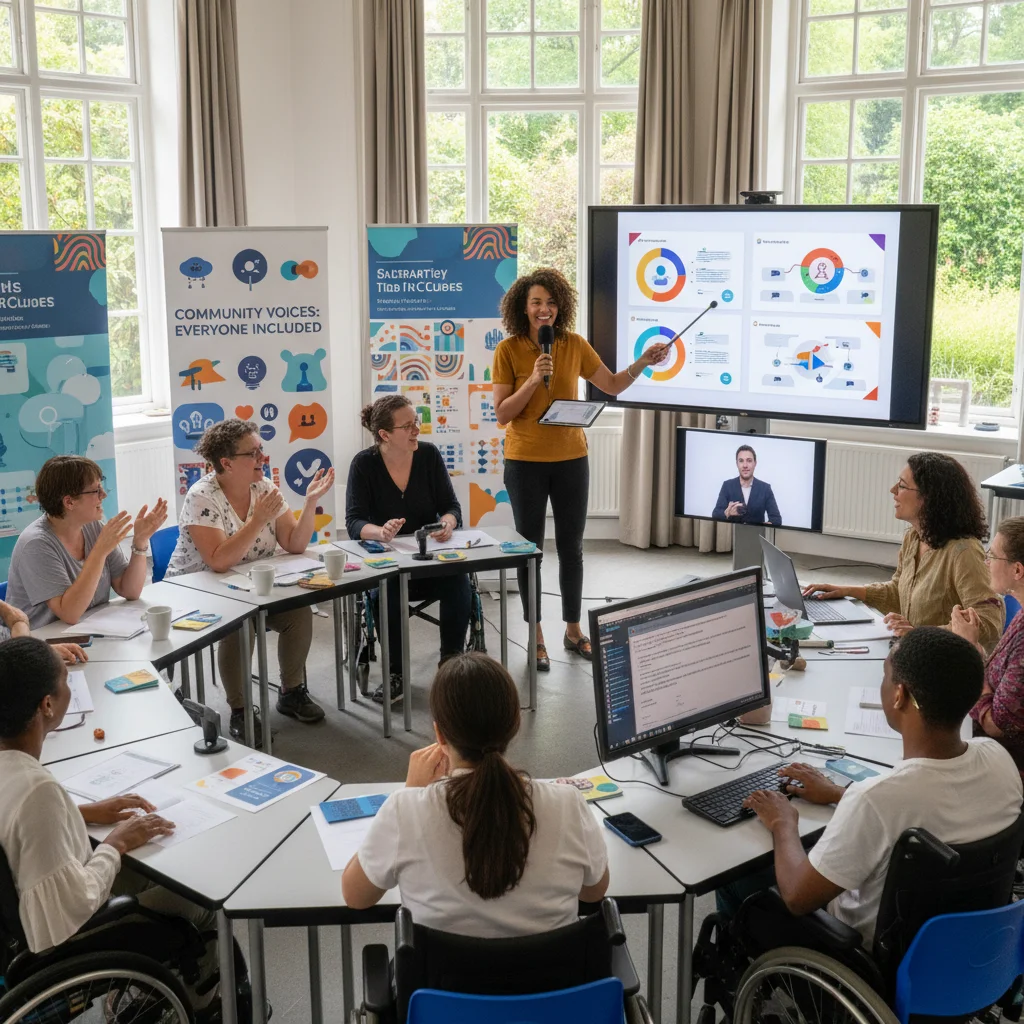
Even with the best intentions, unconscious biases can hinder effective diverse community engagement. Investing in ongoing DEI training for all staff, volunteers, and leadership is essential to create a truly inclusive environment. This training goes beyond awareness; it equips individuals with the skills to act inclusively.
Actionable Steps:
- Regular Training Sessions: Implement mandatory DEI training sessions for all personnel, from frontline staff to board members. These should cover topics such as unconscious bias, cultural competence, microaggressions, and inclusive language.
- Bystander Intervention: Train staff on how to safely and effectively intervene when they witness exclusionary or discriminatory behavior.
- Empathy Building: Incorporate exercises and discussions designed to build empathy and understanding of different lived experiences.
- Inclusive Leadership: Provide specific training for leaders on how to foster an inclusive organizational culture and champion diverse community engagement.
- Continuous Learning: DEI is an evolving field. Ensure training is not a one-off event but an ongoing process, incorporating new insights and best practices.
- Feedback and Accountability: Establish mechanisms for staff to provide feedback on training effectiveness and hold individuals accountable for applying DEI principles in their work related to diverse community engagement.
A well-trained and culturally competent team is fundamental to creating a welcoming and equitable environment that supports genuine diverse community engagement.
7. Empower and Amplify Underrepresented Voices
True diverse community engagement means more than just inviting people to the table; it means ensuring their voices are heard, respected, and have an impact. Empowerment involves creating opportunities for leadership, mentorship, and self-advocacy for members of underrepresented groups.
Actionable Steps:
- Create Advisory Boards/Committees: Establish diverse advisory boards or committees composed primarily of members from underrepresented groups to guide your initiatives and provide direct feedback.
- Mentorship Programs: Develop mentorship programs that connect established leaders with emerging leaders from diverse backgrounds, fostering growth and leadership pathways.
- Platform Sharing: Actively seek opportunities to amplify the voices of underrepresented individuals. Feature them as speakers, panelists, writers, or spokespeople for your initiatives.
- Resource Allocation: Allocate resources (e.g., funding, staff support, technical assistance) directly to initiatives led by or serving underrepresented communities.
- Feedback Mechanisms: Implement robust and accessible feedback mechanisms, ensuring that community members feel safe and empowered to share their opinions, concerns, and suggestions without fear of reprisal.
- Decision-Making Inclusion: Ensure that underrepresented voices are not just heard, but are also part of the decision-making processes that affect them.
Empowering diverse voices is a powerful way to shift power dynamics and build a truly equitable and engaged community.
8. Establish Clear Anti-Discrimination Policies and Reporting Mechanisms
A safe and respectful environment is non-negotiable for effective diverse community engagement. This requires clear anti-discrimination policies, backed by accessible and trustworthy reporting mechanisms, and a commitment to swift, fair action.
Actionable Steps:
- Develop Comprehensive Policies: Draft and widely disseminate clear anti-discrimination, anti-harassment, and anti-bullying policies that explicitly protect all individuals based on race, ethnicity, gender identity, sexual orientation, disability, religion, age, and other protected characteristics.
- Accessible Reporting: Create multiple, easily accessible, and confidential channels for reporting incidents of discrimination or harassment. This could include anonymous hotlines, dedicated email addresses, trusted ombudspersons, or external reporting options.
- Transparent Investigation Process: Outline a transparent and fair process for investigating complaints, ensuring that all parties are treated with respect and due process.
- Prompt and Decisive Action: Commit to taking prompt and decisive corrective action when policies are violated, demonstrating that discrimination will not be tolerated.
- Regular Review and Updates: Regularly review and update policies and reporting mechanisms based on feedback, legal changes, and best practices to ensure their ongoing effectiveness in supporting diverse community engagement.
- Communicate Commitment: Consistently communicate your organization’s commitment to these policies and to fostering an inclusive environment.
Robust policies and reporting mechanisms build trust and signal to all community members that their safety and dignity are paramount, encouraging greater diverse community engagement.
9. Allocate Dedicated Resources and Budget
Intentions alone are not enough; achieving meaningful diverse community engagement requires dedicated resources and a committed budget. This demonstrates a serious, long-term investment in diversity and inclusion, rather than a superficial effort.
Actionable Steps:
- Dedicated Staff/Team: Consider appointing a dedicated diversity and inclusion officer or forming a committee specifically tasked with overseeing diverse community engagement initiatives.
- Budget Line Item: Allocate a specific budget for DEI initiatives, including training, accessible infrastructure, multilingual materials, community partnerships, and inclusive event planning.
- Grant Funding: Actively seek out and apply for grants and funding opportunities specifically aimed at diversity and inclusion programs.
- Technology Investments: Invest in technology that supports accessibility and diverse communication, such as translation software, accessibility plugins for websites, or platforms for virtual participation.
- Time and Expertise: Recognize that staff time and expertise are valuable resources. Dedicate sufficient time for employees to participate in DEI training, engage in community outreach, and implement inclusive practices.
- Long-Term Planning: Integrate diverse community engagement into your long-term strategic planning and budgeting cycles, ensuring it’s not treated as an add-on but as a core organizational priority.
Adequate resourcing ensures that your commitment to diverse community engagement is translated into concrete actions and sustained over time.
10. Continuously Monitor, Evaluate, and Adapt
The journey towards robust diverse community engagement is ongoing. It requires continuous monitoring of your progress, evaluation of your strategies, and a willingness to adapt based on feedback and results. This iterative process ensures that your efforts remain relevant and effective.
Actionable Steps:
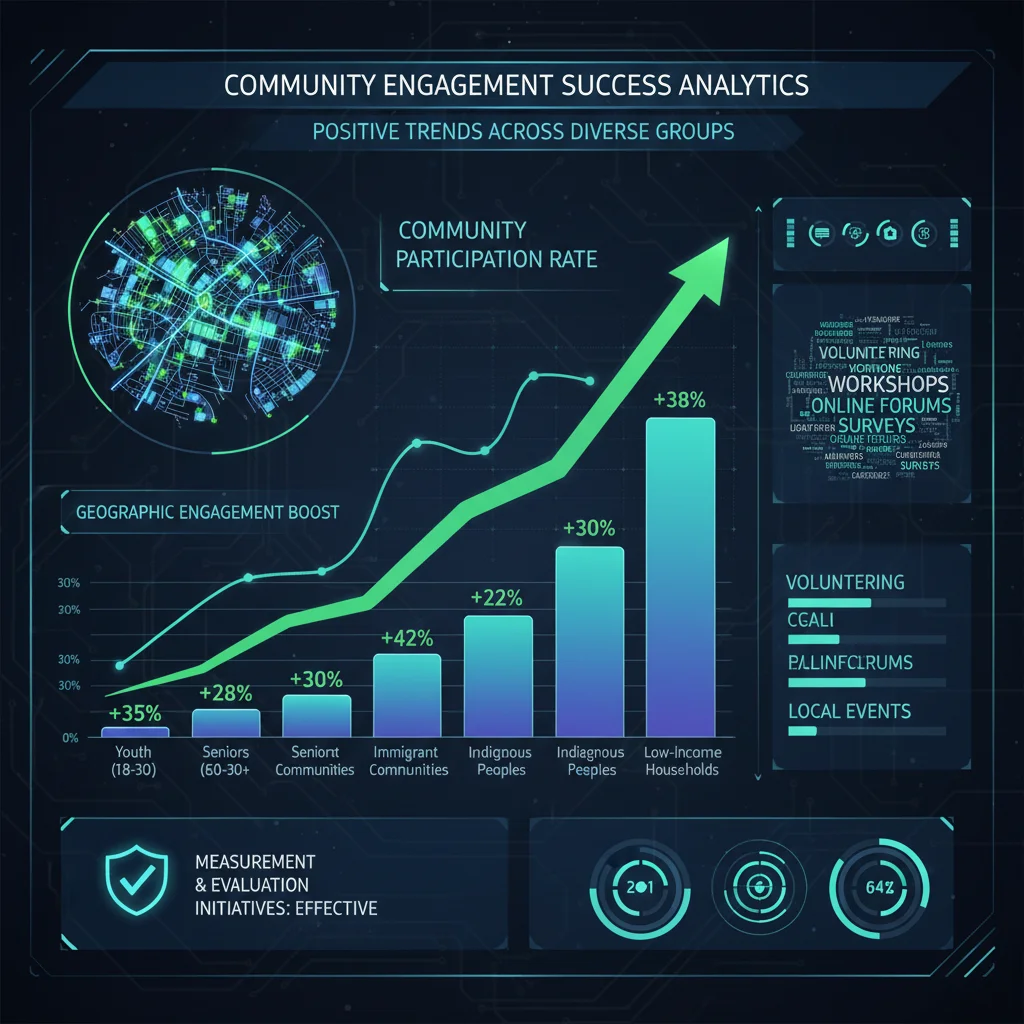
- Track KPIs Regularly: Consistently collect and analyze data related to your established KPIs. Use dashboards or reports to visualize progress over time.
- Gather Feedback Systematically: Implement regular feedback mechanisms, such as post-event surveys, suggestion boxes, focus groups, and one-on-one check-ins with community members and partners.
- Annual Review and Reporting: Conduct an annual review of your diverse community engagement efforts. Prepare a report summarizing successes, challenges, lessons learned, and areas for improvement. Share this report transparently with stakeholders.
- Be Agile and Adapt: Be prepared to adjust your strategies based on evaluation findings and changing community needs. What works today might need refinement tomorrow.
- Celebrate Successes: Acknowledge and celebrate milestones and achievements in diverse community engagement. This helps maintain momentum and motivates continued effort.
- Learn from Others: Stay informed about best practices in diversity and inclusion. Network with other organizations and learn from their successes and challenges in fostering diverse community engagement.
By embracing a cycle of continuous improvement, you ensure that your efforts to cultivate diverse community engagement are dynamic, responsive, and ultimately more impactful.
The Path Forward: Sustaining Diverse Community Engagement Beyond Q3 2026
Achieving significant strides in diverse community engagement by Q3 2026 is an ambitious yet entirely attainable goal. The ten actionable steps outlined above provide a robust framework for organizations and communities to move from aspiration to tangible impact. However, it’s crucial to understand that inclusivity is not a destination but a continuous journey. The work doesn’t end once initial targets are met; rather, it evolves as communities grow and change.
Sustaining diverse community engagement requires an embedded cultural shift. It means integrating diversity, equity, and inclusion into the very DNA of your organization or community group. This involves:
- Leadership Buy-in: Continued, visible commitment from top leadership is essential. Leaders must model inclusive behaviors and champion DEI initiatives consistently.
- Empowering Grassroots Efforts: While top-down strategies are important, fostering an environment where grassroots initiatives for diverse community engagement can flourish is equally vital. Empower individuals at all levels to contribute to an inclusive culture.
- Celebrating Intersectional Identities: Recognize that individuals hold multiple identities (e.g., a Black woman, a disabled LGBTQ+ person). True inclusivity acknowledges and celebrates these intersectional experiences, ensuring that no one is left behind in your diverse community engagement efforts.
- Advocacy and Policy Change: Beyond internal practices, consider how your organization can advocate for broader policy changes that promote equity and justice in the wider community. This external advocacy reinforces your internal commitment to diverse community engagement.
- Building a Culture of Belonging: Ultimately, the goal is to create an environment where every individual feels not just included, but deeply valued and truly belongs. This ‘sense of belonging’ is a powerful indicator of successful diverse community engagement.
The commitment to diverse community engagement is an investment in a richer, more vibrant, and more resilient future. By diligently following these steps, reviewing progress, and adapting strategies, you can build communities that are truly representative, equitable, and capable of thriving in an ever-evolving world. Let Q3 2026 be a significant milestone, not the finish line, in your ongoing commitment to cultivating inclusivity and harnessing the immense power of diverse community engagement.
The journey may present challenges, but the rewards—a stronger, more innovative, and more just community—are immeasurable. Start today, iterate often, and watch as your efforts transform into lasting, positive change.