Public Libraries 2026: Essential Community Hubs and Digital Gateways
In an era defined by rapid technological advancement, shifting social landscapes, and an ever-growing demand for accessible information, the role of public libraries is undergoing a profound transformation. Far from being relics of the past, public libraries in 2026 are emerging as indispensable pillars of their communities, evolving beyond their traditional function as mere repositories of books to become dynamic, multifaceted community hubs. This comprehensive exploration delves into how these vital institutions are redefining their purpose, embracing innovation, and solidifying their status as essential resources for national well-being and progress.
The perception of a library as solely a quiet place for reading or research is rapidly becoming outdated. Today, and increasingly so by 2026, public libraries are vibrant centers of activity, learning, and connection. They are places where individuals can access cutting-edge technology, develop new skills, engage in civic discourse, and find support networks. This evolution is not just about survival; it’s about thriving in a complex world and addressing the diverse needs of contemporary society. The core mission remains the same – to provide free and equitable access to information and knowledge – but the methods and scope have expanded dramatically.
The Evolution of Public Libraries 2026: Beyond the Stacks
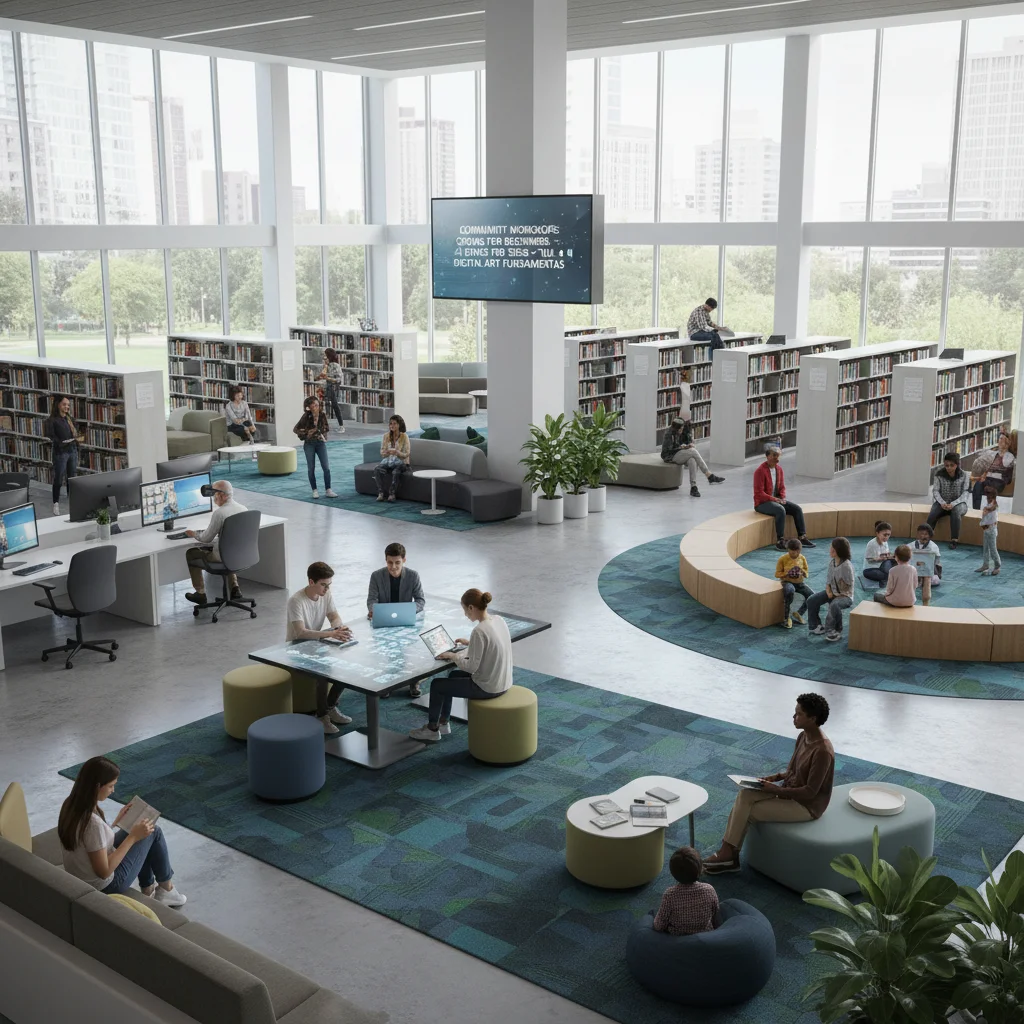
The traditional library model, while foundational, has been significantly re-imagined. By 2026, the physical space of a public library is designed for flexibility, collaboration, and engagement. It’s a place that welcomes everyone, from toddlers attending story time to seniors learning new software, from entrepreneurs seeking business resources to job seekers honing their interview skills. The architecture and interior design are reflecting this shift, with more open spaces, adaptable furniture, and dedicated zones for various activities.
One of the most significant shifts for public libraries in 2026 is their role as digital gateways. In an increasingly digital world, the digital divide remains a stark reality for many. Libraries are stepping in to bridge this gap, offering not just free internet access but also providing the necessary equipment, training, and support to navigate the digital landscape. This includes high-speed Wi-Fi, public computers, and increasingly, loanable devices such as laptops, tablets, and even mobile hotspots, ensuring that digital access is not a privilege but a right for all community members.
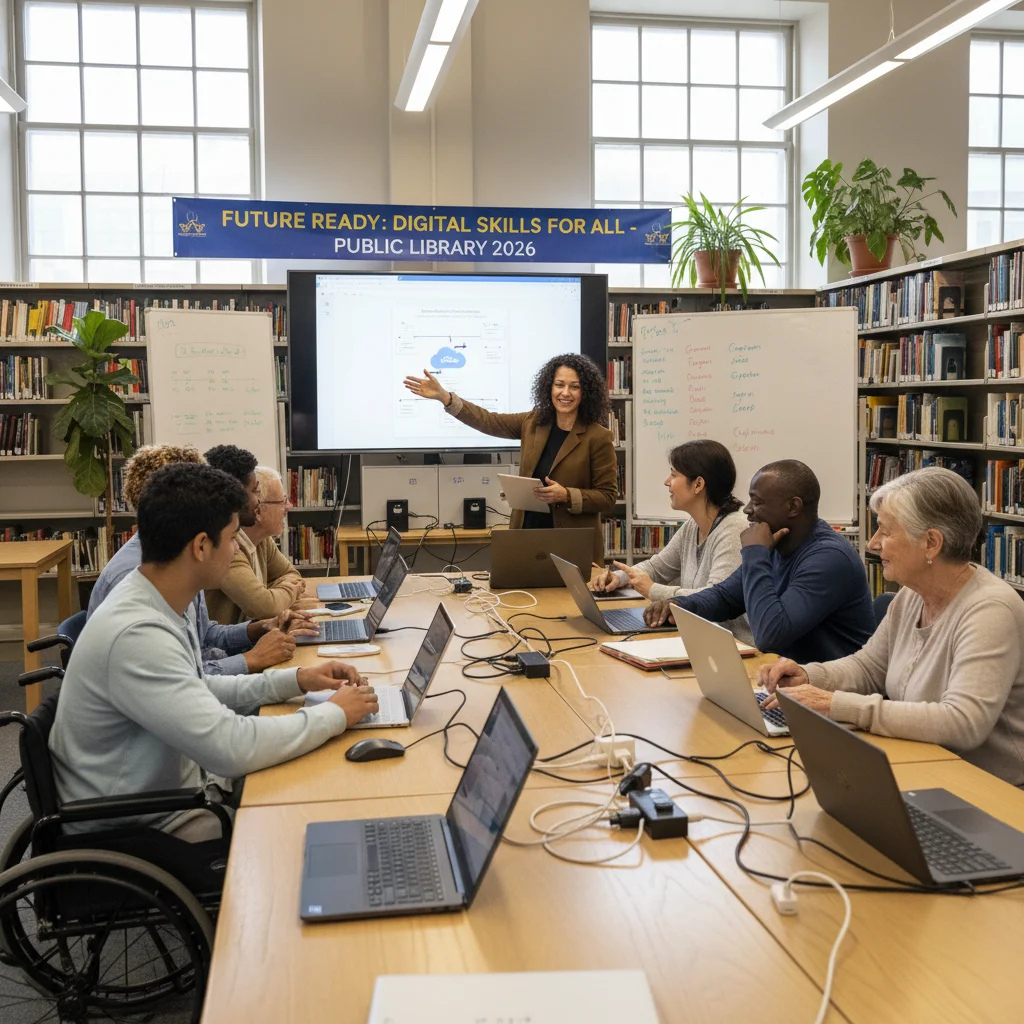
Furthermore, digital literacy programs are at the forefront of library offerings. These programs range from basic computer skills for beginners to advanced coding workshops, cybersecurity awareness, and media literacy training. By empowering individuals with these critical skills, public libraries are enabling greater participation in the digital economy, fostering informed citizenship, and protecting vulnerable populations from online threats. This commitment to digital inclusion is a cornerstone of the modern library’s identity.
Public Libraries as Educational Powerhouses
Education has always been central to the mission of public libraries, but by 2026, this role has expanded to encompass a broader spectrum of lifelong learning opportunities. They are no longer just supplementary resources for formal education but active participants in continuous personal and professional development.
Consider the rise of maker spaces within libraries. These innovative environments provide access to tools and technologies that might otherwise be out of reach for individuals or small businesses, such as 3D printers, laser cutters, robotics kits, and recording studios. Maker spaces foster creativity, problem-solving, and entrepreneurial spirit, allowing patrons to design, create, and innovate. This hands-on learning approach is invaluable for developing practical skills and exploring new interests, contributing directly to workforce development and local innovation.
Beyond technology, public libraries in 2026 are also hubs for traditional and unconventional learning. They host workshops on everything from financial literacy and resume writing to gardening and healthy cooking. Language learning programs, book clubs, and cultural discussion groups continue to thrive, providing avenues for intellectual growth and social interaction. For students, libraries offer tutoring services, homework help, and quiet study areas, serving as crucial complements to the formal education system.
The curated collections of public libraries also continue to evolve. While physical books remain important, digital collections – e-books, audiobooks, streaming services, and online databases – have grown exponentially. Libraries are adept at navigating the complex world of content licensing and providing access to a vast array of resources, often at no cost to the user. This ensures that knowledge and entertainment are accessible to all, regardless of their economic circumstances.
Fostering Community and Social Cohesion
Perhaps one of the most heartwarming transformations is the re-emergence of public libraries as vital community anchors and centers for social cohesion. In an increasingly fragmented world, libraries provide a neutral, welcoming space where people from all walks of life can gather, connect, and collaborate. This aspect is more critical than ever for public libraries in 2026.
Libraries are actively organizing and hosting community events that bring people together. These can range from author talks and art exhibitions to local history workshops and civic engagement forums. They often partner with local organizations, government agencies, and businesses to offer specialized services, such as health screenings, legal aid clinics, and small business counseling. By acting as conveners, libraries strengthen the social fabric of their communities.
Moreover, libraries are increasingly recognized for their role in supporting mental health and well-being. They provide access to resources on mental health, host stress-reduction workshops, and sometimes even offer quiet spaces for meditation or mindfulness. The simple act of providing a safe, welcoming environment where individuals can feel a sense of belonging can have a profound positive impact on mental health, reducing isolation and fostering community bonds.
The inclusivity of public libraries is also paramount. They serve as safe spaces for marginalized communities, offering resources and support tailored to their specific needs. This includes services for immigrants and refugees, individuals experiencing homelessness, and people with disabilities. Libraries often provide multilingual resources, accessibility features, and staff trained in cultural competency, ensuring that everyone feels respected and supported.
The Digital Frontier: Innovation in Public Libraries 2026
The digital revolution continues to shape the services offered by public libraries. By 2026, libraries are leveraging advanced technologies to enhance user experience and expand their reach. This includes sophisticated online catalogs, personalized recommendation systems, and virtual reality (VR) or augmented reality (AR) experiences that offer immersive learning opportunities.
Many libraries are experimenting with virtual programming, allowing patrons to attend workshops, author events, and even story times from the comfort of their homes. This expands access for those with mobility issues, childcare responsibilities, or geographical barriers, making library services truly accessible to a wider audience. The hybrid model, combining in-person and virtual offerings, is becoming the standard.
Data analytics is also playing a role in how libraries understand and serve their communities. By analyzing usage patterns and feedback, libraries can tailor their collections, programs, and services to better meet demonstrated needs. This data-driven approach ensures that resources are allocated effectively and that the library remains relevant and responsive to its patrons.
Furthermore, libraries are becoming centers for civic technology. They might host hackathons focused on local community problems, provide access to government data, or offer training in data visualization. By doing so, they empower citizens to engage more effectively with their local governments and contribute to data-informed decision-making.
Challenges and Opportunities for Public Libraries in 2026
Despite their remarkable evolution, public libraries in 2026 face ongoing challenges. Funding remains a perennial concern, as libraries often compete for limited public resources. Advocating for sustained and increased funding is crucial to ensure they can continue to provide essential services and innovate.
Another challenge is adapting to the rapid pace of technological change. Libraries must constantly invest in new technologies, staff training, and infrastructure upgrades to remain relevant. This requires foresight, strategic planning, and a willingness to embrace experimentation.
Intellectual freedom and privacy are also enduring concerns. Libraries are staunch defenders of these principles, providing access to diverse viewpoints and protecting user data. In an age of misinformation and surveillance, this role is more critical than ever, requiring vigilance and strong ethical guidelines.
However, these challenges also present significant opportunities. The very complexity of the modern world underscores the need for institutions like libraries that can provide reliable information, foster critical thinking, and build community. By demonstrating their value through tangible impact – improved literacy rates, digital inclusion, economic development, and social cohesion – public libraries can strengthen their case for public support.
The opportunity to collaborate with other community organizations, educational institutions, and businesses is immense. Partnerships can amplify impact, share resources, and create more comprehensive services for patrons. For example, a library might partner with a local university to offer specialized courses, or with a food bank to distribute meals alongside literary resources.

The Librarian’s Evolving Role
The role of the librarian has also transformed dramatically. By 2026, librarians are not just curators of collections; they are information navigators, technology instructors, community organizers, and social workers. They possess a diverse skill set, including digital fluency, pedagogical expertise, and strong interpersonal communication skills. They are adept at helping patrons find reliable information, utilize complex software, connect with local resources, and even mediate community discussions.
Librarians are at the forefront of providing personalized assistance, whether it’s helping a student with research, guiding a senior through a new app, or assisting an entrepreneur with market research. Their expertise is invaluable in helping individuals make sense of the overwhelming amount of information available today, distinguishing credible sources from misinformation.
Professional development for librarians is therefore critical. Ongoing training in emerging technologies, community engagement strategies, and specialized services ensures that library staff are equipped to meet the evolving needs of their patrons. This investment in human capital is as important as investment in physical and digital resources.
Measuring Impact and Demonstrating Value
For public libraries in 2026, demonstrating their value through measurable impact is key to securing continued support. Libraries are increasingly employing sophisticated metrics to track their contributions to community well-being. This includes not only traditional circulation statistics but also measures of program attendance, digital resource usage, completion rates for skill-building workshops, and patron testimonials.
Economic impact studies are also gaining traction, highlighting how libraries contribute to local economies through job search assistance, small business support, and providing free access to resources that would otherwise be costly. By quantifying their value, libraries can effectively communicate their importance to policymakers and the public.
Storytelling remains a powerful tool. Sharing personal narratives of how libraries have positively impacted individuals’ lives – helping someone find a job, learn a new language, or connect with their community – can resonate deeply and illustrate the human dimension of their work. These stories, combined with robust data, paint a compelling picture of the library’s essential role.
The Future is Bright for Public Libraries 2026
Looking ahead, the trajectory for public libraries in 2026 and beyond is one of continued growth and adaptation. They are poised to become even more integrated into the fabric of daily life, serving as dynamic hubs that reflect and respond to the unique characteristics of their communities. As society grapples with issues such as information overload, social isolation, and the accelerating pace of technological change, the need for trusted, accessible, and community-focused institutions like libraries will only intensify.
The vision for public libraries in 2026 is one where they are not just repositories of knowledge, but incubators of ideas, catalysts for change, and guardians of democratic values. They are places where curiosity is ignited, skills are honed, and connections are forged. By embracing innovation while staying true to their core mission of equitable access, public libraries are securing their place as indispensable assets for generations to come, truly embodying the spirit of communal progress and lifelong learning.
Their adaptability, resilience, and unwavering commitment to serving the public good ensure that public libraries will continue to be vibrant, essential community hubs, fostering an informed, engaged, and empowered citizenry. The future of public libraries is not just about books; it’s about building stronger, more connected, and more equitable societies.