7 Key Indicators of Thriving US Community Culture in 2026
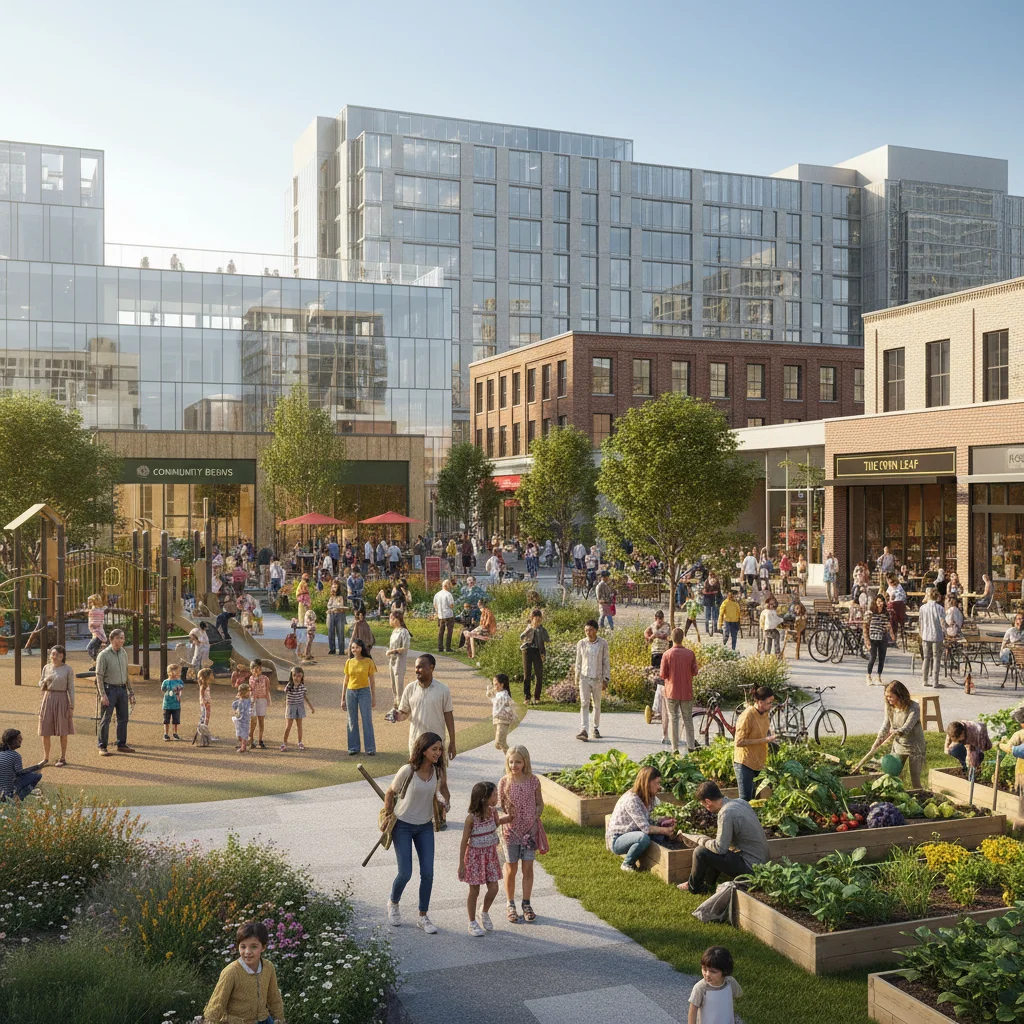
The concept of a “thriving community” is often debated, encompassing a myriad of factors that contribute to the well-being and prosperity of its residents. As we navigate the complexities of 2026, understanding what truly defines a vibrant US Community Culture becomes paramount. This article delves into seven critical indicators that provide a data-driven lens through which to assess the health and vitality of communities across the United States. From economic resilience to social cohesion and environmental sustainability, these indicators paint a comprehensive picture of what it means for a community to not just survive, but truly flourish.
The landscape of American communities is constantly evolving, shaped by technological advancements, demographic shifts, global economic pressures, and changing social norms. In this dynamic environment, relying on outdated metrics can lead to misinformed policies and missed opportunities for growth. Our analysis aims to cut through the noise, offering actionable insights for local leaders, policymakers, and residents alike who are dedicated to fostering a robust and sustainable US Community Culture.
The 7 Key Indicators of a Thriving US Community Culture in 2026: A Data-Driven Analysis
Understanding the pulse of a community requires more than just anecdotal evidence; it demands a rigorous examination of measurable data points that reflect the lived experiences of its inhabitants. In 2026, the following seven indicators stand out as crucial benchmarks for evaluating the strength and resilience of US Community Culture.
1. Economic Vitality and Opportunity
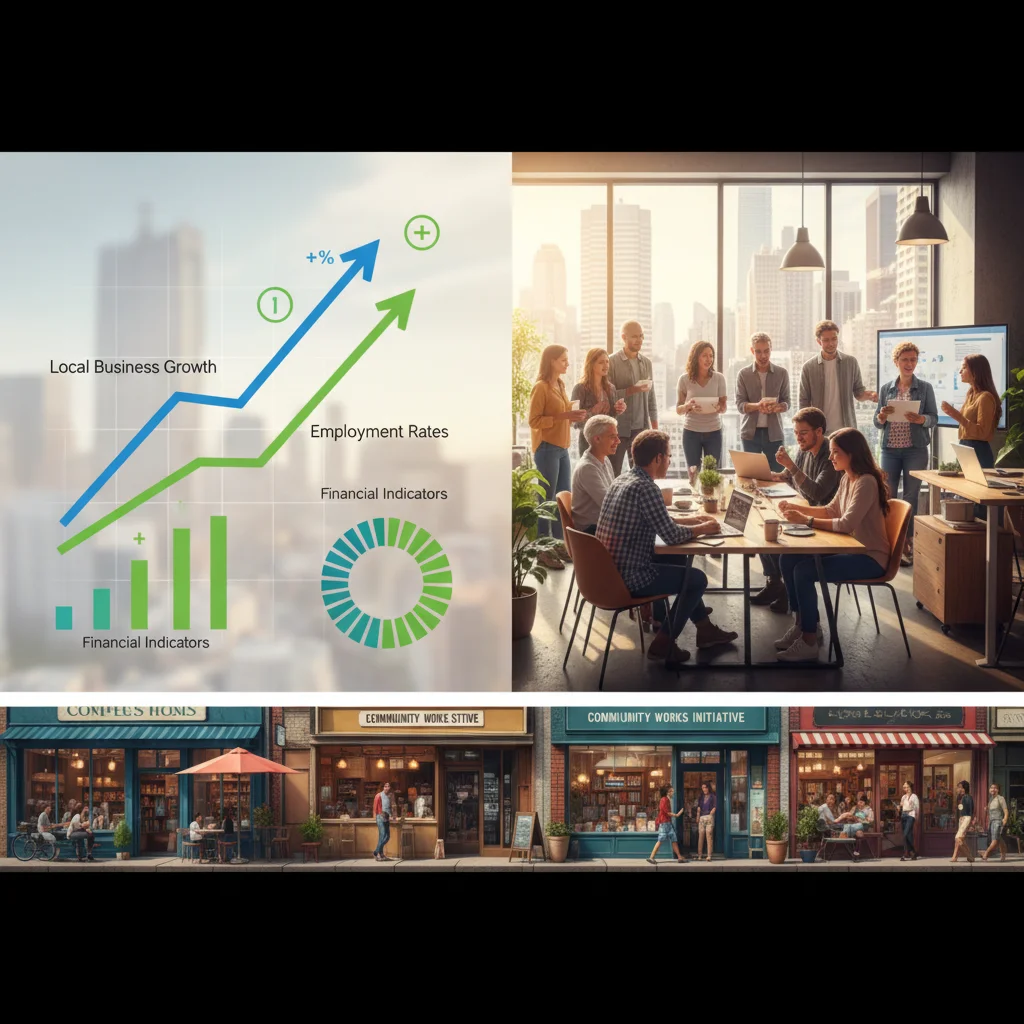
At the heart of any thriving US Community Culture lies a robust and inclusive economy. Economic vitality is not merely about GDP growth; it encompasses job creation, wage growth, business diversity, and equitable access to economic opportunities for all residents. In 2026, communities that demonstrate sustained economic vitality are characterized by low unemployment rates, a diverse local industry base, and strong support for small and medium-sized enterprises (SMEs).
Data points such as median household income, poverty rates, and the number of new business registrations per capita offer a clear snapshot of a community’s economic health. Furthermore, the presence of innovative industries, a skilled workforce, and accessible training programs are crucial for adapting to future economic shifts. A truly thriving US Community Culture ensures that economic prosperity is broadly shared, reducing income inequality and providing pathways for upward mobility for all segments of the population. This includes initiatives that support marginalized groups in accessing capital and entrepreneurship opportunities, fostering a more inclusive economic ecosystem.
Beyond traditional metrics, we’re seeing an increased emphasis on economic resilience. This involves a community’s ability to withstand and recover from economic shocks, whether they are global recessions, natural disasters, or technological displacements. Diversification of the local economy, investment in infrastructure, and robust social safety nets are all critical components of this resilience. Communities that actively plan for and mitigate potential economic vulnerabilities are better positioned to maintain a high quality of life for their residents and sustain a vibrant US Community Culture.
Moreover, the gig economy and remote work trends have profoundly impacted local economies. Thriving communities are those that have successfully integrated these new work models, providing co-working spaces, reliable internet infrastructure, and support systems for independent contractors and remote employees. This adaptability ensures continued economic activity and prevents brain drain, as skilled workers are encouraged to stay or move to areas that support their modern work lifestyles.
2. Social Cohesion and Community Engagement
A strong US Community Culture is built on the bedrock of social cohesion – the degree to which residents feel connected to one another and to their community as a whole. This indicator manifests in high levels of trust, mutual support, and a shared sense of belonging. Metrics such as volunteer rates, participation in local events, and the strength of community organizations are vital for assessing social cohesion.
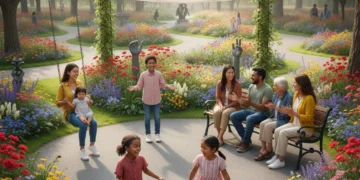
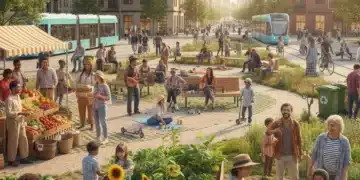
In 2026, communities with thriving social fabric often boast numerous public spaces that encourage interaction, such as parks, community centers, and libraries. They also invest in programs that foster intergenerational connections and celebrate cultural diversity. The ability of a community to mobilize its residents for collective action, whether for local improvement projects or advocacy initiatives, is a powerful sign of its social health. This active participation strengthens the bonds between residents and reinforces a collective identity.
Social cohesion also plays a significant role in public safety and mental well-being. Communities where residents feel connected and supported often experience lower crime rates and better mental health outcomes. The presence of strong neighborhood watch programs, community policing initiatives, and accessible mental health services are all reflections of a community’s commitment to its residents’ overall welfare. This holistic approach to well-being is fundamental to a truly thriving US Community Culture.
Furthermore, the digital age has introduced new dimensions to social cohesion. While online platforms can sometimes create echo chambers, thriving communities leverage technology to enhance real-world connections. This includes community-specific social media groups that facilitate local discussions, event planning, and mutual aid networks. The judicious use of digital tools to augment, rather than replace, face-to-face interactions is a hallmark of a forward-thinking US Community Culture.
3. Quality Education and Lifelong Learning
Access to high-quality education from early childhood through adulthood is a fundamental pillar of a flourishing US Community Culture. This indicator extends beyond K-12 schooling to encompass vocational training, higher education institutions, and opportunities for continuous skill development. Communities that prioritize education demonstrate better economic prospects, lower crime rates, and higher levels of civic engagement among their residents.
Key metrics include high school graduation rates, college enrollment rates, adult literacy levels, and the availability of diverse educational programs that cater to various learning styles and career paths. Furthermore, strong partnerships between schools, local businesses, and community organizations are crucial for ensuring that education aligns with local workforce needs and provides relevant skills for future employment. Investment in educational infrastructure, including modern classrooms and technology, is also a vital component.
In 2026, a truly thriving US Community Culture recognizes that learning is a lifelong endeavor. This means providing accessible and affordable opportunities for adults to reskill or upskill, whether through community colleges, online courses, or vocational training centers. Such initiatives not only boost individual career prospects but also strengthen the overall economic competitiveness of the community. A well-educated populace is better equipped to adapt to change, innovate, and contribute meaningfully to society.
The integration of technology in education is another critical aspect. Communities that provide equitable access to digital learning resources and ensure digital literacy for all residents are better positioned for success. This includes initiatives to bridge the digital divide, ensuring that every student and adult has access to reliable internet and necessary devices. A strong educational foundation is indispensable for nurturing a dynamic and adaptable US Community Culture.
4. Health and Well-being
The physical and mental health of residents directly impacts the vitality of a US Community Culture. This indicator encompasses access to quality healthcare, healthy living environments, and opportunities for physical activity and mental wellness. Communities that prioritize health demonstrate longer life expectancies, lower rates of chronic diseases, and a higher overall quality of life.
Key metrics include access to primary care physicians, mental health services, healthy food options, and green spaces. The presence of community health programs, preventative care initiatives, and robust public health infrastructure are also critical. Furthermore, policies that promote active transportation, such as bike lanes and pedestrian-friendly infrastructure, contribute significantly to residents’ physical well-being. A community’s commitment to addressing health disparities and ensuring equitable access to care for all residents is a hallmark of a truly thriving environment.
Mental health awareness and support have become increasingly important in 2026. Thriving communities are those that destigmatize mental illness and provide accessible mental health resources, including counseling services, support groups, and crisis intervention programs. The integration of mental health support into schools, workplaces, and community centers reflects a holistic approach to well-being that is essential for a resilient US Community Culture.
Environmental factors also play a crucial role in public health. Access to clean air and water, management of pollution, and the availability of safe outdoor spaces for recreation are all integral to a healthy community. Sustainable practices and environmental protections are not just about protecting the planet; they are about protecting the health and future of the community’s residents, underscoring their importance to a flourishing US Community Culture.
5. Infrastructure and Connectivity
Modern and reliable infrastructure is the backbone of any thriving US Community Culture. This indicator covers transportation networks, utilities (water, electricity, waste management), and, increasingly, digital connectivity. Communities with robust infrastructure can support economic growth, facilitate social interaction, and enhance residents’ quality of life.
Metrics include the condition of roads and bridges, access to public transportation, reliability of utility services, and the availability of high-speed internet. Investment in sustainable infrastructure, such as renewable energy sources and efficient waste management systems, is also crucial for long-term community health. Furthermore, smart city initiatives that leverage technology to improve urban services and efficiency are becoming increasingly prevalent in forward-thinking communities.
Digital connectivity, in particular, has emerged as a non-negotiable component of modern infrastructure. In 2026, communities with widespread access to affordable, high-speed internet are better positioned for economic development, educational advancement, and social inclusion. Bridging the digital divide ensures that all residents can participate fully in the digital economy and access essential online services, contributing to a more equitable and dynamic US Community Culture.
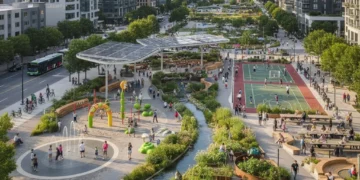
Beyond physical and digital infrastructure, social infrastructure – the places and networks that enable social interaction – is also vital. This includes well-maintained public parks, community centers, libraries, and cultural institutions. These spaces foster a sense of belonging and provide opportunities for residents to connect, learn, and recreate, reinforcing the social fabric of a vibrant US Community Culture.
6. Environmental Sustainability and Resilience
The ability of a community to adapt to environmental changes and promote sustainable practices is increasingly critical for a thriving US Community Culture. This indicator encompasses efforts to reduce carbon footprints, conserve natural resources, protect biodiversity, and build resilience against climate-related disasters.
Key metrics include renewable energy adoption rates, waste diversion rates, air and water quality indices, and the presence of green infrastructure (e.g., urban forests, permeable surfaces). Communities that actively engage in climate action planning, invest in disaster preparedness, and promote eco-friendly policies are better positioned to ensure a healthy and safe environment for current and future generations. Citizen participation in environmental initiatives, such as recycling programs and conservation efforts, also reflects a strong commitment to sustainability.
In 2026, environmental justice is also a significant consideration. Thriving communities ensure that the benefits of environmental protection and the burdens of pollution are equitably distributed among all residents, regardless of socioeconomic status or race. This involves proactive measures to address environmental hazards in underserved communities and ensure fair access to green spaces and clean resources, fostering a more just and sustainable US Community Culture.
Furthermore, the integration of green technologies and practices into urban planning and development is paramount. This includes energy-efficient buildings, sustainable transportation options, and the preservation of natural habitats within and around urban areas. These efforts not only mitigate environmental impact but also enhance the aesthetic appeal and livability of a community, contributing to a higher quality of life and a stronger US Community Culture.
7. Civic Engagement and Governance
A truly thriving US Community Culture is characterized by active civic engagement and transparent, responsive governance. This indicator reflects the extent to which residents participate in local decision-making processes, hold their leaders accountable, and contribute to the democratic health of their community.
Metrics include voter turnout rates in local elections, participation in public meetings, the number of community advocacy groups, and the accessibility of local government information. Communities with strong civic engagement often have robust mechanisms for citizen feedback, participatory budgeting initiatives, and diverse representation in local leadership. Transparency in governance, including open data initiatives and clear communication channels, builds trust and encourages greater public participation.
In 2026, fostering an inclusive civic environment means actively reaching out to all segments of the population, ensuring that marginalized voices are heard and considered in policy development. This includes multilingual communication, accessible meeting venues, and platforms that empower residents to propose solutions and collaborate on community challenges. A vibrant US Community Culture thrives when its residents feel empowered to shape their collective future.
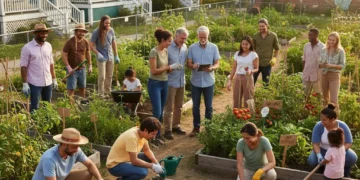
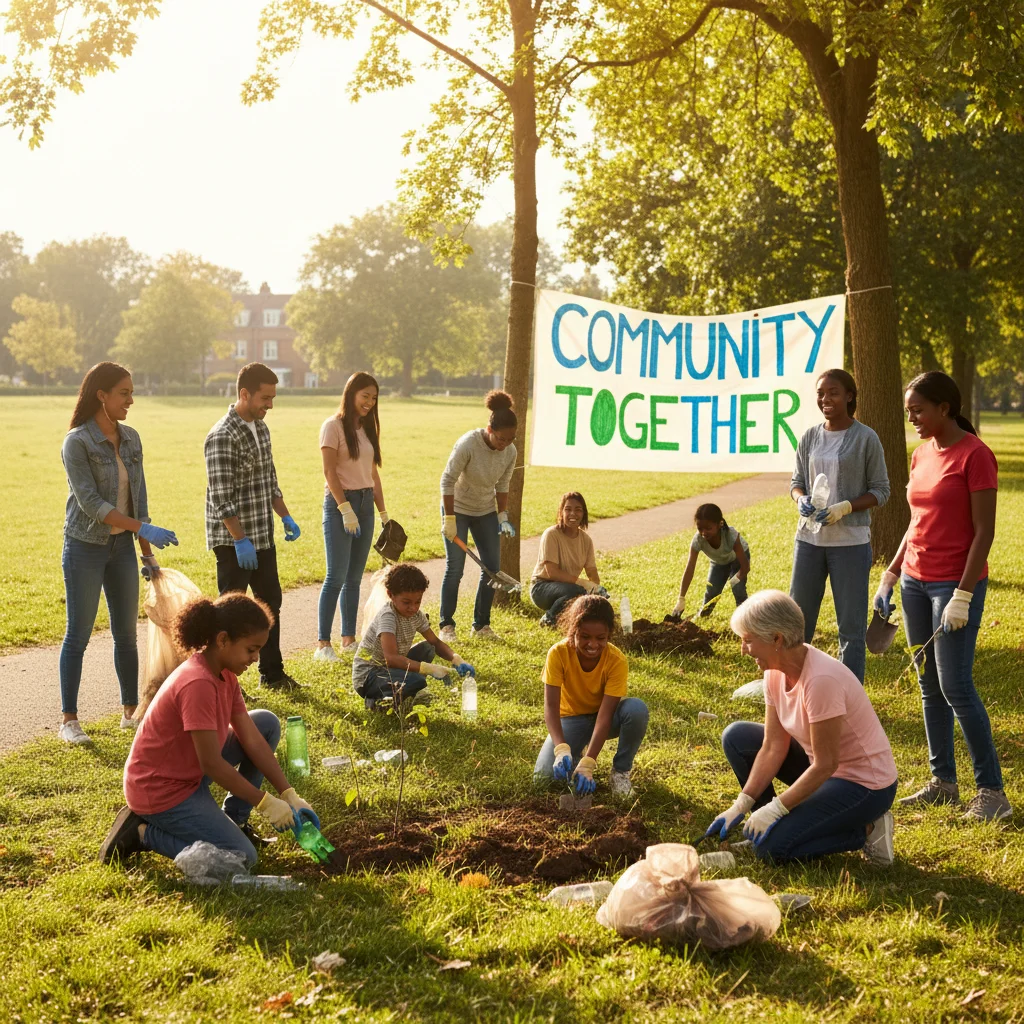
Beyond traditional political participation, civic engagement also encompasses volunteering, community organizing, and grassroots initiatives that address local needs. These non-electoral forms of participation are crucial for building social capital and fostering a sense of shared responsibility. When residents are actively involved in improving their neighborhoods and advocating for causes they believe in, the entire community benefits from their collective energy and commitment, reinforcing a dynamic US Community Culture.
The role of local leadership is also critical. Effective governance involves not only responding to immediate needs but also envisioning and planning for the long-term well-being of the community. Leaders who foster collaboration, encourage innovation, and prioritize equitable outcomes are instrumental in cultivating a resilient and thriving US Community Culture. This forward-thinking approach ensures that communities can adapt to future challenges and continue to prosper.
Conclusion: Cultivating a Resilient US Community Culture
The seven key indicators discussed – Economic Vitality and Opportunity, Social Cohesion and Community Engagement, Quality Education and Lifelong Learning, Health and Well-being, Infrastructure and Connectivity, Environmental Sustainability and Resilience, and Civic Engagement and Governance – provide a comprehensive framework for understanding and fostering a thriving US Community Culture in 2026. These indicators are interconnected, forming a complex web where strength in one area often positively impacts others.
For communities aiming to enhance their vitality, a holistic approach is essential. Focusing on one indicator while neglecting others will likely yield limited and unsustainable results. Instead, leaders and residents must work collaboratively to develop integrated strategies that address all aspects of community well-being. This requires data-driven decision-making, continuous evaluation, and a commitment to inclusivity and equity.
As the United States continues to evolve, the definition of a thriving community will undoubtedly adapt. However, the core principles of economic opportunity, strong social bonds, access to quality resources, a healthy environment, and engaged citizenry will remain foundational. By consistently monitoring and investing in these seven key indicators, communities across the nation can cultivate a resilient, vibrant, and prosperous US Community Culture for generations to come. The journey towards a thriving community is ongoing, requiring dedication, adaptability, and a shared vision for a better future.
Ultimately, the strength of a nation is reflected in the strength of its communities. By understanding and nurturing these vital indicators, we can collectively build a future where every US Community Culture has the opportunity to reach its full potential, offering a high quality of life and a strong sense of belonging to all its residents. This commitment to continuous improvement and collective welfare is what truly defines a successful and enduring community spirit in America.