2026 US Demographic Shifts: Planning for Future Communities

The United States is a nation in constant flux, a melting pot of cultures, generations, and aspirations. As we approach 2026, the demographic landscape is poised for significant transformations that will profoundly impact virtually every facet of American life. From the composition of our workforce to the demands on our social services, understanding these 2026 demographic shifts is not merely an academic exercise; it is an imperative for effective community planning and judicious resource allocation.
This comprehensive analysis will delve into the anticipated demographic changes, exploring their root causes, projecting their likely trajectories, and, most importantly, outlining the critical implications for communities across the nation. We will examine the aging population, evolving racial and ethnic compositions, internal migration patterns, and the socio-economic consequences of these shifts. By gaining a deeper understanding of these dynamics, policymakers, community leaders, and citizens alike can proactively prepare for the challenges and opportunities that lie ahead.
The imperative to understand and respond to these 2026 demographic shifts cannot be overstated. Failure to do so could exacerbate existing inequalities, strain public services, and hinder economic growth. Conversely, a proactive and informed approach can foster resilient, equitable, and prosperous communities for all Americans.
The Aging of America: A Silver Tsunami
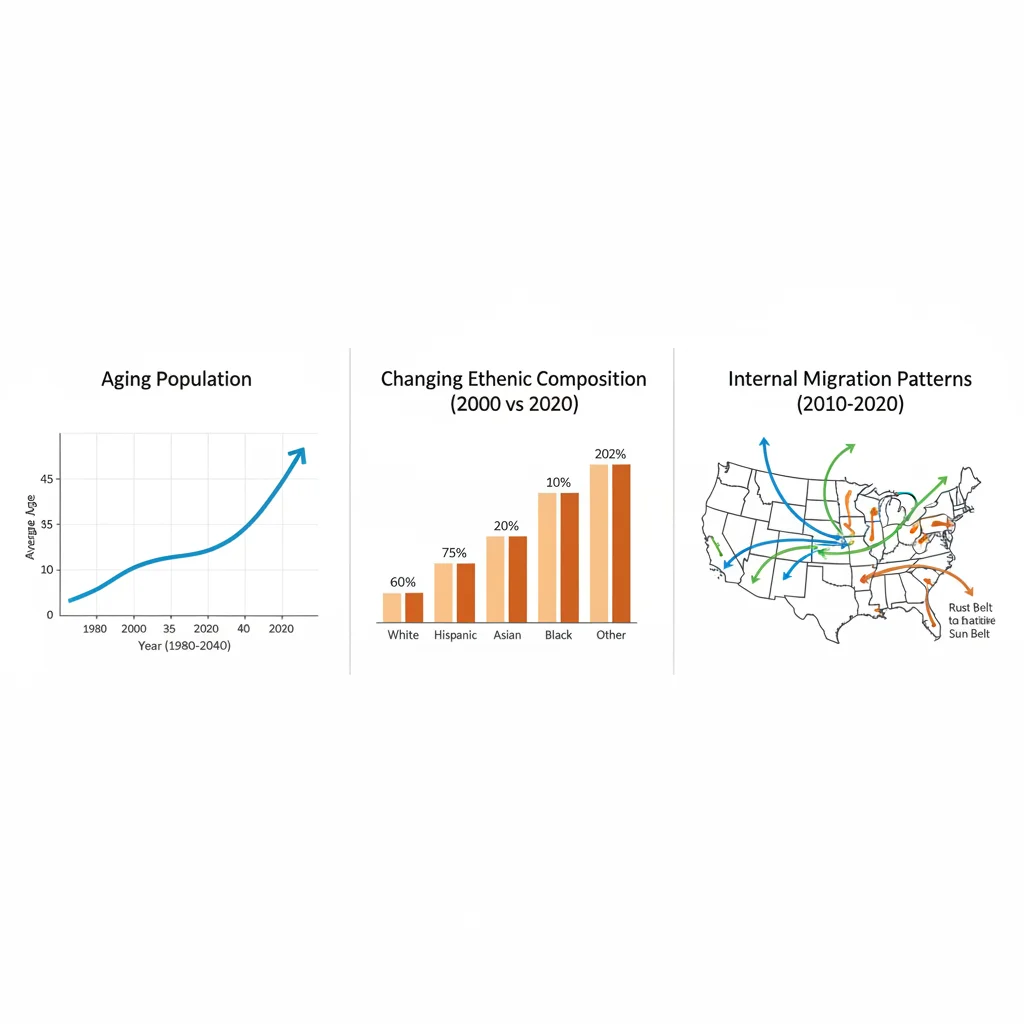
One of the most prominent and well-documented 2026 demographic shifts is the continued aging of the US population. The Baby Boomer generation, born between 1946 and 1964, is steadily moving into their senior years, leading to a substantial increase in the proportion of older adults. By 2026, a significant percentage of the population will be over 65, and the fastest-growing segment will be those over 85.
Implications for Healthcare and Social Services
The aging population will place unprecedented demands on the healthcare system. We can anticipate increased needs for geriatric care, long-term care facilities, home healthcare services, and specialized medical treatments for age-related conditions. This will necessitate significant investments in healthcare infrastructure, workforce development, and innovative delivery models. Furthermore, social security and Medicare, already under scrutiny, will face intensified pressure, requiring thoughtful policy adjustments to ensure their long-term sustainability.
Economic Ramifications: Workforce and Retirement
The retirement of a large segment of the workforce will have profound economic implications. Industries reliant on experienced labor may face shortages, leading to a need for retraining younger workers or attracting skilled immigrants. The dependency ratio – the number of dependents (children and retirees) per working-age person – will rise, potentially straining social support systems. However, an aging population also presents opportunities for new industries focused on senior services, technology for independent living, and leisure activities catering to older adults.
Community Planning for an Older Population
Communities must adapt their infrastructure and services to accommodate an older populace. This includes developing age-friendly communities with accessible public spaces, transportation options, and housing designed for seniors. "Aging in place" initiatives, which allow seniors to remain in their homes and communities as they age, will become increasingly vital, requiring robust support networks and home modification programs.
Evolving Racial and Ethnic Composition
Another crucial aspect of the 2026 demographic shifts is the ongoing diversification of the US population. The nation is becoming increasingly multiracial and multicultural, primarily driven by immigration and higher birth rates among minority groups. By 2026, and certainly in the decades beyond, minority groups are projected to constitute a majority of the population in several states and metropolitan areas.
Impact on Education and Cultural Institutions
The growing racial and ethnic diversity will necessitate significant adjustments in the education system. Schools will need to adapt curricula, teaching methodologies, and support services to cater to a more diverse student body, including those for whom English is a second language. Cultural institutions will play an even greater role in fostering understanding and celebrating the rich tapestry of American heritage, requiring inclusive programming and outreach efforts.
Redefining the Workforce and Entrepreneurship
A diverse workforce brings a wealth of perspectives, skills, and entrepreneurial spirit. Businesses that embrace diversity and inclusion are often more innovative and competitive. However, addressing existing disparities in education, training, and access to capital will be crucial to ensure that all segments of the population can contribute fully to the economy. This shift also opens doors for new markets and services tailored to diverse cultural preferences.
Political and Social Dynamics
The changing racial and ethnic demographics will undoubtedly influence political landscapes and social discourse. Representation in government and leadership roles will likely evolve, reflecting the population’s diversity. Communities will need to invest in initiatives that promote intergroup understanding, combat discrimination, and build social cohesion amidst increasing heterogeneity.
Internal Migration and Urbanization Trends
Beyond the shifts in age and ethnicity, internal migration patterns continue to reshape communities across the US. People are moving for various reasons, including economic opportunity, affordability, climate preferences, and lifestyle choices. This often leads to growth in some regions and population decline in others, creating distinct challenges and opportunities for different areas.
The Rise of Sun Belt and Mountain West States
For decades, states in the Sun Belt (e.g., Florida, Texas, Arizona) and more recently the Mountain West (e.g., Colorado, Idaho, Utah) have experienced significant population growth. This trend is expected to continue, driven by job growth, lower costs of living (relative to coastal areas), and attractive climates. These regions must grapple with rapid urbanization, infrastructure demands, and environmental sustainability.
Challenges for Rust Belt and Rural Areas
Conversely, many states in the Rust Belt and numerous rural areas continue to face population decline and out-migration, particularly among younger residents. This can lead to shrinking tax bases, underutilized infrastructure, and a decline in local services. Strategies for revitalization, such as attracting new industries, investing in broadband internet, and promoting unique cultural assets, will be essential for these communities.
Urban-Suburban-Rural Continuum
While urbanization continues, there’s also a nuanced movement within the urban-suburban-rural continuum. Some urban cores are experiencing revitalization, attracting young professionals, while many suburbs are becoming more diverse and dense. The "exurban" fringe continues to expand, blurring the lines between urban and rural. Understanding these specific migration patterns within metropolitan areas is crucial for localized planning efforts.
Socio-Economic Implications of 2026 Demographic Shifts
The confluence of an aging population, diversifying demographics, and shifting migration patterns will have profound socio-economic consequences that demand careful consideration and strategic planning. These shifts will influence everything from housing markets to labor policies and public finance.
Housing and Infrastructure Demands
Different demographic groups have varying housing needs. An aging population may require more accessible, single-story homes or assisted living facilities. Growing families will need more spacious housing and access to good schools. Rapidly growing regions will face immense pressure to develop new housing and infrastructure – roads, utilities, public transit – while declining areas may struggle with maintaining existing infrastructure with a smaller tax base. Affordable housing will remain a critical challenge across many regions, exacerbated by population growth in desirable areas.
Labor Market Dynamics and Skills Gap
The 2026 demographic shifts will undoubtedly reshape the labor market. As older workers retire, there will be a need to replace their institutional knowledge and skills. The incoming workforce will be more diverse and potentially have different educational backgrounds and career aspirations. Addressing the skills gap – the mismatch between available jobs and the skills of the workforce – will be paramount. This will require robust investment in education, vocational training, and lifelong learning programs to ensure that the US workforce remains competitive and adaptable.
Public Finance and Taxation
Changes in the age structure and geographic distribution of the population will directly impact public finance. An aging population generally leads to increased demand for social security, Medicare, and other age-related services, while potentially reducing the proportion of income-tax-paying workers. Local governments will see their tax revenues fluctuate based on regional growth or decline, affecting their ability to fund schools, public safety, and infrastructure projects. Strategic fiscal planning and potentially innovative revenue generation mechanisms will be essential.
Environmental Sustainability and Resource Management
Population growth and redistribution have significant environmental implications. Increased population density in certain areas can strain water resources, increase waste generation, and lead to greater energy consumption. Community planning must integrate principles of environmental sustainability, including promoting green infrastructure, investing in renewable energy, and encouraging sustainable land-use practices. Protecting natural resources and mitigating climate change impacts will become even more critical in the face of these demographic pressures.
Strategies for Proactive Community Planning
To navigate the complexities of the 2026 demographic shifts successfully, communities must adopt proactive and integrated planning strategies. This involves a multi-sectoral approach that considers the interconnectedness of various demographic trends and their impacts.
Data-Driven Decision Making
The foundation of effective planning is robust data. Communities need to invest in collecting, analyzing, and interpreting demographic data at local and regional levels. This includes not only census data but also localized surveys, economic indicators, and health statistics. Data-driven insights can help identify emerging trends, forecast future needs, and evaluate the effectiveness of policy interventions.
Inter-Jurisdictional Collaboration
Demographic shifts often transcend jurisdictional boundaries. For example, a rapidly growing suburb impacts the central city’s labor market, and regional transportation networks are affected by population shifts across multiple counties. Therefore, inter-jurisdictional collaboration – between cities, counties, and even states – is essential for addressing regional challenges related to housing, transportation, economic development, and environmental protection.
Flexible and Adaptive Planning
Given the dynamic nature of demographic changes, planning frameworks must be flexible and adaptive. Static, long-term plans may quickly become outdated. Instead, communities should adopt continuous planning processes that allow for regular review, adjustment, and innovation. This includes scenario planning to prepare for various potential futures and building resilience into community systems.
Investment in Education and Workforce Development
To address the evolving labor market and skills gap, continuous investment in education and workforce development is paramount. This includes early childhood education, K-12 reforms, accessible higher education, and robust vocational training programs. Emphasizing lifelong learning and reskilling initiatives will ensure that workers can adapt to changing economic demands and that businesses have access to the talent they need.
Promoting Inclusivity and Equity
As the population becomes more diverse, fostering inclusivity and equity is not just a moral imperative but also a strategic one. Policies and programs should aim to reduce disparities in health, education, economic opportunity, and civic participation. This includes addressing systemic barriers, promoting equitable access to resources, and ensuring that all voices are heard in the planning process. Inclusive communities are stronger, more resilient communities.
Sustainable Infrastructure and Green Development
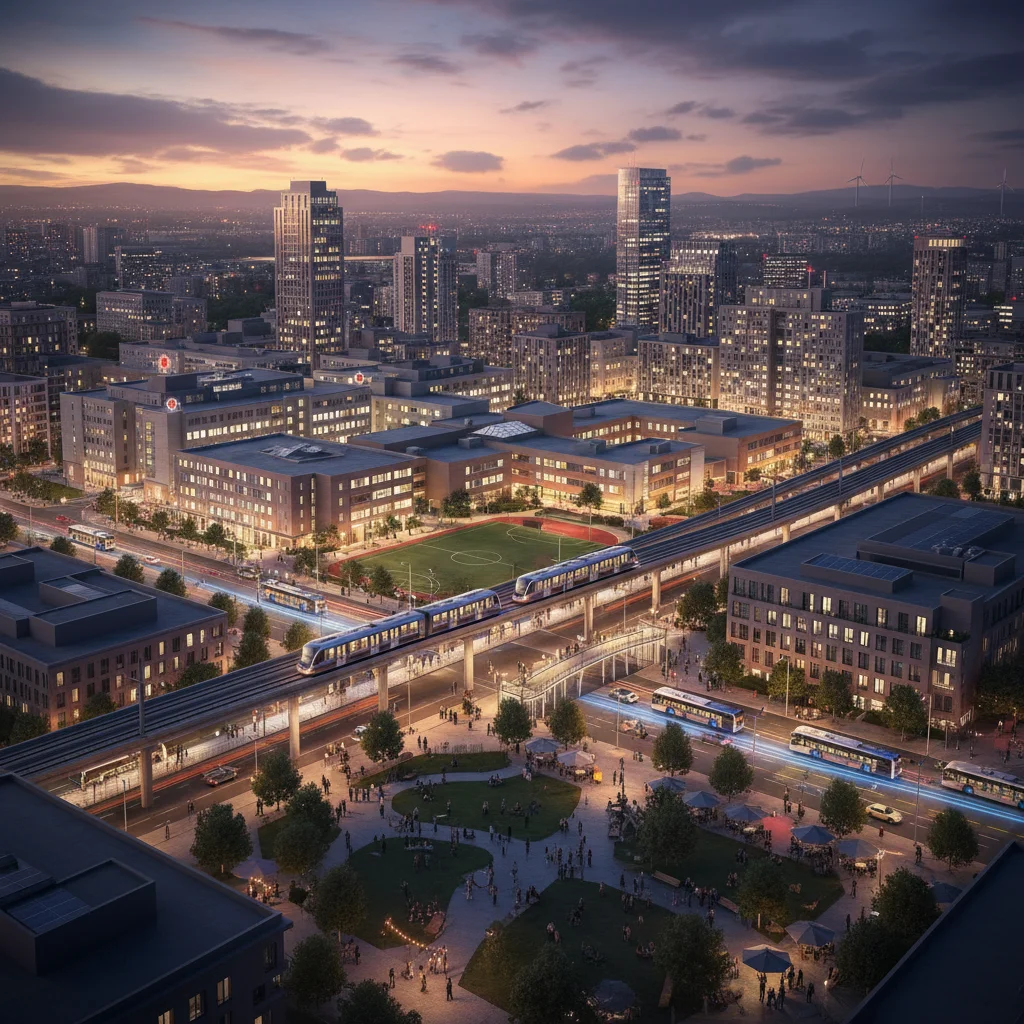
Investing in sustainable infrastructure is crucial for accommodating population growth while minimizing environmental impact. This includes developing efficient public transportation systems, promoting walkable and bikeable communities, investing in renewable energy sources, and implementing green building standards. Smart growth principles, which advocate for compact, mixed-use development, can help manage growth effectively and preserve open spaces.
Policy Recommendations for the Future
Addressing the 2026 demographic shifts will require a concerted effort from all levels of government, working in partnership with the private sector and civil society. Here are some key policy recommendations:
- Healthcare Reform: Implement policies that strengthen Medicare and Medicaid, expand access to affordable healthcare, and invest in geriatric care and long-term care solutions. Promote preventative care and integrate mental health services.
- Immigration Policy: Develop comprehensive immigration reform that addresses economic needs, humanitarian concerns, and provides pathways for integration, recognizing immigrants as vital contributors to economic growth and cultural enrichment.
- Housing Affordability: Implement policies that encourage the development of diverse housing types, streamline zoning regulations, provide rental assistance, and support programs for first-time homebuyers to address the housing crisis.
- Retirement Security: Explore options to strengthen Social Security, encourage personal savings, and support flexible retirement options that allow older adults to remain in the workforce if they choose.
- Urban and Rural Development: Invest in federal programs that support infrastructure development in growing regions and economic revitalization in declining areas, including broadband expansion for rural communities.
- Education Investment: Increase funding for public education at all levels, from early childhood to post-secondary, with a focus on STEM education, vocational training, and cultural competency.
- Climate Resilience: Integrate climate change adaptation and mitigation strategies into all community planning efforts, particularly in areas vulnerable to environmental impacts exacerbated by population shifts.
Conclusion: Shaping a Resilient Future
The 2026 demographic shifts represent a pivotal moment for the United States. The trends of an aging population, increasing diversity, and evolving migration patterns will undoubtedly bring both challenges and opportunities. While the scale of these changes is significant, they are not insurmountable. By embracing data-driven decision-making, fostering inter-jurisdictional collaboration, investing in education and infrastructure, and championing inclusivity, we can build communities that are resilient, equitable, and capable of thriving in the face of demographic transformation.
The future of American communities hinges on our collective ability to understand these shifts and respond with foresight and innovation. The time for proactive planning is now, ensuring that the United States remains a nation where all individuals, regardless of age, background, or location, have the opportunity to prosper and contribute to the common good. Let us seize this moment to shape a future that reflects our highest aspirations for a stronger, more vibrant America.