Bridging Generational Gaps: 4 Effective Ways for Community Unity in 2026
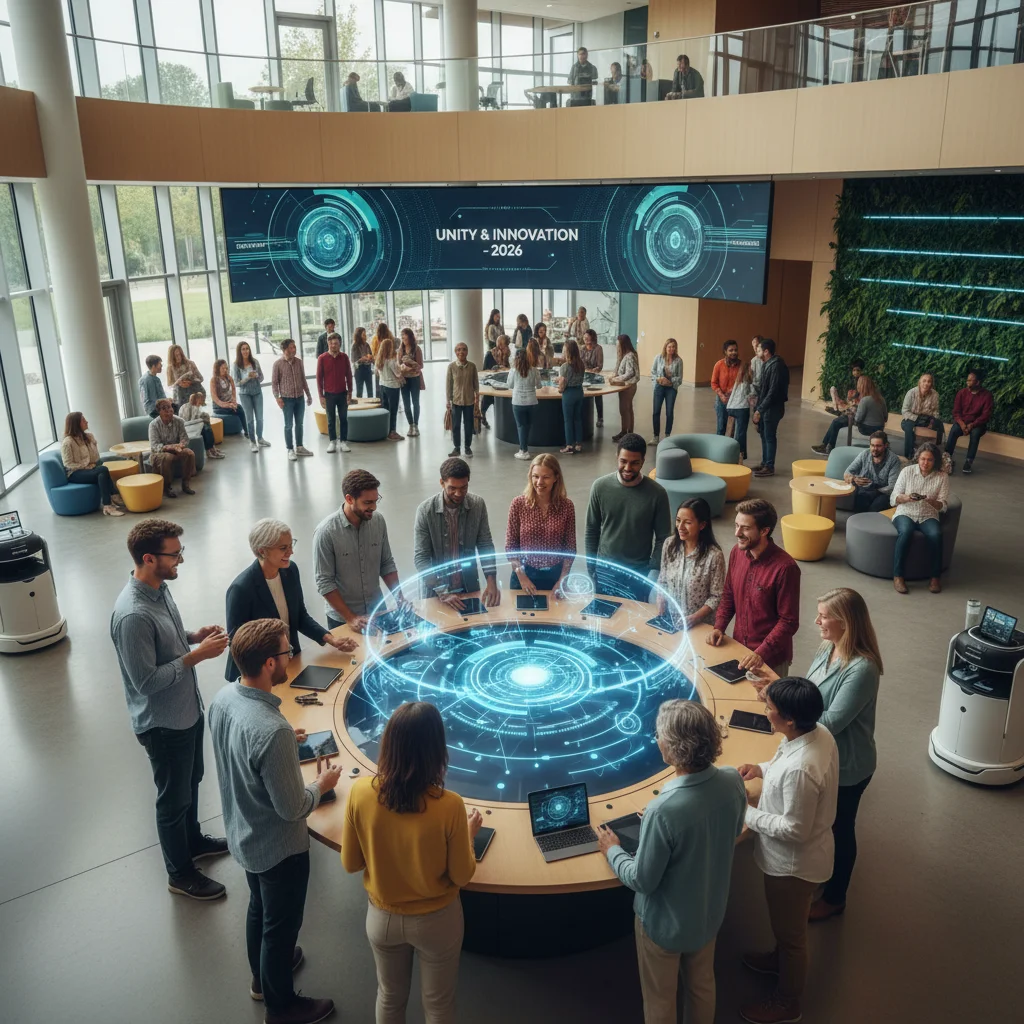
In an increasingly interconnected yet often segmented world, the concept of bridging generational gaps has never been more critical. As we step into 2026, the unique characteristics, values, and technological fluency of different age groups continue to shape our communities, workplaces, and social structures. While these differences can sometimes lead to misunderstandings or friction, they also represent an immense reservoir of diverse perspectives, experiences, and skills. Harnessing this diversity is key to fostering robust, resilient, and truly inclusive communities.
Understanding the nuances of each generation – from the Silent Generation to Gen Alpha – is the first step toward creating environments where everyone feels valued and understood. Each generation has lived through distinct historical events, technological revolutions, and cultural shifts that have molded their worldviews. For instance, Baby Boomers often value loyalty, hard work, and traditional communication methods, while Gen Z and Gen Alpha are digital natives, prioritizing authenticity, social impact, and instantaneous communication. These differing priorities, if not properly managed, can create divides that hinder progress and erode community cohesion. However, when proactive measures are taken to understand and appreciate these differences, the potential for innovation, shared learning, and collective growth becomes limitless.
The imperative to bridge these gaps extends beyond mere social courtesy; it is an economic and societal necessity. In the workplace, intergenerational teams that effectively collaborate are more innovative, productive, and adaptable. In local communities, strong intergenerational ties can lead to enhanced social capital, improved civic engagement, and better support systems for all residents. From addressing global challenges like climate change to local issues such as urban development, solutions often require the wisdom of experience combined with the fresh perspectives of youth. Therefore, actively working on bridging generational gaps is not just a nice-to-have; it’s a fundamental pillar for a thriving future.
This article will delve into four effective strategies that communities, organizations, and individuals can adopt to successfully navigate and bridge these generational divides in 2026. These strategies are designed to foster understanding, promote collaboration, and ultimately build stronger, more unified communities where every generation contributes to a shared future. By implementing these approaches, we can transform potential points of conflict into opportunities for profound connection and collective advancement. Let’s explore how we can make 2026 a landmark year for intergenerational harmony and progress.
1. Implement Structured Intergenerational Mentorship Programs
One of the most powerful and direct ways of bridging generational gaps is through structured intergenerational mentorship programs. These programs intentionally pair individuals from different age groups, allowing them to learn from each other’s unique experiences and skill sets. Mentorship is not a new concept, but its application specifically for bridging generational divides needs a renewed focus and a structured approach to maximize its impact in 2026.
The Benefits of Intergenerational Mentorship
For younger generations, mentorship offers invaluable access to the wisdom, institutional knowledge, and professional networks of older, more experienced individuals. This can accelerate career development, provide guidance on navigating complex social dynamics, and offer a historical perspective on current challenges. Young mentees can gain insights into long-term career planning, resilience, and the art of problem-solving that comes from years of practical application. The benefits are not just theoretical; studies consistently show that mentees report higher job satisfaction, improved performance, and greater career longevity.
Conversely, older generations, acting as mentors, gain fresh perspectives on emerging technologies, contemporary communication styles, and the evolving cultural landscape. Younger mentees can help their mentors understand new digital tools, social media trends, and innovative approaches to work and life. This reverse mentorship can keep older professionals relevant, engaged, and prevent feelings of being left behind by rapid technological and societal changes. It fosters a sense of purpose and continued contribution, combating ageism and promoting lifelong learning. Furthermore, the act of mentoring itself can be incredibly rewarding, providing a sense of legacy and fulfillment.
Designing Effective Programs
To be truly effective, intergenerational mentorship programs must be carefully designed. Here are key components:
- Clear Objectives: Define what both mentors and mentees aim to achieve. Is it skill development, career guidance, technological literacy, or fostering cultural understanding? Clear objectives help in matching participants and measuring success.
- Thoughtful Matching: Pairing individuals based on shared interests, complementary skills, and personality compatibility is crucial. Avoid arbitrary pairings. Consider using assessments or questionnaires to facilitate better matches.
- Structured Framework: Provide guidelines for interaction frequency, communication channels (e.g., in-person, virtual calls, email), and discussion topics. Regular check-ins with program coordinators can ensure the mentorship is progressing positively.
- Training and Support: Offer training to both mentors and mentees on effective communication, active listening, providing constructive feedback, and understanding generational differences. This prepares them to navigate potential misunderstandings and maximize the learning experience.
- Mutual Learning Emphasis: Frame the program not just as one-way knowledge transfer, but as a reciprocal relationship where both parties are learners and teachers. This reinforces the idea of bridging generational gaps through mutual respect and shared growth.
- Feedback and Evaluation: Regularly solicit feedback from participants to refine the program. What worked well? What could be improved? This iterative process ensures the program remains relevant and impactful.
In workplaces, such programs can be integrated into HR development initiatives. In communities, local organizations, libraries, or senior centers can spearhead these efforts, connecting young students with retired professionals, or aspiring entrepreneurs with seasoned business owners. The beauty of these programs lies in their ability to create personal connections that transcend age, building empathy and understanding one relationship at a time. By investing in these structured interactions, we are not just developing individuals; we are actively bridging generational gaps and strengthening the very fabric of our communities.

2. Create Inclusive Platforms for Dialogue and Collaboration
The second strategy for effectively bridging generational gaps involves creating dedicated, inclusive platforms where individuals from different age groups can engage in open dialogue and collaborative projects. Often, generational divides stem from a lack of exposure to differing viewpoints and experiences. By intentionally designing spaces and opportunities for interaction, we can break down preconceived notions and build common ground.
Forums for Open Dialogue
Dialogue is the cornerstone of understanding. Establishing forums where generations can openly discuss their perspectives on various topics is crucial. These can take many forms:
- Community Town Halls: Regular meetings focused on local issues, inviting residents of all ages to share their concerns, ideas, and solutions. Ensure these are accessible, both physically and virtually, to accommodate different generational preferences.
- Intergenerational Storytelling Events: Create opportunities for older adults to share their life stories and experiences, and for younger individuals to share their aspirations and challenges. This humanizes each generation to the other and builds empathy.
- Workplace “Generational Cafes”: Informal sessions where employees from different age groups can discuss workplace culture, technology adoption, work-life balance, and career expectations in a safe, non-judgmental environment. Facilitators can guide discussions to ensure respectful and productive exchanges.
- Online Discussion Boards and Social Media Groups: While often seen as generational dividers, digital platforms can be powerful tools for connection if managed correctly. Moderated online groups can facilitate discussions on shared interests, allowing for asynchronous communication that suits different schedules and preferences.
The key to successful dialogue platforms is creating a psychologically safe environment where everyone feels comfortable expressing themselves without fear of judgment or dismissal. Active listening should be encouraged, and facilitators trained in conflict resolution and intergenerational communication can be invaluable.
Collaborative Community Projects
Beyond dialogue, working together on shared goals is an incredibly effective way to bridge divides. Collaborative projects naturally foster teamwork, mutual reliance, and a shared sense of accomplishment, all of which contribute to bridging generational gaps. These projects can be:
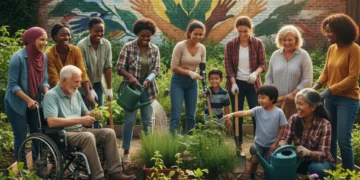
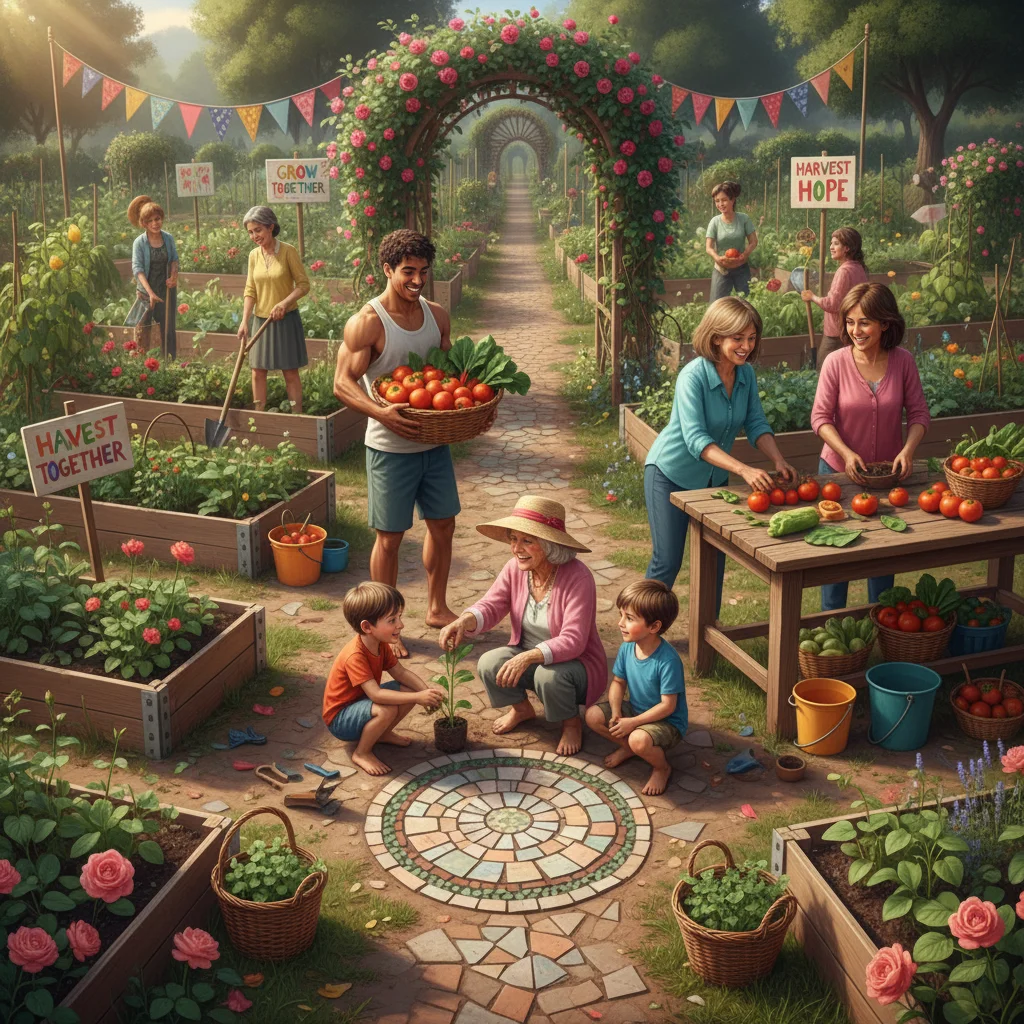
- Community Gardens: Bringing together seniors with gardening expertise and younger volunteers seeking practical skills and community engagement.
- Tech Literacy Workshops: Younger individuals teaching older adults how to use smartphones, navigate the internet, or stay safe online, while older adults might share insights on critical thinking or historical context for current events.
- Local History Preservation: Engaging young people in documenting oral histories from seniors, digitizing old photographs, or creating multimedia presentations about their community’s past.
- Environmental Initiatives: Multi-generational groups working on clean-up drives, tree planting, or advocating for sustainable practices.
- Art and Cultural Exchanges: Collaborative art projects, music groups, or theatrical productions that involve participants from different age groups, blending traditional and contemporary artistic expressions.
These projects provide tangible outcomes and a shared sense of purpose. They allow individuals to see each other’s strengths firsthand, challenging stereotypes and building genuine respect. The informal interactions that occur during these projects often lead to deeper connections than formal settings. When planning these initiatives, ensure that tasks are designed to leverage the unique skills and interests of each generation, making everyone feel like a valuable contributor. By intentionally bringing people together for meaningful interaction, we can foster a sense of belonging and collective identity that transcends age, thereby successfully bridging generational gaps.
3. Adapt Communication Strategies for Diverse Audiences
Effective communication is the bedrock of any successful relationship, and this holds especially true when endeavoring to bridge generational gaps. Different generations often have distinct communication preferences, shaped by the technologies and social norms prevalent during their formative years. In 2026, a one-size-fits-all approach to communication will inevitably fail to connect with significant portions of the population. Therefore, adapting communication strategies to cater to diverse audiences is a crucial third step in bridging generational gaps.
Understanding Generational Communication Styles
To adapt effectively, it’s essential to understand these varying styles:
- Traditionalists (Silent Generation/Baby Boomers): Often prefer face-to-face conversations, phone calls, and formal written communication (letters, detailed memos). They value clarity, respect for authority, and a structured approach.
- Generation X: Tend to be more independent and prefer direct, concise communication. Email is often their preferred method, valuing efficiency and a clear call to action. They appreciate work-life balance and less micromanagement.
- Millennials (Generation Y): Comfortable with a blend of digital and in-person communication. Email, instant messaging, and collaborative digital tools are common. They seek transparency, feedback, and purpose-driven communication.
- Generation Z & Alpha: Digital natives who rely heavily on visual communication, short-form video, social media, and instant messaging. They expect quick responses, authenticity, and personalized content. They are adept at multitasking across various digital platforms.
Recognizing these differences is not about stereotyping, but about understanding general tendencies to inform more inclusive communication practices. The goal is not to abandon one method for another, but to employ a multi-channel approach that respects and reaches everyone.
Strategies for Adaptive Communication
- Multi-Channel Approach: Don’t rely on a single communication method. For important announcements or community information, disseminate it via email, physical newsletters, social media, and community bulletin boards. Use a combination of traditional and digital channels to ensure maximum reach.
- Clarity and Conciseness: While some generations appreciate detail, others prefer brevity. Strive for clear, concise messages that get straight to the point, but also provide options for more detailed information (e.g., links to a website, an invitation to a meeting).
- Visual Communication: Incorporate visuals – infographics, videos, images – into your communication. This appeals to younger generations who are accustomed to visual information and can also help break down complex information for all ages.
- Active Listening and Feedback Loops: Encourage and facilitate two-way communication. Provide channels for feedback and actively listen to concerns and suggestions from all generations. This shows respect and helps tailor future communications.
- Language and Tone: Be mindful of language. Avoid overly casual slang that might alienate older generations, but also steer clear of overly formal jargon that might seem inaccessible to younger audiences. Maintain a respectful, inclusive, and positive tone.
- Training and Awareness: Educate community leaders, managers, and volunteers on generational communication differences. Provide workshops on effective intergenerational communication techniques, emphasizing empathy and understanding.
- Leverage Technology Thoughtfully: While younger generations are fluent in digital tools, ensure that any technology used for communication is accessible and user-friendly for all. Offer training or support for those less familiar with new platforms. For example, when introducing a new app for community updates, offer in-person tutorials for seniors.
By consciously adapting communication strategies, organizations and communities can ensure that messages are not only received but also understood and acted upon by all age groups. This proactive approach to communication is fundamental to bridging generational gaps, fostering an environment where everyone feels heard, valued, and connected, regardless of their preferred mode of interaction.
4. Promote Shared Values and Common Goals
The final, perhaps most profound, strategy for bridging generational gaps is to consciously identify, promote, and build initiatives around shared values and common goals. While each generation may express their values differently or prioritize certain aspects, there are universal human aspirations that can unite us all. Focusing on these commonalities rather than dwelling on differences can create a powerful foundation for intergenerational harmony and collective action in 2026.
Identifying Universal Values
Despite surface-level differences, most people, regardless of age, value things like:
- Community Well-being: A desire for a safe, healthy, and prosperous environment for themselves and their loved ones.
- Respect and Dignity: The fundamental need to be treated with respect and to have one’s contributions acknowledged.
- Learning and Growth: A lifelong desire for personal development, acquiring new skills, and understanding the world better.
- Purpose and Contribution: The drive to contribute meaningfully to something larger than oneself.
- Family and Relationships: The importance of strong social bonds and support networks.
- Sustainability: A growing concern across all age groups for the future of the planet and responsible resource management.
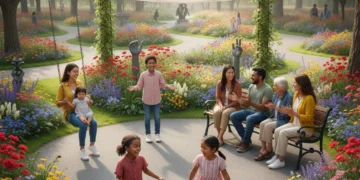
When communities and organizations frame their initiatives around these universal values, they create a resonant message that appeals to everyone. For example, a project focused on improving local parks can appeal to seniors who enjoy green spaces, parents who want safe play areas for their children, and young adults passionate about environmental stewardship.
Building Initiatives Around Common Goals
Once shared values are identified, the next step is to translate them into concrete, common goals that require intergenerational collaboration. This moves beyond mere discussion to tangible action:
- Community Development Projects: Launch initiatives like revitalizing public spaces, organizing local festivals, or establishing community support networks. These projects often require a mix of historical knowledge, fresh ideas, physical labor, and organizational skills, making them ideal for intergenerational teams.
- Social Impact Campaigns: Address issues such as homelessness, food insecurity, or educational disparities. These resonate deeply across generations. Older adults can offer advocacy experience and resources, while younger generations can bring digital campaigning skills and innovative outreach methods.
- Skill-Sharing Hubs: Create community centers or online platforms where individuals can exchange practical life skills, hobbies, or professional expertise. This could involve anything from cooking classes led by seniors, to coding workshops taught by young adults, to financial literacy seminars for all ages.
- Civic Engagement Programs: Encourage participation in local governance, voting drives, or policy discussions. Frame these activities as essential for shaping a better future for all, appealing to both the legacy concerns of older generations and the future-oriented aspirations of younger ones.
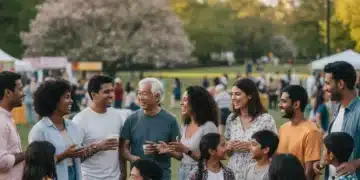
- Celebration of Diversity and Heritage: Organize events that celebrate the diverse cultural heritage within a community, involving different generations in sharing traditions, stories, and customs. This reinforces the idea that diversity, including generational diversity, enriches the collective.
The power of promoting shared values and common goals lies in its ability to transcend superficial differences. When individuals from different generations work side-by-side towards a mutually beneficial objective, they naturally develop respect, understanding, and camaraderie. The focus shifts from ‘us vs. them’ to ‘we, together.’ This strategy is not about erasing generational identity but about finding the powerful connective tissue that binds us as human beings, fostering a sense of collective ownership and responsibility for the community’s future. By intentionally cultivating these shared purposes, we are not just bridging generational gaps; we are building a stronger, more cohesive, and more vibrant society for 2026 and beyond.
Conclusion: A Unified Future Through Bridging Generational Gaps
As we navigate the complexities of 2026, the challenge and opportunity of bridging generational gaps stand out as paramount. The unique perspectives, skills, and experiences that each generation brings to the table are not merely differences to be tolerated, but invaluable assets to be leveraged for collective good. From the wisdom and historical context of older generations to the digital fluency and innovative spirit of younger ones, the potential for synergy is immense when intentional strategies are put into place.
We have explored four effective ways to achieve this unity:
- Implementing Structured Intergenerational Mentorship Programs: Creating formal and informal channels for knowledge transfer and mutual learning, fostering personal connections and professional growth across age groups.
- Creating Inclusive Platforms for Dialogue and Collaboration: Designing spaces and opportunities—both physical and virtual—where open conversations can thrive and shared projects can build bonds and achieve common objectives.
- Adapting Communication Strategies for Diverse Audiences: Employing a multi-channel, clear, and empathetic approach to ensure that messages resonate with and are accessible to all generations.
- Promoting Shared Values and Common Goals: Identifying universal aspirations and building initiatives around them, shifting focus from differences to the powerful common ground that unites us all.
Each of these strategies, when thoughtfully implemented, contributes to dismantling stereotypes, fostering empathy, and building a foundation of mutual respect. They transform potential points of friction into avenues for rich exchange and collective progress. The benefits extend far beyond individual relationships, impacting workplace productivity, community resilience, and social harmony on a broader scale.
The effort to bridge these gaps is an ongoing journey, requiring consistent commitment and adaptability. It demands leadership that values diversity in its broadest sense, and individuals who are willing to step outside their comfort zones to connect with those from different walks of life. As we look ahead, a future where generations actively collaborate, learn from each other, and work towards shared visions is not just an idealistic dream; it is an achievable reality. By consciously and consistently working on bridging generational gaps, we are not only enriching our present but also laying the groundwork for a more inclusive, innovative, and unified society for generations to come. Let 2026 be the year we commit to building these bridges, one conversation, one project, and one shared value at a time.