Navigating 2026 US Investment Strategy: Global Economic Shifts Analyzed
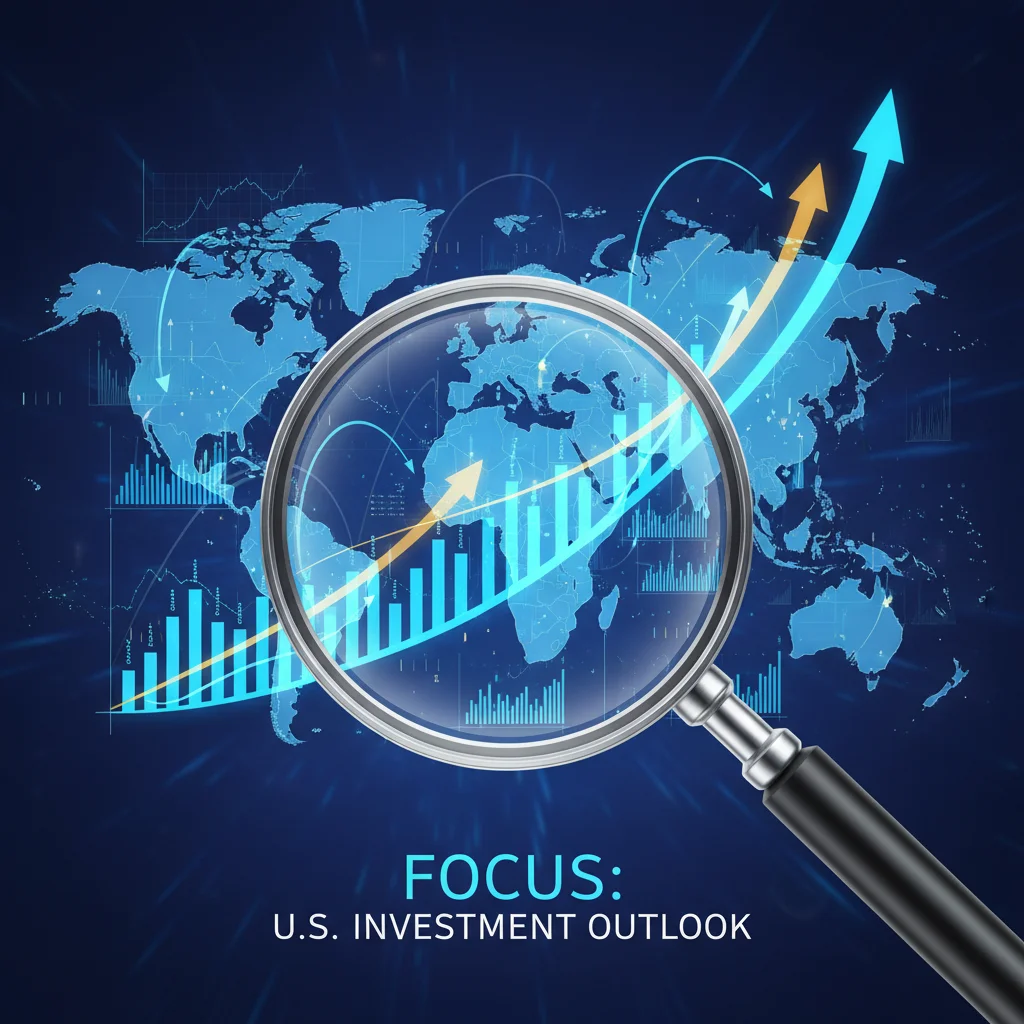
The global economic landscape is a constantly evolving tapestry, woven with threads of geopolitical events, technological advancements, and shifting consumer behaviors. For investors planning their 2026 US investment strategy, understanding these intricate dynamics is not just beneficial, but absolutely critical. The next three months, in particular, are poised to offer significant insights into the trajectory of global markets and their direct influence on the United States economy. This comprehensive analysis will delve into the key global economic shifts, dissect their potential impact on the 2026 US investment environment, and provide actionable strategies for navigating this complex terrain.
As we approach the mid-point of the decade, investors are faced with a unique set of challenges and opportunities. The post-pandemic recovery has been uneven, inflation has proven persistent in many regions, and central banks are grappling with the delicate balance of controlling prices without stifling growth. These factors, alongside emerging trends in sustainability and artificial intelligence, are reshaping the fundamental principles of investment. Our focus here is to equip you with the knowledge to refine your 2026 US investment approach, ensuring resilience and potential for growth.
The Global Economic Outlook: A 3-Month Snapshot
To formulate an effective 2026 US investment strategy, we must first cast our gaze globally. The next three months are likely to be characterized by several key developments:
Geopolitical Tensions and Trade Relations
Ongoing geopolitical tensions, particularly in Eastern Europe and the Middle East, continue to be a significant wildcard. These conflicts can disrupt supply chains, escalate energy prices, and create uncertainty, all of which have ripple effects on global trade and investment flows. Furthermore, the evolution of trade relations between major economic blocs, such as the US, China, and the European Union, will play a crucial role. Any shifts towards protectionism or new trade agreements could significantly alter the competitive landscape for US companies and impact the profitability of international investments within a 2026 US investment portfolio.
Investors should closely monitor diplomatic efforts and policy announcements related to trade. Diversification across different geographical markets and sectors can help mitigate risks associated with sudden shifts in trade policies. Companies with robust supply chain management and diversified manufacturing bases are likely to be more resilient to these disruptions. The ability of US firms to adapt to changing tariff structures and regulatory environments will be a key determinant of their performance.
Inflationary Pressures and Central Bank Responses
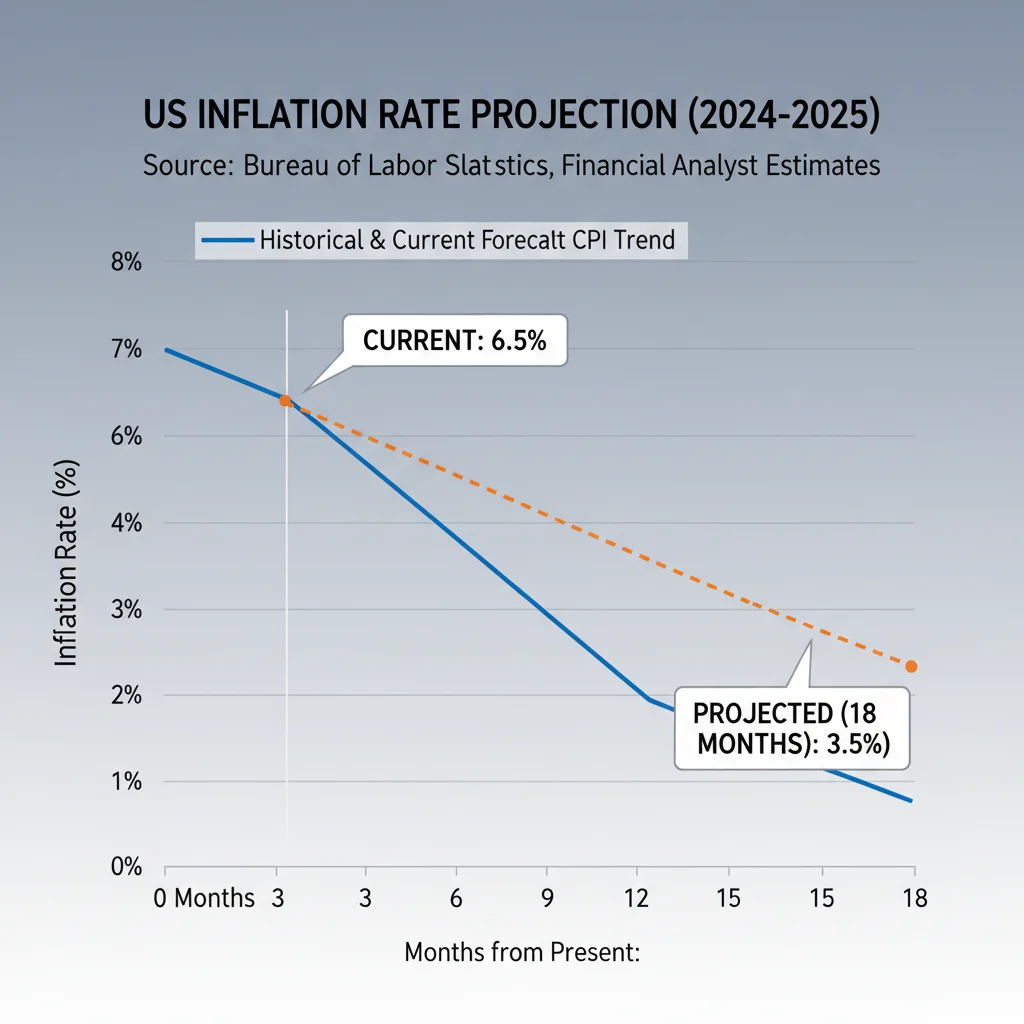
Inflation remains a dominant theme across many developed economies, including the United States. While some signs suggest moderation, the path to sustained price stability is not guaranteed. Energy costs, labor shortages, and strong consumer demand continue to exert upward pressure. Central banks, including the Federal Reserve, are walking a tightrope, aiming to bring inflation down to target levels without triggering a severe economic downturn. Their interest rate decisions over the next three months will be paramount.
Higher interest rates can increase borrowing costs for businesses and consumers, potentially slowing economic growth and impacting corporate earnings. For your 2026 US investment strategy, this translates to a careful evaluation of interest-rate-sensitive sectors. Financials might benefit from wider net interest margins, while highly leveraged growth companies could face headwinds. Fixed-income investors will need to assess the outlook for bond yields, considering both capital preservation and income generation. The Fed’s communication will be critical in shaping market expectations and influencing investment decisions.
Technological Advancements and Disruptions
The relentless pace of technological innovation, particularly in areas like artificial intelligence, biotechnology, and renewable energy, continues to reshape industries and create new investment opportunities. Over the next three months, we can expect further advancements and announcements that could solidify certain technological trends and disrupt others. Companies at the forefront of these innovations are likely to attract significant capital, while those slow to adapt may face obsolescence.
Integrating exposure to these high-growth sectors is a vital component of a forward-looking 2026 US investment strategy. However, it’s crucial to differentiate between speculative bubbles and genuinely transformative technologies. Due diligence on company fundamentals, competitive advantages, and long-term viability is essential. The rise of AI, for instance, is not just about direct investment in AI companies, but also understanding how AI will impact traditional industries, from manufacturing to healthcare, and identifying companies that are effectively leveraging these tools.
Emerging Market Dynamics
Emerging markets represent a diverse group of economies, each with its own set of strengths and vulnerabilities. Over the coming months, factors such as commodity prices, currency fluctuations, and domestic political stability will influence their performance. A stronger US dollar, for example, can make dollar-denominated debt more expensive for emerging market countries, potentially leading to financial instability. Conversely, robust economic growth in key emerging markets can provide new avenues for diversification and higher returns for a 2026 US investment portfolio.
Investors should approach emerging markets with a nuanced perspective, recognizing the significant differences between countries. While some may offer attractive growth prospects, others might carry higher risks. A selective approach, focusing on countries with strong economic fundamentals, stable governance, and favorable demographic trends, is advisable. Monitoring capital flows and sovereign debt levels will be key indicators of potential opportunities or risks. The overall health of the global economy, particularly demand from developed nations, will also play a significant role in emerging market performance.
Impact on Your 2026 US Investment Strategy
These global shifts do not occur in a vacuum; their reverberations are felt directly within the US economy and, consequently, in your 2026 US investment portfolio. Let’s explore the specific implications:
US Economic Growth and Corporate Earnings
The health of the global economy directly influences US economic growth. Strong global demand translates to higher exports for US companies, boosting corporate earnings. Conversely, a slowdown in major trading partners can dampen US economic activity. The next three months will provide clearer signals on the global growth trajectory, which will, in turn, inform expectations for US corporate earnings. Analysts will be closely watching quarterly reports and forward-looking guidance from companies with significant international exposure.
Investors should scrutinize earnings reports not just for headline numbers, but also for commentary on international operations and supply chain resilience. Companies that can demonstrate consistent growth in diverse geographical markets or those with strong domestic demand may prove more robust. The interplay between global economic health and domestic consumption patterns will be a critical factor in determining the overall performance of the US equity market as part of your 2026 US investment plan.
Inflation and Interest Rate Environment
Global inflationary pressures, particularly from energy and commodity markets, feed directly into US consumer prices. The Federal Reserve’s response to these pressures will dictate the interest rate environment, which has profound implications for all asset classes. Higher rates can make bonds more attractive relative to stocks, increase the cost of capital for businesses, and put downward pressure on asset valuations. The market’s interpretation of the Fed’s stance over the next quarter will be crucial for adjusting your 2026 US investment allocations.
Consider re-evaluating your exposure to fixed income, looking for opportunities in shorter-duration bonds or inflation-indexed securities if inflation remains elevated. For equities, focus on companies with strong pricing power and low debt levels that can better withstand higher interest rates. Real estate, too, is sensitive to interest rates, with higher borrowing costs potentially cooling housing markets. Understanding the nuanced relationship between global inflation, Fed policy, and asset valuations is paramount for a successful 2026 US investment strategy.
Sectoral Performance and Market Leadership
Global economic shifts can trigger significant rotations in market leadership. For example, if geopolitical tensions escalate, defense and cybersecurity sectors might see increased investment. If renewable energy initiatives gain global momentum, related industries could outperform. The next three months may solidify certain trends, revealing which sectors are best positioned to thrive in the evolving global environment and thus warrant a larger allocation within your 2026 US investment approach.
Technology, healthcare, and consumer staples often react differently to global headwinds and tailwinds. Technology companies, particularly those focused on AI and digital transformation, could continue to lead, assuming innovation remains strong. Healthcare, often considered defensive, might offer stability. Consumer discretionary, however, could face challenges if consumer confidence wanes due to global uncertainties or persistent inflation. A granular analysis of sector-specific fundamentals and their sensitivity to global factors is key.
Currency Fluctuations and US Dollar Strength
The strength of the US dollar is influenced by a multitude of global factors, including interest rate differentials, safe-haven demand during times of uncertainty, and the overall health of the US economy relative to others. A stronger dollar can make US exports more expensive, potentially hurting multinational corporations’ earnings when repatriated, but it also makes imports cheaper, helping to curb inflation. For your 2026 US investment strategy, currency movements can impact the returns of international assets held by US investors and vice-versa.
Investors with significant international holdings should consider the implications of currency hedging strategies. For US-focused investors, understanding how dollar strength impacts the earnings of US multinational corporations is vital. Companies with a large portion of their revenue generated overseas will see their reported earnings reduced when the dollar strengthens. Conversely, a weaker dollar could boost these earnings. Monitoring the US Dollar Index (DXY) and its drivers will be an important component of your ongoing market analysis.
Crafting Your Resilient 2026 US Investment Strategy
Given the complexities outlined above, a proactive and adaptable approach is essential for your 2026 US investment strategy. Here are actionable steps to consider over the next three months:
Diversification Beyond Borders and Sectors
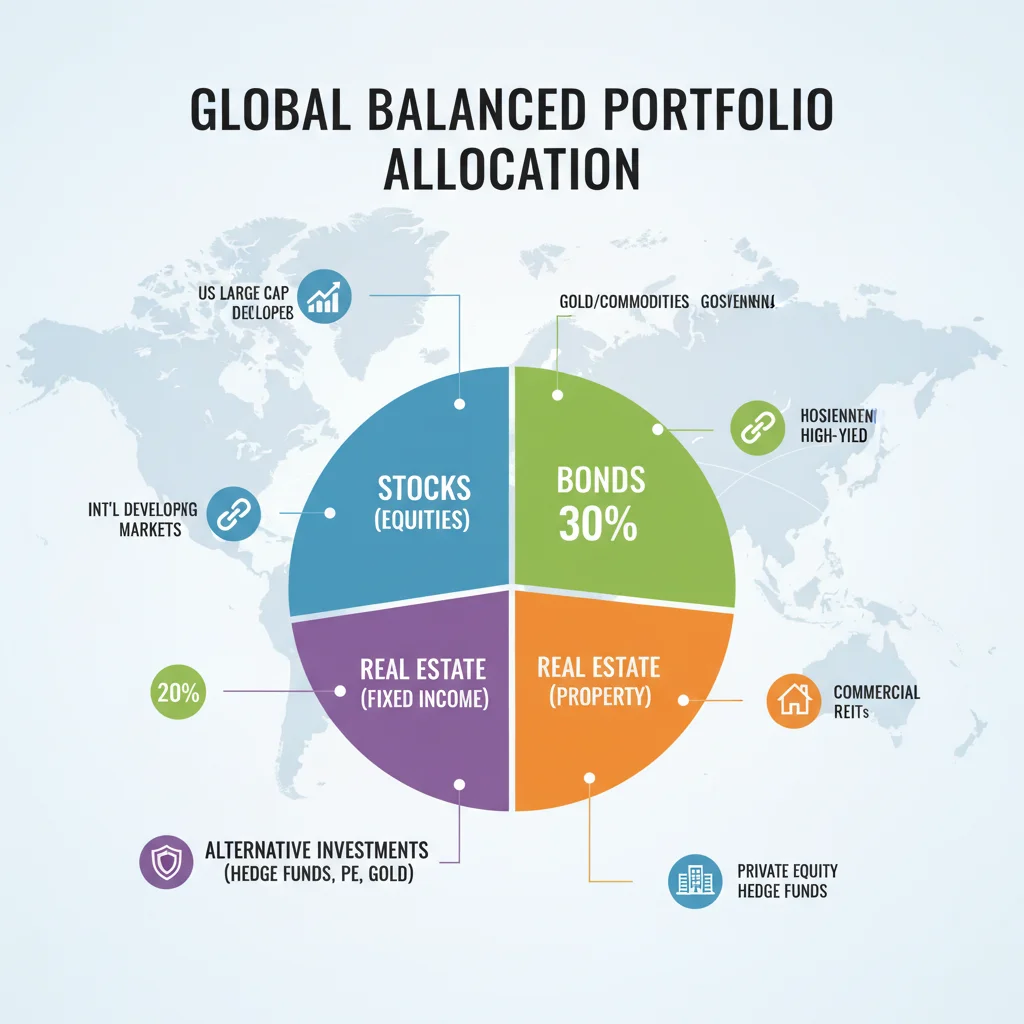
While the focus is on 2026 US investment, true resilience comes from global diversification. Consider allocating a portion of your portfolio to international markets, including both developed and select emerging economies, to reduce concentration risk. Within the US, ensure your portfolio is diversified across various sectors and industries, rather than being overly exposed to a few high-flying segments. This approach helps cushion the impact of downturns in specific markets or industries caused by global events.
Look beyond traditional equity and fixed income. Consider alternative investments like real estate, commodities, or private equity, which can offer different risk-return profiles and act as a hedge against inflation or market volatility. The goal is to build a portfolio where different assets perform well under different economic conditions, thereby smoothing overall returns. Diversification is not a guarantee against loss, but it is a fundamental principle for managing risk in an uncertain world.
Emphasis on Quality and Fundamentals
In times of heightened uncertainty, a flight to quality is often observed. Focus your 2026 US investment strategy on companies with strong balance sheets, consistent earnings, robust cash flows, and sustainable competitive advantages. These ‘quality’ companies are generally better positioned to weather economic downturns, manage higher interest rates, and navigate supply chain disruptions. Avoid highly speculative investments that rely on aggressive growth projections without solid underlying fundamentals.
Pay close attention to debt levels, profit margins, and return on invested capital. Companies that consistently generate free cash flow and have a proven track record of innovation and adaptation are more likely to deliver long-term value. This principle applies across all asset classes, from selecting high-quality bonds to investing in well-managed real estate properties. Strong fundamentals provide a bedrock for your portfolio when global winds shift.
Strategic Allocation to Inflation Hedges
If inflation remains a persistent concern, integrating inflation-hedging assets into your 2026 US investment strategy is prudent. This could include Treasury Inflation-Protected Securities (TIPS), certain commodities (like gold, though with caution), or real estate. Some equities, particularly those in sectors with strong pricing power and low sensitivity to input costs, can also act as an inflation hedge. The next three months will be crucial in determining the stickiness of inflation.
While gold has historically been viewed as an inflation hedge, its performance can be volatile. Real estate, particularly income-generating properties, can offer a hedge as rents tend to rise with inflation. Energy stocks can also perform well in an inflationary environment driven by higher commodity prices. Carefully assess the role each of these assets plays in your portfolio and how they align with your overall risk tolerance and investment objectives.
Flexibility and Regular Portfolio Review
The global economic environment is dynamic, and your 2026 US investment strategy should be equally adaptable. Commit to regular portfolio reviews, at least quarterly, to assess whether your allocations still align with your goals and the prevailing market conditions. Be prepared to make adjustments based on new data, policy changes, and emerging global trends. Flexibility is perhaps the most valuable asset an investor can possess in today’s world.
Don’t be afraid to rebalance your portfolio when necessary, selling assets that have outperformed to buy those that have underperformed, bringing your allocation back to your target percentages. This disciplined approach prevents your portfolio from drifting too far from your intended risk profile. Staying informed through reputable financial news sources and economic analyses will empower you to make timely and informed decisions.
Conclusion: A Proactive Stance for 2026 US Investment Success
The journey towards a successful 2026 US investment strategy is paved with careful analysis, strategic planning, and a deep understanding of global economic shifts. The next three months will offer critical data points that can inform and refine your approach. By closely monitoring geopolitical developments, inflation trends, technological advancements, and emerging market dynamics, investors can position themselves advantageously.
Embracing diversification, prioritizing quality fundamentals, considering inflation hedges, and maintaining a flexible mindset are the cornerstones of a resilient investment strategy. The future is always uncertain, but with a well-thought-out 2026 US investment plan, informed by a comprehensive understanding of the global economic landscape, you can navigate the challenges and seize the opportunities that lie ahead. Stay vigilant, stay informed, and invest wisely for your financial future.