Building Community Resilience 2026: Unified Action for Social Challenges
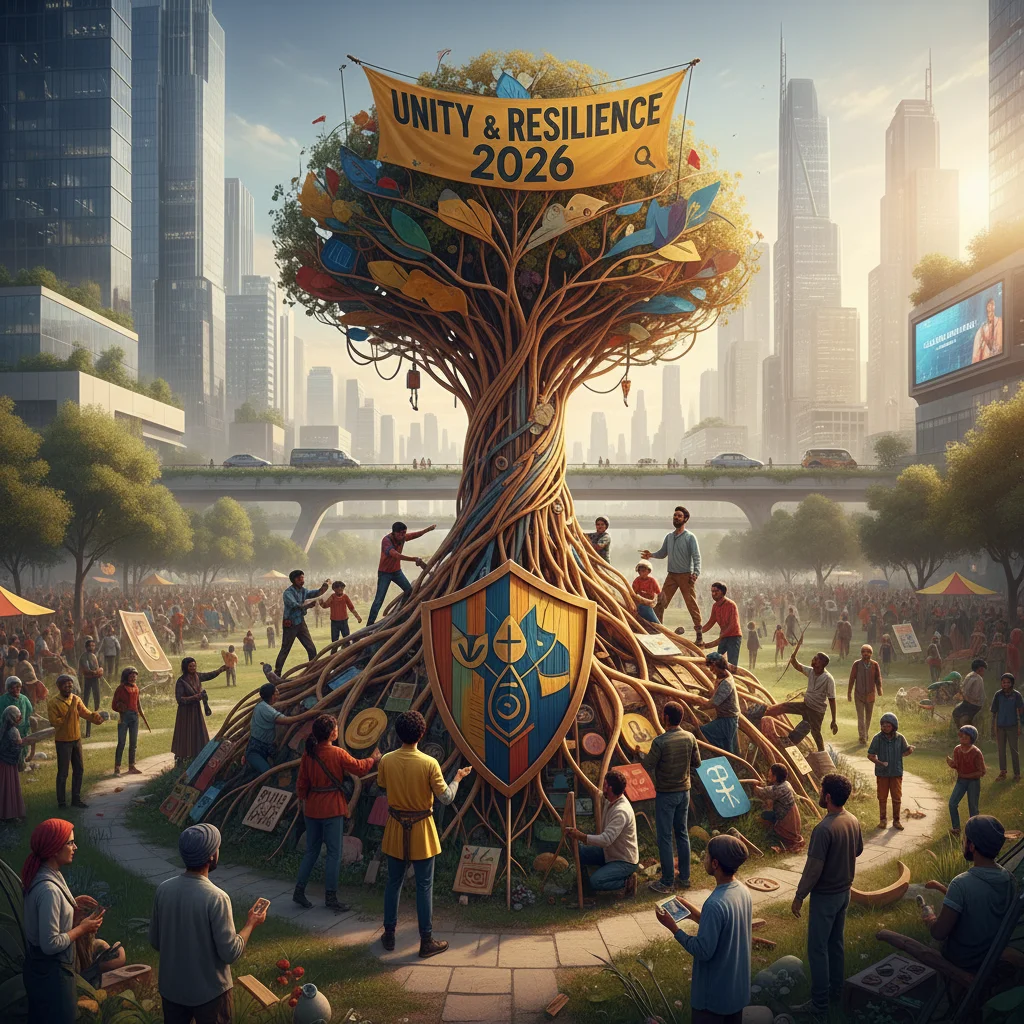
In an increasingly interconnected yet unpredictable world, the concept of community resilience 2026 has never been more critical. As we navigate the mid-2020s, societies face a complex array of emerging social challenges, from economic volatility and climate change impacts to rapid technological shifts and evolving public health crises. Building resilient communities is not merely about surviving these challenges; it’s about thriving in their wake, adapting, and transforming for the better. This comprehensive guide delves into practical steps for fostering unified action, ensuring that our communities are not just prepared but truly robust and capable of sustained growth.
The year 2026 serves as a crucial benchmark, a point in the near future where the seeds of today’s efforts will begin to bear fruit. The decisions and investments we make now in strengthening our social fabric, infrastructure, and collective capabilities will determine our capacity to withstand and recover from unforeseen adversities. This article aims to provide a roadmap for stakeholders at all levels – individuals, local organizations, governmental bodies, and private enterprises – to contribute meaningfully to this vital endeavor.
Understanding Community Resilience in the Modern Context
Community resilience 2026 is more than just disaster preparedness. It encompasses a community’s ability to anticipate, absorb, adapt, and transform in the face of various stressors and shocks. These can be sudden, like a natural disaster or an economic downturn, or chronic, such as systemic inequality, environmental degradation, or public health disparities. The modern context adds layers of complexity, with digital divides, misinformation, and the accelerated pace of change posing unique threats to social cohesion.
A resilient community is characterized by several key attributes:
- Robustness: The ability of systems and infrastructure to withstand initial impacts.
- Resourcefulness: The capacity to identify and mobilize resources effectively during a crisis.
- Adaptability: The flexibility to adjust strategies and operations in response to changing conditions.
- Inclusivity: Ensuring that all members of the community, especially vulnerable populations, are considered and supported.
- Self-Organization: The ability of a community to take initiative and organize itself in the absence of external direction.
- Social Capital: The networks of relationships among people who live and work in a particular society, enabling that society to function effectively.
In 2026, these attributes will be tested by a range of interconnected challenges. Therefore, developing a holistic approach to community resilience 2026 is paramount.
Identifying Emerging Social Challenges for 2026
To build effective resilience, we must first accurately identify the challenges that communities are likely to face. While some are perennial, others are rapidly evolving:
- Climate Change Impacts: More frequent and intense extreme weather events (floods, droughts, heatwaves, wildfires), sea-level rise, and their cascading effects on infrastructure, food security, and public health.
- Economic Disparities and Instability: Growing wealth gaps, automation-driven job displacement, inflation, and global supply chain disruptions can exacerbate poverty and social unrest.
- Technological Disruption and Digital Divide: While technology offers solutions, it also creates new vulnerabilities. Cybersecurity threats, the spread of misinformation, and unequal access to digital resources can deepen existing inequalities.
- Public Health Crises: The lingering effects of pandemics, the emergence of new infectious diseases, and the strain on healthcare systems demand robust public health infrastructure and community-level response mechanisms.
- Social Fragmentation and Polarization: Increased political and social polarization, often fueled by digital echo chambers, can erode trust and hinder collective action.
- Aging Populations and Demographic Shifts: Many communities face challenges related to supporting an aging population, including healthcare, social services, and workforce adjustments.
- Resource Scarcity: Water scarcity, energy instability, and dwindling natural resources will continue to pose significant threats, particularly in vulnerable regions.
Addressing these multifaceted challenges requires a proactive, integrated, and community-centric approach. The focus must shift from reactive crisis management to proactive risk reduction and capacity building, making community resilience 2026 a strategic imperative.
Pillar 1: Strengthening Social Capital and Cohesion
The bedrock of any resilient community is its social capital – the networks of relationships, trust, and shared values that enable collective action. Without strong social bonds, even the best-laid plans can falter during a crisis.
Fostering Inclusive Community Networks
Building genuine connections starts with intentional efforts to bring diverse groups together. This includes:
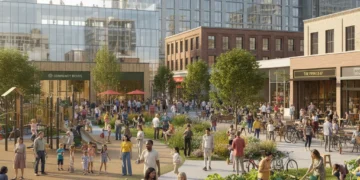
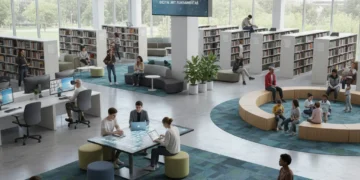
- Community Hubs: Investing in and promoting community centers, libraries, parks, and other public spaces that serve as natural gathering points and facilitate informal interactions.
- Volunteer Programs: Encouraging and organizing volunteer initiatives that address local needs, from neighborhood clean-ups to mentorship programs. This builds a sense of shared responsibility and purpose.
- Intergenerational Programs: Creating opportunities for different age groups to interact and learn from each other, leveraging the wisdom of elders and the energy of youth.
- Cultural Exchange Events: Celebrating the diversity within a community through festivals, food fairs, and cultural workshops, which can bridge divides and foster mutual understanding.
- Digital Inclusion Initiatives: Bridging the digital divide by providing access to technology and digital literacy training, ensuring all community members can connect, access information, and participate in online civic life.

Promoting Trust and Communication
Trust is the currency of collaboration. In an era of misinformation, building trust requires transparency and open communication channels.
- Local Media Support: Strengthening local journalism and community media outlets that provide reliable, localized information and foster civic discourse.
- Civic Engagement Platforms: Utilizing digital and physical platforms for residents to voice concerns, share ideas, and participate in local decision-making processes.
- Conflict Resolution Programs: Establishing community-based mediation and conflict resolution services to address disputes constructively and prevent escalation.
- Emergency Communication Systems: Developing clear, accessible, and multi-channel communication strategies for disseminating critical information before, during, and after a crisis. This includes leveraging social media, local radio, and community alert systems.
Pillar 2: Enhancing Infrastructure and Environmental Sustainability
Physical infrastructure and a healthy environment are foundational to community resilience 2026. Climate change and resource scarcity demand innovative and sustainable approaches.
Resilient Infrastructure Development
Investing in infrastructure that can withstand future shocks is crucial:
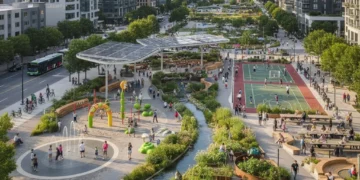
- Green Infrastructure: Implementing nature-based solutions like permeable pavements, green roofs, and urban forests to manage stormwater, reduce heat island effects, and improve air quality.
- Energy Independence and Renewable Sources: Promoting local renewable energy projects (solar, wind) and microgrids to reduce reliance on centralized power grids and enhance energy security.
- Water Management: Developing sustainable water management strategies, including rainwater harvesting, water recycling, and aquifer replenishment, to address water scarcity.
- Smart and Adaptive Transportation: Investing in public transportation, bike lanes, and pedestrian-friendly infrastructure that can adapt to changing conditions and reduce carbon footprints.
- Hardening Critical Facilities: Ensuring that essential services like hospitals, emergency centers, and communication hubs are built or retrofitted to withstand anticipated hazards.
Environmental Stewardship and Conservation
Protecting and restoring natural ecosystems is a critical aspect of resilience.
- Conservation Programs: Supporting local conservation efforts, wetland restoration, and reforestation projects that protect biodiversity and provide natural buffers against extreme weather.
- Waste Reduction and Circular Economy: Implementing robust recycling programs, promoting composting, and encouraging businesses to adopt circular economy principles to minimize waste and maximize resource efficiency.
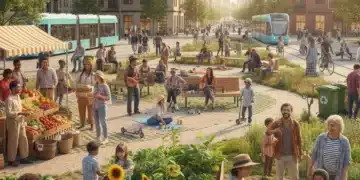
- Food Security and Local Food Systems: Encouraging urban farming, community gardens, and local food networks to enhance food security, reduce transportation emissions, and create local economic opportunities.
- Pollution Control: Implementing strict regulations and community-led initiatives to reduce air, water, and soil pollution, which directly impacts public health and ecosystem vitality.
Pillar 3: Economic Diversification and Local Empowerment
An economically diverse and empowered community is better equipped to absorb economic shocks and create opportunities for its residents. This is a core component of community resilience 2026.
Supporting Local Businesses and Entrepreneurship
A strong local economy provides jobs, circulates wealth within the community, and fosters innovation.
- Buy Local Campaigns: Encouraging residents to support local businesses, which often have stronger ties to the community and are more likely to reinvest locally.
- Small Business Incubators: Providing resources, mentorship, and co-working spaces for aspiring entrepreneurs to start and grow businesses within the community.
- Workforce Development: Investing in training programs that equip residents with the skills needed for emerging industries, ensuring a dynamic and adaptable workforce.
- Cooperative Models: Promoting worker cooperatives and community-owned businesses that prioritize local needs and shared prosperity.
Financial Preparedness and Access to Resources
Individual and community-level financial stability contributes significantly to overall resilience.
- Financial Literacy Programs: Offering workshops and resources to help residents manage personal finances, save for emergencies, and understand insurance options.
- Community Loan Funds: Establishing local revolving loan funds or credit unions that provide accessible capital for small businesses and community projects.
- Emergency Funds: Encouraging the establishment of community-level emergency funds that can provide rapid assistance to residents and businesses affected by crises.
- Grant Writing Support: Providing resources and assistance to local organizations seeking grants for resilience-building initiatives.
Pillar 4: Proactive Planning and Adaptive Governance
Effective governance and forward-thinking planning are essential for coordinating efforts and allocating resources towards building community resilience 2026.
Integrated Planning and Risk Assessment
Moving beyond siloed approaches, communities need integrated strategies that consider multiple hazards and interconnected systems.
- Comprehensive Hazard Assessments: Regularly updating assessments of natural and human-made hazards, including climate projections, to understand specific community vulnerabilities.
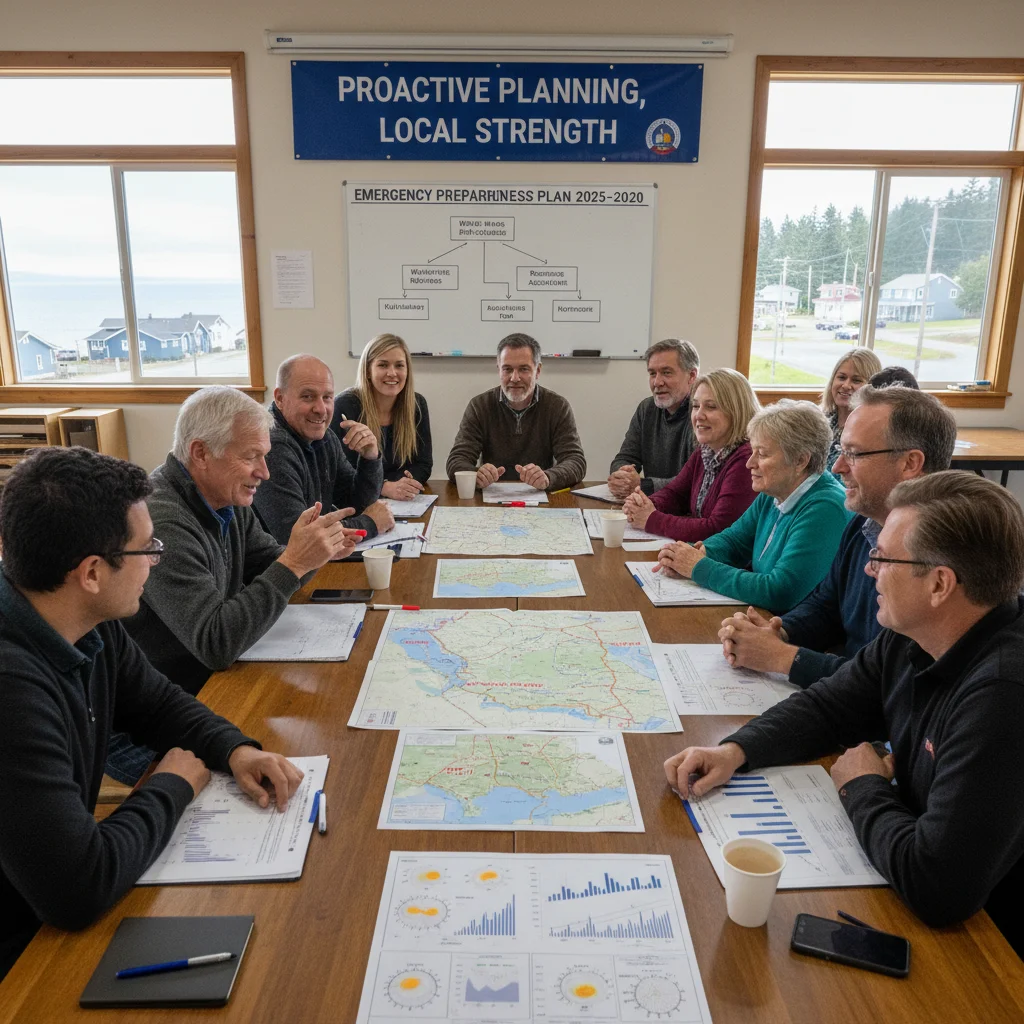
- Resilience Plans: Developing and regularly reviewing community-wide resilience plans that integrate emergency management, urban planning, economic development, and social services.
- Scenario Planning: Engaging community members and experts in scenario planning exercises to anticipate future challenges and develop adaptive strategies.
- Data-Driven Decision Making: Utilizing data analytics and mapping tools to identify vulnerable populations, critical infrastructure, and areas most at risk.
Empowering Local Leadership and Collaboration
Resilience is a shared responsibility, requiring collaboration across sectors and levels of government.
- Multi-Stakeholder Partnerships: Forming partnerships between local government, non-profits, businesses, academic institutions, and community groups to leverage diverse expertise and resources.
- Leadership Training: Providing training for local leaders and community organizers in crisis management, communication, and collaborative decision-making.
- Regional Cooperation: Recognizing that many challenges transcend municipal boundaries, fostering regional cooperation on issues like climate adaptation, transportation, and resource management.
- Citizen Science Initiatives: Engaging residents in collecting data and monitoring local environmental conditions, fostering a sense of ownership and providing valuable information for planning.
Pillar 5: Public Health and Wellbeing
A healthy community is a resilient community. Addressing public health challenges, both physical and mental, is integral to community resilience 2026.
Accessible Healthcare and Mental Health Services
Ensuring that all residents have access to quality healthcare is a fundamental aspect of resilience.
- Community Health Centers: Supporting and expanding local health centers that provide affordable primary care, preventive services, and health education.
- Mental Health Support: Increasing access to mental health services, reducing stigma, and integrating mental health support into schools, workplaces, and community programs.
- Emergency Medical Response: Strengthening local emergency medical services, including volunteer first responders, and ensuring adequate training and equipment.
- Health Equity Initiatives: Addressing social determinants of health, such as housing, nutrition, and education, to reduce health disparities within the community.
Promoting Healthy Lifestyles and Environments
Preventive health measures and healthy living environments contribute to a more robust population.
- Active Living Spaces: Creating and maintaining safe, accessible parks, greenways, and recreational facilities that encourage physical activity.
- Nutritional Programs: Supporting initiatives that provide access to healthy and affordable food, such as farmers’ markets, food banks, and nutrition education programs.
- Substance Abuse Prevention: Implementing community-based programs to prevent substance abuse and provide support for recovery.
- Air and Water Quality Monitoring: Regularly monitoring environmental factors that impact health and taking corrective actions where necessary.
Measuring and Adapting Resilience Efforts
Building community resilience 2026 is not a one-time project but an ongoing process of assessment, learning, and adaptation. Communities need mechanisms to track progress and adjust strategies.
Key Performance Indicators (KPIs) for Resilience
To measure effectiveness, communities can establish KPIs related to:
- Social Capital: Volunteer rates, participation in civic activities, diversity of community groups.
- Economic Health: Local employment rates, small business survival rates, income equality metrics.
- Environmental Quality: Air and water quality indices, percentage of green space, renewable energy adoption.
- Infrastructure Robustness: Incident rates of infrastructure failure, percentage of critical infrastructure upgraded.
- Public Health: Access to healthcare, mental health service utilization, rates of chronic diseases.
Regular Evaluation and Learning
Resilience plans should be living documents, subject to regular review and revision based on new data, emerging threats, and community feedback.
- Post-Event Assessments: Conducting thorough evaluations after any significant event (e.g., natural disaster, economic downturn) to identify what worked well and what needs improvement.
- Community Surveys: Periodically surveying residents to gauge their sense of safety, connectedness, and preparedness.
- Peer Learning Networks: Participating in regional or national networks of resilient communities to share best practices and learn from others’ experiences.
- Adaptive Management: Embracing an adaptive management approach where strategies are continuously refined based on monitoring results and new information.
The Role of Technology in Building Resilience for 2026
Technology offers powerful tools for enhancing community resilience 2026, from early warning systems to platforms for citizen engagement.
- Early Warning Systems: Utilizing IoT sensors, AI-powered predictive models, and satellite imagery for early detection of environmental hazards (e.g., flood prediction, wildfire risk).
- Digital Communication Platforms: Leveraging social media, dedicated community apps, and emergency alert systems to disseminate information quickly and gather real-time feedback during crises.
- GIS Mapping and Data Visualization: Using Geographic Information Systems (GIS) to map vulnerabilities, critical infrastructure, and resource distribution, aiding in planning and response.
- Crowdsourcing and Citizen Reporting: Empowering residents to report issues (e.g., power outages, infrastructure damage) through user-friendly apps, providing valuable real-time data for responders.
- Telemedicine and Remote Learning: Expanding access to healthcare and education through digital platforms, ensuring continuity of essential services during disruptions.
- Blockchain for Supply Chain Resilience: Exploring blockchain technology to enhance transparency and traceability in local and regional supply chains, making them more resilient to disruptions.
While technology is a powerful enabler, it must be implemented equitably, ensuring that the digital divide does not create new vulnerabilities within the community. Digital literacy programs and public access points are crucial.
Conclusion: A Unified Path to a Resilient Future
Building community resilience 2026 is an ambitious yet achievable goal. It demands a holistic, integrated, and sustained effort from every segment of society. By proactively strengthening social capital, investing in resilient infrastructure, diversifying local economies, embracing adaptive governance, and prioritizing public health, communities can not only withstand the shocks of the future but emerge stronger, more equitable, and more vibrant.
The journey towards enhanced resilience is continuous. It requires ongoing commitment, collaboration, and a willingness to learn and adapt. As we look towards 2026 and beyond, the unified action of individuals, organizations, and governments will be the defining factor in creating communities that are truly prepared for whatever challenges lie ahead, fostering a future where every member can thrive.
Let us begin today, by taking these practical steps, to weave a stronger, more resilient fabric for our shared future.