Bridging Divides: A 6-Step Guide to Enhance US Community Social Cohesion
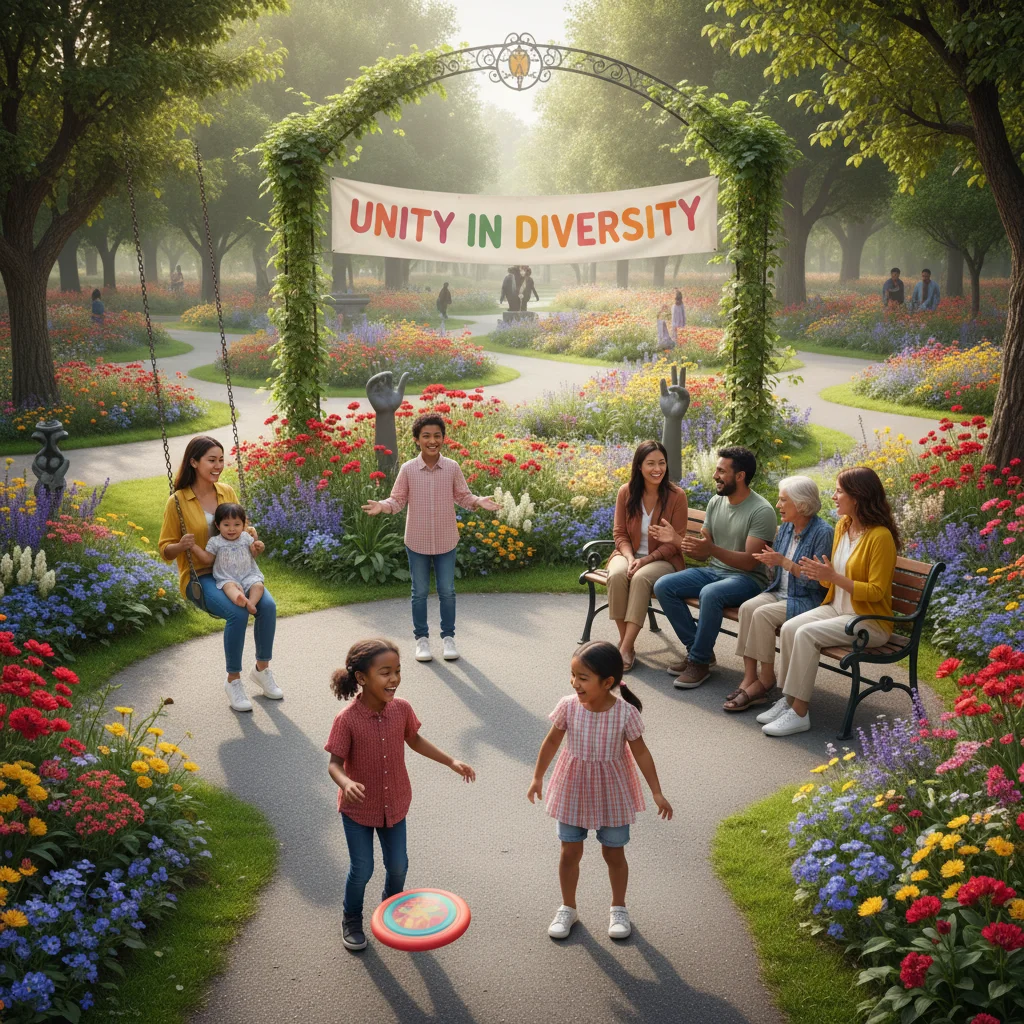
From Isolation to Integration: A 6-Step Guide for Enhancing Social Cohesion in US Communities This Year
In an increasingly complex and often fragmented world, the strength of our communities lies in their ability to foster genuine connection and mutual support. This concept, known as community social cohesion, is more vital than ever for the health, resilience, and prosperity of US communities. When individuals feel connected, valued, and part of a larger whole, they are more likely to participate in civic life, support local initiatives, and work together to overcome challenges. Conversely, a lack of social cohesion can lead to isolation, distrust, and a decline in collective well-being.
This comprehensive guide will walk you through six actionable steps designed to enhance community social cohesion in your local area. Whether you’re a community leader, an engaged citizen, or simply someone passionate about building a better neighborhood, these strategies offer a roadmap to transform isolation into integration and cultivate a thriving, interconnected community. We will delve into practical approaches, real-world examples, and the underlying principles that make these efforts successful. The goal is not just to identify problems, but to empower you with the tools and knowledge to be part of the solution, fostering a stronger sense of belonging and collective responsibility among your neighbors.
Understanding the Importance of Community Social Cohesion
Before we dive into the ‘how,’ it’s crucial to grasp the ‘why.’ What exactly is community social cohesion, and why does it matter so much for US communities today? At its core, social cohesion refers to the bonds that bind people together and the sense of shared purpose and belonging that exists within a community. It encompasses several dimensions, including:
- Social Networks: The quantity and quality of relationships within a community.
- Shared Values and Trust: A collective understanding of what is important and a general belief in the integrity of others.
- Civic Participation: The extent to which residents engage in local decision-making and community activities.
- Sense of Belonging: The feeling that one is an accepted and valued member of the community.
- Equity and Inclusion: The perception that all members, regardless of background, have fair opportunities and are treated with respect.
The benefits of strong community social cohesion are far-reaching. Research consistently shows that cohesive communities exhibit lower crime rates, better public health outcomes, stronger local economies, and increased resilience in the face of crises. When people feel connected, they are more likely to look out for one another, contribute to collective efforts, and support local businesses and initiatives. They also experience lower levels of stress and isolation, leading to improved mental and emotional well-being. In an era marked by increasing polarization and individualism, intentionally building and reinforcing these bonds is not just desirable, but essential for the future vitality of our towns and cities.
Consider the impact of a neighborhood where neighbors regularly interact, share resources, and collectively address local concerns. This is a community that can quickly mobilize volunteers during a natural disaster, support struggling families, or advocate effectively for local improvements. Conversely, a community lacking cohesion might see residents withdraw, distrust one another, and struggle to address even minor issues collaboratively. Recognizing these profound differences underscores the urgency and importance of actively working to enhance community social cohesion.
Step 1: Foster Inclusive Spaces and Opportunities for Interaction
The first foundational step to building strong community social cohesion is to create and promote inclusive spaces where people from all walks of life can meet, interact, and build relationships. Often, segregation, whether intentional or unintentional, can limit opportunities for diverse groups to connect. Public spaces, community centers, parks, and local events play a crucial role in breaking down these barriers.
Creating Welcoming Physical Spaces
Think about your local parks, libraries, community gardens, or even coffee shops. Are they designed and programmed in a way that encourages diverse groups to gather? Initiatives could include:
- Revitalizing Public Parks: Adding amenities that appeal to different age groups and interests, such as playgrounds, walking trails, seating areas, and community event spaces.
- Accessible Community Centers: Ensuring community centers are welcoming and accessible to people with disabilities, different language speakers, and various cultural backgrounds. Offering programs that cater to a wide array of interests.
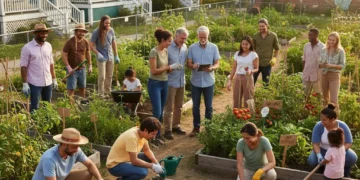
- Community Gardens: These are excellent catalysts for interaction, bringing people together to share skills, grow food, and build camaraderie around a common purpose.
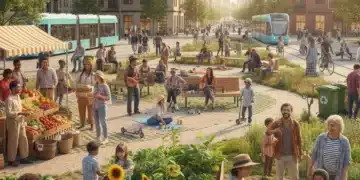
- Local Markets and Festivals: Organizing farmers’ markets, craft fairs, or cultural festivals that celebrate the diversity of the community and provide opportunities for informal interaction.
Promoting Diverse Social Events
Beyond physical spaces, intentionally designing and promoting social events that attract a cross-section of the community is key. This might involve:
- Intergenerational Programs: Activities that bring together seniors, adults, and youth, such as mentorship programs, shared storytelling sessions, or collaborative art projects.
- Cultural Exchange Events: Festivals, potlucks, or workshops that highlight the diverse cultures present in the community, allowing residents to learn from and celebrate each other.
- Skill-Sharing Workshops: Offering free or low-cost workshops where community members can teach and learn skills from one another, like cooking classes, language lessons, or DIY repairs.
The key here is intentionality. It’s not enough to simply have a park; it must be a park where everyone feels safe, welcome, and has a reason to be there. By actively creating and promoting these inclusive spaces and opportunities, we lay the groundwork for the organic development of relationships that are essential for strong community social cohesion.
Step 2: Enhance Civic Engagement and Participatory Governance
A truly cohesive community is one where residents feel they have a voice, that their opinions matter, and that they can actively participate in shaping their shared future. This step focuses on enhancing civic engagement and fostering participatory governance, moving beyond traditional forms of participation to more inclusive and impactful approaches.
Making Government Accessible and Responsive
Many people feel disconnected from local government, leading to apathy and disengagement. To counter this, local authorities can take steps to be more accessible:
- Plain Language Communication: Translating complex policies and proposals into clear, understandable language, perhaps even offering multilingual resources.
- Online Engagement Platforms: Utilizing digital tools for surveys, idea submissions, and virtual town halls to reach a broader audience, especially those who cannot attend in-person meetings.
- Decentralized Meetings: Holding city council or community board meetings in different neighborhoods, rather than always at a central location, to make them more convenient for residents.
Empowering Citizen Participation
Beyond simply informing residents, true participatory governance involves empowering them to actively contribute to decision-making processes:
- Community Advisory Boards: Establishing boards or committees composed of diverse residents to advise on specific issues like park development, public safety, or local economic initiatives.
- Participatory Budgeting: Allowing residents to directly decide how a portion of a public budget is spent, giving them a tangible stake in local governance.
- Neighborhood Councils: Supporting the formation of neighborhood-level councils that can identify local priorities and work with city officials to implement solutions.
- Citizen Juries or Assemblies: Bringing together a randomly selected, representative group of citizens to deliberate on complex issues and make recommendations to policymakers.
When residents feel their contributions are valued and can genuinely influence outcomes, their sense of ownership and connection to the community deepens. This active participation is a cornerstone of robust community social cohesion, transforming passive residents into engaged co-creators of their shared environment.
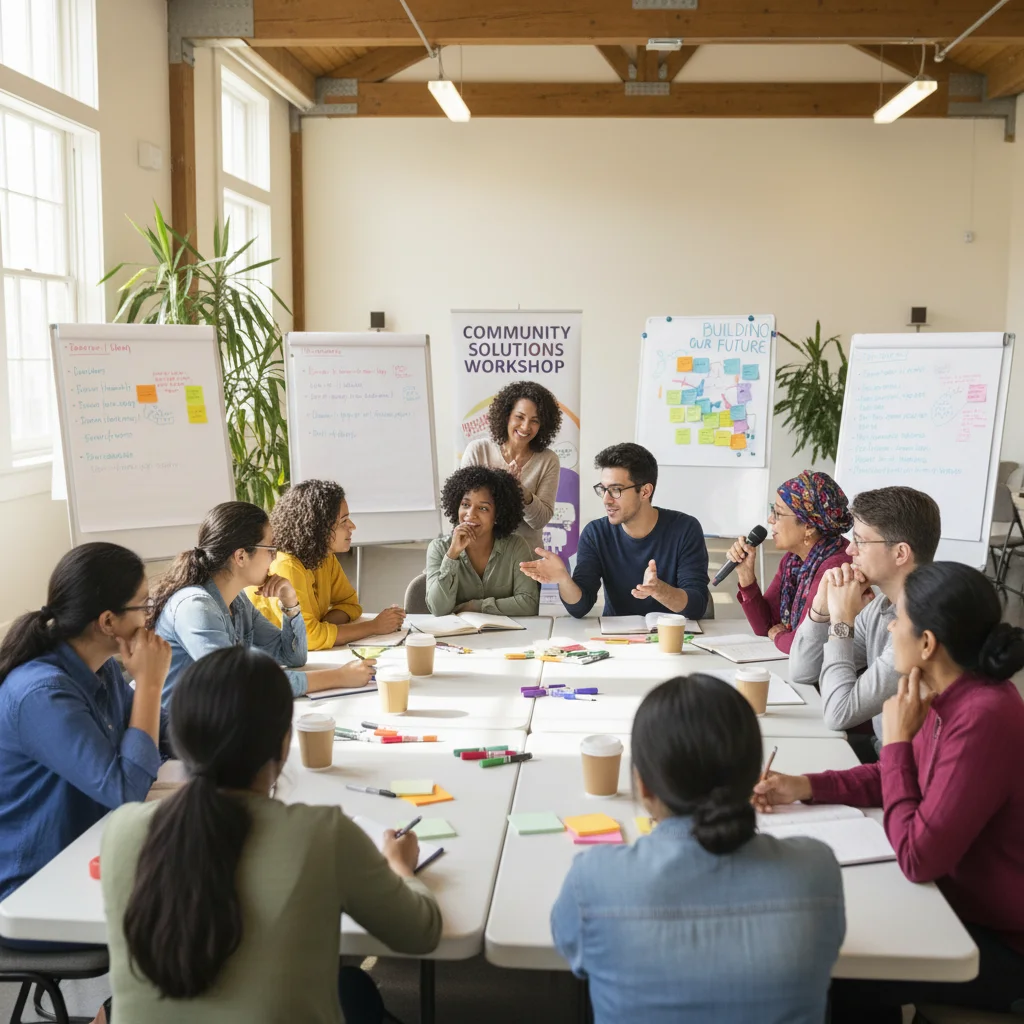
Step 3: Promote Cross-Cultural Understanding and Dialogue
US communities are incredibly diverse, a richness that can be a tremendous asset to community social cohesion. However, diversity can also lead to misunderstandings, stereotypes, and division if not actively managed and celebrated. This step focuses on creating platforms for cross-cultural understanding and constructive dialogue.
Facilitating Dialogue and Exchange
The key to understanding is communication. Creating safe and structured opportunities for people from different backgrounds to share their stories, perspectives, and experiences is vital:
- Storytelling Initiatives: Organizing events where community members can share personal narratives about their heritage, experiences, or challenges. This builds empathy and highlights common humanity.
- Dialogue Circles: Facilitated small-group discussions on topics of community interest or potential division, allowing participants to listen actively and share respectfully.
- Interfaith Gatherings: Bringing together leaders and members of different faith communities to learn about each other’s traditions and find common ground.
- Language Exchange Programs: Pairing native speakers with those learning a new language, fostering both linguistic and cultural exchange.
Celebrating Diversity
Beyond dialogue, actively celebrating the diverse tapestry of the community reinforces a sense of belonging for all members:
- Multicultural Festivals: Events that showcase the food, music, dance, and traditions of various cultural groups within the community.
- Cultural Education Programs: Offering workshops or classes on different cultural practices, histories, or art forms, accessible to all residents.
- Public Art and Monuments: Commissioning public art that reflects the diversity of the community or creating monuments that honor various cultural contributions.
By intentionally fostering environments where people can learn about, appreciate, and celebrate their differences, communities can transform potential sources of division into powerful foundations for unity and stronger community social cohesion. This proactive approach helps dismantle prejudices and build bridges of understanding.
Step 4: Support Local Businesses and Community Economies
A thriving local economy is often inextricably linked to strong community social cohesion. When local businesses flourish, they provide jobs, create vibrant community hubs, and often reinvest profits back into the community. This step highlights the importance of supporting local economies as a means to foster greater connection and shared prosperity.
Strengthening the Local Business Ecosystem
Local businesses are more than just places to shop; they are often gathering spots and significant employers. Supporting them cultivates a stronger local identity and economy:
- Buy Local Campaigns: Promoting initiatives that encourage residents to spend their money at local, independently owned businesses. This keeps money circulating within the community.
- Business Incubators and Support: Providing resources, mentorship, and affordable spaces for local entrepreneurs to start and grow their businesses.
- Main Street Revitalization: Investing in the aesthetic and functional improvements of central business districts to make them attractive destinations for residents and visitors.
- Local Currency or Bartering Networks: In some communities, creating local currency or organized bartering systems can strengthen local economic ties and resilience.
Connecting Businesses with Community Life
Encouraging local businesses to integrate more deeply into the social fabric of the community can further boost cohesion:
- Sponsorship of Local Events: Businesses sponsoring community festivals, sports leagues, or non-profit initiatives demonstrates their commitment to the local area.
- Community Spaces within Businesses: Cafes or bookstores hosting open mic nights, art exhibits, or community meetings, becoming informal community hubs.
- Employment of Local Residents: Businesses prioritizing hiring from within the community, providing stable jobs and strengthening local economic ties.
- Volunteer Programs: Encouraging business owners and employees to volunteer their time and skills for local causes.
When residents feel a sense of pride in their local economy and see businesses actively contributing to the community’s well-being, it reinforces their sense of belonging and strengthens overall community social cohesion. This symbiotic relationship creates a virtuous cycle of economic and social benefit.
Step 5: Invest in Education and Youth Development
The future of community social cohesion rests significantly on the shoulders of the next generation. Investing in robust education and comprehensive youth development programs is crucial for cultivating engaged, responsible, and empathetic citizens who will continue to build strong communities.
Empowering Youth Through Education
Schools are natural centers of community life and can play a pivotal role in fostering cohesion:
- Service-Learning Programs: Integrating community service into the curriculum, allowing students to address real-world local problems and connect with diverse community members.
- Civic Education: Teaching students about local governance, civic responsibilities, and the importance of active participation in their community.
- Mentorship Programs: Connecting youth with adult mentors from various professions and backgrounds within the community, providing guidance and fostering intergenerational bonds.
- After-School and Summer Programs: Offering enriching activities that provide safe spaces, learning opportunities, and chances for youth from different backgrounds to interact.
Creating Opportunities for Youth Leadership
Beyond traditional education, empowering youth to take on leadership roles instills a sense of ownership and responsibility:
- Youth Councils: Establishing youth advisory boards that provide input to local government on issues affecting young people.
- Peer Mentoring and Tutoring: Encouraging older students to mentor or tutor younger students, building leadership skills and fostering positive relationships.
- Youth-Led Community Projects: Supporting initiatives where young people identify a community need and lead efforts to address it, such as environmental cleanups, food drives, or awareness campaigns.
- Access to Recreational Activities: Ensuring access to sports, arts, and other recreational activities that promote teamwork, discipline, and healthy social interaction, regardless of socioeconomic status.
By nurturing the intellectual, social, and civic development of young people, communities are not only preparing them for future success but also actively investing in the long-term strength and vitality of community social cohesion. These investments yield returns for generations to come, creating a legacy of engaged citizenship.
Step 6: Address Disparities and Promote Equity
True community social cohesion cannot exist where significant disparities and inequities persist. When certain groups are systematically disadvantaged or excluded, it erodes trust, creates resentment, and fragments the social fabric. This final step emphasizes the critical importance of actively addressing disparities and promoting equity and inclusion for all residents.
Identifying and Addressing Systemic Barriers
A proactive approach requires understanding the root causes of inequality:
- Data Collection and Analysis: Regularly collecting and analyzing data disaggregated by race, income, gender, and other demographics to identify areas of disparity in health, education, housing, and economic opportunity.
- Community Needs Assessments: Conducting comprehensive assessments that involve diverse community voices to understand their lived experiences and identify unmet needs.
- Policy Review: Examining local policies and practices across various sectors (e.g., housing, zoning, policing, employment) to identify and reform those that perpetuate inequality.
- Affordable Housing Initiatives: Implementing policies and programs that ensure access to safe, affordable housing for all income levels, preventing displacement and promoting stable neighborhoods.
Promoting Inclusive Practices
Beyond addressing systemic issues, actively promoting inclusive practices in all aspects of community life is essential:
- Equitable Access to Services: Ensuring that essential services (e.g., healthcare, transportation, healthy food) are accessible and culturally competent for all residents, regardless of their location or background.
- Workforce Development and Fair Employment: Creating programs that provide job training, placement, and support for underserved populations, and advocating for fair hiring practices.
- Digital Inclusion: Working to bridge the digital divide by ensuring all residents have access to affordable internet and the necessary digital literacy skills.
- Restorative Justice Practices: Implementing approaches in schools and the justice system that focus on repairing harm and fostering reconciliation, rather than solely on punishment, which can disproportionately affect marginalized groups.
An unwavering commitment to equity and inclusion is not just a matter of social justice; it is a fundamental builder of community social cohesion. When every member of a community feels they have fair opportunities, are treated with dignity, and can thrive, the entire community benefits from increased trust, participation, and collective strength. Addressing disparities systematically and intentionally creates a foundation of fairness that allows genuine connection to flourish.
Conclusion: Building a More Cohesive Future
Enhancing community social cohesion is not a one-time project but an ongoing commitment. It requires dedication, collaboration, and a willingness to engage with the complexities of human interaction. The six steps outlined in this guide—fostering inclusive spaces, enhancing civic engagement, promoting cross-cultural understanding, supporting local economies, investing in education and youth, and addressing disparities—provide a robust framework for any US community seeking to strengthen its social fabric.
The journey from isolation to integration is multifaceted, involving both structural changes and grassroots efforts. It demands that we look beyond our immediate circles and actively seek to understand and connect with those who may seem different from us. By implementing these strategies, communities can cultivate environments where trust thrives, voices are heard, diversity is celebrated, and every individual feels a profound sense of belonging. The rewards are immense: more resilient communities, healthier residents, stronger local economies, and a more vibrant civic life for all. Let us embark on this essential work, transforming our shared spaces into truly cohesive and thriving communities, one step at a time.