Sustainable Commute 2026: Reducing Your Emissions by 40% with Smart Choices
The year 2026 is rapidly approaching, and with it, a critical opportunity to redefine our daily routines and significantly impact our planet’s health. The urgency of climate change demands proactive measures, and one of the most accessible yet impactful areas we can address is our daily commute. Imagine a world where your journey to work or school contributes minimally to carbon emissions, a world where sustainable commute 2026 isn’t just a buzzword, but a tangible reality. This comprehensive guide will show you how to achieve an ambitious 40% reduction in your commute emissions, offering practical strategies, innovative solutions, and a roadmap to a greener future.
Our transportation sector remains a significant contributor to global greenhouse gas emissions. Personal vehicles, in particular, account for a substantial portion of this footprint. However, the good news is that advancements in technology, infrastructure, and societal awareness are making it easier than ever to adopt more eco-friendly commuting habits. By focusing on a sustainable commute 2026, we can collectively drive down emissions, improve air quality, reduce traffic congestion, and even enhance our personal well-being.
Understanding Your Current Commute Footprint
Before we can reduce our commute emissions, it’s crucial to understand where we stand. Many people underestimate the environmental impact of their daily travel. Calculating your current carbon footprint from commuting is the first step towards achieving a sustainable commute 2026. Several online calculators can help you estimate your emissions based on your vehicle type, mileage, and fuel consumption. Factors to consider include:
- Vehicle Type: Gasoline, diesel, hybrid, plug-in hybrid, or electric. Each has a different emission profile.
- Daily Mileage: The distance you travel to and from work or school.
- Fuel Efficiency: Your vehicle’s miles per gallon (MPG) or kilowatt-hours per mile (kWh/mile).
- Commute Frequency: How many days a week you commute.
- Passenger Count: Carpooling significantly reduces per-person emissions.
Once you have a baseline, you can set realistic goals for your 40% reduction. Remember, every small change contributes to the larger goal of a sustainable commute 2026.
Embracing Electric Vehicles (EVs): A Cornerstone of Sustainable Commute 2026
Electric Vehicles (EVs) are no longer a niche market; they are a rapidly growing, mainstream solution for reducing commute emissions. The technology has matured, prices are becoming more competitive, and charging infrastructure is expanding. For many, transitioning to an EV will be the single most impactful step towards a sustainable commute 2026.
The Benefits of EVs for Commuting:
- Zero Tailpipe Emissions: This is the most significant advantage. EVs produce no direct emissions, dramatically improving urban air quality.
- Lower Running Costs: Electricity is often cheaper per mile than gasoline, especially when charging at home during off-peak hours.
- Reduced Maintenance: EVs have fewer moving parts than internal combustion engine (ICE) vehicles, leading to lower maintenance costs.
- Government Incentives: Many governments offer tax credits, rebates, and other incentives for purchasing EVs, making them more affordable.
- Quieter Ride: EVs are significantly quieter, contributing to less noise pollution in urban areas.
Addressing Common EV Concerns:
While the benefits are clear, some concerns about EVs persist. Let’s address them:
- Range Anxiety: Modern EVs offer impressive ranges, with many exceeding 250-300 miles on a single charge, more than sufficient for most daily commutes.
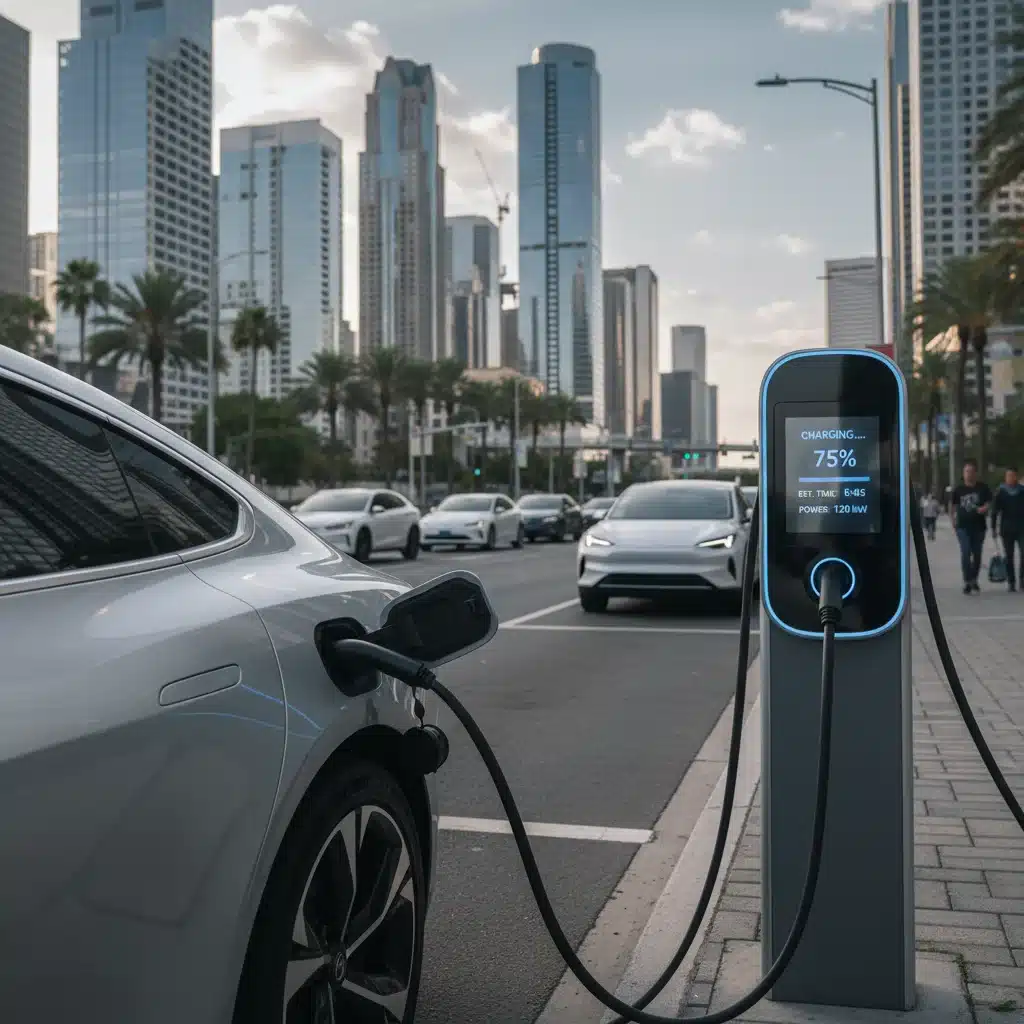
- Charging Infrastructure: The network of public charging stations is growing exponentially. Workplace charging is also becoming more common, making a sustainable commute 2026 with an EV even more convenient.
- Battery Production Emissions: While battery production does have an environmental footprint, studies consistently show that over their lifecycle, EVs produce significantly fewer emissions than ICE vehicles, especially when powered by renewable energy.
- Initial Cost: While upfront costs can be higher, factoring in fuel savings, lower maintenance, and incentives often makes EVs more cost-effective in the long run.
When considering an EV for your sustainable commute 2026, research models that fit your lifestyle and budget, and explore available charging options in your area and at your workplace.
Harnessing the Power of Public Transportation
For many urban and suburban dwellers, public transportation offers an incredibly effective pathway to a sustainable commute 2026. Buses, trains, subways, and trams are inherently more energy-efficient per passenger mile than single-occupancy vehicles. By shifting even a few days a week to public transit, you can dramatically reduce your personal carbon footprint.
Advantages of Public Transit:
- Reduced Emissions: A single bus or train can carry dozens, even hundreds, of passengers, taking numerous cars off the road and significantly lowering per-capita emissions.
- Cost Savings: Eliminating fuel costs, parking fees, and reducing vehicle wear and tear can lead to substantial financial savings.
- Productivity Boost: Commuting on public transit allows you to read, work, or relax, turning travel time into productive or leisure time.
- Reduced Stress: Avoiding traffic jams and the hassles of parking can significantly lower commute-related stress.
- Community Benefits: Strong public transit systems lead to less congestion, better air quality, and more vibrant urban centers.
Making Public Transit Work for You:
To integrate public transit into your sustainable commute 2026 plan, consider the following:
- Map Your Route: Use online tools or transit apps to plan your journey and check schedules.
- Combine Modes: Can you walk or cycle to a bus stop or train station? This multi-modal approach maximizes benefits.
- Explore Employer Subsidies: Many employers offer pre-tax transit benefits or subsidies, making it even more affordable.
- Off-Peak Travel: If your schedule allows, traveling during off-peak hours can offer a more comfortable experience.
Even if public transit doesn’t cover your entire route, using it for a portion of your journey can still contribute significantly to your 40% emission reduction goal for a sustainable commute 2026.
Active Travel: Walking and Cycling for a Healthier, Greener Commute
For shorter distances, walking and cycling are the ultimate forms of a sustainable commute 2026. They produce zero emissions, improve physical and mental health, and can often be faster than driving in congested urban areas. If your workplace is within a reasonable distance, consider embracing active travel.
Benefits of Walking and Cycling:
- Zero Emissions: The most environmentally friendly way to travel.
- Health Benefits: Regular physical activity reduces the risk of chronic diseases, improves mood, and boosts energy levels.
- Cost-Effective: No fuel costs, no parking fees, minimal maintenance for bicycles.
- Traffic Avoidance: Cyclists can often navigate traffic more efficiently, and walkers are immune to it.
- Mental Well-being: Spending time outdoors and engaging in physical activity can reduce stress and improve focus.
Making Active Travel Feasible for Your Sustainable Commute 2026:
- Assess Your Route: Look for safe walking paths, dedicated bike lanes, and less congested streets.
- Invest in the Right Gear: A comfortable bike, appropriate clothing, and safety gear (helmet, lights) are essential.
- Consider E-Bikes: Electric bikes provide assistance, making longer distances or hilly terrain more manageable for a sustainable commute 2026.
- Workplace Facilities: Check if your workplace offers bike storage, showers, or changing rooms.
- Combine with Public Transit: Cycle to a train station, or walk the last mile from a bus stop.
Even if you can only walk or cycle a few days a week, or for a portion of your commute, these choices contribute directly to your emission reduction targets and overall well-being. It’s a win-win for you and the planet as you strive for a sustainable commute 2026.
Smart Commuting Strategies: Beyond the Mode of Transport
Achieving a 40% reduction in commute emissions by 2026 isn’t just about changing how you travel; it’s also about changing when and how often you travel. Smart commuting strategies can significantly reduce your overall mileage and, consequently, your carbon footprint.
Telecommuting and Hybrid Work Models:
The pandemic accelerated the adoption of remote work, proving its viability for many industries. If your job allows, telecommuting even one or two days a week can drastically cut your commute emissions. A hybrid model, combining remote and in-office days, is a powerful tool for a sustainable commute 2026.
- Benefits: Eliminates commute emissions on remote days, saves time and money, and offers greater work-life balance.
- Implementation: Discuss flexible work options with your employer. Highlight the environmental and productivity benefits.
Carpooling and Ridesharing:
If driving is unavoidable, carpooling or ridesharing is an excellent way to reduce per-person emissions. Sharing a ride means fewer cars on the road, less congestion, and a smaller carbon footprint for everyone involved.
- Benefits: Reduces fuel consumption and emissions per person, saves money on gas and parking, and can create a social aspect to commuting.
- Implementation: Explore carpooling apps, connect with colleagues, or join community rideshare programs.
Optimizing Your Route:
Even if you drive, choosing the most efficient route can make a difference. Avoid unnecessary detours and use navigation apps that provide real-time traffic updates to minimize idle time and maximize fuel efficiency. Planning errands to coincide with your commute can also reduce extra trips.
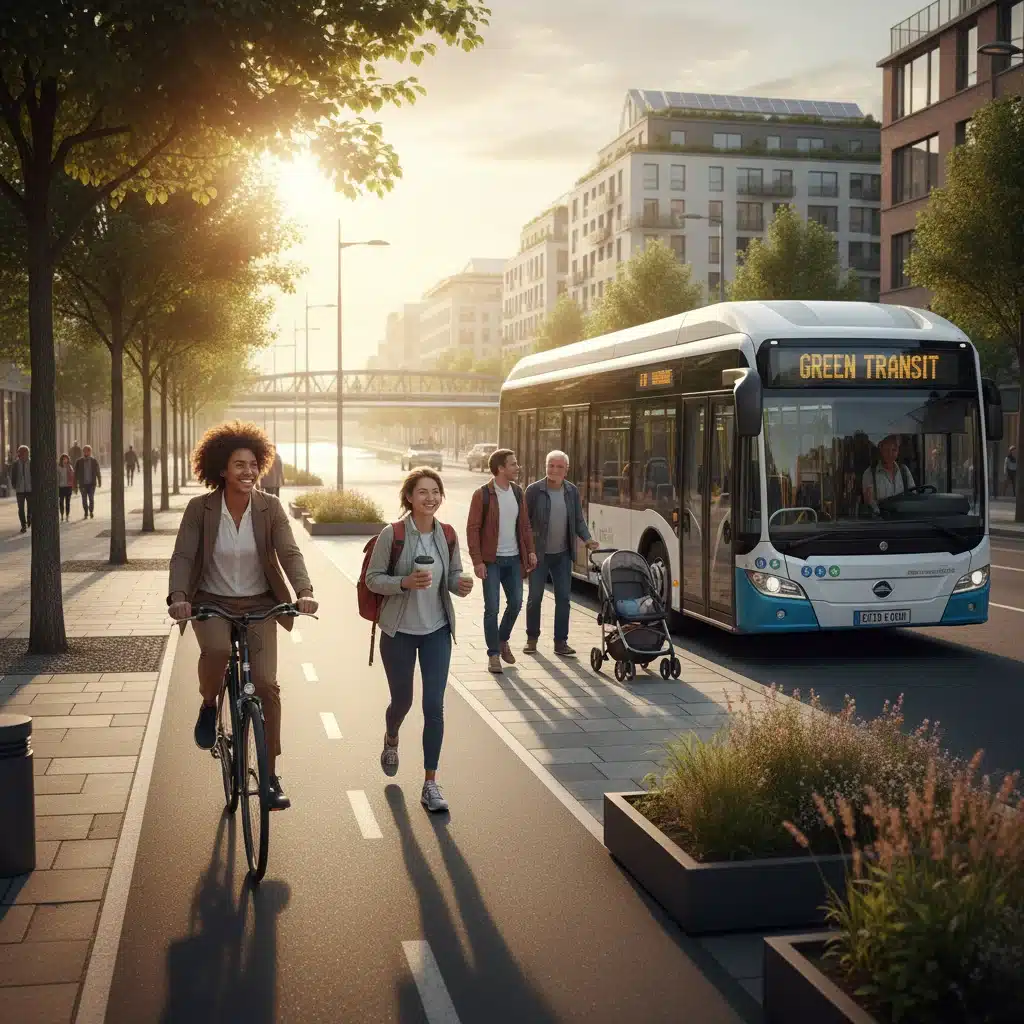
The Role of Urban Planning and Infrastructure
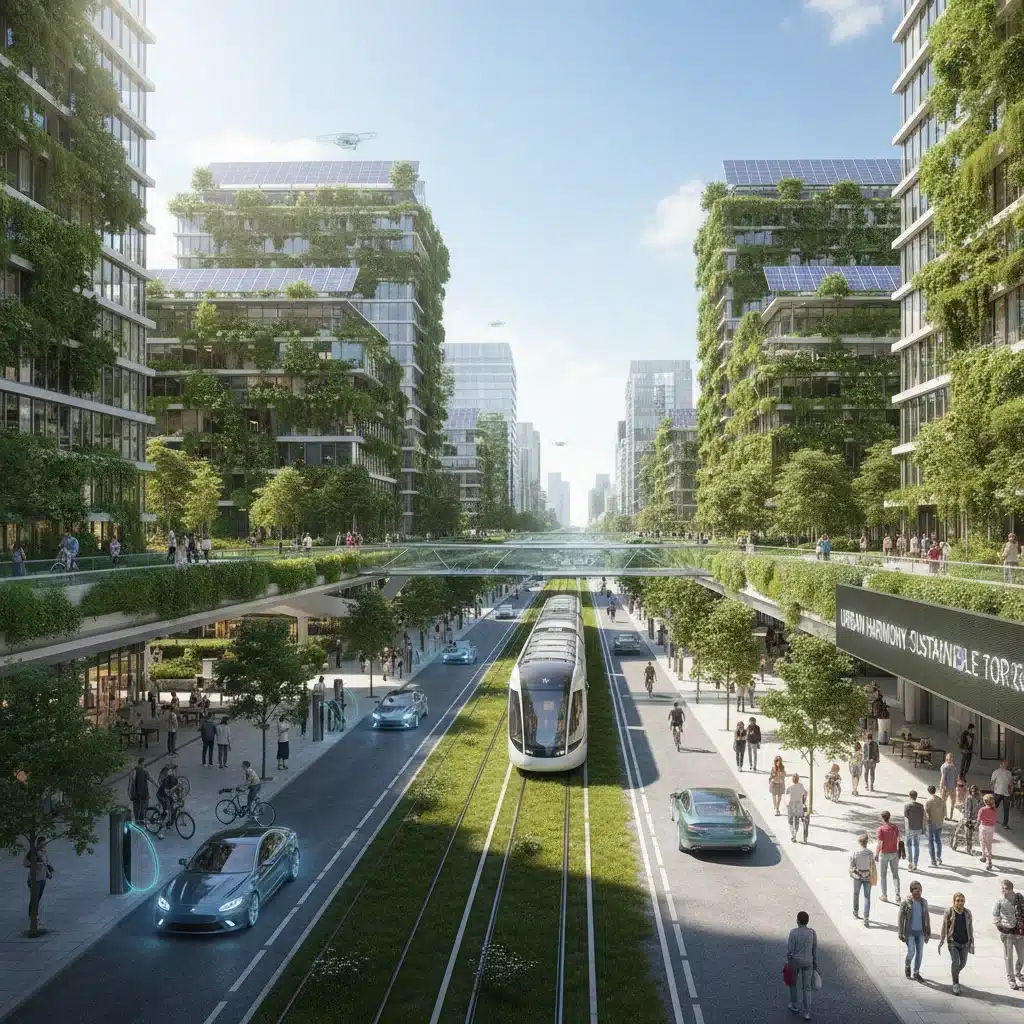
While individual choices are crucial for a sustainable commute 2026, the broader urban environment plays a significant role. Advocates for sustainable transportation often point to the need for better city planning and infrastructure to support greener commuting options.
Key Infrastructure Developments:
- Dedicated Bike Lanes: Safe and extensive bike lane networks encourage more people to cycle.
- Improved Public Transit Networks: Expanding routes, increasing frequency, and enhancing comfort make public transit more attractive.
- Pedestrian-Friendly Zones: Creating walkable neighborhoods with amenities close by reduces the need for car travel.
- EV Charging Infrastructure: Widespread public and workplace charging stations are essential for EV adoption.
- Mixed-Use Developments: Designing communities where homes, workplaces, and services are integrated reduces travel distances.
By supporting local initiatives and advocating for these changes, you contribute to creating an environment where a sustainable commute 2026 is not just possible but the preferred option for more people.
Integrating Technology for a Smarter, Sustainable Commute 2026
Technology is a powerful enabler of sustainable commuting. From route planning apps to smart charging solutions, leveraging digital tools can optimize your commute and help you track your progress towards a 40% emission reduction.
Essential Tech Tools:
- Navigation Apps: Tools like Google Maps, Apple Maps, or Waze can optimize routes for driving, public transit, cycling, and walking, often including real-time traffic and public transport delays.
- Public Transit Apps: Dedicated apps for local transit agencies provide schedules, real-time tracking, and fare information.
- EV Charging Apps: Apps like PlugShare or ChargePoint help locate available charging stations and manage charging sessions.
- Carpooling Apps: Platforms like Waze Carpool or local rideshare apps connect commuters going in the same direction.
- Fitness Trackers: If you’re walking or cycling, fitness trackers can motivate you by showing your activity levels and calories burned.
- Carbon Footprint Calculators: Regularly tracking your commute emissions can keep you motivated and highlight areas for further improvement.
By intelligently using these technological aids, you can make your journey towards a sustainable commute 2026 more efficient, enjoyable, and measurable.
Overcoming Challenges and Staying Motivated
Transitioning to a more sustainable commute can present challenges, from initial investments to adapting to new routines. However, with perseverance and a focus on the long-term benefits, these hurdles can be overcome.
Common Challenges and Solutions:
- Time Constraints: Some sustainable options might take longer initially. Plan your schedule accordingly and view the extra time as an opportunity for personal growth (reading, listening to podcasts).
- Weather: Inclement weather can deter active travel. Invest in appropriate gear or have a backup plan (e.g., public transit or carpooling on rainy days).
- Cost: While EVs have an upfront cost, consider the long-term savings. Public transit passes are often more affordable than daily driving.
- Lack of Infrastructure: If your area lacks good bike lanes or public transit, advocate for improvements and explore the best available alternatives.
- Habit Change: Breaking old habits is hard. Start small, perhaps by trying a new commute method once a week, and gradually increase frequency.
Staying motivated is key. Focus on the positive impacts: a healthier you, a cleaner environment, and potentially more money in your pocket. Share your goals for a sustainable commute 2026 with friends, family, or colleagues for support and accountability.
Measuring Your Success and Reaching 40% Reduction
How do you know if you’re on track to reduce your commute emissions by 40% by 2026? Consistent measurement and adjustment are vital. Regularly recalculate your commute footprint and compare it against your baseline. Celebrate small victories and identify areas where you can further optimize.
Strategies for Measurement:
- Monthly Emission Tracking: Use a spreadsheet or an app to log your commute modes and distances.
- Fuel/Electricity Consumption Records: Keep track of how much fuel you buy or electricity you use for your commute.
- Review Public Transit/Bike Miles: Note the days you use alternative transport.
A 40% reduction is an ambitious but achievable goal. It might involve a combination of strategies: perhaps an EV for longer commutes, cycling for shorter ones, and leveraging telecommuting regularly. The key is to be flexible, adapt to your needs, and continuously seek ways to optimize your sustainable commute 2026.
The Broader Impact of Your Sustainable Commute Choices
Your individual efforts towards a sustainable commute 2026 have ripple effects far beyond your personal carbon footprint. When more individuals adopt greener commuting habits, it contributes to:
- Improved Air Quality: Fewer tailpipe emissions mean less smog and fewer respiratory illnesses.
- Reduced Traffic Congestion: More people using public transit, cycling, walking, or carpooling frees up roads for essential services and those who must drive.
- Lower Noise Pollution: Quieter vehicles and fewer cars contribute to a more peaceful urban environment.
- Economic Savings: Reduced fuel imports and lower healthcare costs due to better air quality and increased physical activity.
- Community Building: Active travel and public transit can foster stronger community connections.
- Inspiring Others: Your choices can influence friends, family, and colleagues to consider their own commuting habits.
By committing to a sustainable commute 2026, you’re not just making a personal change; you’re becoming part of a larger movement towards a more sustainable and resilient future for everyone.
Conclusion: Your Path to a Sustainable Commute 2026
Achieving a 40% reduction in your commute emissions by 2026 is a significant and attainable goal. It requires a conscious effort, a willingness to explore new options, and a commitment to making sustainable choices. Whether it’s embracing electric vehicles, utilizing robust public transportation networks, opting for active travel like walking and cycling, or implementing smart commuting strategies such as telecommuting and carpooling, every step counts.
Start by understanding your current impact, then strategically integrate the various sustainable modes and technologies available. Be patient with yourself as you adjust to new routines, and remember the profound positive impact your choices will have on the environment, your health, and your community. The journey towards a sustainable commute 2026 is not just about reducing numbers; it’s about building a healthier, happier, and more sustainable lifestyle for the years to come. Let’s drive change, one commute at a time.