Holistic Sustainability: Unpacking Diverse Approaches for a Greener Future

When you hear the term “sustainable living,” what comes to mind? For many, it’s the familiar ritual of sorting recyclables, carrying a reusable water bottle, or choosing paper over plastic. While these actions are valuable first steps, they represent only the visible tip of a vast and complex iceberg. True sustainability is not just a checklist of eco-friendly habits; it is a basic shift in perspective, a diverse collection of philosophies that re-examine our relationship with the planet, our communities, and our own consumption patterns.
This landscape of green thinking is rich with competing and complementary ideas. On one hand, grassroots movements like zero-waste and minimalism empower individuals to reclaim control over their personal footprint, turning everyday choices into acts of intention. On the other, sweeping frameworks like the circular economy and regenerative agriculture aim to redesign our entire industrial and food systems from the top down. Navigating this world can feel overwhelming, with each philosophy presenting a compelling, yet distinct, path toward a better future.
Understanding the nuances between these approaches is key for anyone looking to make a meaningful impact. This article serves as your broad guide, moving beyond the basics to unpack the core principles driving the sustainability movement. We will compare the individual focus of zero-waste against the systemic vision of the circular economy, explore how permaculture and regenerative agriculture seek to heal the earth, and provide practical strategies for eco-conscious consumption. By the end, you’ll have a clearer map of these powerful ideas and be better equipped to find your place within them.
Beyond Recycling: Understanding Core Sustainable Living Philosophies
When most people think of sustainable living, their minds often jump straight to sorting plastics and paper. While recycling is a positive habit, it’s merely scratching the surface of a much deeper set of ideas. True sustainability is built on a foundation of environmental ethics that guide our relationship with the planet. It’s a mindset shift.
At the core of these ideas are a few key philosophies. One common viewpoint is anthropocentrism, which places human needs and interests at the center of all decisions. In contrast, ecocentrism argues that the ecosystem as a whole has intrinsic value, independent of its usefulness to humanity. What most people miss is that many of our modern environmental problems stem from a purely anthropocentric view, where nature is seen only as a resource to be managed for our benefit.
Taking this a step further is the concept of deep ecology, which advocates for a core change in human consciousness and a recognition of our interconnectedness with all life. It’s not just about doing less harm; it’s about actively fostering a healthy planet. As Dr. Lena Petrova, an environmental ethicist at the Stockholm Environment Institute, explains, “Thinking holistically means you stop seeing your recycling bin as the finish line and start seeing it as one small part of a much larger personal and collective responsibility.” Exploring these ideas is key to understanding emerging trends in sustainable living.
Adopting any of these philosophies requires more than just changing habits; it demands an internal shift in perspective. This process is similar to a personal growth journey, where you unlearn old assumptions to build a more conscious way of being. Ultimately, the philosophy you align with will shape every choice, from the food you eat to the policies you support.
The Zero-Waste Movement vs. Circular Economy: A Practical Comparison
While often used interchangeably, the zero-waste movement and the circular economy represent two distinct, yet complementary, approaches to resource management. One is a grassroots philosophy focused on individual consumption, while the other is a top-down industrial model aimed at redesigning entire systems. Understanding their differences is key to appreciating how they can work together.
Both aim to reduce what ends up in landfills, but they tackle the problem from opposite ends of the production line. Think of it like managing a leaky faucet. The zero-waste approach gives you a bucket to catch the drips, while the circular economy focuses on fixing the plumbing itself. Both are necessary.
Zero-Waste: Principles and Personal Impact
The zero-waste philosophy is primarily a consumer-driven movement centered on the “5 Rs”: Refuse, Reduce, Reuse, Recycle, and Rot (compost). It places the responsibility on individuals to minimize their personal trash footprint through conscious purchasing and lifestyle choices. This means bringing your own bags to the store, buying in bulk, and avoiding single-use plastics — a challenge, to be sure.
The personal impact can be significant. According to the U.S. Environmental Protection Agency, the average American generates nearly 5 pounds of municipal solid waste per day. A dedicated zero-waste practitioner can cut that figure by over 80% through diligent effort. This path requires a profound shift in daily habits, turning simple errands into strategic missions to avoid packaging. It’s a powerful form of personal growth that begins with small, practical tips and builds into a broad lifestyle.
This approach empowers individuals. It makes sustainability tangible.
Circular Economy: Systemic Change and Industrial Application
The circular economy, in contrast, is an economic model that aims to eliminate waste and pollution from the very beginning of the design process. Championed by organizations like the Ellen MacArthur Foundation, it challenges the traditional linear model of “take-make-dispose.” But what does this look like when a company actually builds something?
Instead of focusing on the end consumer, the circular model pressures producers to create a closed-loop system where resources are continuously cycled. This involves rethinking everything from material selection to business models, moving from selling products to providing services (e.g., leasing lighting instead of selling lightbulbs).
Design for Durability and Repair
A core tenet of the circular economy is designing products to last. This means using high-quality materials, making items easy to disassemble, and providing accessible repair options. The underrated factor here is the “right to repair,” a growing movement demanding that manufacturers make parts and manuals available. When a product is built for longevity, its components retain value far longer, reducing the need for virgin resources.
Biological vs. Technical Cycles
The model separates materials into two distinct cycles. Biological nutrients are biodegradable materials that can safely return to the soil, like food scraps or cotton fibers. Technical nutrients—metals, polymers, and other synthetic materials—are designed to be recovered and remanufactured with minimal loss of quality. The goal is to keep these materials in circulation at their highest value for as long as possible.
Comparative Analysis: Zero-Waste vs. Circular Economy
The primary distinction lies in scale and agency. Zero-waste is a bottom-up movement of personal ethics, while the circular economy is a top-down framework for industrial and economic policy. An individual can adopt a zero-waste lifestyle today, but a true circular economy requires systemic change from corporations and governments.
Here are some key differentiators:
- Focus: Zero-waste focuses on the end-of-pipe (what the consumer does with a product), whereas the circular economy focuses on the source (how a product is designed and produced).
- Primary Actor: The individual consumer is the main agent of change in the zero-waste movement. For the circular economy, the primary actors are designers, manufacturers, and policymakers.
- Goal: The ultimate goal of zero-waste is sending nothing to the landfill. The circular economy’s goal is broader: to decouple economic activity from the consumption of finite resources, which has enormous implications for achieving financial savvy on a global scale.
Ultimately, these two concepts are not in opposition; they are two sides of the same coin. A population of consumers demanding less packaging and more durable goods (the zero-waste ethos) creates the market pressure needed for companies to invest in circular design. These are just some of the emerging trends in sustainable living that show how consumer demand and industrial innovation can align. A world full of zero-wasters still needs businesses to provide products that can be reused and repaired, and a perfect circular system still needs people to participate by returning items for recycling and repair.
Thinking holistically means you stop seeing your recycling bin as the finish line and start seeing it as one small part of a much larger personal and collective responsibility.
— Dr. Lena Petrova, Environmental Ethicist, Stockholm Environment Institute
| Approach | Primary Focus | Key Actor | Core Goal |
|---|---|---|---|
| Zero-Waste | Minimizing personal trash sent to landfill through consumption choices. | Individual Consumer | Preventing waste at the end of a product’s life. |
| Circular Economy | Designing out waste and pollution from the start of production. | Designers, Corporations, Policymakers | Creating a closed-loop system where resources are endlessly cycled. |
| Permaculture | Designing sustainable human settlements by observing and mimicking natural ecosystems. | Individuals, Gardeners, Community Designers | Creating self-sufficient, resilient living systems that yield for human needs. |
| Regenerative Agriculture | Farming and grazing practices that rebuild soil organic matter and restore biodiversity. | Farmers, Ranchers, Land Managers | Healing degraded land and turning agriculture into a carbon sink. |
Permaculture and Regenerative Agriculture: Cultivating Sustainable Ecosystems
Beyond simply reducing harm, some sustainability models aim to actively heal and improve the environments they touch. Two powerful examples are permaculture and regenerative agriculture, both of which challenge the foundations of conventional, large-scale farming by working with nature instead of against it. What many people miss is that these aren’t just farming techniques; they are complex design philosophies for creating self-sustaining human settlements and agricultural systems.
They represent a shift from a degenerative model that extracts resources to a regenerative one that builds them. This is a underlying change in perspective. It’s one of the most promising emerging trends in sustainable living because it offers solutions that grow over time.
Permaculture Design Principles for Home and Garden
Permaculture, a portmanteau of “permanent agriculture,” is a design system for creating sustainable living environments. It’s based on observing natural ecosystems and applying those observations to everything from a small apartment balcony to a full-scale farm. Instead of planting neat rows of a single crop, a permaculture garden might feature a “food forest” where fruit trees, shrubs, herbs, and vegetables grow together in a mutually beneficial, multi-layered system.
The core of permaculture rests on a set of guiding principles. While different practitioners articulate them in various ways, the most common ones include:
- Observe and Interact: Spend time understanding the natural patterns of your specific site—sun, wind, water flow—before you act.
- Catch and Store Energy: This includes passive solar design for homes, rainwater harvesting systems, and planting trees to create biomass.
- Obtain a Yield: The system must provide for human needs, whether that’s food, fiber, or fuel.
- Use and Value Diversity: A diverse system with many different plants and animals is more resilient to pests, diseases, and climate shifts than a monoculture. This is a key lesson for anyone on a journey of improvement, similar to how diversifying your skills can be part of a beginner’s guide to personal growth.
Regenerative Agriculture: Healing the Earth Through Farming
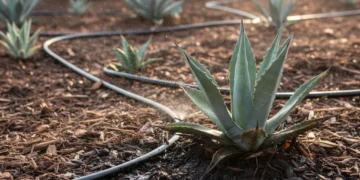
If permaculture is the broad design philosophy, regenerative agriculture is the specific toolbox of farming practices focused on rebuilding soil health and ecosystem function. Conventional agriculture often degrades soil, but regenerative practices reverse this damage. They turn farms from carbon sources into carbon sinks. The data suggests—though not conclusively—that this could be a major tool in combating climate change.
A great case study is Brown’s Ranch in North Dakota. After transitioning to regenerative practices, owner Gabe Brown eliminated the use of synthetic fertilizers, pesticides, and fungicides. His methods, including no-till farming, cover cropping, and holistic planned grazing, increased the soil’s organic matter from a paltry 1.9% to an impressive 6.1% over two decades. His farm’s water infiltration rate is now exponentially higher than his neighbors’, making it far more resilient to both drought and floods.
Key regenerative practices include minimizing soil disturbance, keeping the soil covered with plants or mulch at all times, and integrating livestock back onto the land. It’s like switching from a financial plan based on constantly spending down your principal to one focused on living off the compound interest — the soil is the principal, and its health generates the yield.

Eco-Conscious Consumption: Ethical Sourcing, Minimalism, and Upcycling
While large-scale changes in land use are vital, the choices we make every day at the checkout counter hold immense power. Our consumption habits directly influence supply chains, resource extraction, and waste generation. Shifting how we buy, use, and discard items is not just a trend; it’s a core part of a sustainable lifestyle, turning everyday transactions into acts of intention.
Navigating Ethical Sourcing: What to Look For
Ethical sourcing involves consciously choosing products that are manufactured and distributed with minimal harm to people and the planet. This means looking beyond the price tag to understand a product’s journey. Supporting local artisans and farmers, for instance, reduces transportation emissions—the “food miles”—and strengthens community economies. It’s about asking questions before you buy. Who made this? Where did the materials come from? Developing a mental checklist is like having a secret weapon for responsible shopping.
Before your next purchase, consider running through these questions:
- Origin: Is this product made locally or sourced from a community with transparent labor practices?
- Materials: Are the materials renewable, recycled, or biodegradable? Avoid single-use plastics and composite materials that are difficult to recycle.
- Company Values: Does the brand publicly share its supply chain information and sustainability goals? A company that is proud of its practices will usually tell you about them.
- Durability: Is this item built to last, or is it designed for short-term use? Opting for quality over quantity is a core principle of sustainable purchasing.
Certifications and Transparency
Navigating the claims of different brands can be confusing. This is where third-party certifications become helpful guides. Labels like Fair Trade Certified, B Corp, and Rainforest Alliance indicate that a company has met specific standards for social and environmental performance. According to Fair Trade USA, their model has delivered over $846 million in additional income to farmers and workers since 1998. These certifications provide a layer of accountability, though the underrated factor here is a company’s willingness to be transparent even without a label. Making smart choices with your money is a key component of building real-world financial savvy in a dynamic economy.
The Power of Less: Embracing Minimalism
Beyond buying better, there is the powerful philosophy of simply buying less. Minimalism is the intentional promotion of the things we most value and the removal of everything that distracts from it. It’s not about sterile, empty rooms or extreme deprivation; instead, it’s about freeing yourself from the cycle of consumerism that often leads to debt and dissatisfaction. How much of what we own serves a purpose or brings us joy?
This approach has profound connections to personal development, as it forces you to clarify your priorities. It’s a quiet rebellion against the “more is more” mindset.
Decluttering for a Lighter Footprint
The process of decluttering is a practical first step. It’s much like cleaning out a long-neglected storage closet; the initial effort can feel overwhelming, but the resulting space and clarity are liberating. By letting go of items you no longer need—through donating, selling, or gifting—you reduce your personal inventory and lighten your environmental footprint. This process of intentional removal can be one of the most effective ways to start your journey, clearing the clutter not just from your home but also your mind, which is a core concept in any beginner’s guide to personal growth.
Upcycling: Giving New Life to Old Items
For the items that have reached the end of their original purpose, upcycling offers a creative and resourceful alternative to the landfill. Unlike recycling, which breaks down materials to create a new, often lower-quality product, upcycling reimagines an object’s form and function. Think of turning old glass jars into hanging planters, denim jeans into a durable tote bag, or wooden pallets into a rustic coffee table.
This practice directly counters the throwaway culture that contributes to staggering amounts of waste. The Environmental Protection Agency estimates that landfills received 11.3 million tons of textiles in a single recent year alone. Upcycling intercepts that journey (a small victory, but a victory nonetheless) and transforms potential trash into treasure. Embracing these creative reuse methods is one of the most accessible emerging trends in sustainable living today.
Green Technology & Renewable Energy: Innovations for a Sustainable Future
While individual consumer habits are powerful, scaling sustainability requires a significant technological shift. We’re talking about redesigning the very systems that power our lives. The good news is that green technology and renewable energy are no longer fringe concepts; they are rapidly becoming the economic and environmental backbone of a modern society. This is a major change.
These technologies fundamentally alter our relationship with energy, moving from a model of extraction and consumption to one of generation and stewardship. It’s less like a one-time withdrawal from a bank account and more like cultivating a garden that yields a continuous harvest.
Harnessing Nature’s Power: Solar and Wind Energy
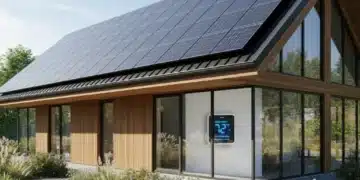
Solar panels and wind turbines are the most visible symbols of the renewable energy movement. For years, the primary barrier was cost, but that narrative has completely flipped. The International Energy Agency (IEA) reports that renewables are expected to account for over 90% of global electricity capacity expansion in the coming years, driven largely by the plummeting cost of solar photovoltaic (PV) technology. What was once a costly investment is now, in many regions, the cheapest form of new electricity generation available.
For homeowners, this shift presents a tangible opportunity. Installing solar panels can significantly reduce or even eliminate electricity bills over the long term. But the upfront cost, though lower than ever, can still be a hurdle. Is it better to lease or buy? What tax credits are available? Navigating these questions requires the same kind of careful planning as any major financial decision, and applying some expert insights on financial savvy can make the transition much smoother.
Smart Homes and Energy Efficiency
Beyond large-scale generation, technology is also making our consumption smarter. The concept of a “smart home” isn’t just about convenience—it’s about radical energy efficiency. A smart thermostat, for example, learns your routine and adjusts the temperature automatically, preventing wasted energy when you’re not home. Think of it like setting up an automated budget; you establish the rules once, and the system optimizes resource use behind the scenes.
This efficiency extends to smart lighting, which can be programmed or motion-activated, and energy-efficient appliances that perform their function with a fraction of the power draw. These devices work together to reduce what’s known as “phantom load” — the energy consumed by electronics even when they are turned off. By actively managing consumption, these small adjustments collectively make a massive impact on a household’s carbon footprint.
The synergy between personal adoption and technological advancement creates a powerful feedback loop. As more people invest in these solutions, manufacturers are driven to innovate further, making the next wave of emerging trends in sustainable living even more accessible and effective.
Integrating Sustainable Practices into Daily Life: Your Personal Roadmap
Adopting a sustainable lifestyle can feel like a monumental task, often leading to paralysis. The underrated factor here is that you don’t have to overhaul your entire life overnight. Think of it like building wealth; small, consistent actions compound over time. A report from Stanford University’s Woods Institute for the Environment suggests that focusing on just two or three high-impact habits—like reducing food waste or cutting down on vehicle miles—can reduce a person’s carbon footprint by over 25%. It’s about progress, not perfection.
But where do you start? A simple first step is to conduct a personal audit. For one week, just observe your habits without judgment. Notice how many single-use coffee cups you toss or how much food ends up in the compost. This awareness is the first step toward change and helps you sidestep the common pitfalls that can derail your journey. From there, pick one thing. Just one.
Maybe it’s switching to reusable grocery bags this month. Next month, you might tackle energy consumption by unplugging electronics. Many of these adjustments offer a surprising bonus, aligning with the principles of smart financial planning by lowering utility bills and reducing impulse purchases. The goal is to build momentum, turning small, conscious decisions into effortless, eco-friendly habits that define your daily routine.
Beyond a Single Path: Crafting Your Hybrid Sustainability
We’ve explored a spectrum of powerful ideas, from individual refusal to systemic redesign. It’s tempting to search for the single ‘best’ approach, but perhaps the most profound takeaway is that there isn’t one. The future of effective sustainability doesn’t lie in choosing between being a zero-waste purist or a circular economy advocate; it lies in the thoughtful integration of these philosophies into a unique, personal framework.
True progress happens when we become hybrids: the consumer who practices minimalism while demanding companies adopt circular design; the apartment dweller who composts food scraps while supporting policies that promote regenerative agriculture on a national scale. The real challenge is not to follow one script perfectly, but to become fluent in the language of them all, applying different principles where they have the most leverage in our own lives and communities. What combination of these ideas will you weave into your own definition of a sustainable life?
Frequently Asked Questions
What is the difference between ‘eco-friendly’ and ‘sustainable’?
‘Eco-friendly’ typically describes a product or action that is not harmful to the environment. ‘Sustainable’ is a much broader concept that encompasses environmental, social, and economic factors, aiming to meet the needs of the present without compromising the ability of future generations to meet their own needs.
How can I start living more sustainably on a budget?
Start by focusing on reducing consumption, which often saves money. Use what you already own, repair items instead of replacing them, borrow or buy secondhand, and minimize food waste. Actions like reducing energy and water use have the dual benefit of being both sustainable and cost-effective.
Is a completely zero-waste lifestyle achievable for everyone?
For most people, achieving a completely zero-waste lifestyle is nearly impossible due to systemic issues like unavoidable packaging and limited infrastructure. The movement’s value lies in striving for progress, not perfection. Focusing on reducing where you can makes a significant and meaningful impact.
What are the most impactful individual actions for sustainability?
While this can vary, many experts point to reducing consumption of animal products, minimizing air travel, and driving less as highly impactful actions. Beyond personal habits, using your voice to advocate for systemic change and making conscious purchasing decisions can create powerful ripple effects.
How do I choose between different green products and services?
Look for corporate transparency and credible third-party certifications like B Corp, Fair Trade, or Rainforest Alliance. Prioritize products that are durable, repairable, and locally sourced. Be skeptical of vague marketing claims and consider the product’s entire lifecycle, from creation to disposal.