Modern Neighborhood Watch: Enhancing Community Safety with Tech & Engagement

The Evolution of Neighborhood Watch: Modernizing Community Safety Programs for a 12% Reduction in Local Incidents by 2027
The concept of neighbors looking out for one another is as old as communities themselves. From informal chats over garden fences to organized patrols, the spirit of community safety has always been rooted in collective vigilance. However, the world has changed dramatically, and with it, the challenges and opportunities for keeping our neighborhoods safe. The traditional image of a neighborhood watch, often conjuring images of volunteers with flashlights, is undergoing a profound transformation. We are entering an era where the modern neighborhood watch is not just about observing but about actively engaging, leveraging cutting-edge technology, and fostering stronger, more resilient communities. Our ambitious goal? To achieve a 12% reduction in local incidents by 2027 through these modernized approaches.
This comprehensive guide delves into the exciting evolution of neighborhood watch programs, exploring how they are adapting to the 21st century. We will examine the core principles that remain relevant, the innovative technologies being integrated, and the strategies for fostering robust community engagement. By understanding and implementing these modern practices, communities can empower themselves to effectively deter crime, respond swiftly to incidents, and create environments where everyone feels safer and more connected.
From Traditional Vigilance to Proactive Protection: The Genesis of Modern Neighborhood Watch
Historically, neighborhood watch programs emerged from a genuine desire for self-protection in the face of rising crime rates. These early initiatives, often spearheaded by concerned citizens, focused primarily on passive observation and reporting suspicious activities to law enforcement. While invaluable, they often operated with limited resources, relying heavily on manual processes and word-of-mouth communication. The effectiveness varied greatly depending on volunteer commitment and local leadership.
The limitations of traditional models became increasingly apparent as societal dynamics shifted. The rise of digital communication, the increasing mobility of populations, and the evolving nature of crime itself demanded a more sophisticated and agile approach. This need spurred the development of the modern neighborhood watch. It’s no longer just about being eyes and ears; it’s about being a proactive, informed, and interconnected network that works in seamless collaboration with law enforcement and other community stakeholders.
The shift represents a fundamental change in philosophy. Instead of simply reacting to crime, modern programs aim to prevent it through intelligence gathering, community education, and strategic deployment of resources. This proactive stance is critical for achieving tangible reductions in local incidents and building sustainable safety frameworks.
The Pillars of a Successful Modern Neighborhood Watch Program
Building an effective modern neighborhood watch requires a multi-faceted approach, incorporating several key elements that work in synergy. These pillars ensure that programs are not only efficient but also inclusive, sustainable, and truly impactful.
1. Enhanced Communication and Connectivity
At the heart of any successful community initiative is effective communication. In the past, this might have meant phone trees or community meetings. Today, the possibilities are far more advanced. Modern neighborhood watch programs leverage a variety of digital platforms to facilitate rapid information sharing and foster a strong sense of community.
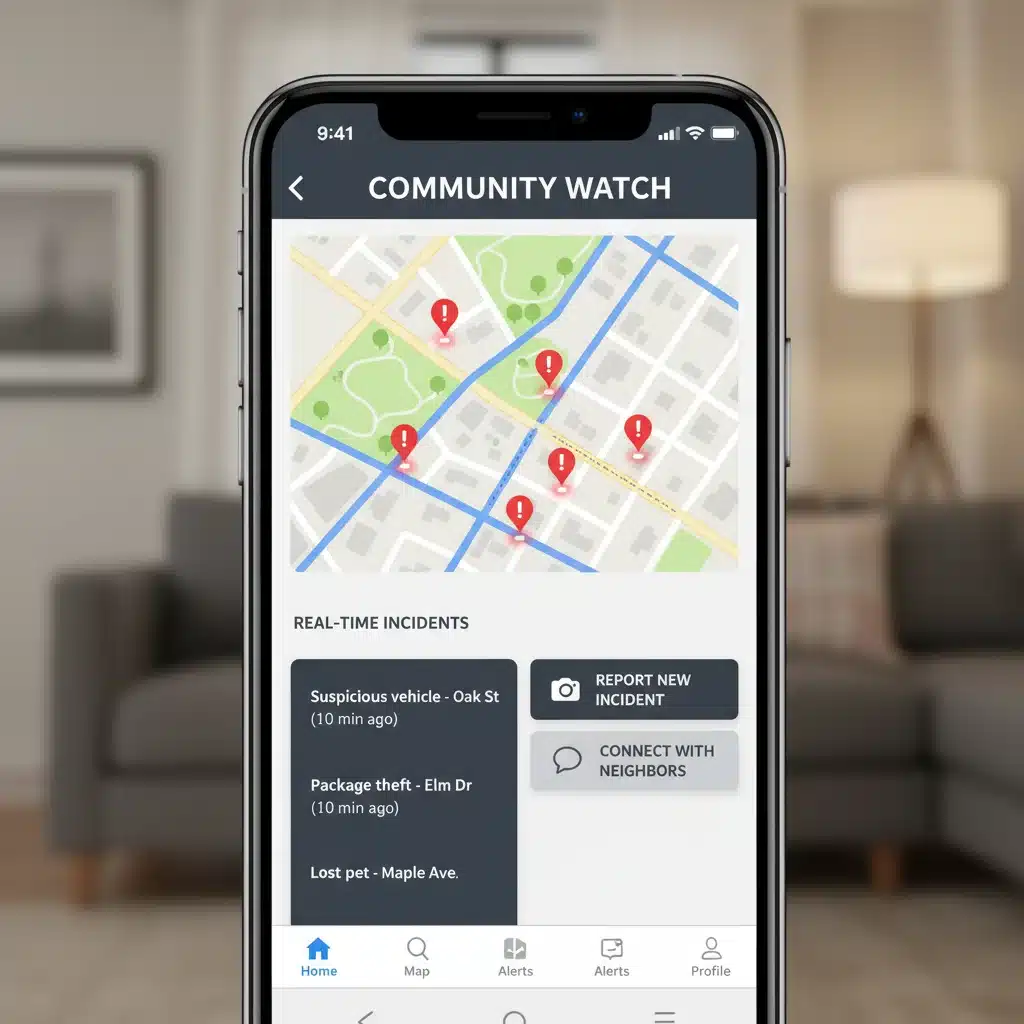
- Dedicated Communication Apps: Platforms like Nextdoor, Ring Neighbors, and custom-built apps allow residents to share alerts, post observations, and connect with neighbors in real-time. These apps can be tailored to specific community needs, offering features such as incident mapping, direct messaging, and secure channels for sharing sensitive information.
- Social Media Integration: While not a primary reporting tool, social media groups (e.g., private Facebook groups) can be excellent for fostering community discussion, organizing events, and disseminating general safety tips.
- Email and SMS Alert Systems: For critical alerts or widespread community notifications, email lists and SMS services ensure that important information reaches a broad audience quickly, even those less engaged with dedicated apps.
- Regular Virtual and In-Person Meetings: While digital tools are powerful, they should complement, not replace, human interaction. Regular meetings, whether virtual (via Zoom, Google Meet) or in-person, are crucial for building relationships, discussing ongoing concerns, and strategizing future actions.
2. Strategic Technology Integration
Technology is perhaps the most defining characteristic of the modern neighborhood watch. It provides tools that enhance vigilance, streamline reporting, and offer new avenues for crime prevention and evidence collection. However, the integration must be strategic and ethical, respecting privacy while maximizing safety.
- Smart Home Security Systems: The proliferation of smart doorbells (like Ring, Arlo), security cameras, and integrated home security systems provides an unprecedented network of eyes and ears. Many programs encourage residents to register their outdoor cameras with local law enforcement, allowing authorities to request footage if an incident occurs nearby.
- License Plate Recognition (LPR) Technology: In some communities, LPR cameras are deployed at key entry and exit points. These systems can alert law enforcement to vehicles associated with known criminal activity, offering a powerful deterrent and investigative tool. Strict privacy protocols are essential when implementing LPR.
- Community Incident Mapping Software: GIS-based mapping tools can visualize crime hotspots, identify patterns, and help allocate resources more effectively. By analyzing data on reported incidents, communities can proactively address vulnerabilities.
- Drones and UAVs (Unmanned Aerial Vehicles): While more advanced and requiring careful regulation, drones can be utilized for aerial surveillance during specific events or in large, open areas, providing a unique perspective for monitoring and security.
3. Strong Partnerships with Law Enforcement and Local Authorities
A modern neighborhood watch is not an independent entity but a vital component of a broader community safety ecosystem. Effective collaboration with local law enforcement, municipal services, and other community organizations is paramount.
- Regular Liaisons: Designating a point person or committee to regularly communicate with local police departments ensures that information flows efficiently in both directions. This includes sharing crime trends, reporting suspicious activities, and receiving updates on police initiatives.
- Joint Training Programs: Law enforcement can provide valuable training to neighborhood watch volunteers on topics such as recognizing suspicious behavior, de-escalation techniques, and proper reporting procedures.
- Shared Data and Intelligence: Where appropriate and legally permissible, sharing anonymized data from community watch apps or incident reports can help law enforcement prioritize patrols and allocate resources more effectively.
- Participation in Community Policing Initiatives: Modern neighborhood watch groups should actively participate in broader community policing efforts, offering citizen perspectives and contributing to comprehensive safety plans.
4. Robust Community Engagement and Education
Technology and partnerships are only as strong as the community behind them. A truly effective modern neighborhood watch fosters a culture of shared responsibility and continuous learning.
- Onboarding and Training for New Members: Providing clear guidelines and training for new volunteers ensures they understand their roles, responsibilities, and the legal limitations of their activities.
- Crime Prevention Education: Hosting workshops on topics like home security, cybersecurity, personal safety, and fraud prevention empowers residents with knowledge to protect themselves and their property.
- Community Events and Outreach: Organizing events like block parties, safety fairs, or clean-up days strengthens community bonds, encourages participation, and helps identify new volunteers.
- Inclusivity and Diversity: Ensuring that the neighborhood watch reflects the diversity of the community it serves is crucial. Outreach efforts should be made to engage all demographic groups, overcoming language barriers or cultural differences.
Measuring Success: Achieving a 12% Reduction in Local Incidents by 2027
The goal of a 12% reduction in local incidents by 2027 is ambitious but achievable with a well-structured and actively managed modern neighborhood watch program. Measuring this success requires clear metrics and consistent data collection.
Key Performance Indicators (KPIs):
- Reported Incidents: The most direct measure is the reduction in reported crimes (e.g., burglaries, vandalism, car thefts) within the monitored area. This data should be obtained from local law enforcement.
- Response Times: Improved communication and vigilance can lead to quicker reporting of incidents, potentially reducing the severity or impact of crimes.
- Community Perception of Safety: Regular surveys can gauge how safe residents feel, which is a critical, albeit subjective, indicator of success.
- Volunteer Engagement: High levels of active participation and retention of volunteers indicate a healthy and sustainable program.
- Number of Suspicious Activity Reports: An increase in legitimate suspicious activity reports (followed by appropriate police action) can indicate increased vigilance and trust in the reporting system.
Data-Driven Strategies:
To achieve the 12% reduction, programs must adopt a data-driven approach:
- Baseline Assessment: Establish a clear baseline of incident rates and community safety perceptions at the outset.
- Regular Data Collection: Consistently collect data on KPIs and analyze trends.
- Targeted Interventions: Use data to identify specific problems (e.g., a surge in car break-ins in a particular area) and implement targeted prevention strategies.
- Continuous Improvement: Regularly review the effectiveness of initiatives and adjust strategies as needed.
Challenges and Considerations for Modern Neighborhood Watch
While the benefits of a modern neighborhood watch are significant, there are challenges that communities must address to ensure effectiveness and avoid pitfalls.
1. Privacy Concerns and Data Security
The use of smart cameras, LPR, and communication apps raises legitimate privacy concerns. Programs must establish clear guidelines on data collection, storage, and sharing. Transparency with residents about how their data is used, strong encryption, and compliance with all relevant privacy laws are essential to build and maintain trust.
2. Avoiding Vigilantism and Overreach
The primary role of a neighborhood watch is observation and reporting, not direct intervention or law enforcement. Clear boundaries must be established and communicated to all volunteers. Training should emphasize that volunteers are not police officers and should prioritize their safety and the safety of others by letting trained professionals handle direct confrontations.
3. Digital Divide and Inclusivity
Reliance on technology can exclude residents who lack access to smartphones, internet, or digital literacy. Modern programs must implement strategies to bridge this digital divide, offering alternative communication channels and providing assistance to those who need it. Ensuring that older residents or those with limited tech access are still fully integrated is vital.
4. Volunteer Burnout and Sustainability
Maintaining volunteer engagement over time can be challenging. Programs need strong leadership, a clear organizational structure, and a system for rotating responsibilities to prevent burnout. Recognizing and celebrating volunteer contributions is also crucial for morale and retention.
5. Funding and Resources
Implementing advanced technologies and organizing extensive training programs can require financial resources. Communities may need to explore grants, local government support, or fundraising initiatives to sustain their modern neighborhood watch efforts.

Future Trends in Community Safety and Modern Neighborhood Watch
The evolution of the modern neighborhood watch is ongoing. Several emerging trends are likely to shape its future, further enhancing its capabilities and impact.
1. Predictive Analytics and AI Integration
As more data becomes available, artificial intelligence and predictive analytics could play a role in identifying potential crime hotspots before incidents occur. This could allow for proactive deployment of resources or targeted community outreach efforts. Ethical considerations and bias in algorithms will be crucial areas of focus.
2. Hyper-Local Micro-Communities
While broad neighborhood watches are valuable, there’s a growing trend towards hyper-local micro-communities (e.g., a single block or apartment complex) that can respond even more rapidly to immediate concerns and foster stronger, more intimate connections.
3. Enhanced Integration with Smart City Initiatives
As cities become ‘smarter’ with interconnected sensors, public cameras, and IoT devices, neighborhood watch programs could integrate more deeply with these municipal systems, creating a more comprehensive and cohesive safety network.
4. Focus on Mental Health and Social Services
Recognizing that many incidents are linked to underlying social or mental health issues, future neighborhood watch programs may broaden their scope to include connections with social services, offering support and early intervention rather than solely focusing on punitive measures.
5. Digital Literacy and Cybersecurity Education
With increasing reliance on technology, educating residents about cybersecurity threats, online scams, and digital safety will become an integral part of community safety programs.
Building a Safer Tomorrow, Together
The vision of a 12% reduction in local incidents by 2027 is not merely a statistical goal; it represents safer streets, more secure homes, and stronger community bonds. The modern neighborhood watch is at the forefront of this transformation, demonstrating that when technology, collaboration, and human connection converge, powerful positive change can occur.
For individuals, becoming involved means taking an active role in shaping the safety and well-being of their immediate environment. For communities, it means embracing innovation, fostering inclusivity, and building robust partnerships. The journey from traditional vigilance to proactive protection is an exciting one, promising a future where communities are not just watching out, but actively building a safer, more connected world for everyone.
By understanding the principles, embracing the tools, and committing to the collaborative spirit of a modern neighborhood watch, we can collectively work towards a significant and lasting impact on local safety, making our neighborhoods not just places to live, but thriving, secure, and supportive communities for all.