Mastering Local Connections: 5 Strategies for Community Engagement

Building Stronger Bonds: 5 Insider Strategies for Fostering Local Connections in the US by Mid-2026
In an increasingly digitized world, the importance of genuine human connection, especially at the local level, has never been more evident. As we approach mid-2026, the call to foster local connections is resonating louder than ever across the United States. These connections are the bedrock of resilient communities, thriving local economies, and enhanced individual well-being. But how does one effectively build and nurture these vital relationships in today’s fast-paced society? This comprehensive guide will delve into five insider strategies designed to help you strengthen your local bonds and contribute to a more vibrant community.
The concept of ‘community’ has evolved. It’s no longer just about geographical proximity; it’s about shared values, mutual support, and collective action. When we actively work to foster local connections, we are investing in the social capital of our neighborhoods, towns, and cities. This investment yields significant returns, from increased civic participation to improved public safety and a stronger sense of belonging for everyone involved. Whether you’re a long-time resident, a new arrival, a local business owner, or a community leader, understanding and implementing these strategies can make a profound difference.
Many people feel a sense of disconnection, even amidst large populations. The digital age, while offering unparalleled global connectivity, can sometimes inadvertently isolate us from our immediate surroundings. This makes the deliberate effort to foster local connections even more crucial. It’s about bridging gaps, building bridges, and creating a tapestry of interconnected lives that enrich the entire community fabric. Let’s explore how you can be a part of this vital movement.
This article will not only outline the strategies but also provide actionable steps and real-world examples to inspire and guide you. Our goal is to empower you with the knowledge and tools to actively engage with your local community and experience the myriad benefits that come with strong local bonds. By mid-2026, imagine a landscape where every neighborhood feels more cohesive, supportive, and interconnected – a vision that starts with each one of us taking intentional steps to foster local connections.
Strategy 1: Embrace Local Events and Volunteerism
One of the most direct and effective ways to foster local connections is by actively participating in community events and embracing volunteer opportunities. These activities serve as natural gathering points, offering low-pressure environments to meet new people who share common interests or a desire to contribute to the local good. Think about local festivals, farmers’ markets, charity runs, neighborhood clean-ups, or cultural celebrations. These aren’t just entertainment; they are vital arteries of community life.
Volunteering, in particular, offers a unique pathway to deeper connections. When you volunteer, you’re not just giving your time; you’re working alongside others towards a shared goal. This collaborative effort naturally breaks down barriers and creates bonds of camaraderie. Whether it’s helping at a local animal shelter, assisting at a food bank, coaching a youth sports team, or contributing to a local environmental initiative, volunteerism puts you in direct contact with like-minded individuals who are passionate about their community. These shared experiences often lead to lasting friendships and a stronger sense of belonging.
Actionable Steps for Local Event Engagement:
- Stay Informed: Subscribe to local newsletters, follow community social media pages, and check local government websites for event listings. Many communities have dedicated online portals or physical bulletin boards for this purpose.
- Attend Regularly: Don’t just attend once. Regular participation in specific events, like weekly farmers’ markets or monthly community meetings, allows you to recognize faces and build rapport over time.
- Step Out of Your Comfort Zone: Initiate conversations. A simple ‘Hello’ or a comment about the event can open the door to a new connection. Remember, most people at these events are also looking to connect.
- Offer to Help: Even if not officially volunteering, offering a hand at a local event (e.g., helping set up chairs, clearing tables) can introduce you to organizers and other helpful community members.
Benefits of Volunteerism for Fostering Local Connections:
- Shared Purpose: Working towards a common goal creates strong bonds and a sense of collective achievement.
- Diverse Interactions: Volunteer groups often comprise people from various backgrounds, expanding your social circle beyond your usual sphere.
- Skill Development: You might learn new skills while volunteering, making you a more valuable community asset and opening new avenues for connection.
- Increased Visibility: Being a visible, active member of the community through volunteering helps others recognize and trust you, making future interactions easier.
By making local events and volunteerism a regular part of your life, you actively contribute to the vibrancy of your community while simultaneously building a robust network of local connections. This strategy is foundational for anyone looking to truly foster local connections and become an integral part of their neighborhood’s social fabric.
Strategy 2: Support Local Businesses and Institutions
The economic health of a community is inextricably linked to its social cohesion. One powerful way to foster local connections is by intentionally supporting local businesses, schools, libraries, and other community institutions. When you spend your money at a local shop, dine at an independent restaurant, or utilize the services of a neighborhood professional, you’re not just making a transaction; you’re investing directly into the local economy and supporting the livelihoods of your neighbors.
Local businesses often serve as informal community hubs. The owners and employees are frequently residents themselves, and they often know their customers by name. This creates a more personal and friendly atmosphere compared to larger chain establishments. Engaging with these businesses goes beyond just purchasing. It involves striking up conversations, asking about their story, and becoming a regular patron. This consistent interaction builds familiarity and trust, which are crucial components of strong local connections.
Similarly, local institutions like public libraries, community centers, and schools are vital for community interaction. Libraries, for instance, often host free workshops, book clubs, and children’s programs that attract diverse groups of people. Attending these events provides excellent opportunities to meet neighbors with shared interests. Schools, even if you don’t have children attending, often have parent-teacher organizations, school board meetings, or public events that welcome community involvement. Supporting these institutions, whether through donations, attendance, or advocacy, helps to strengthen the infrastructure of local connection.
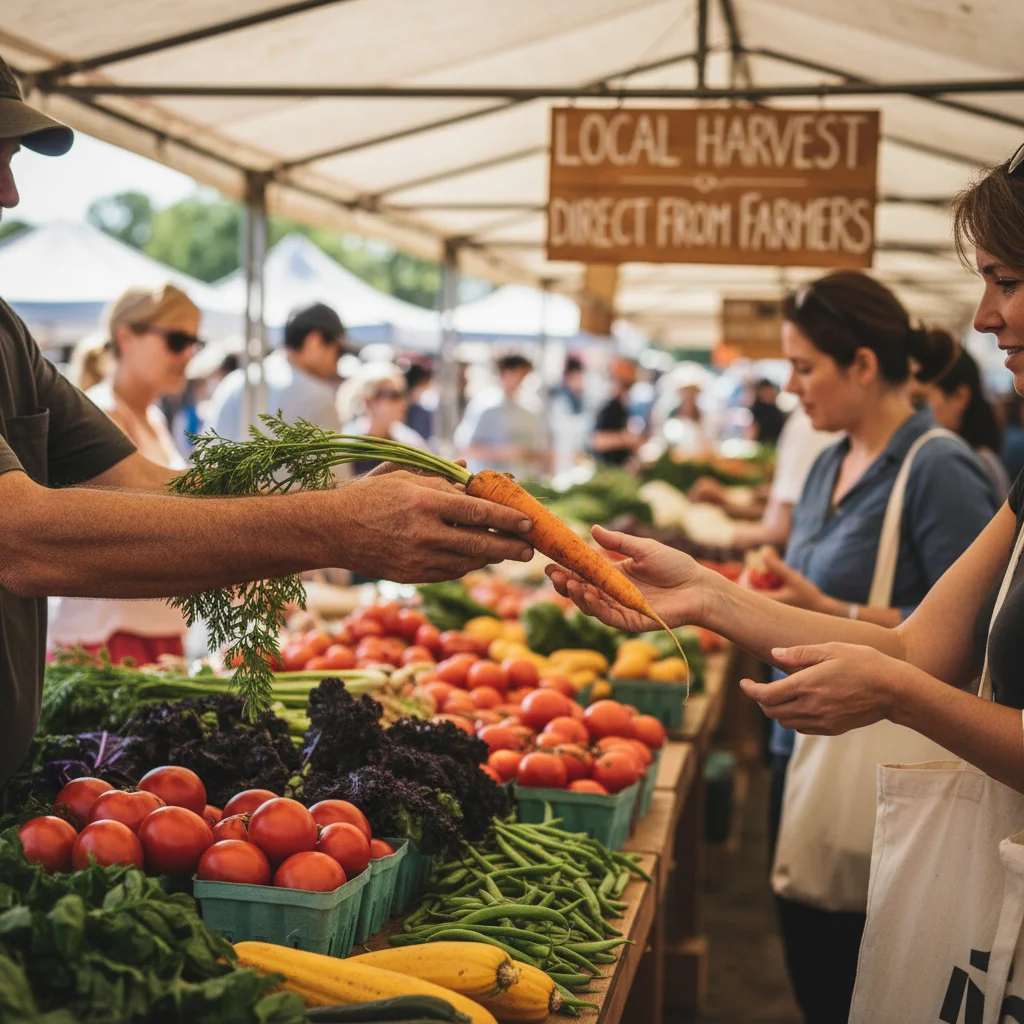
How Supporting Local Businesses Helps Foster Local Connections:
- Personalized Service: Local business owners often provide a more personal touch, leading to more meaningful interactions.
- Community Hubs: Coffee shops, bookstores, and small eateries naturally become places where neighbors gather and interact.
- Economic Reinforcement: Your spending directly benefits your neighbors and keeps money circulating within the local economy, creating a stronger, more stable community.
- Unique Identity: Local businesses contribute to the unique character and charm of a neighborhood, making it a more desirable place to live and connect.
Engaging with Local Institutions:
- Library Programs: Check out workshops, lectures, or book clubs at your local library.
- Community Centers: Many offer classes, sports leagues, and social gatherings for all ages.
- School Events: Attend public school events like plays, concerts, or sports games to show support and meet other community members.
- Local Governance: Attend town hall meetings or local council sessions to understand community issues and connect with engaged citizens.
By consciously choosing to support local businesses and institutions, you are not only contributing to the economic vitality of your area but also actively creating and utilizing spaces where people can naturally gather, interact, and foster local connections. This strategy is a win-win for both your personal social life and the collective well-being of your community.
Strategy 3: Utilize Online Local Groups and Forums Responsibly
While the digital world can sometimes create isolation, it also offers powerful tools to foster local connections. Online local groups and forums, such as Nextdoor, local Facebook groups, community WhatsApp chats, or even specialized local Reddits, have become invaluable platforms for neighbors to connect, share information, and organize activities. These digital spaces, when used responsibly, can significantly enhance real-world community building.
These platforms allow residents to discuss local issues, share recommendations for services, organize neighborhood watch efforts, plan social gatherings, and even offer or request help from neighbors. They can be particularly useful for newcomers looking to understand the dynamics of their new area or for busy individuals who might not have many opportunities for in-person interaction during the day. The key is to transition these online interactions into offline engagements whenever possible.
However, it’s crucial to approach online local groups with a sense of responsibility and discernment. While they can be incredibly beneficial, they can also sometimes become breeding grounds for negativity or misinformation. The goal is to use them as a bridge to real-world connections, not as a substitute for them. Participate constructively, offer help when you can, and look for opportunities to meet people face-to-face.
Tips for Responsible Online Engagement to Foster Local Connections:
- Be Positive and Helpful: Contribute positively to discussions. Offer advice, share useful information, and celebrate local achievements.
- Seek Out Real-World Opportunities: Look for posts about local meetups, events, or volunteer opportunities and make an effort to attend.
- Organize Your Own Event: If you don’t see an event you’re interested in, consider suggesting or organizing one yourself through the group (e.g., a neighborhood potluck, a dog park meetup, a book club).
- Verify Information: Be cautious about unverified information and avoid engaging in or spreading gossip. Focus on building trust and positive interactions.
- Maintain Privacy: Be mindful of the personal information you share online, even in local groups.
By leveraging these digital tools wisely, you can significantly expand your reach within the community and identify individuals who share your interests and values. This strategy provides an excellent starting point to foster local connections, often leading to introductions and opportunities that might not arise through purely offline means. It’s about using technology to amplify, not replace, human connection.
Strategy 4: Initiate and Nurture Neighborhood-Specific Projects
Beyond general community involvement, focusing on micro-level, neighborhood-specific projects can be incredibly effective in helping to foster local connections. These projects are often smaller in scale, more tangible, and directly impact the immediate surroundings of a few blocks or a specific street. This proximity makes it easier for neighbors to get involved, see the direct results of their efforts, and build strong bonds in the process.
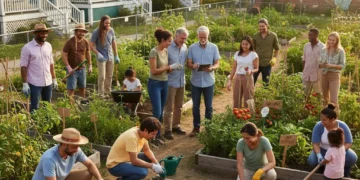
Consider initiatives like starting a community garden in an unused lot, organizing a block party, setting up a neighborhood watch, creating a shared tool library, or even simply beautifying a common area like a park entrance. These projects require collaboration, problem-solving, and shared labor, all of which are powerful catalysts for connection. When neighbors work side-by-side on something that directly benefits their shared living space, a profound sense of camaraderie and collective ownership emerges.
The beauty of neighborhood-specific projects is their accessibility. They often don’t require extensive funding or formal organization; they can spring from a simple idea and the willingness of a few individuals to take the lead. These initiatives create a sense of shared purpose and pride, making the neighborhood a more enjoyable and connected place to live. Furthermore, they provide ongoing opportunities for interaction and relationship building, extending beyond a single event.
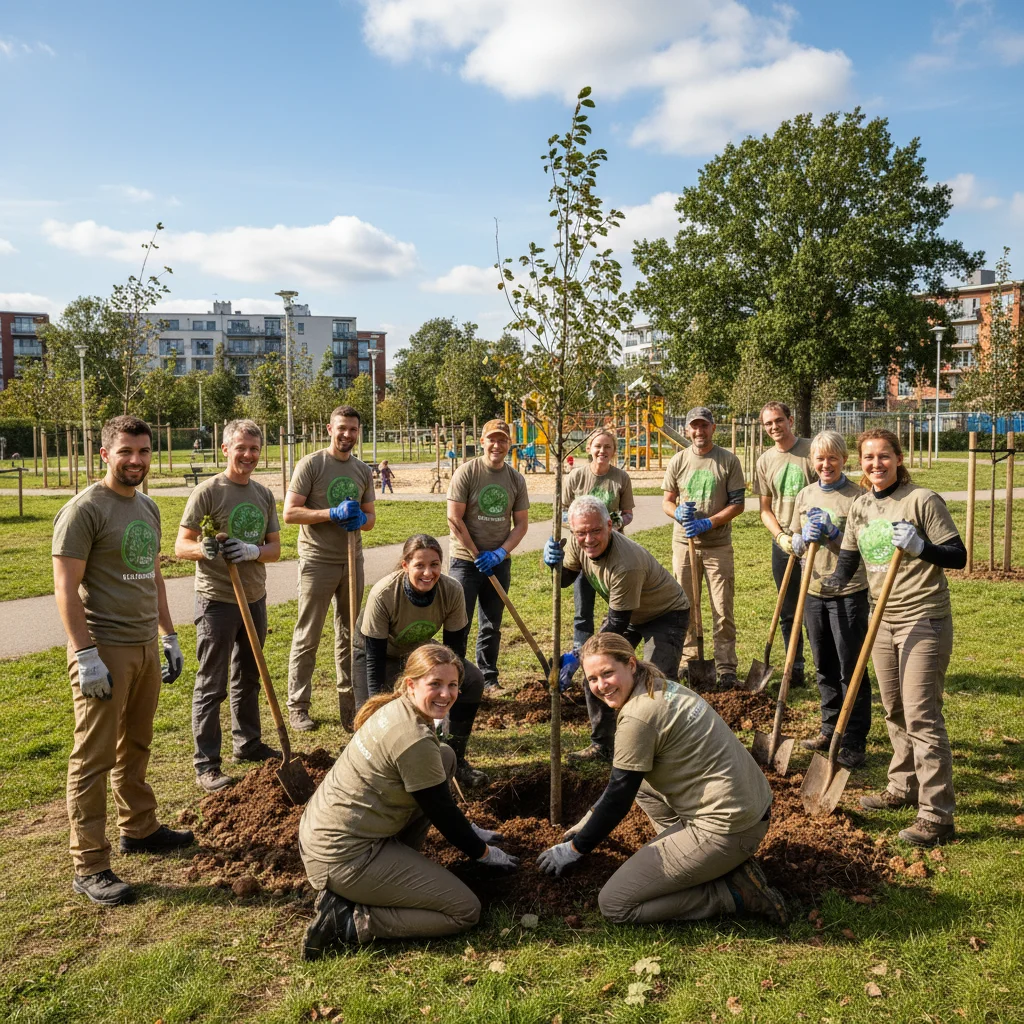
Examples of Neighborhood-Specific Projects:
- Community Gardens: Shared plots where neighbors grow food, exchange tips, and enjoy harvests together.
- Block Parties/Street Fairs: Annual events that bring neighbors out of their homes for food, music, and socializing.
- Neighborhood Watch Programs: Organized groups that collaborate to enhance safety and security.
- Little Free Libraries: Small, accessible book-sharing boxes that encourage literacy and interaction.
- Beautification Projects: Planting flowers, cleaning up public spaces, or creating public art installations.
- Skill-Share Workshops: Neighbors teaching each other skills like gardening, basic repairs, or cooking.
Benefits of Neighborhood Projects:
- Tangible Results: Seeing the direct impact of collective efforts fosters pride and motivation.
- Deepened Relationships: Sustained collaboration on a project builds stronger, more meaningful connections than fleeting interactions.
- Empowerment: Neighbors feel a greater sense of agency and ownership over their immediate environment.
- Increased Safety and Well-being: A more connected neighborhood is often a safer and more supportive one.
By initiating or joining neighborhood-specific projects, you actively contribute to the improvement of your immediate surroundings while creating invaluable opportunities to foster local connections with those who live closest to you. These grassroots efforts are often the most potent drivers of genuine community building.
Strategy 5: Be a Connector and an Open Neighbor
The final, and perhaps most subtle, strategy for anyone looking to foster local connections is to consciously adopt the role of a connector and an open, approachable neighbor. This strategy is less about organized activities and more about cultivating a mindset of openness, curiosity, and helpfulness in your everyday interactions. It’s about being the kind of person who makes it easy for others to connect, both with you and with each other.
Being a connector means actively looking for opportunities to introduce people who might benefit from knowing each other. If you know two neighbors with a shared hobby or a similar professional background, make the introduction. If you hear about a local event that one of your acquaintances might enjoy, share the information. This act of ‘social brokering’ strengthens the overall network of your community, not just your personal connections.
Being an open neighbor involves simple, consistent actions: greeting people you pass on the street, making eye contact, smiling, and being genuinely approachable. It means being willing to lend a hand when a neighbor needs help, whether it’s watering plants while they’re away or helping them carry groceries. It’s about being present and engaged in your immediate surroundings, rather than retreating into your private sphere.
This strategy also involves cultivating a sense of curiosity about your neighbors and your local area. Ask questions, listen actively, and show genuine interest in people’s lives and stories. This creates a welcoming atmosphere and encourages others to reciprocate, leading to deeper, more meaningful interactions. Remember, every strong local connection often starts with a small, open gesture.
How to Be a Connector and an Open Neighbor:
- Initiate Greetings: Make it a habit to say hello to neighbors you encounter, even if you don’t know them well.
- Offer Help: Be observant and offer assistance when you see a neighbor struggling or in need.
- Make Introductions: Connect neighbors who you think would get along or benefit from knowing each other.
- Share Information: Pass along useful local news, event details, or recommendations.
- Be Present: Spend time in your front yard, on your porch, or in common neighborhood spaces to be more visible and approachable.
- Listen Actively: When conversing with neighbors, listen more than you speak, showing genuine interest.
- Host Small Gatherings: Consider hosting a casual get-together with a few neighbors to facilitate connections in a relaxed setting.
By embodying the spirit of a connector and an open neighbor, you become a vital node in your community’s social network. This strategy, while seemingly simple, has a profound cumulative effect, creating a ripple of positive interactions that helps to foster local connections throughout your entire neighborhood. It’s about being the change you wish to see in your community.
The Long-Term Impact of Fostering Local Connections
The journey to foster local connections is not a sprint; it’s a marathon. The strategies outlined above require consistent effort and a genuine commitment to engaging with your community. However, the long-term benefits far outweigh the investment. By mid-2026, imagine a community where:
- Enhanced Support Networks: Residents have a robust network of neighbors they can rely on in times of need, whether for practical help or emotional support.
- Increased Civic Participation: More people are engaged in local decision-making, leading to policies and initiatives that truly reflect the community’s needs and aspirations.
- Stronger Local Economy: A culture of supporting local businesses leads to thriving independent enterprises and more job opportunities within the community.
- Improved Public Spaces: Collective efforts result in well-maintained parks, community centers, and other public amenities that enhance everyone’s quality of life.
- Greater Sense of Belonging: Individuals feel more rooted, valued, and connected to their place, combating feelings of loneliness and isolation.
- Resilient Communities: Neighborhoods are better equipped to face challenges, whether they are economic downturns, natural disasters, or social issues, due to strong internal bonds.
These outcomes are not merely aspirational; they are achievable through the consistent application of strategies designed to foster local connections. Each conversation, each volunteer hour, each local purchase, and each act of neighborliness contributes to this larger vision. It’s about recognizing that we are all interconnected and that the strength of our community ultimately reflects the strength of our individual relationships within it.
Conclusion: Your Role in a Connected Future
As we look towards mid-2026, the opportunity and imperative to foster local connections across the US are clear. The five insider strategies presented – embracing local events and volunteerism, supporting local businesses and institutions, utilizing online local groups responsibly, initiating neighborhood-specific projects, and being a connector and an open neighbor – provide a comprehensive framework for action. These aren’t just theoretical concepts; they are practical, actionable steps that anyone can take, regardless of their background or current level of community involvement.
The transformation of a community begins with individuals. Your willingness to step out, engage, and build relationships can create a ripple effect that strengthens the entire social fabric of your neighborhood and beyond. Don’t underestimate the power of small, consistent acts of connection. Each one contributes to a larger, more resilient, and more vibrant community.
So, take the first step today. Identify one strategy that resonates most with you and commit to implementing it this week. Attend that local event you’ve been curious about, strike up a conversation with a local shop owner, or offer to help a neighbor. By actively working to foster local connections, you are not only enriching your own life but also playing a crucial role in building a more connected, supportive, and harmonious future for your community. The time to connect is now.