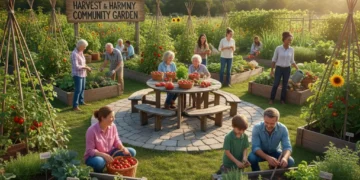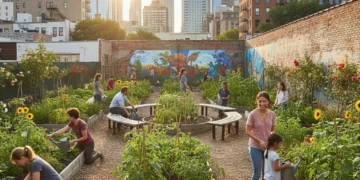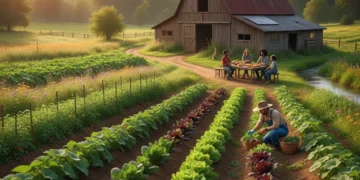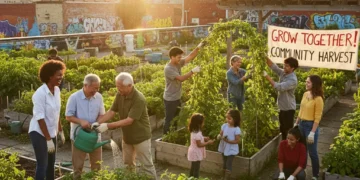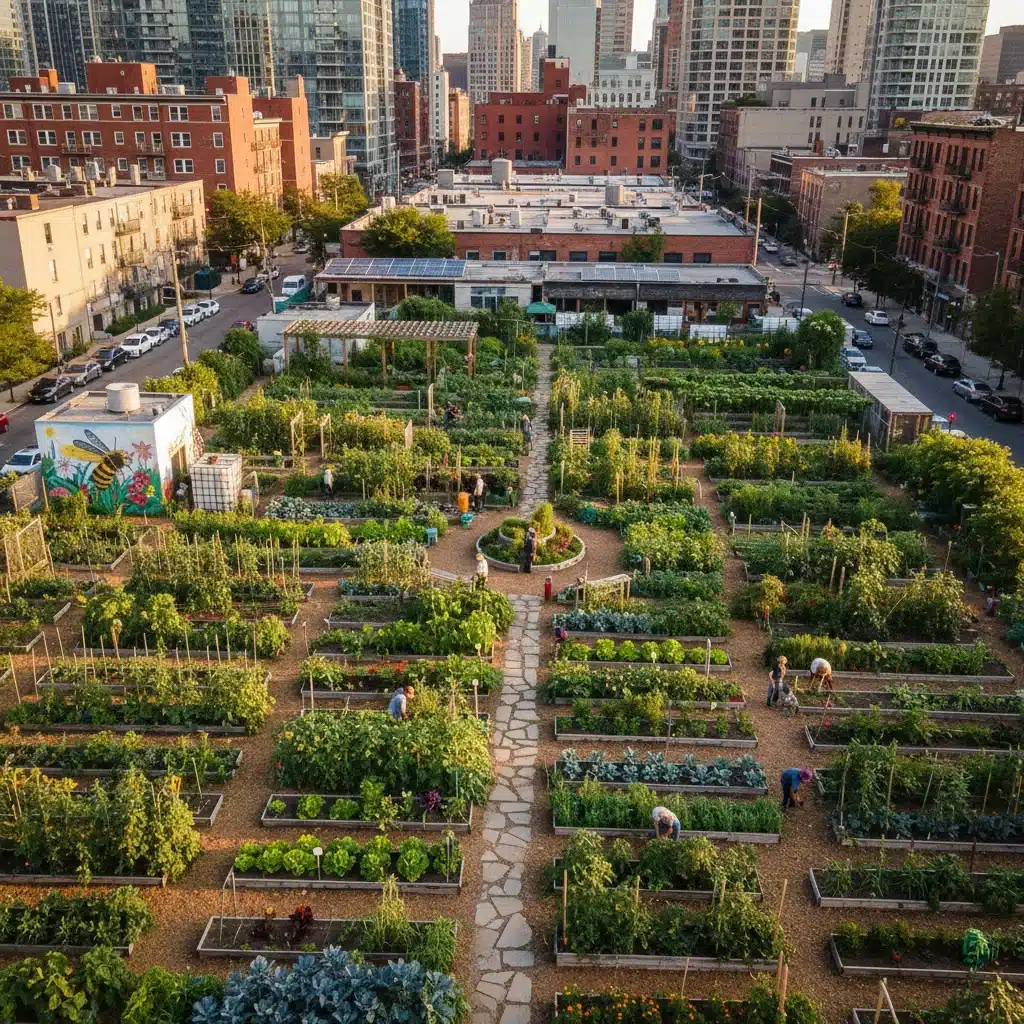
The verdant patches of urban community gardens are quietly, yet powerfully, transforming the landscape of American cities. Far more than just plots of land where residents grow their own produce, these green oases are becoming critical hubs for local food security, social cohesion, and environmental sustainability. The projection of a 30% expansion in urban community gardens across the U.S. by 2026 underscores their growing significance and the profound impact they are poised to have on the fabric of urban life. This article delves into the multifaceted benefits of urban community gardens, exploring their role in cultivating healthier communities, fostering stronger social bonds, and enhancing the resilience of urban food systems.
For decades, community gardens have been a grassroots phenomenon, emerging in neighborhoods as a response to food deserts, lack of green spaces, or simply a desire for fresh, locally grown food. What began as individual efforts has evolved into a widespread movement, recognized by urban planners, policymakers, and public health officials as a vital component of sustainable urban development. The forecasted expansion is not merely an increase in acreage; it represents a deepening commitment to integrating food production into urban planning and leveraging the power of collective action to address pressing societal challenges.
The Genesis and Growth of Urban Community Gardens
The concept of urban community gardens is not new. Victory gardens during World War I and II demonstrated the potential for urban food production to bolster national food supplies. However, the modern urban community garden movement, as we know it, gained significant traction in the latter half of the 20th century, particularly in response to urban decay and a growing awareness of environmental issues. Early initiatives often involved reclaiming abandoned lots and transforming them into productive green spaces, offering residents a tangible way to improve their surroundings and access fresh produce.
Today, these gardens are flourishing in diverse forms – from small plots managed by individual families within a shared space to larger, collectively managed farms that supply local food banks and markets. Their proliferation is fueled by a confluence of factors, including rising food prices, concerns about food quality and origin, and a desire for greater community engagement. The 30% expansion target by 2026 suggests a concerted effort by municipalities, non-profits, and community groups to scale up these initiatives, recognizing their immense potential.
Enhancing Local Food Security: A Direct Impact
One of the most compelling arguments for the expansion of urban community gardens is their direct contribution to local food security. In many urban areas, access to fresh, affordable, and nutritious food is a significant challenge, particularly for low-income communities. These areas, often termed ‘food deserts,’ are characterized by a scarcity of grocery stores offering healthy options, leaving residents reliant on convenience stores and fast food.
Urban community gardens bridge this gap by providing residents with direct access to fruits, vegetables, and herbs. Gardeners can grow culturally appropriate foods that might not be readily available in mainstream supermarkets, ensuring a more diverse and nutritious diet. This direct access reduces reliance on distant food supply chains, which are vulnerable to disruptions, and lowers the cost of healthy eating. For many participants, the food grown in these gardens forms a substantial part of their household’s fresh produce consumption, leading to improved dietary health outcomes.
Moreover, community gardens often serve as educational platforms, teaching participants valuable skills in gardening, food preparation, and nutrition. This knowledge empowers individuals to make healthier food choices and contributes to a more food-literate populace. As urban community gardens expand, so too does the capacity of cities to feed their own populations sustainably and equitably.
Cultivating Social Cohesion and Community Bonds
Beyond their role in food production, urban community gardens are powerful catalysts for social cohesion. They create shared spaces where people from diverse backgrounds come together, transcending socio-economic, cultural, and generational divides. The act of gardening side-by-side fosters a sense of camaraderie, mutual respect, and shared purpose.
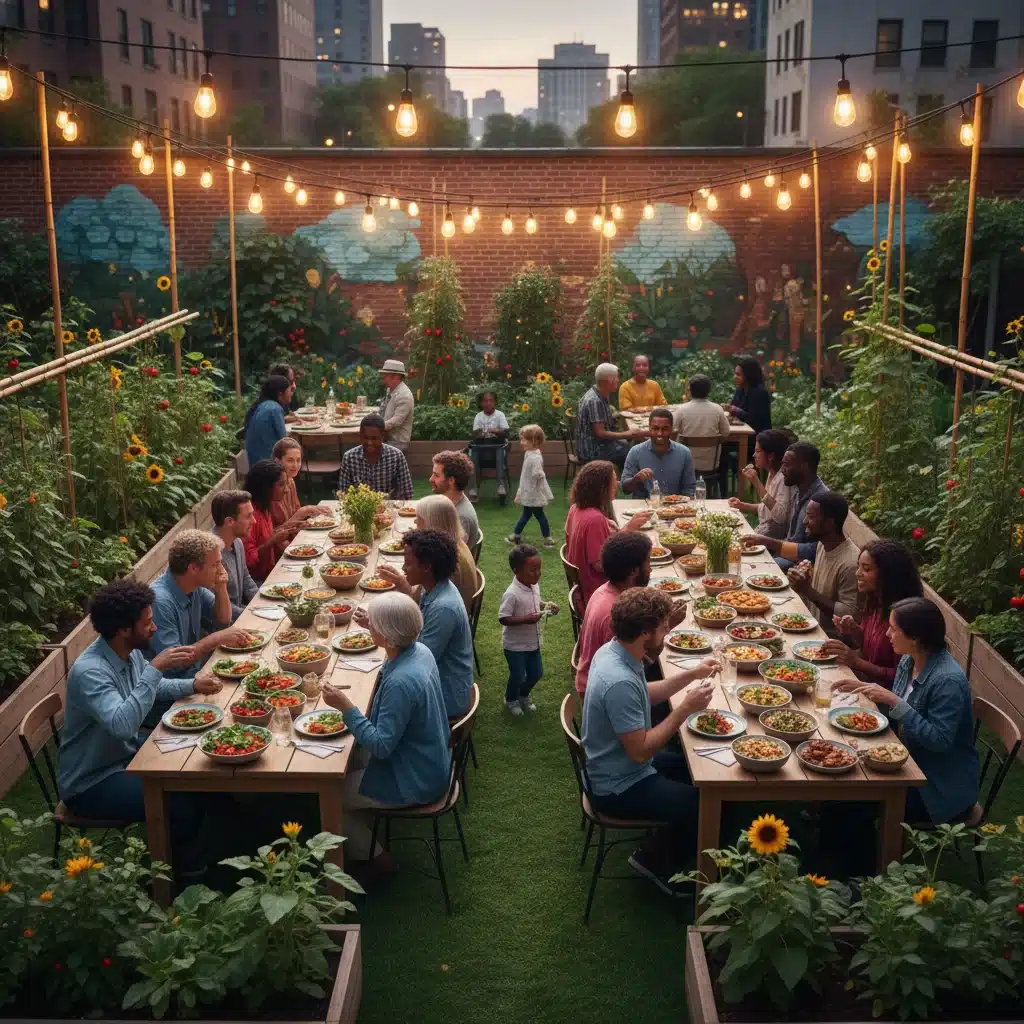
These gardens become informal community centers, hosting workshops, potlucks, and celebratory events. They provide opportunities for intergenerational exchange, with experienced gardeners sharing their knowledge with newcomers and younger generations learning traditional practices. This interaction strengthens neighborhood ties, builds social networks, and enhances a collective sense of belonging and ownership. Studies have shown that communities with active community gardens often exhibit lower crime rates and higher levels of civic engagement, testament to the positive social spillover effects.
The collaborative nature of gardening encourages teamwork and problem-solving, as participants work together to maintain the garden, share resources, and address challenges. This collective effort builds social capital, creating resilient communities capable of responding to local needs and challenges. The projected growth of urban community gardens implies an even greater strengthening of these social fabrics across American cities.
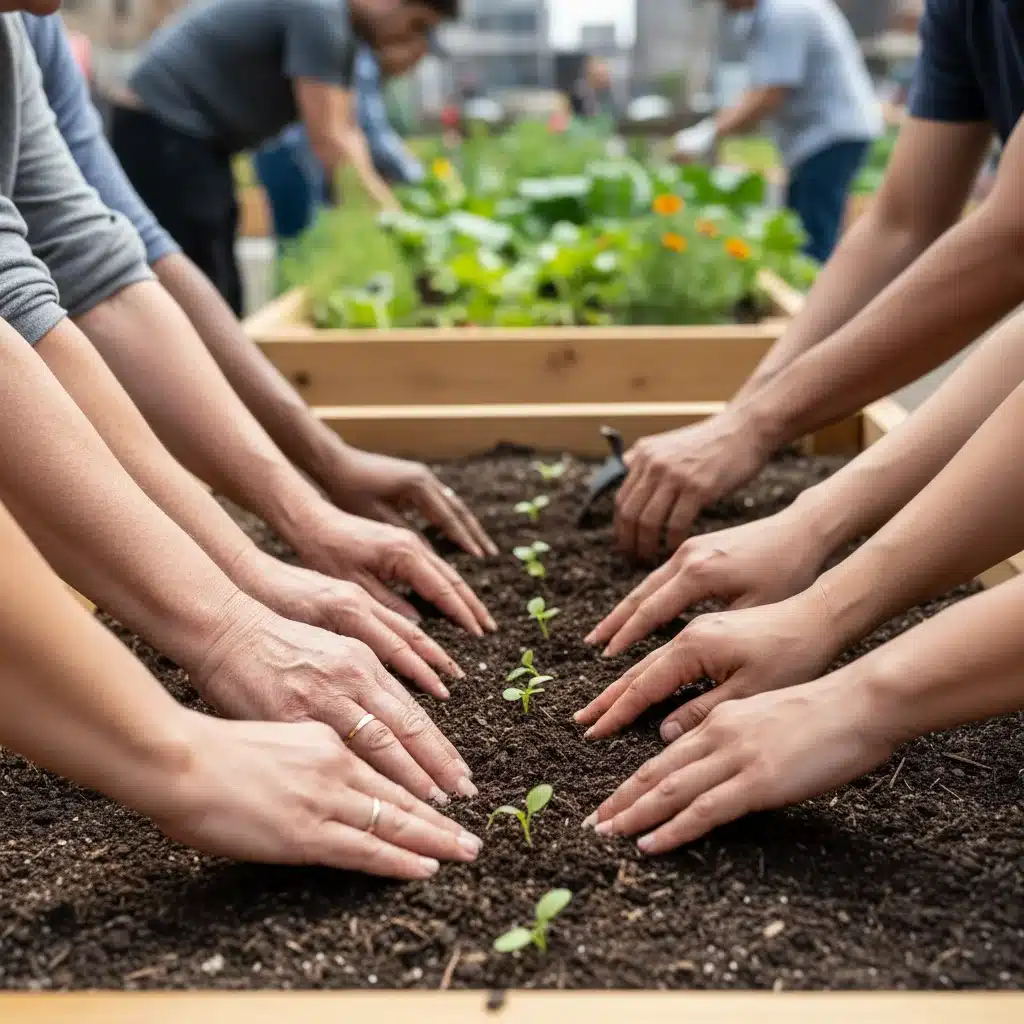
Environmental Benefits: Greening the Urban Landscape
Urban community gardens are not just about food and people; they are also vital ecological assets. In dense urban environments, green spaces are often scarce, leading to issues such as the urban heat island effect, poor air quality, and reduced biodiversity. Community gardens help mitigate these problems by introducing significant patches of greenery into otherwise concrete-dominated areas.
The plants in these gardens absorb carbon dioxide, release oxygen, and filter airborne pollutants, contributing to cleaner air. Their foliage provides shade, helping to cool urban areas and reduce energy consumption for air conditioning. Furthermore, these gardens improve soil health, manage stormwater runoff, and provide habitat for pollinators like bees and butterflies, which are crucial for ecosystem health. By embracing sustainable gardening practices, such as composting and rainwater harvesting, urban community gardens exemplify environmentally responsible living and serve as educational models for ecological stewardship.
The expansion of these gardens directly translates to an increase in urban green infrastructure, enhancing the environmental resilience of cities in the face of climate change. Each new garden plot contributes to a larger network of green spaces that collectively improve urban ecology and quality of life.
Overcoming Challenges and Ensuring Sustainable Growth
While the future of urban community gardens looks bright with the projected 30% expansion, there are inherent challenges that need to be addressed to ensure sustainable growth and long-term success. Key among these are land access and security, funding, and ongoing management.
Securing suitable land in often densely populated and expensive urban areas can be difficult. Many gardens start on vacant or underutilized lots, which may be temporary. Long-term leases or land ownership are crucial for the stability and investment required for a thriving garden. Municipalities and land trusts play a critical role in identifying and protecting land for community gardening purposes, often through zoning changes or dedicated land banks.
Funding is another persistent challenge. While much of the labor is volunteer-based, initial setup costs, ongoing maintenance, water access, tools, and educational programs require financial resources. Grants from foundations, government programs, and local fundraising initiatives are essential. Developing sustainable business models, such as selling surplus produce or offering workshops, can also contribute to financial self-sufficiency.
Effective management and governance are also paramount. Community gardens thrive when there is a clear organizational structure, equitable rules for plot allocation and maintenance, and strong leadership. Conflict resolution mechanisms and inclusive decision-making processes help ensure that gardens remain harmonious and productive spaces for all participants. As the movement expands, sharing best practices and providing training for garden leaders will be crucial.
Innovative Models and Future Directions
The expansion of urban community gardens is not just about replicating existing models; it also involves innovation. New approaches are emerging that integrate community gardening with broader urban development goals:
- Vertical Gardens and Rooftop Farms: In space-constrained cities, vertical gardening systems and rooftop farms are maximizing growing potential, turning previously unused spaces into productive agricultural areas.
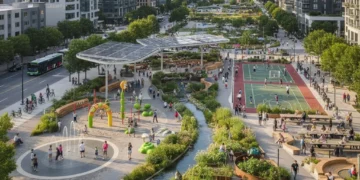
- Integration with Public Spaces: Some cities are incorporating edible landscapes into public parks and streetscapes, blurring the lines between decorative and productive green spaces.
- Educational Hubs: Many gardens are evolving into comprehensive educational centers, offering programs on sustainable agriculture, cooking, nutrition, and environmental science for schools and the general public.
- Therapeutic Gardens: The mental health benefits of gardening are increasingly recognized, leading to the development of therapeutic gardens that support individuals recovering from illness, trauma, or stress.
- Community-Supported Agriculture (CSA) Partnerships: Some community gardens are partnering with local CSAs, allowing members to participate in the growing process and receive a share of the harvest, fostering a deeper connection to their food source.
These innovative models demonstrate the adaptability and versatility of urban community gardens, ensuring their relevance and impact continue to grow. The projected 30% expansion by 2026 will undoubtedly see an acceleration of these trends, further diversifying the landscape of urban agriculture.
Policy and Public Support: The Driving Force
The anticipated growth of urban community gardens is strongly supported by evolving public policy and increasing governmental and institutional recognition of their value. Local governments are increasingly implementing policies that facilitate the establishment and long-term viability of these gardens. This includes designating land for community agriculture, providing technical assistance, offering tax incentives for landowners who lease land for gardening, and streamlining permitting processes.
Public health initiatives are also playing a significant role, recognizing community gardens as effective tools for promoting physical activity, improving mental well-being, and combating diet-related diseases. Funding from health organizations and urban planning grants often targets projects that integrate food access and green space development.
Furthermore, broader societal trends, such as a growing interest in local food systems, environmental consciousness, and community resilience, are creating a fertile ground for the continued expansion of urban community gardens. Advocacy groups and non-profit organizations are instrumental in raising awareness, mobilizing communities, and lobbying for supportive policies. This concerted effort from various stakeholders is a key driver behind the optimistic projections for their future growth.
The Economic Ripple Effect of Urban Community Gardens
Beyond their direct social and environmental benefits, urban community gardens also generate positive economic ripple effects within their localities. While often operating on a non-commercial basis, their presence can stimulate local economies in several ways.
Firstly, by producing food locally, they reduce the demand for conventionally grown, often distant, produce, thereby keeping more food dollars within the community. Although individual garden plots primarily serve the gardeners themselves, surplus produce can be sold at local farmers’ markets, contributing to the income of participants and providing fresh options for other residents. This also supports the local food economy and can create micro-entrepreneurship opportunities.
Secondly, the establishment and maintenance of community gardens often require purchases from local businesses – for tools, seeds, soil amendments, and construction materials. This direct spending can support small businesses in the neighborhood. Furthermore, the increased foot traffic and community activity generated by a vibrant garden can indirectly benefit nearby shops and services, creating a more dynamic and economically active area.
Thirdly, community gardens can increase property values in surrounding areas. Well-maintained green spaces and active community engagement are attractive features for potential residents and businesses, contributing to neighborhood revitalization and economic stability. The aesthetic improvement of formerly vacant or blighted lots transforms liabilities into assets, enhancing the overall appeal and economic vitality of urban neighborhoods.
Finally, by fostering skills in gardening and food preparation, these gardens can equip individuals with knowledge that can lead to employment in urban agriculture, food service, or related green industries. This human capital development has long-term economic benefits for individuals and the broader community, aligning with the goals of sustainable economic development.
Measuring Success: Metrics and Indicators
As urban community gardens continue to expand, it becomes increasingly important to measure their impact effectively. While anecdotal evidence of their benefits is abundant, robust data collection can help justify continued investment, refine best practices, and demonstrate their value to policymakers and funders.
Key metrics for evaluating the success and impact of urban community gardens include:
- Food Production Volume: Quantifying the amount of fresh produce grown annually can demonstrate the garden’s contribution to local food security.
- Participant Engagement: Tracking the number of active gardeners, volunteer hours, and attendance at workshops indicates the level of community involvement and social capital being built.
- Health Outcomes: Surveys on dietary changes, physical activity levels, and reported mental well-being among gardeners can provide insights into health improvements.
- Environmental Indicators: Monitoring soil health, biodiversity (e.g., pollinator presence), and stormwater retention can quantify ecological benefits.
- Economic Impact: Estimating the monetary value of produce grown, local spending, and potential property value increases can highlight economic contributions.
- Community Perception: Surveys and interviews with neighborhood residents can gauge the garden’s impact on community cohesion, safety, and overall quality of life.
By systematically collecting and analyzing this data, advocates for urban community gardens can build a stronger case for their expansion and ensure that future growth is strategic and impactful, aligning with the ambitious 30% expansion target by 2026.
Conclusion: Cultivating a Greener, Healthier Urban Future
The projected 30% expansion of urban community gardens in the U.S. by 2026 is a testament to their undeniable value as multifaceted assets in urban environments. These vibrant spaces are not merely places to grow food; they are powerful engines for fostering local food security, strengthening social cohesion, and enhancing environmental sustainability. They embody a grassroots approach to addressing complex urban challenges, empowering residents to take an active role in shaping their communities.
As cities grapple with issues such as climate change, food deserts, and social fragmentation, urban community gardens offer a tangible, scalable solution. Their ability to transform neglected spaces into productive oases, bring diverse people together, and provide fresh, healthy food underscores their critical role in building more resilient, equitable, and livable cities. The continued investment and support for these green initiatives will undoubtedly cultivate a greener, healthier, and more connected urban future for generations to come, proving that even in the densest concrete jungles, nature and community can thrive.