Community-Led Initiatives: 5 Inspiring US Success Stories (2023-2024)
Community-Led Initiatives: 5 Inspiring US Success Stories (2023-2024)
In an era often dominated by top-down directives and large-scale government programs, the enduring power of grassroots efforts often goes unsung. Yet, it is within the heart of local communities that some of the most innovative, sustainable, and impactful changes truly take root. Community-led initiatives, driven by the passion and collective will of residents, are proving to be potent forces for positive transformation across the United States. These initiatives, born from a deep understanding of local needs and challenges, foster a sense of ownership, build social capital, and often achieve results that more distant interventions cannot.
The past 12 months have been particularly rich with examples of such remarkable endeavors. From revitalizing urban spaces to addressing critical social issues like food insecurity and educational disparities, ordinary citizens are stepping up to create extraordinary change. These Community-Led Success Stories not only offer blueprints for other communities but also serve as powerful reminders of what can be achieved when people unite for a common purpose. They demonstrate that true progress often begins not in Washington D.C. or state capitals, but on Main Street, in neighborhood parks, and around kitchen tables.
This article delves into five compelling Community-Led Success Stories from various corners of the US, all unfolding or significantly advancing within the last year. Each case study provides a glimpse into the unique challenges faced, the creative solutions implemented, and the profound impact generated by dedicated community members. These aren’t just isolated incidents of good deeds; they are strategic, collaborative efforts that are reshaping local landscapes and building more resilient, equitable futures.
Understanding these initiatives is crucial for anyone interested in community development, social justice, or simply the power of collective action. They highlight the importance of local leadership, resourcefulness, and the invaluable role that every individual can play in driving meaningful change. Let’s explore these inspiring examples of how communities are taking charge of their destinies and building a better tomorrow, one local project at a time.
1. The ‘Green & Grow’ Urban Farm Project, Detroit, Michigan
Addressing Food Deserts and Fostering Economic Opportunity
Detroit, a city with a rich history of resilience, has also grappled with significant challenges, including widespread food deserts – areas where access to affordable, nutritious food is limited. In response, a visionary group of residents in the Brightmoor neighborhood launched the ‘Green & Grow’ Urban Farm Project. This initiative, which saw significant expansion and impact in the last year, is a shining example of a Community-Led Success Story tackling multiple issues simultaneously.
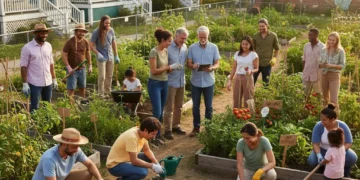
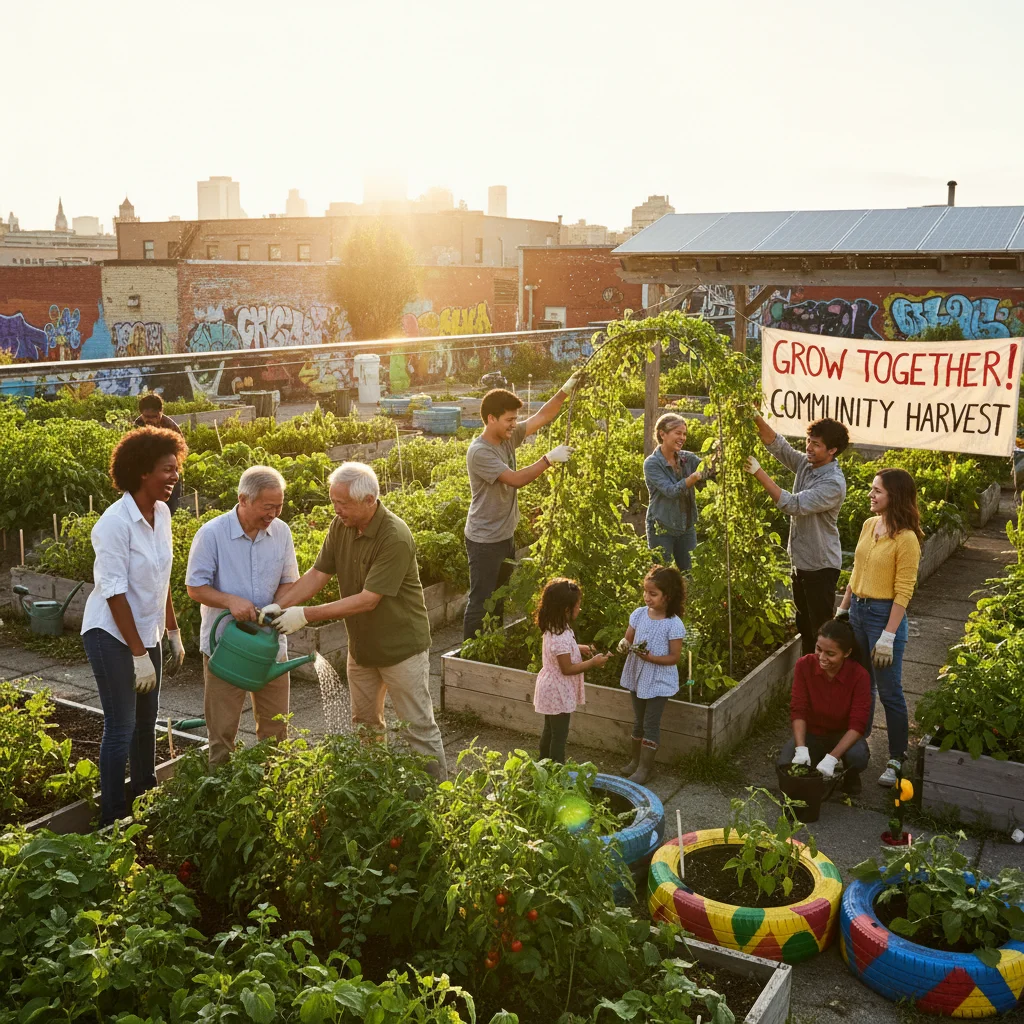
The genesis of ‘Green & Grow’ was simple: neighbors recognized the difficulty many faced in obtaining fresh produce. Instead of waiting for external solutions, they decided to cultivate their own. What started as a few raised beds in vacant lots has blossomed into a multi-acre urban farm that now provides thousands of pounds of fresh, organic vegetables to the community annually. The project is managed entirely by local residents, many of whom were previously unemployed or underemployed, thereby also addressing economic disparities.
Over the past year, ‘Green & Grow’ significantly scaled up its operations, securing additional land through community land trusts and developing a robust distribution network. They established a weekly farmers’ market that accepts SNAP benefits, making healthy food accessible to low-income families. Furthermore, they launched a ‘farm-to-table’ training program for local youth, teaching them agricultural skills, entrepreneurship, and healthy eating habits. This program has already seen several graduates go on to secure jobs in local food industries or start their own small gardening ventures.
The impact of ‘Green & Grow’ extends beyond just food provision. It has transformed blighted vacant lots into vibrant, productive spaces, increasing neighborhood safety and aesthetic appeal. It has created a strong sense of community pride and ownership, with residents actively participating in planting, harvesting, and distributing produce. The project has also become an educational hub, hosting workshops on sustainable farming, nutrition, and even cooking demonstrations. This holistic approach makes ‘Green & Grow’ a model for how Community-Led Success Stories can regenerate neighborhoods from the ground up.
Funding for the expansion came from a combination of local grants, crowdfunding campaigns, and partnerships with local businesses who recognized the project’s immense value. The sustainability model includes selling surplus produce to local restaurants and a CSA (Community Supported Agriculture) program, ensuring the farm’s long-term viability. The ‘Green & Grow’ Urban Farm Project in Detroit is more than just a farm; it’s a testament to the power of community self-determination and a beacon of hope for urban revitalization.
2. The ‘Coastal Clean-Up Coalition’, Outer Banks, North Carolina
Protecting Fragile Ecosystems Through Volunteer Action
The Outer Banks of North Carolina are renowned for their pristine beaches and delicate coastal ecosystems, which are constantly threatened by pollution, particularly plastic waste. Recognizing the escalating problem, a dedicated group of environmental enthusiasts and local residents formed the ‘Coastal Clean-Up Coalition’. In the past year, this coalition has dramatically amplified its efforts, transforming into a powerful force for environmental stewardship and becoming a prominent Community-Led Success Story in conservation.
The coalition’s strength lies in its decentralized, volunteer-driven model. Instead of waiting for large organizations to act, local residents organize regular beach clean-ups, often multiple times a week, targeting specific stretches of coastline. What makes their recent success particularly noteworthy is their innovative approach to data collection and public engagement. Over the last 12 months, the coalition implemented a citizen science program, where volunteers meticulously catalog the types and quantities of trash collected. This data is then shared with local government agencies and environmental research institutions, providing valuable insights into pollution sources and informing policy decisions.
A significant achievement in the past year was the launch of their ‘Adopt-a-Dune’ program. Local families, businesses, and schools “adopt” a section of dune, taking responsibility for its ongoing maintenance, litter removal, and sometimes even native plant restoration. This program has not only increased the frequency and effectiveness of clean-ups but has also fostered a deep sense of personal responsibility among participants for the health of their local environment. Educational workshops, held monthly, teach residents about the impact of plastic pollution on marine life and sustainable waste management practices.
The ‘Coastal Clean-Up Coalition’ also successfully lobbied local businesses to reduce single-use plastics, resulting in several restaurants and shops switching to compostable alternatives. Their public awareness campaigns, utilizing social media and local events, have significantly increased tourist and resident engagement, leading to a noticeable reduction in littering. This initiative demonstrates how passionate local action can directly lead to tangible environmental improvements and influence broader behavioral change. It’s a clear example of how Community-Led Success Stories can safeguard natural treasures for future generations.
3. The ‘Bridge Builders’ Youth Mentorship Program, Chicago, Illinois
Empowering At-Risk Youth and Breaking Cycles of Disadvantage
In many urban centers, including parts of Chicago, youth face significant challenges ranging from gang violence to educational underachievement. The ‘Bridge Builders’ Youth Mentorship Program was conceptualized by a group of concerned community elders and educators in the West Side, aiming to provide a positive support system for at-risk teenagers. Over the last year, ‘Bridge Builders’ has seen remarkable growth and achieved profound impacts, cementing its status as a vital Community-Led Success Story.
The program pairs adult mentors – all long-term residents with diverse professional backgrounds – with young people aged 13-18. Mentors provide academic support, career guidance, emotional encouragement, and serve as positive role models. What sets ‘Bridge Builders’ apart is its emphasis on culturally relevant mentorship and its deep integration with local schools and community centers. The program recognized that effective mentorship needed to be rooted in shared experiences and a nuanced understanding of the challenges faced by the youth.
In the past 12 months, ‘Bridge Builders’ expanded its reach to serve over 200 youth, a significant increase from its initial cohort. They introduced a comprehensive life skills curriculum, covering topics like financial literacy, conflict resolution, and digital citizenship. A key achievement was the establishment of a ‘Pathways to Success’ initiative, connecting mentees with internships and job shadowing opportunities in local businesses and organizations. This direct link to professional development has been instrumental in helping young participants envision and pursue viable career paths.
Testimonials from both mentees and mentors highlight the transformative power of the program. Academic performance among participants has shown an upward trend, and anecdotal evidence suggests a decrease in youth involvement in negative activities. The program also fosters intergenerational dialogue and strengthens community bonds, as mentors often become extended family figures. Funded primarily through local church groups, small foundation grants, and individual donations, ‘Bridge Builders’ exemplifies how sustained, compassionate Community-Led Success Stories can literally change the trajectory of young lives and build a more hopeful future for an entire neighborhood.
4. The ‘Historic Heart Revitalization’ Project, Charleston, South Carolina
Preserving Culture and Boosting Local Economy Through Collaborative Restoration
Charleston, South Carolina, is celebrated for its rich history and architectural heritage. However, parts of its historic downtown, particularly in economically disadvantaged areas, had fallen into disrepair, threatening the cultural fabric and local economy. The ‘Historic Heart Revitalization’ Project emerged from a coalition of preservationists, local business owners, and residents determined to restore these neglected areas. This initiative, which saw significant milestones in the last year, is a powerful Community-Led Success Story in urban preservation and economic development.
The project’s vision was to not only restore historic buildings but also to create vibrant, walkable commercial and cultural districts that would benefit existing residents and businesses. Unlike gentrification-driven developments, ‘Historic Heart’ focused on empowering long-standing community members. Over the past year, the project successfully completed the restoration of five key historic storefronts, which were then made available at affordable rents to local artisans and small businesses. This approach prevented displacement and ensured that the economic benefits remained within the community.
A major achievement was the establishment of a community-owned cooperative market within one of the restored buildings. This market provides a platform for local vendors to sell their goods, from handcrafted items to locally sourced produce, creating new economic opportunities. The project also organized a series of ‘History & Heritage’ walking tours, led by long-time residents, which not only generated income for the guides but also deepened appreciation for the area’s unique cultural narrative. These tours have become a popular attraction, drawing both tourists and locals.
Funding for ‘Historic Heart’ was a creative mix of historic preservation grants, local government matching funds, and a hugely successful community bond initiative, where residents could invest directly in the project. The project’s success is a testament to the power of collaborative planning and execution, demonstrating that Community-Led Success Stories can effectively blend cultural preservation with sustainable economic growth, ensuring that history serves as a foundation for future prosperity rather than a relic of the past.
5. The ‘Tech for All’ Digital Literacy Program, rural Appalachia, West Virginia
Bridging the Digital Divide in Underserved Regions
In many rural areas of the United States, particularly in regions like Appalachia, the digital divide remains a significant barrier to education, economic opportunity, and access to essential services. A group of concerned educators, retired IT professionals, and community leaders in a remote county of West Virginia launched the ‘Tech for All’ Digital Literacy Program. This initiative, which made remarkable strides in the last year, is a compelling Community-Led Success Story in addressing technological inequity.
The program recognized that simply providing internet access was not enough; residents also needed the skills and confidence to utilize digital tools effectively. ‘Tech for All’ established a network of “digital hubs” in local community centers and libraries, equipped with computers and high-speed internet. However, their true innovation lay in their volunteer-led training modules, tailored to the specific needs of the community.
Over the past 12 months, ‘Tech for All’ significantly expanded its curriculum and reach. They developed specialized courses for seniors on how to use telehealth services and connect with family online. They offered job seekers training in resume building, online applications, and virtual interview techniques. For local small businesses, they provided workshops on setting up online storefronts and digital marketing. A crucial development was a partnership with a local internet provider to offer subsidized home internet plans for graduates of their foundational courses, ensuring sustained access.

The impact has been profound. Local unemployment rates have shown a modest but measurable decrease, attributed in part to the program’s job-seeking skills training. Seniors report increased social connectivity and improved access to healthcare information. Children in remote areas now have better resources for schoolwork, bridging a gap that previously hindered their educational progress. The program is sustained by local fundraising, small grants, and the tireless dedication of its volunteers. ‘Tech for All’ in rural Appalachia is a powerful example of how Community-Led Success Stories can empower underserved populations by equipping them with the essential tools for the 21st century.
Lessons from These Community-Led Success Stories
These five Community-Led Success Stories, while diverse in their focus and geography, share several common threads that are essential for their effectiveness and sustainability:
- Deep Local Knowledge: Each initiative was born from an intimate understanding of specific community needs and challenges, ensuring that solutions were relevant and impactful.
- Empowerment and Ownership: Residents were not merely beneficiaries but active participants and leaders, fostering a strong sense of ownership and commitment.
- Collaboration and Partnerships: Success often hinged on building alliances with local government, businesses, non-profits, and academic institutions, leveraging diverse resources and expertise.
- Adaptability and Innovation: Faced with limited resources, these communities demonstrated remarkable creativity in finding solutions, often adapting existing models or inventing new ones.
- Sustainability Focus: Many projects integrated long-term sustainability plans, whether through economic models, volunteer networks, or community land trusts, ensuring their continued operation beyond initial funding cycles.
- Holistic Impact: Addressing one core issue often led to positive spillover effects in other areas, such as economic development fostering social cohesion, or environmental projects improving public health.
These lessons are not just theoretical; they are practical blueprints for any community aspiring to drive positive change from within. They underscore that the most effective solutions often originate closest to the problem, driven by the people who live with those challenges every day.
The Future of Community-Led Initiatives
The inspiring progress showcased by these Community-Led Success Stories over the past 12 months offers a hopeful vision for the future. As global challenges become increasingly complex, the localized, nimble, and deeply connected nature of community-led initiatives makes them indispensable. They are laboratories of innovation, demonstrating how resilience, ingenuity, and collective action can overcome even the most daunting obstacles.
For policymakers, philanthropists, and larger organizations, these stories serve as a powerful reminder to invest in and trust local leadership. Providing resources, technical assistance, and platforms for these initiatives to thrive can amplify their impact exponentially. The future of community development lies not in prescribing solutions from afar, but in empowering and collaborating with the vibrant, dedicated individuals who are already working tirelessly on the ground.
Each of these projects – from cultivating urban farms to mentoring youth, cleaning coastlines, preserving history, and bridging digital divides – represents a triumph of the human spirit and the enduring strength of community. They remind us that profound change often starts small, with a few dedicated individuals, and grows into something truly transformative. These are not just success stories; they are calls to action, inviting us all to look around our own neighborhoods and ask: What can we build together?
Conclusion
The five Community-Led Success Stories highlighted in this article – from Detroit’s urban farms to West Virginia’s digital literacy programs – paint a vivid picture of the transformative power of local action across the United States. Over the last 12 months, these initiatives have not only addressed pressing issues like food insecurity, environmental degradation, youth empowerment, cultural preservation, and the digital divide but have also woven stronger social fabrics and fostered a renewed sense of collective purpose.
They demonstrate that when individuals come together, armed with local knowledge and a shared vision, they possess an unparalleled capacity to create sustainable, impactful change. These are not isolated acts of charity but strategic, collaborative endeavors that are reshaping communities from the inside out. As we move forward, supporting and learning from such grassroots efforts will be paramount to building a more equitable, resilient, and vibrant nation. These Community-Led Success Stories are more than just examples of good deeds; they are blueprints for a better future, showing us that the most powerful solutions often lie within the very communities they seek to serve.