Community Gardens 2026: Grow Your Own Fresh Produce in the US
Community Gardens 2026: A US Guide to Starting Your Own and Gaining 10% More Fresh Produce
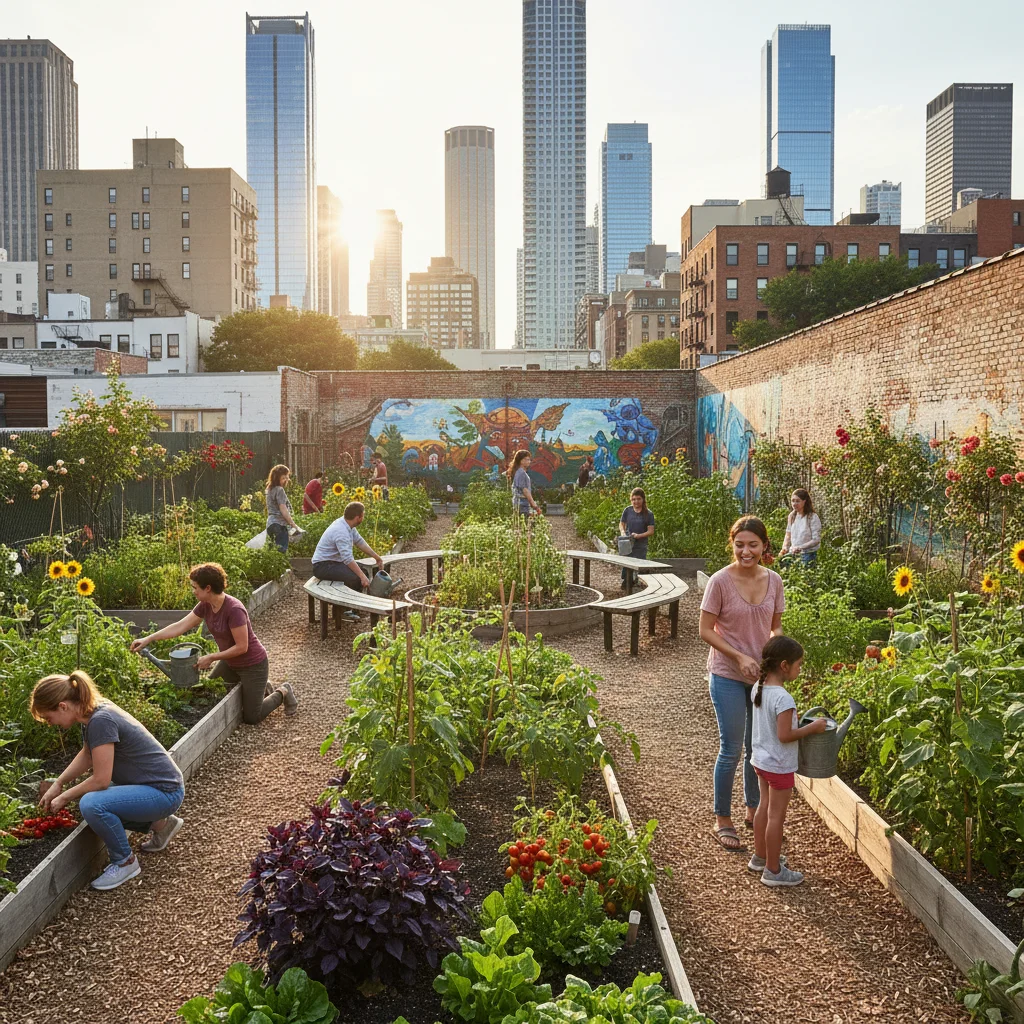
In an increasingly urbanized world, the concept of growing your own food might seem like a distant dream for many. However, the rise of community gardens across the United States is turning that dream into a tangible reality. As we look towards 2026, the movement to cultivate shared green spaces is not just a passing trend; it’s a vital component of sustainable living, food security, and community well-being. This comprehensive guide will delve into the profound community garden benefits, offering a roadmap for starting your own and demonstrating how these initiatives can boost your access to fresh produce by at least 10%.
The Resurgence of Community Gardens: Why 2026 is Their Year
The past few years have witnessed a significant shift in how people perceive their food sources. Concerns over supply chain disruptions, food quality, and environmental impact have driven many to seek more local and sustainable options. Community gardens stand at the forefront of this movement. By 2026, experts predict a remarkable increase in the number of community gardens, especially in urban and suburban areas, driven by a collective desire for fresh, healthy food and a stronger sense of local connection. The community garden benefits extend far beyond just food production, touching upon public health, environmental sustainability, and social cohesion.
Addressing Food Security and Nutritional Gaps
One of the most compelling aspects of community gardens is their direct impact on food security. In many low-income neighborhoods, access to fresh, affordable produce is severely limited—a phenomenon often referred to as ‘food deserts.’ Community gardens provide a crucial solution, offering residents the opportunity to grow their own organic fruits, vegetables, and herbs. This not only reduces reliance on often-expensive grocery stores but also ensures a consistent supply of nutritious food. Studies have shown that participation in community gardening can increase a household’s consumption of fresh produce by an average of 10-15%, directly combating diet-related health issues and improving overall nutritional intake. This is a significant part of the community garden benefits equation.
Fostering Community and Social Bonds
Beyond the tangible harvest, community gardens are powerful catalysts for social interaction and community building. They bring together people from diverse backgrounds, ages, and cultures, united by a shared passion for gardening. These shared spaces become informal learning centers, where experienced gardeners mentor newcomers, children learn about where their food comes from, and neighbors forge lasting friendships. The collaborative effort required to maintain a garden strengthens social ties, reduces isolation, and creates a vibrant, interconnected community. This invaluable social capital is a core component of the broad community garden benefits.
Environmental Stewardship and Urban Greening
Community gardens play a vital role in urban ecology. They transform neglected or underutilized plots of land into thriving green oases, contributing to biodiversity by attracting pollinators like bees and butterflies. These gardens help mitigate the urban heat island effect, improve air quality, and manage stormwater runoff, making cities more resilient to climate change. By promoting organic gardening practices, they also reduce the use of harmful pesticides and fertilizers, protecting local ecosystems. These environmental contributions are significant, adding another layer to the extensive community garden benefits.
The Path to Starting Your Own Community Garden in 2026
Embarking on the journey to establish a community garden might seem daunting, but with careful planning and community engagement, it’s an achievable and incredibly rewarding endeavor. Here’s a step-by-step guide to help you get started:
Step 1: Gather Your Green-Thumbed Allies
The first and most crucial step is to build a core group of enthusiastic individuals. These are your initial organizers, passionate about the idea of a community garden. Hold informal meetings, spread the word through local social media groups, and gauge interest within your neighborhood. A strong, dedicated team is the backbone of any successful community project. This collective enthusiasm will be essential when highlighting the potential community garden benefits to others.
Step 2: Identify and Secure a Suitable Location
Location is paramount. Look for vacant lots, unused public land, or even underutilized spaces owned by churches, schools, or businesses. Consider factors like sunlight exposure (at least 6-8 hours daily), water access, soil quality, and proximity to your target community. Once a potential site is identified, research land ownership and zoning regulations. Contact the landowner or local government to discuss your proposal and secure permission or a lease agreement. Many cities have programs or departments dedicated to supporting urban greening initiatives, which can be invaluable resources.
Step 3: Develop a Comprehensive Garden Plan
A well-thought-out plan is essential for long-term success. This includes:
- Garden Layout: Decide on the number and size of individual plots, common areas, pathways, and any shared infrastructure (e.g., tool shed, composting bins).
- Water System: Plan for an efficient and accessible water source. This might involve connecting to a city water line, installing rain barrels, or exploring other sustainable irrigation methods.
- Soil Preparation: Conduct a soil test to assess its composition and nutrient levels. Amend the soil with compost and organic matter to create a fertile growing environment.
- Rules and Guidelines: Establish clear rules for plot usage, maintenance responsibilities, harvesting protocols, and conflict resolution. This ensures fairness and harmony among gardeners.
- Budget and Fundraising: Estimate initial costs for tools, fencing, lumber for raised beds, seeds, and water infrastructure. Develop a fundraising strategy, which could include grants, donations, or membership fees.
Step 4: Legal and Organizational Structure
Consider forming a formal organization, such as a non-profit association. This can help with fundraising, liability protection, and securing long-term land access. Establish a clear leadership structure, including roles for garden coordinator, treasurer, and communications lead. A formal structure can also help in articulating the community garden benefits to potential funders and partners.
Step 5: Engage the Community and Recruit Gardeners
Once you have a plan and a location, it’s time to actively recruit gardeners. Host informational meetings, create flyers, use social media, and partner with local community organizations. Emphasize the community garden benefits, such as access to fresh produce, opportunities for learning, and the chance to connect with neighbors. Offer workshops on basic gardening techniques to attract beginners.
Maximizing Your Harvest: Gaining 10% More Fresh Produce
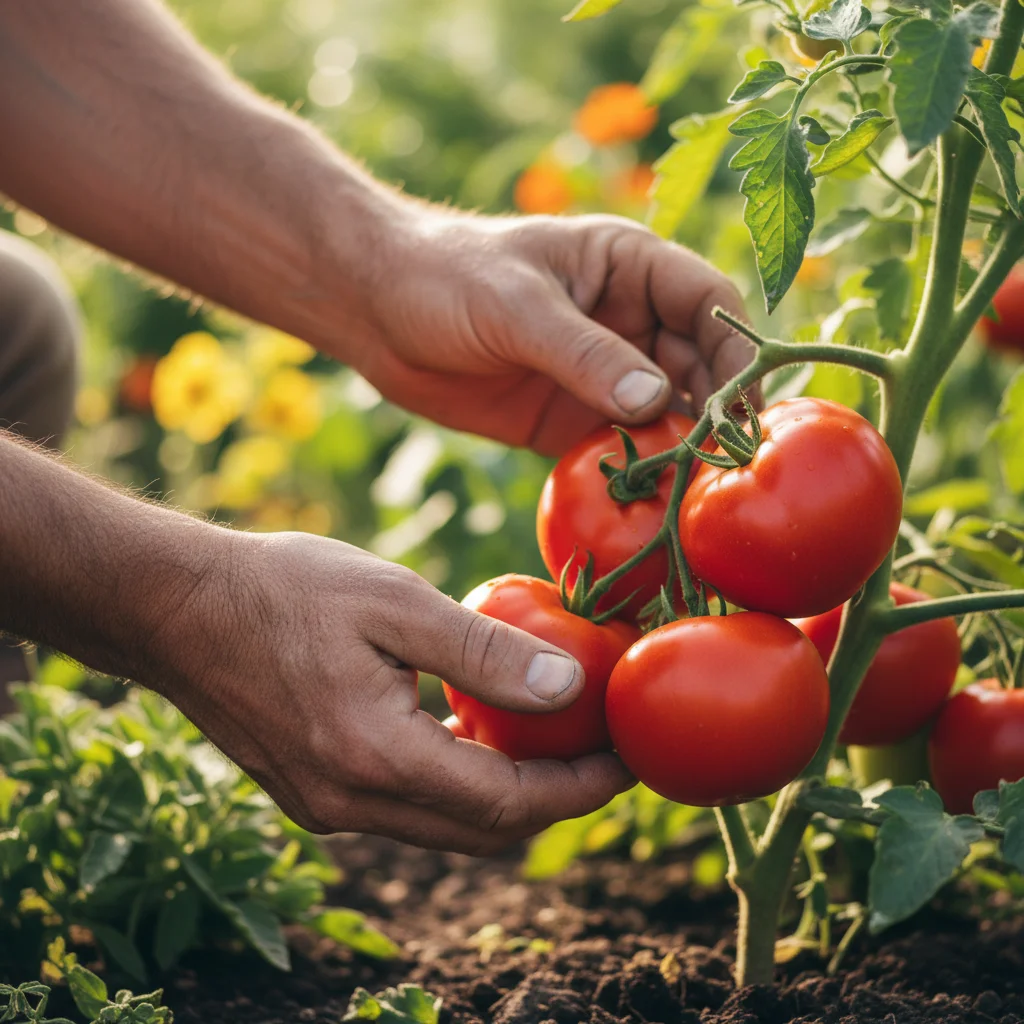
The goal of any community garden is to yield abundant, healthy produce. By implementing smart gardening practices and leveraging collective knowledge, your garden can easily increase its fresh produce output by 10% or more. This directly contributes to the core community garden benefits.
Strategic Crop Planning and Rotation
Encourage gardeners to plan their crops strategically. This includes selecting varieties well-suited to your local climate and soil conditions, staggering planting times for continuous harvest, and practicing crop rotation to maintain soil health and prevent pest buildup. Educate gardeners on companion planting techniques, where certain plants benefit each other when grown together, enhancing growth and deterring pests.
Efficient Water Management
Water is a precious resource. Implement efficient irrigation systems like drip lines or soaker hoses to deliver water directly to plant roots, minimizing waste. Encourage the use of mulch to retain soil moisture and suppress weeds. Consider rainwater harvesting systems to supplement your water supply.
Composting and Soil Enrichment
A vibrant community garden often includes a communal composting system. This allows gardeners to turn kitchen scraps and garden waste into nutrient-rich compost, which can then be used to amend the garden beds. Healthy soil is the foundation of productive plants, and regular enrichment ensures a bountiful harvest. This sustainable practice enhances the long-term community garden benefits by improving soil fertility naturally.
Pest and Disease Management
Promote organic pest and disease management techniques. This includes encouraging beneficial insects, using natural deterrents, and promptly addressing any outbreaks to prevent them from spreading throughout the garden. Regular monitoring and early intervention are key to protecting your crops.
Shared Knowledge and Workshops
Organize regular workshops and knowledge-sharing sessions. Topics could range from seed starting and transplanting to pest identification and harvesting techniques. Experienced gardeners can share their wisdom, and new gardeners can learn best practices, leading to higher yields for everyone. This collaborative learning environment is a significant aspect of the community garden benefits.
Overcoming Challenges and Ensuring Longevity
While the community garden benefits are numerous, establishing and maintaining a garden is not without its challenges. Addressing these proactively is crucial for long-term success.
Securing Funding and Resources
Initial setup costs and ongoing maintenance expenses can be significant. Explore grants from local government agencies, horticultural organizations, and environmental foundations. Partner with local businesses for sponsorships or donations of materials. Implement a fair membership fee structure that covers essential costs while remaining accessible to all community members.
Volunteer Engagement and Burnout
Community gardens rely heavily on volunteer labor. To prevent burnout, distribute tasks equitably, celebrate successes, and foster a positive, supportive environment. Organize social events and potlucks to strengthen bonds and show appreciation for volunteers’ hard work. Clearly articulating the community garden benefits can also help in sustaining volunteer motivation.
Conflict Resolution
In any shared space, disagreements can arise. Establish clear, fair, and transparent processes for resolving conflicts related to plot maintenance, resource sharing, or rule adherence. A designated garden committee or mediator can help facilitate resolutions.
Long-Term Land Security
One of the biggest challenges can be securing long-term access to land. Work towards formal agreements, such as long-term leases or even land trusts, to protect the garden from future development or changes in ownership. Advocating for policies that support urban agriculture at the municipal level can also provide greater stability.
The Future of Community Gardens in the US: 2026 and Beyond
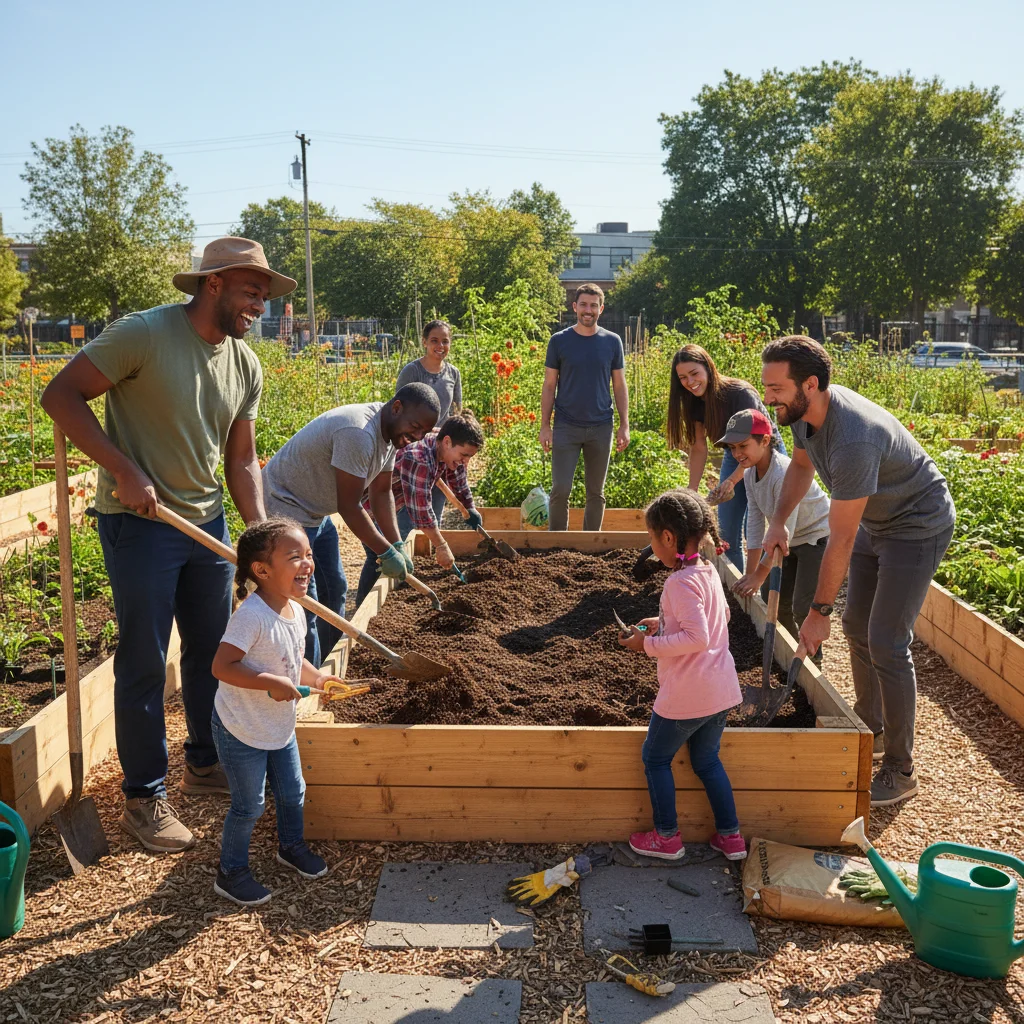
As we move further into the 21st century, community gardens are poised to become even more integral to the fabric of American cities and towns. The emphasis on local food systems, environmental sustainability, and mental well-being will only grow, making the community garden benefits increasingly valuable.
Technological Integration
Expect to see more technological integration in community gardens. This could include smart irrigation systems, soil sensors, and dedicated apps for plot management, communication, and resource sharing. These tools can optimize yields and streamline garden operations, further enhancing the community garden benefits.
Educational Hubs
Community gardens will increasingly serve as educational hubs, offering programs on gardening, nutrition, composting, and environmental science for schools and the wider public. They will become living laboratories for sustainable practices.
Policy Support and Funding
As the positive impacts of community gardens become more recognized, local and federal governments are likely to increase policy support and funding for these initiatives. This includes grants for land acquisition, infrastructure development, and educational programs, solidifying the role of community gardens as essential public assets.
Resilience and Food Justice
In the face of climate change and economic uncertainties, community gardens will play an even greater role in building resilient food systems and promoting food justice. They empower communities to take control of their food supply, ensuring access to healthy, culturally appropriate food for all.
Conclusion: Cultivating More Than Just Crops
The journey of starting and nurturing a community garden is about much more than just growing food. It’s about cultivating connections, fostering resilience, and sowing the seeds of a healthier, more sustainable future. By understanding and embracing the vast community garden benefits, and by following a thoughtful approach to planning and execution, communities across the US can transform neglected spaces into vibrant, productive hubs. In 2026 and beyond, these green oases will continue to provide an estimated 10% more fresh produce to their participants, enriching lives, strengthening neighborhoods, and demonstrating the profound power of collective action. Join the movement, dig in, and watch your community—and your harvest—flourish.