Cybersecurity for Your 2026 Finances: 5 Essential Steps to Protect Digital Assets from Fraud
Cybersecurity for Your 2026 Finances: 5 Essential Steps to Protect Your Digital Assets from Fraud
As we rapidly approach 2026, the digital landscape continues to evolve at an unprecedented pace, bringing with it both incredible convenience and significant risks. Our financial lives are increasingly intertwined with the digital realm, making robust financial cybersecurity 2026 practices not just advisable, but absolutely essential. From online banking and investment platforms to digital wallets and cryptocurrency holdings, our digital assets are constantly exposed to sophisticated cyber threats. The financial impact of a security breach can be devastating, leading to identity theft, significant monetary losses, and long-term credit damage. This comprehensive guide will walk you through five essential, practical steps you can take to fortify your digital defenses and protect your finances from fraud in the coming year.
The threat landscape is dynamic. Cybercriminals are constantly innovating, developing new techniques to exploit vulnerabilities in systems and human behavior. Phishing scams are becoming more convincing, malware more insidious, and data breaches more frequent. Therefore, a proactive and informed approach to financial cybersecurity 2026 is no longer an option but a necessity for anyone managing their money online. Understanding these threats and implementing effective countermeasures is your first line of defense against potential financial ruin. We will delve into specific strategies that empower you to take control of your digital financial safety, ensuring peace of mind as you navigate the complexities of modern finance.
1. Implement Strong Multi-Factor Authentication (MFA) Everywhere
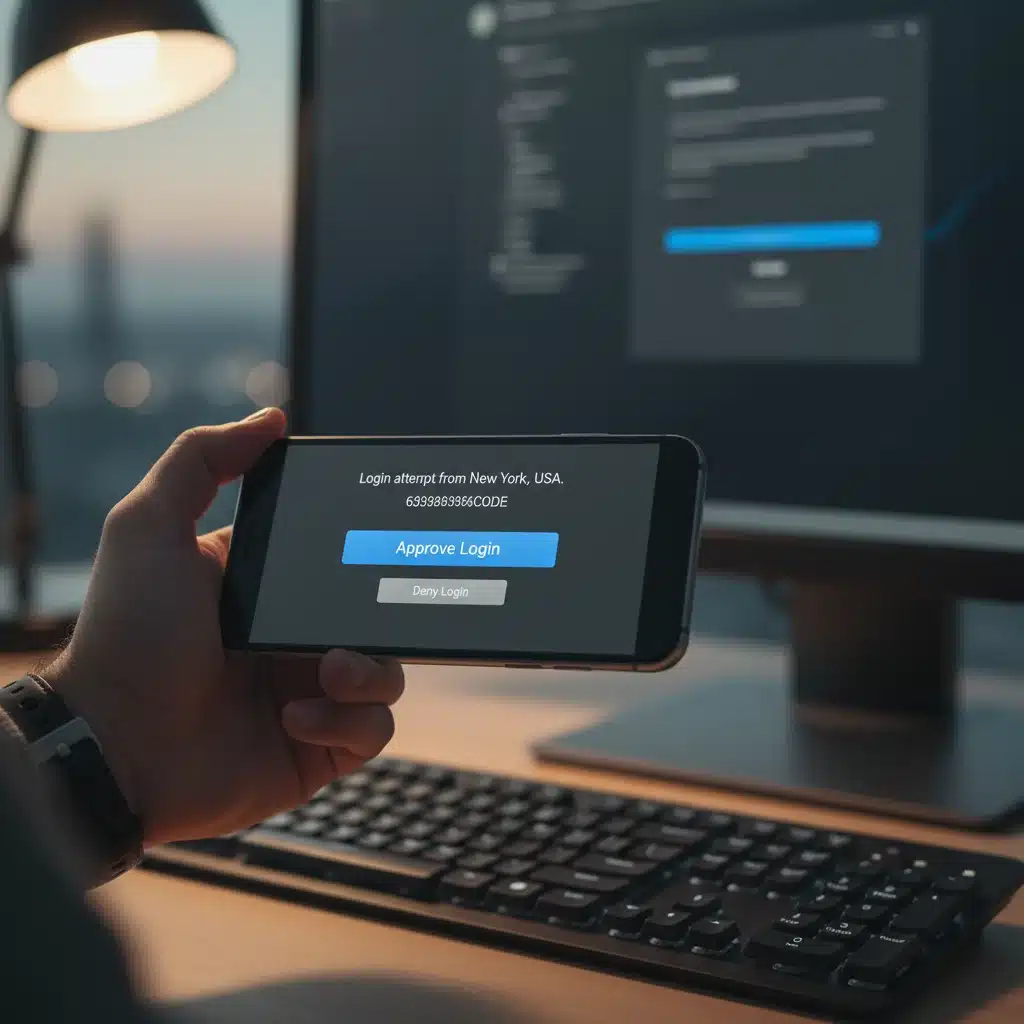
One of the most foundational and effective measures for enhancing your financial cybersecurity 2026 is the widespread adoption of Multi-Factor Authentication (MFA). MFA adds an extra layer of security beyond just a password, requiring users to verify their identity using two or more different factors before granting access to an account. This significantly complicates a hacker’s task, even if they manage to steal your password.
Understanding MFA: More Than Just a Password
MFA typically involves a combination of something you know (like a password), something you have (like your phone or a hardware token), and something you are (like a fingerprint or facial scan). For financial accounts, common MFA methods include:
- SMS codes: A code sent to your registered mobile number. While convenient, these can be susceptible to SIM-swapping attacks.
- Authenticator apps: Apps like Google Authenticator or Authy generate time-sensitive codes, which are generally more secure than SMS.
- Biometrics: Fingerprint or facial recognition, often integrated into smartphones and banking apps.
- Hardware security keys: Physical devices that plug into your computer or connect wirelessly, offering the highest level of security.
Why MFA is Crucial for Financial Cybersecurity 2026
In 2026, traditional passwords alone are simply not enough. Data breaches are common, and password reuse across multiple sites makes you incredibly vulnerable. If a cybercriminal obtains your password from a breached non-financial site, they could potentially gain access to your banking or investment accounts if MFA isn’t enabled. MFA acts as a robust barrier, ensuring that even if your password is compromised, unauthorized access is still prevented.
Practical Steps for Implementing MFA:
- Enable MFA on all financial accounts: This includes banks, investment platforms, credit card portals, payment apps (PayPal, Venmo), and even cryptocurrency exchanges.
- Prioritize stronger MFA methods: Where available, opt for authenticator apps or hardware security keys over SMS codes.
- Regularly review MFA settings: Ensure your recovery options are up-to-date and secure.
- Educate yourself on common MFA bypass techniques: Be aware of phishing attempts designed to trick you into revealing MFA codes.
By making MFA a standard practice across all your digital financial interactions, you create a formidable defense against unauthorized access, significantly bolstering your financial cybersecurity 2026 posture.
2. Practice Vigilant Password Hygiene and Management
While MFA adds a critical layer of protection, strong password hygiene remains a cornerstone of effective financial cybersecurity 2026. Weak, reused, or easily guessable passwords are an open invitation for cybercriminals. In an era where automated attacks can test millions of password combinations per second, your passwords need to be unique, complex, and regularly updated.
The Dangers of Poor Password Practices
- Password Reuse: The most common vulnerability. If one service is breached, all other accounts using the same password become vulnerable.
- Weak Passwords: Easy-to-guess passwords (e.g., ‘123456’, ‘password’, birthdates) can be cracked in seconds.
- Lack of Updates: Sticking with the same password for years increases its chances of being compromised over time.
Creating Strong, Unique Passwords:
A strong password should be:
- Long: Aim for at least 12-16 characters.
- Complex: A mix of uppercase and lowercase letters, numbers, and special characters.
- Unique: Never reuse passwords across different accounts, especially financial ones.
- Unpredictable: Avoid personal information, common words, or keyboard patterns.
Consider using passphrases – a string of unrelated words – which are easier to remember but much harder to crack (e.g., ‘CorrectHorseBatteryStaple’).
Leveraging Password Managers for Financial Cybersecurity 2026
Managing dozens of unique, strong passwords manually is nearly impossible. This is where password managers become indispensable tools for financial cybersecurity 2026. A password manager:
- Generates strong, unique passwords: Eliminates the need for you to invent them.
- Stores them securely: Encrypts and stores all your passwords behind a single master password.
- Autofills credentials: Makes logging in quick and easy, while also protecting against phishing sites (it won’t autofill on a fake site).
- Alerts you to compromised passwords: Many managers can notify you if any of your stored passwords have appeared in a data breach.
Popular and reputable password managers include LastPass, 1Password, Bitwarden, and Dashlane. Invest in one and use it diligently for all your accounts, especially financial ones. This single step can dramatically improve your financial cybersecurity 2026 posture.
3. Be Wary of Phishing and Social Engineering Attacks
Even with the strongest technical defenses, the human element remains the weakest link in cybersecurity. Phishing and social engineering attacks are designed to exploit human psychology, tricking individuals into revealing sensitive information or performing actions that compromise their security. As we move into 2026, these attacks are becoming increasingly sophisticated and personalized, making vigilance more critical than ever for maintaining robust financial cybersecurity 2026.
Understanding Phishing and Social Engineering
- Phishing: Fraudulent attempts to obtain sensitive information (like usernames, passwords, credit card details) by disguising as a trustworthy entity in an electronic communication (e.g., email, text message, instant message).
- Spear Phishing: A more targeted form of phishing, where the attacker has some information about the victim (e.g., name, job title, company) to make the attack more convincing.
- Whaling: Phishing attacks specifically targeting high-profile individuals, often executives, within an organization.
- Vishing (Voice Phishing): Phishing conducted over the phone, often involving impersonating bank representatives or government officials.
- Smishing (SMS Phishing): Phishing attempts via text messages, often containing malicious links.
These attacks often create a sense of urgency, fear, or temptation to bypass rational thought, making victims more likely to click a malicious link or divulge information.
Recognizing and Avoiding Scams:
- Check the Sender: Always verify the sender’s email address or phone number. Be suspicious of generic greetings or slight misspellings in legitimate-looking addresses.
- Hover Before You Click: Before clicking any link in an email or message, hover your mouse over it to see the actual URL. If it doesn’t match the expected domain, do not click.
- Look for Red Flags: Poor grammar, unusual requests, urgent demands for personal information, or unsolicited attachments are all strong indicators of a scam.
- Verify Requests Independently: If you receive a suspicious request from your bank or a company, do not respond directly to the email or call the number provided in the message. Instead, use official contact information (from their website or a statement) to verify the request.
- Be Skeptical of Offers: If an offer seems too good to be true, it probably is. Cybercriminals often use enticing offers to lure victims.
The Role of Education in Financial Cybersecurity 2026
Continuous education is paramount. Stay informed about the latest phishing tactics and social engineering schemes. Many financial institutions and cybersecurity organizations regularly publish warnings and tips. By developing a healthy skepticism and practicing due diligence, you can significantly reduce your vulnerability to these pervasive threats, thereby strengthening your financial cybersecurity 2026.
4. Secure Your Devices and Networks
Your personal devices (computers, smartphones, tablets) and the networks you connect to are critical gateways to your financial information. Unsecured devices or vulnerable networks can provide easy entry points for cybercriminals, undermining even the best password and MFA practices. Therefore, maintaining robust security for your hardware and internet connections is a non-negotiable aspect of effective financial cybersecurity 2026.
Device Security Best Practices:
- Keep Software Updated: Regularly update your operating systems (Windows, macOS, iOS, Android) and all applications, especially web browsers and security software. Updates often include critical security patches that fix newly discovered vulnerabilities.
- Use Antivirus/Antimalware Software: Install reputable antivirus and antimalware software on all your computers and ensure it is always up-to-date and running scans regularly. For mobile devices, be cautious about apps you install and use built-in security features.
- Enable Firewalls: Ensure your operating system’s firewall is enabled. This acts as a barrier between your device and the internet, controlling incoming and outgoing network traffic.
- Encrypt Your Devices: Enable full disk encryption on your laptops and desktops (e.g., BitLocker for Windows, FileVault for macOS) and device encryption on your smartphones. This protects your data if your device is lost or stolen.
- Secure Your Mobile Devices: Use strong passcodes or biometrics to unlock your phone. Be selective about app permissions. Avoid jailbreaking or rooting your devices, as this can introduce security risks.
Network Security Considerations:
- Secure Your Home Wi-Fi:
- Change Default Router Credentials: The default username and password for your router are widely known. Change them immediately.
- Use Strong Encryption: Ensure your Wi-Fi network uses WPA2 or WPA3 encryption. Avoid WEP, which is easily crackable.
- Create a Guest Network: If you have guests, provide them with access to a separate guest network to keep your main network isolated.
- Be Cautious with Public Wi-Fi: Public Wi-Fi networks (in cafes, airports, hotels) are often unsecured and can be easily monitored by attackers. Avoid conducting sensitive financial transactions or accessing banking apps while on public Wi-Fi. If you must, use a Virtual Private Network (VPN) to encrypt your traffic.
- Use a VPN: A VPN encrypts your internet connection, making it much harder for others to intercept your data, especially on public networks. This is a crucial tool for enhancing your financial cybersecurity 2026 when you’re not on your secure home network.
By diligently securing your devices and networks, you create a safer environment for your digital financial activities, significantly reducing the risk of unauthorized access and data breaches, which is fundamental to robust financial cybersecurity 2026.
5. Regularly Monitor Your Financial Accounts and Credit Reports
Even with the most stringent preventative measures, cyber threats are constantly evolving. Therefore, proactive monitoring of your financial accounts and credit reports is a critical final layer of defense for your financial cybersecurity 2026. Early detection of suspicious activity can mean the difference between a minor inconvenience and a major financial catastrophe.
Daily/Weekly Account Monitoring:
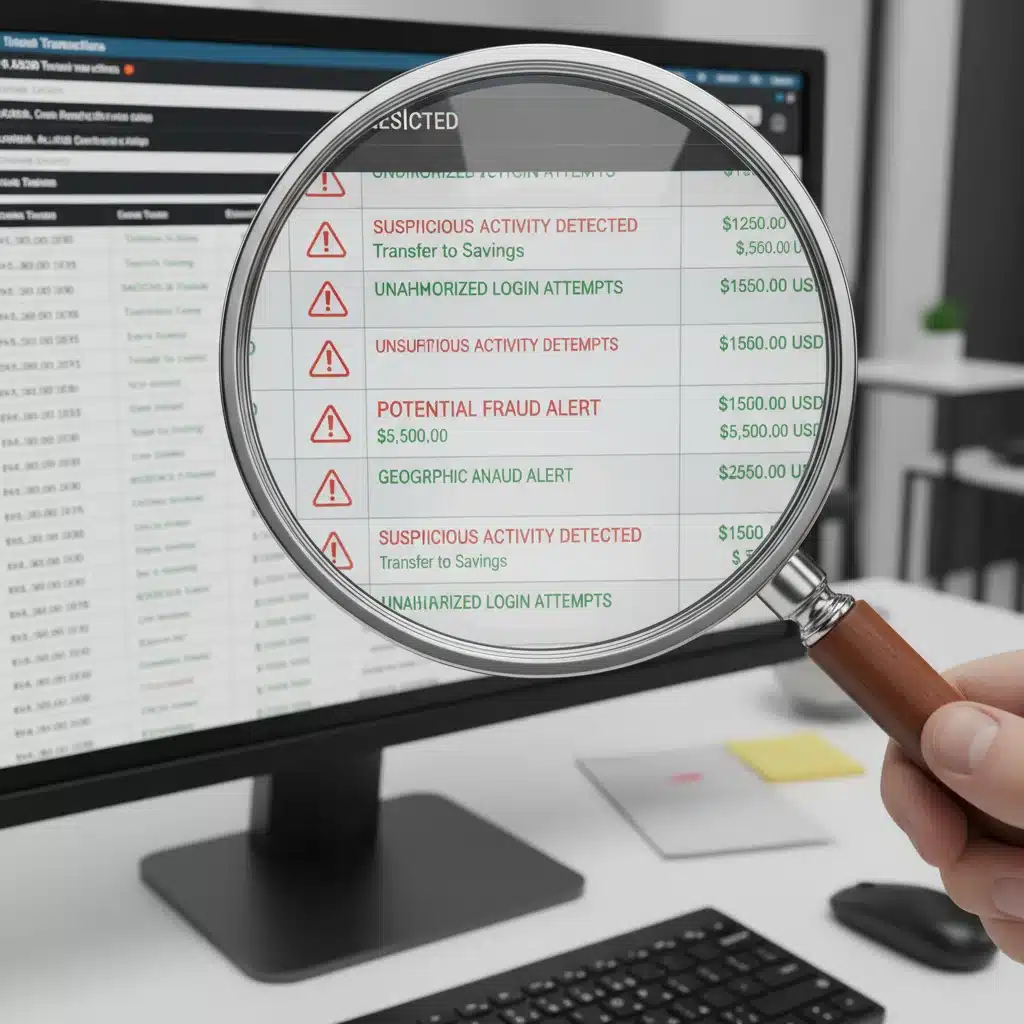
- Review Bank and Credit Card Statements: Don’t just glance at your statements; scrutinize every transaction. Look for unfamiliar purchases, withdrawals, or transfers, no matter how small. Fraudsters often start with small transactions to test card validity.
- Set Up Transaction Alerts: Most banks and credit card companies offer free services to alert you via email or text message for certain activities, such as transactions over a specific amount, international purchases, or logins from new devices. Enable these alerts for all your financial accounts.
- Check Investment and Retirement Accounts: Regularly log in and review activity on your brokerage accounts, 401(k)s, IRAs, and other investment platforms. Unauthorized transfers or changes to beneficiaries can have long-term consequences.
- Monitor Digital Wallet Activity: Keep an eye on transactions made through PayPal, Venmo, Apple Pay, Google Pay, and other digital payment services.
Credit Report and Identity Monitoring:
- Access Free Credit Reports: You are entitled to one free credit report annually from each of the three major credit bureaus (Equifax, Experian, TransUnion) via AnnualCreditReport.com. Stagger your requests (e.g., one every four months) to monitor your credit file throughout the year. Look for new accounts opened in your name, hard inquiries you don’t recognize, or incorrect personal information.
- Consider Credit Freezes/Locks: A credit freeze (or security freeze) restricts access to your credit report, making it difficult for identity thieves to open new accounts in your name. It’s free to place and lift. A credit lock offers similar protection but is often a paid service through the credit bureaus. This is an extremely powerful tool for financial cybersecurity 2026.
- Identity Theft Protection Services: While not a replacement for personal vigilance, some services offer more comprehensive monitoring of your personal information across the dark web and other sources. Evaluate if such a service aligns with your needs and budget.
- Monitor Your Email for Breach Notifications: If a company you have an account with experiences a data breach, they are often legally required to notify you. Pay attention to these notifications and take recommended steps, such as changing passwords.
What to Do if You Detect Suspicious Activity:
Act immediately if you spot anything unusual:
- Contact Your Financial Institution: Report suspicious transactions or activity to your bank, credit card company, or investment firm immediately.
- Change Passwords: Change any compromised passwords and enable MFA if not already in use.
- Report Identity Theft: If you suspect identity theft, file a report with the Federal Trade Commission (FTC) at IdentityTheft.gov and consider placing a fraud alert or credit freeze on your credit reports.
By making regular monitoring a habit, you create an essential safety net that can catch and mitigate potential fraud, thereby ensuring the longevity and integrity of your financial cybersecurity 2026 efforts.
The Evolving Landscape of Financial Cybersecurity 2026
The digital world is not static; it’s a constantly shifting environment where new technologies emerge, and with them, new vulnerabilities and threats. As we progress further into 2026, we can anticipate several trends that will shape the future of financial cybersecurity 2026.
Emerging Threats:
- AI-Powered Attacks: Artificial intelligence and machine learning are increasingly being used by cybercriminals to create more sophisticated phishing emails, deepfake audio/video for vishing, and automated attacks that can adapt in real-time.
- Quantum Computing Threats: While still nascent, quantum computing has the potential to break current encryption standards. Researchers are already working on post-quantum cryptography, but this will be a significant area of focus for long-term financial security.
- Increased Focus on Supply Chain Attacks: Breaches that target third-party vendors or software suppliers to compromise a larger organization will continue to be a significant threat. This means even if your direct accounts are secure, a vulnerability in a service provider could impact you.
- Cryptocurrency and DeFi Vulnerabilities: The decentralized finance (DeFi) space and cryptocurrency markets are attractive targets for hackers due to the anonymity and often irreversible nature of transactions. Smart contract vulnerabilities and exchange hacks will likely persist.
Proactive Measures and Future-Proofing:
- Zero Trust Architecture: Financial institutions are increasingly adopting ‘zero trust’ principles, meaning no user or device is trusted by default, regardless of whether they are inside or outside the network. Every access request is authenticated and authorized.
- Behavioral Biometrics: Beyond traditional biometrics, systems that analyze unique user behaviors (e.g., typing patterns, mouse movements) could add another layer of passive authentication.
- Enhanced Data Encryption: Continuous advancements in encryption technologies will be crucial to protect data at rest and in transit.
- User Education and Awareness: As attacks become more sophisticated, ongoing user education remains the most cost-effective defense against social engineering.
Staying informed about these trends and adapting your personal security practices is vital. Regularly review your financial cybersecurity 2026 strategy, consult with financial advisors regarding digital asset protection, and leverage reliable cybersecurity resources to keep your knowledge current. The best defense is an informed and proactive defense.
Conclusion: Your Role in Securing Financial Cybersecurity 2026
The digital transformation of finance offers unparalleled convenience and opportunities, but it also places a greater onus on individuals to safeguard their own digital assets. As we navigate the landscape of financial cybersecurity 2026, it’s clear that a multi-layered approach is essential. Relying on a single security measure is akin to locking only one door in a house with many entrances – an invitation for trouble.
By diligently implementing the five essential steps outlined in this guide – embracing strong Multi-Factor Authentication, practicing vigilant password hygiene with the aid of a password manager, maintaining extreme caution against phishing and social engineering, securing all your devices and networks, and consistently monitoring your financial accounts and credit reports – you build a robust fortress around your digital finances. These practical solutions are not merely suggestions; they are critical safeguards against the ever-present threat of fraud and the potentially devastating financial impact it can have.
Remember, cybersecurity is not a one-time task but an ongoing commitment. The threat landscape is constantly evolving, and so too must your defenses. Make it a habit to regularly review and update your security practices. Stay informed about new threats and technologies, and never underestimate the value of skepticism when dealing with unsolicited communications. Your proactive efforts today will ensure your financial well-being and peace of mind in 2026 and beyond. Take control of your financial cybersecurity 2026 – your future self will thank you for it.