Mastering Healthy Boundaries: Your 12-Week Relationship Transformation

Mastering Healthy Boundaries: Your 12-Week Relationship Transformation
In the intricate dance of human connection, boundaries are the unspoken rules that define our personal space, emotional well-being, and relational dynamics. They are not walls to keep others out, but rather invisible fences that delineate our needs, limits, and values. Without clear and consistent healthy boundaries, relationships can become breeding grounds for resentment, misunderstanding, and emotional exhaustion. This is particularly true in the fast-paced, often demanding landscape of modern life in the US, where personal and professional lives frequently intertwine, blurring the lines of what’s acceptable and what’s not. The ability to establish and maintain healthy boundaries is a cornerstone of self-respect, fostering stronger, more authentic connections with others, and cultivating a profound sense of inner peace. It’s about honoring your own needs while respecting the needs of those around you, creating a win-win scenario for all involved. This comprehensive 12-week healthy boundaries program is meticulously designed to equip you with the knowledge, tools, and confidence to transform your relationships and elevate your overall well-being. We will delve deep into the nuances of boundary setting, from understanding their fundamental importance to mastering the art of assertive communication, and ultimately, integrating these practices into your daily life for lasting positive change. By committing to this program, you are investing in a future where your relationships are characterized by mutual respect, clear communication, and genuine connection, free from the burden of overcommitment, emotional depletion, and unspoken expectations. It’s a journey of self-discovery and empowerment that will ripple through every aspect of your existence.
What Are Healthy Boundaries and Why Are They Essential?
At its core, a healthy boundary is a limit or rule that defines what is acceptable and unacceptable in your interactions with others. These limits can be physical, emotional, mental, or spiritual. They are not about control over others, but rather about self-control and self-preservation. Think of them as personal guidelines that protect your energy, time, and emotional integrity. In a society that often glorifies self-sacrifice and people-pleasing, the concept of setting healthy boundaries can feel counterintuitive, even selfish. However, the reality is quite the opposite. When you consistently neglect your own needs to accommodate others, you deplete your resources, leading to burnout, resentment, and a diminished sense of self-worth. This ultimately harms your relationships, as you’re operating from a place of scarcity rather than abundance. Establishing healthy boundaries is an act of self-love that empowers you to show up more fully and authentically in your relationships. It communicates to others how you expect to be treated, setting a standard for respectful engagement. Without these crucial parameters, you risk becoming overwhelmed, taken advantage of, or constantly feeling drained. This 12-week healthy boundaries program emphasizes that boundaries are dynamic; they can evolve as you grow and as your relationships change. The goal is not to create rigid, impenetrable walls, but rather flexible, permeable membranes that allow for connection while safeguarding your personal space. Understanding and implementing these boundaries is not just beneficial for you but creates a foundation of respect and clarity in all your interactions, fostering truly sustainable and fulfilling connections.
The Impact of Lacking Healthy Boundaries
The absence of clear boundaries can manifest in a myriad of challenging ways. You might find yourself constantly saying ‘yes’ when you desperately want to say ‘no,’ leading to overcommitment and chronic stress. This can result in feelings of resentment towards those you feel you’re constantly accommodating, even if they are unaware of your discomfort. Emotionally, a lack of boundaries can lead to feeling drained, unheard, and undervalued. You might absorb the emotions of others, struggling to differentiate between your feelings and theirs, a phenomenon often referred to as emotional enmeshment. This can lead to anxiety, depression, and a loss of personal identity. Physically, the stress of constantly overextending yourself can manifest as fatigue, sleep disturbances, and even chronic health issues. In professional settings, a lack of boundaries can lead to burnout, exploitation, and a diminished sense of accomplishment. Personal relationships can suffer from a lack of respect, frequent arguments, and a feeling of being taken for granted. Friendships might become one-sided, and family dynamics can be fraught with conflict or unspoken expectations. Ultimately, living without healthy boundaries is like living without a compass; you’re constantly adrift, reacting to the demands of others rather than navigating your own course. This 12-week healthy boundaries program will guide you away from this reactive state towards a proactive approach to your well-being and relationships.
Exploring the Different Types of Healthy Boundaries
Boundaries aren’t a one-size-fits-all concept. They come in various forms, each crucial for maintaining different aspects of your well-being. Recognizing and understanding these different types is the first step in effectively implementing them. Our healthy boundaries program will explore each in detail, providing practical examples and strategies for their application.
Physical Boundaries
These relate to your personal space, body, and physical contact. They define how close others can get to you, what kind of touch is acceptable, and your comfort level with physical expressions of affection. Examples include needing personal space in a crowded room, not wanting unsolicited hugs, or having a designated personal area in your home or office that others respect. Violation of physical boundaries can lead to feelings of discomfort, invasion, and anger. Learning to articulate your physical boundaries clearly and confidently is a vital component of self-respect and safety.
Emotional Boundaries
Emotional boundaries protect your feelings and emotional energy. They involve recognizing and respecting your own emotions while also understanding that you are not responsible for other people’s feelings. This includes not taking on others’ emotional burdens, identifying when someone is projecting their emotions onto you, and setting limits on emotional dumping. It also means having the right to feel your own emotions without judgment or invalidation from others. A key aspect of emotional healthy boundaries is the ability to say ‘no’ to requests that would deplete your emotional reserves, and to disengage from conversations that are emotionally overwhelming or unproductive.
Mental/Intellectual Boundaries
These boundaries protect your thoughts, beliefs, values, and opinions. They involve respecting your own right to have different perspectives and not allowing others to dismiss, criticize, or invalidate your thoughts. It also means setting limits on how much you engage in debates or arguments, especially when they become disrespectful or unproductive. Mental boundaries allow you to maintain your intellectual integrity and prevent others from imposing their beliefs or opinions on you. This is crucial for fostering independent thought and maintaining a strong sense of self.
Time Boundaries
Time is a finite and precious resource, and time boundaries protect how you allocate it. This involves setting limits on your availability for others, saying ‘no’ to additional commitments when your schedule is full, and protecting your personal time for rest, hobbies, and self-care. It means communicating clearly about your availability and respecting your own schedule. Without time boundaries, you can easily become overscheduled, stressed, and resentful, constantly feeling like you’re playing catch-up. This healthy boundaries program will emphasize strategies for effective time management and prioritizing your well-being.
Material/Financial Boundaries
These boundaries relate to your possessions and money. They involve setting limits on lending money or possessions, protecting your financial resources, and clearly communicating your expectations regarding shared resources. This could mean not allowing others to borrow your car without asking, or establishing clear agreements about shared expenses in a relationship. Financial boundaries are essential for maintaining financial independence and preventing exploitation or resentment related to material possessions.
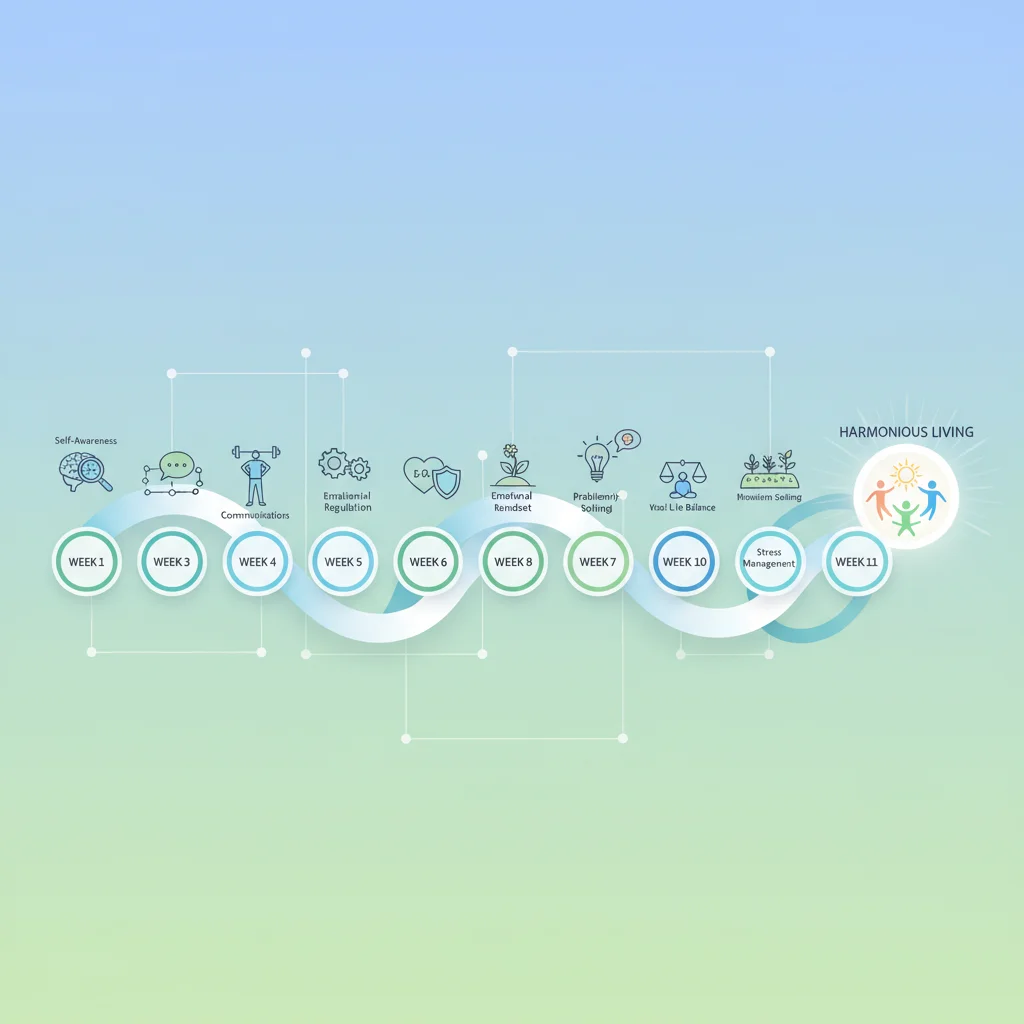
The 12-Week Healthy Boundaries Program: A Roadmap to Transformation
Our comprehensive 12-week healthy boundaries program is structured to guide you through a transformative journey, building your boundary-setting skills week by week. Each module is designed to be practical, insightful, and actionable, ensuring you gain confidence and competence in establishing and maintaining healthy boundaries across all areas of your life. This program is ideal for anyone in the US seeking to improve their relationships, reduce stress, and cultivate a stronger sense of self-worth.
Weeks 1-3: Foundation and Self-Awareness
- Week 1: Understanding the ‘Why’ of Boundaries. We begin by exploring the fundamental importance of boundaries, delving into the psychological and emotional impact of lacking them. You’ll identify past experiences where boundaries were crossed and understand the root causes of your difficulty in setting them. This week sets the stage for the entire healthy boundaries program.
- Week 2: Identifying Your Values and Needs. Before you can set effective boundaries, you must understand what truly matters to you. This week focuses on self-reflection exercises to pinpoint your core values, personal needs, and non-negotiables. This self-awareness is the bedrock of strong boundaries.
- Week 3: Recognizing Your Boundary Red Flags. Learn to identify the early warning signs that your boundaries are being tested or violated. This includes physical sensations, emotional cues, and recurring patterns in your relationships. Developing this awareness is crucial for proactive boundary setting.
Weeks 4-6: Communication and Assertiveness
- Week 4: Mastering Assertive Communication. This week is dedicated to developing clear, direct, and respectful communication skills. You’ll learn the difference between passive, aggressive, and assertive communication, and practice techniques for expressing your needs and limits without guilt or fear. This is a cornerstone of setting healthy boundaries.
- Week 5: Scripting Your Boundary Statements. We’ll work on crafting effective boundary statements for various situations. You’ll learn how to use ‘I’ statements, be concise, and anticipate potential reactions. Role-playing and practice exercises will build your confidence.
- Week 6: Navigating Difficult Conversations. Setting boundaries often involves challenging discussions. This module provides strategies for approaching sensitive topics, managing conflict constructively, and staying firm yet empathetic when your boundaries are challenged.

Weeks 7-9: Specific Relationship Applications
- Week 7: Boundaries in Family Relationships. Family dynamics can be particularly complex. This week focuses on setting healthy boundaries with parents, siblings, extended family, and in-laws, addressing common challenges like guilt, obligation, and ingrained patterns.
- Week 8: Boundaries in Romantic Relationships. Explore the unique nuances of boundaries in intimate partnerships. Topics include emotional space, personal time, shared responsibilities, and navigating expectations to foster stronger, more equitable connections. This is a critical module for any healthy boundaries program.
- Week 9: Boundaries in Friendships and Social Circles. Learn how to maintain healthy friendships by setting limits on time, emotional support, and expectations. Address issues like unsolicited advice, gossip, and one-sided relationships.
Weeks 10-12: Maintenance and Empowerment
- Week 10: Boundaries in the Workplace and Professional Life. This module tackles setting professional boundaries with colleagues, superiors, and clients. Learn to manage workload, protect your personal time, and prevent burnout while maintaining professionalism.
- Week 11: Dealing with Boundary Pushers and Backlash. Not everyone will readily accept your new boundaries. This week provides strategies for handling resistance, guilt-tripping, manipulation, and other forms of backlash, empowering you to stand firm.
- Week 12: Sustaining Your Boundaries and Future Growth. The final week focuses on integrating boundary-setting into your lifestyle. We’ll discuss strategies for ongoing self-assessment, adapting boundaries as life changes, and celebrating your progress. This reinforces the long-term benefits of the healthy boundaries program.
Practical Strategies for Implementing Healthy Boundaries
Beyond understanding the theory, effective boundary setting requires practical application. This 12-week healthy boundaries program integrates actionable strategies you can implement immediately. These techniques are designed to build your confidence and ensure your boundaries are not just set, but also respected and maintained.
1. Self-Reflection and Identification
Before you can communicate your boundaries, you must first be clear about what they are. Take time to reflect on situations where you felt uncomfortable, resentful, or drained. What was the underlying boundary that was crossed? What specific behaviors or requests make you feel uneasy? Journaling can be an incredibly powerful tool for this process. Ask yourself: ‘What do I need to feel safe, respected, and valued in this relationship or situation?’ This clarity is the foundation of the healthy boundaries program.
2. Clear and Direct Communication
Ambiguity is the enemy of boundaries. When you communicate your limits, be clear, concise, and direct. Avoid hinting, making excuses, or apologizing unnecessarily. Use ‘I’ statements to express your needs and feelings without blaming others. For example, instead of saying, ‘You always ask too much of me,’ try, ‘I feel overwhelmed when I take on too many tasks, so I need to say no to that request.’ This directness is a key teaching of our healthy boundaries program.
3. Start Small and Build Momentum
If boundary setting feels daunting, begin with low-stakes situations. Practice saying ‘no’ to minor requests that don’t significantly impact others but help you build confidence. As you gain comfort and see positive results, you can gradually tackle more challenging boundary situations. This incremental approach makes the process less overwhelming and more sustainable.
4. Be Consistent and Firm
Consistency is paramount. A boundary that is enforced one day and ignored the next is not a boundary at all. People learn how to treat you based on what you consistently allow. When you set a boundary, be prepared to uphold it, even if it feels uncomfortable initially. This doesn’t mean being rigid, but rather being clear about your expectations. The healthy boundaries program emphasizes the importance of this consistency for long-term success.
5. Anticipate and Prepare for Reactions
Not everyone will react positively to your new boundaries. Some people may be surprised, confused, or even resistant, especially if they are accustomed to you being a people-pleaser. Prepare for potential pushback, guilt trips, or attempts to manipulate. Have a calm, rehearsed response ready. Remember, their reaction is about them, not about the validity of your boundary. This preparation is a crucial element of our healthy boundaries program.
6. Practice Self-Compassion
Setting boundaries can be emotionally challenging, and you might make mistakes or feel guilty. Be kind to yourself throughout the process. Acknowledge your efforts, learn from setbacks, and remember that you are doing important work for your well-being. Self-compassion is a vital component of any personal growth journey, especially within a healthy boundaries program.
7. Seek Support
You don’t have to navigate this journey alone. Share your experiences with a trusted friend, family member, therapist, or join a support group. Having accountability and encouragement can make a significant difference. Our 12-week healthy boundaries program encourages seeking out and building a strong support network.
Overcoming Common Challenges in Boundary Setting
While the concept of healthy boundaries is straightforward, implementing them can present several challenges. Our 12-week healthy boundaries program addresses these head-on, providing strategies to overcome common obstacles and empower you to maintain your newfound limits.
Guilt and Fear of Rejection
Many individuals struggle with guilt when setting boundaries, fearing they might hurt others’ feelings or be perceived as selfish. This often stems from deeply ingrained beliefs about needing to please everyone. The healthy boundaries program helps you reframe these beliefs, understanding that setting boundaries is an act of self-respect, not selfishness. We explore the fear of rejection, providing tools to build self-worth independent of others’ approval.
Lack of Practice and Confidence
If you’ve rarely set boundaries, the initial attempts can feel awkward and unnatural. This lack of experience can lead to a dip in confidence. Our program offers extensive practice opportunities, role-playing scenarios, and guided exercises to gradually build your comfort and assurance. Remember, confidence grows with consistent action.
Dealing with Backlash and Resistance
When you start setting healthy boundaries, some people in your life might react negatively. They might try to manipulate you, make you feel guilty, or even become angry. This resistance is often a sign that your boundaries are necessary and that the other person is accustomed to the old dynamic. The healthy boundaries program teaches you how to anticipate and respond to such reactions calmly and firmly, without caving in or escalating conflict.
Blurred Lines in Close Relationships
Setting boundaries with close family members or romantic partners can be particularly challenging due to shared histories, emotional intimacy, and interdependence. The program dedicates specific modules to these relationships, offering tailored strategies for navigating complex dynamics and fostering mutual respect while maintaining individual identity within the connection.
Maintaining Consistency
Consistency is key to effective boundary setting. It’s easy to set a boundary once, but harder to enforce it repeatedly, especially when you’re tired or stressed. The healthy boundaries program emphasizes developing routines and habits that support consistent boundary maintenance, helping you stay firm even when it’s difficult.
The Long-Term Benefits of Embracing Healthy Boundaries
Committing to a healthy boundaries program is an investment that yields profound and lasting benefits across every facet of your life. The transformation extends far beyond simply saying ‘no’ more often; it’s about cultivating a life of greater authenticity, peace, and fulfillment.
Enhanced Self-Respect and Self-Worth
When you consistently honor your own needs and limits, you send a powerful message to yourself: ‘I am worthy of respect.’ This builds a robust sense of self-worth and self-esteem, empowering you to live more authentically and confidently. You stop seeking external validation and start trusting your inner compass.
Stronger, More Authentic Relationships
Paradoxically, setting boundaries doesn’t push people away; it draws the right people closer. When your boundaries are clear, your relationships become more honest, respectful, and sustainable. You attract people who value your autonomy and are willing to meet you where you are, fostering deeper connections built on mutual understanding and genuine care. Resentment, a common byproduct of poor boundaries, dissipates, making way for genuine appreciation.
Reduced Stress and Burnout
By effectively managing your time, energy, and emotional capacity, you significantly reduce chronic stress and the risk of burnout. You create space for rest, rejuvenation, and activities that truly nourish you, leading to improved physical and mental health. This is a direct outcome of successfully completing a healthy boundaries program.
Improved Mental and Emotional Well-being
Healthy boundaries act as a protective shield for your mental and emotional health. They prevent you from absorbing others’ negativity, becoming emotionally enmeshed, or feeling constantly overwhelmed. This leads to greater emotional stability, reduced anxiety, and a profound sense of inner peace. You gain control over your emotional landscape, rather than being a passive recipient of external forces.
Increased Productivity and Focus
In professional settings, clear boundaries prevent distractions, overcommitment, and interruptions, allowing you to focus on your priorities and work more efficiently. This not only boosts your productivity but also enhances your professional reputation as someone who is organized and respects their own time and the time of others.
Greater Personal Freedom and Autonomy
Ultimately, embracing healthy boundaries grants you a profound sense of personal freedom. You gain the autonomy to make choices that align with your values, pursue your passions, and design a life that truly reflects who you are, rather than being dictated by the expectations or demands of others. This is the ultimate goal of our 12-week healthy boundaries program.
Conclusion: Embark on Your Journey to Healthy Boundaries Today
The journey to mastering healthy boundaries is a continuous one, but the rewards are immeasurable. This 12-week healthy boundaries program offers a structured, supportive, and empowering pathway to transform your relationships, enhance your well-being, and reclaim your personal power. Imagine a life where you feel respected, understood, and at peace in all your interactions. A life where you can give generously without feeling depleted, and receive graciously without feeling indebted. This vision is not just a dream; it’s an achievable reality when you commit to the principles and practices of healthy boundaries.
By investing in this program, you are not just learning a skill; you are cultivating a new way of being. You are choosing self-respect over people-pleasing, authenticity over accommodation, and genuine connection over superficial harmony. You are building the resilience to navigate life’s complexities with grace and confidence. In a world that often pulls us in countless directions, the ability to define and defend your personal space is an act of profound self-care and a testament to your commitment to a fulfilling life.
Don’t let fear or past patterns hold you back any longer. Take the first step towards a more empowered and harmonious existence. Embrace the opportunity to learn, grow, and thrive with our comprehensive healthy boundaries program. Your future self, and your relationships, will thank you for it. Join us, and begin your transformation today.