Beyond Recycling: 4 Innovative US Programs Turning Waste to Resources in 2026
Beyond Recycling: 4 Innovative US Programs Turning Waste to Resources in 2026
The global challenge of waste management has reached a critical juncture. For decades, our approach has largely been linear: take, make, dispose. Traditional recycling, while a step in the right direction, often struggles with economic viability, contamination, and limited end-markets for recycled materials. However, a seismic shift is underway, driven by a growing understanding that waste isn’t merely refuse to be discarded, but a valuable resource waiting to be unlocked. This paradigm shift is giving rise to the circular economy, a model of production and consumption that involves sharing, leasing, reusing, repairing, refurbishing, and recycling existing materials and products for as long as possible. The United States, a nation grappling with immense waste generation, is at the forefront of this evolution, with groundbreaking initiatives poised to redefine how we perceive and manage our discards.
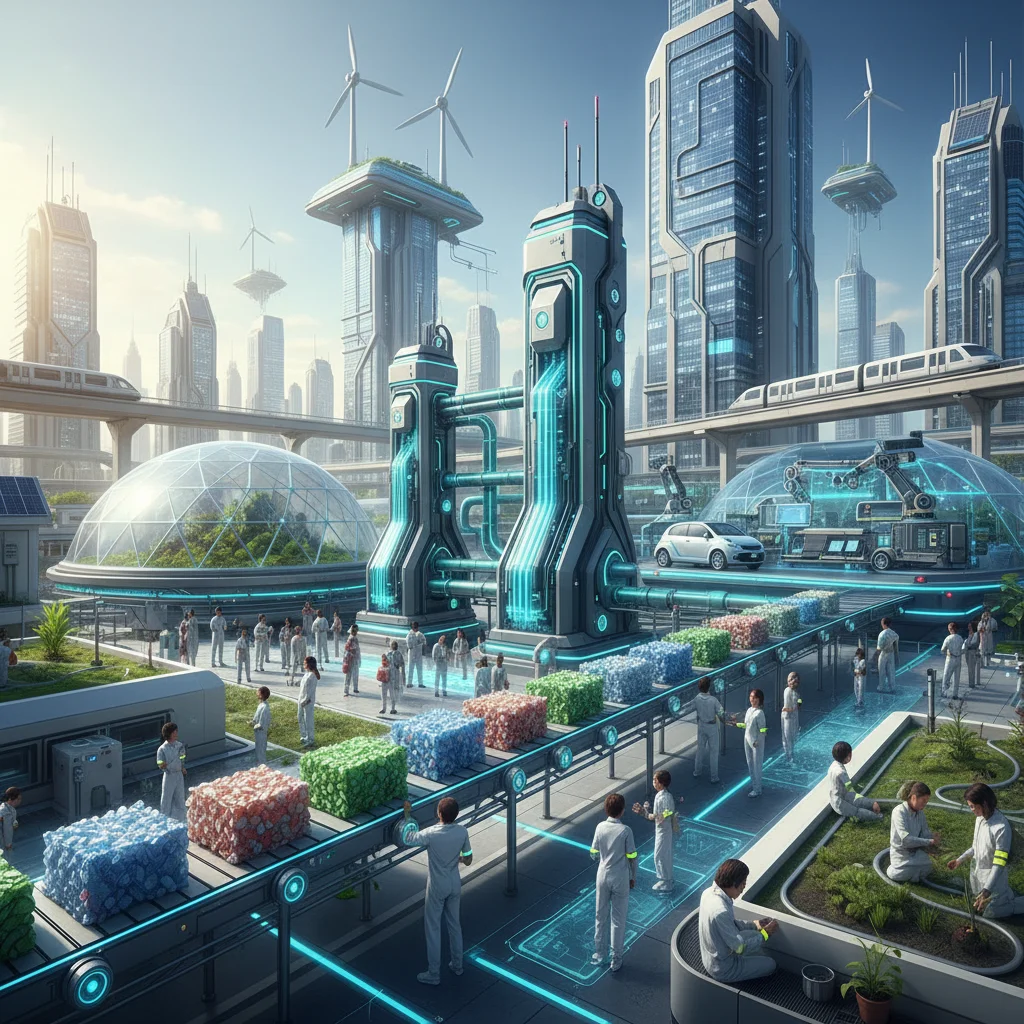
By 2026, the US is projected to see a significant acceleration in diverse programs that go far beyond conventional recycling, actively transforming waste into resources. These innovative US programs are not just about diverting waste from landfills; they are about creating new industries, fostering economic growth, reducing environmental impact, and building a more sustainable future. This article delves into four such pioneering programs that are set to make a profound impact, contributing to an ambitious goal of boosting the circular economy by at least 5% within the next few years. These initiatives represent a crucial pivot from simply managing waste to harnessing its inherent value, demonstrating how ingenuity and strategic investment can convert societal challenges into opportunities for innovation and sustainability. The focus on turning waste to resources is not just an environmental imperative but an economic one, promising to unlock new revenue streams and employment opportunities.
The Urgency of Shifting to a Circular Economy: Why Waste to Resources Matters Now
Before we dive into the specific programs, it’s crucial to understand the driving force behind this transformation: the urgent need for a circular economy. Our current linear economic model has led to an unsustainable depletion of natural resources, escalating pollution, and mounting waste crises. Landfills are overflowing, oceans are choking with plastic, and the extraction of virgin materials continues to drive habitat destruction and climate change. The environmental and economic costs are staggering, prompting a global call for change.
The circular economy offers a compelling alternative. Instead of discarding materials after a single use, it advocates for keeping resources in use for as long as possible, extracting the maximum value from them whilst in use, then recovering and regenerating products and materials at the end of each service life. This approach minimizes waste, reduces demand for new raw materials, lowers energy consumption, and mitigates pollution. The concept of waste to resources is central to this model, transforming what was once considered a problem into a continuous loop of value creation. This isn’t just about incremental improvements; it’s about a systemic overhaul of how we design, produce, consume, and recover. The economic benefits are equally compelling, with studies suggesting that a circular economy could generate trillions in economic value globally. For the US, embracing these innovative programs means not only environmental stewardship but also a competitive edge in a rapidly evolving global landscape. The shift to a circular economy is no longer a niche concept but a mainstream necessity, underpinning the long-term sustainability and prosperity of nations. Implementing effective waste management strategies that prioritize resource recovery is paramount.
Program 1: Advanced Biorefineries for Organic Waste Conversion
Turning Food Scraps and Agricultural Residues into High-Value Products
One of the most significant waste streams in the US is organic waste, comprising food scraps, yard waste, and agricultural residues. Historically, much of this material ends up in landfills, where its decomposition generates methane, a potent greenhouse gas. However, a new wave of advanced biorefineries is emerging, poised to revolutionize how we manage organic waste, converting it into a diverse array of high-value products.
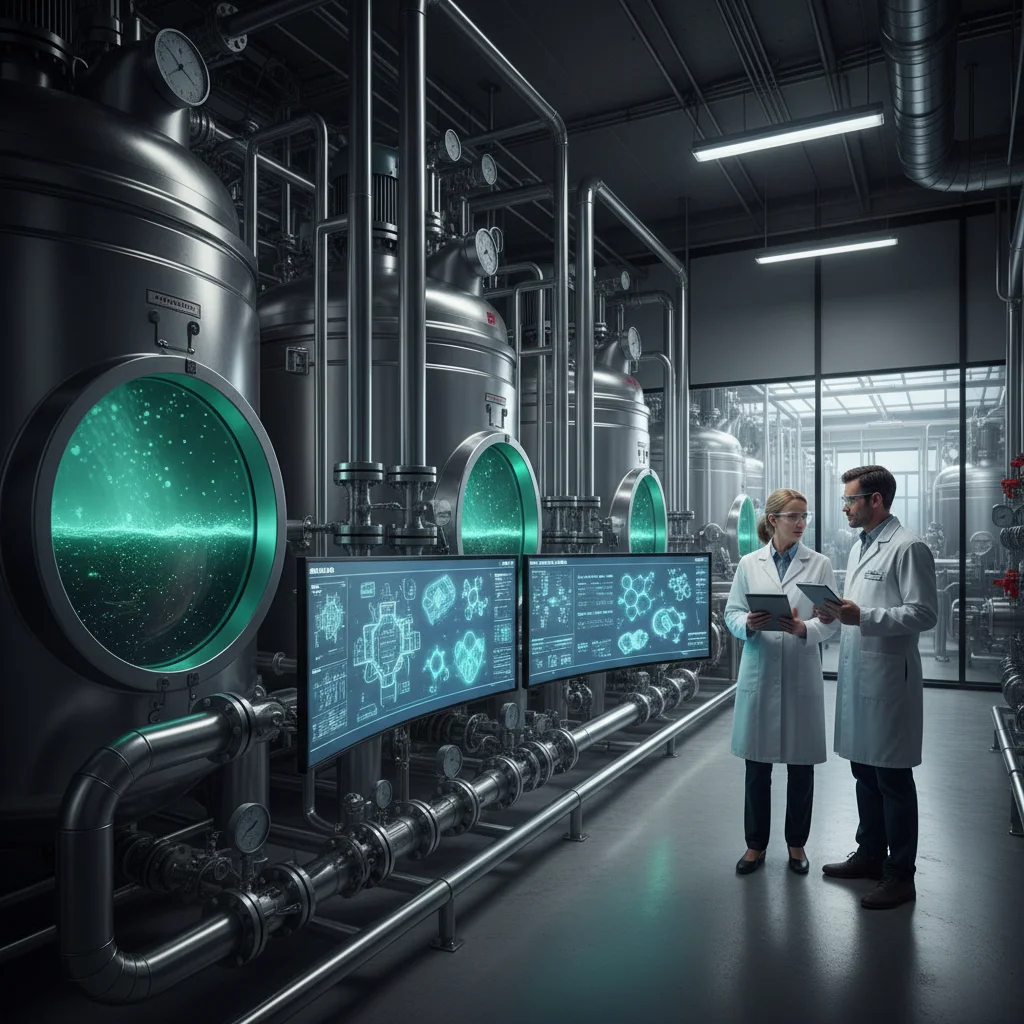
These biorefineries utilize sophisticated biological and thermochemical processes, such as anaerobic digestion, fermentation, and pyrolysis, to break down organic matter. The output is far more diverse and valuable than traditional composting. Imagine food waste being transformed into biofuels like renewable natural gas (RNG) for vehicles, or sustainable aviation fuel (SAF). Picture agricultural waste becoming biochemicals that replace petroleum-based plastics, pharmaceuticals, or fertilizers. These facilities are designed to be highly efficient, minimizing energy consumption and maximizing resource recovery.
For example, some leading biorefinery projects in states like California and Iowa are already demonstrating the potential. They are integrating multiple processing technologies to create a ‘cascading’ value chain, where different fractions of the organic waste are valorized into successive products. The residual digestate from anaerobic digestion, for instance, can be further processed into nutrient-rich biofertilizers, closing the loop on agricultural nutrient cycles. This multi-product approach significantly enhances the economic viability and environmental impact of these operations.
By 2026, we anticipate a significant expansion of these advanced biorefineries, driven by increasing regulatory support for organic waste diversion and growing market demand for bio-based products. This program is expected to divert millions of tons of organic waste from landfills annually, drastically reducing methane emissions and creating new, green jobs. The focus on waste to resources in the organic sector offers a double benefit: environmental protection and economic opportunity. The ability to create sustainable alternatives to fossil-based products is a game-changer, aligning perfectly with the goals of a robust circular economy. This also reduces the reliance on traditional waste management methods that are less sustainable.
Program 2: Chemical Recycling for Mixed Plastics
Unlocking the Value of Hard-to-Recycle Plastics
Plastic pollution is one of the most pressing environmental issues of our time. While mechanical recycling works for certain types of plastics (like PET bottles and HDPE containers), a vast majority of plastic waste – especially mixed, contaminated, or multi-layered plastics – is deemed unrecyclable and ends up in landfills or incinerators. This is where chemical recycling, also known as advanced recycling, steps in as a transformative solution, turning waste to resources.
Chemical recycling technologies break down plastic polymers into their molecular building blocks (monomers or oligomers) or even into basic chemical feedstocks. These can then be used to create new, virgin-quality plastics, effectively closing the loop for plastics that mechanical recycling cannot handle. This process is particularly promising for materials like plastic films, flexible packaging, and mixed plastic waste streams that often contaminate traditional recycling efforts.
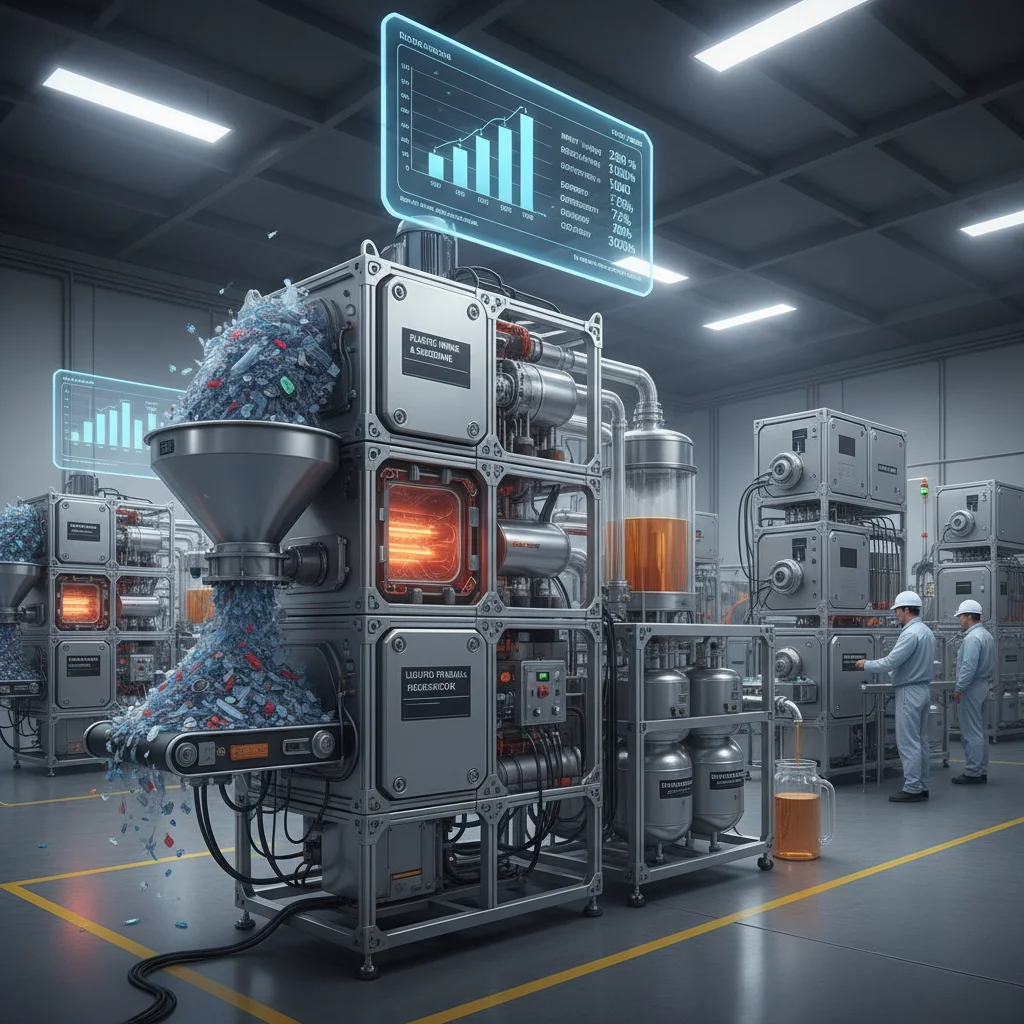
There are several different chemical recycling methods, including pyrolysis, gasification, and depolymerization. Pyrolysis, for instance, heats plastic waste in the absence of oxygen to produce pyrolysis oil, which can then be refined into new plastic resins or fuels. Depolymerization specifically targets certain polymers, breaking them back down into their original monomers, which can then be re-polymerized into new plastic with identical properties to virgin material. This is crucial for maintaining the quality and performance of recycled plastics, overcoming a common challenge in mechanical recycling.
Major chemical companies and innovative startups across the US are investing heavily in this technology. States like Texas and Ohio are becoming hubs for these advanced recycling facilities. By 2026, we expect to see several large-scale chemical recycling plants operational, significantly increasing the amount of plastic waste that can be genuinely recycled and reused. This program not only tackles plastic pollution head-on but also creates a new domestic supply chain for plastic raw materials, reducing reliance on fossil fuels and boosting the circular economy. The ability to process previously unrecyclable plastics into valuable feedstocks represents a monumental leap forward in resource recovery and sustainable manufacturing. This innovation is vital for comprehensive waste management.
Program 3: Urban Mining and Critical Mineral Recovery from E-Waste
Extracting Precious Metals and Rare Earths from Electronic Scrap
The rapid proliferation of electronic devices has led to an explosion of electronic waste (e-waste), which is often discarded improperly. E-waste is a complex mixture of materials, containing toxic substances like lead and mercury, but also valuable critical minerals and precious metals such as gold, silver, copper, platinum, and rare earth elements. These materials are finite, and their extraction from virgin sources is environmentally destructive and often geopolitically sensitive. Urban mining offers a sustainable alternative, turning e-waste into a rich vein of waste to resources.
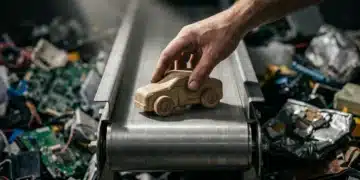
Urban mining refers to the process of recovering valuable materials from discarded products and infrastructure within urban environments. In the context of e-waste, this involves sophisticated dismantling, sorting, and extraction technologies. These technologies range from advanced mechanical separation techniques to hydrometallurgical and pyrometallurgical processes that can efficiently recover minute quantities of precious and critical metals from complex circuit boards and components. The goal is to maximize the recovery rate while minimizing environmental impact.
Several initiatives across the US are focusing on building the infrastructure and expertise for urban mining. For instance, specialized facilities are being developed in regions with high concentrations of tech industries and consumer electronics, such as Silicon Valley and manufacturing hubs. These programs are not just about recycling; they involve detailed material science, robotics for automated dismantling, and advanced chemical processes that are far more sophisticated than traditional scrap metal recovery. They also prioritize secure data destruction, addressing another critical concern with e-waste.
By 2026, the US aims to significantly scale up its capacity for critical mineral recovery from e-waste. This will not only reduce the environmental footprint associated with mining but also enhance national security by securing a domestic supply of essential materials vital for technologies like electric vehicles, renewable energy systems, and defense applications. This program is a prime example of how resource recovery from waste can address multiple strategic objectives, making a substantial contribution to the circular economy and fostering innovation in materials science. Effective waste management of e-waste is increasingly critical.
Program 4: Carbon Capture and Utilization (CCU) for Industrial Waste Gases
Transforming Emissions into Valuable Products
While not traditionally considered ‘solid waste,’ industrial emissions, particularly carbon dioxide (CO2), represent a massive waste stream with significant environmental consequences. Carbon Capture and Utilization (CCU) technologies are emerging as a powerful means to transform these waste gases into valuable products, effectively turning atmospheric waste to resources and contributing to a circular economy.
CCU involves capturing CO2 from large point sources, such as power plants, cement factories, or industrial facilities, and then converting it into useful products. Unlike carbon capture and storage (CCS), which focuses on sequestering CO2 underground, CCU actively puts the captured carbon to work. The applications are incredibly diverse: CO2 can be converted into building materials (e.g., carbon-negative concrete), synthetic fuels, chemicals (like methanol or polymers), and even carbonated beverages or fertilizers. This process not only reduces greenhouse gas emissions but also creates new revenue streams and reduces the need for virgin resources.
The US is investing heavily in CCU research, development, and deployment. Projects are underway to scale up technologies that use electrochemical, biological, or thermochemical pathways to convert CO2. For instance, some companies are developing technologies to produce sustainable aviation fuels from captured CO2 and green hydrogen, offering a truly circular approach to fuel production. Others are innovating in the use of CO2 to cure concrete, making the construction industry more sustainable.
By 2026, several large-scale CCU projects are expected to be operational across various industrial sectors in the US. These initiatives will demonstrate the commercial viability of converting industrial waste gases into high-value commodities, creating a new dimension of the circular economy. This program addresses climate change directly by reducing emissions while simultaneously fostering innovation and creating a market for carbon-derived products. It represents a proactive and inventive approach to resource recovery, redefining what constitutes ‘waste’ in an industrial context. This comprehensive approach is essential for modern waste management strategies.
The Impact and Future Outlook: Boosting the Circular Economy by 5%
The collective impact of these four innovative US programs – advanced biorefineries, chemical recycling for plastics, urban mining for e-waste, and carbon capture and utilization – is poised to be transformative. By 2026, the ambitious goal of boosting the circular economy by at least 5% through these and similar initiatives is not just aspirational; it’s becoming increasingly attainable. This 5% increase represents a substantial shift in material flows, significantly reducing reliance on virgin resources and mitigating environmental degradation.
This boost will manifest in several key areas:
- Reduced Landfill Dependence: Millions of tons of organic waste and hard-to-recycle plastics will be diverted from landfills, extending their lifespan and reducing methane emissions.
- Enhanced Resource Security: Domestic recovery of critical minerals and the creation of recycled feedstocks for plastics and chemicals will decrease reliance on volatile global supply chains.
- Lower Carbon Footprint: By converting CO2 into products and reducing emissions from organic waste, these programs directly combat climate change.
- Economic Growth and Job Creation: The development and operation of these advanced facilities will create new green jobs in manufacturing, engineering, and research, fostering innovation and economic resilience.
- New Product Development: The availability of high-quality recycled materials and carbon-derived products will spur innovation in product design and manufacturing, leading to more sustainable offerings.
Achieving this vision requires continued investment from both public and private sectors, supportive policy frameworks, and ongoing research and development. Consumer behavior also plays a crucial role, as demand for circular products and services will drive market adoption. Education and awareness campaigns will be essential to ensure public participation and understanding of these complex but vital processes.
The journey towards a fully circular economy is long, but these innovative US programs represent critical milestones. They demonstrate a proactive and visionary approach to waste management and resource recovery, moving beyond mere recycling to a holistic system where waste is systematically transformed into valuable resources. The year 2026 will mark a pivotal moment, showcasing the tangible benefits of a circular model and inspiring further advancements in the quest for a truly sustainable future. The focus on waste to resources is not just a trend; it’s the foundation of future economic and environmental stability.
Conclusion: A New Era of Resourcefulness
The traditional linear economy, characterized by its ‘take-make-dispose’ mentality, has pushed our planet to its limits. The sheer volume of waste generated annually, coupled with the rapid depletion of natural resources and the escalating climate crisis, demands an urgent and fundamental shift in our approach. While conventional recycling has served as a foundational step, it has often been insufficient to address the scale and complexity of the modern waste challenge. The limitations of mechanical recycling, particularly for mixed and contaminated materials, along with the environmental burden of organic waste in landfills, highlight the necessity for more advanced solutions.
The four innovative US programs discussed – advanced biorefineries for organic waste, chemical recycling for mixed plastics, urban mining for e-waste, and carbon capture and utilization – are not just incremental improvements; they represent a bold leap towards a truly circular economy. These initiatives are redefining the very concept of ‘waste,’ transforming it from an environmental liability into a valuable asset. By 2026, these programs are projected to significantly bolster the US circular economy, demonstrating how strategic investment in innovation can yield profound environmental, economic, and social benefits. The goal of a 5% boost in circularity is a testament to the potential of these technologies and the commitment to a more sustainable future.
These initiatives underscore a new era of resourcefulness, where human ingenuity is applied to optimize material flows, minimize environmental impact, and create new economic opportunities. They showcase how advanced science, technology, and collaborative efforts between industry, government, and academia can unlock the hidden value in our waste streams. The move towards turning waste to resources is not merely an environmental imperative; it is an economic strategy that promises long-term resilience and prosperity. As these programs scale up, they will set a powerful precedent, inspiring further global efforts to embrace circular principles and build a world where waste is truly a resource, not a problem.