2026 Policy Shifts: Impact on Community Volunteerism

Understanding the 2026 Shift: How New Policies Impact Community Volunteerism Across the Nation
The landscape of community volunteerism is on the cusp of a significant transformation. As we approach 2026, a series of new policies and legislative changes are poised to reshape how individuals and organizations engage in civic duty. These impending shifts are not merely bureaucratic adjustments; they represent a fundamental re-evaluation of the role of volunteers, the operational frameworks of non-profits, and the very spirit of community engagement across the nation. Understanding these 2026 volunteer policies is crucial for anyone involved in or benefiting from volunteer efforts.
For decades, volunteerism has been a cornerstone of societal well-being, filling gaps, fostering community spirit, and providing invaluable support where government and market forces fall short. From local food banks to national disaster relief efforts, volunteers are the unsung heroes who keep countless essential services running. However, the regulatory environment surrounding these activities is rarely static. Governments, driven by evolving societal needs, economic pressures, and a desire for greater efficiency and accountability, periodically introduce new frameworks. The year 2026 marks one such pivotal moment, promising a comprehensive overhaul that will demand adaptability and foresight from all stakeholders.
This comprehensive guide aims to dissect the anticipated 2026 volunteer policies, exploring their potential ramifications for individual volunteers, non-profit organizations, corporate social responsibility programs, and the communities they serve. We will delve into the specifics of these changes, analyze their likely impact, and offer strategic insights on how to navigate this new era effectively. Whether you are a dedicated volunteer, a non-profit leader, a policy maker, or simply an engaged citizen, this article will provide you with the knowledge needed to understand and prepare for the future of volunteerism.
The Genesis of Change: Why New 2026 Volunteer Policies Are Emerging
To truly grasp the implications of the 2026 volunteer policies, it’s essential to understand the forces driving their creation. Several key factors are converging to necessitate these legislative and regulatory updates:
Increased Scrutiny and Accountability
In recent years, there has been a growing demand for greater transparency and accountability across all sectors, including non-profit and volunteer organizations. High-profile cases of mismanagement or misuse of funds, though rare, have amplified calls for stricter oversight. The new policies are likely to introduce more robust reporting mechanisms, clearer guidelines for financial stewardship, and enhanced accountability measures to ensure that volunteer efforts are both effective and ethically sound. This focus on accountability aims to bolster public trust and ensure resources are utilized optimally.
Evolving Nature of Work and Technology
The world of work is changing rapidly, driven by technological advancements and shifting employment patterns. The rise of remote work, the gig economy, and new digital platforms has blurred traditional lines between employment and volunteerism. The 2026 volunteer policies are expected to address these modern complexities, potentially introducing new classifications for different types of volunteer engagement, clarifying legal liabilities in digital volunteering, and setting standards for data privacy and security when volunteers handle sensitive information. This adaptation is crucial to ensure that policies remain relevant in a digitally-driven world.
Demographic Shifts and Social Needs
Demographic changes, such as an aging population and increasing urbanization, are creating new social needs and altering the profile of potential volunteers. The 2026 volunteer policies may include provisions designed to encourage participation from diverse age groups and backgrounds, facilitate intergenerational volunteering, and address the specific challenges faced by different demographics in accessing volunteer opportunities. Furthermore, policies might aim to channel volunteer efforts towards emerging societal challenges, such as climate change adaptation, mental health support, and digital literacy training.
Economic Pressures and Funding Models
Economic fluctuations invariably affect funding for non-profits and the resources available for volunteer programs. The new policies might explore innovative funding models, incentives for corporate volunteering, or mechanisms to support organizations that heavily rely on volunteer labor. There could also be a focus on ensuring that volunteer programs are sustainable and resilient in the face of economic downturns, perhaps through diversified funding strategies or government grants specifically tailored to volunteer infrastructure.
Key Pillars of the 2026 Volunteer Policies: What to Expect
While the final details are still being shaped, early indications suggest that the 2026 volunteer policies will focus on several core areas. Understanding these pillars is essential for preparing for the upcoming changes.
Standardization of Volunteer Credentials and Training
One of the most significant anticipated changes is a move towards greater standardization in volunteer credentials and training. This could involve national guidelines for background checks, mandatory training modules for certain types of volunteer work (e.g., working with vulnerable populations), and potentially even a system for recognizing volunteer skills and experience. The aim is to enhance the quality of volunteer services, ensure safety, and provide volunteers with portable credentials that can be recognized across different organizations. This standardization will ensure a baseline level of competency and trustworthiness, elevating the professional perception of volunteer roles.
Enhanced Legal Protections and Responsibilities
The 2026 volunteer policies are expected to clarify and potentially expand the legal protections afforded to volunteers, such as liability protection for actions taken in good faith during their service. Simultaneously, these policies will likely delineate clearer responsibilities for volunteers, ensuring they understand their obligations and the ethical boundaries of their roles. This dual approach aims to encourage participation by mitigating risks for volunteers while also safeguarding the beneficiaries of their services. Clearer legal frameworks will reduce ambiguities that sometimes deter individuals from volunteering.
Digital Transformation and Data Security
With an increasing reliance on digital platforms for volunteer recruitment, management, and communication, the new policies will undoubtedly address digital transformation. This includes guidelines for secure data handling, privacy protection for volunteer and beneficiary information, and potentially even standards for accessible digital tools. Organizations will need to ensure their digital infrastructure complies with these new regulations, safeguarding sensitive data and maintaining trust. The emphasis on data security reflects a broader societal concern about digital privacy and the need to protect personal information.
Incentives for Corporate and Employee Volunteering
Recognizing the immense potential of corporate social responsibility (CSR) initiatives, the 2026 volunteer policies may introduce new incentives for businesses to encourage employee volunteering. This could range from tax breaks for companies that offer paid volunteer leave to recognition programs for organizations with robust CSR programs. The goal is to harness the skills and resources of the corporate sector to amplify community impact, creating a more symbiotic relationship between businesses and non-profits. Such incentives can significantly boost the number of skilled volunteers available to communities.
Focus on Diversity, Equity, and Inclusion (DEI)
DEI principles are becoming paramount across all sectors, and volunteerism is no exception. The 2026 volunteer policies are likely to include provisions that promote diversity in volunteer recruitment, ensure equitable access to opportunities, and foster inclusive environments for all volunteers. This might involve mandates for organizations to review their recruitment practices, provide accessibility accommodations, and offer cultural competency training. A diverse volunteer base brings a richer array of perspectives and skills, better reflecting and serving the communities they assist.

Impact on Individual Volunteers: Navigating the New Landscape
The 2026 volunteer policies will directly affect individuals who dedicate their time and effort to community service. While some changes might require adaptation, many are designed to enhance the volunteer experience and ensure their contributions are valued and protected.
Increased Training and Skill Development
Volunteers can expect more structured training programs, particularly for roles that involve specialized skills or interactions with vulnerable populations. While this might seem like an added commitment, it presents an opportunity for personal and professional development. These trainings will equip volunteers with enhanced skills, confidence, and a deeper understanding of their roles, ultimately making their contributions more impactful and potentially opening doors to new opportunities. The focus on skill development will empower volunteers and make their service more effective.
Greater Recognition and Professionalization
With standardized credentials and clearer role definitions, volunteerism may gain a more professional standing. This could lead to greater public recognition of volunteer contributions, potentially influencing academic institutions and employers to value volunteer experience more highly. Volunteers might find it easier to articulate their skills gained through service, enhancing their resumes and career prospects. This professionalization could also attract new demographics to volunteering, including those seeking to build their professional portfolios.
Clarity on Rights and Responsibilities
The new policies will provide much-needed clarity on the rights and responsibilities of volunteers. This means individuals will have a better understanding of what is expected of them, what protections they are afforded, and how to address any concerns or grievances. This transparency fosters a more secure and respectful volunteering environment, reducing potential misunderstandings or exploitation. Knowing their rights and responsibilities clearly will make volunteers feel more secure and valued.
Potential for Streamlined Placement
A move towards standardized systems could lead to more efficient matching of volunteers with suitable opportunities. Centralized databases or platforms, adhering to new policy guidelines, might make it easier for individuals to find roles that align with their skills, interests, and availability, reducing the current fragmentation in volunteer recruitment. This streamlining benefits both volunteers and organizations, ensuring a better fit and higher retention rates.
Impact on Non-Profit Organizations: Adapting to the New Regulatory Environment
Non-profit organizations, the primary facilitators of volunteer efforts, will experience significant shifts under the 2026 volunteer policies. Adaptation will be key to continued success and compliance.
Increased Administrative Burden vs. Enhanced Credibility
Initially, organizations may face an increased administrative burden as they adapt to new reporting requirements, training mandates, and compliance standards. This might involve updating internal policies, investing in new software, or dedicating more staff time to volunteer management. However, in the long run, adherence to these policies will likely enhance the organization’s credibility, attract more reliable volunteers, and potentially open doors to new funding opportunities from donors who value transparency and accountability. The initial investment in compliance will yield long-term benefits in reputation and operational efficiency.
Investment in Technology and Training Infrastructure
To meet the demands of digital transformation and standardized training, non-profits will likely need to invest in robust technological infrastructure and comprehensive training programs. This could include secure volunteer management systems, online learning platforms, and resources for conducting thorough background checks. While challenging for smaller organizations, grants and collaborative initiatives might emerge to support these transitions. Investing in technology will not only ensure compliance but also improve the efficiency of volunteer management.
Rethinking Volunteer Recruitment and Retention
The new policies, particularly those focusing on DEI, will prompt organizations to re-evaluate their recruitment strategies. They will need to ensure their outreach is inclusive, their opportunities are accessible, and their environments are welcoming to volunteers from all backgrounds. Effective retention strategies will also become more critical, as well-trained and credentialed volunteers will be valuable assets. Organizations will need to focus on creating fulfilling and supportive experiences to retain their skilled volunteers. A strategic approach to recruitment and retention will be crucial for maintaining a strong volunteer base.
Collaboration and Resource Sharing
Smaller non-profits, in particular, may find it beneficial to collaborate with larger organizations or form consortia to share resources, expertise, and best practices in complying with the 2026 volunteer policies. This could involve joint training initiatives, shared digital platforms, or collective advocacy efforts to shape future policy refinements. Collaboration can mitigate the financial and operational challenges, fostering a stronger and more resilient non-profit sector. Sharing resources can help smaller organizations meet the new demands without being overwhelmed.
Broader Societal Implications of the 2026 Volunteer Policies
Beyond individuals and organizations, the 2026 volunteer policies are expected to have a ripple effect across society, influencing civic participation, community resilience, and the relationship between citizens and the state.
Strengthening Community Resilience
By professionalizing volunteerism and ensuring greater accountability, the new policies can contribute to building more resilient communities. Well-trained and protected volunteers, operating within clear frameworks, are better equipped to respond to crises, support vulnerable populations, and drive positive social change. This enhanced capacity will be invaluable in addressing complex societal challenges, from natural disasters to public health emergencies. A stronger, more organized volunteer force means communities are better prepared for various challenges.
Reinvigorating Civic Engagement
While increased regulations might initially seem daunting, the long-term effect could be a reinvigoration of civic engagement. By making volunteerism more transparent, impactful, and recognized, the 2026 volunteer policies could attract a new generation of volunteers who seek structured opportunities for meaningful contribution. The clarity and professionalism could reduce barriers to entry for some, fostering a more vibrant and diverse volunteer ecosystem. Clearer pathways and greater recognition can make civic engagement more appealing to a broader audience.
Ethical Considerations and Potential Challenges
While the intentions behind the 2026 volunteer policies are largely positive, it’s crucial to acknowledge potential challenges and ethical considerations. Over-regulation could stifle grassroots initiatives or place undue burden on small, unfunded volunteer groups. There’s a delicate balance to strike between ensuring accountability and fostering flexibility and innovation. Policy makers will need to continuously monitor the impact of these changes and be prepared to make adjustments to prevent unintended negative consequences. Striking the right balance between regulation and flexibility is key for success.
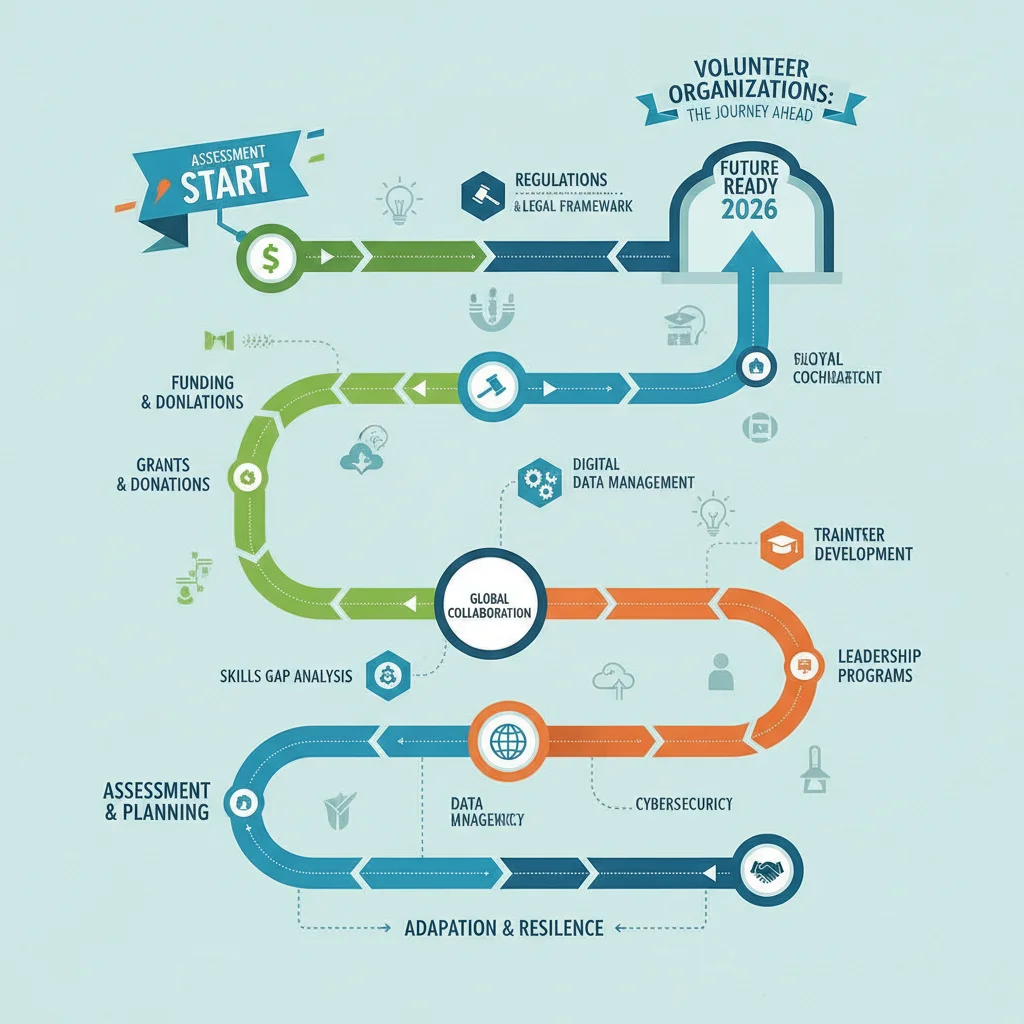
Preparing for the Future: Strategies for Individuals and Organizations
The proactive approach is the most effective way to navigate the upcoming changes. Both individual volunteers and non-profit organizations can take concrete steps to prepare for the 2026 volunteer policies.
For Individual Volunteers:
- Stay Informed: Regularly check official government and non-profit sector updates regarding the new policies.
- Embrace Training: Be open to participating in new training programs and skill development opportunities offered by organizations. View these as investments in your personal growth and impact.
- Understand Your Rights and Responsibilities: Familiarize yourself with the updated guidelines on volunteer rights, protections, and ethical conduct.
- Advocate for Your Needs: Provide feedback to organizations and policy makers on how the changes affect your volunteering experience. Your voice is important in shaping effective policies.
- Network with Other Volunteers: Share experiences and insights with fellow volunteers to learn from each other’s adaptation strategies.
For Non-Profit Organizations:
- Conduct a Policy Audit: Review current volunteer management policies and procedures against anticipated 2026 volunteer policies to identify gaps.
- Invest in Infrastructure: Allocate resources for technology upgrades, secure data management systems, and robust training programs for volunteers and staff.
- Prioritize Staff Training: Ensure staff involved in volunteer management are well-versed in the new regulations and best practices.
- Engage in Advocacy: Participate in discussions with policy makers and industry associations to provide input and shape the final implementation of the policies.
- Foster Collaboration: Explore partnerships with other non-profits to share resources, expertise, and reduce the burden of compliance.
- Communicate Transparently: Keep your volunteers informed about the upcoming changes and how they will affect their roles. Transparency builds trust and encourages cooperation.
- Develop Flexible Models: Consider how to incorporate flexibility into volunteer roles to accommodate diverse needs while still adhering to new standards.
- Measure Impact: Strengthen your ability to measure and report on the impact of volunteer efforts, aligning with increased accountability requirements.
Conclusion: A New Era for Community Volunteerism
The 2026 volunteer policies represent more than just a regulatory update; they signify a new era for community volunteerism. While the transition may present challenges, the overarching goal is to create a more resilient, accountable, and impactful volunteer sector. By fostering greater professionalism, enhancing legal protections, and promoting inclusivity, these policies have the potential to elevate the status of volunteer work and amplify its positive contributions to society.
As individuals and organizations, our collective responsibility is to understand these changes, adapt proactively, and continue to champion the spirit of service that binds our communities. The future of volunteerism, shaped by these impending policies, holds the promise of a more organized, effective, and ultimately, more fulfilling experience for all involved. Embracing these changes with an open mind and a commitment to collaboration will ensure that community volunteerism continues to thrive and serve as a vital force for good across the nation.
The journey towards 2026 will undoubtedly involve learning and adjustment, but with careful preparation and a shared vision, the sector can emerge stronger and more capable than ever before. Let us collectively embrace this opportunity to refine and strengthen the backbone of our communities: the dedicated volunteers who make a difference every single day.