Revitalizing Local Traditions: Preserving US Cultural Heritage in 2026
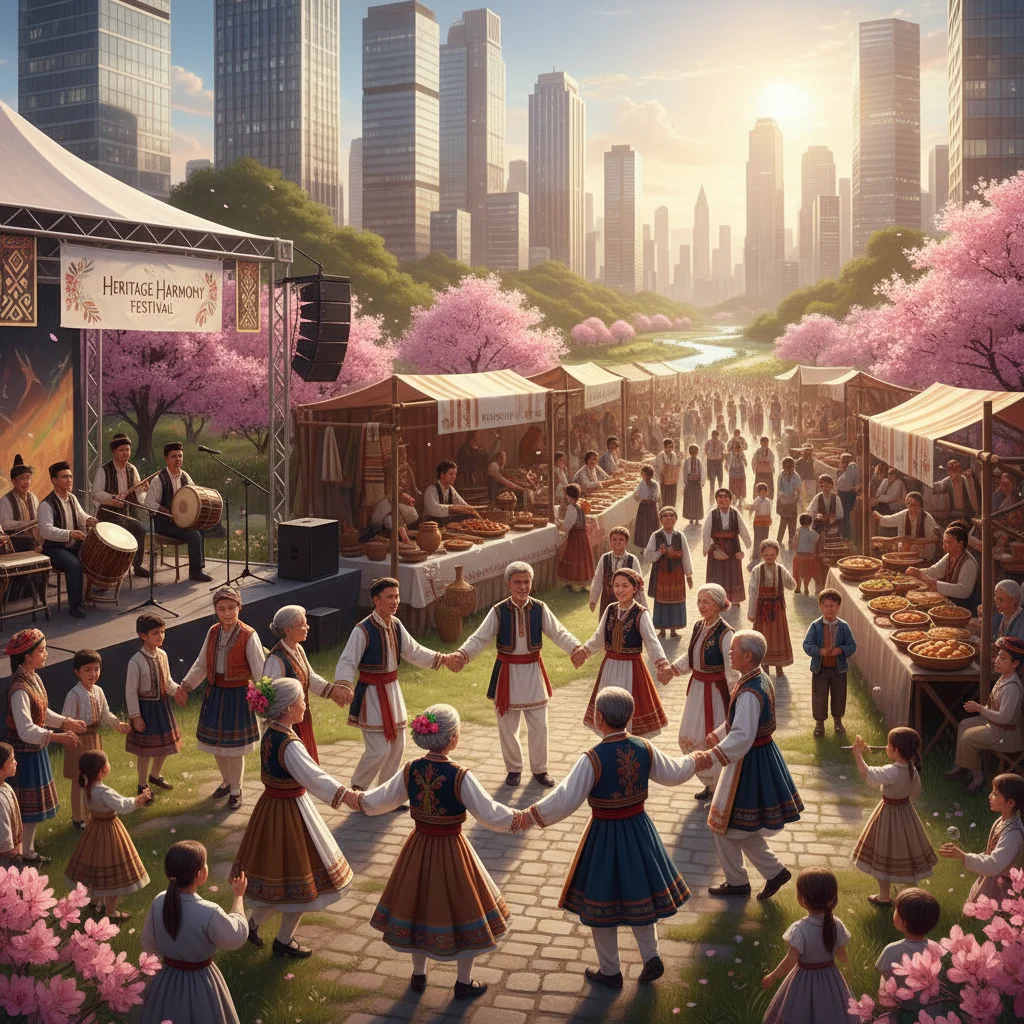
In an increasingly globalized and rapidly evolving world, the essence of local identity often finds itself at a crossroads. As we navigate the complexities of 2026, the imperative to rekindle and sustain the unique tapestry of local traditions and cultural heritage in modern US communities has never been more critical. This comprehensive guide explores innovative strategies, community-driven initiatives, and the transformative power of technology in preserving cultural heritage for future generations. Understanding and actively engaging in preserving cultural heritage is not merely about looking backward; it’s about enriching our present and building a more resilient, connected, and vibrant future.
The Unfolding Landscape of Local Traditions in 2026
The year 2026 presents both challenges and unparalleled opportunities for preserving cultural heritage. On one hand, rapid urbanization, technological advancements, and the pervasive influence of mainstream culture can sometimes overshadow distinctive local customs. Younger generations might feel disconnected from practices that seem antiquated or irrelevant to their digital-first lives. On the other hand, there’s a growing recognition of the value of authenticity, community connection, and the unique stories that local traditions tell. This renewed appreciation is a powerful catalyst for change, driving efforts to make preserving cultural heritage a priority.
Modern US communities are diverse mosaics, each with its own historical narratives, ethnic influences, and evolving social structures. From the indigenous practices of Native American tribes to the immigrant traditions brought by new arrivals, from regional culinary arts to unique folk music genres, the spectrum of local traditions is vast. The challenge lies in identifying these invaluable elements, understanding their significance, and developing sustainable models for their perpetuation. Effective strategies for preserving cultural heritage must be dynamic, inclusive, and forward-looking, capable of adapting to contemporary contexts without losing their intrinsic value.
Why Preserving Cultural Heritage Matters More Than Ever
The act of preserving cultural heritage transcends mere nostalgia; it is fundamental to societal well-being and progress. Cultural heritage provides a sense of identity and belonging, anchoring individuals and communities to their roots. It fosters social cohesion by creating shared experiences and collective memories, strengthening the bonds between neighbors and generations. Economically, revitalized traditions can boost local tourism, support artisan economies, and create unique cultural industries. Environmentally, many traditional practices embody sustainable living and a deep respect for natural resources, offering valuable lessons for contemporary ecological challenges. Furthermore, cultural diversity is a source of innovation and creativity, contributing to a richer, more nuanced national identity. Without dedicated efforts in preserving cultural heritage, communities risk losing these irreplaceable assets, leading to a homogenization that diminishes the richness of human experience.
Strategic Pillars for Preserving Cultural Heritage in 2026
Successful initiatives in preserving cultural heritage require a multi-faceted approach, balancing historical accuracy with contemporary relevance. The following pillars form the foundation of effective preservation strategies:
1. Community-Led Documentation and Archiving
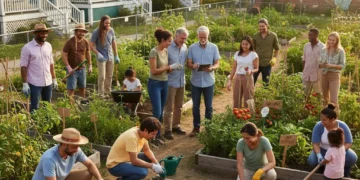
The first step in preserving cultural heritage is to systematically document it. This goes beyond academic research; it involves empowering community members to become custodians of their own stories. In 2026, this means leveraging digital tools for oral history projects, creating multimedia archives of traditional practices, and establishing local heritage registries. Digital platforms can host interviews, photographs, videos, and written accounts, making these resources accessible to a wider audience and ensuring their longevity. Workshops on digital storytelling, photography, and video production can equip community members with the skills to capture and share their heritage effectively. This collaborative approach ensures that the documentation is authentic, inclusive, and truly reflects the community’s voice, making the process of preserving cultural heritage a shared journey.
Consider the example of a small town in the American South, rich in musical traditions. A community-led project could involve elders sharing their knowledge of blues or gospel music, with younger generations recording these sessions, transcribing lyrics, and even learning to play traditional instruments. These recordings, along with historical photographs and personal anecdotes, could then be uploaded to a community digital archive, becoming a living testament to their musical legacy. This approach actively involves the community in preserving cultural heritage, making it a dynamic and engaging process.
2. Intergenerational Knowledge Transfer
The most robust form of preserving cultural heritage is through direct, intergenerational learning. Many traditions are embodied knowledge, passed down through apprenticeship, storytelling, and shared experiences. In 2026, creating structured and informal pathways for elders to share their skills and wisdom with younger generations is paramount. This can manifest as mentorship programs, community workshops, and cultural camps. Schools and local organizations can play a pivotal role by integrating traditional arts, crafts, and narratives into their curricula and extracurricular activities. The goal is to make learning about and participating in local traditions an exciting and relevant experience for youth, fostering a sense of pride and ownership in their heritage. This direct transmission is critical for preserving cultural heritage in its most authentic form.
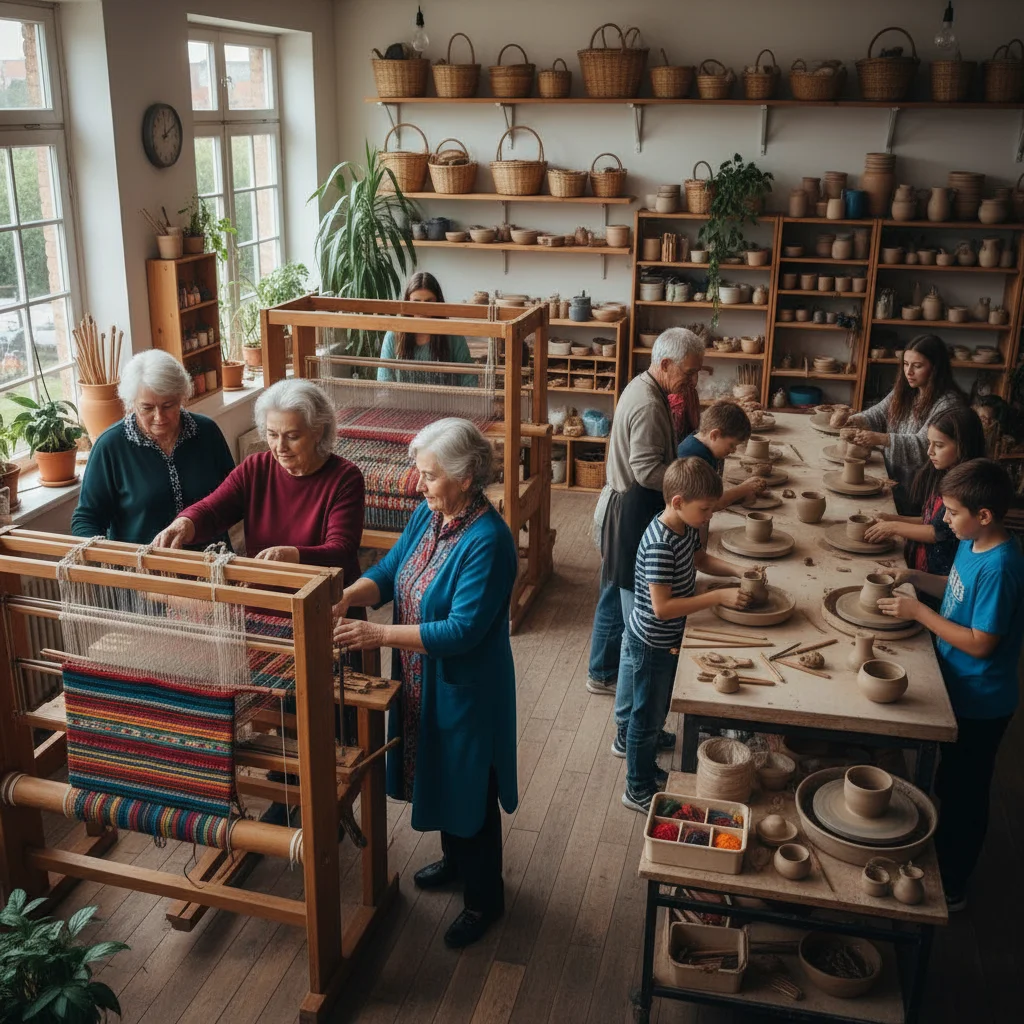
Imagine a scenario where a community’s traditional weaving techniques are on the verge of disappearing. An intergenerational knowledge transfer program could bring together master weavers with interested youth. These workshops would not only teach the physical skill of weaving but also impart the stories, symbolism, and cultural significance behind each pattern. Such initiatives not only preserve the craft but also strengthen community bonds and provide meaningful engagement for both mentors and mentees, actively contributing to preserving cultural heritage.
3. Integrating Traditions into Modern Life
For traditions to thrive, they must evolve and find relevance in contemporary society. Preserving cultural heritage does not mean freezing it in time; it means allowing it to adapt and express itself in new forms. This can involve modernizing traditional crafts for contemporary markets, incorporating traditional storytelling into digital media, or adapting traditional festivals to address current social issues. The key is to maintain the core values and aesthetics while making them accessible and appealing to a modern audience. Collaborations between traditional artisans and contemporary designers, musicians, and artists can lead to innovative expressions of heritage that resonate with diverse demographics.
For instance, a traditional food festival could incorporate modern culinary twists on classic dishes, feature local bands playing contemporary music inspired by folk tunes, and utilize social media for promotion and engagement. A community known for its intricate basket weaving might partner with local fashion designers to create unique accessories that blend traditional techniques with modern aesthetics. These integrations demonstrate that preserving cultural heritage is a dynamic and creative process, ensuring its continued vitality.
4. Leveraging Technology for Preservation and Promotion
In 2026, technology is an indispensable ally in preserving cultural heritage. Beyond digital archiving, virtual reality (VR) and augmented reality (AR) can offer immersive experiences of historical sites and traditional ceremonies. Interactive digital maps can guide visitors through culturally significant locations, providing historical context and stories. Social media platforms are powerful tools for promoting cultural events, sharing stories, and connecting communities. Online marketplaces can provide global reach for local artisans, sustaining traditional crafts. Educational apps and games can make learning about local heritage engaging for children and adults alike. These technological applications transform passive observation into active participation, revolutionizing how we approach preserving cultural heritage.
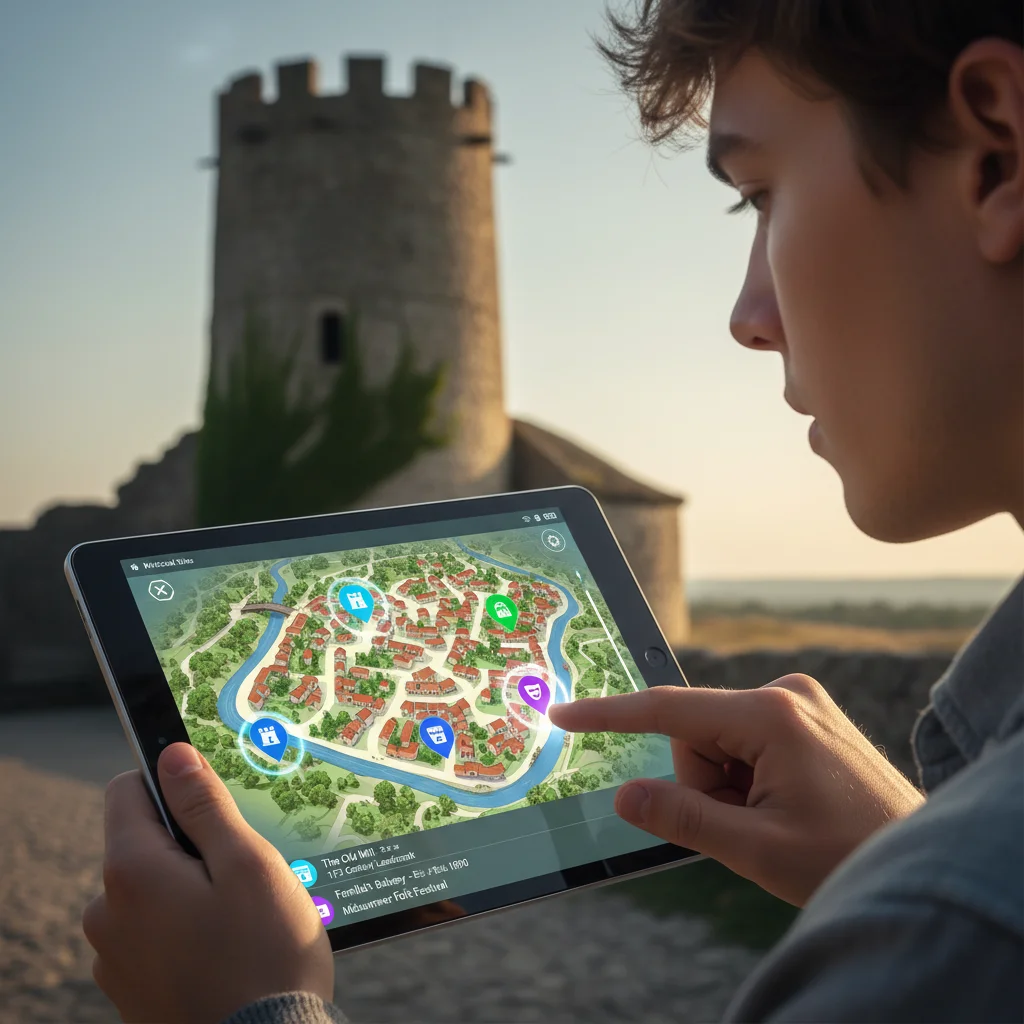
Consider a historical landmark in a community. Instead of just a plaque, an AR app could allow visitors to overlay historical images and videos onto the current landscape, virtually bringing the past to life. Similarly, a VR experience could transport users to a traditional harvest festival from a century ago, allowing them to witness the rituals and celebrations firsthand. These technologies make preserving cultural heritage an exciting and accessible endeavor for a wider audience.
5. Policy and Funding Support
Sustainable preserving cultural heritage efforts require robust policy frameworks and consistent funding. Local, state, and federal governments can establish grants, tax incentives, and protective legislation for cultural sites and practices. Public-private partnerships can unlock significant resources, bringing together philanthropic organizations, corporations, and community groups. Educating policymakers about the economic, social, and cultural benefits of heritage preservation is crucial for securing long-term commitment. Advocacy for cultural heritage should be a continuous effort, highlighting its value in community development plans and urban regeneration projects. Without this foundational support, the most well-intentioned efforts in preserving cultural heritage may falter.
For example, a city council might implement a ‘Cultural Heritage Zone’ designation, offering tax breaks to businesses that maintain historical building facades or promote local artisan products. State-level grants could specifically target programs for preserving cultural heritage, especially those focusing on endangered traditions or languages. These policy interventions create an enabling environment for heritage to flourish.
Case Studies: Success Stories in Preserving Cultural Heritage
Across the US, numerous communities are demonstrating innovative approaches to preserving cultural heritage. These examples offer valuable insights and inspiration:
The Gullah Geechee Cultural Heritage Corridor (Southeastern US)
Spanning coastal regions from North Carolina to Florida, the Gullah Geechee Cultural Heritage Corridor is a testament to the resilience of African American traditions. This initiative focuses on preserving cultural heritage through language revitalization, traditional crafts (like sweetgrass basket weaving), culinary arts, and storytelling. They leverage community education, tourism, and digital platforms to ensure that the unique Gullah Geechee culture continues to thrive. Their success lies in a strong community voice and strategic partnerships with national heritage organizations, making it a leading model for preserving cultural heritage.
Native American Language Revitalization Programs
Across various tribal nations, immense efforts are underway to revitalize indigenous languages, which are central to preserving cultural heritage. Programs often involve language immersion schools, digital dictionaries, mobile apps, and intergenerational teaching. For example, the Cherokee Nation’s immersion schools are producing fluent young speakers, ensuring the continuity of their language and cultural identity. These initiatives are not just about words; they are about maintaining a worldview, traditional knowledge, and a profound connection to ancestral lands, showcasing the depth of preserving cultural heritage.
Appalachian Folk Arts and Music Festivals
In the Appalachian region, numerous festivals and cultural centers are dedicated to preserving cultural heritage through traditional music, dance, and crafts. Events like the Appalachian String Band Music Festival or the Mountain Heritage Festival provide platforms for artists to perform, teach, and sell their wares. These gatherings attract tourists and locals alike, fostering a sense of community pride and providing economic opportunities for traditional practitioners. They demonstrate how vibrant public events can be instrumental in preserving cultural heritage and making it accessible.
Challenges and Considerations in Preserving Cultural Heritage
While the enthusiasm for preserving cultural heritage is growing, several challenges persist:
- Authenticity vs. Adaptation: Striking a balance between maintaining the authenticity of a tradition and adapting it for contemporary relevance can be tricky. Over-commercialization or significant alteration can sometimes dilute the original meaning.
- Funding Sustainability: Many preservation projects rely on grants and short-term funding, making long-term sustainability a constant concern. Developing diverse funding streams is crucial for preserving cultural heritage.
- Community Buy-in: Ensuring that preservation efforts are truly community-driven and not imposed from external forces is vital. Genuine participation and ownership are key to success.
- Digital Divide: While technology offers immense potential, access to digital tools and literacy varies across communities, creating disparities in preserving cultural heritage efforts.
- Intellectual Property Rights: Protecting the intellectual property of traditional knowledge and cultural expressions, especially for indigenous communities, is a complex but essential ethical consideration in preserving cultural heritage.
The Future of Preserving Cultural Heritage: A 2026 Outlook
Looking ahead to the remainder of 2026 and beyond, the movement for preserving cultural heritage is poised for significant growth. We anticipate:
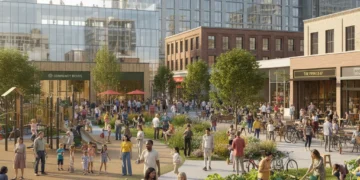
- Increased Integration with Urban Planning: Cultural heritage considerations will become more central to urban development, with cities designing spaces that celebrate local history and traditions.
- Greater Emphasis on Digital Storytelling: More communities will embrace advanced digital tools to create immersive and interactive narratives of their heritage, making preserving cultural heritage more engaging.
- Expanded Educational Programs: Schools and universities will increasingly incorporate local heritage studies into their curricula, fostering a deeper appreciation from a young age.
- Cross-Cultural Collaborations: Communities will engage in more cross-cultural exchanges, learning from each other’s preservation strategies and celebrating shared human experiences.
- Focus on Climate Change and Heritage: The impact of climate change on cultural sites and traditional practices will lead to new preservation strategies that integrate environmental sustainability.
The journey of preserving cultural heritage is continuous, requiring dedication, creativity, and a deep respect for the past while embracing the future. It is a collective responsibility that enriches us all.
Conclusion: A Call to Action for Preserving Cultural Heritage
The year 2026 marks a pivotal moment for preserving cultural heritage in modern US communities. The strategies outlined in this guide – community-led documentation, intergenerational knowledge transfer, integration into modern life, technological leverage, and robust policy support – provide a roadmap for vibrant and sustainable cultural preservation. By actively engaging in these efforts, we not only safeguard invaluable traditions but also strengthen community identity, foster social cohesion, and contribute to a more diverse and resilient nation. Every individual, every family, and every community has a role to play in this vital endeavor. Let us commit to celebrating, protecting, and propagating the rich tapestry of our local traditions, ensuring that the echoes of the past continue to inspire and shape our future. The work of preserving cultural heritage is an ongoing testament to our shared humanity and our commitment to future generations. Let us embrace this challenge with renewed vigor and innovation, ensuring that the unique stories and practices that define us are cherished and passed down, vibrant and alive, for centuries to come. The effort to preserve cultural heritage is not a static endeavor but a living, breathing process that requires constant nurturing and adaptation. It is through this continuous engagement that our traditions truly remain alive, connecting us to our past, grounding us in the present, and guiding us toward a future rich with identity and meaning. By empowering communities, embracing technology, and fostering intergenerational dialogue, we can ensure that the diverse mosaic of American cultural heritage continues to shine brightly. The time for proactive and passionate engagement in preserving cultural heritage is now, and its rewards will be reaped by generations to come, strengthening the very fabric of our society and reminding us of the profound beauty and wisdom found within our local traditions.