Community Building Post-Pandemic: 8 Innovations Shaping US Social Spaces in Early 2026
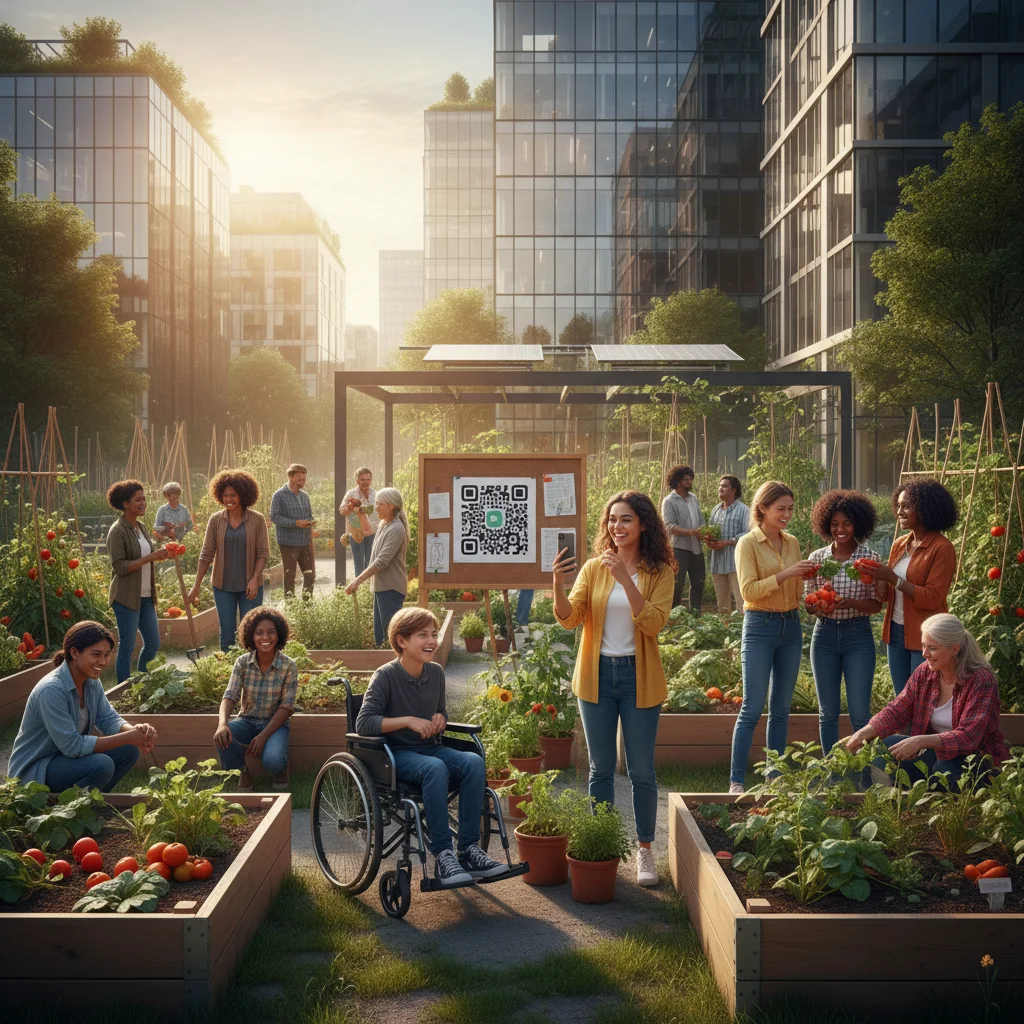
The global pandemic of 2020 irrevocably altered the fabric of human interaction, forcing us into isolation and redefining the very essence of community. As we step into early 2026, the United States is witnessing a remarkable resurgence in Post-Pandemic Community Building, driven by innovative approaches that blend technology, urban design, and a renewed appreciation for human connection. This article explores eight pivotal innovations shaping US social spaces, fostering stronger, more resilient communities in the wake of unprecedented challenges.
The initial shockwave of lockdowns and social distancing measures led to a profound sense of disconnection for many. However, this period also sparked a collective realization of the vital role that robust communities play in individual well-being and societal resilience. Architects, urban planners, technologists, and community organizers have since been working diligently to reimagine social infrastructure, creating environments that actively encourage interaction, support, and shared experiences. From digital town squares to revitalized public parks, the landscape of Post-Pandemic Community Building is evolving at a rapid pace, promising a future where connection is not just an aspiration, but a fundamental design principle.
Understanding these emerging trends is crucial for anyone interested in urban development, social policy, or simply the future of human interaction. The innovations discussed here are not merely fleeting fads; they represent a fundamental shift in how we conceive of and cultivate community. They are a testament to human adaptability and our enduring need for belonging. Let’s delve into these transformative innovations that are defining Post-Pandemic Community Building in early 2026.
1. Hyper-Local Digital Platforms: The New Town Square
One of the most significant shifts in Post-Pandemic Community Building has been the proliferation and sophistication of hyper-local digital platforms. While neighborhood apps existed before, their adoption rate and functionality have skyrocketed. These platforms, often managed by local governments or community organizations, act as digital town squares, facilitating everything from lost pet alerts and local business promotions to organizing volunteer efforts and sharing emergency information. They’ve moved beyond simple bulletin boards, integrating features like secure group chats, event calendars with RSVP capabilities, and even localized marketplaces for goods and services.
The success of these platforms lies in their ability to bridge the gap between digital convenience and real-world interaction. They don’t replace physical gatherings but rather enhance them, providing a persistent channel for communication and coordination. For instance, a platform might notify residents about a park cleanup event, allow them to sign up, discuss logistics, and then share photos and feedback afterward. This continuous loop of engagement strengthens local ties, making it easier for neighbors to connect with each other and with local resources, a cornerstone of effective Post-Pandemic Community Building.
Key features often include: secure identity verification to ensure genuine local participation, integration with local emergency services, and dedicated sections for various interest groups (e.g., parents, gardeners, book clubs). The challenge, and where innovation is focused, is in ensuring equitable access for all residents, regardless of technological proficiency or access to devices, often involving community tech hubs and digital literacy programs.
2. Adaptive Public Spaces: Flexibility and Multi-Functionality
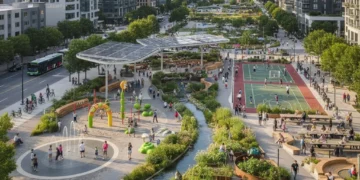
The pandemic highlighted the critical need for flexible and adaptive public spaces. Early 2026 sees a trend towards urban design that prioritizes multi-functional areas capable of transforming to meet diverse community needs. Think of plazas that can host farmers’ markets on weekends, outdoor fitness classes during the week, and intimate musical performances in the evenings. These spaces are designed with modular furniture, integrated power sources, and robust Wi-Fi, making them highly adaptable.
This innovation in Post-Pandemic Community Building is not just about aesthetics; it’s about maximizing the utility and accessibility of communal areas. Cities are investing in movable planters, pop-up kiosks, and adjustable shading structures that allow spaces to be reconfigured quickly and efficiently. The goal is to create ‘sticky’ places where people want to linger, interact, and participate in a variety of activities. This adaptability fosters a sense of ownership among residents, as they see their public spaces actively serving their interests and needs.
Furthermore, these adaptive spaces often incorporate elements of biophilic design, bringing nature into urban environments. Green walls, urban forests, and accessible water features contribute to well-being and provide natural gathering points, enhancing the overall appeal and functionality for Post-Pandemic Community Building efforts.
3. Intergenerational Hubs: Bridging Age Gaps
One of the more poignant lessons from the pandemic was the isolation experienced by both the elderly and young families. In response, a significant innovation in Post-Pandemic Community Building is the rise of intergenerational hubs. These are dedicated centers or programs designed to bring together different age groups for shared activities and mutual support.
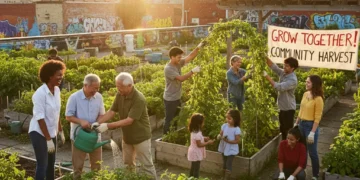
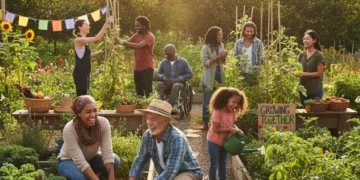
These hubs can take many forms: community centers with co-located daycare and senior activity programs, public libraries offering coding classes for teens alongside storytelling sessions for preschoolers, or urban farms where seniors mentor younger generations in gardening. The benefits are manifold: seniors gain a renewed sense of purpose and connection, children benefit from diverse perspectives and mentorship, and the entire community benefits from stronger social cohesion.
The design of these hubs often emphasizes accessibility, safety, and a variety of spaces to accommodate different activities, from quiet reading nooks to bustling communal kitchens. Programming is carefully curated to encourage natural interaction, breaking down traditional age-based silos and fostering a rich tapestry of relationships, which is vital for holistic Post-Pandemic Community Building.
4. Outdoor Fitness and Wellness Zones: Health as a Community Connector
The pandemic underscored the importance of both physical and mental well-being, and a renewed emphasis on outdoor activities has led to a boom in dedicated outdoor fitness and wellness zones. These are more than just playgrounds; they are sophisticated installations in parks and public spaces featuring state-of-the-art exercise equipment, often with QR codes linking to instructional videos, and designated areas for yoga, tai chi, and group fitness classes.
This innovation in Post-Pandemic Community Building addresses multiple needs: it provides free, accessible ways for residents to stay active, offers safe outdoor venues for social interaction, and promotes a culture of health and wellness within the community. Many zones are designed to be inclusive, with equipment suitable for various fitness levels and mobilities. The organized group classes, often led by local instructors, become powerful magnets for social connection, transforming individual workouts into shared community experiences.
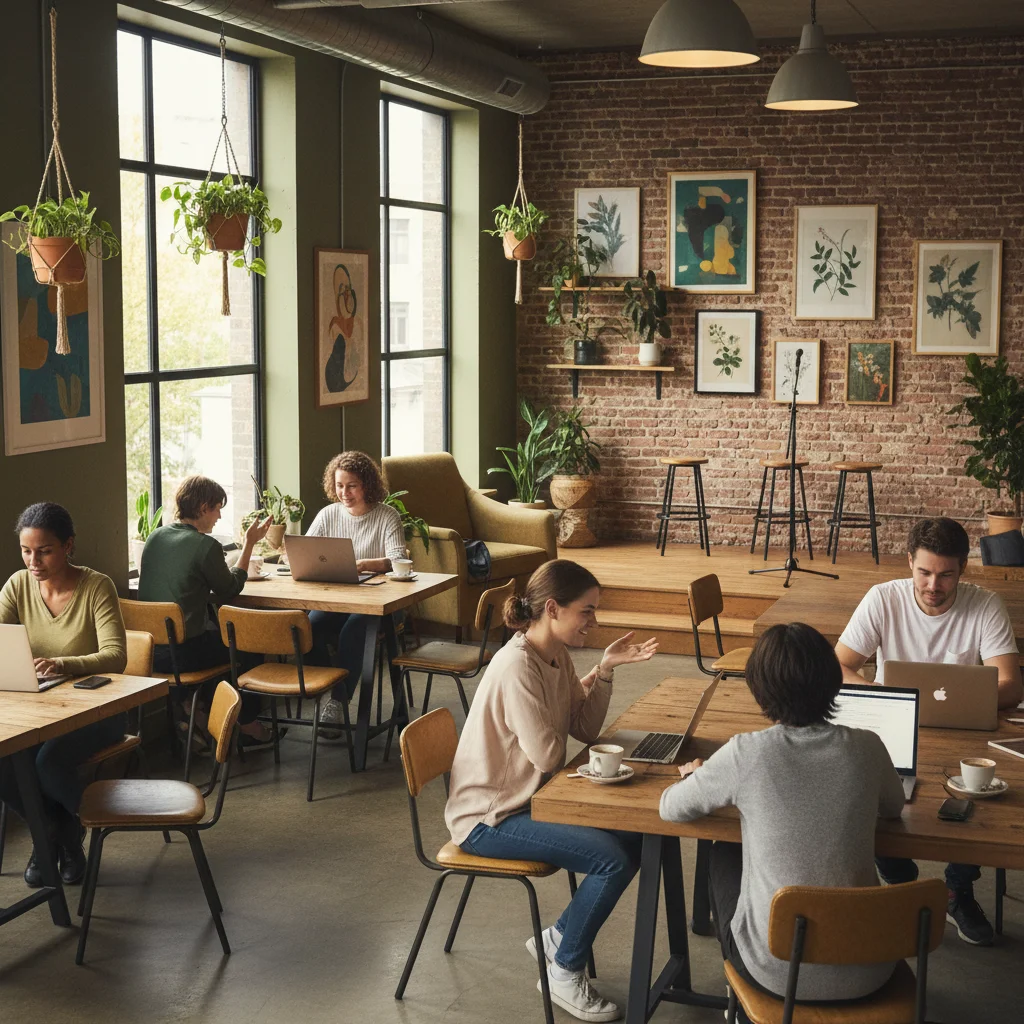
Beyond structured activities, these zones offer informal gathering spots where people can meet before or after exercising, strengthening casual acquaintances into genuine friendships. The integration of technology, such as smart benches with charging ports and public Wi-Fi, further enhances their utility as community hubs.
5. Pop-Up Community Markets and Micro-Businesses: Economic Empowerment and Social Hubs
The economic fallout of the pandemic spurred creativity in local economies, leading to the sustained growth of pop-up community markets and micro-business incubators. These initiatives are crucial for Post-Pandemic Community Building, serving as both economic engines and vibrant social hubs.
Pop-up markets, often rotating across different neighborhoods or temporarily occupying vacant storefronts, provide low-barrier entry points for local artisans, food vendors, and small businesses. They offer unique goods and services that might not be available in larger retail chains, fostering a distinct local identity. More importantly, they create lively gathering places where residents can shop, socialize, and support their neighbors directly.
Micro-business incubators, often supported by local government or non-profits, offer shared commercial kitchens, workshop spaces, and mentorship programs. These not only stimulate local entrepreneurship but also create a supportive community among budding business owners, who can share resources, advice, and even customers. These initiatives reinforce a sense of local pride and interdependence, vital components of resilient Post-Pandemic Community Building.
6. Reimagined Libraries and Community Learning Centers: Knowledge and Connection for All
Public libraries have always been community anchors, but in early 2026, they are being radically reimagined as comprehensive community learning and connection centers. Beyond books, these institutions are offering a vast array of services tailored to Post-Pandemic Community Building.
They now feature extensive digital literacy programs, job search assistance, mental health resources, and even co-working spaces with advanced technology. Many libraries have expanded their physical footprint to include maker spaces with 3D printers and laser cutters, recording studios, and dedicated quiet zones for remote work. They are hosting workshops on everything from coding and financial literacy to gardening and cooking, attracting diverse segments of the population.
The emphasis is on accessibility and inclusivity. Libraries are actively reaching out to underserved populations, offering mobile library services, language exchange programs, and culturally relevant content. They are becoming true third places – neither home nor work – where people can learn, grow, and connect in a supportive, neutral environment, making them indispensable for sustainable Post-Pandemic Community Building.
7. Community-Led Art and Cultural Initiatives: Expressing Shared Identity
Art and culture have always played a role in defining community, but in the Post-Pandemic Community Building era, there’s a significant rise in community-led initiatives. These are projects where residents themselves are the creators and curators, fostering a deep sense of ownership and shared identity.
Examples include large-scale mural projects developed with input from neighborhood residents, public art installations created from recycled materials by local volunteers, and grassroots cultural festivals celebrating the diverse heritage of a community. These initiatives often receive funding and logistical support from local government or non-profits but are fundamentally driven by the community’s vision and participation.
These artistic and cultural expressions not only beautify public spaces but also provide powerful platforms for storytelling, dialogue, and collective memory. They create opportunities for residents to collaborate, learn new skills, and celebrate their shared experiences, forging stronger bonds and a more vibrant collective identity, which is paramount for effective Post-Pandemic Community Building.
8. Hybrid Social Models: Blending Digital and Physical Interactions
Perhaps the most overarching innovation in Post-Pandemic Community Building is the widespread adoption of hybrid social models. The initial forced reliance on digital communication has evolved into a sophisticated blend of online and offline interactions that maximize convenience and engagement.
This means events might have both in-person and virtual attendance options, allowing for greater participation. Community meetings can be streamed online, complete with interactive Q&A features for remote participants. Local groups might maintain active online forums for daily communication while also scheduling regular in-person meetups for deeper connection. Even casual social gatherings are often facilitated by digital tools, from shared calendars to instant messaging groups.
The key here is not to replace physical interaction with digital, but to strategically use digital tools to enhance and extend the reach of physical community. This hybrid approach ensures that geographic barriers or personal circumstances are less of an impediment to participation, making communities more inclusive and resilient. It recognizes that while digital tools offer unparalleled convenience, the human need for face-to-face connection remains fundamental. This intelligent integration defines the future of holistic Post-Pandemic Community Building.
The Future of Connection: Sustaining Post-Pandemic Community Building
As we navigate early 2026, the innovations in Post-Pandemic Community Building are not just about recovering what was lost; they are about forging something new and potentially stronger. The pandemic, while devastating, provided an unexpected catalyst for rethinking how we connect, share, and support one another. The eight innovations discussed – hyper-local digital platforms, adaptive public spaces, intergenerational hubs, outdoor fitness zones, pop-up markets, reimagined libraries, community-led art, and hybrid social models – collectively represent a powerful movement towards more intentional and inclusive community development.
The success of these initiatives hinges on ongoing investment, both financial and human. It requires collaboration between local governments, non-profit organizations, businesses, and, most importantly, engaged residents. The focus must remain on equity, ensuring that these new opportunities for connection are accessible to all members of society, regardless of their socio-economic background, age, or technological proficiency.
Looking ahead, the landscape of Post-Pandemic Community Building will continue to evolve. We can anticipate further integration of smart city technologies, more personalized community services, and an even greater emphasis on environmental sustainability within community development. The lessons learned from the past few years have instilled a deep appreciation for the fragility and yet immense power of human connection. By embracing these innovations and continuing to foster a spirit of collaboration and empathy, we can build communities that are not only resilient to future challenges but also vibrant, inclusive, and truly connected.
The journey towards robust Post-Pandemic Community Building is ongoing, a testament to our collective desire for belonging and shared purpose. These innovations are not just trends; they are foundational elements of a future where social spaces are intentionally designed to nurture the human spirit, ensuring that no one is left behind in the pursuit of a connected and thriving society.