Combating Social Isolation: A 7-Point Plan for US Community Leaders in 2026

Combating Social Isolation: A 7-Point Plan for US Community Leaders in 2026
Social isolation is a silent epidemic, a pervasive challenge that transcends demographics and geographical boundaries. In the United States, its impact is increasingly felt across all age groups, from lonely seniors to disconnected youth. As we look towards 2026, community leaders are faced with the urgent task of developing robust strategies to address this growing crisis. The implications of social isolation are far-reaching, affecting mental health, physical well-being, economic productivity, and overall community cohesion. This article presents a comprehensive 7-point plan designed to provide actionable insights and practical solutions for US community leaders aiming to build more connected, resilient, and inclusive communities.
The rise of digital communication, while offering convenience, has paradoxically contributed to a decline in face-to-face interactions for many. Coupled with shifting societal norms, urban planning that prioritizes individualism over communal spaces, and economic pressures, the conditions for widespread social isolation have become fertile. For community leaders, understanding the multifaceted nature of this problem is the first step towards formulating effective interventions. This plan is not merely a theoretical framework; it’s a call to action, offering concrete steps that can be implemented at local, regional, and even national levels to foster genuine human connection and combat the detrimental effects of social isolation.
Understanding the Scope of Social Isolation in the US
Before diving into solutions, it’s crucial to grasp the magnitude of the problem. Social isolation is not merely about being alone; it’s about the perceived lack of meaningful social connections. Studies consistently show that a significant portion of the US population reports feeling lonely, with younger generations often reporting higher rates than older adults. This isn’t just a subjective feeling; it has measurable health consequences, comparable to smoking 15 cigarettes a day or obesity. The economic burden is also substantial, with increased healthcare costs and decreased productivity. Community leaders must recognize that addressing social isolation is not a ‘nice-to-have’ but a fundamental pillar of public health and economic vitality.
The COVID-19 pandemic further exacerbated existing trends, forcing many into prolonged periods of isolation and disrupting established social networks. While some connections were maintained virtually, the absence of physical proximity and spontaneous interactions left a lasting impact. As we move forward, the challenge for community leaders is to rebuild and strengthen these social fabrics, ensuring that no one is left behind. This requires a nuanced understanding of who is most affected – often seniors, individuals with disabilities, new immigrants, LGBTQ+ individuals, single parents, and those in rural areas – and tailoring interventions accordingly. Effective community isolation solutions begin with empathy and data-driven insights.
Point 1: Invest in and Revitalize Community Hubs and Public Spaces
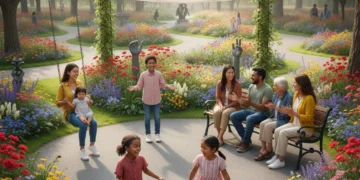
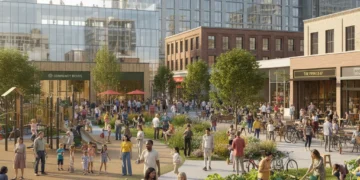
One of the most direct ways to foster connection is by creating welcoming and accessible spaces where people can gather. Community hubs – libraries, parks, recreation centers, community gardens, and even local coffee shops – serve as vital anchors for social interaction. For 2026, community leaders should prioritize significant investment in the revitalization and creation of such spaces, ensuring they are safe, inclusive, and designed to encourage lingering and interaction. This goes beyond mere infrastructure; it involves programming these spaces with activities that appeal to diverse age groups and interests.
Consider multi-generational programming in libraries, where seniors can read to children, or intergenerational gardening projects in community plots. Parks can host free fitness classes, art installations, or farmers’ markets, transforming them into vibrant social centers. The goal is to make these spaces attractive and functional, moving beyond their traditional roles to become dynamic catalysts for connection. Public spaces should be seen as extensions of people’s homes, offering opportunities for informal encounters that often blossom into deeper relationships. These community isolation solutions are foundational.
Point 2: Develop and Promote Intergenerational Programs
Bridging the generational divide is a powerful strategy for combating social isolation. Many seniors experience loneliness, while younger generations often lack opportunities for mentorship and wisdom sharing. Intergenerational programs create mutually beneficial relationships, offering companionship, learning opportunities, and a sense of purpose for all involved. Community leaders can facilitate programs such as ‘Adopt-a-Grandparent’ schemes, youth mentoring initiatives where teens tutor younger children, or shared skill-building workshops (e.g., coding taught by young adults to seniors, or traditional crafts taught by seniors to youth).
Schools, senior centers, and local non-profits can collaborate to implement these programs. The benefits extend beyond reducing isolation; they foster empathy, break down stereotypes, and strengthen the overall social fabric of the community. Imagine a local history project where high school students interview long-time residents, culminating in a community exhibition. Such initiatives not only create connections but also preserve valuable local heritage. These are impactful community isolation solutions that build bridges across age groups.
Point 3: Leverage Technology for Digital Inclusion and Connection
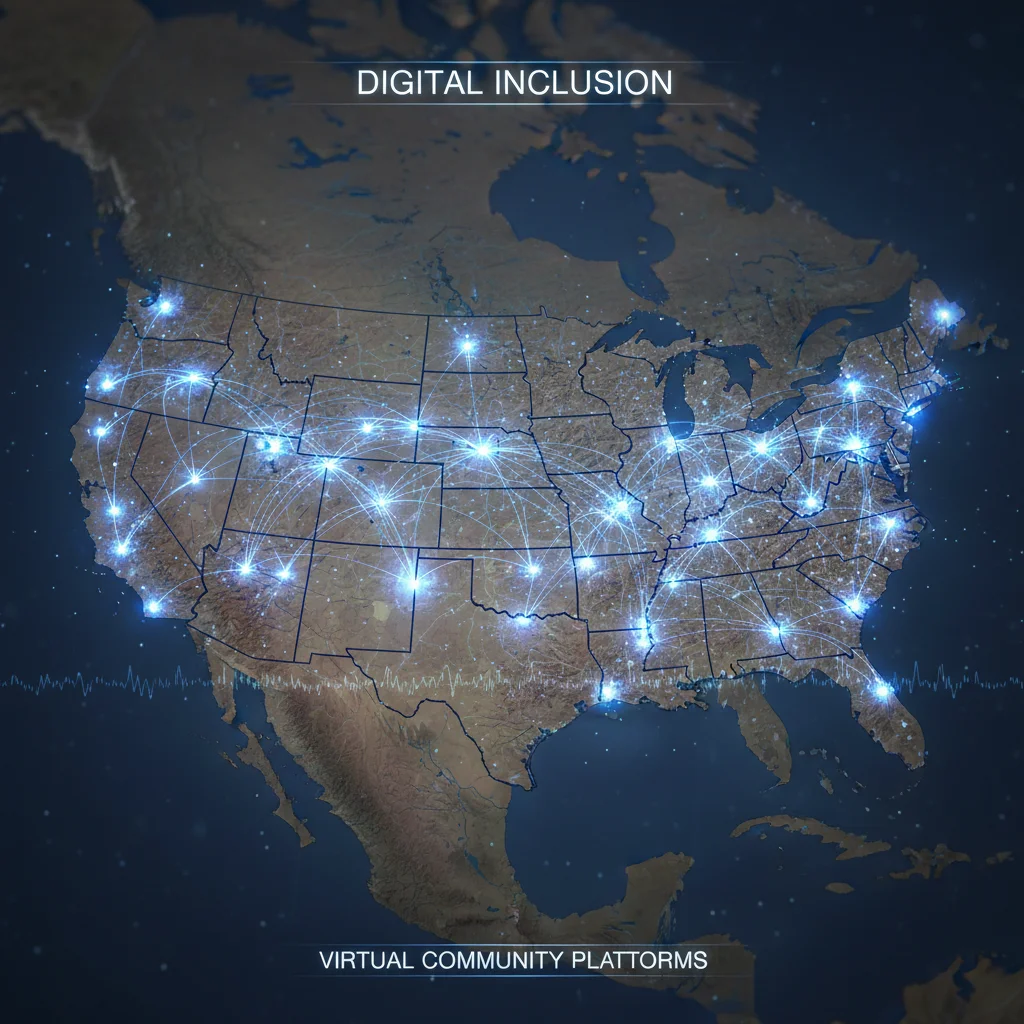
While often blamed for isolation, technology can also be a powerful tool for connection when used intentionally. The key is digital inclusion – ensuring everyone has access to affordable internet, devices, and the skills to use them effectively. Community leaders in 2026 must prioritize initiatives that bridge the digital divide, offering free public Wi-Fi, device lending programs through libraries, and digital literacy classes for all ages, particularly seniors and low-income residents.
Beyond access, technology can facilitate virtual community platforms, online interest groups, and digital support networks. These can complement, rather than replace, in-person interactions. For instance, a community-wide app could list local events, volunteer opportunities, and facilitate neighborhood forums. Live-streamed local government meetings or virtual town halls can also increase civic engagement and a sense of belonging. The thoughtful integration of technology serves as a critical component of modern community isolation solutions.

Point 4: Implement Neighborhood-Based Support Networks
The concept of ‘neighbor helping neighbor’ is a timeless antidote to isolation. Community leaders can actively facilitate the creation of formal and informal neighborhood-based support networks. This could involve designating neighborhood ‘connectors’ or ‘ambassadors’ who are trained to identify isolated individuals and link them to resources and social opportunities. Block parties, neighborhood watch programs, and community clean-up days can also be leveraged to strengthen local ties.
Formal programs like ‘friendly visitor’ initiatives for homebound individuals, or community meal programs that bring neighbors together, can significantly reduce loneliness. The emphasis should be on empowering residents to take ownership of their local community and foster a sense of collective responsibility for each other’s well-being. These grassroots efforts are often the most effective community isolation solutions because they are built on trust and proximity.
Point 5: Promote Mental Health Awareness and Access to Services
Social isolation and mental health are inextricably linked. Loneliness can lead to depression and anxiety, and conversely, mental health challenges can make it harder for individuals to seek out social connections. Community leaders must integrate mental health awareness and access to services into their broader strategy for combating isolation. This includes promoting public education campaigns to reduce stigma, increasing the availability of affordable mental health counseling, and training community members in mental health first aid.
Partnerships with local healthcare providers, schools, and workplaces are essential. Mental health support groups, peer support networks, and wellness programs can provide crucial avenues for connection and healing. By addressing the underlying mental health aspects, communities can create an environment where individuals feel more capable and confident in forming and maintaining social bonds. This holistic approach is vital for sustainable community isolation solutions.
Point 6: Foster Volunteerism and Civic Engagement
Engaging in volunteer activities is a proven way to build social connections, develop new skills, and gain a sense of purpose. Community leaders should actively promote and facilitate volunteerism across all age groups. This involves creating accessible and diverse volunteer opportunities that match individuals’ interests and availability. Schools can incorporate mandatory community service, local organizations can host volunteer fairs, and businesses can offer paid volunteer leave.
Civic engagement, through participation in local government, community boards, or advocacy groups, also provides a powerful sense of belonging and collective action. When people feel they have a voice and can contribute to their community, they are less likely to feel isolated. Encouraging participation in community events, local decision-making processes, and neighborhood improvement projects strengthens communal bonds. These forms of engagement are proactive community isolation solutions.
Point 7: Implement Data-Driven Strategies and Evaluation
To ensure the effectiveness of any plan, it must be regularly evaluated and adapted based on data. Community leaders in 2026 should establish clear metrics for measuring social connection and isolation within their communities. This could involve conducting regular surveys, analyzing participation rates in community programs, and tracking indicators such as volunteer hours or mental health service utilization. Partnerships with local universities or research institutions can provide valuable expertise in data collection and analysis.
A data-driven approach allows leaders to identify which programs are most successful, which demographics are still underserved, and where resources can be best allocated. It also enables communities to share best practices and learn from each other’s experiences. Regular reporting on progress can also build public trust and maintain momentum for these crucial initiatives. Continuous improvement through evaluation is key to developing robust and lasting community isolation solutions.
Conclusion: Building Resilient and Connected Communities
The challenge of social isolation is complex, but not insurmountable. By adopting this 7-point plan, US community leaders can lay the groundwork for more connected, resilient, and thriving communities by 2026 and beyond. From revitalizing public spaces and fostering intergenerational bonds to leveraging technology and promoting mental wellness, each point offers a distinct yet interconnected pathway to deeper human connection. The emphasis on data-driven strategies ensures that efforts are targeted and effective, adapting to the unique needs of each community.
Addressing social isolation requires a concerted, collaborative effort from all sectors – government, non-profits, businesses, educational institutions, and individual citizens. It’s an investment in the collective well-being and future prosperity of the nation. By prioritizing these community isolation solutions, leaders can transform isolated individuals into engaged community members, fostering a stronger, more empathetic, and healthier society for everyone. The time for action is now; the future of our communities depends on it.