Community Gardens: Save on Groceries in 2026
The Financial Impact of Community Gardens: How Local Food Initiatives Can Save Households Up to 15% on Groceries in 2026
In an era where grocery prices seem to be on a relentless upward trajectory, many households are actively seeking innovative strategies to mitigate the impact on their budgets. One solution, often overlooked but rich with potential, lies in the burgeoning movement of community garden savings. These local food initiatives are not merely about cultivating fresh produce; they represent a powerful economic tool that can significantly reduce household food expenditures. By 2026, projections indicate that active participation in community gardens could lead to savings of up to 15% on annual grocery bills, offering a tangible financial relief for families and individuals alike.
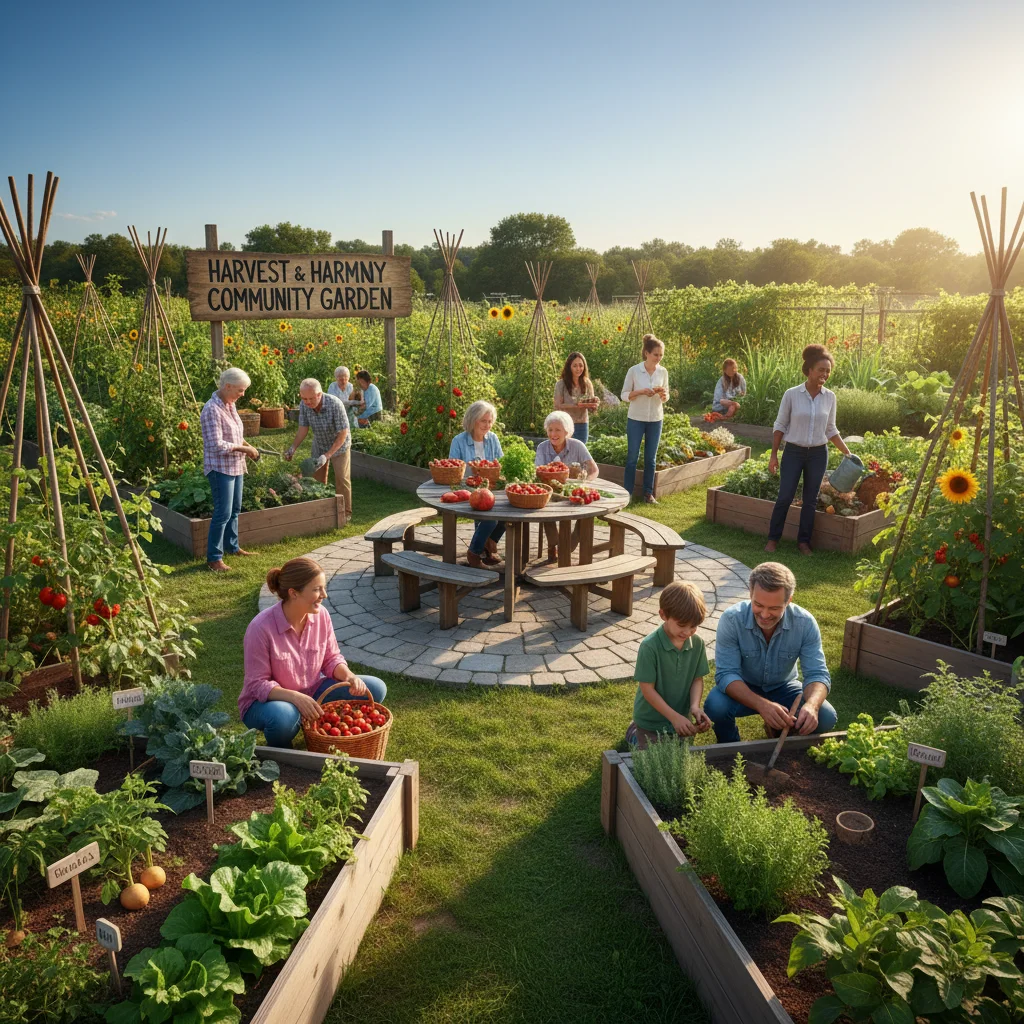
The concept of a community garden is elegantly simple yet profoundly impactful. It involves a shared piece of land, typically managed by a local organization or a group of residents, where individuals or families can cultivate their own plots. This collaborative approach fosters a sense of community, promotes sustainable living practices, and, crucially, provides direct access to fresh, affordable food. The financial benefits extend beyond the immediate savings on produce; they encompass improved health outcomes, reduced food waste, and enhanced food security.
This comprehensive guide delves into the multifaceted financial advantages of community gardens, exploring how these vital initiatives contribute to household budgeting, nutritional well-being, and community resilience. We will examine the mechanisms through which community gardens generate savings, offer practical advice on getting involved, and forecast the potential economic impact on households by 2026.
Understanding the Escalating Cost of Groceries and the Need for Alternatives
The global food system has been subjected to a series of shocks in recent years, from supply chain disruptions to inflationary pressures and geopolitical events. These factors have converged to drive up the cost of essential foodstuffs, making it increasingly challenging for many households to maintain a healthy and balanced diet without straining their finances. According to various economic reports, food price inflation has consistently outpaced general inflation in many regions, eroding purchasing power and forcing consumers to make difficult choices.
For instance, staples like fresh fruits, vegetables, and organic produce, which are critical components of a healthy diet, often carry a premium price tag. This financial barrier can lead to reliance on less nutritious, processed foods, contributing to long-term health issues and associated healthcare costs. The average household spends a significant portion of its income on groceries, and any effective strategy to reduce this expenditure can have a profound positive effect on overall financial well-being.
This is where the concept of community garden savings becomes particularly relevant. By shifting a portion of food production from commercial agriculture to local, community-based efforts, individuals can bypass many of the economic intermediaries that add to the final cost of food. The direct cultivation of produce eliminates transportation costs, packaging expenses, and retail markups, resulting in significantly cheaper, and often fresher, alternatives.
Moreover, community gardens often leverage shared resources, such as tools, water, and expertise, further reducing individual costs. This collective approach to food production is not just an act of gardening; it is an act of economic empowerment, allowing households to regain a degree of control over their food supply and expenditure in an unpredictable market environment.
The Direct Financial Benefits of Community Garden Participation
The most immediate and tangible benefit of engaging with a community garden is the direct reduction in grocery expenses. When you grow your own vegetables, fruits, and herbs, you are essentially producing food that you would otherwise purchase from a supermarket. The savings can be substantial, especially for families who consume a large quantity of fresh produce.
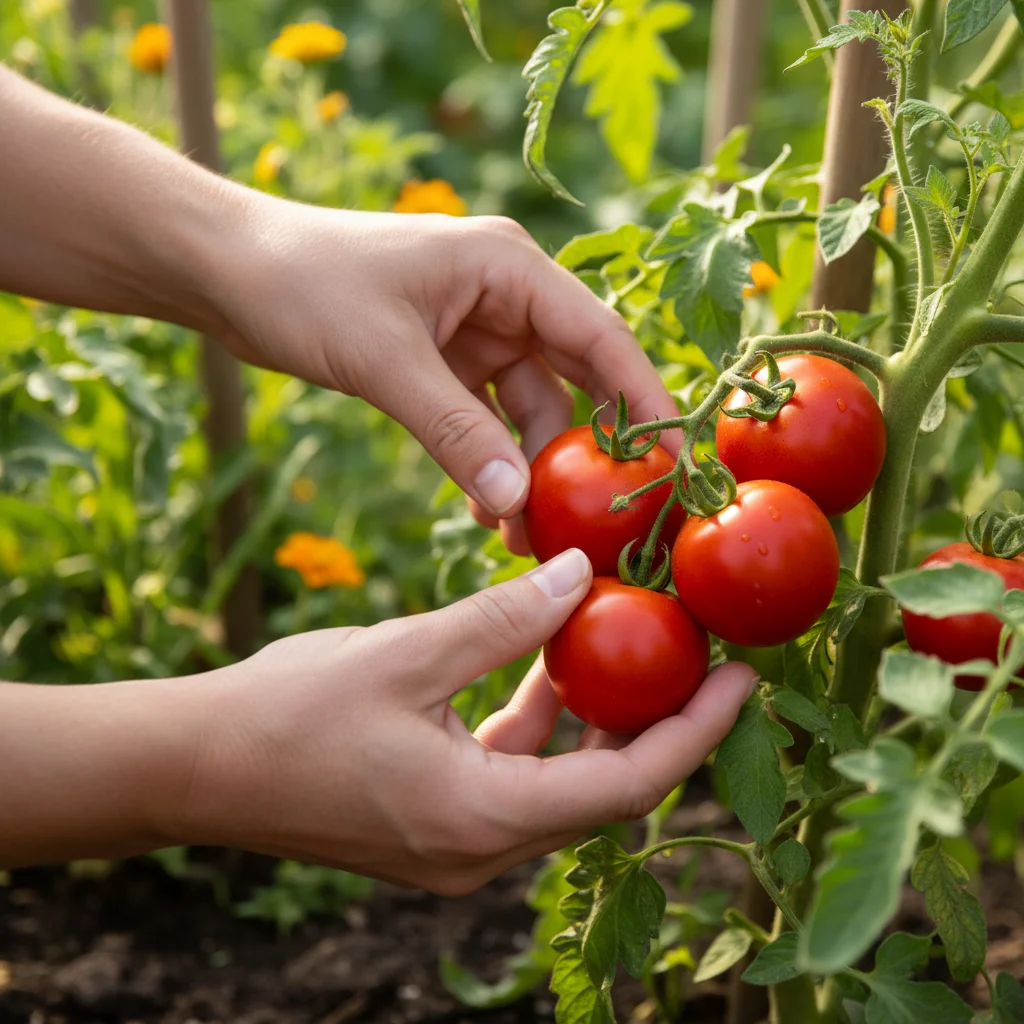
Consider the cost of a single organic tomato or a bunch of kale at a grocery store. These items, when purchased regularly, quickly add up. In a community garden, the initial investment might include a small plot fee, seeds, and perhaps some basic gardening tools, but the yield can far outweigh these costs. A well-maintained plot can produce an abundance of seasonal produce throughout the growing season, potentially supplying a significant portion of a household’s vegetable needs.
For example, a typical 4×8 foot raised bed can yield dozens of pounds of produce over a season. If a household spends an average of $100-$200 per month on fruits and vegetables, growing even half of that could translate into savings of hundreds of dollars annually. With proper planning and consistent effort, these savings can easily reach the projected 15% of the total grocery bill by 2026, especially as food prices continue to climb.
Beyond the cost of the produce itself, there are other indirect financial benefits. Homegrown food often lasts longer because it is picked at peak ripeness and consumed shortly thereafter, reducing food waste – another significant drain on household budgets. Furthermore, the act of gardening itself can be a form of exercise, potentially reducing the need for gym memberships or other fitness-related expenses.
Quantifying the Savings: A Look Towards 2026
To understand how community garden savings can reach up to 15% by 2026, it’s essential to consider several factors:
- Rising Food Prices: If food inflation continues at its current pace or even moderates slightly, the monetary value of homegrown produce will naturally increase, making the savings more significant.
- Increased Efficiency: As gardeners gain experience, they become more efficient in their planting, harvesting, and preservation techniques, maximizing their yield and minimizing waste.
- Shared Resources: Many community gardens facilitate the sharing of knowledge, tools, and even surplus produce, creating a collaborative economy that further reduces individual costs.
- Reduced Impulse Buys: Having a steady supply of fresh produce from the garden can reduce the frequency of grocery store visits, thereby limiting opportunities for impulse purchases of non-essential items.
- Health Benefits: A diet rich in fresh, homegrown produce can lead to improved health, potentially reducing medical expenses in the long run.
These elements combined suggest a strong trajectory for increased financial benefits from community garden participation. The 15% savings projection is not merely optimistic; it is grounded in the economic realities of food costs and the inherent efficiency of localized food systems.
Beyond the Wallet: Health and Environmental Advantages
While the financial aspect of community garden savings is compelling, the benefits extend far beyond monetary considerations. Participating in a community garden offers a myriad of health and environmental advantages that contribute to a higher quality of life, which in turn can have indirect financial implications.
Nutritional Superiority and Health Outcomes
Food grown in community gardens is typically fresher, often harvested just hours before consumption, retaining more of its nutritional value compared to produce that travels long distances and sits on supermarket shelves for days. This freshness translates into higher vitamin, mineral, and antioxidant content, contributing to a more robust and healthy diet. For families, this means better nutrition, which is particularly beneficial for children’s development and overall family well-being.
Moreover, gardening itself is a form of physical activity. Digging, planting, weeding, and harvesting provide moderate exercise, improving cardiovascular health, strength, and flexibility. It also offers mental health benefits, acting as a stress reliever and providing a sense of accomplishment and connection to nature. Reduced stress and improved physical health can lead to fewer doctor visits and a decreased reliance on medication, offering further indirect financial savings.
Environmental Stewardship
Community gardens are inherently sustainable. They reduce the carbon footprint associated with food production by minimizing transportation needs – food travels from the garden to the table, not across continents. They also promote biodiversity by encouraging the cultivation of a variety of plant species, many of which are heirloom or local varieties that might not be found in conventional grocery stores.
Many community gardens practice organic or near-organic methods, avoiding synthetic pesticides and fertilizers, which protects local ecosystems and water sources. They often incorporate composting, turning food scraps and garden waste into nutrient-rich soil amendments, further reducing landfill waste. This commitment to environmental health benefits everyone, contributing to cleaner air, healthier soil, and a more resilient local ecosystem.
Building Stronger Communities Through Shared Spaces
The ‘community’ aspect of community gardens is arguably as significant as the ‘garden’ itself. These spaces serve as vibrant hubs for social interaction, learning, and mutual support, fostering a stronger sense of belonging and collective responsibility among residents.
Social Cohesion and Networking
Community gardens bring together people from diverse backgrounds, ages, and skill levels. They provide a neutral ground where neighbors can meet, share experiences, exchange gardening tips, and build lasting friendships. This social cohesion is invaluable, especially in urban environments where opportunities for organic interaction can be limited. For new residents, a community garden can be an excellent way to integrate into the local fabric and feel more connected to their surroundings.
Education and Skill Development
Community gardens are living classrooms. Experienced gardeners can mentor newcomers, sharing knowledge about planting cycles, pest control, soil health, and harvesting techniques. Children, in particular, benefit immensely from these spaces, learning where their food comes from, understanding ecological principles, and developing a respect for nature. This hands-on education is often more effective and memorable than traditional classroom learning, instilling valuable life skills and a deeper appreciation for sustainable practices.
Workshops on topics like composting, seed saving, food preservation, and cooking with seasonal produce are common in community gardens, further empowering participants with practical skills that enhance their self-sufficiency and reduce reliance on external food systems. These educational opportunities contribute to the long-term sustainability of the garden and the overall well-being of the community.
Food Security and Resilience
In times of economic uncertainty or natural disasters, local food initiatives like community gardens play a crucial role in enhancing food security. By decentralizing food production and fostering local capacity, they create a more resilient food system that is less vulnerable to disruptions in global supply chains. This localized approach ensures that fresh, nutritious food remains accessible to community members, even when external systems falter.
Many community gardens also donate surplus produce to local food banks or distribute it among members, further addressing food insecurity within the community. This act of sharing not only provides sustenance but also strengthens social bonds and reinforces the collective spirit of the garden.
Getting Started with Community Gardening: Practical Steps
The idea of reaping significant community garden savings by 2026 might sound appealing, but how does one actually get involved? The process is often simpler than many imagine, and numerous resources are available to guide aspiring gardeners.
Finding a Community Garden
The first step is to locate a community garden in your area. A quick online search for "community gardens near me" or "[your city/town] community garden" is a good starting point. Local municipal websites, parks and recreation departments, and community centers often list available gardens and their contact information. Non-profit organizations focused on urban agriculture or environmental sustainability are also excellent resources.
If there isn’t an existing garden, consider starting one! This requires more effort but can be incredibly rewarding. It typically involves identifying a suitable plot of land (public or private), gathering interested individuals, and securing necessary permits or agreements. Local government agencies or gardening associations can provide guidance on the startup process.
Joining and Participating
Once you’ve identified a garden, inquire about plot availability and membership requirements. Most community gardens operate on a membership model, where participants pay a small annual fee to secure a plot. This fee typically covers water, shared tools, and general garden maintenance. Some gardens may have a waiting list, so it’s advisable to inquire early.
Active participation is key. Beyond tending your own plot, most community gardens require members to contribute to communal tasks, such as maintaining common areas, composting, or organizing events. This shared responsibility reinforces the community aspect and ensures the garden thrives. Don’t be afraid if you’re a novice; community gardens are often incredibly supportive environments where experienced gardeners are eager to share their knowledge.
Maximizing Your Harvest and Savings
To truly maximize your community garden savings, consider these tips:
- Plan Your Plot: Research what grows well in your climate and soil type. Prioritize high-value crops that you frequently buy and consume, such as organic leafy greens, tomatoes, peppers, and herbs.
- Succession Planting: Plant crops in stages throughout the growing season to ensure a continuous harvest rather than a single large yield.
- Learn Preservation Techniques: Explore canning, freezing, drying, or fermenting surplus produce. This extends the life of your harvest and allows you to enjoy homegrown food year-round, further reducing grocery costs.
- Compost: Start a compost pile to enrich your soil naturally, reducing the need for purchased fertilizers.
- Share and Trade: Exchange surplus produce with fellow gardeners. This not only reduces waste but also allows you to enjoy a greater variety of foods.
By embracing these practices, you can significantly amplify the financial impact of your community garden efforts, moving closer to the 15% grocery savings target by 2026.
Challenges and How to Overcome Them
While the benefits of community gardens are extensive, participants might encounter certain challenges. Understanding these and knowing how to navigate them can ensure a more successful and rewarding experience.
Time Commitment
Gardening requires time and consistent effort. Weeding, watering, and harvesting need to be done regularly. For busy individuals or families, this can be a significant hurdle. Strategies to overcome this include:
- Start Small: Begin with a smaller plot or a few easy-to-grow crops to gauge your commitment.
- Share Responsibility: If possible, share a plot with a friend or family member to distribute the workload.
- Efficient Planning: Plan your garden layout to minimize maintenance. Drought-tolerant plants and mulching can reduce watering needs.
- Community Support: Leverage the community aspect; neighbors might be willing to help with watering or harvesting if you’re away.
Lack of Knowledge or Experience
Many aspiring gardeners are intimidated by a lack of experience. However, community gardens are ideal learning environments. Most gardens have experienced members who are happy to share their expertise. Additionally, numerous online resources, local workshops, and gardening books can provide valuable guidance. Start with beginner-friendly crops and gradually expand your repertoire as you gain confidence.
Pest and Disease Management
Pests and diseases are an inevitable part of gardening. Rather than resorting to chemical solutions, which many community gardens discourage, focus on organic and preventative measures. Crop rotation, companion planting, and regular inspection of plants can help manage most issues. The collective knowledge of the garden community can be a great asset in identifying and addressing specific problems.
Access to Resources
Some areas might lack readily available community garden plots or resources. If this is the case, consider advocating for the establishment of a new garden. Engage with local government, community organizations, and interested residents to explore possibilities. Grant funding for community gardens is often available from various sources, including government agencies, foundations, and corporate social responsibility programs.
The Future of Local Food Initiatives and Financial Empowerment
The trajectory towards 2026 suggests that community gardens will become even more integral to household financial planning and community well-being. As awareness of food costs, environmental sustainability, and healthy living continues to grow, the demand for local food initiatives is expected to surge.
Technological advancements, such as smart irrigation systems and data-driven planting guides, could further enhance the efficiency and productivity of community gardens, making them accessible and productive for an even wider audience. Policy support from local governments, including funding for garden infrastructure and educational programs, will also play a crucial role in expanding the reach and impact of these initiatives.
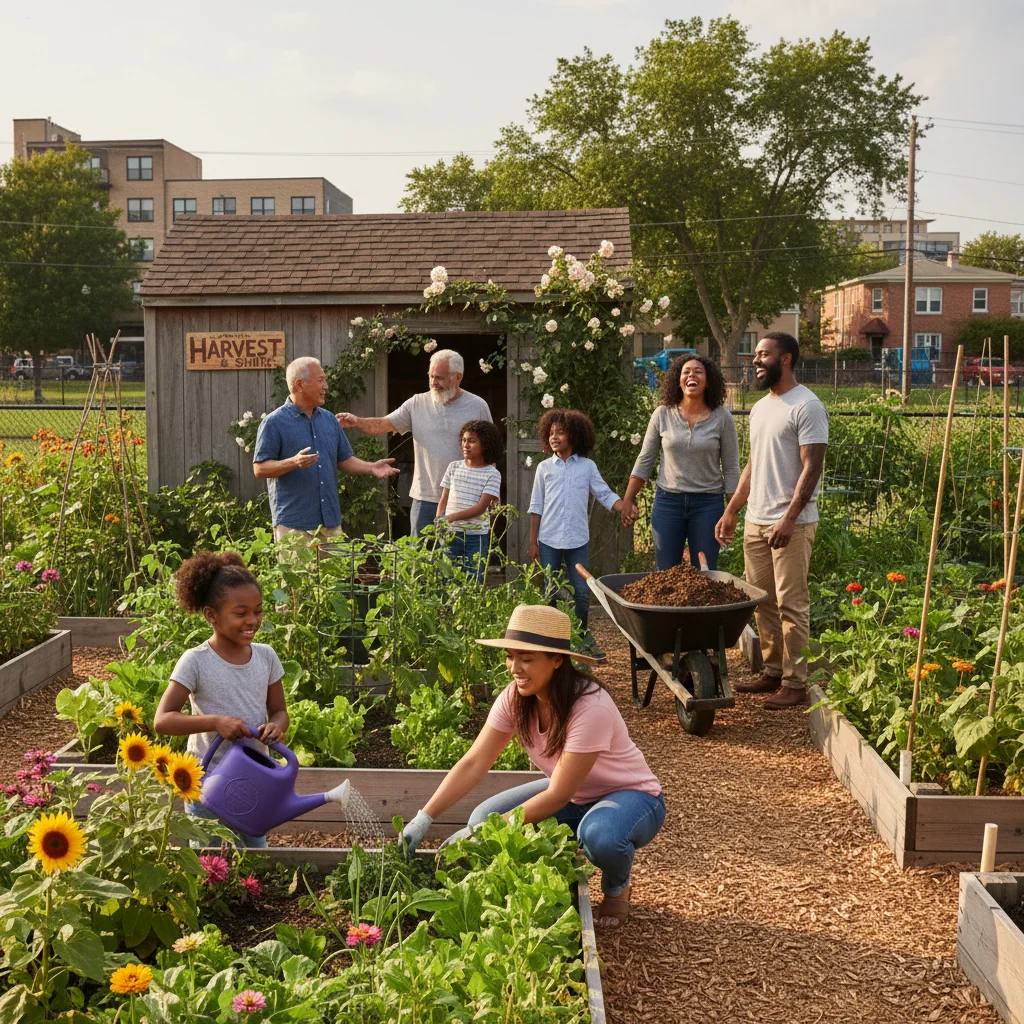
The emphasis on community garden savings will likely become a cornerstone of financial literacy education, teaching individuals and families how to leverage local resources for economic advantage. This shift towards localized food systems is not just about saving money; it’s about building resilience, fostering healthier lifestyles, and strengthening the social fabric of our communities.
By actively participating in community gardens, households are not only taking a proactive step towards reducing their grocery bills by up to 15% by 2026 but are also investing in their health, their community, and the planet. It’s a win-win-win scenario that promises a more sustainable and financially secure future for all.
Conclusion: Cultivating Savings, Growing Community
In conclusion, the financial impact of community gardens cannot be overstated. As we look towards 2026, the potential for households to achieve substantial community garden savings, possibly up to 15% on their grocery bills, is a compelling reason to embrace these local food initiatives. Beyond the immediate monetary benefits, community gardens offer a wealth of advantages, including improved health through fresh, nutritious food, enhanced physical and mental well-being, and a stronger connection to the environment.
Moreover, these shared green spaces act as powerful catalysts for community building, fostering social cohesion, providing educational opportunities, and bolstering local food security. They empower individuals to take control of their food supply, reducing reliance on volatile commercial markets and contributing to a more resilient and sustainable local economy.
Getting involved in a community garden is an investment – an investment of time and effort that yields significant dividends, both financial and personal. It’s a journey that cultivates not only fresh produce but also knowledge, friendships, and a profound sense of purpose. As grocery costs continue to challenge household budgets, the path to greater financial well-being and a healthier, more connected lifestyle might just begin in your local community garden.
Embrace the power of collective cultivation. Discover the joy of growing your own food. And watch as your grocery savings grow, one harvest at a time, paving the way for a more financially secure and vibrant future by 2026 and beyond.