2026 Guide: Reduce Food Waste, Save 15% on Groceries in the US

The 2026 Guide to Reducing Food Waste at Home in the US: Implement 5 Simple Habits to Save 15% on Groceries
Are you tired of throwing away perfectly good food? Do you wish you could stretch your grocery budget further? In the United States, an astonishing amount of food goes to waste every year, impacting both our wallets and the environment. But what if we told you that by implementing just five simple habits, you could significantly reduce food waste at home and save up to 15% on your annual grocery bill? It sounds almost too good to be true, but with a little planning and conscious effort, it’s entirely achievable.
The problem of food waste is a colossal one. According to the USDA, between 30-40% of the food supply in the United States is wasted. This isn’t just about uneaten leftovers; it encompasses food spoiled in transit, discarded by retailers, and, a significant portion, thrown away by consumers like us. This waste has far-reaching consequences: it contributes to greenhouse gas emissions in landfills, squanders valuable resources like water and energy used in food production, and, perhaps most immediately impactful for families, drains household finances.
The average American household wastes approximately $1,500 to $2,000 worth of food annually. Imagine what you could do with that extra cash! From family vacations to paying off debt or investing in your future, the savings are substantial. This comprehensive guide for 2026 will equip you with practical, actionable strategies to tackle food waste head-on. We’ll delve into five key habits that are easy to adopt and will transform the way you shop, cook, and store food, helping you to reduce food waste and enjoy the financial and environmental benefits.
Understanding the Root Causes of Food Waste at Home
Before we dive into solutions, it’s crucial to understand why we waste food in the first place. Often, it’s not intentional; rather, it’s a culmination of habits and misconceptions. Common culprits include:
- Over-purchasing: Buying too much food because of sales, fear of running out, or lack of a shopping list.
- Poor meal planning: Not knowing what to cook, leading to impulse purchases and ingredients sitting unused.
- Improper storage: Food spoiling prematurely due to incorrect storage methods.
- Confusion over date labels: Misinterpreting ‘best by,’ ‘sell by,’ and ‘use by’ dates, leading to edible food being discarded.
- Large portion sizes: Cooking or serving too much, resulting in uneaten leftovers.
- Forgetting about leftovers: Leftovers getting lost in the back of the fridge.
By identifying these patterns, we can begin to consciously change them. Our goal is not just to teach you how to reduce food waste, but to empower you with a mindset shift towards more mindful consumption.
Habit 1: Master Mindful Meal Planning and Smart Shopping
The foundation of reducing food waste begins even before you step into the grocery store. Mindful meal planning is your secret weapon. Instead of aimlessly wandering the aisles, you’ll enter with a clear purpose, ensuring every item you purchase has a destined use.
Creating an Effective Meal Plan
Start by dedicating 15-30 minutes once a week to plan your meals. Consider the following:
- Look at your calendar: Are there busy nights when you’ll need quick meals? Or evenings when you’ll be dining out?
- Check your inventory: What ingredients do you already have on hand that need to be used up? Build meals around these items first.
- Plan diverse meals: Include a mix of proteins, vegetables, and grains.
- Factor in versatility: Can ingredients from one meal be repurposed for another? For example, roasted chicken can become chicken salad or tacos.
- Portion control: Plan realistic portion sizes to avoid excessive leftovers, or plan for specific leftover meals.
Building a Smart Shopping List
Once your meal plan is solid, create a detailed shopping list. Stick to it religiously at the store. Avoid impulse buys, especially perishable items you haven’t planned for. Consider:
- Grouping items: Organize your list by grocery store sections to save time and prevent forgotten items.
- Checking unit prices: Sometimes buying in bulk is cheaper, but only if you’ll actually use it all before it spoils.
- Shopping less frequently: Fewer trips mean fewer opportunities for impulse buys and less chance of over-purchasing.
- Don’t shop hungry: This is a classic trap that leads to buying more than you need.
By embracing mindful meal planning and smart shopping, you’ll immediately notice a reduction in unused ingredients and a healthier grocery bill. This habit alone can make a significant dent in your efforts to reduce food waste.
Habit 2: Optimize Food Storage for Maximum Freshness
Even the most perfectly planned groceries can go to waste if not stored correctly. Proper food storage is an art and a science, extending the life of your produce, dairy, and pantry staples. This is a critical step to effectively reduce food waste.
Refrigerator Organization and Best Practices
Your refrigerator is a powerful tool against food waste if used correctly. Here’s how to optimize it:
- "First In, First Out" (FIFO): When you buy new groceries, move older items to the front so they are used first.
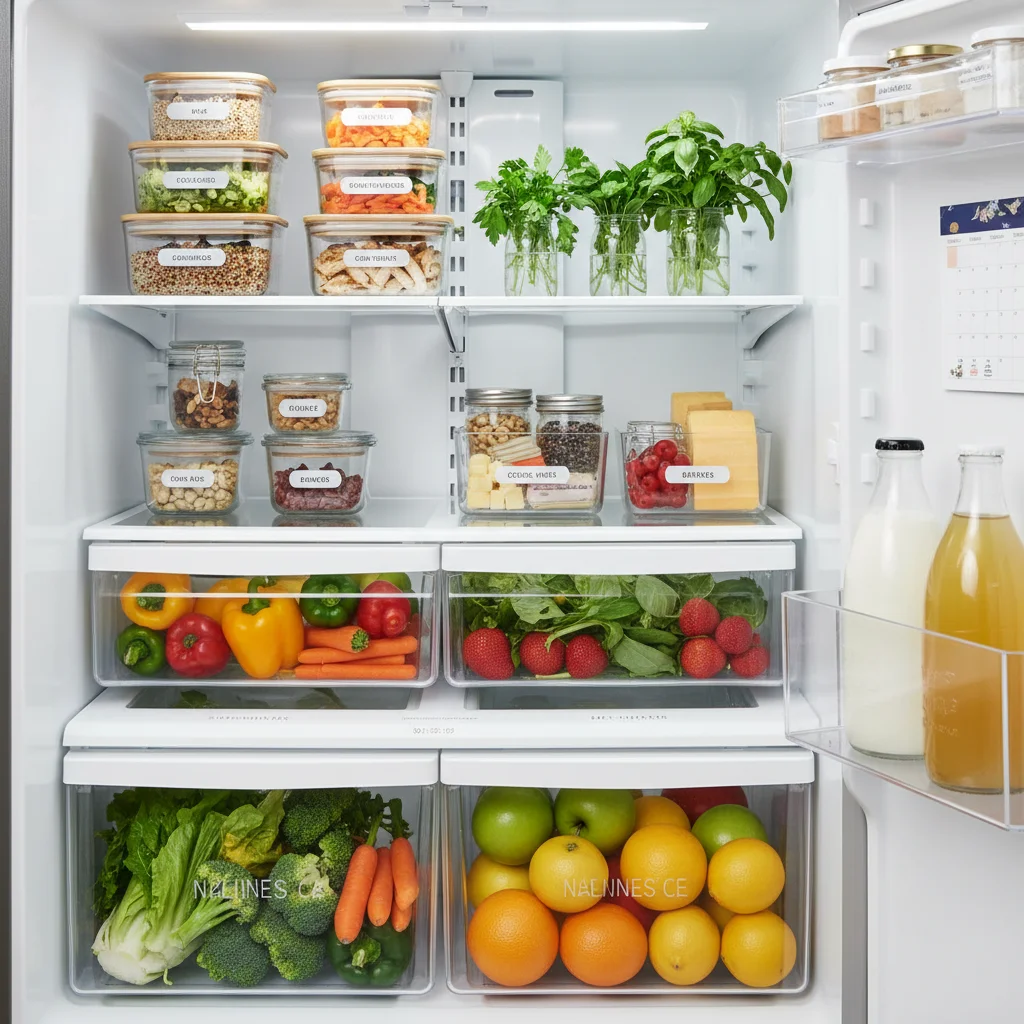
- Designated zones: Assign specific shelves for different food types. Meat and poultry should be on the bottom shelf to prevent drips onto other foods. Dairy and eggs do well on middle shelves.
- Produce drawers: These are designed to maintain optimal humidity for fruits and vegetables. Keep fruits (which produce ethylene gas, ripening other produce) separate from vegetables.
- Use clear containers: See-through containers make it easy to spot what you have, preventing forgotten items. Labeling with dates is also highly effective.
- Don’t overpack: Air circulation is crucial for maintaining consistent temperatures and preventing spoilage.
- Keep it clean: Regularly clean your fridge to prevent mold and bacteria growth.
Pantry and Freezer Storage Tips
Beyond the fridge, your pantry and freezer play vital roles:
- Pantry essentials: Store dry goods in airtight containers to protect against pests and moisture. Keep in a cool, dark place.
- Freezer power: The freezer is your ultimate weapon against food waste. Almost anything can be frozen: cooked meals, bread, fruit for smoothies, blanched vegetables, even cheese.
- Proper freezing techniques: Flash freeze individual portions on a baking sheet before transferring to a freezer bag to prevent clumping. Remove as much air as possible from bags to prevent freezer burn.
- Label everything: Include the item and the date it was frozen.
Understanding and implementing these storage techniques will dramatically increase the lifespan of your food items, making it much easier to reduce food waste.
Habit 3: Embrace Creative Cooking and Repurposing Leftovers
One of the most enjoyable ways to reduce food waste is through creative cooking. This means seeing potential in ingredients that might otherwise be discarded and transforming leftovers into exciting new meals.
"Nose-to-Tail" and "Root-to-Stem" Cooking
Just as butchers aim for "nose-to-tail" utilization of animals, home cooks can adopt a "root-to-stem" approach for produce. Many parts of vegetables that are commonly discarded are perfectly edible and nutritious:
- Broccoli stems: Peel and chop them for stir-fries, salads, or roasted vegetables.
- Carrot tops: Use them to make pesto or add to soups.
- Beet greens: Sauté them like spinach or chard.
- Citrus peels: Zest them for flavor, or candy them.
- Stale bread: Make croutons, breadcrumbs, or French toast.
Thinking creatively about these often-overlooked parts not only helps to reduce food waste but also adds new flavors and nutrients to your diet.
Transforming Leftovers into New Delights
Leftovers don’t have to be boring! With a little imagination, they can become the star of a whole new meal. The key is to avoid serving the exact same dish multiple times in a row.
- Roast chicken: Leftover chicken can become tacos, quesadillas, chicken salad sandwiches, or a savory pot pie filling.
- Roasted vegetables: Blend them into a creamy soup, add them to a frittata, or toss them with pasta.
- Cooked grains (rice, quinoa): Turn them into a fried rice dish, a grain bowl, or a base for stuffed peppers.
- Soup/Stew: Freeze individual portions for quick, ready-made meals on busy days.
Make a habit of checking your fridge for "use-me-up" ingredients before you start cooking a new meal. This proactive approach will significantly help to reduce food waste.
Habit 4: Understand and Act on Date Labels
One of the biggest sources of confusion and unnecessary food waste comes from misunderstanding date labels. ‘Best by,’ ‘sell by,’ and ‘use by’ dates often lead consumers to discard food that is perfectly safe and delicious to eat. Learning to interpret these labels correctly is a crucial step in your journey to reduce food waste.
Deciphering Date Labels
- "Best By" / "Best If Used By": This date indicates when a product will be at its best quality or flavor. It is NOT a safety date. Food can often be consumed safely after this date, though its quality might diminish slightly. Think of it as a suggestion for peak enjoyment.
- "Sell By": This date is primarily for retailers, indicating how long a product should be displayed for sale. It helps stores manage their inventory. You should purchase the product before this date, but you can typically consume it for several days or even weeks afterward, depending on the item and how it’s stored.
- "Use By" / "Expiration Date": This is the only date that truly indicates food safety. It’s typically found on highly perishable items like deli meats, raw meat, and some dairy products. Consuming food after this date is generally not recommended due to potential health risks.
Trusting Your Senses
For many foods, especially those with "Best By" or "Sell By" dates, your senses are the best guide. Before discarding food, ask yourself:
- Does it look okay? Are there any signs of mold, discoloration, or sliminess?
- Does it smell okay? Has it developed an off or sour odor?
- Does it feel okay? Is the texture unusual (e.g., slimy, excessively soft)?
If a food passes the sight, smell, and touch test, it’s often safe to eat, even if it’s past its "Best By" date. However, always exercise caution with high-risk foods like raw meat, poultry, and seafood. By becoming an expert in date labels and trusting your judgment, you’ll significantly reduce food waste caused by unnecessary discards.
Habit 5: Embrace Composting and Support Local Food Systems
Even with the best intentions, some food waste is inevitable (e.g., fruit peels, coffee grounds, bones). This is where composting comes in, closing the loop on your food consumption and returning nutrients to the earth. Furthermore, supporting local food systems can indirectly help reduce food waste on a larger scale.
Composting at Home
Composting transforms organic waste into nutrient-rich soil amendment. There are several ways to compost:
- Countertop compost bins: Odor-free bins that collect scraps for a few days before transferring to a larger bin or collection service.
- Backyard compost pile/bin: A simple method for those with outdoor space. Requires a balance of "greens" (food scraps, grass clippings) and "browns" (leaves, shredded paper).
- Worm composting (vermicomposting): Great for small spaces, using worms to break down food scraps efficiently.
- Municipal composting programs: Many cities now offer curbside organic waste collection. Check if your community has one.
Composting not only diverts waste from landfills but also creates valuable fertilizer for your garden or houseplants, making it a win-win for the environment and your wallet. It’s the final, essential step in a holistic approach to reduce food waste.
Supporting Local Food Systems
While not a direct habit for household food waste, supporting local farmers and markets can have a broader impact:
- Reduced transportation waste: Local food travels shorter distances, reducing spoilage during transit.
- Fresher produce: Local produce is often picked at peak ripeness and gets to you faster, meaning it lasts longer.
- Less aesthetic waste: Farmers markets are more likely to sell "ugly" produce that might be rejected by large supermarkets, further reducing waste.
- Direct connection: You can ask farmers directly about their practices and storage tips.
By consciously choosing to support local, you contribute to a more resilient and less wasteful food system as a whole, complementing your efforts to reduce food waste at home.

Advanced Strategies and Tools for the Dedicated Food Waste Reducer
Once you’ve mastered the five core habits, you might be ready to explore more advanced techniques and tools to further reduce food waste and maximize your savings. These strategies build upon the foundational principles and can lead to even greater efficiency and impact.
The Power of Fermentation and Preservation
Beyond freezing, traditional preservation methods can extend the life of your produce and even create new, delicious foods:
- Pickling: Transform cucumbers, carrots, onions, and even green beans into tangy, long-lasting treats.
- Fermentation: Make your own sauerkraut, kimchi, or kombucha from excess cabbage or fruit. This not only preserves food but also introduces beneficial probiotics.
- Canning: A more involved method, but excellent for preserving seasonal gluts of fruits and vegetables (e.g., tomatoes, berries) for year-round enjoyment.
- Dehydration: Dry fruits, vegetables, or herbs to create healthy snacks or ingredients that take up minimal storage space.
These methods require a bit more effort and initial learning, but they are incredibly rewarding and empower you to take full control over your food supply, helping you to truly reduce food waste to a minimum.
Leveraging Technology: Apps and Smart Kitchen Gadgets
The digital age offers several tools to aid in your food waste reduction journey:
- Food inventory apps: Apps like ‘FoodKeeper’ or ‘NoWaste’ allow you to track what you have, where it’s stored, and its expiration dates, sending reminders before items spoil.
- Recipe generators: Some apps can suggest recipes based on the ingredients you already have on hand, preventing the need to buy new items.
- Smart refrigerators: Newer models often feature internal cameras you can view from your phone, helping you check inventory while at the store.
- Vacuum sealers: These devices remove air from food packaging, significantly extending the freezer life of meats, vegetables, and even baked goods, preventing freezer burn.
While not essential, these technological aids can provide an extra layer of organization and convenience, making it even easier to consistently reduce food waste.
Community Involvement and Food Sharing
Sometimes, despite your best efforts, you might find yourself with an excess of food, perhaps from a garden bounty or an accidental over-purchase. Instead of letting it go to waste, consider community solutions:
- Food sharing apps: Platforms like Olio or Too Good To Go connect individuals and businesses with surplus food to those who can use it.
- Community fridges or pantries: Many neighborhoods have initiatives where you can donate or pick up food.
- Share with neighbors: If you have extra produce from a garden or cooked a large batch of something, share it with friends or neighbors.
These community-based approaches not only help to reduce food waste but also foster a stronger, more connected community.
The Ripple Effect: Beyond Your Kitchen
When you commit to reducing food waste at home, the benefits extend far beyond your personal savings. You become part of a larger movement towards sustainability and responsible resource management. Every meal you save from the landfill is a small victory for the planet.
- Environmental Impact: Less food in landfills means reduced methane emissions, a potent greenhouse gas. It also conserves the water, energy, and land resources used to produce that food.
- Economic Impact: Your personal savings contribute to a more efficient food system. If millions of households adopt these habits, the collective economic benefit would be immense.
- Social Impact: By valuing food and reducing waste, you set an example for your family and community, potentially inspiring others to adopt similar practices.
The journey to reduce food waste is a continuous one, but with these five simple habits, you are well on your way to making a significant positive impact. Start small, be consistent, and enjoy the tangible rewards of a leaner grocery bill and a lighter environmental footprint.
Conclusion: A Sustainable Future Starts in Your Kitchen
In 2026, the imperative to reduce food waste is more critical than ever. The statistics are stark, but the solutions are within our reach, starting in our very own kitchens. By adopting the five habits outlined in this guide – mastering mindful meal planning, optimizing food storage, embracing creative cooking, understanding date labels, and engaging with composting and local food systems – you are not just saving money; you are actively participating in creating a more sustainable and equitable future.
Remember, achieving a 15% reduction in your grocery bill through these efforts is not an overnight transformation. It’s a gradual process of building new routines and fostering a deeper appreciation for the food we consume. Each small step, from using up that last bit of leftover chicken to composting your vegetable peels, contributes to a larger positive change.
The benefits are clear: significant financial savings, a reduced environmental footprint, and the satisfaction of knowing you’re making a difference. So, take this 2026 guide as your blueprint. Start today, one habit at a time, and watch as your efforts to reduce food waste transform your household, your budget, and your impact on the world. Your kitchen can indeed become a beacon of sustainability.