Leveraging Local Resources: 5 Untapped Opportunities for Community Enrichment in 2026
Leveraging Local Resources: 5 Untapped Opportunities for Community Enrichment in 2026
In an increasingly interconnected world, the focus on local resilience and sustainability has never been more critical. Communities worldwide are recognizing the immense power held within their own borders – the power of their people, their unique assets, and their collective spirit. The year 2026 presents a pivotal moment for communities to double down on local resource leveraging, transforming latent potential into tangible enrichment. This comprehensive guide will explore five often-overlooked opportunities that, when harnessed effectively, can lead to profound and lasting positive change.
The concept of local resource leveraging is not merely about identifying what’s available; it’s about strategically utilizing these assets to create a synergistic effect that benefits everyone. It’s about moving beyond traditional economic development models and embracing a holistic approach that considers social, environmental, and cultural capital alongside financial gains. By doing so, communities can build stronger foundations, foster greater self-sufficiency, and cultivate a sense of shared purpose that transcends individual interests. As we look towards 2026, the imperative to build resilient, vibrant communities through smart resource utilization is clearer than ever.
The global landscape is constantly evolving, bringing new challenges and opportunities. Economic shifts, environmental concerns, and social dynamics all play a role in shaping the future of our communities. In this context, relying on external solutions alone can be risky and unsustainable. Instead, a proactive approach that prioritizes internal strengths – local resource leveraging – offers a more robust and adaptable pathway to prosperity. This article will delve into specific, actionable strategies that communities can implement to unlock these hidden treasures and pave the way for a more enriched future.
1. Reinvigorating Local Food Systems and Agricultural Assets
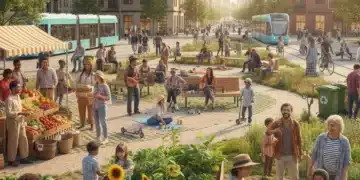
One of the most fundamental yet often underutilized resources within any community is its local food system. Reinvigorating this sector goes beyond simply encouraging farmers’ markets; it involves creating a comprehensive ecosystem that supports local food production, distribution, and consumption. This is a prime example of effective local resource leveraging, impacting not just the economy but also public health and environmental sustainability.
Building Resilient Supply Chains
In 2026, communities should focus on strengthening local food supply chains to reduce reliance on external, often fragile, systems. This means investing in local farms, supporting agricultural education, and facilitating direct-to-consumer models. Consider initiatives like community-supported agriculture (CSA) programs, local food hubs, and partnerships between local producers and institutional buyers (schools, hospitals, restaurants).
Urban Agriculture and Community Gardens
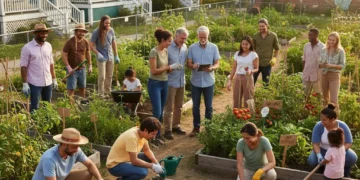
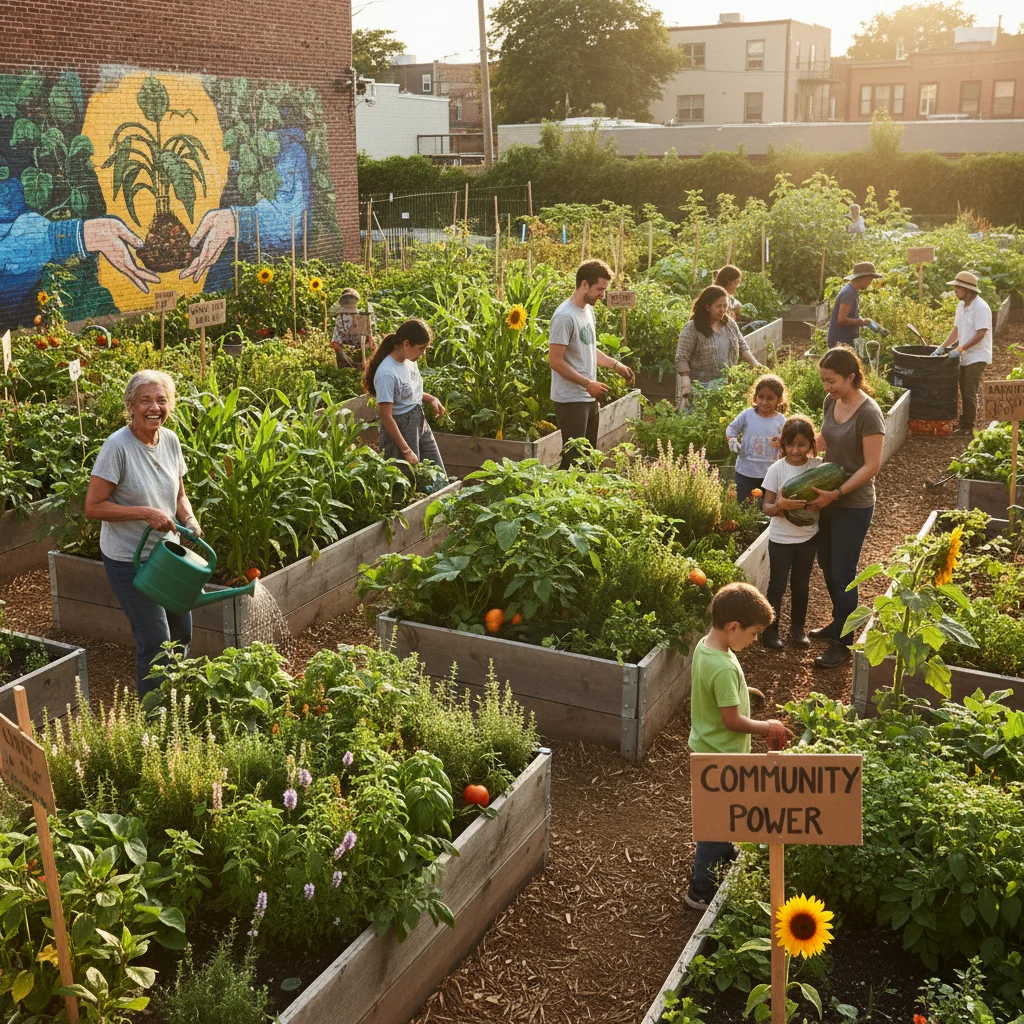
Even urban environments possess significant untapped potential for food production. Urban agriculture, including rooftop gardens, vertical farms, and community plots, can transform underutilized spaces into productive assets. These initiatives not only provide fresh produce but also foster community engagement, offer educational opportunities, and contribute to local greening efforts. Imagine a city where every vacant lot becomes a vibrant source of food and community connection – that’s the power of local resource leveraging in action.
Food Waste Reduction and Composting Programs
Another crucial aspect of a sustainable local food system is minimizing waste. Implementing robust food waste reduction programs and establishing centralized composting facilities can turn what was once a problem into a valuable resource. Composted organic material enriches local soils, reducing the need for chemical fertilizers and supporting healthier plant growth, thus closing the loop on a truly sustainable system.
2. Cultivating Entrepreneurship and Local Business Ecosystems
A thriving local economy is the backbone of a strong community. However, simply attracting large corporations isn’t always the most sustainable or equitable path. The second untapped opportunity lies in actively cultivating and nurturing local entrepreneurship and strengthening existing small businesses. This form of local resource leveraging empowers residents, creates jobs, and keeps wealth circulating within the community.
Community-Led Business Incubators and Accelerators
Many communities have talented individuals with innovative ideas but lack the resources or support to turn them into successful businesses. Establishing community-led incubators and accelerators can provide aspiring entrepreneurs with mentorship, workspace, funding opportunities, and networking connections. These programs can be tailored to address specific local needs or leverage unique local industries, amplifying their impact.
Supporting Local Procurement and ‘Buy Local’ Campaigns
Encouraging residents and institutions to prioritize purchasing from local businesses is a direct and powerful way to strengthen the local economy. ‘Buy Local’ campaigns, coupled with policies that favor local suppliers in government contracts, can significantly boost the revenue and stability of small enterprises. This isn’t just about economic impact; it’s about fostering a sense of pride and ownership in the community’s commercial landscape, a true testament to effective local resource leveraging.
Skill-Sharing and Workforce Development Initiatives
Local businesses often struggle to find skilled labor. Communities can bridge this gap by facilitating skill-sharing programs where experienced professionals mentor newcomers, or by partnering with local educational institutions to develop tailored workforce training programs. Investing in the skills of the local population is investing directly in the future economic vitality of the community.
3. Harnessing Underutilized Public and Green Spaces
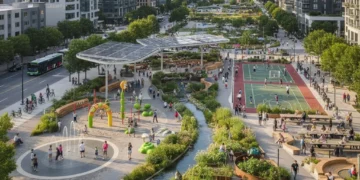
Every community possesses a network of public and green spaces – parks, plazas, vacant lots, riverfronts, and even overlooked street corners. These are invaluable, often underappreciated, resources that can be transformed into vibrant hubs for social interaction, recreation, and learning. Strategic local resource leveraging of these spaces can significantly enhance quality of life and community well-being.
Transforming Vacant Lots into Community Assets
Vacant or neglected lots can be eyesores and potential liabilities. However, with creative planning and community involvement, they can be transformed into temporary or permanent assets. Think pop-up parks, art installations, community gardens (as mentioned earlier), or even flexible event spaces. These transformations not only beautify the area but also provide much-needed amenities and foster a sense of collective ownership.
Activating Public Plazas and Waterfronts
Public plazas and waterfront areas often have immense potential as gathering places. By adding amenities like seating, shade structures, public art, and programming regular events (concerts, markets, fitness classes), these spaces can become dynamic centers of community life. Accessibility and safety are key considerations to ensure these spaces are welcoming to all residents, embodying the spirit of local resource leveraging for social good.
Developing Nature-Based Educational Programs
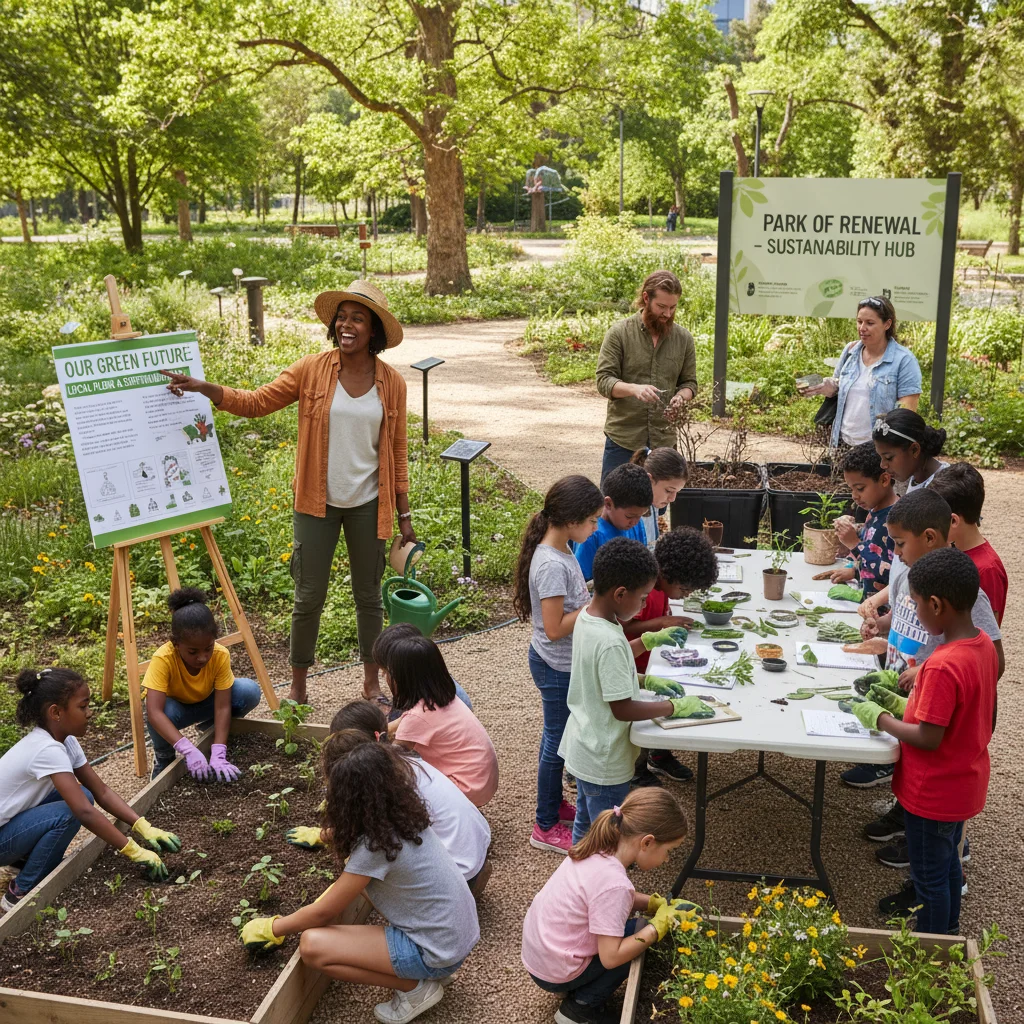
Local parks, nature preserves, and even urban greenways offer incredible opportunities for environmental education. Communities can develop programs that teach residents about local ecology, promote conservation, and encourage outdoor recreation. These initiatives not only educate but also instill a deeper appreciation for the natural beauty and biodiversity within the community, encouraging responsible stewardship of these precious resources.
4. Unlocking the Potential of Intergenerational Knowledge Transfer
One of the richest, yet often least recognized, resources within any community is the collective wisdom and experience of its diverse population. The older generation holds a wealth of knowledge, skills, and historical context that can be invaluable to younger generations. Facilitating intergenerational knowledge transfer is a powerful form of local resource leveraging that strengthens social bonds and preserves cultural heritage.
Mentorship Programs and Skill-Sharing Workshops
Establishing formal or informal mentorship programs can connect experienced seniors with young people seeking guidance in careers, life skills, or even hobbies. Similarly, skill-sharing workshops where older residents teach traditional crafts, cooking, gardening, or storytelling can create meaningful connections and ensure valuable knowledge is passed down. These programs enrich both mentors and mentees, fostering a sense of purpose and belonging.
Oral History Projects and Community Archives
The stories and experiences of a community’s elders are an irreplaceable historical record. Initiating oral history projects can capture these narratives, preserving them for future generations. Creating community archives – physical or digital – where these stories, photographs, and historical documents are stored and made accessible, helps to solidify a shared community identity and understanding of its past, a critical aspect of holistic local resource leveraging.
Senior Volunteer Networks
Many seniors are eager to contribute their time and talents but may lack organized avenues to do so. Creating robust senior volunteer networks that connect them with local schools, non-profits, or community projects can be mutually beneficial. Their experience can provide invaluable support, while volunteering offers seniors opportunities for social engagement and continued contribution to their community.
5. Fostering a Culture of Collaborative Governance and Participatory Planning
The final, and perhaps most transformative, untapped opportunity lies in fundamentally shifting how decisions are made within a community. Moving away from top-down approaches to a more collaborative and participatory model of governance allows for a more effective and equitable allocation of resources. This is the ultimate form of local resource leveraging, ensuring that the diverse perspectives and needs of all residents are heard and considered.
Citizen Assemblies and Participatory Budgeting
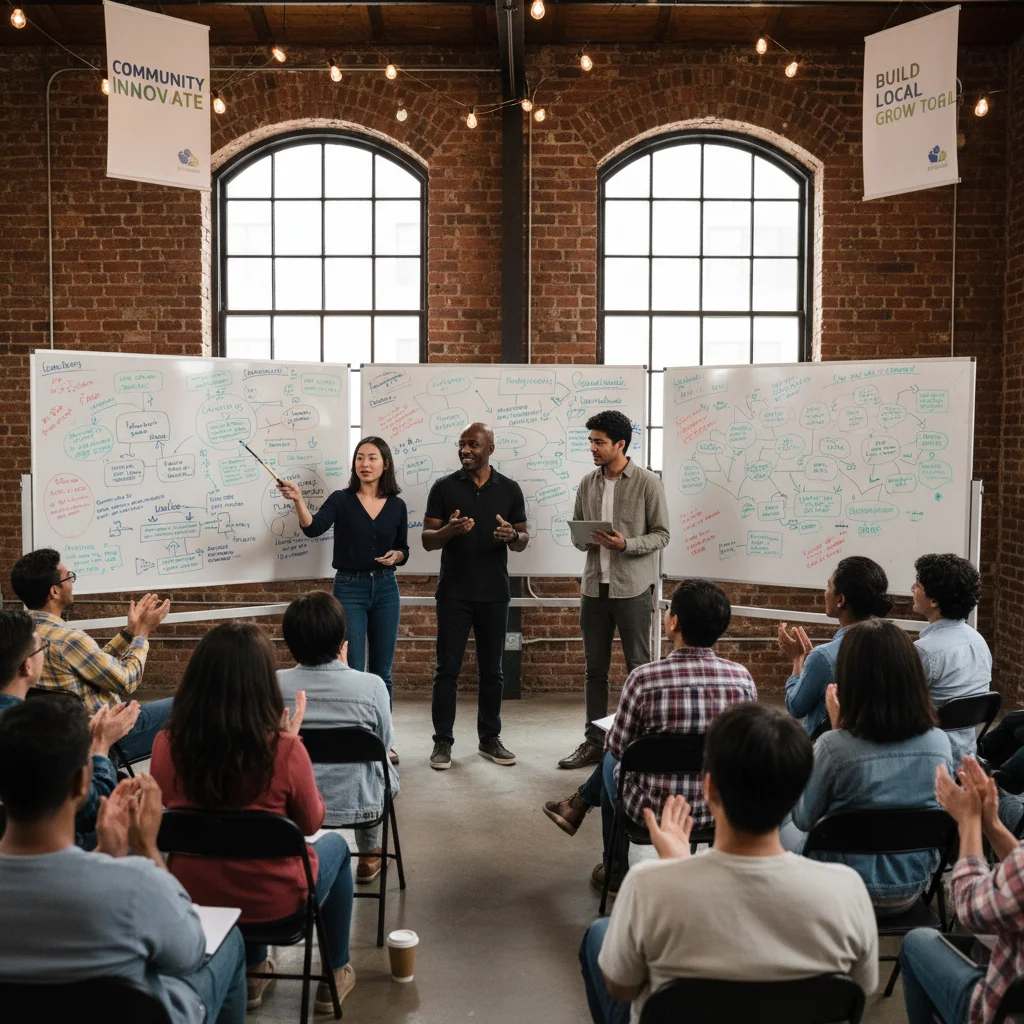
Implementing citizen assemblies, where randomly selected residents deliberate on key issues, or adopting participatory budgeting, which allows citizens to directly decide how a portion of public funds is spent, can empower the community and lead to more effective and widely supported decisions. These mechanisms build trust between residents and local government and ensure resources are aligned with community priorities.
Community Data Collection and Sharing Platforms
In 2026, communities should invest in user-friendly platforms that allow for the collection and sharing of local data. This could include information on local needs, available resources, volunteer opportunities, or even citizen-led monitoring of environmental conditions. Transparent data empowers residents to make informed decisions, identify gaps, and contribute to solutions, enhancing the collective intelligence of the community.
Cross-Sector Partnerships and Coalitions
Breaking down silos between different sectors – government, non-profits, businesses, educational institutions, and neighborhood groups – is crucial. Fostering cross-sector partnerships and coalitions allows for the pooling of resources, expertise, and networks to address complex community challenges more effectively. When diverse groups work together, the potential for innovative solutions and sustainable impact is exponentially increased, embodying true local resource leveraging.
The Path Forward: Implementing Local Resource Leveraging in 2026
The opportunities outlined above are not isolated initiatives; they are interconnected components of a holistic strategy for community enrichment. The key to successful local resource leveraging lies in understanding these interdependencies and developing integrated plans that maximize their combined impact. As we move into 2026, communities that embrace these principles will be better positioned to navigate future challenges and build a more resilient, equitable, and vibrant future for all their residents.
Starting Small, Thinking Big
Implementing these strategies doesn’t require massive upfront investments. Many initiatives can start small, with pilot programs or volunteer efforts, and then scale up as successes are demonstrated and community buy-in grows. The most important first step is often a shift in mindset – recognizing that the solutions to many community challenges already exist within the community itself, waiting to be unleashed through smart local resource leveraging.
Measuring Impact and Adapting Strategies
To ensure long-term success, communities must establish clear metrics to measure the impact of their local resource leveraging efforts. This could include indicators related to economic growth, social cohesion, environmental health, or resident satisfaction. Regular evaluation allows for adaptation and refinement of strategies, ensuring that resources are always being used in the most effective way possible.
Building a Culture of Collaboration
Ultimately, the most powerful resource any community possesses is its people. Fostering a culture of collaboration, where residents feel empowered to contribute their ideas and efforts, is paramount. When people feel a sense of ownership and shared responsibility, the potential for positive change through local resource leveraging becomes limitless. This collaborative spirit is the engine that drives all other initiatives, turning good ideas into tangible realities.
Conclusion: A Brighter Future Through Local Empowerment
The year 2026 offers a fresh opportunity for communities to redefine their future by looking inward and strategically leveraging their unique local resources. From revitalizing food systems and fostering entrepreneurship to activating public spaces, enabling intergenerational knowledge transfer, and embracing collaborative governance, the pathways to enrichment are abundant. By adopting these five untapped opportunities, communities can build resilience, stimulate sustainable growth, and cultivate a deeply rooted sense of belonging and shared prosperity. The future of our communities hinges on our collective ability to recognize, value, and effectively utilize the incredible wealth of assets that lie within our own neighborhoods. Embrace local resource leveraging, and unlock a brighter, more enriched future for everyone.