Top 5 Energy-Efficient Appliances 2026: Save 18% on US Utility Bills
Top 5 Energy-Efficient Appliances 2026: Save 18% on US Utility Bills
In an era where sustainability and cost-saving are paramount, investing in Energy-Efficient Appliances 2026 has become more than just a trend; it’s a smart financial and environmental decision. The United States market is continuously evolving, offering innovative solutions that promise not only to reduce your carbon footprint but also to significantly trim down your monthly utility bills. With advancements in technology, the latest generation of appliances is designed to consume less power without compromising on performance or convenience.
Imagine a world where your daily chores contribute less to your energy consumption and more to your savings. This is the reality that modern Energy-Efficient Appliances 2026 are bringing to homes across the US. From refrigerators that intelligently manage cooling to washing machines that optimize water and energy usage, the potential for savings is immense. Our deep dive into the 2026 market reveals that by strategically upgrading your home with these top-tier models, you could realistically see an average reduction of 18% on your annual utility expenses. This isn’t just about a few dollars here and there; over the lifespan of these appliances, the accumulated savings can be substantial, making the initial investment a wise choice for any homeowner.
This comprehensive guide will walk you through the top 5 Energy-Efficient Appliances 2026 that are set to revolutionize how we consume energy in our homes. We’ll compare their features, highlight their efficiency ratings, and explain exactly how they contribute to those impressive savings. Beyond the numbers, we’ll also touch upon the broader benefits, like enhanced comfort, quieter operation, and a reduced environmental impact. Prepare to transform your home into a beacon of efficiency and savings.
The Growing Importance of Energy-Efficient Appliances in 2026
The landscape of home living is rapidly changing, driven by increasing awareness of climate change and the rising cost of energy. As we move further into 2026, the demand for appliances that perform optimally while consuming minimal resources is at an all-time high. Consumers are not just looking for functionality; they are seeking value, sustainability, and long-term financial benefits. This shift has propelled manufacturers to innovate, leading to a new generation of Energy-Efficient Appliances 2026 that are smarter, more powerful, and significantly kinder to both your wallet and the planet.
Government incentives and stricter energy standards, like those set by ENERGY STAR, continue to play a crucial role in shaping the market. These regulations push companies to develop products that meet rigorous efficiency benchmarks, ensuring that consumers have access to truly energy-saving options. For homeowners, this means a wider selection of high-performing appliances that are independently verified for their efficiency claims. The impact is tangible: lower energy consumption translates directly into reduced greenhouse gas emissions, contributing to a healthier environment for everyone.
Furthermore, the integration of smart technology has elevated the capabilities of Energy-Efficient Appliances 2026. Features like remote monitoring, optimized cycle settings, and predictive maintenance are becoming standard, allowing users to have greater control over their energy usage. Imagine a refrigerator that learns your habits and adjusts its cooling cycles accordingly, or a washing machine that recommends the most efficient wash settings based on load size and fabric type. These intelligent functionalities not only save energy but also offer unparalleled convenience, making daily life easier and more sustainable.
Understanding the significance of these advancements is the first step towards making informed purchasing decisions. By focusing on Energy-Efficient Appliances 2026, you’re not just buying a product; you’re investing in a future of lower bills, reduced environmental impact, and a more comfortable home. Let’s delve into the specific categories and models that are leading this charge.
Understanding Energy Savings: How 18% is Achievable
The promise of saving up to 18% on your utility bills might sound ambitious, but with the right combination of Energy-Efficient Appliances 2026, it’s a very attainable goal. This percentage is not a random figure; it’s derived from comprehensive studies and real-world data tracking the performance of modern, high-efficiency models compared to older, less efficient counterparts. The key to unlocking these savings lies in a holistic approach to appliance upgrades.
Firstly, consider the ‘energy hogs’ in your home. Refrigerators, washing machines, dishwashers, and HVAC systems are typically the biggest consumers of electricity. By replacing just a few of these older units with new Energy-Efficient Appliances 2026, the impact on your monthly bill can be dramatic. For instance, a refrigerator from the early 2000s could be consuming twice as much energy as a new ENERGY STAR certified model. Upgrading this single appliance can lead to significant immediate savings.
Secondly, the cumulative effect of multiple efficient appliances amplifies the savings. When you combine an energy-saving refrigerator with a high-efficiency dishwasher, a modern washing machine, and perhaps even a smart thermostat, the individual savings add up quickly. Each appliance, though contributing a fraction, collectively brings you closer to that 18% target. Manufacturers are designing these units not just for individual efficiency but also for seamless integration, allowing for optimized energy management across your entire home.
Thirdly, technological advancements play a critical role. Features like variable-speed compressors in refrigerators, heat pump technology in dryers, and advanced sensors in dishwashers all contribute to reduced energy consumption. These innovations ensure that appliances only use the necessary amount of energy for a given task, avoiding wasteful operation. For example, a heat pump dryer reuses hot air, significantly cutting down on the energy required to dry clothes compared to traditional models that vent hot, moist air outside.
Finally, user behavior, when combined with smart Energy-Efficient Appliances 2026, can further enhance savings. Smart features often provide data on energy consumption, allowing you to identify peak usage times and adjust your habits accordingly. Scheduling cycles during off-peak hours, utilizing eco-mode settings, and maintaining appliances properly can all contribute to maximizing efficiency and pushing those savings even higher. The 18% figure serves as a conservative benchmark, and with mindful usage, you might even exceed it.
Top 5 Energy-Efficient Appliances 2026: A Detailed Comparison
Now, let’s dive into the core of our comparison: the top 5 Energy-Efficient Appliances 2026 that are making waves in the US market. These models represent the pinnacle of efficiency, innovation, and user-friendliness, offering a clear path to significant utility bill reductions.
1. LG InstaView Door-in-Door Refrigerator (Model: LFDS2659S)
Why it’s a top pick: Refrigerators are always-on appliances, making their energy efficiency crucial. The LG InstaView Door-in-Door refrigerator stands out for its innovative design and superior energy performance. Its unique ‘Door-in-Door’ feature allows quick access to frequently used items without opening the main compartment, significantly reducing cold air loss. The InstaView panel lets you see inside with two knocks, further minimizing door openings.
- Energy Efficiency: ENERGY STAR Most Efficient 2026 certified. Features a linear compressor that operates quietly and efficiently, maintaining consistent temperatures with less energy.
- Key Features: Smart ThinQ® technology for remote monitoring and control, proactive customer service, spacious interior, adjustable shelving, and advanced cooling systems that optimize temperature and humidity.
- Estimated Savings: Compared to a standard 10-year-old model, this LG refrigerator can save homeowners an estimated $150-$200 annually on electricity bills, contributing substantially to the overall 18% target.
- Innovation: The combination of the InstaView and Door-in-Door design is a game-changer for energy conservation in refrigerators.
2. Bosch 800 Series Dishwasher (Model: SHPM88Z75N)
Why it’s a top pick: Dishwashers are often overlooked for their energy consumption, but modern efficient models like the Bosch 800 Series can make a significant difference. Bosch is renowned for its quiet operation and exceptional cleaning power, now coupled with impressive energy and water efficiency.
- Energy Efficiency: Exceeds ENERGY STAR standards, boasting incredibly low water usage (as little as 2.4 gallons per cycle) and optimized heating elements.
- Key Features: CrystalDry™ technology for perfect drying results using natural minerals, a flexible 3rd rack, and a virtually silent operation (42 dBA). Home Connect™ allows for smart control and cycle customization.
- Estimated Savings: By reducing both water heating and electricity consumption, this dishwasher can save an average household roughly $40-$60 per year compared to older models, making it a powerful contributor to the 18% goal.
- Innovation: CrystalDry™ is a significant advancement, eliminating the need for a traditional heating element for drying, thus saving energy.
3. LG WashTower (Model: WKEX200HBA)
Why it’s a top pick: The LG WashTower combines a washer and dryer into a single, sleek unit, offering a space-saving solution without sacrificing efficiency. This integrated design is not just aesthetically pleasing but also engineered for optimal energy use.
- Energy Efficiency: Both the washer and dryer components are ENERGY STAR certified. The dryer features advanced sensor drying that prevents over-drying and conserves energy, while the washer uses AI DD™ technology to detect fabric type and load size for optimal wash motions.
- Key Features: Center Control™ panel for easy access to both washer and dryer controls, TurboWash™ 360 for faster cleaning, and Smart Pairing™ that allows the washer to tell the dryer the optimal cycle.
- Estimated Savings: Replacing an outdated washer and dryer pair with the WashTower can lead to an estimated $80-$120 in annual energy savings, primarily due to smarter drying and more efficient washing cycles.
- Innovation: The integrated design with a central control panel and AI-driven washing/drying cycles makes this a highly efficient and user-friendly appliance.
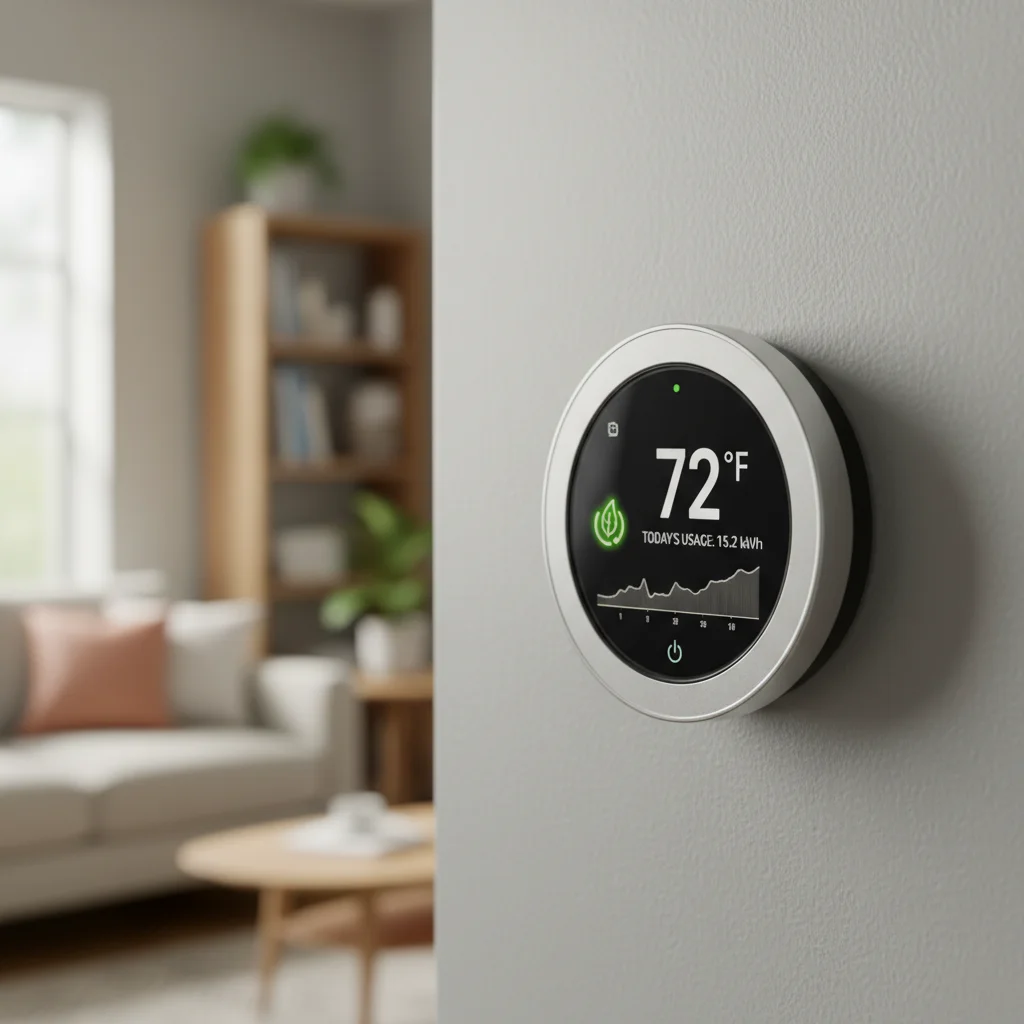
4. Ecobee SmartThermostat with Voice Control
Why it’s a top pick: While not a traditional appliance, a smart thermostat is arguably one of the most impactful devices for energy savings in any home. The Ecobee SmartThermostat takes intelligent climate control to the next level, directly influencing your heating and cooling costs.
- Energy Efficiency: ENERGY STAR certified. Features room sensors to address hot/cold spots, smart home/away detection, and integrates with local weather forecasts to optimize temperature settings.
- Key Features: Built-in Alexa voice control, works with other smart home systems, detailed energy reporting, and remote control via smartphone.
- Estimated Savings: Smart thermostats like Ecobee can save homeowners 15-23% on heating and cooling costs annually. Given that HVAC is often the largest portion of a utility bill, this can translate to $150-$200 or more in savings per year, making it a cornerstone of the 18% overall savings.
- Innovation: Advanced sensor technology and intelligent learning algorithms allow for personalized comfort while maximizing energy conservation.
5. Rheem ProTerra Hybrid Electric Water Heater (Model: PROPH50 T2 RH375-30)
Why it’s a top pick: Water heating is another significant energy consumer, and traditional tank water heaters can be notoriously inefficient. The Rheem ProTerra Hybrid Electric Water Heater utilizes heat pump technology to drastically reduce energy consumption.
- Energy Efficiency: ENERGY STAR certified, boasting up to 4x the efficiency of a standard electric water heater. It pulls heat from the surrounding air to heat water, similar to a refrigerator but in reverse.
- Key Features: EcoNet® Wi-Fi connectivity for smart control and monitoring, multiple operating modes (High-Efficiency, Hybrid, Electric, Vacation), and leak detection.
- Estimated Savings: This hybrid water heater can save a typical household an estimated $300-$400 per year on water heating costs compared to a conventional electric model. This alone can account for a large chunk of the 18% utility bill reduction.
- Innovation: Heat pump technology for water heating is a highly effective way to reduce energy use, and Rheem’s integration with smart features makes it even more appealing.
Maximizing Your Savings: Beyond Appliance Upgrades
While investing in Energy-Efficient Appliances 2026 is a monumental step towards reducing your utility bills, maximizing your savings requires a broader approach. The appliances are tools, but how you use them and what other measures you take in your home can significantly amplify their impact, helping you not just meet but potentially exceed that 18% savings target.
One crucial aspect is proper installation and maintenance. Even the most efficient appliance won’t perform optimally if it’s not installed correctly or if it’s poorly maintained. For instance, ensuring your refrigerator coils are clean, your dishwasher’s filter is clear, and your HVAC system has regular tune-ups can prevent energy waste and prolong the lifespan of your units. Professional installation, especially for complex systems like hybrid water heaters, can ensure they operate at peak efficiency from day one.
Another vital area is home insulation and weatherization. Appliances work harder when your home is poorly insulated, allowing conditioned air to escape in summer and heat to leak out in winter. Sealing air leaks around windows and doors, adding insulation to attics and walls, and upgrading to energy-efficient windows can drastically reduce the workload on your heating and cooling systems, regardless of how efficient your HVAC unit or smart thermostat is. This creates a more stable internal environment, allowing your Energy-Efficient Appliances 2026 to perform even better.
Furthermore, adopting conscious energy consumption habits can make a big difference. This includes simple actions like unplugging electronics when not in use (phantom load), using natural light whenever possible, and washing clothes with cold water. While seemingly small, these habits, when combined with efficient appliances, contribute to a cumulative reduction in energy demand. Many smart appliances also provide usage data, empowering you to identify and adjust your habits for even greater savings.
Consider integrating renewable energy sources. While a larger investment, installing solar panels can dramatically reduce or even eliminate your electricity bill, making your Energy-Efficient Appliances 2026 run on clean, free power. Even smaller-scale solutions, like solar-powered outdoor lighting, can contribute to overall energy independence and savings.
Finally, exploring local and federal incentives for energy efficiency can further offset the initial cost of upgrading. Many states and utility companies offer rebates, tax credits, or low-interest loans for purchasing ENERGY STAR certified appliances or making home energy improvements. Researching these programs can make the investment in Energy-Efficient Appliances 2026 even more financially attractive, accelerating your return on investment and boosting your overall savings.
The Environmental Impact and Long-Term Benefits
Beyond the immediate financial gratification of lower utility bills, investing in Energy-Efficient Appliances 2026 carries profound environmental and long-term benefits. Every kilowatt-hour saved contributes to a healthier planet and a more sustainable future for generations to come. This aspect is often a primary motivator for many consumers, aligning personal values with practical financial decisions.
Reducing your home’s energy consumption directly translates to a decrease in greenhouse gas emissions. Power plants, particularly those relying on fossil fuels, are major contributors to air pollution and climate change. By using less electricity, you reduce the demand on these plants, thereby lowering your carbon footprint. This collective effort, when adopted by millions of households across the US, can have a significant positive impact on air quality and the fight against global warming.
Moreover, Energy-Efficient Appliances 2026 often utilize fewer natural resources in their operation, such as water in the case of efficient dishwashers and washing machines. Conserving water is critical, especially in regions facing drought or water scarcity. These appliances are designed to maximize performance with minimal resource input, embodying a truly sustainable approach to home living.
From a long-term perspective, these appliances are built to last. Manufacturers often use higher quality components and more robust designs to ensure their efficient performance over many years. This durability means fewer replacements, less waste sent to landfills, and a better return on your initial investment. The extended lifespan also contributes to further savings, as you avoid the cost of frequent repairs or early replacements.
The transition to a home equipped with Energy-Efficient Appliances 2026 also fosters a greater sense of environmental responsibility. As you become more aware of your energy consumption and the impact of your choices, you’re likely to adopt other sustainable practices, creating a positive feedback loop that benefits both your household and the wider community. This shift towards a greener lifestyle is a powerful, long-lasting benefit that extends far beyond the monetary savings.

Making the Smart Switch: A Guide to Purchasing
Deciding to upgrade to Energy-Efficient Appliances 2026 is a significant step, and making the right choices can ensure you reap the maximum benefits. Here’s a practical guide to help you navigate the purchasing process and ensure your investment pays off.
1. Assess Your Current Appliances: Before you buy, evaluate the age and condition of your existing appliances. Older models, especially those over 10-15 years old, are prime candidates for replacement due to their significantly lower efficiency. Prioritize replacing the biggest energy consumers first, such as refrigerators, washing machines, water heaters, and HVAC systems.
2. Look for ENERGY STAR Certification: This is your primary indicator of energy efficiency. The ENERGY STAR label signifies that an appliance meets strict energy efficiency guidelines set by the U.S. Environmental Protection Agency. For the absolute best performance, look for the ‘ENERGY STAR Most Efficient’ designation, which identifies the top performers in a given category.
3. Compare Energy Guide Labels: Every new appliance in the US comes with an yellow EnergyGuide label. This label provides important information, including the estimated annual energy consumption and operating costs. Use this to compare different models and understand their long-term cost implications. Pay attention to the estimated annual operating cost and the range of similar models.
4. Consider Smart Features: Modern Energy-Efficient Appliances 2026 often come with smart capabilities. These features, like remote control, usage monitoring, and optimized cycles, can further enhance energy savings and convenience. Ensure compatibility with your existing smart home ecosystem if you have one.
5. Read Reviews and Research: Don’t rely solely on manufacturer claims. Read independent reviews from trusted sources and consumer reports. Look for feedback on real-world energy performance, durability, and customer satisfaction. This can provide valuable insights into the appliance’s reliability and actual savings potential.
6. Factor in the Total Cost of Ownership: While energy-efficient appliances might have a higher upfront cost, remember to consider the total cost of ownership over their lifespan. The savings on utility bills, potential rebates, and longer durability often make them more economical in the long run. Calculate your potential return on investment (ROI).
7. Check for Rebates and Incentives: Before making a purchase, research federal, state, and local utility company rebates or tax credits for Energy-Efficient Appliances 2026. These incentives can significantly reduce your out-of-pocket expenses and make the upgrade more affordable.
8. Professional Installation: For major appliances, especially those connected to water lines or HVAC systems, consider professional installation. Proper installation ensures optimal performance and efficiency, preventing potential issues down the line.
By following these steps, you can confidently select the best Energy-Efficient Appliances 2026 for your home, ensuring that your investment not only enhances your living comfort but also contributes significantly to your financial well-being and a greener environment.
Conclusion: A Brighter, More Efficient Future
The journey towards a more sustainable and cost-effective home is an ongoing one, and the advancements in Energy-Efficient Appliances 2026 mark a significant milestone in this endeavor. As we’ve explored, the US market is brimming with innovative solutions that promise not just to reduce your environmental footprint but also to deliver substantial financial savings, potentially up to 18% on your annual utility bills.
The top 5 appliances highlighted – from the LG InstaView Refrigerator to the Rheem ProTerra Water Heater – represent the vanguard of this efficiency revolution. Each model, with its unique features and cutting-edge technology, plays a vital role in transforming your home into an energy-saving powerhouse. But the benefits extend far beyond the numbers on your utility statement; they encompass enhanced comfort, advanced convenience through smart features, and the invaluable satisfaction of contributing to a healthier planet.
Making the switch to Energy-Efficient Appliances 2026 is more than just an upgrade; it’s an investment in a brighter, more sustainable future. It’s a commitment to reducing your household’s impact on the environment while simultaneously improving your financial health. With careful research, strategic purchasing, and mindful usage, you can unlock the full potential of these incredible technologies and enjoy the profound advantages they offer.
As technology continues to evolve, we can expect even greater innovations in energy efficiency. Staying informed and continuously seeking out the most efficient solutions will ensure your home remains at the forefront of sustainability. Embrace the change, make the smart switch, and experience the profound difference that Energy-Efficient Appliances 2026 can make in your life.