Boost Community Participation: 5 Strategies for Local Unity
Unlocking Local Unity: 5 Proven Strategies for Boosting Community Participation by 20% in the Next 6 Months
In an increasingly interconnected yet often fragmented world, the strength of a community lies in the active involvement of its members. Community participation strategies are not just buzzwords; they are the bedrock upon which thriving, resilient, and supportive local environments are built. When residents feel connected, valued, and empowered to contribute, the collective impact can be transformative. This article delves into five proven strategies designed to significantly boost community participation, aiming for an ambitious yet achievable 20% increase within the next six months. By implementing these approaches, local leaders, organizations, and engaged citizens can foster a deeper sense of unity, ownership, and progress.
The benefits of robust community participation are manifold. It leads to better decision-making processes that reflect the diverse needs and aspirations of the population, more effective resource allocation, and a greater sense of collective responsibility for local issues. From enhancing local services and promoting civic engagement to strengthening social bonds and improving overall quality of life, the ripple effects are profound. However, achieving high levels of participation requires more than just good intentions; it demands strategic planning, persistent effort, and a genuine commitment to inclusivity. Let’s explore how to turn these aspirations into tangible results.
Understanding the Current Landscape of Community Engagement
Before diving into solutions, it’s crucial to understand why community participation might be lacking. Often, barriers include a lack of awareness about opportunities, feelings of disenfranchisement, time constraints, or a perceived lack of impact. People may feel their voices won’t be heard, or their contributions won’t make a difference. Addressing these underlying issues is the first step towards building effective community participation strategies. A thorough assessment of current engagement levels, identifying key demographics that are underrepresented, and understanding their specific concerns can provide invaluable insights. This initial diagnostic phase is critical for tailoring strategies that resonate with the entire community, not just a vocal minority.
Moreover, the definition of “participation” itself can vary. For some, it means attending town hall meetings; for others, it’s volunteering for local clean-up drives or engaging in online forums. A comprehensive strategy acknowledges this diversity and offers multiple avenues for involvement, ensuring that everyone can find a way to contribute that suits their availability and preferences. This holistic view is fundamental to achieving a significant boost in community engagement and fostering true local unity.
Strategy 1: Create Accessible and Inclusive Engagement Platforms
One of the primary hurdles to increasing community participation is the lack of accessible platforms for engagement. Traditional methods, such as formal meetings, can be intimidating or inconvenient for many. To truly boost community participation, we must diversify and democratize the avenues for involvement. This means moving beyond the town hall and into spaces where people already gather, both physically and virtually.
Leveraging Digital Tools for Wider Reach
In today’s digital age, online platforms offer unparalleled opportunities to connect with community members. Consider implementing a dedicated community portal or forum where residents can discuss local issues, share ideas, and provide feedback. Social media groups (Facebook, Nextdoor, etc.) can also be highly effective for disseminating information, conducting polls, and fostering ongoing dialogue. The key is to make these platforms user-friendly, moderated effectively to encourage constructive conversation, and regularly updated with relevant content. A vibrant online presence can significantly lower the barrier to entry for many who might not otherwise participate.
However, digital inclusion is paramount. Not everyone has reliable internet access or digital literacy. Therefore, online initiatives must be complemented by offline efforts to ensure no one is left behind. This brings us to the importance of diverse physical spaces.
Establishing Community Hubs and Pop-Up Events
Physical spaces are equally vital for fostering face-to-face interaction and building trust. Establishing community hubs – accessible locations like libraries, community centers, or even local cafes – where residents can drop in, learn about initiatives, and offer input can be highly effective. These hubs can host informal discussion groups, workshops, or information sessions. Furthermore, organizing pop-up engagement events at local parks, farmers’ markets, or schools can reach residents in their daily routines, making participation convenient and less formal. These types of events can transform civic engagement from a chore into an enjoyable social activity, directly contributing to increased community participation strategies.
The goal is to meet people where they are, rather than expecting them to come to you. By creating a variety of accessible and inclusive platforms, both digital and physical, communities can significantly broaden their reach and encourage a diverse range of voices to contribute.
Strategy 2: Empower Local Leaders and Champion Grassroots Initiatives
True community participation often blossoms from within. Instead of top-down directives, empowering local leaders and supporting grassroots initiatives can create a more organic and sustainable form of engagement. Identify individuals who are already respected and active within specific segments of the community – whether they are neighborhood watch captains, parent-teacher association leaders, or organizers of local cultural events. These individuals can act as invaluable conduits, bridging the gap between formal institutions and the broader populace.
Training and Supporting Community Ambassadors
Develop programs to train these emerging or existing local leaders to become “community ambassadors.” Provide them with the resources, information, and skills needed to effectively communicate with their peers, gather feedback, and mobilize action. This could involve workshops on effective communication, conflict resolution, or project management. When residents see their own neighbors and friends leading initiatives, they are often more inclined to trust the process and get involved. This strategy decentralizes participation efforts, making them more resilient and responsive to diverse needs. It’s a powerful way to enhance community participation strategies by leveraging existing social networks and trust.
Funding and Mentoring Grassroots Projects
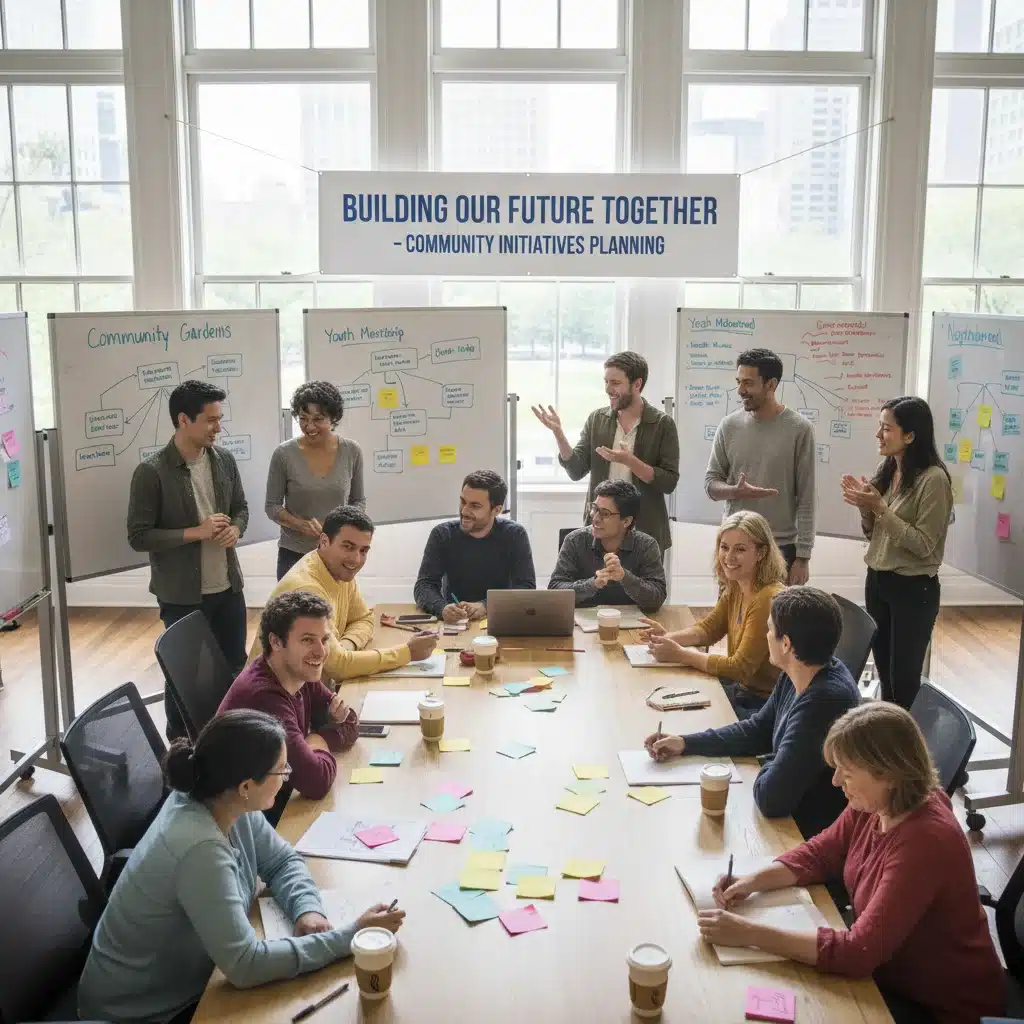
Beyond identifying leaders, actively seeking out and supporting grassroots projects initiated by community members is crucial. This might involve offering small grants, providing technical assistance, or connecting them with mentors who can help navigate bureaucratic processes. When residents see their ideas being taken seriously and receiving tangible support, it validates their efforts and encourages others to come forward with their own proposals. This approach not only boosts participation but also fosters innovation and local ownership, leading to solutions that are truly tailored to the community’s unique challenges and opportunities.
By investing in local leadership and grassroots efforts, communities can cultivate a self-sustaining ecosystem of engagement, where participation is driven by genuine local interest and initiative, rather than external mandates.
Strategy 3: Implement Transparent and Responsive Feedback Loops
Nothing saps the enthusiasm for community participation faster than a feeling that one’s input is ignored or that decisions are made behind closed doors. To foster sustained engagement and boost community participation, it is absolutely essential to establish transparent and responsive feedback loops. This means not only asking for input but also clearly demonstrating how that input is considered and, ultimately, how it influences outcomes.
Closing the Loop: From Input to Impact
After collecting feedback – whether through surveys, meetings, or online forums – it is imperative to communicate back to the community what was heard and what actions will be taken as a result. This can be done through public reports, newsletters, social media updates, or dedicated feedback sessions. For instance, if a community suggests a new park feature, follow up with updates on the design process, funding applications, and construction timelines. Even if a suggestion cannot be implemented, clearly explain why, demonstrating that it was given due consideration. This transparency builds trust and reinforces the idea that participation truly matters.
A lack of feedback creates a void where cynicism can grow. Conversely, a clear and consistent demonstration of how community input leads to tangible improvements can be a powerful motivator for continued involvement. This is a cornerstone of effective community participation strategies.
Creating Accessible Avenues for Ongoing Dialogue
Beyond formal feedback mechanisms, creating accessible avenues for ongoing dialogue is also important. This might include regular “office hours” for local officials in community centers, or dedicated online Q&A sessions. The goal is to make leaders and decision-makers approachable and accountable, fostering a sense of partnership between residents and those in positions of authority. When community members feel they have a direct line to influence decisions and see their contributions valued, their willingness to participate actively will naturally increase.
Ultimately, a transparent and responsive feedback loop transforms participation from a one-way street into a dynamic, interactive process, where community members feel they are co-creators of their shared future.
Strategy 4: Design Engaging and Relevant Activities
Participation isn’t just about attending meetings; it’s about connecting with issues and activities that genuinely matter to people. To significantly boost community participation, organizers must move beyond generic calls to action and design activities that are engaging, relevant, and offer clear value to those involved. This requires creativity, understanding local priorities, and a willingness to step outside traditional engagement models.
Focusing on Community-Identified Priorities
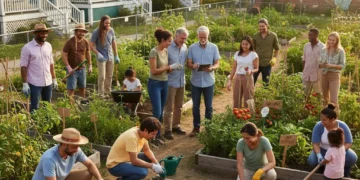
Instead of imposing agendas, actively solicit input from the community on what issues they care most about. What are the pressing challenges they face? What improvements would they like to see? By aligning initiatives with these community-identified priorities, you ensure that the activities are inherently relevant and therefore more likely to attract participation. For example, if residents are concerned about local green spaces, organize a community garden project or a park clean-up day. If traffic safety is a concern, host a workshop where residents can map out problem areas and propose solutions. This direct link between participation and addressing felt needs is a powerful driver for increased engagement and strengthens community participation strategies.
Incorporating Fun, Social, and Skill-Building Elements
Participation doesn’t always have to be serious. Incorporating fun, social, and even skill-building elements can make engagement more appealing. Consider combining a community clean-up with a picnic, or a neighborhood planning session with a potluck. Offering workshops that teach new skills (e.g., urban gardening, basic coding, or public speaking) while also addressing community needs can attract a broader demographic. When people enjoy the process and feel they are gaining something personally – whether it’s new friends, new skills, or simply a sense of belonging – they are far more likely to return and encourage others to join. These types of activities transform participation from a civic duty into a rewarding social experience.
By designing activities that are both meaningful and enjoyable, communities can create a compelling reason for residents to get involved, fostering a culture where participation is seen as a positive and enriching aspect of local life.

Strategy 5: Celebrate Successes and Recognize Contributions
Human beings are motivated by recognition and a sense of accomplishment. To sustain and further boost community participation, it is crucial to consistently celebrate successes, no matter how small, and genuinely recognize the contributions of individuals and groups. This creates a positive feedback loop, reinforcing the value of participation and inspiring others to get involved.
Publicly Acknowledging Volunteers and Participants
Make a conscious effort to publicly acknowledge those who contribute their time, ideas, and energy. This can take many forms: a shout-out in a local newsletter, a feature on the community website, a certificate of appreciation, or even a simple thank-you at a public event. Highlighting the stories of individuals who have made a difference can be incredibly inspiring and demonstrates that their efforts are seen and valued. This recognition doesn’t need to be elaborate; often, a heartfelt thank you is enough to make someone feel appreciated and encourage continued involvement. This is a vital component of effective community participation strategies.
Showcasing the Impact of Collective Action
Beyond individual recognition, it’s equally important to showcase the tangible impact of collective community action. Did a community clean-up result in a visibly cleaner park? Did a neighborhood watch initiative lead to a reduction in local crime? Document and publicize these successes with before-and-after photos, statistics, and testimonials. When residents see the direct positive outcomes of their collective efforts, it reinforces their belief in the power of participation and encourages them to continue contributing. This evidence of impact is a powerful motivator, demonstrating that their involvement leads to real, positive change in their community.
Celebrating successes and recognizing contributions creates a culture of appreciation and positive reinforcement, transforming participation from an occasional act into a continuous and rewarding journey for community members. It fosters a sense of pride and collective achievement, which is essential for long-term engagement.
Measuring Success and Sustaining Momentum
Achieving a 20% increase in community participation within six months is an ambitious goal, but entirely attainable with these strategies. However, success isn’t just about the initial boost; it’s about sustaining that momentum. This requires ongoing measurement, adaptation, and a continuous commitment to the principles outlined above.
Implement clear metrics to track participation rates. This could include event attendance, website engagement, volunteer hours, survey response rates, or the number of new participants in specific programs. Regularly review these metrics to identify what’s working well and what needs adjustment. Don’t be afraid to experiment with new approaches and learn from both successes and setbacks. The landscape of community needs and interests is constantly evolving, and your community participation strategies should evolve with it.
Furthermore, foster a culture of continuous engagement. This means regularly communicating with the community, seeking feedback on the engagement process itself, and ensuring that opportunities for involvement are always present and visible. A sustained effort to nurture relationships, empower leaders, and celebrate achievements will ensure that the initial surge in participation transforms into a lasting legacy of local unity and collective action.
Conclusion: Building a Stronger, More United Community
Boosting community participation by 20% in the next six months is not merely a numerical target; it’s a commitment to building a stronger, more vibrant, and more united community. By focusing on accessible and inclusive platforms, empowering local leaders, implementing transparent feedback loops, designing engaging activities, and celebrating successes, communities can unlock their full potential. These five proven community participation strategies provide a robust framework for fostering deeper engagement, strengthening social bonds, and collectively addressing local challenges.
The journey towards enhanced community participation is ongoing, requiring dedication and adaptability. However, the rewards – a more resilient, equitable, and cohesive local environment – are immeasurable. Let’s embark on this journey together, transforming good intentions into tangible actions and ensuring that every voice has the opportunity to contribute to the collective good. The future of our communities depends on it.