Building Bridges: 3 Innovative Community Initiatives Fostering Cross-Cultural Understanding in the U.S.
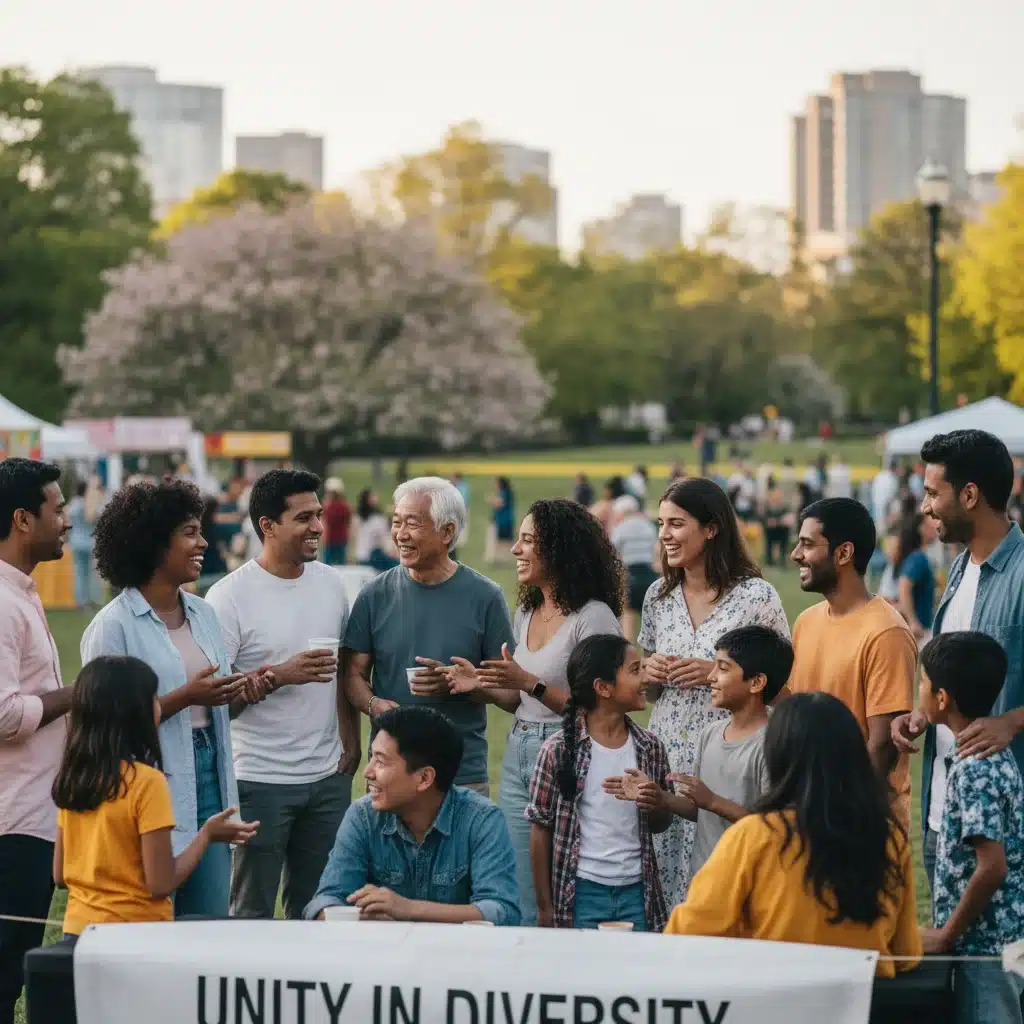
In an increasingly interconnected yet often polarized world, the need for robust community cross-cultural initiatives has never been more critical. Fostering understanding, empathy, and respect among diverse populations is essential for building resilient, harmonious, and thriving societies. The United States, with its rich tapestry of cultures, traditions, and backgrounds, presents both unique challenges and unparalleled opportunities for such initiatives. This quarter, we spotlight three exemplary programs that are making significant strides in bridging cultural divides and strengthening the social fabric of their communities.
These initiatives demonstrate that while the path to genuine cross-cultural understanding can be complex, it is ultimately achievable through dedicated effort, innovative approaches, and a commitment to shared humanity. They serve as powerful models for other communities looking to cultivate environments where diversity is not just tolerated, but celebrated and leveraged as a source of strength.
The Imperative of Cross-Cultural Understanding in Modern Society
Before diving into our featured initiatives, it’s worth pausing to consider why community cross-cultural initiatives are so vital in today’s landscape. The benefits extend far beyond mere civility. Enhanced cross-cultural understanding leads to reduced prejudice and discrimination, fosters innovation through diverse perspectives, improves public health outcomes by addressing cultural determinants, and strengthens economic development by creating more inclusive workforces and consumer bases. In short, it’s a cornerstone of sustainable societal progress.
Without intentional efforts to bridge cultural gaps, communities risk fragmentation, misunderstanding, and conflict. The rise of global migration, coupled with instant communication through digital platforms, means that different cultural groups are interacting more frequently than ever before. While this offers immense potential for growth and learning, it also highlights the need for proactive strategies to manage differences constructively and to build common ground. This is where well-designed community cross-cultural initiatives play a pivotal role, acting as catalysts for positive interaction and mutual enrichment.
Initiative 1: The “Global Kitchen” Project, Seattle, Washington
Savoring Diversity Through Culinary Exchange
Our first spotlight falls on Seattle, Washington, where the “Global Kitchen” Project is transforming how residents engage with one another. This initiative, launched by a local non-profit, utilizes the universal language of food to foster deep cross-cultural connections. The concept is simple yet profoundly effective: community members from different ethnic backgrounds host cooking classes and potluck dinners, sharing traditional recipes and the stories behind them.
Participants sign up for a series of events, each focusing on a different culture. For instance, one month might feature a Vietnamese Pho workshop, followed by a Mexican Tamale-making session the next. Beyond just learning culinary techniques, attendees hear personal narratives from the hosts about their heritage, family traditions, and experiences immigrating to the U.S. This storytelling aspect is crucial; it moves beyond superficial cultural exchanges to create genuine empathy and understanding.
The “Global Kitchen” Project has seen remarkable success. Anecdotal evidence suggests that participants develop a greater appreciation for the diversity within their community. Many report forming new friendships with people they might not have otherwise encountered. The project also provides a platform for immigrant and refugee communities to share their culture proudly, often boosting their sense of belonging and reducing feelings of isolation. This model beautifully illustrates how engaging with everyday cultural practices, like cooking and eating, can be a powerful avenue for strengthening community cross-cultural initiatives.
Furthermore, the project has an economic component. Some of the host families, particularly those from refugee backgrounds, are paid for their time and expertise, providing a small but meaningful source of income while empowering them as cultural ambassadors. This dual benefit of cultural exchange and economic support makes the “Global Kitchen” a truly holistic approach to fostering understanding.
Initiative 2: “Narratives of Neighborhoods,” Minneapolis, Minnesota
Bridging Divides Through Shared Stories
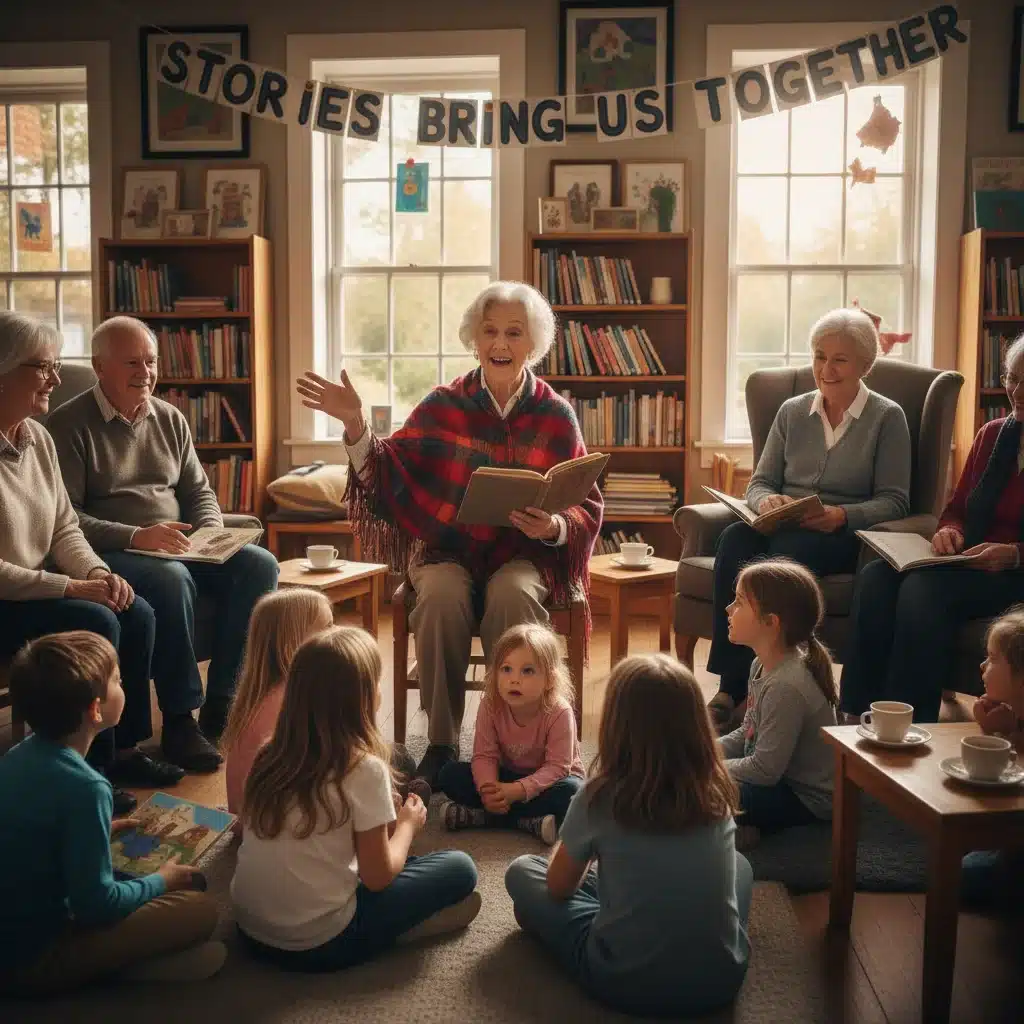
In Minneapolis, Minnesota, “Narratives of Neighborhoods” is an innovative program focused on oral history and storytelling as a means to build bridges between diverse communities. Recognizing that personal stories are powerful tools for human connection, this initiative brings together residents from different ethnic, religious, and socio-economic backgrounds to share their life experiences in structured, facilitated settings.
The program organizes small groups, typically 8-12 individuals, who meet weekly for several months. Each session has a theme – for example, “My First Home,” “A Defining Challenge,” or “Hopes for the Future.” Participants are encouraged to share personal anecdotes, reflections, and memories related to the theme. Trained facilitators ensure a safe, respectful, and inclusive environment, guiding conversations and prompting deeper engagement. The focus is on active listening and empathic understanding, rather than debate or judgment.
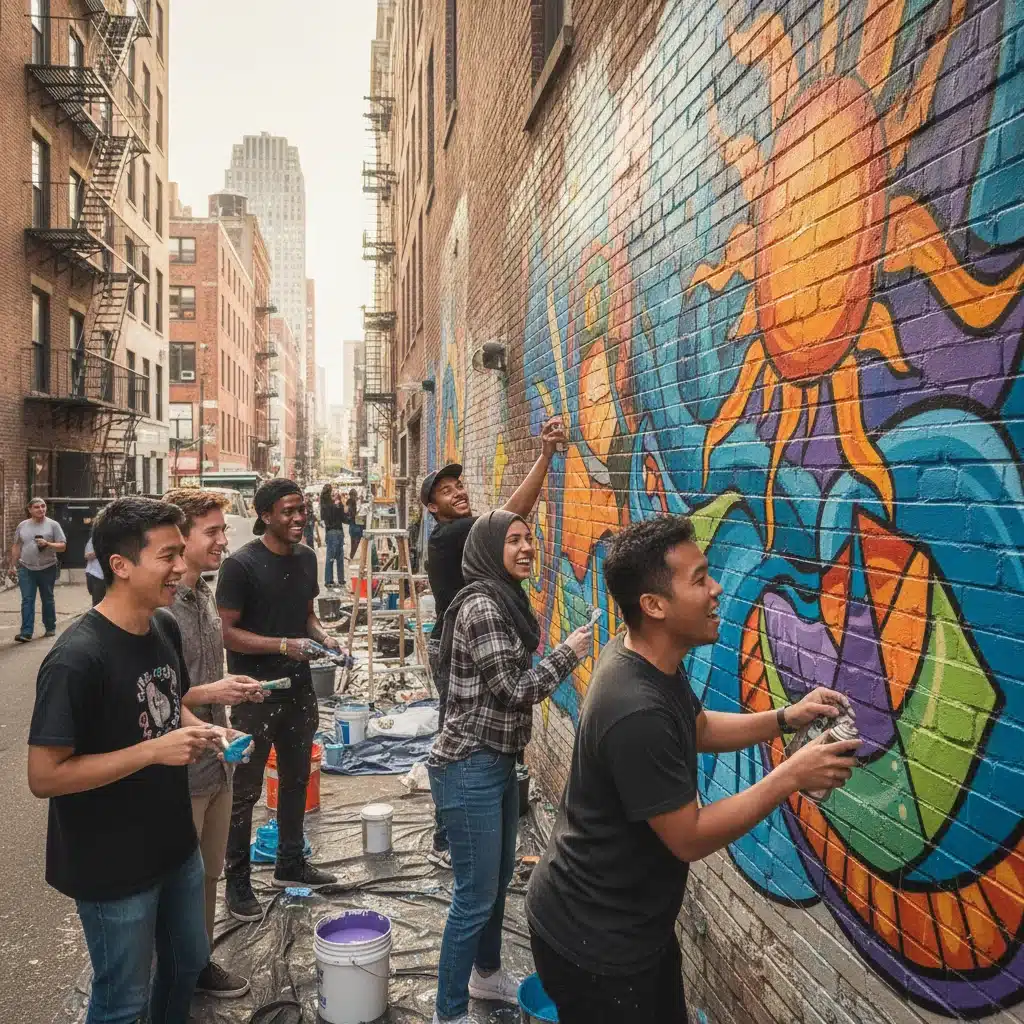
The impact of “Narratives of Neighborhoods” has been profound. Participants often discover surprising commonalities with others whose lives initially seemed very different. They gain insights into the challenges and triumphs faced by their neighbors, fostering a sense of shared humanity. The project also culminates in a public event where selected stories are shared with the wider community, sometimes through live readings or short video documentaries, further extending its reach and impact on community cross-cultural initiatives.
One participant, a Somali immigrant, shared how hearing the story of a long-time resident who struggled with poverty in their youth helped her feel less alone in her own challenges. Conversely, the long-time resident expressed newfound understanding for the immigrant experience, recognizing universal themes of resilience and hope. This initiative proves that by creating spaces for authentic storytelling, communities can dismantle stereotypes and build foundations of mutual respect.
Initiative 3: “Youth for Unity” Leadership Program, Houston, Texas
Empowering the Next Generation of Cultural Liaisons
Houston, Texas, one of the most diverse cities in the U.S., is home to the “Youth for Unity” Leadership Program. This initiative targets high school students, equipping them with the skills and knowledge to become leaders in fostering cross-cultural understanding within their schools and wider communities. The program recognizes that investing in youth is key to long-term societal change.
“Youth for Unity” is an intensive, year-long program that includes workshops on cultural competency, conflict resolution, active listening, and anti-bias training. Students participate in simulations, group projects, and community service activities that require them to collaborate with peers from different backgrounds. A core component is a mentorship program where students are paired with local community leaders who exemplify cross-cultural leadership.
A significant part of the program involves students designing and implementing their own school-based or community-wide projects aimed at promoting diversity and inclusion. Examples include organizing multicultural festivals, creating student-led dialogue groups, or developing educational campaigns to combat stereotypes. These projects not only provide practical experience but also empower students to take ownership of their role in shaping a more inclusive future.
The results have been inspiring. Graduates of “Youth for Unity” often go on to pursue higher education with a strong commitment to social justice and cross-cultural engagement. Many become advocates in their universities and workplaces, continuing to champion diversity. The program has demonstrably improved intergroup relations within participating schools, reducing incidents of bullying and promoting a more welcoming environment for all students. This focus on cultivating young leaders makes it a forward-thinking example of community cross-cultural initiatives.
The success of “Youth for Unity” lies in its comprehensive approach, combining education, practical experience, and mentorship. It instills in young people not just an appreciation for diversity, but the concrete skills needed to navigate and celebrate cultural differences effectively, ensuring that the work of bridge-building continues for generations to come.
Common Threads: Lessons from Successful Initiatives
While distinct in their methods, these three community cross-cultural initiatives share several common characteristics that contribute to their success:
- Authentic Engagement: They move beyond superficial interactions, creating spaces for deep, meaningful connections.
- Storytelling and Personal Narrative: They leverage the power of individual stories to build empathy and understanding.
- Safe and Inclusive Environments: They prioritize creating spaces where all participants feel respected, heard, and safe to share.
- Community-Led and Participatory: They involve community members in the design and execution of programs, ensuring relevance and ownership.
- Focus on Skills Development: Especially in the youth program, they equip participants with practical skills for navigating diverse environments.
- Long-Term Vision: They understand that fostering cross-cultural understanding is an ongoing process, not a one-time event.
These principles can serve as a roadmap for other communities looking to develop or enhance their own initiatives. The key is to start with a genuine desire to connect, listen, and learn from one another.
The Broader Impact of Stronger Cross-Cultural Ties
The ripple effects of robust community cross-cultural initiatives extend far beyond the direct participants. When individuals from different backgrounds learn to understand and appreciate one another, it strengthens the entire social fabric of a community. This leads to:
- Reduced Social Tensions: Fewer misunderstandings and conflicts arise when people have a baseline of respect and knowledge about other cultures.
- Increased Civic Participation: Inclusive communities encourage more diverse voices to engage in local governance and decision-making.
- Enhanced Public Services: Service providers, from healthcare to education, can better meet the needs of a diverse population when they understand cultural nuances.
- Economic Growth: Diverse workforces are more innovative, and communities that embrace diversity attract a broader talent pool and investment.
- Improved Mental Health: Feelings of belonging and acceptance are crucial for individual well-being, especially for minority and immigrant populations.
Investing in community cross-cultural initiatives is not just a social good; it’s a strategic investment in the future prosperity and stability of any community.
Challenges and Opportunities for Future Growth
While the success stories are inspiring, it’s also important to acknowledge the challenges inherent in fostering cross-cultural understanding. These include:
- Funding: Securing consistent and adequate funding remains a perennial challenge for many non-profits and community organizations.
- Sustaining Engagement: Maintaining participant interest and preventing burnout over long periods can be difficult.
- Reaching Skeptics: Engaging individuals who are resistant to cross-cultural dialogue or hold strong prejudices requires particular skill and persistence.
- Measuring Impact: Quantifying the qualitative benefits of improved understanding and empathy can be complex, making it harder to demonstrate program effectiveness to funders.
However, these challenges also present opportunities. The growing recognition of diversity, equity, and inclusion (DEI) as critical societal goals means there is increasing interest from philanthropic organizations, government bodies, and corporate partners. Innovative approaches to data collection and storytelling can help demonstrate impact more effectively. Furthermore, leveraging digital platforms can help scale successful programs and reach wider audiences, making community cross-cultural initiatives more accessible than ever before.
Conclusion: A Call to Action for Inclusive Communities
The “Global Kitchen” Project, “Narratives of Neighborhoods,” and “Youth for Unity” Leadership Program offer compelling evidence that dedicated community cross-cultural initiatives can profoundly transform societies. They remind us that despite our differences, there is a fundamental human desire to connect, share, and understand. By intentionally creating spaces and opportunities for these connections to flourish, we build not just bridges between cultures, but stronger, more empathetic, and more resilient communities for everyone.
These initiatives are not isolated successes; they are blueprints for a more inclusive future. We encourage communities across the U.S. to draw inspiration from these models, adapt them to their local contexts, and invest in the crucial work of fostering cross-cultural understanding. The benefits – social, economic, and human – are immeasurable.
What are your thoughts on these initiatives? Do you know of other remarkable community cross-cultural initiatives making a difference? Share your insights in the comments below!