Volunteerism Surge 2026: Impact on Local Community Development
Volunteerism Surge 2026: A 10% Rise and Its Transformative Power for Local Communities
The spirit of giving back, of contributing one’s time and energy for the greater good, is a cornerstone of human society. In an increasingly interconnected yet often fragmented world, the act of volunteerism stands as a powerful antidote, fostering connections, building empathy, and directly addressing pressing societal needs. As we look towards 2026, projections indicate a significant and encouraging trend: a 10% surge in national volunteer participation. This isn’t just a statistic; it’s a profound signal of evolving civic engagement and a potential game-changer for local community development. Understanding this anticipated rise in volunteerism community impact is crucial for non-profits, community leaders, and individuals alike.
This article delves deep into what this projected surge means, exploring the underlying factors driving it, the immense benefits it can bring to local communities, and the challenges that must be navigated to harness its full potential. We’ll examine how increased volunteer engagement can catalyze positive change, from strengthening social bonds to driving economic development and enhancing quality of life at the grassroots level. Prepare to discover the multifaceted ways in which a revitalized volunteer spirit can reshape our neighborhoods and build a more resilient, compassionate future.
The Landscape of Volunteerism: Why the Anticipated Surge?
Before we dissect the impact, it’s essential to understand the forces at play that are expected to fuel this 10% increase in national volunteer participation by 2026. Several converging trends suggest a fertile ground for renewed civic action and greater volunteerism community impact.
Post-Pandemic Re-evaluation and Community Focus
The COVID-19 pandemic, while devastating, also served as a stark reminder of our interdependence and the critical importance of local support networks. Many individuals experienced a re-evaluation of priorities, leading to a greater appreciation for community resilience and mutual aid. This shift has fostered a desire to contribute meaningfully to local environments, moving beyond passive observation to active participation. People witnessed firsthand the power of collective action during crises, inspiring a sustained commitment to helping their neighbors and strengthening local infrastructure.
Increased Awareness of Social and Environmental Issues
With greater access to information and heightened global awareness, individuals are increasingly conscious of pressing social injustices, climate change, and economic disparities. This awareness often translates into a desire for tangible action. Volunteerism provides a direct avenue for individuals to contribute to solutions, aligning their personal values with actionable efforts. From environmental clean-ups to advocacy for marginalized groups, the urgency of these issues motivates many to lend their time and skills, directly contributing to positive volunteerism community impact.
Technological Facilitation and Accessibility
Technology plays a pivotal role in making volunteer opportunities more accessible and appealing. Online platforms connect volunteers with organizations based on skills, interests, and availability. Virtual volunteering options have also expanded, allowing individuals to contribute from anywhere, breaking down geographical barriers. Social media campaigns effectively raise awareness about causes and recruit volunteers, streamlining the process and making it easier for people to get involved. This digital transformation removes many traditional barriers to participation, encouraging a broader demographic to engage.
Corporate Social Responsibility (CSR) and Employee Engagement
Businesses are increasingly recognizing the value of robust CSR programs, which often include encouraging and facilitating employee volunteerism. Companies understand that supporting local communities not only enhances their brand reputation but also boosts employee morale, engagement, and team-building. Paid volunteer days, company-sponsored projects, and skills-based volunteering initiatives are becoming more common, integrating giving back into the corporate culture and significantly contributing to the overall rise in volunteer hours and the positive volunteerism community impact.
Generational Shifts and Youth Engagement
Younger generations, particularly Gen Z and Millennials, are known for their strong sense of social justice and desire to make a difference. They often seek purpose-driven work and opportunities to contribute to causes they believe in. Educational institutions also increasingly emphasize community service, embedding it into curricula and encouraging students to engage in civic activities. This early exposure to volunteerism helps cultivate a lifelong commitment to service, ensuring a continuous pipeline of dedicated individuals ready to make a significant volunteerism community impact.
The Profound Benefits of Increased Volunteerism for Local Communities
A 10% surge in national volunteer participation is not merely an incremental increase; it represents a substantial influx of human capital, skills, and passion that can profoundly transform local communities. The benefits are multifaceted, touching upon social, economic, and environmental spheres.
Strengthening Social Fabric and Building Cohesion
At its core, volunteerism is about connection. When individuals volunteer, they interact with diverse groups of people, breaking down social barriers and fostering a sense of shared purpose. This leads to stronger social networks, increased trust among residents, and a greater sense of belonging. Community events, neighborhood clean-ups, and support groups powered by volunteers create spaces for interaction and collaboration, knitting together the social fabric of a locality. This enhanced social cohesion is vital for community resilience, allowing residents to better support each other during times of need and celebrate collective achievements, amplifying the volunteerism community impact.
Addressing Critical Gaps in Services and Resources
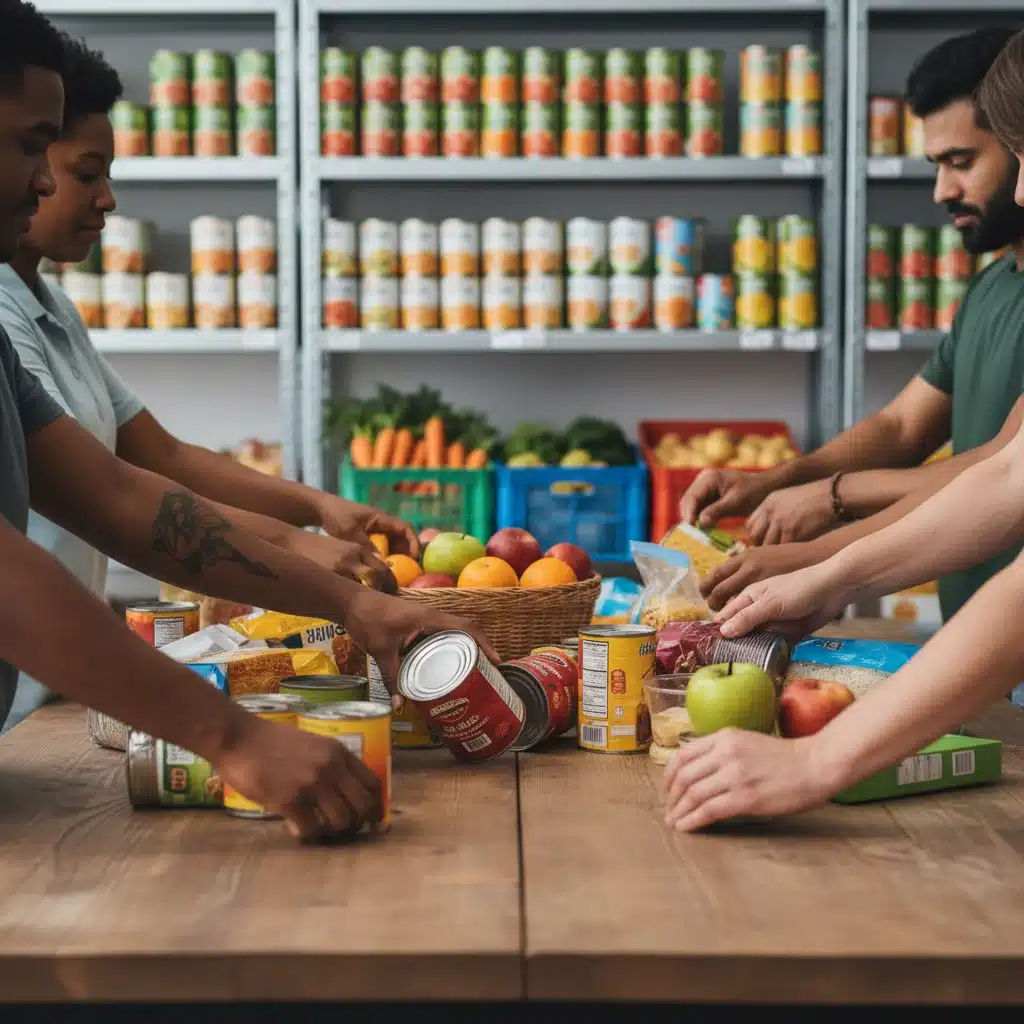
Many local communities face resource constraints, particularly in areas like social services, education, and environmental protection. Volunteers often fill these gaps, providing essential support that paid staff or limited budgets cannot cover. This can range from tutoring disadvantaged students, delivering meals to the elderly, maintaining public parks, or assisting in disaster relief efforts. The collective hours contributed by volunteers translate into tangible services that improve the quality of life for vulnerable populations and the community as a whole, showcasing a direct volunteerism community impact.
Driving Local Economic Development
While often seen as a purely social activity, volunteerism also has significant economic benefits. Volunteers can help non-profits and community organizations operate more efficiently, saving them money on labor costs. This allows these organizations to allocate more resources directly to their programs and services, which often have a ripple effect on the local economy. Furthermore, volunteer-led initiatives, such as community gardens or local festivals, can attract visitors, stimulate local businesses, and create a more vibrant economic environment. Skills-based volunteering also transfers valuable professional expertise to smaller organizations, enhancing their capacity and sustainability, thus contributing to a holistic volunteerism community impact.
Enhancing Public Health and Well-being
Volunteerism contributes to both the physical and mental well-being of volunteers themselves and the community they serve. For volunteers, it can reduce stress, combat loneliness, and provide a sense of purpose and accomplishment. For the community, volunteers often support health initiatives, from organizing health fairs to assisting in local clinics or promoting active lifestyles through community sports programs. A healthier, more engaged populace is a more productive and happier one, demonstrating the wide-reaching volunteerism community impact.
Fostering Innovation and Local Leadership
A surge in volunteers brings a diversity of perspectives, skills, and ideas to community challenges. This can spark innovative solutions to long-standing problems. Volunteers often come with fresh eyes and varied professional backgrounds, offering creative approaches to project management, fundraising, marketing, and program delivery. Moreover, volunteering serves as a training ground for local leadership. Individuals who step up to organize or lead volunteer efforts develop valuable skills that can then be applied to other civic roles, strengthening the community’s leadership capacity and ensuring sustainable volunteerism community impact.
Promoting Environmental Stewardship
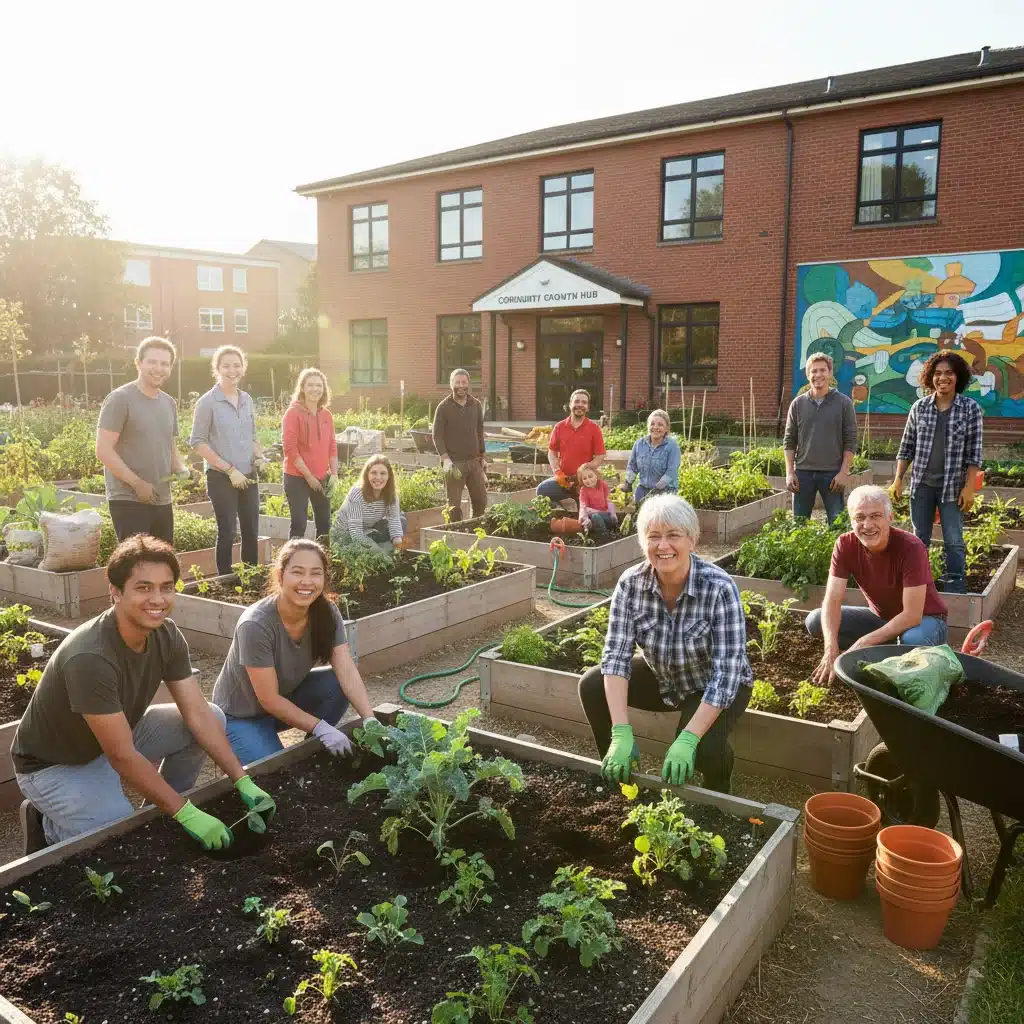
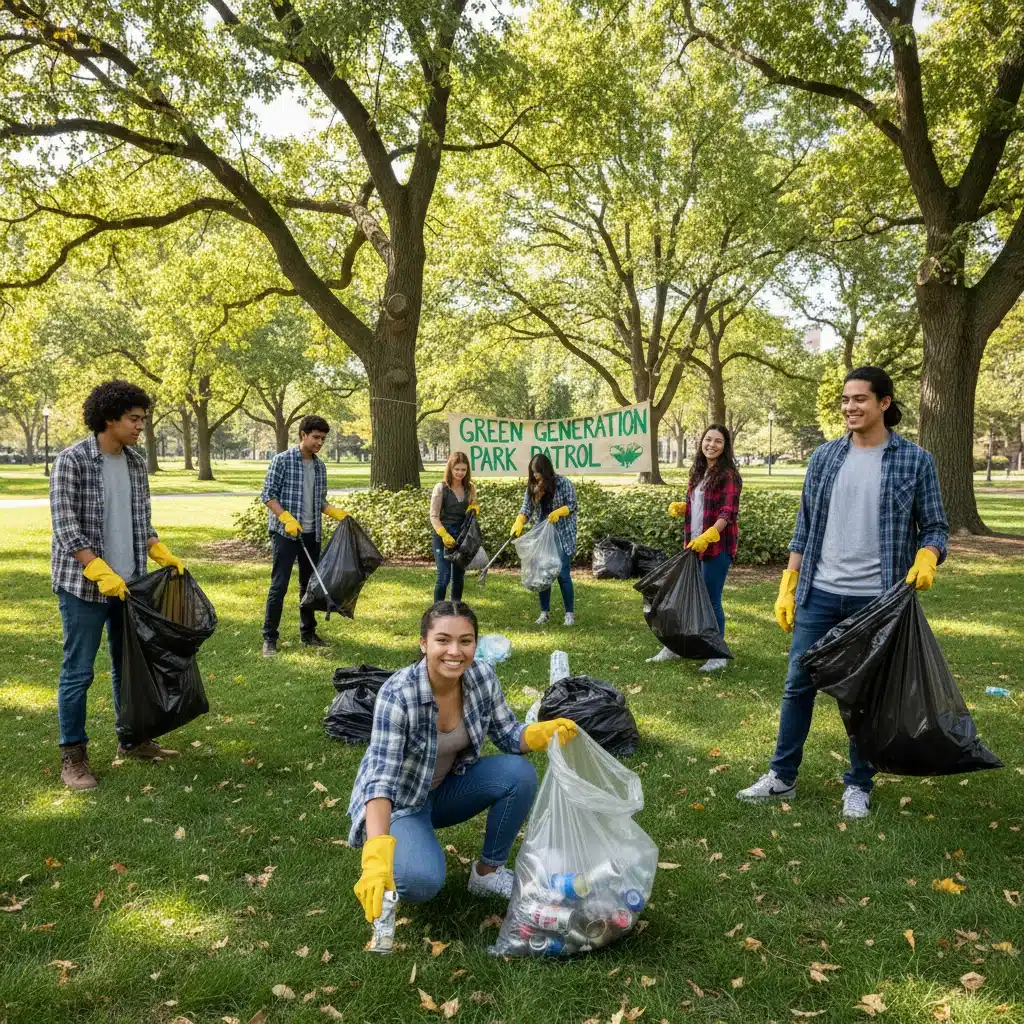
With increased volunteer participation, communities can significantly bolster their environmental efforts. This includes large-scale park clean-ups, tree planting initiatives, urban gardening projects, river clean-ups, and educational campaigns on sustainability. Volunteers are often the backbone of local conservation efforts, directly contributing to cleaner environments, enhanced biodiversity, and a greater community appreciation for natural spaces. This hands-on involvement fosters a sense of collective responsibility for the local ecosystem, leading to long-term environmental benefits and a tangible volunteerism community impact.
Challenges and Strategies to Maximize the Surge
While the prospect of increased volunteerism is exciting, realizing its full potential requires strategic planning and addressing potential challenges. The goal is not just to attract more volunteers but to engage them effectively and sustainably, ensuring a lasting volunteerism community impact.
Challenge 1: Effective Volunteer Management and Retention
A sudden influx of volunteers can overwhelm organizations lacking robust management systems. Without proper onboarding, training, and supervision, volunteers may feel underutilized or unappreciated, leading to high turnover. The key to maximizing volunteerism community impact lies in retention.
- Strategy: Invest in Volunteer Coordinators: Dedicated staff or experienced volunteers to manage recruitment, training, placement, and recognition.
- Strategy: Clear Roles and Expectations: Define volunteer roles with clear responsibilities and expected outcomes.
- Strategy: Provide Training and Support: Equip volunteers with the necessary skills and ongoing support for their tasks.
- Strategy: Recognition and Appreciation: Regularly acknowledge and celebrate volunteer contributions through thank-you events, awards, or simple verbal appreciation.
Challenge 2: Matching Skills and Interests with Opportunities
Volunteers are more engaged and effective when their skills and passions align with their tasks. Mismatches can lead to frustration for both the volunteer and the organization, hindering overall volunteerism community impact.
- Strategy: Skill-Based Volunteering Initiatives: Actively seek out and utilize professional skills (e.g., marketing, IT, legal, finance) from volunteers.
- Strategy: Detailed Volunteer Profiles: Develop systems to capture volunteer skills, interests, availability, and motivations.
- Strategy: Diverse Opportunity Portfolios: Offer a range of volunteer roles, from short-term projects to ongoing commitments, and from hands-on tasks to strategic advisory roles.
Challenge 3: Ensuring Inclusivity and Diversity
For volunteerism to truly strengthen community fabric, it must be inclusive of all demographics. Barriers such as lack of transportation, childcare issues, language barriers, or accessibility concerns can prevent certain groups from participating, limiting the overall volunteerism community impact.
- Strategy: Remove Barriers: Offer flexible scheduling, provide transportation assistance, offer childcare options, and ensure physical and digital accessibility.
- Strategy: Outreach to Diverse Groups: Actively engage with various community groups, cultural organizations, and faith-based institutions.
- Strategy: Culturally Competent Programs: Design volunteer programs that respect and incorporate diverse cultural perspectives.
Challenge 4: Sustaining Momentum Beyond the Initial Surge
While a 10% surge is significant, the long-term goal is to cultivate a sustained culture of volunteerism. Initial enthusiasm can wane if not nurtured, diminishing the potential volunteerism community impact.
- Strategy: Cultivate a Culture of Service: Integrate volunteerism into community identity through public campaigns, school programs, and local events.
- Strategy: Impact Measurement and Communication: Clearly demonstrate the tangible results of volunteer efforts to keep volunteers motivated and attract new ones.
- Strategy: Foster Leadership Development: Empower volunteers to take on more leadership roles, creating pathways for growth and long-term engagement.
The Future of Local Communities: A Volunteer-Powered Transformation
The projected 10% surge in national volunteer participation by 2026 presents an unparalleled opportunity for local communities to thrive. It signals a renewed collective commitment to civic engagement, offering a powerful antidote to societal challenges and a catalyst for positive change. From strengthening social bonds and filling critical service gaps to driving economic development and fostering environmental stewardship, the potential for volunteerism community impact is immense.
However, this transformation will not happen automatically. It requires foresight, strategic investment in volunteer infrastructure, inclusive practices, and a genuine commitment from community leaders, organizations, and individuals to effectively harness this growing wave of goodwill. By embracing this surge and thoughtfully managing volunteer resources, communities can build more resilient, equitable, and vibrant futures for all their residents. The future of our local communities is, in many ways, in the hands of its volunteers – let’s empower them to build something extraordinary.