Community Revitalization: Boosting Social Interaction by 25% by 2027
The Power of Shared Spaces: How U.S. Communities Are Revitalizing Public Areas for a 25% Increase in Social Interaction by 2027
In an increasingly digital world, the importance of physical communal spaces often gets overlooked. Yet, the heartbeat of any thriving society lies in its ability to foster genuine human connection. Across the United States, a quiet revolution is underway as communities actively engage in community revitalization projects, transforming neglected public areas into vibrant hubs of social interaction. This ambitious endeavor aims to achieve a remarkable 25% increase in social interaction by 2027, a goal that promises to reshape the fabric of American society.
This article delves deep into the strategies, successes, and future outlook of these transformative initiatives. We will explore how thoughtful urban planning, innovative design, and robust community engagement are turning this vision into a tangible reality, highlighting the profound benefits that extend far beyond mere aesthetics.
The Urgent Need for Community Revitalization Projects
For decades, urban sprawl and the rise of car-centric infrastructure led to a decline in pedestrian-friendly public spaces. Malls replaced town squares, and front porches gave way to secluded backyards. The result? A noticeable erosion of spontaneous social interaction and community cohesion. The COVID-19 pandemic further exacerbated this trend, pushing many activities online and isolating individuals. However, this period also underscored the deep human need for connection and shared experiences, sparking renewed interest in community revitalization projects.
Modern studies consistently show a correlation between access to quality public spaces and higher levels of social well-being, reduced crime rates, and stronger local economies. When people have inviting places to gather, they are more likely to interact, build relationships, and develop a sense of collective ownership. This isn’t just about creating pretty parks; it’s about building resilient communities where residents feel connected and supported.
The goal of a 25% increase in social interaction by 2027 is not arbitrary. It reflects a growing understanding among urban planners, policymakers, and community leaders that investing in shared spaces is an investment in human capital. This ambitious target serves as a powerful motivator, driving innovative approaches to urban design and fostering collaborative efforts between public and private sectors. The focus is on creating environments that naturally encourage people to linger, converse, and engage with their surroundings and each other.
Defining “Social Interaction” in the Context of Public Spaces
Before diving into the mechanics of community revitalization projects, it’s crucial to define what we mean by “social interaction.” It encompasses a wide spectrum of human connections, from brief, casual encounters (nodding to a neighbor, exchanging pleasantries with a stranger) to deeper, sustained engagements (participating in a community event, joining a shared activity group). In public spaces, this interaction can be both planned and spontaneous.
Planned interactions might include attending a concert in the park, joining a yoga class in a public plaza, or volunteering for a community garden. Spontaneous interactions are often the most powerful indicators of a healthy public space: a child making a new friend on a playground, two strangers striking up a conversation on a park bench, or neighbors sharing a laugh while walking their dogs. The success of community revitalization is measured not just by foot traffic, but by the quality and frequency of these varied interactions.
Measuring a 25% increase in social interaction presents its own set of challenges. Researchers and urban planners are employing a mix of quantitative and qualitative methods, including observational studies, surveys, social media analysis, and even AI-powered foot traffic monitoring. The aim is to establish baseline data and track progress against the 2027 target, ensuring that community revitalization projects are genuinely effective in fostering connection.
Key Strategies Driving Community Revitalization Projects
Achieving a significant boost in social interaction requires a multi-faceted approach. Successful community revitalization projects are built upon several core strategies, each playing a vital role in transforming public spaces.
1. Placemaking: Creating Identity and Belonging
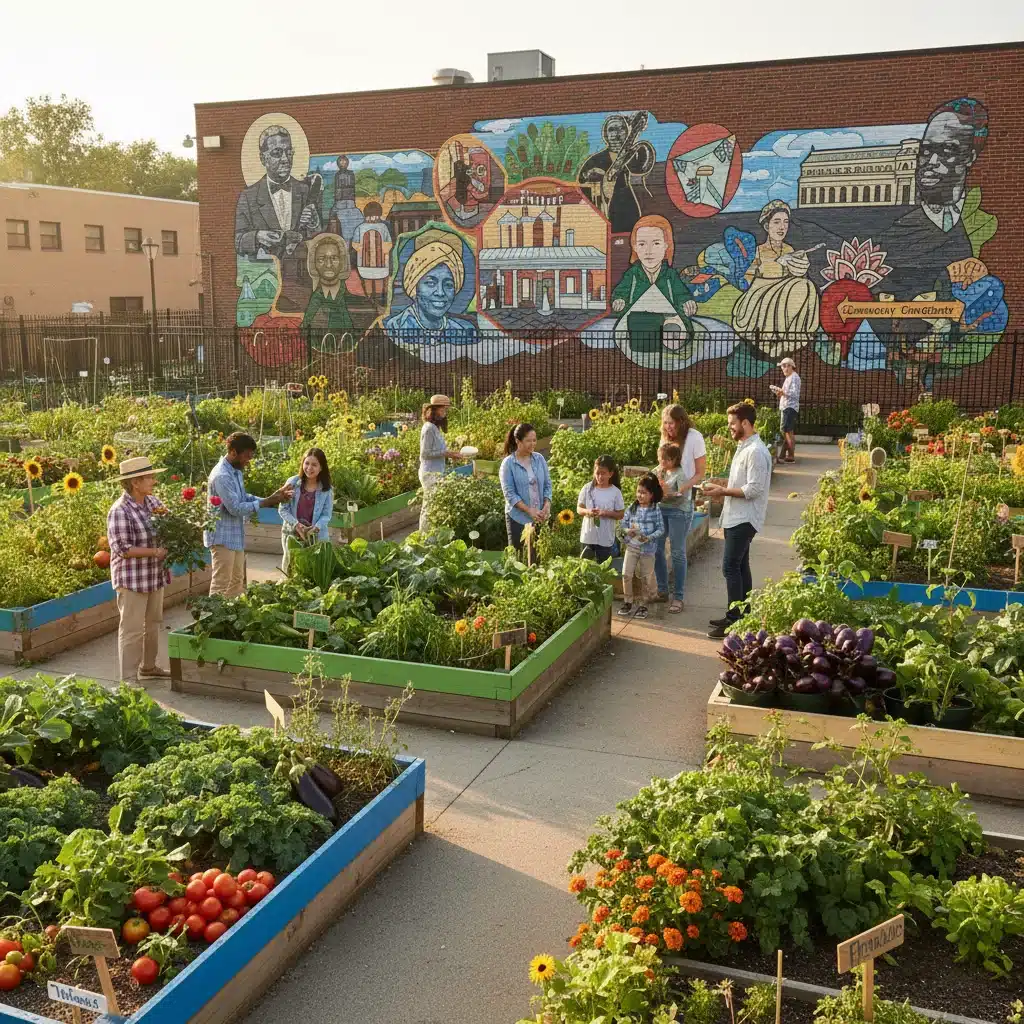
Placemaking is more than just design; it’s about creating spaces that foster a strong sense of place and identity. It involves understanding the unique character of a community and designing public areas that reflect and enhance it. This often means incorporating local art, history, and culture into the design, making the space feel authentic and meaningful to residents. For example, a new town square might feature a mural depicting local historical events or incorporate materials sourced from the region.
Effective placemaking encourages people to feel a sense of ownership and pride, making them more likely to use and care for the space. When a place feels special and reflective of its community, it naturally draws people in and encourages them to engage with their surroundings and each other. This is a cornerstone of impactful community revitalization projects.
2. Green Infrastructure and Nature Integration
The integration of green infrastructure – parks, gardens, urban forests, and natural waterways – is paramount. Green spaces provide numerous benefits, from improving air quality and managing stormwater to offering peaceful retreats from urban life. More importantly, they serve as natural magnets for social interaction. Community gardens, for instance, bring people together to cultivate food and share knowledge, fostering strong bonds.
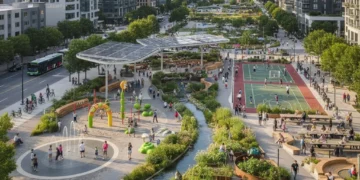
Parks with diverse amenities, such as walking trails, picnic areas, and open lawns, cater to a variety of activities and age groups, increasing the likelihood of spontaneous encounters. The presence of nature has also been shown to reduce stress and improve mood, making people more open to social engagement. These natural elements are critical components of successful community revitalization projects.
3. Multi-functional Design and Flexible Programming
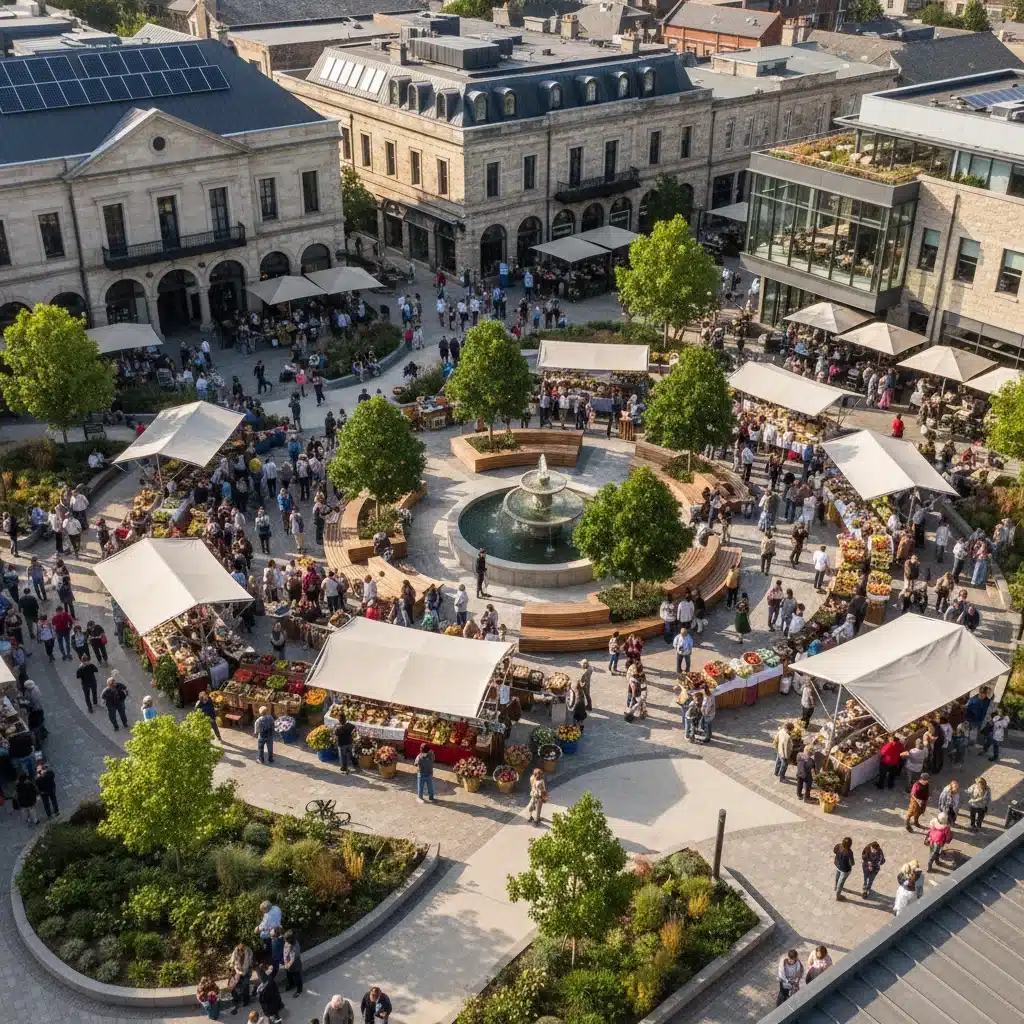
Modern public spaces are designed to be adaptable and serve multiple purposes. A single plaza might host a farmers’ market on weekends, a yoga class in the mornings, and a live music event in the evenings. This multi-functional approach maximizes the utility of the space and ensures it remains active and engaging throughout the day and week, attracting a broader demographic.
Flexible programming is key to keeping these spaces dynamic. Communities are actively organizing events, workshops, and festivals that cater to diverse interests, providing ample opportunities for residents to gather and interact. This dynamic approach is essential for sustaining the momentum of community revitalization projects.
4. Pedestrian-Friendly Infrastructure
Reclaiming streets for pedestrians and cyclists is a fundamental step in fostering social interaction. Wider sidewalks, dedicated bike lanes, reduced speed limits, and strategically placed benches encourage people to walk, rather than drive, and to linger in public areas. When people are moving at a slower pace, they are more likely to notice their surroundings, make eye contact, and engage with others.
Creating safe and accessible pathways ensures that public spaces are easily reachable for everyone, regardless of age or mobility. This focus on human-scaled design is a hallmark of forward-thinking community revitalization projects.
5. Technology Integration (Thoughtfully Applied)
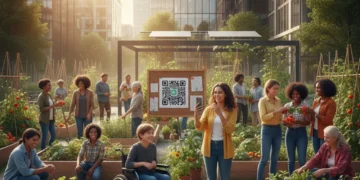
While the goal is physical interaction, technology can play a supportive role. Free public Wi-Fi, charging stations, and interactive digital displays can make public spaces more attractive and functional. However, the key is to integrate technology thoughtfully, ensuring it enhances rather than detracts from face-to-face interaction. For example, an app might inform residents about upcoming park events, drawing them to the physical space.
Smart lighting and security systems also contribute to a sense of safety and comfort, which are prerequisites for people to feel at ease and open to social engagement. These technological considerations are increasingly part of comprehensive community revitalization projects.
6. Community Engagement and Co-creation
Perhaps the most critical strategy is involving the community in the design and management of these spaces. When residents have a say in how their public areas are developed, they feel a greater sense of ownership and are more likely to use and protect them. Workshops, public forums, and participatory design sessions ensure that the revitalized spaces truly meet the needs and desires of the people they serve.
Co-creation fosters a sense of collective responsibility and empowers residents to become stewards of their public realm. This grassroots involvement is the engine that drives sustainable community revitalization projects.
Case Studies: Success Stories in Community Revitalization
Across the U.S., numerous cities and towns are demonstrating the profound impact of well-executed community revitalization projects. These examples serve as blueprints for others aspiring to boost social interaction.
The High Line, New York City, NY
Perhaps one of the most famous examples, The High Line transformed an abandoned elevated railway line into a stunning urban park. It’s a testament to adaptive reuse and innovative design, drawing millions of visitors annually. The linear park features diverse plantings, public art installations, and unique vantage points of the city. More importantly, it has become a vibrant social artery, encouraging casual strolls, planned gatherings, and countless spontaneous interactions among a diverse crowd of locals and tourists.
The success of The High Line extends beyond its aesthetic appeal; it has spurred economic development in the surrounding neighborhoods and demonstrated how a previously derelict space can become a powerful catalyst for social connection. It exemplifies how ambitious community revitalization projects can redefine urban landscapes.
Klyde Warren Park, Dallas, TX
Built over a freeway, Klyde Warren Park is a revolutionary urban deck park that literally bridges the gap between downtown Dallas and the Arts District. This five-acre park offers a wide array of activities, including a children’s park, dog park, reading room, performance pavilion, and food trucks. It has become a central gathering place, attracting people from all walks of life who might not otherwise interact.
The park’s diverse programming, from free fitness classes to concerts and movie nights, ensures continuous activity and opportunities for social engagement. It’s a prime example of how strategic infrastructure investment can create new public spaces that significantly enhance social cohesion, proving the value of community revitalization projects.
The 606 (Bloomingdale Trail), Chicago, IL
Similar to The High Line, The 606 is an elevated railway line converted into a multi-use recreational trail and park system. Spanning 2.7 miles, it connects several Chicago neighborhoods, providing green space, art installations, and a safe corridor for walking, running, and biking. The trail has become a vital community asset, fostering not only physical activity but also social interaction among residents who now have a shared, attractive space to enjoy.
The 606 has also spurred local economic activity and encouraged neighborhood revitalization along its path, showcasing how linear parks can be transformative community revitalization projects.
Measuring Success: Indicators of Increased Social Interaction
To confirm a 25% increase in social interaction by 2027, robust measurement strategies are essential. Beyond anecdotal evidence, quantifiable data helps validate the effectiveness of community revitalization projects.
Quantitative Metrics:
- Foot Traffic & Dwell Time: Using sensors and anonymized mobile data to track the number of visitors and how long they stay in a public space. An increase in both indicates greater engagement.
- Event Attendance: Tracking participation rates in community-organized events, workshops, and festivals held in public spaces.
- Program Participation: Monitoring enrollment and attendance in classes, clubs, or volunteer groups that utilize public areas (e.g., community garden memberships, park fitness groups).
- Social Media Engagement: Analyzing geo-tagged posts, hashtags, and mentions related to specific public spaces, indicating increased public interest and activity.
- Business Activity: Monitoring the number of new businesses, increased sales, and property values in areas adjacent to revitalized public spaces, as economic vibrancy often correlates with social activity.
Qualitative Metrics:
- Resident Surveys & Interviews: Gathering direct feedback from community members about their perceptions of safety, belonging, and opportunities for social connection in public spaces.
- Observational Studies: Trained observers documenting types of interactions, group sizes, and diversity of users in public areas. This can provide rich insights into spontaneous social behavior.
- Focus Groups: Delving deeper into residents’ experiences, identifying specific needs, and understanding the nuances of how public spaces influence their social lives.
- Stories & Testimonials: Collecting personal narratives that highlight meaningful connections and positive experiences facilitated by revitalized spaces.
By combining these methods, communities can gain a comprehensive understanding of the impact of their community revitalization projects and make informed adjustments to achieve the 2027 goal.
Challenges and Considerations in Community Revitalization
While the benefits of community revitalization projects are clear, the path to achieving them is not without obstacles. Addressing these challenges proactively is crucial for sustained success.
Funding and Resources:
Securing adequate funding remains a significant hurdle. These projects often require substantial investment, necessitating creative funding models that combine public grants, private partnerships, philanthropic donations, and even crowdfunding. Sustaining the maintenance and programming of these spaces post-revitalization also requires ongoing financial commitment.
Gentrification Concerns:
A common critique of successful urban revitalization is the potential for gentrification, where rising property values and rents displace long-term residents and businesses. Inclusive planning, affordable housing initiatives, and policies that protect existing communities must be integrated into community revitalization projects from the outset.
Ensuring Equity and Inclusivity:
Public spaces must be truly public – accessible and welcoming to all members of the community, regardless of socioeconomic status, age, race, or ability. This means designing for universal accessibility, offering diverse programming, and actively engaging underrepresented groups in the planning process. A revitalized space that only serves a segment of the population fails in its core mission to foster broad social interaction.
Maintenance and Management:
A beautifully designed space can quickly deteriorate without proper maintenance and active management. Establishing clear responsibilities for upkeep, security, and programming is essential. Community involvement in stewardship can significantly lighten the load and foster greater pride in the shared environment, reinforcing the long-term impact of community revitalization projects.
Overcoming Bureaucracy and Resistance:
Large-scale urban projects often face bureaucratic delays, political resistance, and skepticism from various stakeholders. Effective leadership, transparent communication, and persistent advocacy are vital to navigate these complexities and keep community revitalization projects moving forward.
The Future of Shared Spaces: Trends and Innovations
Looking towards 2027 and beyond, several trends and innovations are shaping the future of community revitalization projects and their ability to foster social interaction.
Pop-up Public Spaces:
Temporary or “pop-up” public spaces are gaining traction. These can range from temporary parklets in parking spots to seasonal art installations or mobile community centers. They offer a flexible, low-cost way to test new ideas, engage communities, and bring vibrancy to underutilized areas, often leading to more permanent revitalization efforts.
Climate-Resilient Design:
As climate change impacts become more apparent, public spaces are increasingly being designed with resilience in mind. This includes incorporating features like rain gardens for stormwater management, urban tree canopies for heat island reduction, and permeable surfaces. These designs not only protect the environment but also create more comfortable and usable spaces for social gathering, which is a key aspect of sustainable community revitalization projects.
Digital Twins and Smart Cities:
The concept of “digital twins” – virtual replicas of physical urban environments – is emerging as a powerful tool for planning and managing public spaces. These models can simulate various design scenarios, predict usage patterns, and optimize resource allocation. Combined with smart city technologies, they can enhance the functionality and responsiveness of public areas, indirectly supporting social interaction by making spaces more efficient and enjoyable.
Health and Wellness Focus:
There’s a growing emphasis on designing public spaces that actively promote physical and mental well-being. This includes integrating outdoor fitness equipment, meditation zones, sensory gardens, and accessible pathways that encourage active lifestyles. When public spaces support health, they naturally attract more users and foster a greater sense of community well-being, enhancing the impact of community revitalization projects.
Intergenerational Spaces:
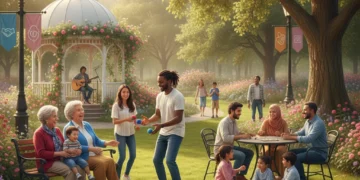
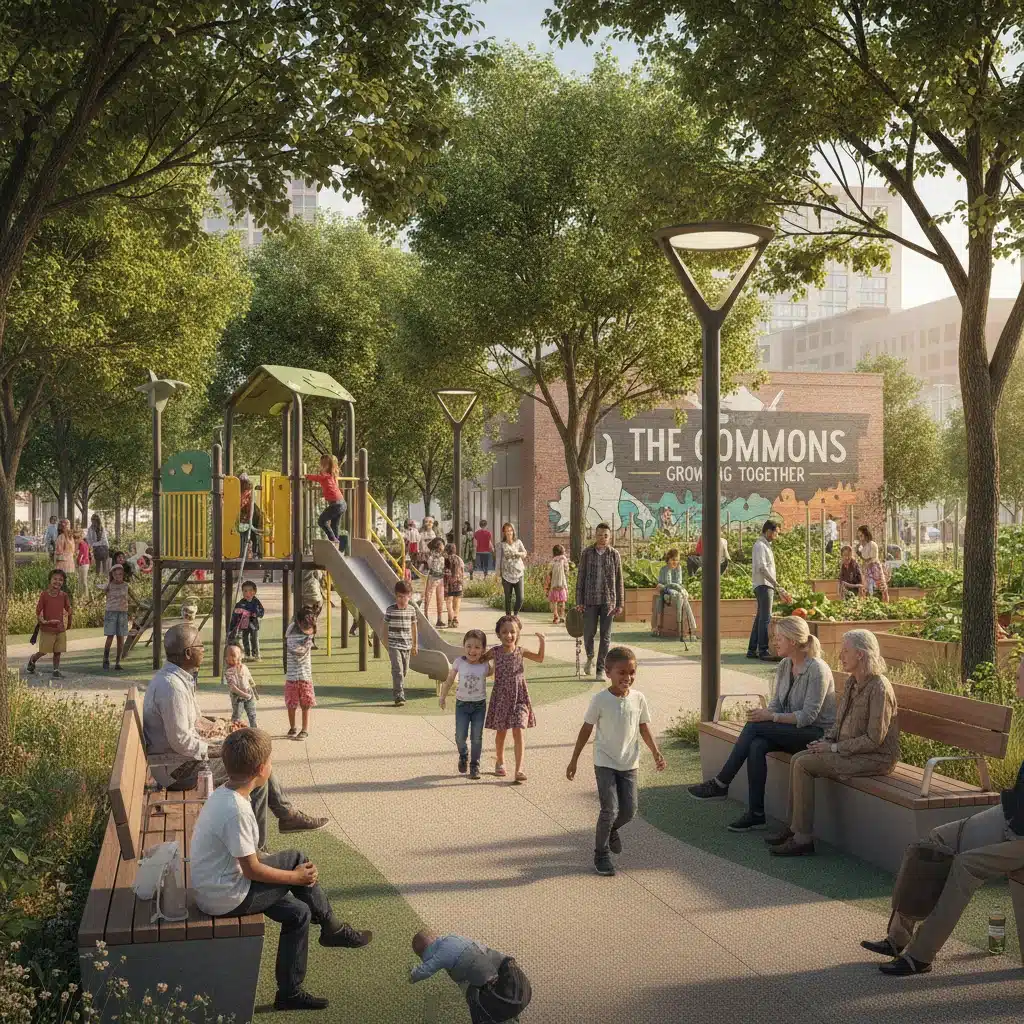
Designing spaces that cater to multiple generations simultaneously is becoming a priority. This might involve playgrounds for children alongside comfortable seating for seniors, or community activity centers that offer programs for all age groups. Creating environments where different generations can interact naturally strengthens social bonds and fosters a more inclusive community.