EV Charging Infrastructure US 2026: Public Stations & Home Solutions
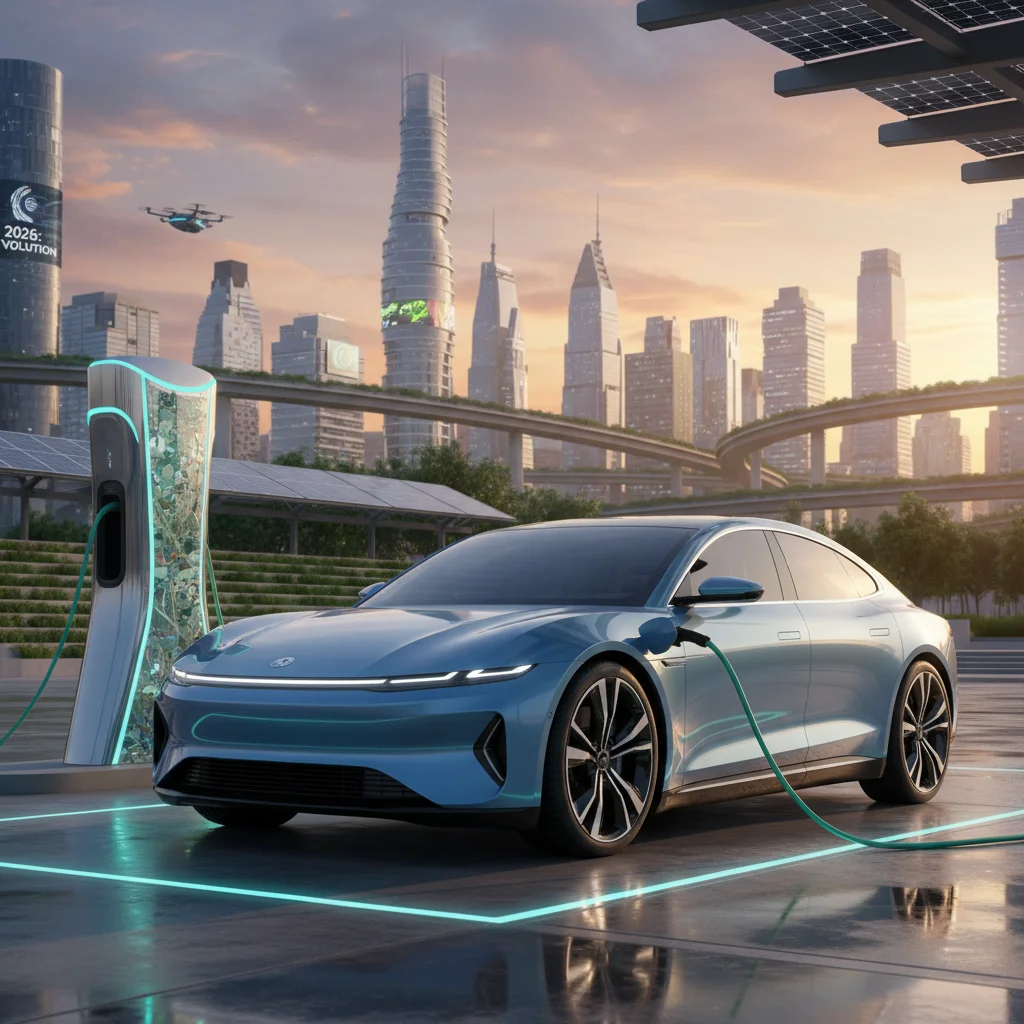
The Electrifying Future: EV Charging US 2026 and Beyond
The automotive landscape is undergoing a monumental transformation, with electric vehicles (EVs) at the forefront of this revolution. As we hurtle towards 2026, the discussion around EV adoption inevitably turns to the crucial backbone of this transition: charging infrastructure. The United States is on the cusp of an unprecedented expansion in both public and private charging solutions, promising not only greater convenience for drivers but also significant financial benefits. This comprehensive analysis delves into the projected state of EV charging in the US by 2026, exploring the growth of new public stations, the evolution of home charging solutions, and the potential for drivers to save a remarkable 20% annually on their ‘fuel’ costs.
The journey to widespread EV adoption is intrinsically linked to the availability and accessibility of charging points. Without a robust and reliable infrastructure, the promise of electric mobility remains just that – a promise. Fortunately, significant investments and technological advancements are paving the way for a future where range anxiety becomes a relic of the past. Our focus today is on understanding the comprehensive picture of EV charging US 2026, from urban centers to rural routes, and from high-speed public chargers to intelligent home systems.
The Rapid Expansion of Public EV Charging US 2026
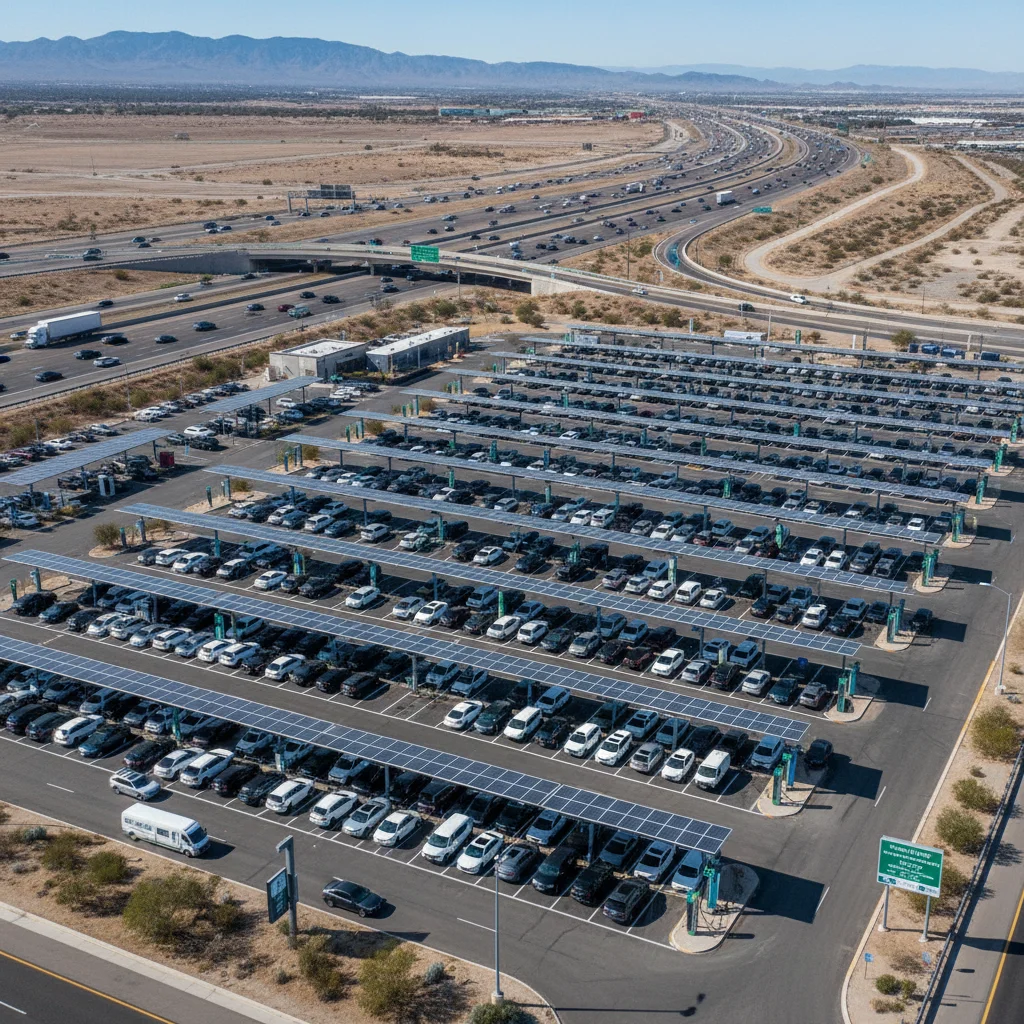
The year 2026 is set to be a landmark year for public EV charging infrastructure in the United States. Driven by a combination of federal initiatives, state-level incentives, and private sector investment, the number of publicly accessible charging stations is expected to surge dramatically. The Bipartisan Infrastructure Law, for instance, has allocated billions of dollars to build a national EV charging network, aiming for 500,000 chargers by 2030. By 2026, we anticipate seeing a substantial portion of this goal realized, with thousands of new stations strategically placed along national highways, in urban hubs, and even in more remote areas.
Key Drivers of Public Charging Growth
- Government Funding and Mandates: Federal grants and state programs are incentivizing the deployment of charging stations, particularly DC Fast Chargers, which are essential for long-distance travel.
- Private Sector Investment: Major charging network operators (e.g., Electrify America, EVgo, ChargePoint) are aggressively expanding their footprints, often partnering with retailers, workplaces, and municipalities.
- Automaker Commitments: Many EV manufacturers are investing in charging infrastructure to support their growing fleets, sometimes even offering complimentary charging plans with new vehicle purchases.
- Technological Advancements: Faster charging speeds, more reliable hardware, and intelligent software are making public charging a more seamless experience.
The focus isn’t just on quantity; quality and reliability are equally crucial. By 2026, we expect to see improved uptime for public chargers, standardized payment systems, and better integration with navigation apps, making it easier than ever for drivers to locate, access, and pay for charging services. This robust public EV charging US 2026 network will play a pivotal role in alleviating range anxiety and encouraging more consumers to make the switch to electric.
Home Charging Solutions: The Foundation of EV Ownership in 2026
While public charging is vital for long trips and convenience, the vast majority of EV charging occurs at home. By 2026, home charging solutions will become even more sophisticated, efficient, and integrated into smart home ecosystems. The convenience of waking up to a fully charged vehicle every morning is a major draw for EV owners, and technological advancements are making this experience even better.
Innovations in Home Charging
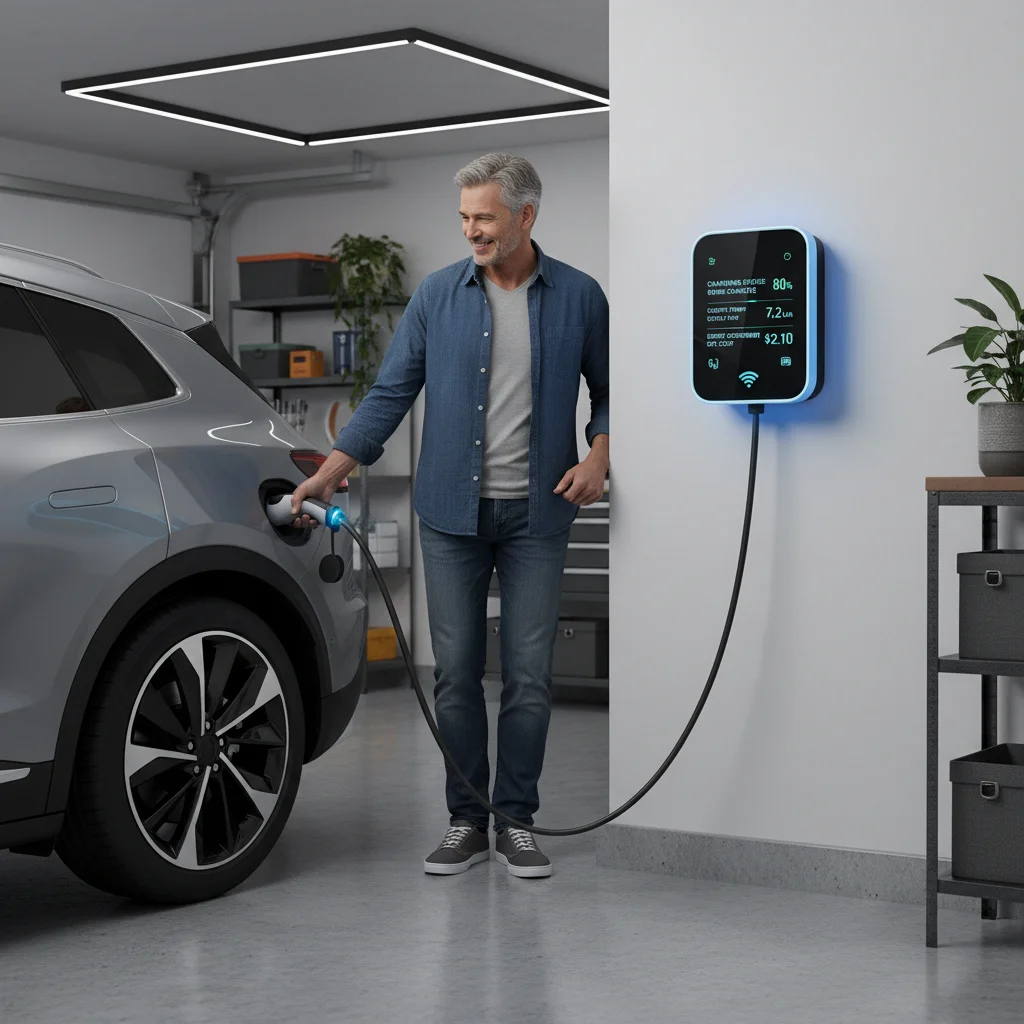
- Smart Charging Systems: These systems can optimize charging times to take advantage of off-peak electricity rates, saving owners money. They can also integrate with solar panels and home energy storage systems, further enhancing sustainability and cost savings.
- Bi-directional Charging (V2G/V2H): Vehicle-to-Grid (V2G) and Vehicle-to-Home (V2H) technologies are gaining traction. By 2026, more EVs and home charging units will support these capabilities, allowing vehicles to not only draw power from the grid but also feed power back into the home or grid during peak demand or power outages. This transforms the EV into a mobile power bank, adding significant value.
- Faster AC Charging: While DC fast charging is for public use, Level 2 AC charging at home is becoming more powerful, often providing a full charge overnight for most EVs.
- Easier Installation and Integration: As EVs become mainstream, the installation of home charging equipment is becoming more streamlined, with many electricians specializing in EV charger installations.
The evolution of home charging is critical for the everyday practicality of EV ownership. The combination of an expanding public network and advanced home solutions forms a powerful synergy that will define EV charging US 2026. This dual approach ensures that drivers have reliable charging options whether they are at home, at work, or on the road.
Saving Green: How EV Drivers Can Save 20% Annually by 2026
One of the most compelling arguments for switching to an EV is the potential for significant cost savings, particularly on ‘fuel’ costs. By 2026, with improved charging infrastructure and evolving energy markets, EV drivers stand to save an average of 20% annually compared to their gasoline-powered counterparts. This figure is not arbitrary; it’s a conservative estimate based on current trends and projected developments in energy prices and EV efficiency.
Factors Contributing to Annual Savings
- Lower ‘Fuel’ Costs (Electricity vs. Gasoline): Electricity is generally cheaper per mile than gasoline. Even with fluctuations in energy prices, the cost to charge an EV remains significantly lower than filling up a traditional car. Smart charging further optimizes these costs by utilizing off-peak rates.
- Reduced Maintenance: EVs have fewer moving parts than internal combustion engine (ICE) vehicles, leading to lower maintenance costs. No oil changes, spark plugs, or complex exhaust systems mean fewer trips to the mechanic and less money spent.
- Government Incentives: Tax credits, rebates, and other incentives for purchasing EVs and installing home charging equipment can significantly offset initial costs, leading to long-term savings. While some federal incentives may evolve by 2026, state and local programs are likely to continue.
- Toll Reductions and Parking Benefits: Some regions offer reduced tolls, preferred parking, or even free parking for EVs, adding to the overall savings.
- Depreciation and Resale Value: As EV technology matures and adoption increases, the resale value of EVs is expected to stabilize and potentially even increase, offering better long-term value.
Consider a driver who travels an average of 12,000 miles per year. If their gasoline car gets 30 MPG and gas costs $3.50/gallon, they spend approximately $1,400 annually on fuel. An EV consuming 3 miles/kWh with electricity at $0.15/kWh would spend around $600 annually. This represents a saving of $800, which is over 50%. Factoring in potential fluctuations and other costs, the 20% annual saving becomes a very achievable and even conservative estimate for EV charging US 2026.
Challenges and Solutions for EV Charging US 2026
While the outlook for EV charging US 2026 is overwhelmingly positive, it’s essential to acknowledge and address the challenges that lie ahead. Overcoming these hurdles will be crucial for seamless transition to an all-electric future.
Key Challenges:
- Grid Capacity and Upgrades: The existing electrical grid will need significant upgrades to handle the increased demand from millions of EVs. This includes enhancing generation, transmission, and local distribution infrastructure.
- Rural and Underserved Areas: Ensuring equitable access to charging infrastructure in rural areas and low-income communities remains a challenge. Public-private partnerships and targeted funding will be essential.
- Standardization and Interoperability: While progress has been made, ensuring seamless interoperability between different charging networks, vehicle types, and payment systems is still a work in progress.
- Battery Technology and Charging Speeds: While current charging speeds are sufficient for most needs, continued innovation in battery technology and ultra-fast charging will be necessary to meet evolving consumer expectations.
- Cybersecurity: As charging infrastructure becomes more connected, protecting against cyber threats will be paramount to ensure reliability and data security.
Proposed Solutions for EV Charging US 2026:
- Smart Grid Development: Investing in smart grid technologies that can dynamically manage electricity demand and supply, integrating renewable energy sources more effectively.
- Targeted Infrastructure Development: Implementing programs that specifically address charging deserts and ensure that all communities have access to reliable charging.
- Industry Collaboration: Encouraging collaboration among automakers, charging providers, and utilities to standardize protocols and enhance user experience.
- Research and Development: Continued investment in R&D for next-generation batteries, charging technologies (e.g., wireless charging, battery swapping), and grid integration solutions.
- Robust Cybersecurity Frameworks: Developing and implementing strong cybersecurity measures to protect charging infrastructure from attacks.
Addressing these challenges proactively will ensure that the growth in EV charging US 2026 is sustainable, equitable, and resilient, truly paving the way for a cleaner transportation future.
The Impact of EV Charging US 2026 on the Economy and Environment
The expansion of EV charging infrastructure by 2026 will have far-reaching positive impacts beyond just convenience and cost savings for drivers. It will stimulate economic growth, create new jobs, and significantly contribute to environmental sustainability.
Economic Benefits:
- Job Creation: The construction, maintenance, and operation of charging stations, as well as the manufacturing of related equipment, will create thousands of jobs across various sectors.
- New Business Opportunities: The EV charging ecosystem will foster innovation and create opportunities for new businesses in software development, energy management, and service provision.
- Reduced Dependence on Fossil Fuels: Shifting to electric transportation reduces reliance on imported oil, enhancing national energy security and stabilizing energy costs.
- Local Economic Investment: Charging stations often attract other businesses, revitalizing local economies and creating new commercial hubs.
Environmental Benefits:
- Reduced Greenhouse Gas Emissions: EVs produce zero tailpipe emissions, leading to cleaner air and a significant reduction in greenhouse gases, especially when powered by renewable energy.
- Improved Air Quality: Less pollution from vehicles translates to better public health outcomes, particularly in urban areas prone to smog and respiratory illnesses.
- Noise Reduction: EVs are significantly quieter than ICE vehicles, contributing to reduced noise pollution in urban environments.
- Promotion of Renewable Energy: The growing demand for electricity from EVs will further accelerate the transition to renewable energy sources like solar and wind power, creating a virtuous cycle of sustainability.
The comprehensive growth of EV charging US 2026 is not just about powering cars; it’s about powering a more sustainable and prosperous future for the entire nation.
User Experience and Accessibility in EV Charging US 2026
A critical aspect of successful EV adoption by 2026 will be the seamless and intuitive user experience at charging stations. As the infrastructure expands, ease of use and accessibility will become paramount.
Enhancements to User Experience:
- Plug-and-Charge Technology: This feature allows drivers to simply plug in their vehicle and have the charging session automatically begin and bill their account, eliminating the need for apps or RFID cards. More vehicles and chargers are expected to support this by 2026.
- Real-time Availability and Pricing: Advanced apps and in-car navigation systems will provide highly accurate, real-time information on charger availability, charging speeds, and pricing, allowing drivers to plan their routes and charging stops efficiently.
- Improved Payment Options: A wider array of payment options, including contactless payments, credit card readers, and universal app compatibility, will simplify the charging process.
- Enhanced Lighting and Security: Public charging stations, particularly those in remote areas, will feature better lighting, security cameras, and emergency call buttons to ensure driver safety.
- Accessibility Features: New stations will increasingly incorporate features for drivers with disabilities, including accessible parking spaces, lower-mounted charging cables, and user-friendly interfaces.
By prioritizing user experience, the EV charging US 2026 infrastructure will not only be extensive but also exceptionally user-friendly, encouraging even more drivers to embrace electric mobility without hesitation.
The Role of Policy and Regulation in Shaping EV Charging US 2026
Government policies and regulations are instrumental in guiding the development and deployment of EV charging infrastructure. The landscape of EV charging US 2026 will be heavily influenced by continued legislative support and strategic planning.
Key Policy Areas:
- Building Codes: Many states and municipalities are updating building codes to require EV charging readiness in new construction, both residential and commercial. This foresight ensures future-proof infrastructure.
- Permitting Streamlining: Efforts are underway to simplify and expedite the permitting process for installing charging stations, reducing bureaucratic hurdles for developers and businesses.
- Utility Regulations: Regulatory bodies are working with utilities to develop favorable rate structures for EV charging, promote smart charging programs, and ensure grid reliability as EV adoption grows.
- Standardization Efforts: Federal and industry bodies are collaborating to establish common standards for charging connectors, communication protocols, and data sharing to ensure a cohesive national network.
- Incentive Programs: Ongoing and new incentive programs, including grants for charging infrastructure deployment and tax credits for EV purchases, will continue to play a crucial role in accelerating adoption.
Effective policy frameworks will provide the necessary stability and direction for the private sector to invest confidently in EV charging US 2026, ensuring that the infrastructure grows in a strategic and sustainable manner.
Conclusion: A Bright and Electrified Future for EV Charging US 2026
The vision for EV charging US 2026 is one of robust growth, technological innovation, and significant economic and environmental benefits. With a projected surge in new public charging stations, increasingly sophisticated home charging solutions, and the promise of substantial annual savings for drivers, the pathway to widespread electric vehicle adoption is clearer than ever.
While challenges remain, proactive measures in grid enhancement, equitable access, and user experience improvements are being implemented to ensure a smooth transition. The combined efforts of government, industry, and consumers are creating an ecosystem where owning and operating an EV is not just environmentally responsible but also highly convenient and financially advantageous.
By 2026, the charging landscape will be transformed, making range anxiety a distant memory and solidifying the electric vehicle’s place as the dominant mode of personal transportation. Get ready to plug in, save money, and drive into a cleaner, more sustainable future with confidence, knowing that the EV charging US 2026 infrastructure is ready to support your journey.