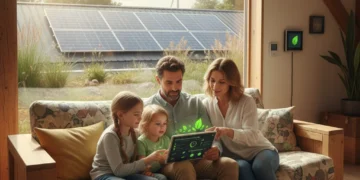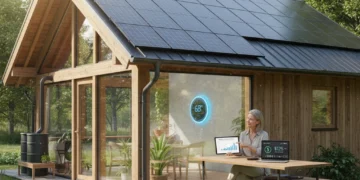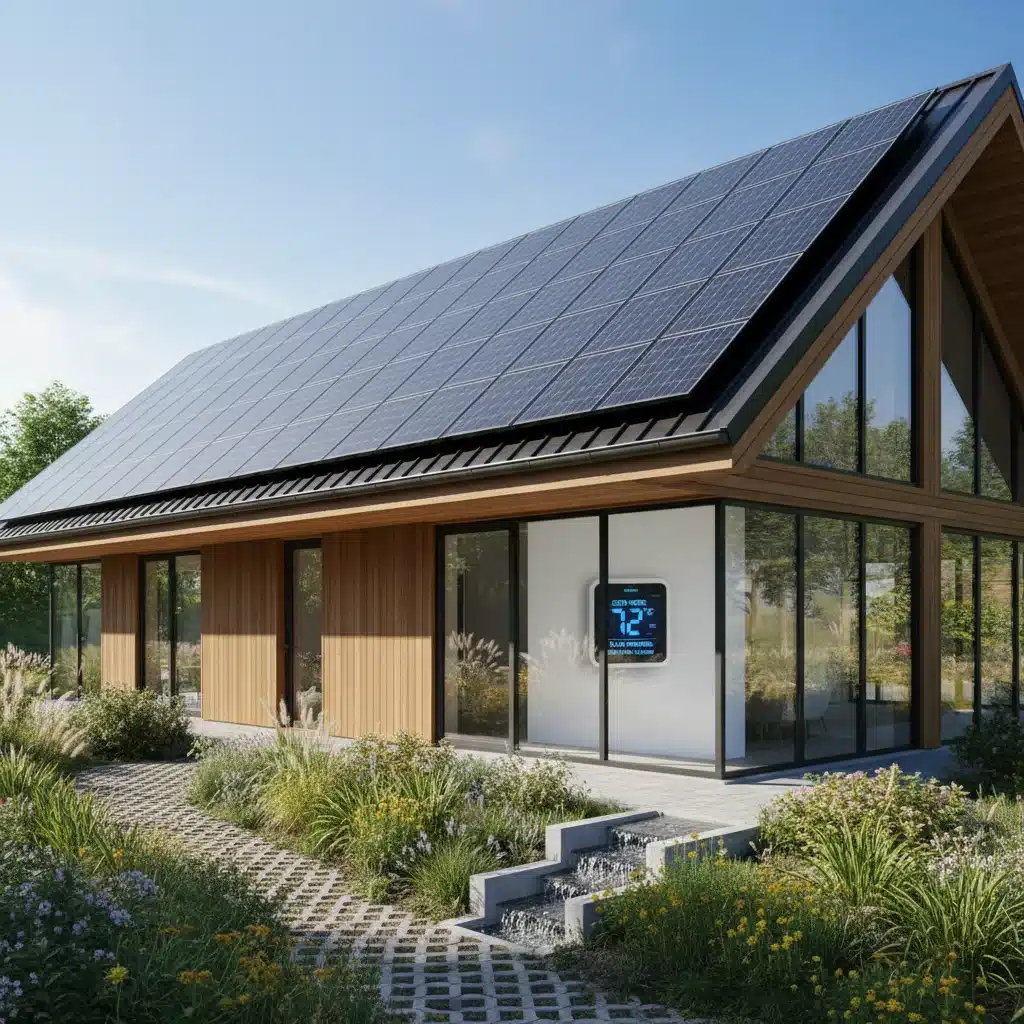
In an era defined by increasing environmental awareness and the escalating costs of energy, the concept of a ‘green home’ has transcended from a niche ideal to a mainstream aspiration. Homeowners are no longer just looking for ways to reduce their carbon footprint; they are actively seeking tangible financial benefits through green home upgrades. As we look towards 2026, the convergence of advanced technology, evolving policy landscapes, and a heightened understanding of long-term value makes investing in energy-efficient improvements more compelling than ever. This article delves into the most impactful green home upgrades poised to deliver a significant return on investment (ROI) within a three-year timeframe, empowering you to make informed decisions for a sustainable and financially savvy future.
The journey towards a greener home is not merely about altruism; it’s a strategic financial move. The initial outlay for many eco-friendly improvements can often seem daunting, but when viewed through the lens of long-term savings on utility bills, potential tax incentives, and increased property value, the picture becomes remarkably clear. Our focus for 2026 is on upgrades that offer a swift and substantial ROI, demonstrating that sustainability and profitability can indeed go hand-in-hand. We’ll explore various categories, from fundamental insulation improvements to cutting-edge smart home technologies, each contributing to a more efficient, comfortable, and valuable living space. Understanding the nuances of these investments is crucial, and we aim to provide a comprehensive guide to help you navigate this exciting landscape.
The global shift towards renewable energy and sustainable practices is accelerating, and the residential sector plays a pivotal role in this transformation. Governments worldwide are introducing various incentives, rebates, and financing options to encourage homeowners to embrace green home upgrades. These initiatives, coupled with advancements in building materials and energy systems, create a fertile ground for homeowners to invest wisely. By analyzing the projected costs, energy savings, and potential external benefits, we can pinpoint which upgrades offer the most attractive 3-year ROI. This analysis isn’t just theoretical; it’s grounded in current market trends, technological forecasts, and expert projections, ensuring that the recommendations are both timely and relevant for the 2026 horizon.
The Foundation: Insulation and Air Sealing for Optimal Green Home Upgrades
Before considering any high-tech solutions, the most fundamental and often overlooked aspect of energy efficiency lies in your home’s envelope: insulation and air sealing. These are the bedrock of any successful green home upgrades strategy, providing an immediate and substantial impact on energy consumption. Poor insulation and air leaks can account for a significant portion of a home’s energy loss, making these improvements incredibly cost-effective with a rapid ROI.
Attic Insulation: A Top Priority
Upgrading attic insulation is consistently ranked as one of the most effective green home upgrades. Heat rises, and an inadequately insulated attic acts like a leaky sieve, allowing precious warmth to escape in winter and unwanted heat to penetrate in summer. Modern insulation materials, such as blown-in cellulose or fiberglass, can significantly improve your home’s thermal resistance (R-value). The cost-to-savings ratio for attic insulation is exceptionally favorable, often paying for itself within 1-3 years through reduced heating and cooling bills. Federal and local incentives frequently sweeten the deal, further accelerating the ROI.
Wall and Floor Insulation: Sealing the Envelope
While attic insulation is paramount, addressing wall and floor insulation can also yield impressive results. For existing homes, retrofitting wall insulation can be more complex but highly beneficial, especially in older properties. Techniques like blown-in insulation or rigid foam boards can dramatically reduce heat transfer. Similarly, insulating floors, particularly those above unheated basements or crawl spaces, prevents significant heat loss. These green home upgrades contribute to a more consistent indoor temperature, reducing the workload on your HVAC system and translating directly into lower energy costs. The ROI for these investments can typically fall within the 2-4 year range, depending on the existing conditions and energy prices.
Air Sealing: The Unsung Hero
Beyond insulation, air sealing is a critical component of energy efficiency. Gaps and cracks around windows, doors, electrical outlets, and plumbing penetrations can allow a surprising amount of air leakage. Simple solutions like caulking, weatherstripping, and expanding foam can seal these leaks, preventing drafts and maintaining a more stable indoor climate. Air sealing is often an inexpensive DIY project or a low-cost professional service that offers an almost immediate return on investment. By addressing these often-invisible energy vampires, homeowners can see a noticeable drop in their utility bills within months, making it one of the quickest and most impactful green home upgrades.
Smart Technology Integration: Intelligent Green Home Upgrades
The advent of smart home technology has revolutionized the way we manage our energy consumption. Integrating smart devices into your home not only enhances convenience but also provides powerful tools for optimizing energy use, leading to substantial savings and a quick ROI. These intelligent green home upgrades are becoming increasingly accessible and sophisticated.
Smart Thermostats: Personalized Comfort and Savings
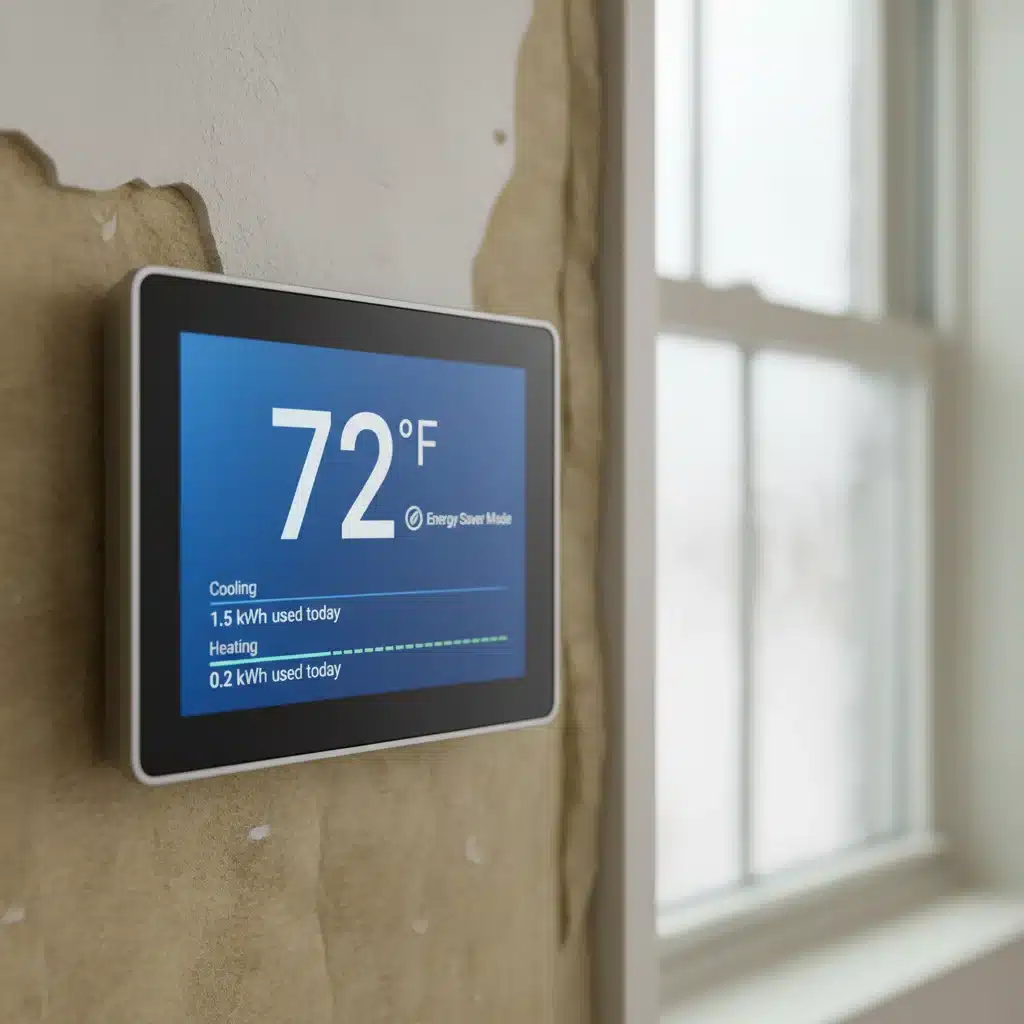
Smart thermostats, such as Nest or Ecobee, are at the forefront of intelligent energy management. These devices learn your preferences, create optimized schedules, and can be controlled remotely via smartphone. Many models also offer features like geofencing (adjusting temperature when you leave or arrive home) and integration with local weather forecasts. By fine-tuning your heating and cooling, smart thermostats can reduce energy consumption by 10-15% annually, with an average ROI of 1-2 years. The data insights they provide also empower homeowners to understand and further optimize their energy usage, making them invaluable green home upgrades.
Smart Lighting Systems: Efficiency at Your Fingertips
Replacing traditional incandescent bulbs with LED lighting has been a staple of energy efficiency for years. However, smart lighting systems take this a step further. These systems allow for remote control, scheduling, dimming, and even color changes, all contributing to energy savings. Motion sensors can turn lights off in unoccupied rooms, and daylight sensors can adjust brightness based on natural light levels. While LED bulbs themselves have a very short ROI, integrating them into a smart system enhances their efficiency and convenience, making smart lighting an attractive component of green home upgrades with an ROI typically within 2-3 years, especially in larger homes or those with extensive lighting needs.
Energy Monitoring Systems: Unveiling Hidden Consumption
Knowledge is power, especially when it comes to energy consumption. Whole-home energy monitoring systems provide real-time data on how much electricity your home is using and, in some cases, even break it down by appliance. Devices like Sense or Emporia Vue connect to your electrical panel and send data to a smartphone app, allowing you to identify energy hogs and adjust your habits accordingly. By pinpointing areas of waste, homeowners can make targeted adjustments that lead to significant savings. The ROI for energy monitoring systems can be as quick as 1-2 years, as the insights they provide directly translate into behavioral changes and optimized usage, cementing their place among effective green home upgrades.
Major Appliance and System Upgrades: Long-Term Green Home Upgrades
While insulation and smart tech offer quick wins, upgrading major appliances and home systems represents a more substantial investment with equally significant long-term benefits and a solid 3-year ROI. These green home upgrades tackle the largest energy consumers in your household.
High-Efficiency HVAC Systems: The Heart of Home Comfort
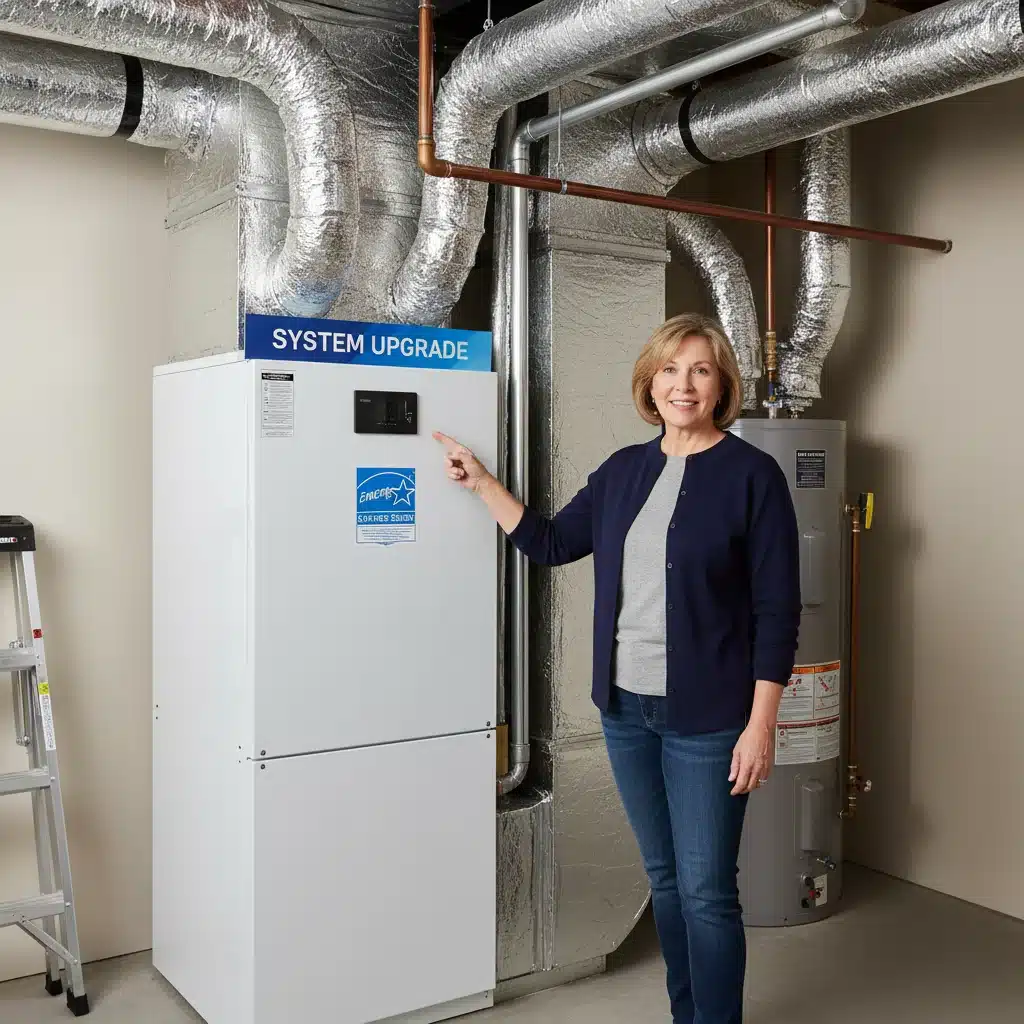
Heating, ventilation, and air conditioning (HVAC) systems are typically the largest energy users in a home. Replacing an old, inefficient HVAC unit with a new, high-efficiency model (such as an Energy Star certified unit or a heat pump) can dramatically reduce energy consumption. Modern HVAC systems incorporate variable-speed motors, advanced refrigerants, and smart controls that optimize performance. While the upfront cost is higher, the energy savings are substantial. A new high-efficiency HVAC system can reduce heating and cooling costs by 20-40%, leading to an ROI often within 3-5 years, but with a strong potential to hit the 3-year mark with federal tax credits and local rebates. This makes it one of the most impactful green home upgrades.
Energy-Efficient Windows and Doors: Blocking the Elements
Old, single-pane windows and poorly sealed doors are major culprits for heat loss in winter and heat gain in summer. Upgrading to energy-efficient windows (double or triple-pane with low-emissivity coatings) and insulated doors can significantly improve your home’s thermal performance. These green home upgrades not only reduce energy bills but also enhance indoor comfort by eliminating drafts and reducing outside noise. While the ROI for windows can sometimes be longer than 3 years, strategic replacement of the worst offenders, combined with potential tax credits, can bring it within our target timeframe. The added benefit of increased home value and curb appeal also contributes to their overall attractiveness.
Tankless Water Heaters: On-Demand Efficiency
Traditional tank water heaters continuously heat and store water, leading to standby energy losses. Tankless water heaters, also known as on-demand water heaters, only heat water when it’s needed, providing an endless supply of hot water while significantly reducing energy consumption. These units are more compact and have a longer lifespan than conventional heaters. While the initial installation cost is higher, the energy savings are considerable, often 20-30% on water heating costs. The ROI for a tankless water heater can typically fall within 3-5 years, making it a strong candidate for green home upgrades when considering the long-term benefits and potential rebates.
Renewable Energy Solutions: Investing in the Future of Green Home Upgrades
For those looking to take their commitment to sustainability a step further, renewable energy solutions offer the ultimate green home upgrades. While the initial investment can be substantial, the long-term savings, environmental benefits, and potential for energy independence are unmatched. With falling costs and generous incentives, the ROI for some of these systems is becoming increasingly attractive within the 3-year window.
Solar Panels (Photovoltaic Systems): Harnessing the Sun
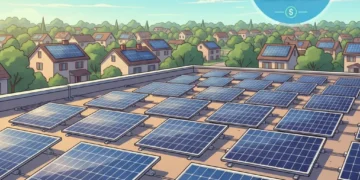
Solar panel installation is perhaps the most iconic of all green home upgrades. By converting sunlight into electricity, solar panels can drastically reduce or even eliminate your electricity bills. The cost of solar technology has decreased dramatically over the past decade, and various federal, state, and local incentives (such as the federal solar tax credit) can offset a significant portion of the upfront cost. Depending on your location, electricity rates, and available incentives, the ROI for solar panels can often be achieved within 5-8 years, but in some high-incentive, high-sunlight areas, a 3-year ROI is increasingly plausible. Furthermore, solar installations significantly increase property value, often more than the cost of the system itself.
Solar Water Heaters: Heating with Sunshine
Distinct from photovoltaic panels, solar water heaters use the sun’s energy to heat water directly, typically for domestic use. These systems can provide a substantial portion of a household’s hot water needs, significantly reducing reliance on conventional water heaters. In sunny climates, solar water heaters can be incredibly efficient and cost-effective. With various rebates and tax credits, the ROI for solar water heaters can often fall within the 3-6 year range, making them a viable option for accelerated returns among green home upgrades.
Water Conservation: Essential Green Home Upgrades
While often overshadowed by energy-saving measures, water conservation is a crucial aspect of green home upgrades, offering both environmental benefits and direct financial savings. Reducing water consumption eases strain on local water resources and lowers your water and sewer bills.
Low-Flow Fixtures: Simple Yet Effective
Replacing old toilets, showerheads, and faucets with low-flow, WaterSense-certified models is one of the simplest and most cost-effective green home upgrades. Modern low-flow fixtures are designed to use significantly less water without compromising performance. For instance, low-flow toilets can save thousands of gallons of water per year, and low-flow showerheads can cut water usage by half. The cost of these upgrades is minimal, and the ROI is almost immediate, often within a year, through reduced water bills. This makes them an excellent starting point for anyone looking to go green.
Rainwater Harvesting Systems: Utilizing Nature’s Bounty
For outdoor irrigation and non-potable uses, rainwater harvesting systems offer a sustainable alternative to municipal water. Simple systems can collect rainwater from rooftops into barrels, while more elaborate setups can integrate with a home’s plumbing for toilet flushing or laundry. By reducing reliance on treated tap water for outdoor use, homeowners can see significant savings on their water bills, especially in regions with high water costs or during dry seasons. The ROI for rainwater harvesting can vary widely depending on system complexity and local water rates, but basic systems can pay for themselves within 2-4 years, making them a smart long-term green home upgrade.
The Financial Landscape: Incentives and Financing for Green Home Upgrades
Understanding the financial mechanisms available for green home upgrades is as important as choosing the right improvements. Various incentives and financing options can significantly reduce the upfront cost and accelerate your ROI.
Federal Tax Credits and Rebates
The U.S. federal government, through initiatives like the Inflation Reduction Act, offers substantial tax credits for a wide range of energy-efficient home improvements, including solar panels, heat pumps, energy-efficient windows, and insulation. These credits can often cover 20-30% of the project cost, directly reducing your tax liability. Staying informed about these programs is crucial, as they can dramatically impact the financial viability and ROI of your green home upgrades.
State and Local Programs
Beyond federal incentives, many states and local municipalities offer their own rebates, grants, and low-interest loan programs for green home improvements. These can vary significantly by location and often target specific technologies or income levels. Checking with your local utility company is also a good idea, as many offer rebates for energy-efficient appliance upgrades or home energy audits.
PACE Programs and Green Loans
Property Assessed Clean Energy (PACE) programs allow homeowners to finance energy efficiency and renewable energy improvements through an assessment on their property tax bill. These loans are tied to the property, not the individual, and can offer favorable terms. Additionally, many banks and credit unions now offer specialized ‘green loans’ or ‘energy-efficient mortgages’ with competitive interest rates for homeowners undertaking sustainable improvements. These financing options make green home upgrades more accessible and help manage the initial investment.
Calculating Your 3-Year ROI for Green Home Upgrades
To truly understand the value of green home upgrades, it’s essential to calculate the return on investment. The basic formula for ROI is: (Gain from Investment – Cost of Investment) / Cost of Investment. For green home upgrades, ‘Gain from Investment’ includes several factors:
- Energy Savings: The most direct and measurable gain. Calculate the estimated annual savings on your utility bills.
- Incentives: Any tax credits, rebates, or grants received.
- Increased Home Value: While harder to quantify precisely within 3 years, energy-efficient homes often appraise higher.
- Maintenance Savings: New, efficient systems often require less maintenance than older ones.
Let’s consider an example: If you invest $5,000 in attic insulation and air sealing, receive a $1,000 tax credit, and save $500 annually on energy bills. Over three years, your total savings would be $1,500. Your net cost is $4,000 ($5,000 – $1,000). Your ROI would be ($1,500 / $4,000) = 0.375 or 37.5% over three years. This clearly demonstrates a positive return, and many upgrades perform even better.
It’s important to get professional energy audits to accurately assess your home’s needs and project potential savings. Many utility companies offer these services for free or at a reduced cost. This audit will provide a roadmap for the most effective green home upgrades for your specific property.
Conclusion: A Greener, More Prosperous Home in 2026
Investing in green home upgrades for 2026 is more than just an environmental statement; it’s a sound financial decision. With a strategic focus on improvements that offer a 3-year ROI, homeowners can significantly reduce their operating costs, increase property value, and contribute to a more sustainable planet. From fundamental insulation and air sealing to advanced smart home technologies and renewable energy systems, the opportunities are abundant and increasingly accessible.
The key to maximizing your return is to conduct thorough research, leverage available incentives, and prioritize upgrades that address your home’s specific energy inefficiencies. By embracing these intelligent investments, you are not only preparing your home for the future but also securing a more comfortable, healthier, and financially robust living environment. As 2026 approaches, the time to act is now. Make your home a beacon of energy efficiency and enjoy the tangible benefits for years to come.