Solar Panel Surge: 5 Key Updates Boosting US Homeowner Savings by 15%
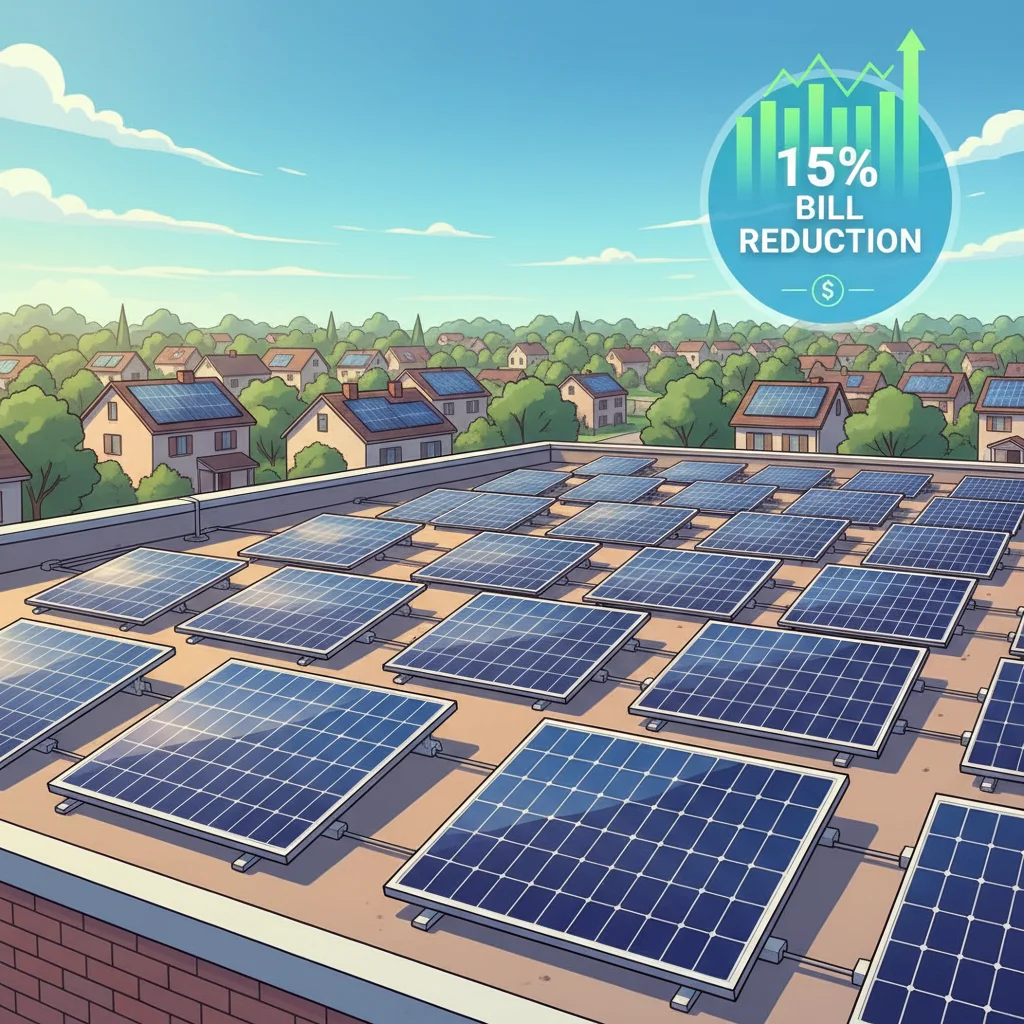
The sun, an inexhaustible source of energy, has long been a beacon of hope for a sustainable future. For US homeowners, harnessing this power has become more accessible and financially rewarding than ever before. In the rapidly evolving landscape of renewable energy, recent breakthroughs in solar panel efficiency are not just incremental improvements; they are game-changers. Over the last three months alone, we’ve witnessed a surge in technological advancements that promise to significantly reduce energy bills, potentially by as much as 15%, and accelerate the journey towards true energy independence.
This isn’t just about going green; it’s about smart economics. As electricity prices continue to fluctuate and rise in many regions across the United States, investing in solar power has become an increasingly attractive proposition. The enhanced solar panel efficiency means more power generated from smaller footprints, quicker payback periods, and ultimately, greater long-term savings for homeowners. This article delves into the five most impactful updates in solar technology from the past quarter, explaining how these innovations are poised to transform the energy landscape for American households.
Understanding these developments is crucial for anyone considering a solar installation or looking to upgrade an existing system. From novel materials to sophisticated manufacturing processes, the pursuit of higher solar panel efficiency is yielding remarkable results. Let’s explore how these cutting-edge advancements are making solar power a more compelling and cost-effective solution for homes nationwide.
The Efficiency Revolution: Why It Matters for Your Wallet
Before we dive into the specifics of the recent innovations, it’s important to grasp why solar panel efficiency is such a critical metric. In simple terms, efficiency refers to the percentage of sunlight hitting a solar panel that is converted into usable electricity. A higher efficiency rating means that a panel can generate more power from the same amount of sunlight, or the same amount of power from a smaller surface area. For homeowners, this translates directly into several tangible benefits:
- Reduced Footprint: If your roof space is limited, higher efficiency panels allow you to maximize your energy production without needing to cover your entire roof.
- Faster Payback Period: Generating more electricity means offsetting more of your utility bill, leading to a quicker return on your initial investment.
- Greater Savings: Over the lifespan of your solar system, higher efficiency directly correlates with significantly lower, or even eliminated, electricity bills.
- Increased Property Value: Homes with modern, high-efficiency solar systems are often more attractive to buyers and can command a higher market value.
- Enhanced Energy Independence: Producing more of your own power means less reliance on grid electricity and greater resilience against power outages.
The goal for manufacturers and researchers is to continuously push the boundaries of this efficiency, making solar energy not just an alternative, but the preferred choice for residential power. The recent updates we’re about to discuss are prime examples of this relentless pursuit, bringing us closer to a future where clean, affordable energy is standard for every home.
Update 1: Perovskite-Silicon Tandem Cells Reach New Heights
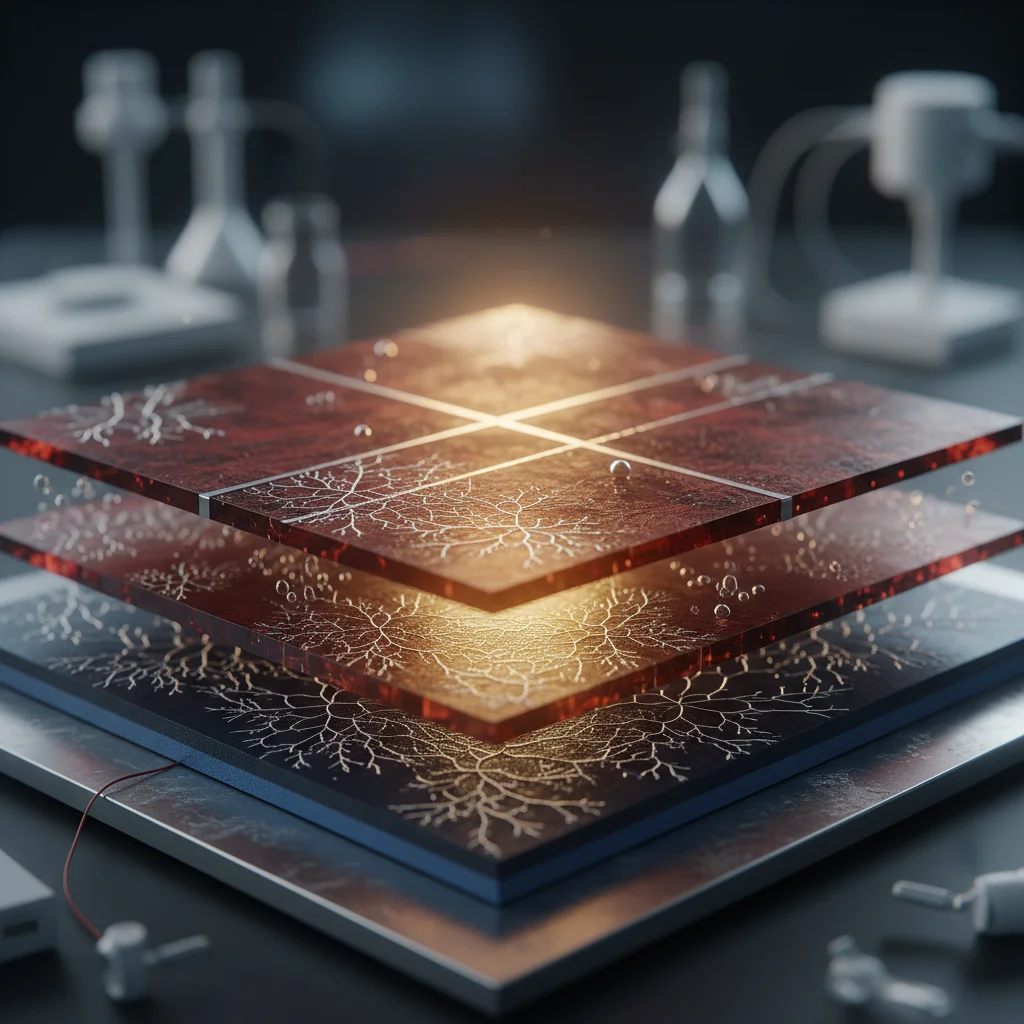
One of the most exciting developments in the world of solar panel efficiency comes from the realm of tandem solar cells, specifically those combining silicon with perovskite materials. Silicon has long been the workhorse of the solar industry, known for its reliability and relatively good efficiency. However, silicon panels have theoretical efficiency limits. Perovskites, on the other hand, are a newer class of materials with extraordinary light-absorbing properties, particularly in parts of the solar spectrum that silicon doesn’t utilize as effectively.
The breakthrough lies in stacking a perovskite layer on top of a traditional silicon solar cell. This creates a ‘tandem’ cell that can capture a much broader range of the solar spectrum, significantly boosting overall energy conversion. In the last three months, several research institutions and companies have announced new world records for perovskite-silicon tandem cell efficiency, pushing figures well over 29% in laboratory settings. This represents a substantial leap from the typical 20-22% efficiency of standard silicon panels.
What does this mean for US homeowners? While these record efficiencies are still largely in the lab, the rapid pace of development suggests that commercial deployment of such panels could be closer than anticipated. When these panels become widely available, they will offer unparalleled power generation per square foot, making solar viable for homes with smaller roofs or those seeking to maximize their energy output without expanding their solar array. This advancement is a cornerstone in the ongoing quest for superior solar panel efficiency.
Update 2: TOPCon Technology Goes Mainstream with Enhanced Performance
Tunnel Oxide Passivated Contact (TOPCon) technology isn’t entirely new, but its recent widespread adoption and continuous performance improvements mark it as a significant update in solar panel efficiency. TOPCon cells are an evolution of conventional Passivated Emitter and Rear Cell (PERC) technology, which has dominated the market for years. The key innovation in TOPCon lies in adding an ultra-thin layer of tunnel oxide and a polysilicon layer to the rear side of the silicon wafer.
This additional layer significantly reduces electron recombination losses, allowing more electrons to be collected and converted into electricity. Over the past quarter, manufacturing processes for TOPCon panels have become even more refined, leading to higher average efficiencies in commercially available modules. Many leading solar manufacturers are now consistently producing TOPCon panels with efficiencies ranging from 22.5% to 24.5%, a noticeable uptick from the 20-22% typically seen with PERC.
For US homeowners, this means that the latest generation of commercially available solar panels offers a better power output for the same physical size. If you’re getting a quote for a new solar system today, it’s highly likely to feature TOPCon technology, offering superior performance right out of the box. This mainstream efficiency boost directly contributes to the potential 15% reduction in energy bills, making your solar investment even more impactful.
Update 3: Bifacial Panels & Optimized Light Capture
Another area seeing considerable refinement and increased adoption is bifacial solar panels. While the concept of bifacial panels – which can capture sunlight from both their front and rear sides – has been around for some time, recent months have brought significant improvements in their design, manufacturing, and integration. Manufacturers are now optimizing the encapsulation materials and frame designs to maximize the amount of light reflected onto the panel’s rear side.
This ‘albedo effect’ – where light reflects off surfaces like white roofs, light-colored ground, or even snow – can dramatically increase the overall energy yield of a bifacial system. Recent updates include more robust and aesthetically pleasing bifacial modules, as well as mounting systems specifically designed to enhance rear-side light capture. In ideal conditions, bifacial panels can yield an additional 5-25% energy compared to monofacial panels of the same rating.
For homeowners, especially those with flat roofs, ground-mounted systems, or even elevated rooftop installations, bifacial technology offers a compelling way to boost their solar panel efficiency without increasing the physical array size. The ability to harness reflected light means more power generated throughout the day, further contributing to significant savings on energy bills. This innovation is making solar viable in more diverse environments and maximizing output in existing ones.
Update 4: Advanced Inverter Technologies & System Optimization
It’s not just about the panels themselves; the entire solar energy system is undergoing continuous optimization. Recent advancements in inverter technologies play a crucial role in maximizing the effective solar panel efficiency of an entire installation. Microinverters and string inverters with advanced Maximum Power Point Tracking (MPPT) algorithms have seen significant upgrades.
Newer inverters are more capable of handling partial shading conditions, temperature fluctuations, and module mismatch more effectively. This means that if one part of your solar array is shaded by a tree or chimney, the rest of the array can continue to operate at its peak efficiency, rather than being dragged down by the underperforming panel. Furthermore, smart inverters are increasingly integrating with home energy management systems, allowing for more intelligent energy usage and storage decisions.
The latest generation of inverters also offers improved reliability, longer warranties, and enhanced monitoring capabilities, giving homeowners greater insight into their system’s performance. By ensuring that every watt generated by the panels is efficiently converted and managed, these inverter advancements are silently but powerfully contributing to the overall system’s efficiency and your potential energy bill savings. This holistic approach to system design is vital for achieving optimal solar panel efficiency.
Update 5: AI and Machine Learning for Predictive Performance
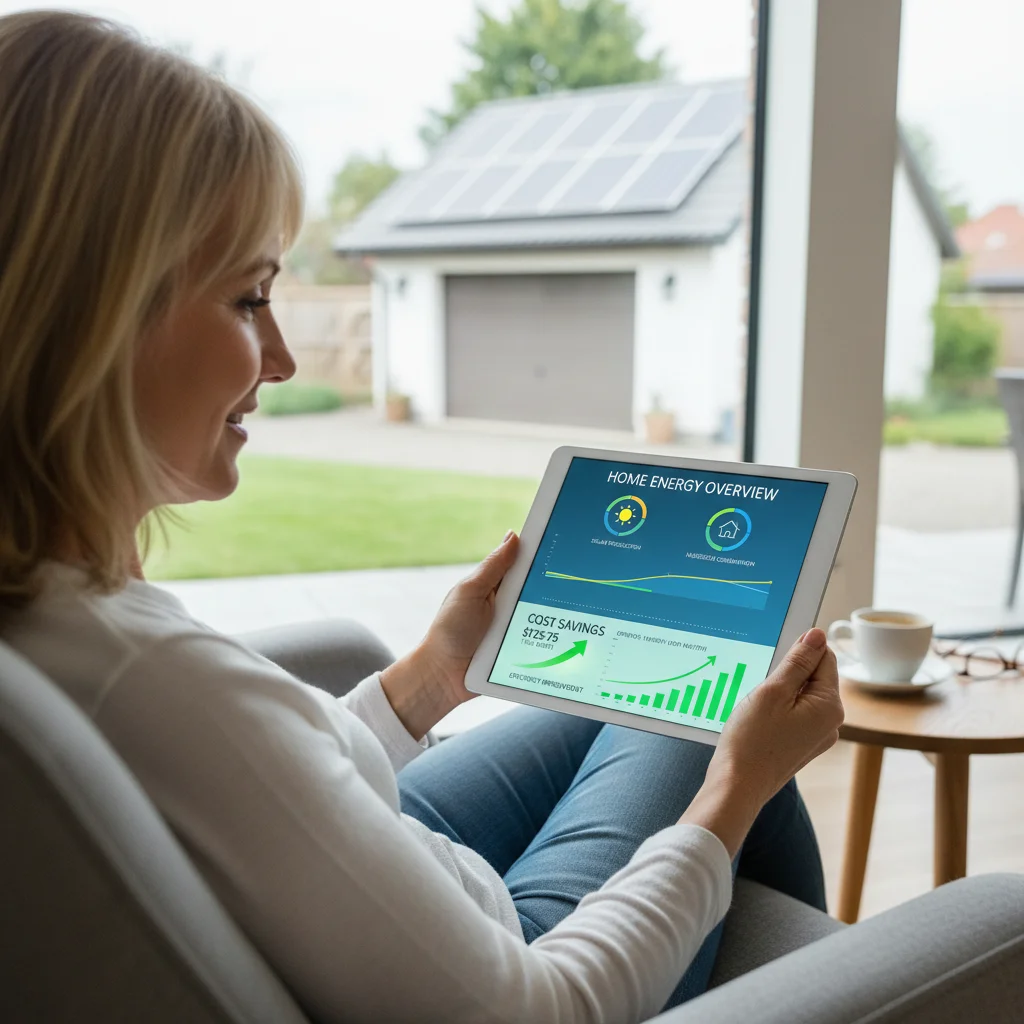
Beyond the hardware, software innovations are also playing a pivotal role in boosting the effective solar panel efficiency for homeowners. The integration of Artificial Intelligence (AI) and Machine Learning (ML) into solar monitoring and predictive analytics has seen remarkable progress in the last three months. These technologies are now being used to:
- Predict Energy Production: AI algorithms can analyze weather patterns, historical production data, and even local environmental factors to provide highly accurate forecasts of how much energy your system will produce on any given day.
- Optimize Energy Consumption: By integrating with smart home devices, AI can learn your household’s energy consumption patterns and recommend or even automate adjustments to maximize self-consumption of solar power and minimize reliance on grid electricity during peak pricing hours.
- Proactive Maintenance: ML models can detect subtle deviations in panel performance, indicating potential issues like dirt accumulation, micro-cracks, or inverter malfunctions before they become significant problems. This allows for proactive maintenance, ensuring your system always operates at peak solar panel efficiency.
- Grid Integration: For homeowners with battery storage, AI can optimize charging and discharging cycles based on electricity prices, weather forecasts, and household demand, leading to even greater savings.
These intelligent systems transform raw data into actionable insights, empowering homeowners to make smarter energy decisions and ensuring their solar investment delivers maximum returns. The seamless integration of AI and ML is not just about raw panel efficiency; it’s about optimizing the entire energy ecosystem around your home, leading to the most significant impact on your energy bills.
How These Updates Translate to a 15% Bill Reduction for US Homeowners
Now, let’s connect these technological advancements directly to your potential savings. The cumulative effect of these improvements in solar panel efficiency can indeed lead to a 15% or even greater reduction in your energy bills. Here’s how:
- Higher Energy Output Per Panel: With TOPCon panels becoming the new standard and perovskite-silicon tandems on the horizon, each panel on your roof generates more electricity. This means you need fewer panels to meet your energy needs, or you can generate significantly more power with the same number of panels.
- Maximized Light Capture: Bifacial technology ensures that even reflected light contributes to your energy production, adding extra kilowatt-hours to your daily output, especially in varied environmental conditions.
- System-Wide Optimization: Advanced inverters reduce energy losses due to shading or other environmental factors, ensuring that the high-efficiency panels are always performing at their best. AI-driven monitoring further minimizes downtime and optimizes energy flow.
- Intelligent Energy Management: AI helps you use the solar power you generate more effectively, reducing reliance on expensive grid electricity during peak hours and making the most of your stored energy.
The combination of these factors means that a modern solar system installed today, leveraging these recent advancements, is substantially more productive and cost-effective than systems from even a year or two ago. This increased productivity directly translates into a lower dependency on your utility provider and, consequently, a significantly reduced monthly energy bill. For many US homeowners, a 15% reduction is a conservative estimate, with some seeing even greater savings depending on their local electricity rates and specific system configuration.
The Future is Bright: What’s Next for Solar?
The pace of innovation in solar panel efficiency shows no signs of slowing down. Researchers are continually exploring new materials, manufacturing techniques, and system integration strategies. We can anticipate further breakthroughs in areas like:
- Quantum Dots: These tiny semiconductor nanocrystals could further enhance light absorption and conversion.
- Flexible and Transparent Solar Cells: Opening up new applications for solar power beyond traditional rooftops, such as building integrated photovoltaics (BIPV) and even smart windows.
- Improved Energy Storage: Advancements in battery technology will continue to complement solar generation, allowing homeowners to store excess energy more efficiently and affordably.
- Grid Modernization: Smarter grids will better integrate distributed solar generation, allowing homeowners to play a more active role in the overall energy ecosystem.
These ongoing developments underscore the long-term viability and increasing attractiveness of solar energy for residential use. The journey towards a fully sustainable and energy-independent home is becoming more achievable with each passing month, driven by relentless innovation in solar panel efficiency.
Conclusion: Empowering US Homeowners with Advanced Solar
The last three months have been a testament to the rapid progress in solar technology, marking a pivotal moment for US homeowners contemplating renewable energy. The five key updates discussed – from record-breaking perovskite-silicon tandem cells and the mainstreaming of high-efficiency TOPCon technology to optimized bifacial panels, advanced inverters, and AI-driven performance – collectively paint a picture of a solar future that is more efficient, more reliable, and significantly more cost-effective.
These advancements directly contribute to the potential for a 15% reduction in energy bills for American households, making solar power an undeniable economic advantage. Beyond the financial savings, embracing these high-efficiency solar solutions means contributing to a cleaner environment, enhancing your home’s value, and achieving a greater degree of energy independence.
For US homeowners, there has never been a better time to invest in solar. The continuous surge in solar panel efficiency, coupled with supportive policies and decreasing installation costs, makes the transition to solar not just an environmentally responsible choice, but a financially astute one. Explore these new technologies, consult with reputable solar providers, and take the next step towards a brighter, more sustainable, and more affordable energy future for your home.