Home Energy Audits 2026: Identify 15% Waste, Maximize US Savings
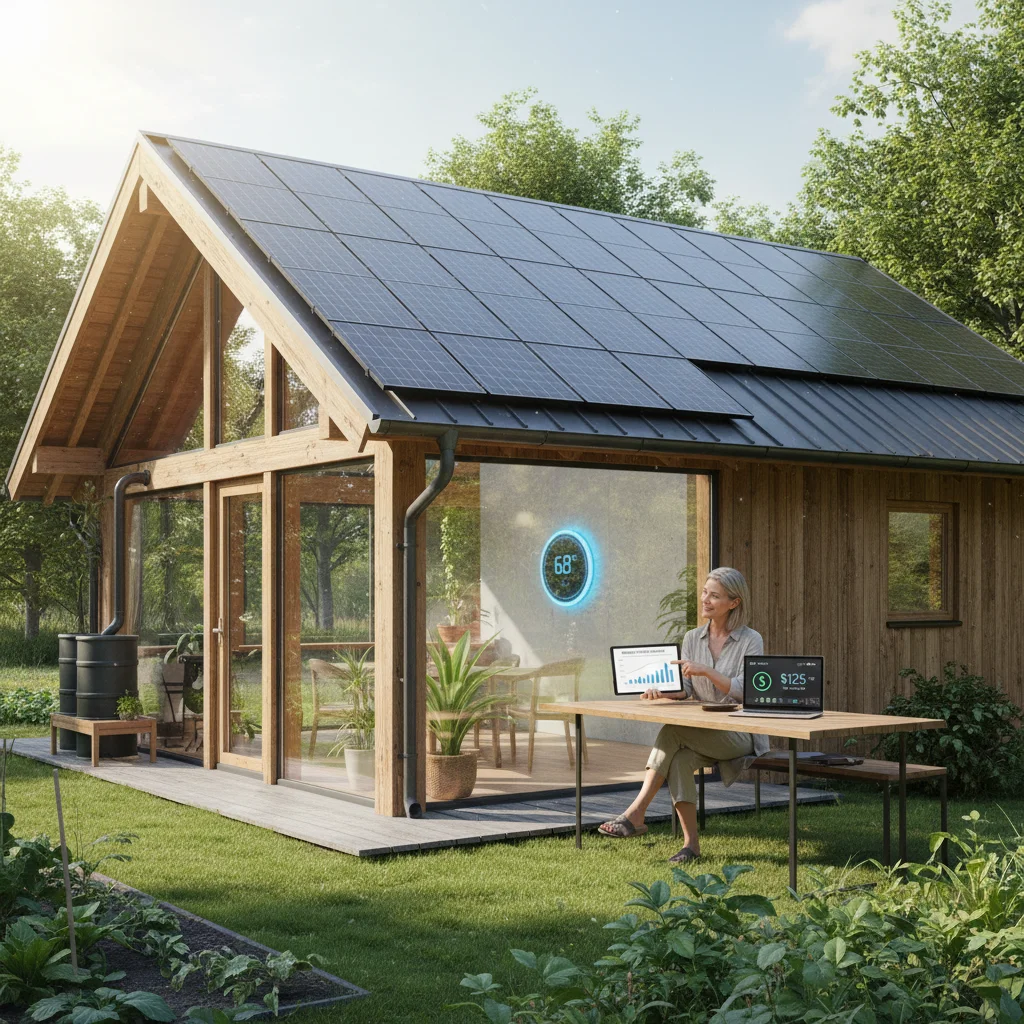
Home Energy Audits in 2026: A Step-by-Step US Guide to Identifying 15% Energy Waste and Maximizing Savings
In an era where sustainability and cost-efficiency are paramount, understanding and optimizing your home’s energy consumption is no longer just an option—it’s a necessity. As we step into 2026, the urgency to combat rising energy costs and reduce our carbon footprint has never been greater. This comprehensive guide will walk you through the critical process of conducting a home energy audit, specifically designed for homeowners across the United States, aiming to help you identify and eliminate at least 15% of your energy waste, leading to significant financial savings and a more comfortable living environment.
Many homeowners are unknowingly throwing money away each month due to inefficient appliances, poor insulation, and hidden air leaks. A professional, or even a thorough DIY, home energy audit serves as your roadmap to uncovering these inefficiencies. It’s not just about turning off lights; it’s about understanding the intricate energy dynamics of your property and making informed decisions that yield long-term benefits. With advancements in technology and a growing awareness of energy conservation, 2026 offers more tools and incentives than ever before to make your home an energy-efficient sanctuary.
The average American household spends thousands of dollars annually on energy. Imagine reclaiming 15% or more of that expenditure. This isn’t a pipe dream; it’s an achievable goal with the right approach to a home energy audit. From understanding your utility bills to utilizing advanced diagnostic tools, we’ll cover every aspect you need to know. Get ready to transform your home into a model of energy efficiency and enjoy the tangible rewards of a smarter, greener lifestyle.
Why a Home Energy Audit is Crucial in 2026
The landscape of energy consumption and environmental responsibility is continually evolving. In 2026, a home energy audit is more crucial than ever for several compelling reasons:
- Escalating Energy Costs: Utility prices continue to climb, driven by various factors including geopolitical events, infrastructure demands, and the transition to renewable energy sources. Identifying and rectifying energy waste directly translates to insulated savings against these rising costs.
- Environmental Impact: Every unit of energy saved reduces your household’s carbon footprint. A significant portion of greenhouse gas emissions comes from residential energy use. By optimizing your home’s efficiency, you contribute directly to a healthier planet.
- Increased Home Comfort: Energy inefficiencies often manifest as drafts, uneven heating or cooling, and uncomfortable indoor temperatures. A thorough audit addresses these issues, leading to a more consistent and pleasant living environment year-round.
- Enhanced Home Value: Energy-efficient homes are increasingly attractive to buyers. Investments in insulation, updated HVAC systems, and other energy-saving measures can significantly boost your property’s market value.
- Government Incentives and Rebates: The US government and various state and local programs continue to offer substantial incentives, tax credits, and rebates for homeowners who invest in energy efficiency upgrades identified through a home energy audit. These programs can significantly offset the initial cost of improvements.
- Technological Advancements: 2026 brings more sophisticated diagnostic tools, smart home technologies, and energy-efficient materials. An audit helps you leverage these innovations effectively.
Understanding these benefits underscores the importance of not just conducting an audit, but also acting on its findings. It’s an investment that pays dividends in comfort, cash, and environmental stewardship.
Understanding Your Energy Bills: The First Step in Your Home Energy Audit
Before diving into the physical inspection of your home, the most accessible and often overlooked first step in any effective home energy audit is a thorough review of your past utility bills. These documents are a treasure trove of information, offering insights into your energy consumption patterns over time.
Analyzing Your Consumption Data
Gather at least 12 months of your electricity and gas bills. Look for:
- Total Consumption (kWh for electricity, therms or CCF for gas): This is the most critical number. Track how it fluctuates month-to-month and year-over-year.
- Seasonal Trends: Do your bills spike in summer for cooling or winter for heating? This indicates which systems are consuming the most energy at different times.
- Average Daily Use: Many bills provide this. A sudden increase without a clear reason (e.g., new appliance, house guests) could signal a new inefficiency.
- Cost Per Unit: Understand how much you’re paying per kilowatt-hour or therm. This helps you calculate potential savings more accurately.
- Peak vs. Off-Peak Usage (if applicable): Some utilities charge different rates based on the time of day. Knowing your peak usage can help you adjust habits.
Identifying Anomalies and Patterns
Compare consumption during similar periods (e.g., January 2025 vs. January 2026). If there’s a significant unexplained increase, it’s a red flag. Consider factors like:
- Changes in household occupancy
- New appliances installed
- Extended vacations (did consumption drop as expected?)
- Unusually severe weather (though a well-insulated home should mitigate some impact)
This initial analysis provides a baseline. It helps you understand where and when your energy dollars are going, setting the stage for a more targeted physical home energy audit.
DIY Home Energy Audit: Tools and Techniques for Identifying Waste
While professional audits offer unparalleled precision, a do-it-yourself home energy audit can identify many common culprits of energy waste and set you on the path to significant savings. All you need are a few simple tools and a keen eye.
Step 1: The Visual Inspection
Walk through your entire home, inside and out, with a notebook and pen. Look for:
- Insulation: In the attic, walls (if accessible), and crawl spaces. Is it adequate? Is it damaged or settled? The Department of Energy recommends specific R-values based on your climate zone.
- Windows and Doors: Check for visible gaps, cracked panes, or worn weatherstripping. Can you feel a draft?
- Lighting: Are you still using incandescent bulbs? Note areas where LED upgrades would be beneficial.
- Appliances: Check the age and energy star rating of major appliances (refrigerator, dishwasher, washer/dryer). Older models are typically less efficient.
- HVAC System: Inspect filters (are they dirty?), ducts (are there visible leaks or uninsulated sections in unconditioned spaces?), and the outdoor unit for blockages.
- Water Heater: Is it insulated? Is the temperature set too high?
- Electronics: Identify ‘vampire’ loads—electronics that draw power even when turned off (e.g., TVs, chargers, computers).
Step 2: The Air Leakage Test (The Dollar Bill Test & Incense Test)
Air leaks are a major source of energy waste, accounting for 15-25% of heat loss in many homes. This is where a significant portion of that 15% waste target can be found during your home energy audit.
- Dollar Bill Test for Windows/Doors: Close a window or door on a dollar bill. If you can easily pull the bill out, there’s a leak.
- Incense Stick/Candle Test: On a breezy day, or with your furnace/AC fan running, hold a lit incense stick or a thin smoke source near common leak points: around window frames, door frames, electrical outlets, light switches, plumbing penetrations, attic hatches, and where walls meet the ceiling. If the smoke wavers or is drawn inward/pushed outward, you’ve found an air leak.
Step 3: Insulation Check
Beyond visual inspection, understand your insulation’s R-value. In the attic, measure the depth of existing insulation. Compare this to recommended R-values for your climate zone (easily found on the Department of Energy website). Inadequate insulation is a prime target for improving your home’s energy performance.
Step 4: Appliance Efficiency Check
For large appliances, check their EnergyGuide labels. For smaller electronics, consider using a plug-in energy meter (often called a ‘kill-a-watt’ meter). Plug it into an outlet, then plug your appliance into the meter. It will show you exactly how much energy the device consumes, both in use and in standby mode. This is particularly insightful for identifying ‘vampire’ loads.
Professional Home Energy Audit: When to Call the Experts
While a DIY audit is a great starting point, a professional home energy audit offers a deeper, more precise analysis of your home’s energy performance. Energy auditors use specialized equipment and expertise to uncover hidden issues that might be missed by the average homeowner.
What a Professional Audit Entails
A certified energy auditor will typically perform several diagnostic tests:
- Blower Door Test: This is a powerful fan that mounts into an exterior doorway. It depressurizes the house, exaggerating air leaks, making them easier to detect with smoke pencils or thermal imaging cameras. This test is crucial for quantifying overall air leakage and pinpointing specific problem areas.
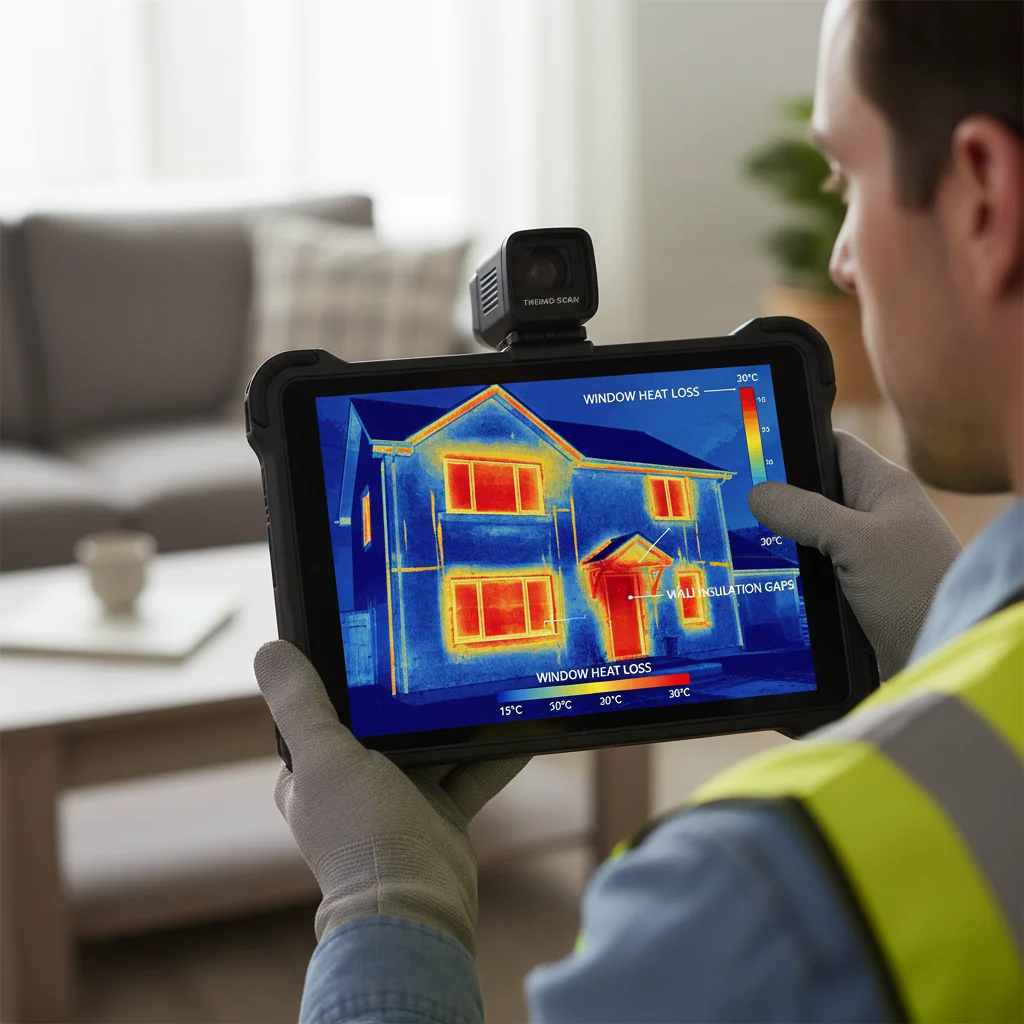
- Thermal Imaging (Infrared) Scan: An infrared camera reveals temperature differences on surfaces, making insulation gaps, thermal bridges, and hidden air leaks visible. This is an invaluable tool for understanding heat loss and gain.
- Combustion Appliance Zone (CAZ) Testing: This ensures that gas-fired appliances (furnaces, water heaters, stoves) are operating safely and not back-drafting dangerous carbon monoxide into your home.
- Duct Leakage Test: If you have forced-air heating and cooling, leaky ducts in unconditioned spaces (attics, crawl spaces) can waste a significant amount of energy. This test quantifies those losses.
- Comprehensive Visual Inspection: Beyond what a homeowner might see, a professional auditor has trained eyes to spot subtle signs of inefficiency in insulation, windows, doors, and HVAC systems.
Receiving Your Audit Report
After the assessment, you’ll receive a detailed report. This report typically includes:
- A summary of findings and identified energy inefficiencies.
- Prioritized recommendations for energy-saving improvements, often categorized by cost-effectiveness and potential savings.
- Estimated cost for each improvement.
- Projected energy savings (often expressed as a percentage or dollar amount).
- Information on available rebates, incentives, and financing options.
Choosing a Qualified Auditor
When selecting a professional for your home energy audit, look for:
- Certifications: Auditors certified by organizations like the Building Performance Institute (BPI) or RESNET (Residential Energy Services Network) have undergone rigorous training and adhere to industry standards.
- Experience: Ask about their experience and request references.
- Transparency: Ensure they provide a clear scope of work and a detailed report.
- Independence: Ideally, choose an auditor who doesn’t have a direct financial incentive to sell you specific products or services, ensuring unbiased recommendations.
While there’s a cost associated with a professional audit, the detailed insights and quantifiable savings often make it a worthwhile investment, especially if you suspect significant energy waste.
Top Energy-Saving Opportunities Identified by a Home Energy Audit
Once your home energy audit is complete, you’ll likely have a list of potential improvements. Prioritizing these recommendations is key to maximizing your savings. Here are the most common and impactful areas to address:
1. Sealing Air Leaks and Improving Ventilation
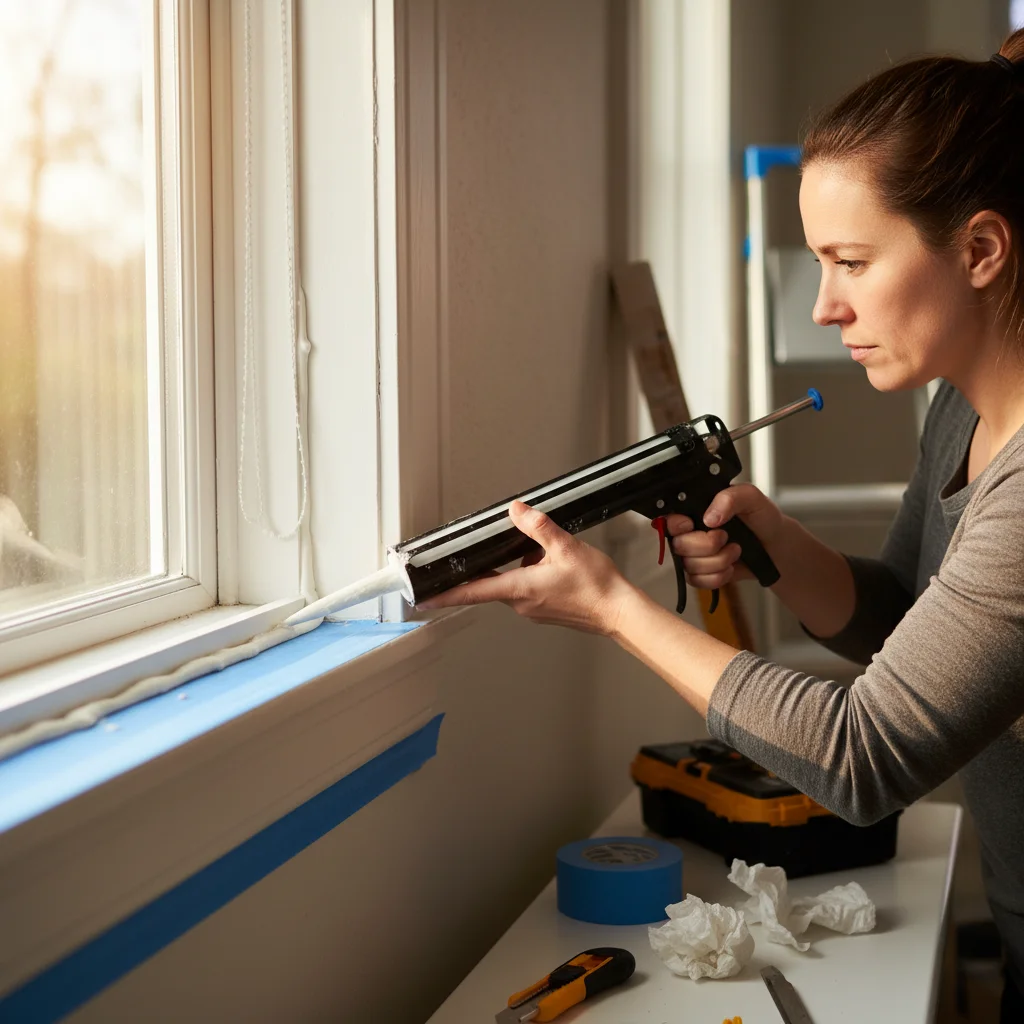
This is often the lowest-cost, highest-impact improvement. Air leaks around windows, doors, electrical outlets, plumbing penetrations, and attic hatches can account for a significant portion of energy loss. Sealing these with caulk, weatherstripping, and expanding foam is crucial. While sealing, it’s important to also ensure proper ventilation, especially in attics and bathrooms, to prevent moisture issues.
2. Upgrading Insulation
Inadequate insulation in the attic, walls, and crawl spaces allows heat to escape in winter and enter in summer. Adding insulation to meet recommended R-values for your climate zone can dramatically reduce heating and cooling loads. This is a foundational step for long-term energy efficiency.
3. HVAC System Optimization
- Duct Sealing and Insulation: Leaky or uninsulated ducts in unconditioned spaces (attics, crawl spaces) can lose 20-30% of conditioned air before it reaches your living spaces. Sealing and insulating these is a major energy saver.
- Regular Maintenance: Ensure your furnace and AC units are regularly serviced. Dirty filters, low refrigerant, or uncalibrated thermostats can significantly reduce efficiency.
- Thermostat Upgrade: Install a smart or programmable thermostat to optimize temperatures based on your schedule, avoiding unnecessary heating or cooling when nobody is home.
- System Replacement: If your HVAC system is old (10+ years for AC, 15+ for furnaces) and inefficient, replacing it with a new, high-efficiency ENERGY STAR® certified model can offer substantial savings.
4. Window and Door Improvements
While full window replacement is expensive, often air sealing and adding storm windows or high-quality blinds/curtains can achieve significant improvements in comfort and energy efficiency at a fraction of the cost. If replacement is necessary, look for ENERGY STAR® certified windows with low-E coatings.
5. Water Heating Efficiency
- Lower Temperature Setting: Most households don’t need water hotter than 120°F.
- Insulate Water Heater and Pipes: An insulation blanket for older tanks and insulating the first 6 feet of hot and cold water pipes can reduce standby heat loss.
- Upgrade to Tankless or Heat Pump Water Heater: These technologies offer significant energy savings compared to conventional tank water heaters.
6. Lighting and Appliance Upgrades
Replace incandescent bulbs with LEDs. Upgrade old, inefficient appliances with ENERGY STAR® certified models, especially refrigerators, washers, and dryers. Use power strips for electronics to easily eliminate ‘vampire’ loads.
Maximizing Your Savings: Incentives, Rebates, and Financing in 2026
One of the most exciting aspects of conducting a home energy audit in 2026 is the wealth of financial support available to help you implement the recommended upgrades. These incentives can significantly reduce the upfront cost of improvements, making energy efficiency more accessible and accelerating your return on investment.
Federal Tax Credits and Rebates
The US government continues to offer substantial tax credits for energy-efficient home improvements, primarily through the Inflation Reduction Act (IRA). These include:
- Energy Efficient Home Improvement Credit (25C): Provides annual tax credits for a wide range of improvements, such as insulation, exterior windows and doors, central air conditioners, furnaces, boilers, and heat pump water heaters. The credit often covers up to 30% of the cost, with annual limits.
- Residential Clean Energy Credit (25D): Primarily for renewable energy installations like solar panels, solar water heaters, and geothermal heat pumps, offering a 30% tax credit.
- High-Efficiency Electric Home Rebate Program (HEEHRP): This program, also part of the IRA, offers point-of-sale rebates for low- and moderate-income households for certain electric home upgrades, including heat pumps, heat pump water heaters, electric stoves, and electrical panel upgrades.
It’s crucial to check the most current IRS guidelines or consult a tax professional for the exact details and eligibility requirements, as these programs can evolve.
State and Local Programs
Beyond federal incentives, many states, cities, and even local utility companies offer their own programs:
- State Energy Programs: Many states have offices dedicated to energy efficiency that provide information on local rebates, grants, and low-interest loan programs.
- Utility Company Rebates: Your local electric or gas utility often provides rebates for specific energy-efficient appliance upgrades, insulation improvements, or even for getting a professional home energy audit. Check their websites or contact their customer service.
- Property Assessed Clean Energy (PACE) Programs: Available in some areas, PACE programs allow property owners to finance energy efficiency and renewable energy upgrades through an assessment on their property tax bill.
- Weatherization Assistance Programs (WAP): For low-income households, the federal WAP program, administered by states, provides free energy efficiency improvements to reduce energy burdens.
Financing Options
If upfront costs are a concern, consider these financing avenues:
- Energy-Efficient Mortgages (EEMs): These mortgages allow you to finance energy-efficient upgrades as part of your home purchase or refinance.
- Home Equity Loans or Lines of Credit (HELOCs): Utilize your home’s equity to fund improvements.
- Green Loans: Some banks and credit unions offer specialized loans for energy efficiency projects, often with favorable terms.
Pro Tip: Always research and confirm eligibility for incentives before starting your projects. Many programs require approved contractors or specific product certifications. A professional energy auditor can often guide you through the available options in your area.
Maintaining Energy Efficiency After Your Home Energy Audit
Completing a home energy audit and implementing its recommendations is a fantastic achievement, but maintaining that efficiency is an ongoing process. Think of it as preventative maintenance for your energy budget. Here’s how to ensure your savings continue well into the future:
Regular Maintenance of Systems
- HVAC System: Schedule annual professional tune-ups for your furnace and air conditioner. Change air filters every 1-3 months (more frequently if you have pets or allergies).
- Water Heater: Flush your water heater annually to remove sediment, which can reduce efficiency. Check the anode rod every few years.
- Appliances: Clean refrigerator coils regularly. Ensure dishwasher filters are clean.
Seasonal Checks and Adjustments
- Weatherstripping and Caulking: Re-inspect seals around windows and doors annually, especially before heating and cooling seasons, and reapply as needed.
- Insulation: Periodically check attic insulation for signs of damage, settling, or moisture.
- Ductwork: Visually inspect exposed ductwork for new leaks or disconnections.
Smart Home Technology Utilization
Leverage your smart thermostat and other connected devices to their full potential. Program schedules, use occupancy sensors, and monitor energy usage patterns through apps to make continuous adjustments and identify new areas for optimization.
Behavioral Changes
Technology and upgrades are only part of the equation. Your daily habits play a significant role:
- Adjust Thermostat: Set your thermostat a few degrees lower in winter and a few degrees higher in summer, especially when away from home or sleeping.
- Unplug Electronics: Continue to unplug chargers and electronics when not in use to combat ‘vampire’ loads.
- Natural Light and Ventilation: Utilize natural light during the day and open windows for cross-ventilation on cool evenings to reduce reliance on artificial lighting and AC.
- Efficient Laundry: Wash clothes in cold water and air dry when possible.
Monitoring Your Bills
Continue to review your utility bills regularly. Comparing current consumption to previous periods will help you confirm the effectiveness of your upgrades and quickly spot any new inefficiencies that might arise.
By consistently applying these maintenance and behavioral strategies, you can ensure that the benefits of your home energy audit endure, providing sustained comfort and savings for years to come.
Case Studies: Real-World Savings from Home Energy Audits
The theory behind a home energy audit is compelling, but real-world examples truly underscore its impact. Here are a few hypothetical case studies illustrating the potential for significant savings across different types of US homes.
Case Study 1: The Drafty Colonial in New England
- Homeowner: Sarah, a homeowner in Boston, MA, living in a 1920s colonial-style house.
- Initial Problem: High heating bills, noticeable drafts, and uneven temperatures, particularly on the second floor.
- Home Energy Audit Findings:
- Significant air leakage around original window frames, attic hatch, and plumbing stack penetrations.
- Attic insulation was R-19, well below the recommended R-49 to R-60 for her climate zone.
- Furnace was 20 years old, operating at 70% efficiency.
- Improvements Made:
- Professional air sealing throughout the home.
- Added blown-in cellulose insulation to the attic (bringing it to R-50).
- Replaced old furnace with a 95% efficient ENERGY STAR® certified model.
- Results: Sarah saw an immediate 28% reduction in her annual heating and cooling costs, saving approximately $1,200 per year. The house became significantly more comfortable, eliminating drafts and evening out temperatures. Federal and state incentives covered nearly 30% of the upgrade costs.
Case Study 2: The Hot Ranch in the Southwest
- Homeowner: David and Maria, a couple in Phoenix, AZ, in a 1970s ranch-style home.
- Initial Problem: Sky-high summer electricity bills, AC constantly running, and certain rooms never cooling properly.
- Home Energy Audit Findings:
- Severely leaky and uninsulated ductwork in the attic.
- Inadequate attic insulation (R-13) for the intense desert heat.
- Single-pane windows throughout the house.
- AC unit was undersized and inefficient for the home’s cooling load.
- Improvements Made:
- Sealed and insulated all attic ductwork.
- Added radiant barrier and blown-in fiberglass insulation to the attic (R-38).
- Replaced the oldest, least efficient single-pane windows with ENERGY STAR® certified dual-pane, low-emissivity windows in key areas.
- Replaced the AC unit with a properly sized, high-SEER (Seasonal Energy Efficiency Ratio) heat pump.
- Results: David and Maria achieved a remarkable 35% reduction in their annual electricity consumption. Their summer bills dropped by an average of $150 per month, totaling over $1,800 in annual savings. The home was noticeably cooler and more comfortable, even during peak summer months. Local utility rebates helped offset the window and HVAC replacement costs.
Case Study 3: The Suburban Home with Phantom Loads
- Homeowner: The Chen family in Atlanta, GA, living in a 2000s suburban home.
- Initial Problem: Consistently high electricity bills despite moderate heating/cooling usage and newer appliances.
- Home Energy Audit Findings:
- Numerous ‘vampire’ loads from entertainment systems, home office equipment, and always-on chargers.
- Water heater set to 140°F, and uninsulated.
- Older incandescent recessed lighting throughout the main living areas.
- Minor air leaks around electrical outlets and switch plates.
- Improvements Made:
- Implemented smart power strips for all entertainment and office equipment.
- Lowered water heater temperature to 120°F and added an insulation blanket.
- Replaced all incandescent lighting with LED bulbs.
- Sealed air leaks around outlets and switches with foam gaskets.
- Results: The Chen family achieved a 15% reduction in their annual electricity bill, saving approximately $450 per year. These were mostly low-cost or no-cost changes that quickly added up. The simple behavioral changes and targeted upgrades demonstrated that even newer homes can have significant energy waste.
These examples highlight that regardless of your home’s age or location, a targeted home energy audit can uncover specific areas of waste and lead to substantial, measurable savings. Your home could be the next success story!
Conclusion: Your Path to an Energy-Efficient Future
Embarking on a home energy audit in 2026 is one of the most proactive steps you can take to enhance your home’s comfort, reduce your environmental impact, and, most importantly, significantly lower your monthly utility bills. As this guide has demonstrated, the path to identifying and eliminating 15% or more of your energy waste is clear, achievable, and supported by a wealth of resources.
Whether you opt for a thorough DIY inspection or invest in a professional audit with specialized tools like blower doors and thermal cameras, the insights gained are invaluable. From the initial analysis of your utility bills to the final implementation of upgrades, each step brings you closer to a more efficient and sustainable living space. Remember, even small changes, when compounded, lead to substantial savings.
The availability of federal tax credits, state and local rebates, and various financing options further sweetens the deal, making energy efficiency upgrades more accessible and affordable than ever before. Don’t let the initial perceived cost deter you; these investments typically offer excellent returns through reduced energy consumption and increased home value.
Take control of your home’s energy destiny. Start your home energy audit today, uncover those hidden inefficiencies, and join the growing number of US homeowners enjoying the benefits of a truly energy-efficient future. Your wallet, your comfort, and the planet will thank you.