New EPA Composting Guidelines 2026: Reduce Waste 30% at Home
New EPA Composting Guidelines 2026: What Every US Household Needs to Know to Reduce Waste by 30%
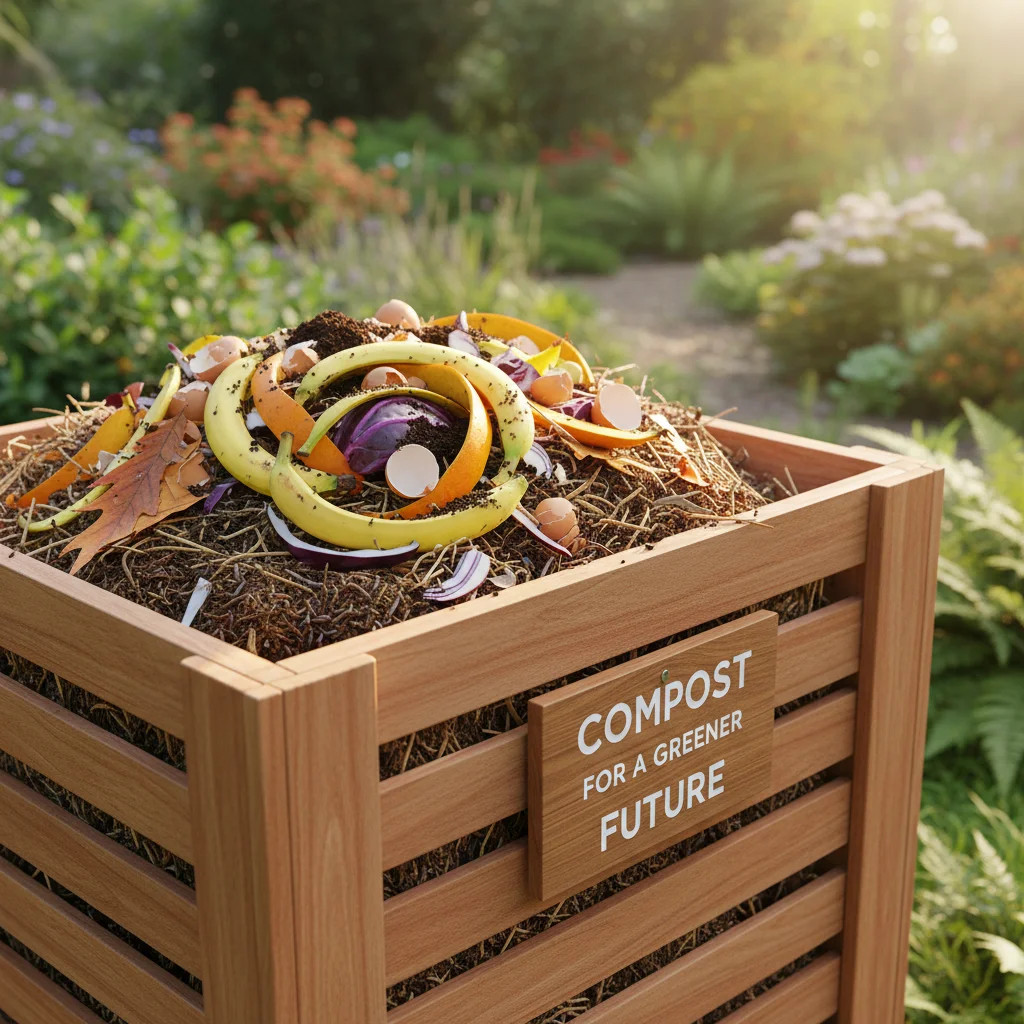
The United States Environmental Protection Agency (EPA) is gearing up to introduce a sweeping set of new composting guidelines in 2026, a move designed to dramatically reduce household waste across the nation. With an ambitious target of a 30% reduction in organic waste sent to landfills, these EPA Composting Guidelines represent a significant step towards a more sustainable future. For many US households, this will mean a new approach to managing kitchen and yard waste, transforming what was once discarded into a valuable resource.
This comprehensive guide will delve into the intricacies of the upcoming EPA Composting Guidelines, exploring what they entail, why they are being implemented, and most importantly, how you can prepare your household to not only comply but thrive under these new regulations. We will cover everything from understanding the types of waste suitable for composting to practical tips for setting up and maintaining a successful home composting system. Our goal is to empower you with the knowledge and tools needed to effortlessly integrate composting into your daily routine, contributing to a healthier planet and a more sustainable lifestyle.
The push for these new guidelines stems from a growing awareness of the environmental impact of organic waste in landfills. When organic materials decompose in anaerobic (oxygen-deprived) conditions, they release methane, a potent greenhouse gas significantly more impactful than carbon dioxide in the short term. By diverting this waste to composting, where it decomposes aerobically, we can drastically reduce methane emissions, improve soil health, and create a circular economy for our organic resources. This is not just about compliance; it’s about making a tangible difference for our environment and future generations.
Understanding the New EPA Composting Guidelines for 2026
The forthcoming EPA Composting Guidelines for 2026 are poised to redefine waste management practices at the household level. While specific details are still being finalized, the overarching goal is clear: to drastically reduce the amount of organic waste that ends up in landfills. This initiative is part of a broader national strategy to combat climate change, improve air and water quality, and promote resource recovery. The guidelines are expected to provide a standardized framework for what constitutes acceptable compostable materials, recommended composting methods, and perhaps even incentives or support programs for households.
Key Objectives of the EPA Composting Guidelines
- Methane Emission Reduction: The primary objective is to significantly cut down on methane emissions from landfills, a major contributor to global warming. Composting transforms organic waste into a stable soil amendment, preventing anaerobic decomposition.
- Soil Health Improvement: Compost is a rich source of nutrients and organic matter, vital for healthy soil. By encouraging home composting, the EPA aims to promote better gardening practices and reduce the need for chemical fertilizers.
- Resource Recovery: Organic waste is not waste; it’s a resource. The guidelines will emphasize recovering these valuable materials to create nutrient-rich compost, supporting a circular economy.
- Public Education and Engagement: A crucial aspect will be educating the public on the benefits and methods of composting, fostering widespread adoption and participation.
- Standardization: The guidelines are expected to introduce a degree of standardization across states and municipalities, making it easier for individuals to understand and participate in composting programs.
It’s important to note that while the EPA sets federal guidelines, the implementation and specific regulations may vary at the state and local levels. Households should be prepared for potential local ordinances that align with or even expand upon the federal recommendations. Staying informed about your local waste management programs will be key to successful compliance with the EPA Composting Guidelines.
Why Home Composting is Essential Under the New Guidelines
Home composting will play a pivotal role in achieving the EPA’s 30% waste reduction target. Unlike industrial composting facilities, which often require significant infrastructure and transportation, home composting empowers individuals to manage their organic waste directly, reducing logistical burdens and carbon footprints. It’s a hands-on approach that connects people more closely with their waste and its potential for renewal.
Benefits of Home Composting
- Environmental Impact: Directly reduces landfill waste and associated methane emissions. By keeping organic materials out of landfills, you directly contribute to mitigating climate change.
- Soil Enrichment: Creates nutrient-rich compost that can be used in gardens, lawns, and houseplants, improving soil structure, water retention, and plant health. This reduces the need for synthetic fertilizers and pesticides.
- Cost Savings: Reduces the amount of waste you put out for collection, potentially lowering waste disposal fees. It also saves money on purchasing soil amendments and fertilizers for your garden.
- Educational Value: Provides an excellent opportunity for families, especially children, to learn about decomposition, nutrient cycles, and environmental responsibility. It fosters a deeper appreciation for nature and sustainable living.
- Personal Satisfaction: There’s immense satisfaction in transforming kitchen scraps and yard waste into a valuable resource that nourishes your plants. It’s a tangible way to contribute to a greener lifestyle.
To effectively meet the EPA Composting Guidelines, households will need to embrace home composting as a regular practice. This involves understanding what can and cannot be composted, choosing the right composting method for your space, and maintaining your compost pile for optimal decomposition. The good news is that home composting is a relatively simple and rewarding activity that anyone can learn.
Getting Started with Home Composting: Practical Steps
Embarking on your home composting journey doesn’t have to be daunting. With the right information and a few basic supplies, you can easily set up a system that aligns with the upcoming EPA Composting Guidelines. The key is to find a method that suits your lifestyle and available space.
Choosing Your Composting Method
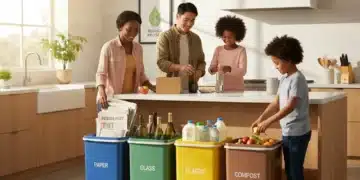
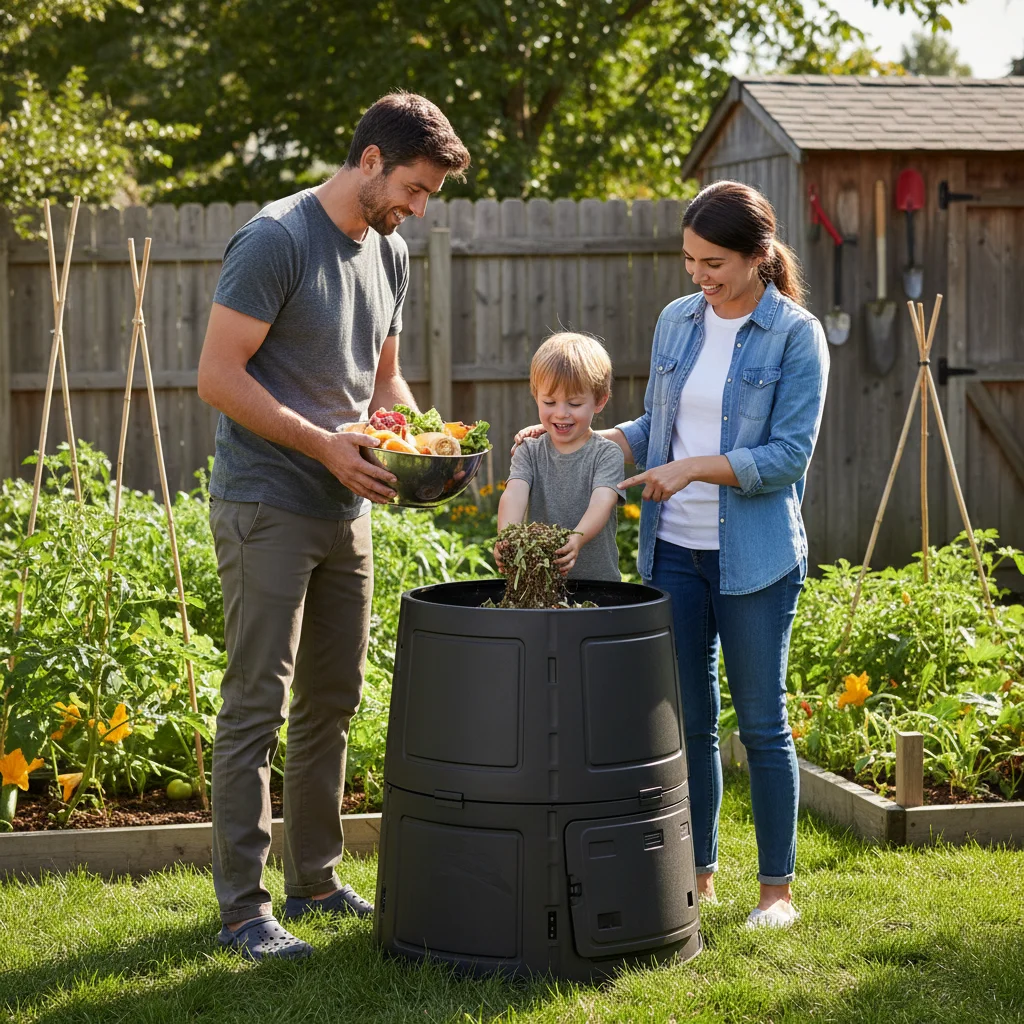
- Compost Piles/Bins: Ideal for larger yards, these can be simple heaps or enclosed bins made from wood, wire, or recycled plastic. They require regular turning for aeration.
- Compost Tumblers: Excellent for smaller spaces and easier turning. Tumblers are enclosed, rotating containers that speed up the composting process and minimize pests.
- Worm Composting (Vermicomposting): Perfect for indoor composting or small apartments. Red wiggler worms do the work, breaking down food scraps into nutrient-rich vermicompost.
- Bokashi Composting: An anaerobic fermentation process that pickles food scraps before they are buried or added to a compost pile. It can handle a wider range of food waste, including meat and dairy, though the fermented material still needs to be composted further.
Consider your living situation, the amount of organic waste you generate, and your comfort level with different methods when making your choice. No matter which method you choose, consistency is key for successful composting under the new EPA Composting Guidelines.
What to Compost (and What Not To)
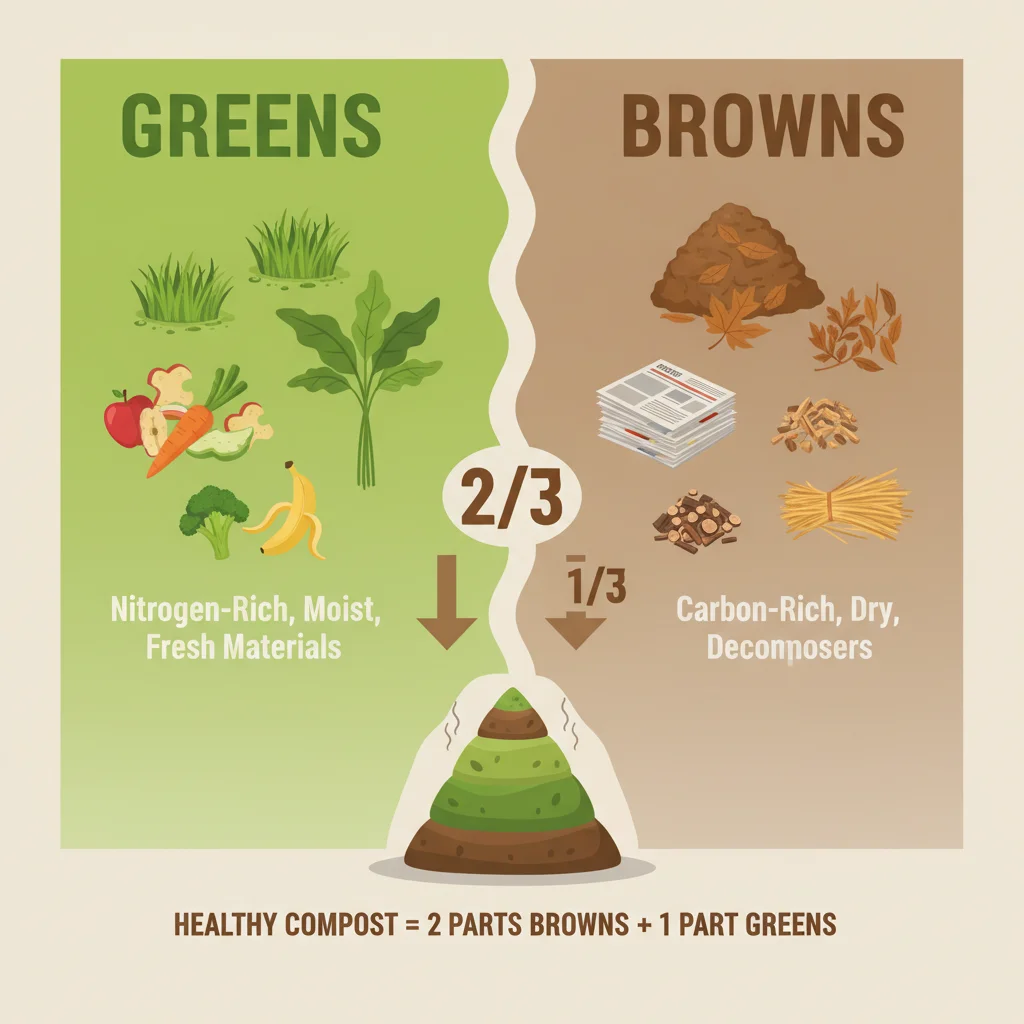
Understanding the right balance of materials is crucial for effective composting. The EPA Composting Guidelines will likely emphasize this balance, often referred to as ‘greens’ and ‘browns.’
"Greens" (Nitrogen-Rich):
- Fruit and vegetable scraps
- Coffee grounds and filters
- Tea bags
- Grass clippings
- Green leaves
- Fresh manure (from herbivores)
"Browns" (Carbon-Rich):
- Dry leaves
- Shredded newspaper and cardboard (non-glossy)
- Wood chips and sawdust (untreated)
- Pine needles
- Straw
- Eggshells (crushed)
Aim for a ratio of approximately 2-3 parts browns to 1 part greens. This balance provides the necessary carbon for energy and nitrogen for protein synthesis for the microorganisms that break down the waste.
What NOT to Compost:
- Meat, bones, and dairy products: Attract pests, create odors, and can harbor pathogens.
- Fats, oils, and grease: Slow down decomposition, attract pests, and can create unpleasant odors.
- Diseased plants: Can spread diseases to your garden.
- Pet waste (from carnivores): May contain harmful pathogens.
- Chemically treated wood: Releases toxic substances.
- Glossy paper or magazines: Contain heavy metals and chemicals.
- Plastic, metal, glass: Non-biodegradable.
Adhering to these guidelines will ensure your compost pile remains healthy, odor-free, and effective, making your transition to the new EPA Composting Guidelines seamless.
Maintaining a Healthy Compost Pile for Optimal Results
Once you’ve set up your composting system and started adding materials, proper maintenance is essential for producing high-quality compost that meets the spirit of the EPA Composting Guidelines. A well-maintained compost pile is efficient, odor-free, and teeming with beneficial microorganisms.
Key Maintenance Practices
- Moisture: Your compost pile should be consistently moist, like a wrung-out sponge. If it’s too dry, decomposition will slow down. If it’s too wet, it can become anaerobic and smelly. Add water if dry, or more browns if too wet.
- Aeration (Turning): Regular turning introduces oxygen, which is vital for aerobic decomposition. Aim to turn your compost every week or two, especially when adding new materials. This also helps to mix materials and distribute moisture evenly.
- Temperature: A healthy compost pile will generate heat, especially in the center, indicating active microbial decomposition. While not strictly necessary to monitor for home composting, a warm pile is a sign of good activity.
- Size of Materials: Smaller pieces break down faster. Chop larger kitchen scraps and shred yard waste before adding them to your compost.
- Layering: When adding new materials, try to alternate layers of greens and browns. This helps maintain the carbon-to-nitrogen balance and promotes even decomposition.
Troubleshooting common composting issues is also a part of the process. If your compost smells putrid, it’s likely too wet or lacks aeration. Add more browns and turn it. If it’s not breaking down, it might be too dry or lack enough nitrogen (greens). Adjust moisture and add more greens. By following these maintenance tips, you’ll be well on your way to creating nutrient-rich compost in line with the EPA Composting Guidelines.
The Broader Impact: How Your Composting Contributes to EPA Goals
Your efforts in home composting extend far beyond your backyard. By embracing the new EPA Composting Guidelines, you become an active participant in a larger movement towards national waste reduction and environmental sustainability. The collective impact of millions of households adopting these practices will be profound, helping the US achieve its ambitious environmental goals.
Contributing to National Waste Reduction Targets
The EPA’s target of a 30% reduction in organic waste by 2026 is a significant undertaking. Every household that diverts its organic waste from landfills contributes directly to this goal. Imagine the cumulative effect if even half of US households began composting their food scraps and yard waste. This would translate into billions of pounds of organic material being repurposed, rather than contributing to landfill bulk and greenhouse gas emissions. The EPA Composting Guidelines are designed to mobilize this collective action.
Mitigating Climate Change
As previously mentioned, organic waste in landfills produces methane, a powerful greenhouse gas. By composting, you help prevent this process. The EPA estimates that food waste alone accounts for a substantial portion of methane emissions from landfills. Your compost pile, therefore, becomes a small but mighty climate change mitigation tool, directly reducing your carbon footprint and contributing to cleaner air.
Enhancing Soil Health and Food Security
The compost you create isn’t just waste diverted; it’s a valuable resource. When used in gardens, parks, and agricultural lands, compost improves soil structure, increases water retention, reduces the need for synthetic fertilizers, and enhances biodiversity. This leads to healthier plants, more robust ecosystems, and ultimately, a more sustainable food system. The EPA Composting Guidelines indirectly support food security by promoting practices that nurture the very foundation of our food supply – healthy soil.
Promoting a Circular Economy
Composting is a prime example of a circular economy in action. Instead of a linear ‘take-make-dispose’ model, it closes the loop on organic resources. Food scraps and yard waste, which would otherwise be discarded, are transformed into a valuable product that enriches the earth, fostering new growth. This aligns perfectly with the EPA’s broader vision of a sustainable materials management system, where resources are kept in use for as long as possible. The EPA Composting Guidelines encourage every household to participate in this vital cycle.
Anticipated Challenges and Solutions for Households
While the new EPA Composting Guidelines offer numerous benefits, households might encounter a few challenges when adopting home composting. Being aware of these potential hurdles and having solutions at hand will make your transition smoother and more successful.
Common Challenges:
- Odor: A common concern, especially for indoor composting or poorly managed outdoor piles.
- Pests: Rodents, insects, and other animals can be attracted to compost piles if not properly managed.
- Space Constraints: Not all households have ample outdoor space for a large compost bin.
- Time Commitment: Some perceive composting as time-consuming, requiring regular turning and monitoring.
- Lack of Knowledge: Uncertainty about what to compost and how to do it effectively can be a barrier.
- Local Regulations: Existing local ordinances might conflict with or require specific approaches to composting.
Practical Solutions:
- Odor Control: Ensure a good greens-to-browns ratio, turn your pile regularly for aeration, and bury food scraps deep within the pile. For indoor composting, consider sealed containers or vermicomposting.
- Pest Management: Use enclosed compost bins or tumblers. Avoid adding meat, dairy, and oily foods. Bury food scraps deeply in the pile. For vermicomposting, ensure the bin is sealed and only add appropriate materials.
- Space-Saving Options: For small yards or apartments, consider compost tumblers, vermicomposting bins, or even community composting programs if available. Many compact solutions exist for urban dwellers.
- Streamlining the Process: Keep a small container in your kitchen for convenient collection of scraps. Automate turning with a tumbler or integrate it into your regular yard work routine. The more you do it, the easier it becomes.
- Education and Resources: Utilize online resources, local workshops, and community gardening groups to deepen your composting knowledge. The EPA will likely provide extensive educational materials to support the new EPA Composting Guidelines.
- Check Local Rules: Before starting, consult your local municipality or waste management service for any specific composting regulations or programs in your area. They might offer valuable local resources or support.
By proactively addressing these challenges, households can confidently embrace the EPA Composting Guidelines and reap the full benefits of home composting. Remember, every small step contributes to a larger, positive environmental impact.
Future Outlook: Beyond 2026 and Continuous Improvement
The 2026 EPA Composting Guidelines are not merely a one-time regulation but a foundational step in a long-term strategy for sustainable waste management. The EPA, in collaboration with various stakeholders, views this as an evolving process that will require continuous improvement, adaptation, and innovation. For households, this means staying engaged and open to new developments in composting technology and best practices.
Potential Future Developments
- Technological Advancements: Expect to see further innovations in home composting equipment, making it even more efficient, user-friendly, and suitable for diverse living situations. Smart compost bins that monitor moisture and temperature, or advanced indoor composting solutions, could become more mainstream.
- Community Composting Expansion: As awareness grows, more communities are likely to invest in large-scale composting facilities and curbside organic waste collection programs. This would provide alternatives for households unable to compost at home or for materials not suitable for home composting (e.g., certain bioplastics).
- Incentive Programs: To encourage wider adoption, federal, state, and local governments might introduce incentive programs, such as tax breaks for purchasing composting equipment, subsidies for compost use, or even rewards for participating in waste reduction initiatives.
- Educational Resources: The EPA and other environmental organizations will continue to develop and disseminate comprehensive educational materials, workshops, and online courses to empower more citizens to compost effectively.
- Research and Development: Ongoing research into soil health, agricultural benefits of compost, and the lifecycle assessment of composting will further refine guidelines and demonstrate the economic and environmental value of organic waste diversion.
The EPA’s commitment to reducing waste by 30% through these new EPA Composting Guidelines is a testament to the urgency of addressing climate change and promoting a circular economy. As households, our role is crucial. By embracing home composting, we not only comply with future regulations but also become active agents of positive environmental change. This journey towards a more sustainable future is a collective effort, and every compost pile, no matter how small, contributes significantly.
Stay informed, experiment with different composting methods, and share your experiences with friends and family. The more people who understand and practice effective composting, the closer we get to achieving the ambitious goals set forth by the EPA Composting Guidelines and building a healthier, more resilient planet for everyone.
Conclusion: Embracing a Greener Future with EPA Composting Guidelines
The arrival of the new EPA Composting Guidelines in 2026 marks a pivotal moment for environmental stewardship in the United States. With a clear objective to reduce household organic waste by 30%, these guidelines are not just regulatory mandates but an invitation for every American household to participate actively in creating a more sustainable and resilient future. Home composting, once a niche practice, is now positioned to become a mainstream activity, offering tangible benefits for our planet, our gardens, and our communities.
We’ve explored the core tenets of the EPA Composting Guidelines, understanding their emphasis on methane reduction, soil health improvement, and resource recovery. We’ve delved into the practicalities of setting up and maintaining a home composting system, from choosing the right method to balancing your ‘greens’ and ‘browns.’ Most importantly, we’ve highlighted how your individual efforts contribute to a much larger national and global impact, combating climate change and fostering a circular economy.
While challenges such as managing odors or pests may arise, readily available solutions and a growing wealth of educational resources will ensure that these hurdles are easily overcome. The journey towards a compost-friendly household is an evolving one, with continuous advancements in technology and community support expected to make the process even more accessible and rewarding in the years to come.
Embracing the EPA Composting Guidelines is more than just complying with new rules; it’s about adopting a mindset of responsibility and resourcefulness. It’s about transforming what was once considered waste into a valuable asset, nourishing our soil, and reducing our environmental footprint. As 2026 approaches, let us collectively prepare to turn our kitchen scraps and yard waste into a powerful force for good, contributing to a healthier planet for ourselves and for generations to come. Start your composting journey today and be a part of this vital environmental transformation.