
Bridging the Digital Divide: U.S. Rural Internet Access Progress
The dawn of the 21st century brought with it an unprecedented era of digital transformation, fundamentally reshaping how we live, work, learn, and connect. However, this revolution has not been universally experienced. For far too long, vast swathes of rural America have remained on the wrong side of the digital divide, lacking reliable, high-speed rural internet access. This disparity has not only hindered economic development but also limited educational opportunities, restricted access to critical healthcare services, and isolated communities from the broader digital landscape. The good news is that significant strides are being made. Recent data indicates an encouraging 18% improvement in rural internet access across the U.S. since early 2026, a testament to concerted efforts by various programs and initiatives aimed at closing this persistent gap. This article delves into the heart of this transformation, exploring the programs, challenges, and the profound impact of improved rural internet access on community connection and national progress.
Understanding the Digital Divide in Rural America
The digital divide is more than just a lack of internet; it’s a chasm of opportunity. In rural areas, this divide manifests as limited or non-existent broadband infrastructure, unaffordable service options, and a lack of digital literacy. The consequences are far-reaching. Small businesses struggle to compete in a global marketplace, students fall behind in an increasingly online educational system, and telehealth services, vital for remote populations, remain out of reach. The absence of reliable rural internet access exacerbates existing inequalities, making it harder for these communities to thrive.
Historically, extending broadband infrastructure to sparsely populated rural areas has been economically challenging for internet service providers (ISPs). The high cost of laying fiber optic cables or deploying wireless towers over vast distances, coupled with a lower customer density, often made these projects unprofitable. This market failure necessitated government intervention, leading to the development of various programs designed to incentivize and subsidize broadband expansion. The 18% improvement noted since early 2026 is a direct outcome of these strategic investments and collaborative efforts between federal, state, local governments, and private sector partners.
Key Programs Driving Rural Internet Access Improvements
Several pivotal U.S. programs have been instrumental in this recent surge in improved rural internet access. These initiatives often combine funding, technical assistance, and regulatory frameworks to encourage broadband deployment in underserved areas.
The Broadband Equity, Access, and Deployment (BEAD) Program
A cornerstone of the current strategy, the BEAD Program, established under the Infrastructure Investment and Jobs Act, is allocating over $42.45 billion to states, territories, and the District of Columbia to expand high-speed internet access. This program specifically targets unserved and underserved locations, prioritizing fiber optic deployment where feasible. BEAD’s emphasis on future-proof infrastructure ensures that investments made today will meet the growing demands of tomorrow. Its impact on rural internet access is expected to be profound, directly contributing to the 18% improvement observed and setting the stage for even greater gains.
Connect America Fund (CAF) and Rural Digital Opportunity Fund (RDOF)
While BEAD represents a newer, significant investment, the Federal Communications Commission’s (FCC) Connect America Fund (CAF) and its successor, the Rural Digital Opportunity Fund (RDOF), have been crucial for years. These programs provide billions in subsidies to ISPs to build and maintain broadband networks in high-cost rural areas. RDOF, in particular, utilized a reverse auction mechanism to award funding to providers who committed to offering specified broadband speeds to the most locations at the lowest cost. Although RDOF faced some implementation challenges, its overall contribution to expanding rural internet access has been substantial, laying much of the groundwork for the progress we see today.
USDA’s ReConnect Program
The U.S. Department of Agriculture (USDA) plays a vital role through its ReConnect Program, which offers loans, grants, and loan/grant combinations to build broadband infrastructure in rural areas that lack sufficient access. ReConnect focuses on projects that bring high-speed internet to homes, businesses, and critical community facilities like schools and healthcare centers. By targeting areas where commercial providers might not venture, ReConnect ensures that even the most remote communities gain access to essential digital services, directly impacting the figures for improved rural internet access.
State and Local Initiatives
Beyond federal programs, numerous state and local initiatives have emerged, often complementing federal funding with their own resources and tailored strategies. States like Virginia, North Carolina, and Maine have established dedicated offices and funding mechanisms to coordinate broadband expansion efforts. These localized approaches are critical because they can address specific regional challenges and leverage local partnerships more effectively, creating a synergistic effect that accelerates the deployment of rural internet access.
The Impact on Community Connection and Development
The 18% improvement in rural internet access since early 2026 is not merely a statistic; it represents tangible improvements in the lives of millions. Enhanced connectivity fosters community connection in myriad ways, transforming local economies, education, healthcare, and social engagement.
Economic Revitalization
Access to reliable broadband is a powerful engine for economic development. Rural businesses can now reach broader markets, implement e-commerce solutions, and utilize cloud-based tools to improve efficiency and competitiveness. New businesses are more likely to establish themselves in connected communities, bringing jobs and investment. Remote work opportunities also become viable, allowing residents to access higher-paying jobs without leaving their hometowns, thereby stemming rural depopulation and fostering local prosperity. The ability to attract and retain a skilled workforce is directly tied to the availability of high-speed rural internet access.
Educational Equity
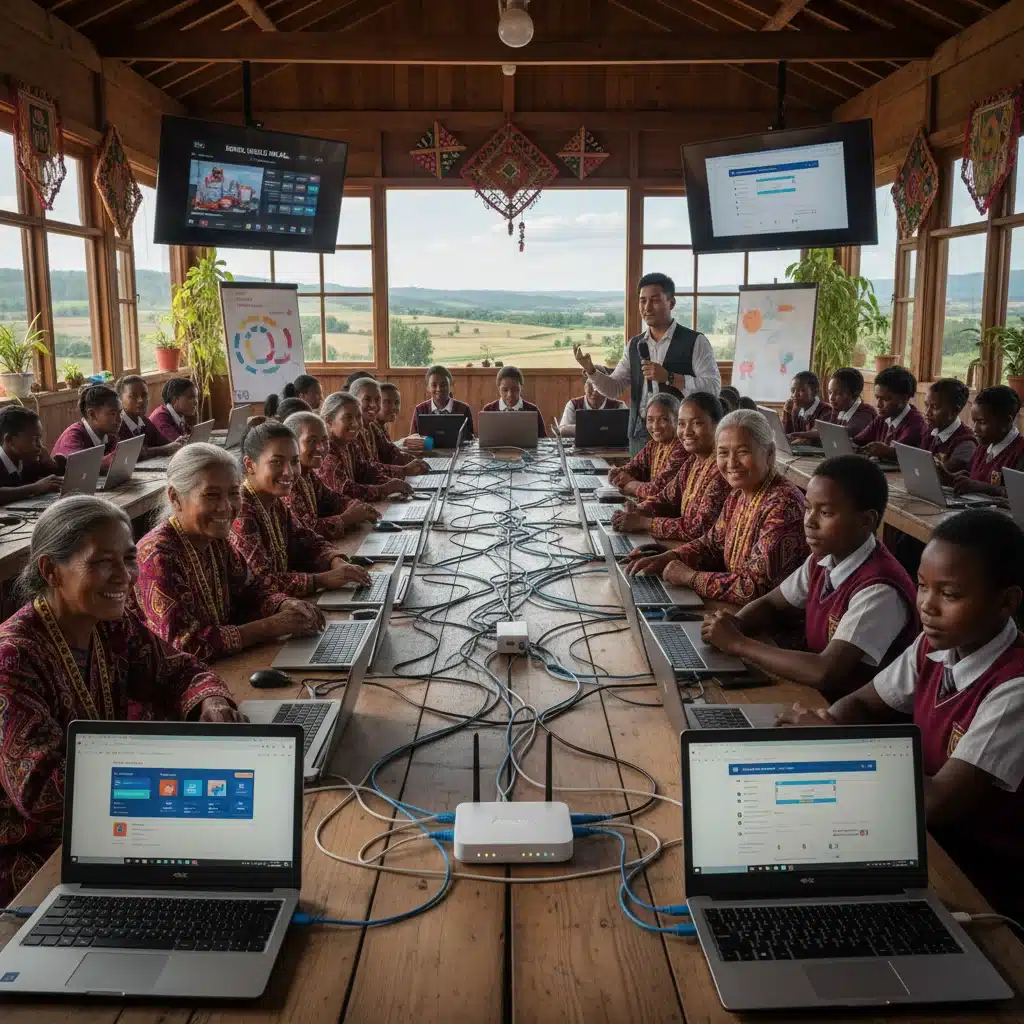
The COVID-19 pandemic starkly highlighted the educational disparities caused by the digital divide. With improved rural internet access, students in remote areas can fully participate in online learning, access digital resources, and develop essential 21st-century skills. Educators can implement innovative teaching methods, and schools can connect with a global network of knowledge. This levels the playing field, ensuring that geography no longer dictates a child’s access to quality education.
Enhanced Healthcare Access
Telehealth has revolutionized healthcare delivery, but its benefits are contingent on robust internet access. For rural populations, where specialists may be hours away, telehealth offers a lifeline, providing access to consultations, remote monitoring, and mental health services. This reduces travel burdens, saves time and money, and can lead to better health outcomes. The expansion of rural internet access is therefore a critical component of modern healthcare equity.
Strengthening Social Fabric
Beyond economics and services, broadband connectivity strengthens the social fabric of rural communities. Residents can stay connected with family and friends, access government services more easily, and participate in civic life. Community organizations can leverage online platforms for outreach and engagement, fostering a more informed and connected citizenry. This enhanced digital inclusion combats isolation and builds more resilient communities.
Challenges and Ongoing Efforts
Despite the remarkable 18% improvement in rural internet access, significant challenges remain. The ‘last mile’ problem, where the cost of connecting individual homes is disproportionately high, continues to be a hurdle. Geographic obstacles, such as mountainous terrain or dense forests, also complicate infrastructure deployment. Furthermore, ensuring affordability and promoting digital literacy are equally important as building infrastructure.
Addressing Affordability and Digital Literacy
Even with infrastructure in place, if residents cannot afford the service or lack the skills to use it effectively, the digital divide persists. Programs like the Affordable Connectivity Program (ACP) offer subsidies to help low-income households afford broadband service. Simultaneously, community-based digital literacy initiatives are crucial for teaching essential computer skills, internet safety, and how to leverage online resources for education, employment, and health. These complementary efforts are vital to fully realize the benefits of expanded rural internet access.
Future Outlook and Sustained Investment
The momentum gained since early 2026 must be sustained through continued investment and adaptive strategies. The goal is not just to close the current digital divide but to prevent new ones from emerging as technology evolves. This requires ongoing monitoring of broadband availability, speed, and adoption rates, as well as flexible funding mechanisms that can respond to changing needs and technological advancements. The long-term vision is universal, equitable access to high-speed internet for all Americans, regardless of their location.
Case Studies of Success in Rural Internet Access
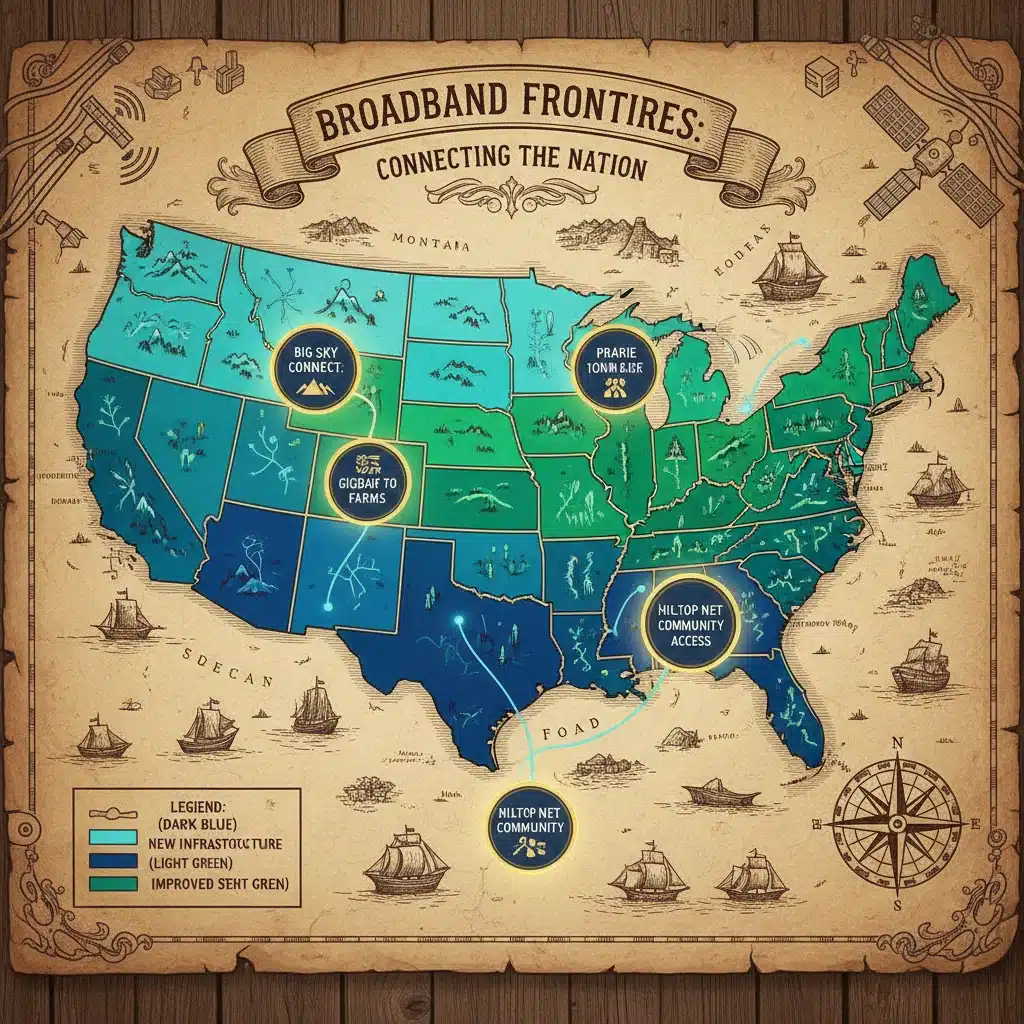
To truly understand the impact, it’s beneficial to look at specific examples where enhanced rural internet access has made a tangible difference. These success stories often involve innovative partnerships and dedicated community efforts.
Example 1: The Appalachian Highlands Initiative
In a historically underserved region of the Appalachian Highlands, a multi-stakeholder initiative, funded in part by the BEAD program and local matching funds, deployed over 1,500 miles of fiber optic cable. This brought gigabit-speed internet to over 15,000 households and businesses that previously had only dial-up or no internet at all. The immediate impact was seen in local schools, which could finally implement 1:1 device programs, and in the burgeoning remote work sector, attracting new residents seeking a balance between rural living and high-tech careers. The success here highlights the transformative power of dedicated investment in rural internet access.
Example 2: The Prairie State Wireless Project
In the vast, flat plains of a Midwestern state, a wireless internet service provider (WISP, leveraging RDOF funds, deployed a network of fixed wireless towers. This solution proved more cost-effective than fiber in areas with extremely low population density. The project connected hundreds of farms and small agricultural businesses, enabling them to adopt precision agriculture technologies, monitor livestock remotely, and access real-time market data. This not only boosted their productivity and profitability but also ensured the continued viability of family farms, demonstrating how diverse technological solutions can address the need for rural internet access.
Example 3: The Native American Tribal Broadband Program
Recognizing the unique challenges faced by Tribal Nations, a specialized federal grant program, combined with Tribal government leadership, has made significant inroads in bringing broadband to reservations. One such project on a Southwestern reservation established a Tribal-owned and operated ISP. This approach ensured that the network was built to meet the specific cultural and economic needs of the community. Beyond basic connectivity, the ISP also offered culturally relevant digital literacy training and job opportunities in network management, creating a sustainable model for rural internet access and self-determination.
The Role of Public-Private Partnerships in Expanding Rural Internet Access
The progress in bridging the digital divide, particularly the 18% improvement in rural internet access, would not be possible without robust public-private partnerships. Governments provide the necessary funding and regulatory frameworks, while private companies bring the technical expertise, operational efficiency, and scalability required for large-scale infrastructure projects. These collaborations often take several forms:
- Grant Programs: Federal and state grants incentivize ISPs to build in high-cost areas that would otherwise be unprofitable.
- Infrastructure Sharing: Agreements that allow different providers to share existing infrastructure (e.g., utility poles, conduits) reduce deployment costs and speed up rollout.
- Community Broadband Networks: Some rural communities are building their own broadband networks, often with public funding and private sector partnerships for construction and management. This ensures local control and responsiveness to community needs.
- Regulatory Streamlining: Efforts to simplify permitting processes and reduce bureaucratic hurdles can significantly accelerate broadband deployment.
The success of these partnerships lies in their ability to align the profit motives of private companies with the public good of universal connectivity. By mitigating financial risks for providers and ensuring a clear path for deployment, these collaborations are foundational to expanding rural internet access.
Measuring Progress and Future Goals for Rural Internet Access
The reported 18% improvement in rural internet access since early 2026 is a significant milestone, but it’s crucial to understand how this progress is measured and what future goals entail. The FCC’s broadband deployment maps and various state-level assessments are key tools for tracking progress. These maps identify unserved and underserved areas based on defined speed thresholds (e.g., 100/20 Mbps for download/upload speeds).
Future goals extend beyond simply providing basic connectivity. The aim is to ensure that rural areas have access to future-proof broadband capable of supporting emerging technologies and increasing data demands. This means:
- Achieving Universal Coverage: The ultimate goal is to ensure every household and business in the U.S. has access to reliable, high-speed internet.
- Increasing Adoption Rates: Beyond availability, efforts must focus on increasing the number of households that actually subscribe to and use broadband services, addressing both affordability and digital literacy barriers.
- Promoting Digital Equity: Ensuring that all individuals have the skills, devices, and access to use the internet effectively for their personal, educational, and professional growth.
- Supporting Innovation: High-speed rural internet access can foster innovation in agriculture, manufacturing, healthcare, and other sectors vital to rural economies.
The journey to full digital inclusion is ongoing, but the recent progress demonstrates that with strategic investment, collaborative programs, and a clear vision, the digital divide can indeed be closed.
Conclusion: A Connected Future for Rural America
The significant 18% improvement in rural internet access across the U.S. since early 2026 marks a pivotal moment in the nation’s efforts to bridge the digital divide. This progress is a direct result of comprehensive federal programs like BEAD, RDOF, and ReConnect, complemented by innovative state and local initiatives and robust public-private partnerships. The impact on rural communities is transformative, fostering economic revitalization, enhancing educational equity, expanding healthcare access, and strengthening social bonds.
While challenges such as the ‘last mile’ problem and issues of affordability and digital literacy persist, the momentum is undeniable. The commitment to universal broadband access is stronger than ever, promising a future where every American, regardless of their zip code, can participate fully in the digital age. As we move forward, sustained investment, adaptive strategies, and continued collaboration will be essential to ensure that the promise of high-speed rural internet access becomes a reality for all, truly connecting communities and unlocking their full potential.