Community Projects Transforming US Public Spaces 2026
The Power of Shared Spaces: How 4 Innovative Community Projects are Transforming US Public Areas in 2026
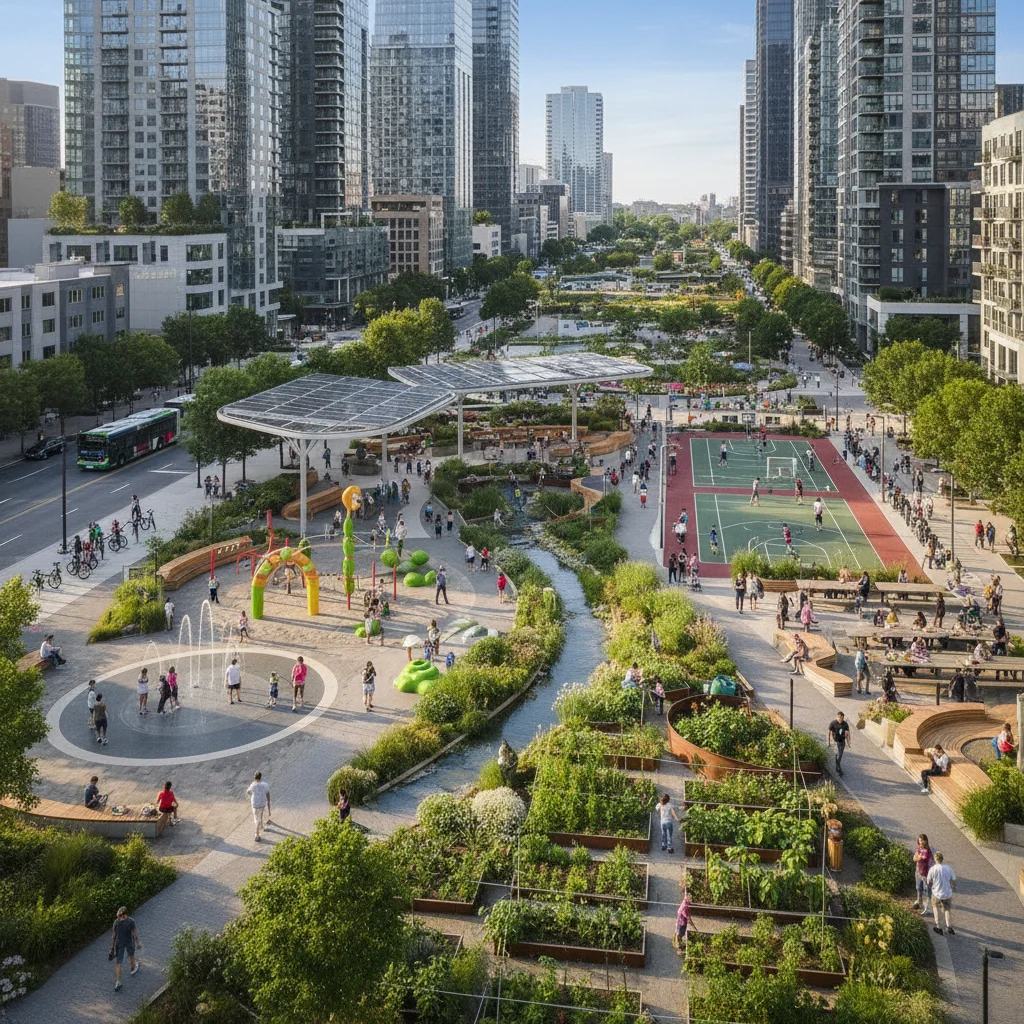
In an increasingly interconnected yet often isolating world, the importance of shared public spaces cannot be overstated. These areas serve as the literal and metaphorical crossroads of our communities, fostering interaction, promoting well-being, and strengthening the social fabric. As we move further into the 21st century, the concept of public space is evolving, driven by innovative community projects that are reimagining how we live, work, and play together. The year 2026 marks a significant period for these transformations across the United States, with several groundbreaking initiatives demonstrating the immense power of thoughtful design, community engagement, and forward-thinking urban planning. These projects are not merely about aesthetics; they are about creating resilient, inclusive, and vibrant environments that cater to the diverse needs of their inhabitants. They address critical urban challenges, from climate change and social equity to economic development and public health, by leveraging the collective spirit of communities.
The role of public spaces extends far beyond providing mere open areas. They are essential for civic life, offering platforms for cultural exchange, democratic discourse, and collective memory. A well-designed public space can become the heart of a neighborhood, a place where people of all ages, backgrounds, and abilities feel welcome and safe. It can stimulate local economies by attracting visitors and supporting small businesses, and it can contribute significantly to environmental sustainability through green infrastructure and biodiversity initiatives. The projects we will explore exemplify these multifaceted benefits, showcasing how strategic investment and community-led efforts can lead to profound positive changes. These initiatives are setting new benchmarks for urban development, proving that with vision and collaboration, our public areas can become more than just functional — they can become truly transformative. Understanding these examples is crucial for anyone interested in the future of urban living and the enduring impact of collective action in shaping our shared environment. The narrative of these projects is one of hope, innovation, and a deep commitment to enhancing the quality of life for all.
This article delves into four exemplary community projects in the US that are at the forefront of this transformation in 2026. Each project, unique in its approach and scope, shares a common thread: a deep commitment to creating spaces that are not only beautiful and functional but also deeply meaningful and impactful for the communities they serve. From revitalized waterfronts to innovative urban farms, these initiatives illustrate the diverse ways in which public areas are being reimagined to meet contemporary needs and challenges. They highlight the collaborative spirit between local governments, non-profit organizations, private sector partners, and most importantly, the citizens themselves. By examining these case studies, we aim to uncover the underlying principles of successful community-led development and draw lessons that can inspire similar transformations in other cities and towns across the nation. The success of these projects is a testament to the idea that when people come together with a shared vision, they can create extraordinary places that enhance the lives of many. These endeavors are more than just construction; they are acts of community building, fostering stronger bonds and a shared sense of ownership over public assets. The impact of these projects reverberates through the daily lives of residents, creating healthier, happier, and more connected communities. They represent a paradigm shift in how we conceive and utilize our shared urban landscapes, moving towards a future where public spaces are truly reflective of the communities they serve.
1. The Green Ribbon Park Network, Portland, Oregon: Connecting Communities with Nature
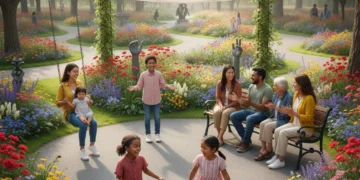
Portland, Oregon, a city renowned for its progressive urban planning and commitment to sustainability, has unveiled the Green Ribbon Park Network in 2026. This ambitious project is not a single park but rather an interconnected system of green spaces, trails, and ecological corridors that weave through the urban fabric, linking neighborhoods previously separated by infrastructure or socio-economic divides. The vision behind the Green Ribbon Park Network is to create a seamless experience of nature within the city, making green spaces accessible to every resident within a 10-minute walk. This initiative directly addresses issues of environmental equity, ensuring that all communities, regardless of income or location, have equal access to the benefits of nature. The network incorporates a variety of features, including restored wetlands, community gardens, urban forests, and recreational areas, all designed with ecological integrity and community engagement in mind. The planning process for the Green Ribbon Park Network was highly participatory, involving extensive public workshops, design charrettes, and surveys to gather input from thousands of residents. This grassroots approach ensured that the network truly reflects the desires and needs of the diverse communities it serves, fostering a strong sense of ownership and stewardship among local residents. The project also emphasizes sustainable design principles, utilizing native plant species, permeable surfaces for stormwater management, and renewable energy sources for lighting and amenities. These features not only enhance the ecological value of the spaces but also contribute to the city’s broader climate resilience goals. The Green Ribbon Park Network is more than just a collection of parks; it is a vital piece of infrastructure that supports biodiversity, improves air and water quality, and provides critical habitat for urban wildlife. It serves as a living laboratory for ecological education, offering opportunities for residents to learn about local ecosystems and participate in conservation efforts. The economic benefits are also significant, as proximity to green spaces has been shown to increase property values and attract new businesses, contributing to the overall economic vitality of the city. The network has become a model for other cities looking to integrate nature more deeply into their urban environments, demonstrating how thoughtful design and community collaboration can create lasting ecological and social benefits. The success of this community project lies in its holistic approach, recognizing that human well-being is intrinsically linked to the health of our natural environment. It’s a testament to how urban planning can be a powerful tool for social and environmental justice, ensuring that the benefits of green infrastructure are equitably distributed across all segments of the population. The Green Ribbon Park Network embodies the future of urban greening, where nature is not an afterthought but an integral part of city life, enriching the lives of all who experience it.
2. The Innovation Square, Austin, Texas: A Hub for Collaboration and Creativity
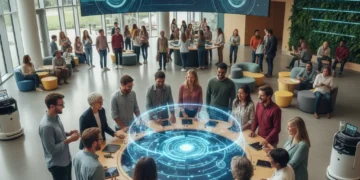
Austin, Texas, a city synonymous with innovation and creativity, has launched Innovation Square in 2026, transforming a formerly underutilized industrial district into a dynamic public space designed to foster collaboration, technological advancement, and community interaction. This ambitious community project is a testament to Austin’s commitment to nurturing its vibrant tech scene while ensuring that its growth benefits all residents. Innovation Square is a sprawling complex that combines co-working spaces, research labs, educational facilities, and public gathering areas, all integrated within a beautifully landscaped urban park. The design prioritizes flexibility and adaptability, allowing the space to evolve with the changing needs of its users. One of the key features of Innovation Square is its emphasis on open-source collaboration. The public spaces are designed to encourage serendipitous encounters and informal discussions among entrepreneurs, academics, artists, and citizens. Interactive installations, outdoor classrooms, and flexible event spaces provide platforms for knowledge exchange and creative expression. The project also includes affordable housing units, ensuring that a diverse range of individuals can live and work within this innovative ecosystem. This commitment to inclusivity is vital for preventing gentrification and maintaining the diverse character of Austin. Sustainability is another cornerstone of Innovation Square. The buildings incorporate cutting-edge green technologies, including passive cooling systems, rainwater harvesting, and integrated solar panels. The landscape design features drought-resistant native plants and extensive tree canopy coverage, mitigating the urban heat island effect and providing ecological benefits. A significant aspect of Innovation Square is its role as a living laboratory for smart city technologies. The public spaces are equipped with sensors that monitor air quality, traffic flow, and energy consumption, providing valuable data for urban planners and researchers. This data is used to optimize the functionality of the square and to develop new solutions for urban challenges, making Innovation Square a truly intelligent public space. The economic impact of this community project is already evident, attracting new businesses and talent to Austin and solidifying its reputation as a global hub for technology and innovation. It provides a fertile ground for startups, established companies, and academic institutions to collaborate on groundbreaking projects, generating new jobs and economic opportunities for the region. Beyond economic benefits, Innovation Square has become a popular destination for residents, offering cultural events, educational programs, and recreational opportunities. It demonstrates how urban spaces can be designed to support both economic prosperity and social well-being, creating a vibrant and inclusive environment where ideas can flourish and communities can thrive. The success of Innovation Square lies in its ability to seamlessly blend technology, nature, and community, creating a truly unique and forward-thinking public space that embodies the spirit of Austin. It serves as a powerful example of how cities can proactively shape their future by investing in spaces that foster innovation and community engagement, ensuring that technological progress is always aligned with human needs and values.
3. The Harvest Hub, Detroit, Michigan: Cultivating Food Security and Community Bonds
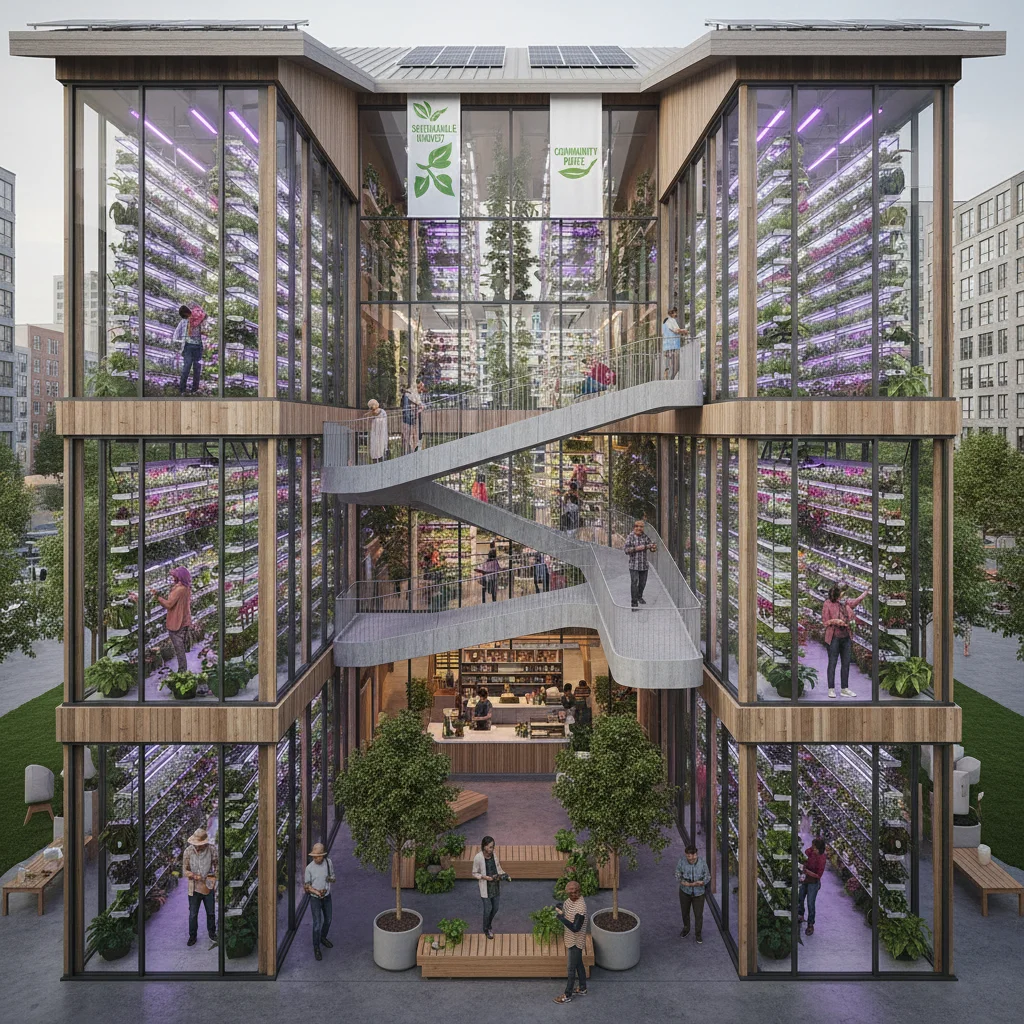
Detroit, Michigan, a city with a rich history of resilience and innovation, is redefining urban agriculture with The Harvest Hub, a groundbreaking community project launched in 2026. This initiative transforms vacant lots and underutilized urban spaces into a network of productive farms, community gardens, and food processing facilities, directly addressing issues of food insecurity and promoting local economic development. The Harvest Hub is more than just a collection of farms; it’s a comprehensive ecosystem designed to empower residents through access to fresh, healthy food, educational opportunities, and entrepreneurship. The project integrates traditional farming methods with cutting-edge agricultural technologies, such as hydroponics and vertical farming, to maximize yields and minimize environmental impact. A core principle of The Harvest Hub is community ownership and participation. Residents are actively involved in every stage of the food production process, from planting and harvesting to distribution and sales. This hands-on engagement fosters a strong sense of community, builds valuable skills, and creates new economic opportunities through farmers’ markets, community-supported agriculture (CSA) programs, and local food businesses. The Harvest Hub also includes educational programs for all ages, teaching sustainable farming practices, nutrition, and culinary skills. These programs aim to build a new generation of food literate citizens and empower them to take control of their food systems. The project has a significant social impact, providing access to fresh, affordable produce in neighborhoods that were previously food deserts. This access to nutritious food has a direct positive effect on public health, reducing rates of diet-related diseases and improving overall well-being. Furthermore, the creation of green spaces within urban areas contributes to improved air quality, stormwater management, and biodiversity, enhancing the environmental health of the city. The economic benefits are equally compelling. The Harvest Hub creates local jobs in farming, food processing, and distribution, stimulating the local economy and reducing reliance on external food sources. It also supports local entrepreneurs, providing them with the resources and training to start their own food-related businesses, further strengthening the economic fabric of the community. The success of The Harvest Hub lies in its ability to address multiple challenges simultaneously: food insecurity, unemployment, environmental degradation, and lack of community cohesion. It demonstrates how urban agriculture, when thoughtfully planned and community-driven, can be a powerful tool for urban regeneration and social justice. This community project is a beacon of hope for cities grappling with similar issues, offering a scalable and sustainable model for transforming neglected urban spaces into vibrant, productive assets. It underscores the profound impact that localized food systems can have on the health and prosperity of a community, proving that a city can truly grow from the ground up. The Harvest Hub is not just about growing food; it’s about cultivating a healthier, more connected, and more sustainable future for Detroit and beyond.
4. The Waterfront Commons, Seattle, Washington: Reclaiming the Shoreline for Public Enjoyment
Seattle, Washington, a city defined by its stunning natural landscape and vibrant urban culture, has completed The Waterfront Commons in 2026, a monumental community project that has transformed its downtown waterfront into a world-class public space. For decades, Seattle’s waterfront was dominated by an elevated highway, severing the city from its Puget Sound shoreline. The removal of this highway and the subsequent development of The Waterfront Commons have reconnected the city to its natural heritage, creating a vibrant and accessible public realm for all. The Waterfront Commons is a multi-faceted linear park that stretches for miles along the Elliott Bay shoreline, offering a diverse array of experiences. It includes expansive green lawns for recreation, walking and biking paths, public art installations, ecological restoration areas, and flexible spaces for markets and cultural events. The design emphasizes universal accessibility, ensuring that people of all ages and abilities can enjoy the waterfront. Key elements of the project include a new pedestrian bridge connecting downtown to the waterfront, an expanded aquarium with enhanced public access, and a variety of overlooks and viewing platforms that offer breathtaking views of the Olympic Mountains and Puget Sound. The project also prioritizes ecological restoration, with significant efforts made to restore marine habitats and improve water quality. The planting of native species and the creation of stormwater treatment facilities are integral to this environmental commitment. The planning and design process for The Waterfront Commons involved extensive public engagement, with thousands of residents contributing their ideas and feedback. This collaborative approach ensured that the final design truly reflected the aspirations of the community, creating a space that is deeply cherished and well-utilized. The economic impact of The Waterfront Commons is substantial. It has become a major tourist attraction, drawing visitors from around the world and boosting the local economy through increased spending at restaurants, shops, and cultural institutions. It also provides a significant enhancement to the quality of life for residents, making Seattle an even more desirable place to live and work. The social benefits are equally profound. The Waterfront Commons has become a beloved gathering place for the community, hosting festivals, concerts, and public events that foster social interaction and strengthen community bonds. It provides a much-needed respite from the urban hustle, offering opportunities for relaxation, recreation, and connection with nature. This community project demonstrates the transformative power of reclaiming urban infrastructure for public good. By removing an obsolete highway and investing in high-quality public spaces, Seattle has not only enhanced its physical environment but also strengthened its civic identity and improved the well-being of its citizens. The Waterfront Commons is a shining example of how visionary urban planning, coupled with strong community support, can turn a long-held dream into a vibrant reality, setting a new standard for waterfront development globally. It stands as a testament to the enduring value of public spaces in shaping the character and future of a great city. The project represents a bold statement about Seattle’s commitment to its residents and its environment, proving that even the most complex urban challenges can be overcome with a clear vision and collective effort. It truly embodies the spirit of community working together to create something extraordinary and enduring.
The Enduring Impact of Community Projects on Public Spaces
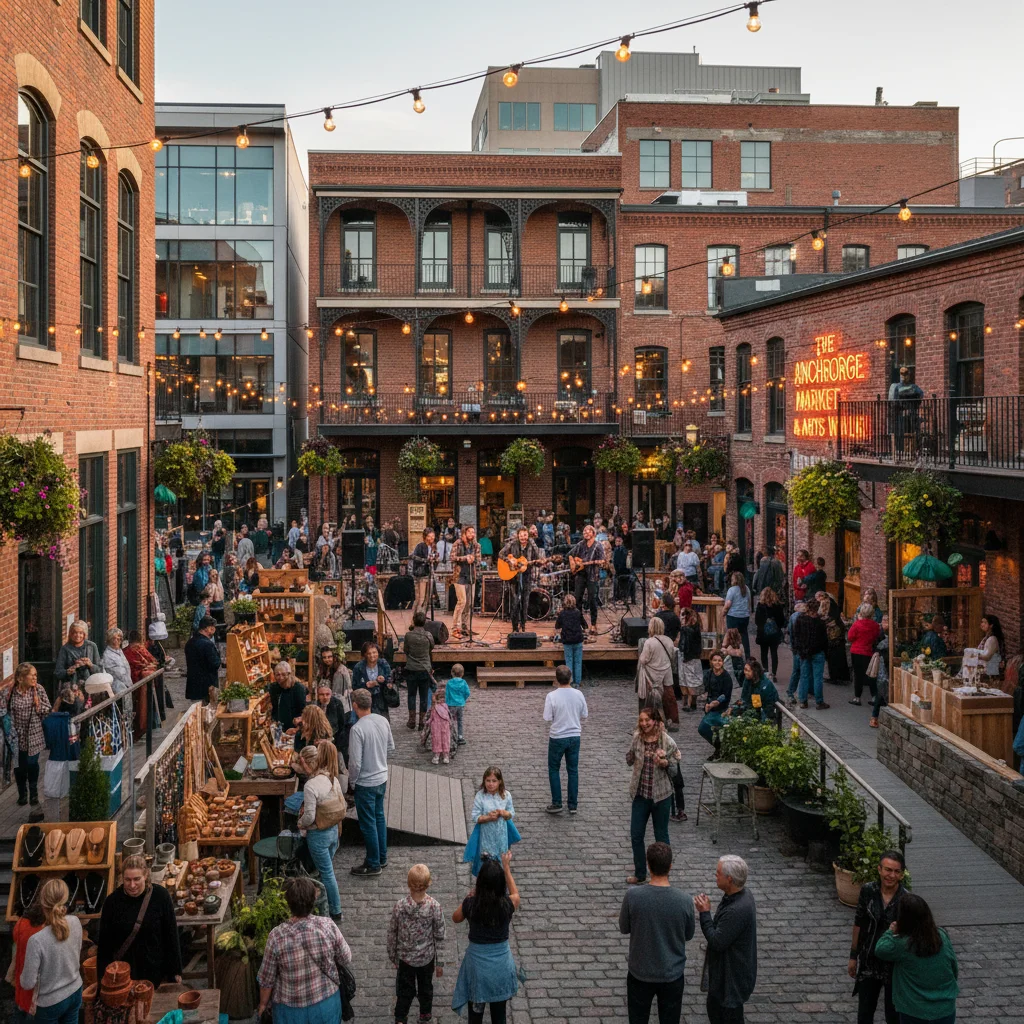
The four innovative community projects highlighted above – The Green Ribbon Park Network in Portland, Innovation Square in Austin, The Harvest Hub in Detroit, and The Waterfront Commons in Seattle – represent a powerful trend in urban development across the United States in 2026. These initiatives are not isolated incidents but rather part of a broader movement to create more livable, sustainable, and equitable cities. They demonstrate that public spaces are not merely static canvases but dynamic environments that can be actively shaped by the communities they serve. The success of these projects hinges on several common principles: deep community engagement, innovative design, a commitment to sustainability, and a holistic understanding of urban challenges. By involving residents in the planning and implementation phases, these projects foster a sense of ownership and ensure that the spaces truly meet local needs and aspirations. This participatory approach transforms passive users into active stewards, ensuring the long-term vitality and relevance of the public spaces. Furthermore, these projects showcase a conscious effort to integrate environmental sustainability into their core design. From green infrastructure and ecological restoration to urban agriculture and smart technologies, they are leading the way in creating resilient urban environments that can adapt to the challenges of climate change. This focus on sustainability not only benefits the environment but also improves the quality of life for residents by providing healthier air, cleaner water, and more vibrant natural areas. The economic and social impacts of these transformative public spaces are immense. They stimulate local economies by creating jobs, attracting tourism, and fostering innovation. They enhance social cohesion by providing platforms for interaction, cultural exchange, and community building. They improve public health by offering opportunities for recreation, access to healthy food, and a greater connection to nature. These projects prove that investing in public spaces is an investment in the overall well-being and prosperity of a city. As we look towards the future, the lessons learned from these pioneering community projects will undoubtedly inspire countless other cities and towns to embark on similar journeys. The vision of a city where every resident has access to beautiful, functional, and meaningful public spaces is not just an ideal; it is a tangible reality being built, piece by piece, by dedicated communities across the nation. The ongoing evolution of public spaces is a testament to our collective capacity for creativity, collaboration, and commitment to building a better future for all. These initiatives remind us that the most impactful changes often begin at the local level, driven by the passion and dedication of community members who envision a more vibrant, connected, and sustainable world. The year 2026 is merely a snapshot in this ongoing evolution, but it highlights a period of significant achievement and sets a powerful precedent for the decades to come. The transformative power of shared spaces will continue to be a driving force in shaping our urban landscapes, creating legacies that benefit generations to come and reinforcing the idea that a strong community is built upon strong, accessible, and beloved public places.