Green Building Materials 2026: Eco-Friendly Home Construction
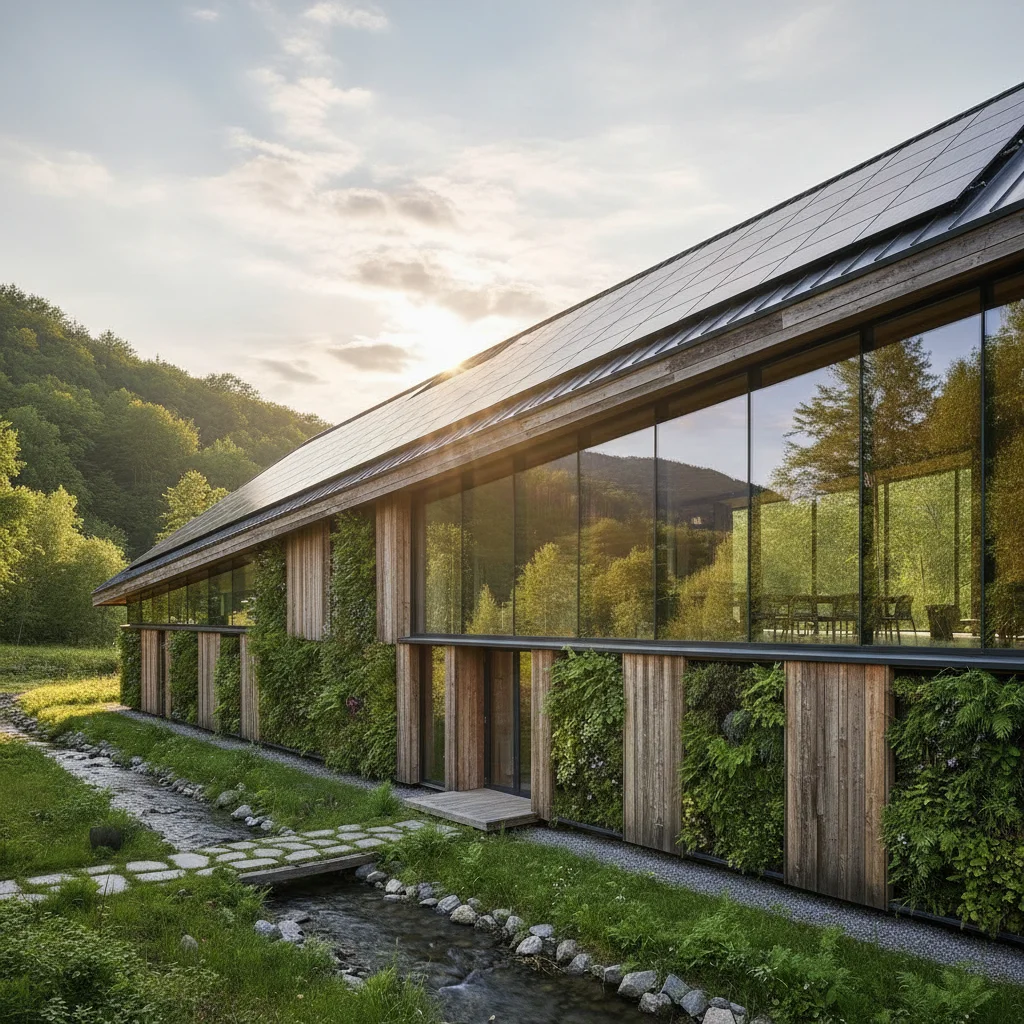
The Latest in Green Building Materials for 2026: How US Homeowners Can Reduce Environmental Impact by 20% with Smart Choices
As we approach 2026, the demand for sustainable living continues to grow, and with it, the innovation in green building materials. For US homeowners, embracing these advancements isn’t just about environmental stewardship; it’s about creating healthier, more energy-efficient, and ultimately more valuable homes. The good news? Reducing your home’s environmental impact by a significant 20% is not only achievable but becoming increasingly accessible through smart material choices and forward-thinking construction practices.
The construction industry is a major contributor to global greenhouse gas emissions and waste. However, a revolution is underway, driven by a commitment to sustainability and a desire for better long-term performance. This article delves into the cutting-edge green building materials expected to dominate the market in 2026, offering practical insights for homeowners looking to make a tangible difference. We’ll explore everything from structural components to insulation, finishes, and smart technologies that work in harmony with these materials.
The Imperative for Green Building Materials: Why Now?
The urgency to adopt green building materials stems from multiple factors. Climate change is at the forefront, with extreme weather events becoming more frequent and intense. Buildings account for a substantial portion of global energy consumption and carbon emissions, making the residential sector a critical area for intervention. Beyond climate, there’s a growing awareness of indoor air quality and the health impacts of traditional building materials, which often contain volatile organic compounds (VOCs) and other harmful substances.
Moreover, the economic benefits are undeniable. Homes constructed with green building materials often boast lower utility bills due to superior insulation and energy efficiency. They can also command higher resale values and qualify for various tax incentives and rebates. For US homeowners, investing in sustainable construction is a long-term strategy that pays dividends for both the planet and their pocketbook.
The year 2026 marks a pivotal moment where technological advancements, increased consumer awareness, and supportive policies converge to make sustainable home building not just an aspiration, but a practical reality. Understanding the landscape of these innovative materials is the first step towards building a greener future.
Structural Innovations: Building Strong and Sustainable Foundations
The very bones of a house offer significant opportunities for sustainability. Traditional concrete and steel production are energy-intensive, but new alternatives are emerging that provide comparable strength with a far lighter environmental footprint.
Cross-Laminated Timber (CLT) and Mass Timber Products
Cross-Laminated Timber (CLT) is perhaps one of the most exciting developments in structural green building materials. Made by gluing layers of solid lumber together with the grain of each layer perpendicular to the next, CLT panels offer exceptional strength, stability, and fire resistance. Unlike traditional timber framing, CLT can be used for entire building structures, including walls, floors, and roofs, even in multi-story buildings.
- Carbon Sequestration: Wood naturally sequesters carbon dioxide from the atmosphere, making mass timber a carbon-negative material if sourced from sustainably managed forests.
- Reduced Construction Time: CLT panels are prefabricated off-site, leading to faster assembly times and reduced labor costs on site.
- Thermal Performance: Wood has inherent insulating properties, contributing to better energy efficiency.
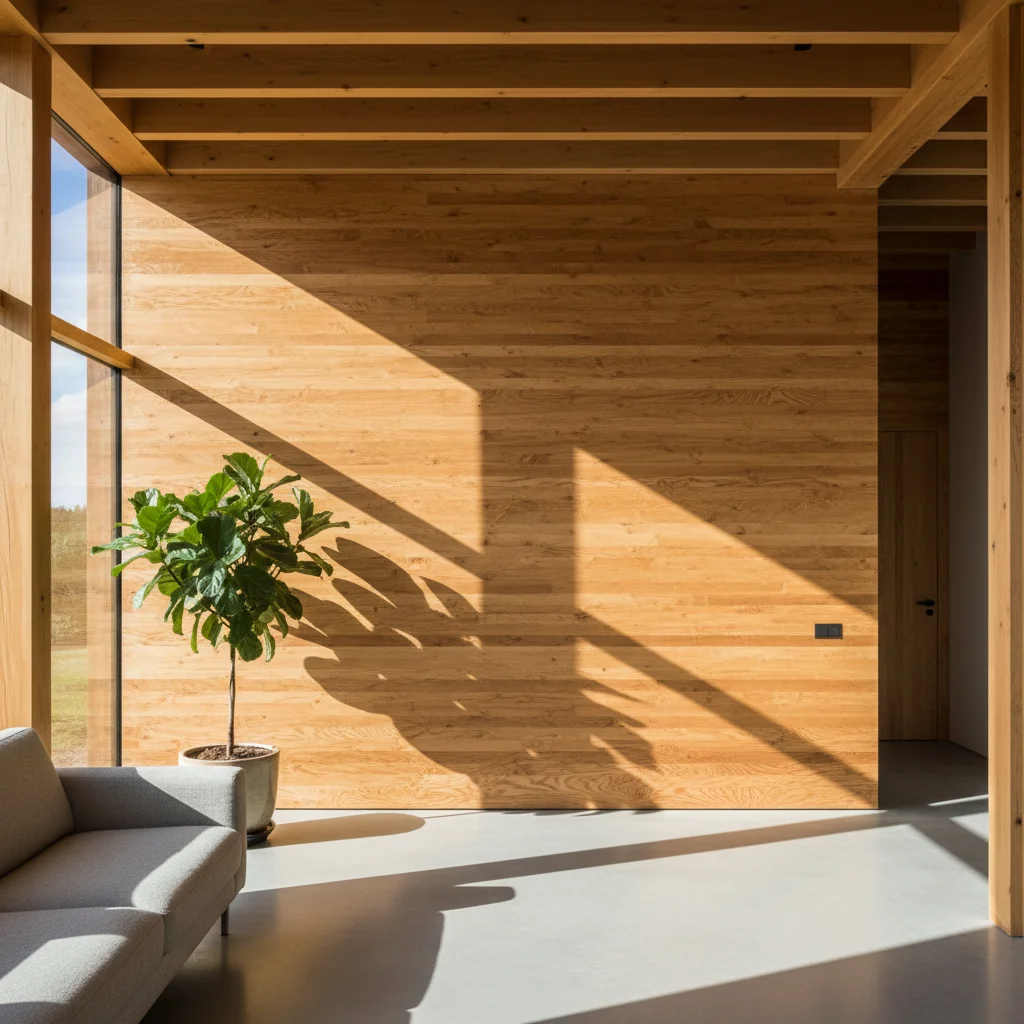
- Aesthetics: The exposed wood surfaces offer a warm, natural aesthetic that many homeowners desire.
For 2026, expect to see an increase in the availability and affordability of CLT and other mass timber products, making them a viable option for a wider range of residential projects across the US. Homeowners can ask their architects and builders about incorporating these robust and eco-friendly structural elements.
Hempcrete and Mycelium Blocks
Beyond timber, more experimental but rapidly developing structural green building materials include Hempcrete and Mycelium blocks.
- Hempcrete: A biocomposite material made from hemp hurds (the woody core of the hemp plant), lime, and water. It’s lightweight, breathable, and offers excellent thermal and acoustic insulation. While not load-bearing on its own, it works wonderfully as infill in a timber frame, providing insulation and structural support. Its carbon-negative footprint and ability to regulate humidity make it an ideal choice for healthy homes.
- Mycelium Blocks: Derived from the root structure of fungi, mycelium can be grown into various shapes and densities, offering a biodegradable and rapidly renewable alternative to traditional insulation and even some structural components. Research is ongoing, but by 2026, we may see more widespread applications for these fascinating, ‘grown’ materials.
These materials represent the forefront of sustainable innovation, offering homeowners truly groundbreaking ways to build with minimal environmental impact.
Advanced Insulation: The Key to Energy Efficiency
Insulation is paramount to a home’s energy performance. Superior insulation reduces the need for heating and cooling, directly translating to lower energy consumption and a smaller carbon footprint. The next generation of green building materials for insulation focuses on recycled content, natural fibers, and advanced thermal properties.
Recycled Denim and Cellulose Insulation
Moving beyond traditional fiberglass, recycled denim and cellulose insulation are gaining significant traction.
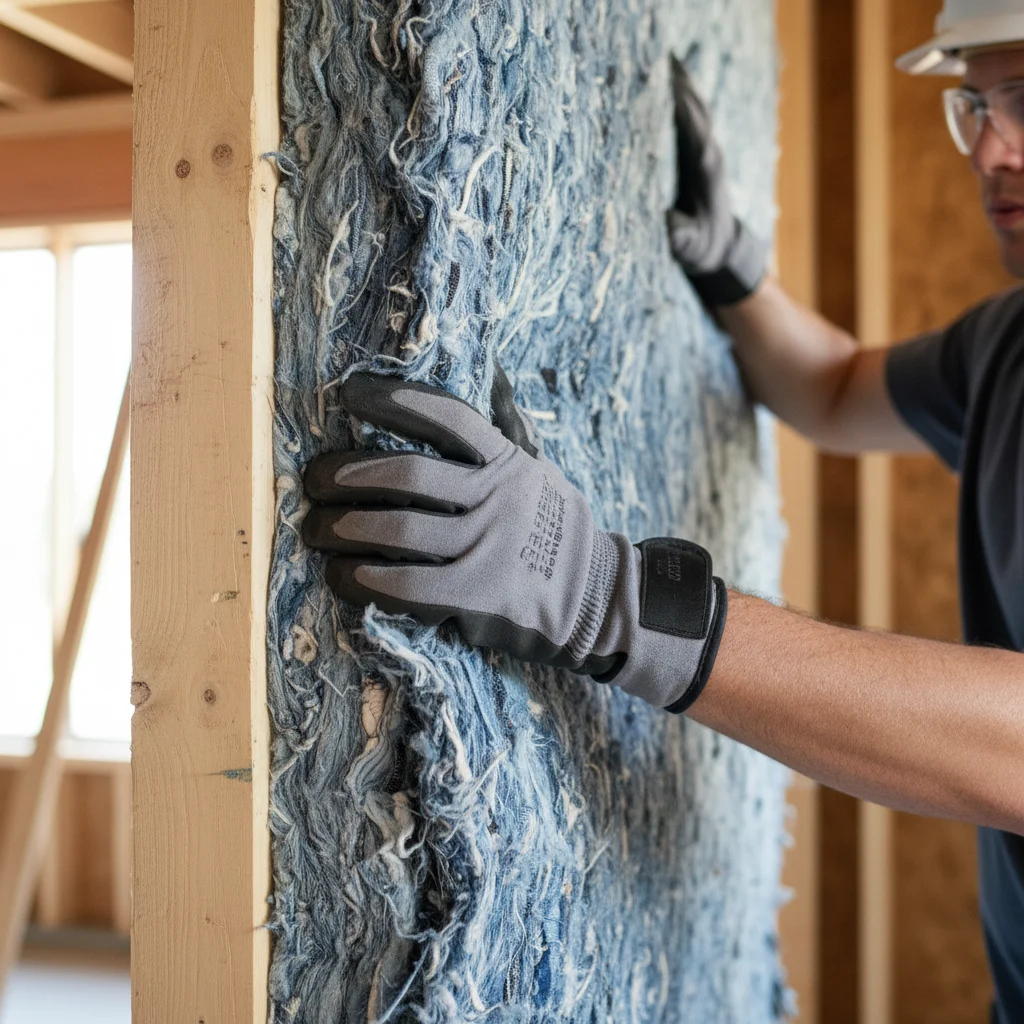
- Recycled Denim Insulation: Made from post-industrial and post-consumer denim scraps, this insulation is remarkably effective, non-toxic, and itch-free. It has excellent R-values (a measure of thermal resistance) and contributes to a significantly healthier indoor environment.
- Cellulose Insulation: Predominantly made from recycled paper products, cellulose insulation is treated with fire retardants and pest deterrents. It can be blown into wall cavities and attics, forming a dense, seamless thermal barrier that outperforms many traditional options.
Both options divert waste from landfills and require less energy to produce than conventional insulation materials, making them excellent choices for homeowners prioritizing green building materials.
Aerogel and Vacuum Insulated Panels (VIPs)
For homeowners seeking the pinnacle of thermal performance, especially in space-constrained areas, Aerogel and Vacuum Insulated Panels (VIPs) are becoming more accessible.
- Aerogel: Often referred to as ‘frozen smoke,’ aerogel is one of the lightest and most effective insulating materials known. While historically expensive, manufacturing costs are decreasing, making it a viable option for high-performance applications where maximum R-value with minimal thickness is required.
- Vacuum Insulated Panels (VIPs): These panels consist of a rigid core material that is evacuated of air and sealed within an airtight envelope. They offer R-values significantly higher than conventional insulation materials, though they require careful installation to maintain their vacuum. VIPs are excellent for critical areas like foundations or specialized wall assemblies.
These advanced insulation green building materials represent a significant leap forward in achieving ultra-low energy homes.
Sustainable Exteriors: Roofing, Siding, and Windows
The exterior of your home is its first line of defense against the elements and a major factor in its energy performance. Selecting sustainable options for roofing, siding, and windows can dramatically reduce maintenance, improve efficiency, and enhance curb appeal.
Cool Roofs and Green Roofs
- Cool Roofs: Designed to reflect more sunlight and absorb less heat than traditional dark roofs, cool roofs significantly reduce a home’s cooling load. Materials include highly reflective paints, tiles, and membranes. By 2026, expect even more efficient and aesthetic options to become standard, especially in warmer climates.
- Green Roofs (Living Roofs): These roofs are partially or completely covered with vegetation planted over a waterproofing membrane. They offer exceptional insulation, manage stormwater runoff, improve air quality, and provide habitat for local wildlife. While a larger investment, green roofs offer unparalleled environmental benefits and aesthetic appeal, becoming increasingly popular in urban and suburban settings.
Recycled Content Siding and Rain Screens
Siding options are also evolving to be more sustainable:
- Recycled Composite Siding: Made from a blend of recycled wood fibers and plastics, these sidings are durable, low-maintenance, and mimic the look of natural wood without the environmental impact or upkeep.
- Fiber Cement Siding: While not new, advancements in fiber cement formulation now include more recycled content and lower-VOC processes, maintaining its durability and fire resistance.
- Rain Screen Systems: While a construction method rather than a material, rain screens work by creating a ventilated air cavity between the exterior cladding and the building’s weather barrier. This significantly improves moisture management and thermal performance, extending the life of the building and reducing energy consumption. They can be used with a variety of sustainable cladding materials.
High-Performance Windows and Smart Glass
Windows are notorious for heat loss and gain. Modern green building materials for windows focus on maximizing natural light while minimizing energy transfer.
- Triple-Pane Glazing: Offers superior insulation compared to double-pane, often filled with inert gases like argon or krypton to further reduce heat transfer.
- Low-Emissivity (Low-E) Coatings: These microscopic coatings reflect infrared light, keeping heat inside during winter and outside during summer, without significantly affecting visible light transmission.
- Smart Glass (Electrochromic Glass): This innovative technology allows homeowners to dynamically control the tint of their windows, adjusting transparency and heat gain with the flick of a switch or an automated system. While still premium, costs are expected to decrease by 2026, making it a powerful tool for energy management and comfort.
Interior Finishes: Health, Beauty, and Sustainability
The inside of your home is where you spend most of your time, making healthy and sustainable interior finishes crucial. These green building materials contribute to better indoor air quality and a reduced environmental footprint.
Low-VOC Paints and Natural Plasters
Traditional paints and finishes often release harmful VOCs into the air for years after application. Low-VOC and zero-VOC alternatives are now widely available and perform just as well, if not better.
- Natural Paints: Derived from plant oils, resins, and mineral pigments, these paints are biodegradable and non-toxic, offering a truly natural finish.
- Clay and Lime Plasters: These traditional materials are making a comeback. They are breathable, naturally regulate humidity, and can even absorb toxins from the air. Their unique textures and natural color variations offer a beautiful, earthy aesthetic.
Bamboo and Reclaimed Wood Flooring
Flooring is a significant surface area in any home, and sustainable options are both durable and attractive.
- Bamboo Flooring: A rapidly renewable grass, bamboo is incredibly hard and durable, making it an excellent alternative to traditional hardwood. Look for sustainably harvested and low-VOC adhesive options.
- Reclaimed Wood Flooring: Sourced from old barns, factories, or demolished buildings, reclaimed wood carries a rich history and unique character. Using it prevents new trees from being cut down and reduces waste.
- Cork Flooring: Harvested from the bark of cork oak trees without harming the tree, cork is renewable, soft underfoot, naturally insulating, and offers excellent acoustic properties.
Recycled Glass Countertops and Bio-Based Resins
Kitchens and bathrooms can also benefit from sustainable material choices:
- Recycled Glass Countertops: Made from crushed recycled glass embedded in a resin binder, these countertops are beautiful, durable, and come in a vast array of colors and patterns.
- Bio-Based Resins: For various applications, from countertops to decorative panels, resins derived from plant-based polymers (e.g., soy, corn) are offering lower-carbon alternatives to petroleum-based plastics.
Integrating Smart Technology for Enhanced Sustainability
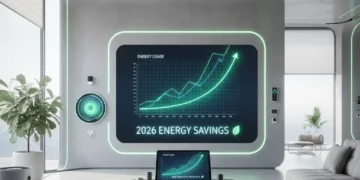
While not strictly green building materials, smart home technologies play a crucial role in maximizing the efficiency and environmental benefits of these materials. By 2026, the integration of AI and automation will be seamless, allowing homeowners to finely tune their energy consumption.
- Smart Thermostats and Zoning Systems: Learn your habits and optimize heating and cooling, preventing wasted energy.
- Smart Lighting: LED lighting combined with occupancy sensors and daylight harvesting systems can drastically reduce electricity consumption for illumination.
- Energy Monitoring Systems: Provide real-time data on energy usage, empowering homeowners to identify inefficiencies and make informed decisions.
- Integrated Building Management Systems (BMS): For more advanced homes, a BMS can orchestrate all these systems, from ventilation to window tinting, creating a perfectly optimized living environment.
These technologies amplify the impact of green building materials, turning a sustainable house into a truly high-performance eco-home.
Water Conservation: Beyond Materials
Reducing environmental impact also extends to water usage. While not directly green building materials, incorporating water-saving fixtures and systems complements a sustainable home.
- Low-Flow Fixtures: Toilets, showerheads, and faucets designed to use significantly less water without sacrificing performance.
- Rainwater Harvesting Systems: Collect rainwater from the roof for irrigation, toilet flushing, or even potable use after proper filtration.
- Greywater Recycling Systems: Treat water from showers, sinks, and laundry for reuse in irrigation or toilet flushing, reducing demand on fresh water supplies.
- Drought-Tolerant Landscaping: Choosing native and water-wise plants for your garden can dramatically cut down on outdoor water consumption.
By implementing these strategies alongside advanced green building materials, homeowners can achieve a comprehensive approach to environmental impact reduction.
The Path to a 20% Reduction: A Homeowner’s Guide
Achieving a 20% reduction in your home’s environmental footprint by 2026 is an ambitious yet entirely attainable goal. Here’s how homeowners can approach it:
- Assess Your Current Footprint: Start by understanding your current energy and water consumption. An energy audit can pinpoint areas of inefficiency.
- Prioritize High-Impact Changes: Focus on upgrades that offer the biggest returns. Often, improving insulation, sealing air leaks, and upgrading windows are excellent starting points.
- Research and Plan: Educate yourself on the green building materials discussed. Consult with architects, builders, and contractors who specialize in sustainable construction.
- Phased Approach: You don’t have to do everything at once. Many homeowners choose to implement changes incrementally, perhaps starting with a new roof or insulation, then moving to interior finishes.
- Leverage Incentives: Research federal, state, and local incentives, tax credits, and rebates available for energy-efficient upgrades and the use of sustainable materials.
- Consider Lifecycle Costs: While some green building materials might have a higher upfront cost, their durability, low maintenance, and energy savings often result in a lower total cost of ownership over the home’s lifespan.
- Demand Transparency: Ask manufacturers and suppliers for documentation regarding the environmental impact of their products, including embodied carbon data.
Every choice, from the smallest paint can to the largest structural beam, contributes to the overall environmental performance of your home. By consciously choosing green building materials, you are not only building a better home for yourself but contributing to a healthier planet for everyone.
Challenges and Opportunities for Green Building Materials in 2026
While the outlook for green building materials is overwhelmingly positive, there are still challenges to address. One significant hurdle is the initial cost, which can sometimes be higher than conventional materials, though this gap is rapidly closing. Awareness and education are also key; many homeowners and even some builders are still unfamiliar with the full range of sustainable options and their long-term benefits.
However, these challenges present opportunities. Increased demand will drive down costs through economies of scale and further innovation. Policy support, such as stricter building codes and greater incentives, will accelerate adoption. The growing contingent of skilled labor trained in sustainable construction practices will make these projects more feasible and efficient.
By 2026, the market for green building materials is expected to be more robust, competitive, and innovative than ever before. This creates a fertile ground for homeowners to truly transform their living spaces into models of environmental responsibility.
Conclusion: Building a Sustainable Future, One Home at a Time
The future of home construction is undeniably green. The advancements in green building materials by 2026 offer US homeowners an unprecedented opportunity to significantly reduce their environmental impact, enhance their quality of life, and increase the value of their properties. From structural innovations like CLT to advanced insulations, sustainable exteriors, and healthy interior finishes, the choices are abundant and effective.
By making informed decisions and embracing these cutting-edge materials and technologies, homeowners can contribute to a healthier planet, enjoy substantial energy savings, and live in more comfortable, durable, and resilient homes. The journey to a 20% reduction in environmental footprint begins with understanding and choosing the right green building materials. The time to build better is now.