Reducing Your Carbon Footprint by 10% in 6 Months: Actionable Steps for US Consumers
Reducing Your Carbon Footprint by 10% in 6 Months: Actionable Steps for US Consumers
In an era where environmental concerns are at the forefront of global discussions, the concept of a carbon footprint has gained significant traction. For many US consumers, the idea of reducing their personal impact on the planet might seem daunting, an insurmountable task requiring drastic lifestyle changes. However, what if we told you that achieving a tangible 10% reduction in your carbon footprint within just six months is not only possible but also surprisingly achievable? This comprehensive guide is designed to empower you with actionable, practical steps that can lead to significant environmental benefits, all while potentially saving you money and improving your quality of life. Our focus is on empowering you to effectively reduce carbon footprint in your daily life.
The urgency to address climate change has never been greater. Scientific consensus points to human activities, particularly the emission of greenhouse gases, as the primary driver of global warming. These gases trap heat in the atmosphere, leading to a myriad of environmental problems, including rising sea levels, extreme weather events, and disruptions to ecosystems. While large-scale governmental and industrial changes are crucial, individual actions collectively contribute to a powerful ripple effect. Every step taken to reduce carbon footprint, no matter how small it seems, adds up to a substantial positive impact.
This article will delve into various aspects of daily life where you can make a difference: from your home energy consumption to your dietary choices, from how you travel to what you buy. We will provide specific, measurable goals and practical advice, ensuring that by the end of six months, you can proudly say you have made a significant contribution to a more sustainable future. Let’s embark on this journey to effectively reduce carbon footprint and build a greener tomorrow, together.
Understanding Your Current Carbon Footprint
Before you can effectively reduce carbon footprint, it’s essential to understand what it is and how it’s calculated. Your carbon footprint is the total amount of greenhouse gases (including carbon dioxide, methane, nitrous oxide, and fluorinated gases) that are generated by your actions. It’s usually expressed in tons of carbon dioxide equivalent (CO2e) per year. This includes emissions from your electricity use, transportation, food consumption, and the products and services you buy.
Several online carbon footprint calculators can help you estimate your current impact. Websites like the EPA’s Household Carbon Footprint Calculator or those provided by non-profits like The Nature Conservancy offer user-friendly interfaces that ask questions about your home energy use, transportation habits, diet, and waste generation. Taking 15-30 minutes to complete one of these calculators will give you a baseline, a starting point from which you can measure your 10% reduction goal. This initial assessment is a crucial first step in any effort to reduce carbon footprint effectively.
Understanding your footprint isn’t just about getting a number; it’s about identifying the biggest contributors to your emissions. For many US consumers, home energy consumption (heating, cooling, electricity) and transportation (driving, flying) are often the largest categories. Food choices, particularly the consumption of meat and dairy, also play a significant role. Once you know where your biggest impacts lie, you can prioritize your efforts for the most effective reduction. This targeted approach will help you maximize your efforts to reduce carbon footprint.
Month 1-2: Home Energy Efficiency – The Low-Hanging Fruit
Your home is a significant source of emissions, primarily through electricity and heating/cooling. Fortunately, many energy-saving measures are relatively easy to implement and offer immediate benefits, both for the environment and your wallet. These initial steps are fundamental to any strategy to reduce carbon footprint.
Lighting the Way: LEDs and Smart Plugs
One of the simplest yet most impactful changes is switching to LED lighting. LEDs use up to 90% less energy than traditional incandescent bulbs and last significantly longer. Replacing just your most frequently used bulbs can lead to noticeable energy savings. Furthermore, consider smart plugs for electronics. Many devices, even when turned off, draw standby power (phantom load). Smart plugs allow you to completely cut power to these devices when not in use, eliminating wasted energy. This small change can surprisingly contribute to your goal to reduce carbon footprint.
Insulation and Sealing: Keeping the Good In
A well-insulated and sealed home is an energy-efficient home. Check for drafts around windows and doors and seal them with weatherstripping or caulk. Adding insulation to your attic or walls, if needed, can drastically reduce your heating and cooling demands. These improvements prevent conditioned air from escaping, meaning your HVAC system doesn’t have to work as hard, thus consuming less energy. This is a significant step in reducing your overall energy consumption and helping to reduce carbon footprint.
Thermostat Management: Smart Choices for Smart Savings
Programmable or smart thermostats are excellent tools for managing your home’s temperature more efficiently. Set your thermostat a few degrees lower in winter and a few degrees higher in summer when you’re away or asleep. Even a 1-2 degree adjustment can lead to significant energy savings over time. Smart thermostats can learn your habits and adjust automatically, optimizing comfort while minimizing energy waste. This intelligent approach to temperature control directly helps to reduce carbon footprint.

Appliance Efficiency: Unplugging and Upgrading
Be mindful of your appliance usage. Always run full loads in your washing machine and dishwasher. Air-dry clothes when possible. When it’s time to replace an old appliance, look for Energy Star certified models, which are designed to be more energy-efficient than conventional models. Unplug chargers and small appliances when not in use, as they can still draw power. These small habits collectively contribute to a lower energy bill and a smaller carbon footprint. Every kilowatt-hour saved is a step towards helping to reduce carbon footprint.
Month 3-4: Transportation and Travel – Moving Towards Greener Paths
Transportation is another major contributor to individual carbon footprints. Rethinking how you get around can lead to substantial reductions in emissions. This phase focuses on strategies to reduce carbon footprint related to your commute and travel habits.
Driving Smarter: Less Fuel, Less Emissions
If driving is a necessity, adopt eco-driving habits. Avoid rapid acceleration and braking, maintain a steady speed, and ensure your tires are properly inflated. These practices improve fuel efficiency, reducing the amount of gasoline you burn. Combine errands into a single trip to minimize driving distance. For shorter distances, consider walking or cycling instead of driving. Even a few car-free trips a week can make a difference in your effort to reduce carbon footprint.
Embracing Public Transportation and Carpooling
Where available, utilize public transportation. Buses, trains, and subways are significantly more carbon-efficient per passenger mile than individual cars. If public transport isn’t an option, carpooling with colleagues or friends for commutes or social outings can drastically cut down on individual emissions. Each car full of people means fewer cars on the road, leading to less congestion and lower overall emissions. This collective action is powerful in helping to reduce carbon footprint on a larger scale.
The Electric Vehicle Revolution: A Long-Term Goal
While a significant investment, considering an electric vehicle (EV) for your next car purchase is a powerful long-term step to reduce carbon footprint. EVs produce zero tailpipe emissions, and as the electricity grid becomes greener, their overall lifecycle emissions continue to decrease. Even hybrid vehicles offer a substantial improvement in fuel efficiency compared to traditional gasoline cars. Researching incentives and charging infrastructure can help you plan for this impactful transition.
Rethinking Air Travel: Fewer Flights, Smarter Choices
Air travel has a disproportionately high carbon impact. For non-essential trips, consider alternatives like train travel, which is often more carbon-efficient. If flying is unavoidable, look for airlines that invest in sustainable aviation fuels or carbon offset programs (though it’s important to research the effectiveness and legitimacy of these programs). Reducing the frequency of flights, especially long-haul ones, is one of the most effective ways to reduce carbon footprint from travel.
Month 5-6: Food, Consumption, and Waste – Holistic Sustainability
The final two months focus on broadening your sustainable practices to include your food choices, consumption habits, and waste management. These areas offer significant opportunities to further reduce carbon footprint.
Dietary Choices: Eating for the Planet
Your diet has a surprisingly large carbon footprint. The production of meat, especially beef and lamb, is very resource-intensive and generates significant greenhouse gas emissions. Incorporating more plant-based meals into your diet is one of the most effective individual actions you can take to reduce carbon footprint. Even going meatless one or two days a week can make a substantial difference. Focus on seasonal, locally sourced produce to reduce emissions associated with transportation and storage.
Reducing Food Waste: Every Scraps Counts
Food waste is a major environmental problem. When food rots in landfills, it produces methane, a potent greenhouse gas. Plan your meals, buy only what you need, and store food properly to extend its shelf life. Compost food scraps instead of sending them to the landfill. Many municipalities offer composting programs, or you can start a backyard compost pile. Reducing food waste directly helps to reduce carbon footprint associated with food production and disposal.
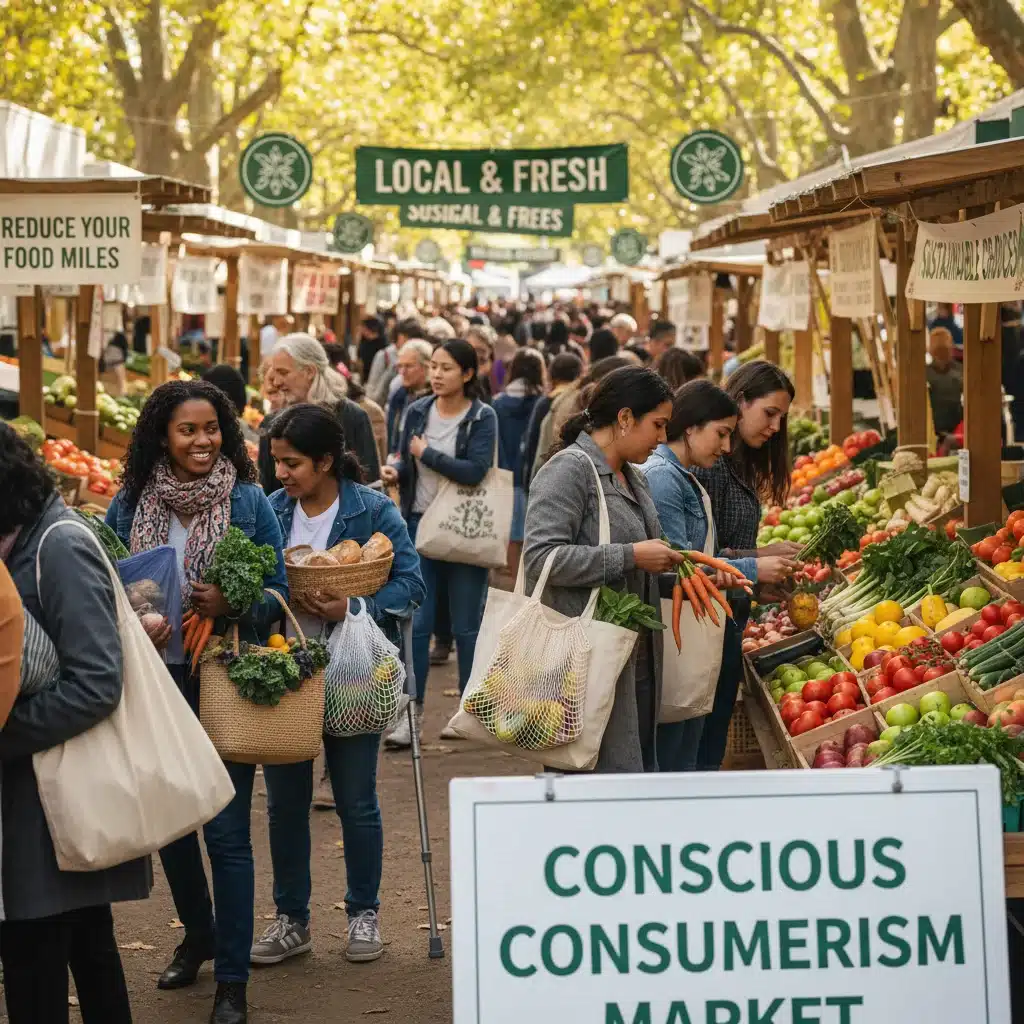
Conscious Consumption: Buy Less, Buy Better
The products we buy have a hidden carbon footprint, from manufacturing to transportation. Before making a purchase, ask yourself if you truly need it. Choose durable, long-lasting products over disposable ones. Support companies with strong sustainability practices and transparent supply chains. Embrace the ‘reduce, reuse, recycle’ mantra. Repair items instead of replacing them. When you do buy, consider second-hand options. Mindful consumption is a powerful way to reduce carbon footprint related to goods and services.
Waste Management: Beyond the Recycling Bin
While recycling is important, reducing and reusing are even more impactful. Minimize packaging by buying in bulk or choosing products with minimal or recyclable packaging. Carry reusable bags, water bottles, and coffee cups. Avoid single-use plastics whenever possible. Understand your local recycling guidelines to ensure you’re recycling correctly. Proper waste management is a critical component of any effort to reduce carbon footprint.
Measuring Your Progress and Staying Motivated
After six months of implementing these changes, it’s time to re-evaluate your carbon footprint using the same calculator you used initially. You should see a measurable reduction, ideally at least 10%. Don’t be discouraged if you don’t hit the exact 10% mark; any reduction is a positive step. The goal is continuous improvement. Regularly reviewing your habits and seeking new ways to reduce carbon footprint will keep you on track.
Staying motivated is key to long-term success. Celebrate your achievements, no matter how small. Share your journey with friends and family; their support can be invaluable, and you might even inspire them to make changes themselves. Join local environmental groups or online communities for inspiration and shared knowledge. The collective effort of individuals striving to reduce carbon footprint can create significant change.
Remember that reducing your carbon footprint is not about perfection, but about progress. It’s a continuous journey of learning, adapting, and making conscious choices that align with a more sustainable lifestyle. Every small habit change, every thoughtful purchase, and every conscious decision contributes to a larger positive impact on our planet.
The Broader Impact: Beyond Personal Savings
While this guide focuses on individual actions, it’s important to recognize the broader impact of your efforts. By actively working to reduce carbon footprint, you are not only lessening your personal environmental impact but also sending a powerful message to businesses and policymakers. Consumer demand for sustainable products and services drives innovation and encourages companies to adopt greener practices. Your choices contribute to a shift in market trends, pushing industries towards more environmentally responsible operations.
Furthermore, by adopting sustainable habits, you become an advocate for change. Your actions can inspire your social circle, family, and community to consider their own environmental impact. Leading by example is a powerful form of activism. Discussions around sustainable living become normalized, fostering a collective consciousness about the importance of protecting our planet. This ripple effect multiplies the positive impact far beyond your individual carbon footprint reduction.
Finally, embracing a lifestyle focused on reducing your carbon footprint often leads to unexpected benefits. Many sustainable choices, such as walking or cycling, improve physical health. Cooking more at home with fresh, local ingredients can lead to healthier eating habits. Reducing consumption can free up financial resources and reduce clutter, leading to a more mindful and less stressful life. The journey to reduce carbon footprint is not just about environmental responsibility; it’s about building a richer, healthier, and more fulfilling life.
Conclusion: Your Role in a Sustainable Future
Reducing your carbon footprint by 10% in six months is an ambitious yet entirely achievable goal for US consumers. By systematically addressing home energy use, transportation habits, food choices, and consumption patterns, you can make a significant and measurable difference. The steps outlined in this guide – from switching to LEDs and sealing drafts to embracing public transport and adopting a more plant-rich diet – are practical, impactful, and often financially beneficial.
The journey to reduce carbon footprint is a testament to the power of individual action. While the scale of climate change can feel overwhelming, remember that every positive choice contributes to a larger solution. Your commitment to sustainability is an investment in a healthier planet for current and future generations. Start today, track your progress, and celebrate each step forward. Together, we can build a more sustainable and resilient future, one conscious choice at a time. Your actions matter, and by focusing on how to effectively reduce carbon footprint, you become a vital part of the solution to our planet’s most pressing environmental challenges.