Cut Kitchen Plastic by 40%: 8 Eco-Friendly Swaps for 2026
Cut Kitchen Plastic by 40%: 8 Eco-Friendly Swaps for 2026
The average American household generates a staggering amount of plastic waste each year, with a significant portion originating right from our kitchens. From plastic wrap and single-use bags to disposable containers and cleaning product bottles, plastic has infiltrated nearly every aspect of our culinary lives. But what if there was a way to significantly reduce this environmental burden, starting today? Imagine cutting your household’s kitchen plastic by a remarkable 40% by 2026. It’s not just a pipe dream; it’s an achievable goal with the right strategies and a commitment to sustainable living. This comprehensive guide will walk you through 8 practical, eco-friendly swaps that will help you reduce kitchen plastic and embrace a greener lifestyle.
The pervasive nature of plastic in our daily lives, particularly in the kitchen, has led to a global crisis. Microplastics are now found in our food, water, and even the air we breathe. Landfills are overflowing, and our oceans are choked with plastic debris, harming marine life and disrupting delicate ecosystems. The good news is that consumer awareness is growing, and with it, the demand for sustainable alternatives. By making conscious choices in our kitchens, we can collectively make a profound impact. This article focuses on tangible, actionable steps you can take to reduce kitchen plastic, focusing on products readily available in the US market and practical for everyday use.
Understanding the Plastic Problem in Your Kitchen
Before we dive into solutions, it’s crucial to understand the scope of the problem. Think about your last grocery trip. How many items came wrapped in plastic? Consider your pantry and refrigerator. Plastic containers, snack bags, condiment bottles – the list goes on. Even seemingly innocuous items like tea bags can contain plastic. The convenience offered by plastic has come at a steep environmental cost. Most plastics are not biodegradable, meaning they break down into smaller and smaller pieces, persisting in the environment for hundreds of years. Recycling, while important, isn’t a complete solution; only a small percentage of plastic is actually recycled, and the process itself can be resource-intensive.
The goal isn’t necessarily to eliminate all plastic overnight, but rather to make informed choices and gradually transition to more sustainable options. Our target of a 40% reduction by 2026 is ambitious yet achievable, focusing on high-impact areas where plastic use is most prevalent. By adopting these eco-friendly swaps, you’ll not only lessen your environmental footprint but also potentially save money in the long run, improve the aesthetic of your kitchen, and even enhance your health by reducing exposure to plastic chemicals.
The Road to a Plastic-Free Kitchen: 8 Practical Swaps
Let’s get started on your journey to significantly reduce kitchen plastic. These 8 swaps are designed to be practical, effective, and easily integrated into your existing kitchen routines.
1. Ditch Plastic Wrap for Reusable Food Covers and Beeswax Wraps
Plastic wrap is a ubiquitous item in most kitchens, used for covering leftovers, packing lunches, and keeping food fresh. However, its single-use nature makes it a significant contributor to plastic waste. The good news is there are fantastic alternatives.
- Beeswax Wraps: Made from cotton infused with beeswax, jojoba oil, and tree resin, these wraps are pliable, breathable, and naturally antibacterial. They can be molded around bowls, fruits, and sandwiches with the warmth of your hands. They are washable, reusable for up to a year (or even longer with proper care), and compostable at the end of their life.
- Silicone Lids and Stretch Covers: These come in various sizes and can stretch to fit over bowls, cups, and even cut produce. They create an airtight seal, are durable, dishwasher-safe, and incredibly versatile.
- Fabric Bowl Covers: Often made from cotton or linen, these covers have elastic edges and are perfect for covering rising dough, salads, or leftovers in bowls. They are washable and add a touch of charm to your kitchen.
Why this swap helps: Eliminates single-use plastic wrap, a common household plastic item that is difficult to recycle due to food contamination and its thin, clingy nature.
2. Replace Plastic Storage Containers with Glass or Stainless Steel
Plastic food storage containers are a staple, but they can leach chemicals into your food, stain, and degrade over time. Switching to glass or stainless steel is a healthier and more sustainable choice.
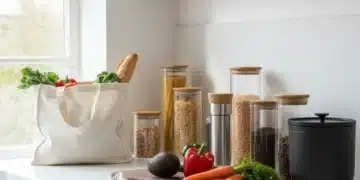
- Glass Containers: Borosilicate glass containers are durable, microwave-safe (without the lid), oven-safe (without the lid), dishwasher-safe, and won’t absorb food odors or stains. They are perfect for meal prepping, storing leftovers, and even baking.
- Stainless Steel Containers: Lightweight, virtually indestructible, and non-reactive, stainless steel containers are excellent for packed lunches, picnics, and dry food storage. Many come with silicone-sealed lids for leak-proof transport.
Why this swap helps: Reduces reliance on plastic that can leach chemicals, stains easily, and often needs frequent replacement. Glass and stainless steel are durable, long-lasting, and easily recyclable.
3. Opt for Reusable Produce Bags Instead of Single-Use Plastic Ones
Every trip to the grocery store often involves collecting a handful of thin, single-use plastic bags for fruits and vegetables. These bags are rarely recycled and quickly end up in landfills or polluting our environment.
- Mesh or Cotton Produce Bags: Keep a set of reusable mesh or cotton bags in your shopping tote. They are lightweight, breathable (which helps produce last longer), washable, and can be used repeatedly. Many stores are now accustomed to customers using their own bags.
Why this swap helps: Eliminates countless single-use plastic bags that are a major source of pollution and rarely recycled.
4. Choose Solid Dish Soap and Refillable All-Purpose Cleaners
The cleaning aisle is often a sea of plastic bottles. From dish soap to all-purpose cleaners, these single-use plastics contribute significantly to our waste stream. Thankfully, there are effective and eco-friendly alternatives.
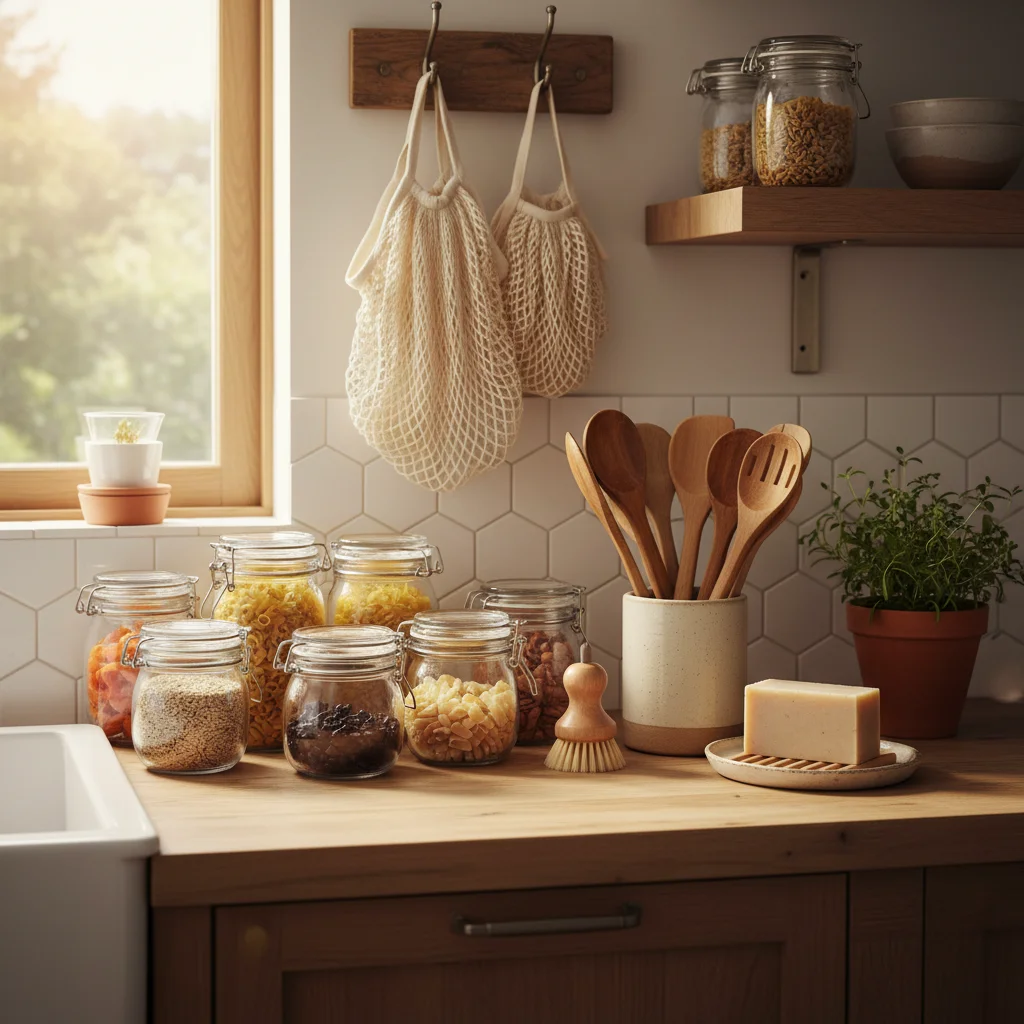
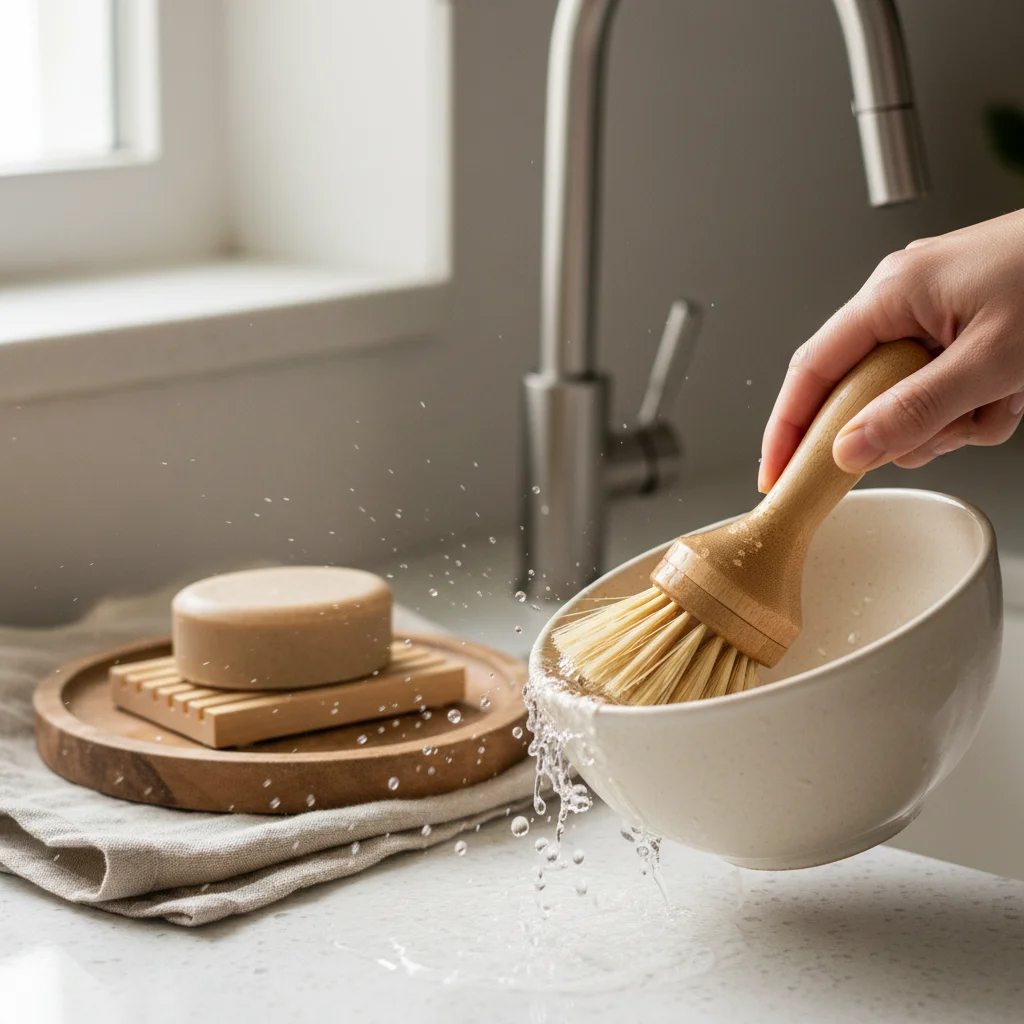
- Solid Dish Soap Bars: Just like a bar of hand soap, solid dish soap bars are highly concentrated and last a long time. Simply rub your brush or sponge on the bar to create suds. They often come in minimal, compostable packaging.
- Concentrated Cleaning Tablets/Powders: Many brands now offer cleaning tablets or powders that you simply dissolve in water in a reusable spray bottle. This eliminates the need to buy a new plastic bottle every time you run out of cleaner.
- DIY Cleaners: Simple ingredients like white vinegar, baking soda, lemon juice, and essential oils can create powerful and non-toxic cleaning solutions, often stored in glass spray bottles.
Why this swap helps: Dramatically reduces the number of single-use plastic bottles from cleaning products, which are often difficult to recycle due to chemical residues.
5. Replace Plastic Sponges and Brushes with Natural Alternatives
Many common kitchen cleaning tools, like conventional sponges, are made from plastic and synthetic fibers that shed microplastics and are not biodegradable. When they wear out, they head straight to the landfill.
- Compostable Sponges: Look for sponges made from natural cellulose, loofah, or coconut coir. These are highly effective, durable, and can be composted at the end of their life.
- Wooden or Bamboo Brushes: Dish brushes with wooden handles and natural bristles (like sisal or tampico fiber) are excellent for scrubbing. Many have replaceable heads, extending their lifespan and further reducing waste.
- Copper Scrubbers: For tough, baked-on messes, a copper scrubber is a durable, plastic-free alternative to steel wool or plastic scouring pads.
Why this swap helps: Eliminates plastic-based cleaning tools that shed microplastics and are not biodegradable, replacing them with natural, compostable, or long-lasting alternatives.
6. Choose Reusable Coffee Filters, Tea Bags, and Water Bottles
Our daily beverage habits can be surprisingly plastic-intensive. Single-use coffee pods, disposable tea bags (many contain plastic), and plastic water bottles all contribute significantly to waste.
- Reusable Coffee Filters: For drip coffee makers, French presses, or pour-overs, opt for stainless steel mesh or cloth coffee filters. They are washable and eliminate the need for paper filters (which are often bleached and can also contain microplastics).
- Loose Leaf Tea and Infusers: Switch from tea bags (many of which contain plastic) to loose leaf tea and use a stainless steel tea infuser or a reusable cotton tea bag. This often results in a higher quality, more flavorful brew too!
- Reusable Water Bottles: This is perhaps one of the easiest and most impactful swaps. Invest in a high-quality stainless steel or glass water bottle and carry it with you. Access to tap water is readily available in most places, making this a no-brainer.
Why this swap helps: Drastically cuts down on single-use items like plastic coffee pods, plastic-containing tea bags, and disposable plastic water bottles, which are prolific sources of waste.
7. Start a Composting System for Food Scraps
While not directly a plastic swap, composting significantly reduces the amount of waste going to landfills, freeing up space and reducing the burden on waste management systems. It also reduces the need for plastic garbage bags to haul food waste.
- Countertop Compost Bins: Small, attractive bins with charcoal filters can sit on your counter, collecting fruit and vegetable scraps, coffee grounds, and tea bags.
- Outdoor Compost Bins: For those with yards, a larger outdoor compost bin can handle more volume and break down a wider range of organic materials.
- Community Composting: If you don’t have space for your own bin, check for local community composting programs or food scrap drop-off points.
Why this swap helps: Reduces the overall volume of waste sent to landfills and can decrease reliance on plastic garbage bags for food waste. It also creates valuable soil amendment.
8. Buy in Bulk and Choose Products with Minimal Packaging
The packaging of the products we buy is a major source of plastic waste. By consciously choosing how and where we buy, we can make a significant difference.
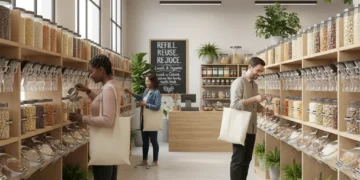
- Bulk Bins: Seek out grocery stores with bulk sections where you can fill your own reusable containers or cloth bags with grains, nuts, seeds, pasta, dried fruits, and even some liquids like oils or soaps.
- Farmer’s Markets: Shopping at farmer’s markets often means less packaging, and you can bring your own reusable bags for produce. You can also directly ask farmers about their packaging practices.
- Minimalist Packaging: When buying packaged goods, opt for items in glass jars, cardboard boxes, or cans over plastic. Choose larger sizes when possible to reduce the amount of packaging per unit.
- DIY Staples: Consider making some of your own kitchen staples like bread, yogurt, sauces, or snacks. This gives you complete control over ingredients and packaging.
Why this swap helps: Directly tackles the root cause of plastic waste by reducing the amount of plastic packaging entering your home, leading to a substantial decrease in overall plastic consumption.
Implementing Your Plastic Reduction Plan: Tips for Success
Making these changes doesn’t have to be overwhelming. Here are some tips to help you successfully reduce kitchen plastic:
- Start Small: Don’t try to overhaul your entire kitchen overnight. Pick one or two swaps that feel manageable and implement them. Once those become habits, add more.
- Educate Yourself: Learn about different types of plastics, what can and cannot be recycled in your area, and the environmental impact of your choices.
- Invest Wisely: While some eco-friendly alternatives might have a higher initial cost, they often last much longer than their plastic counterparts, saving you money in the long run. Think of them as investments.
- Repurpose Before You Buy: Before buying new storage containers, look around your house. Can glass jars from sauces or pickles be cleaned and reused?
- Communicate Your Choices: Share your journey with family and friends. You might inspire them to make similar changes.
- Be Patient and Persistent: There will be times when plastic is unavoidable. Don’t let perfect be the enemy of good. Every small step makes a difference.
The journey to reduce kitchen plastic is an ongoing one. It requires conscious effort and a willingness to change habits. But the rewards – a healthier planet, a cleaner home, and a greater sense of environmental responsibility – are immeasurable.
The Impact of Reducing Kitchen Plastic
Imagine the collective impact if every household in the US committed to these changes. The reduction in landfill waste would be enormous, the demand for virgin plastic production would decrease, and our natural environments would begin to heal. By aiming to cut your kitchen plastic by 40% by 2026, you’re not just making a personal choice; you’re contributing to a larger movement towards a more sustainable future.
Beyond the environmental benefits, reducing plastic in your kitchen can also lead to a more organized, aesthetically pleasing space. Glass jars and stainless steel containers often look neater and more uniform than a jumble of mismatched plastic. You’ll also likely find yourself more mindful of what you bring into your home, leading to healthier eating habits and a reduction in impulse purchases.
Furthermore, by choosing reusable and durable items, you’re embracing a philosophy of longevity over disposability. This shift in mindset extends beyond the kitchen, influencing other areas of your life and encouraging a more thoughtful approach to consumption.
Looking Ahead to 2026 and Beyond
The target of a 40% reduction in kitchen plastic by 2026 is ambitious but entirely within reach. It requires a conscious effort, but the benefits far outweigh the challenges. As consumer demand for sustainable products grows, so too will the availability and affordability of eco-friendly alternatives. Companies are increasingly responding to this demand, offering innovative solutions that make it easier than ever to reduce kitchen plastic.
Stay informed about new products and initiatives. Support businesses that prioritize sustainability. Advocate for policies that promote responsible waste management and reduce plastic production. Your individual actions, combined with collective effort, have the power to drive significant change.
Remember, sustainability is a journey, not a destination. Each swap you make, no matter how small, is a step in the right direction. By committing to these 8 practical changes, you’ll be well on your way to a greener, healthier kitchen and a more sustainable lifestyle for yourself, your family, and the planet.
Final Thoughts on Your Plastic-Free Journey
Embracing a plastic-free kitchen might seem daunting at first, but with these actionable steps, you’re equipped to make meaningful progress. The key is consistency and a willingness to adapt. As you integrate these swaps into your routine, you’ll find that they become second nature, and the positive impact will be evident. Not only will you be reducing your environmental footprint, but you’ll also be fostering a healthier home environment, free from potential plastic-related chemicals, and contributing to a global movement towards sustainability. Start today, and by 2026, you’ll be amazed at how much you’ve been able to reduce kitchen plastic and inspire others to do the same.