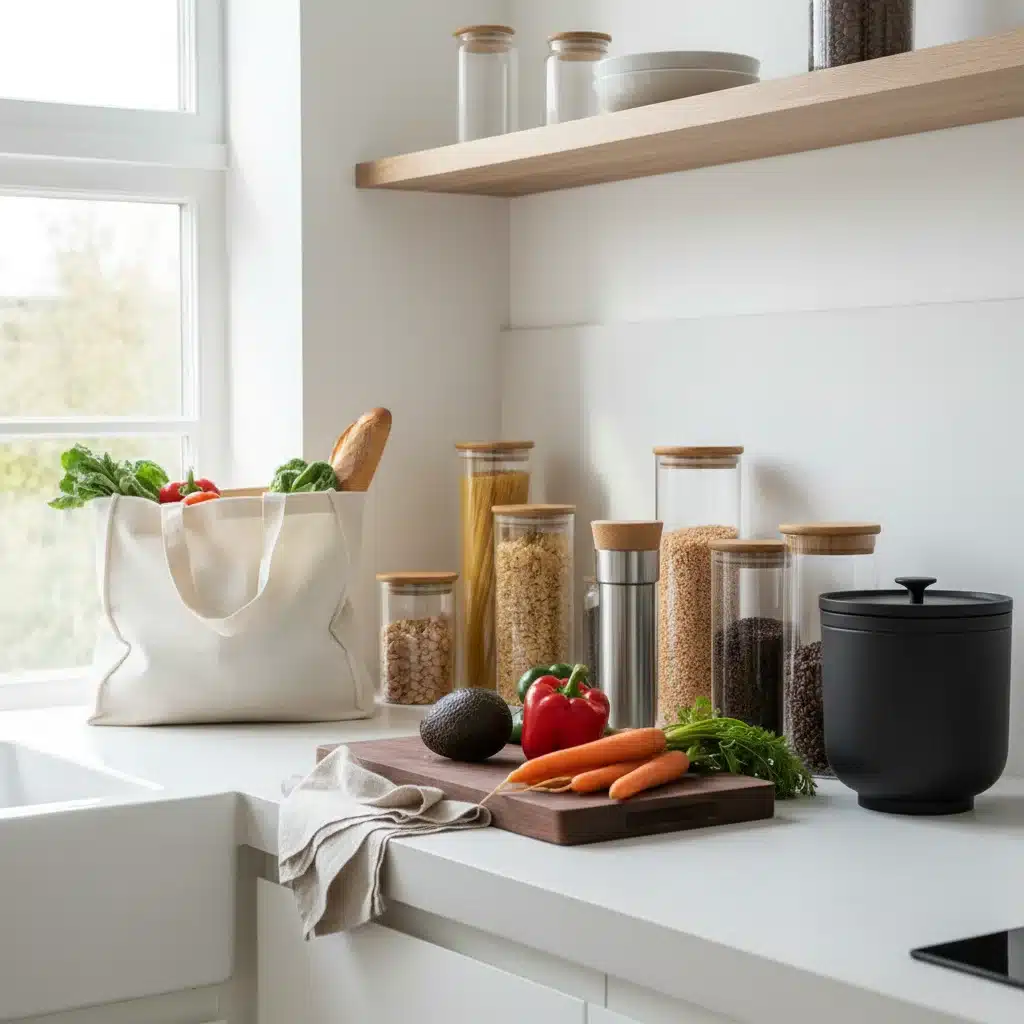
The 2026 Guide to Zero-Waste Kitchens: Eliminate 80% of Food Packaging Waste
In an era where environmental consciousness is no longer an option but a necessity, the concept of a zero-waste kitchen has moved from a niche lifestyle choice to a mainstream aspiration. As we step into 2026, the urgency to reduce our environmental footprint has never been greater. Food packaging, a pervasive and often unnecessary evil, contributes significantly to landfills and ocean pollution. This comprehensive guide will empower you to transform your kitchen into a bastion of sustainability, aiming to eliminate a remarkable 80% of food packaging waste. Prepare to embark on a journey that not only benefits the planet but also streamlines your pantry, saves you money, and fosters a deeper connection with your food.
The journey towards a zero-waste kitchen might seem daunting at first, conjuring images of extreme minimalism and endless hours of preparation. However, it’s a gradual process, built on conscious choices and practical habits. Our goal is not perfection, but progress. By focusing on achievable steps and understanding the ‘why’ behind each action, you’ll find that reducing packaging waste is an incredibly rewarding endeavor.
Understanding the Impact: Why a Zero-Waste Kitchen Matters in 2026
Before diving into the ‘how-to,’ let’s briefly reinforce the ‘why.’ The statistics surrounding food packaging waste are staggering. Billions of tons of plastic, paper, and glass packaging are produced globally each year, much of which ends up in landfills or pollutes our natural environments. This waste not only depletes natural resources but also contributes to greenhouse gas emissions, harms wildlife, and can even introduce microplastics into our food chain. A zero-waste kitchen directly combats these issues by:
- Reducing Landfill Burden: Less packaging means less trash sent to landfills, extending their lifespan and reducing associated environmental problems.
- Conserving Resources: Opting for unpackaged goods or reusable options reduces the demand for virgin materials used in packaging production.
- Lowering Carbon Footprint: Manufacturing, transporting, and disposing of packaging all consume energy and release greenhouse gases. Reducing packaging inherently lowers this footprint.
- Minimizing Pollution: Less plastic packaging means fewer microplastics entering our oceans and ecosystems.
- Promoting Healthier Eating: A focus on whole, unpackaged foods naturally encourages a diet rich in fresh produce and minimizes processed items.
Embracing a zero-waste kitchen is a powerful statement. It’s a commitment to a more sustainable future, starting right in the heart of your home.
Phase 1: The Kitchen Audit – Identifying Your Packaging Hotspots
The first step towards achieving a zero-waste kitchen is to understand where your packaging waste is currently coming from. For one week, keep a ‘packaging journal.’ Note down every piece of food packaging that enters your home. This might include plastic bags from produce, cardboard boxes from cereals, plastic tubs from yogurt, glass jars from sauces, and so on. Be specific about the type of packaging and the product it contained. This audit will reveal your biggest packaging culprits and help you prioritize your efforts.
Common Packaging Culprits:
- Plastic Films and Bags: Found on produce, bread, snacks, and frozen foods.
- Single-Use Plastic Containers: Yogurt, cottage cheese, pre-cut fruits, deli items.
- Cardboard Boxes with Plastic Liners: Cereals, crackers, instant meals.
- Tetra Paks: Milk, juice, broth.
- Glass Jars (Non-Reusable/Recycled): Sauces, jams, pickles (though often recyclable, reducing purchase is key).
Once you’ve identified your primary sources of waste, you can begin to strategize. This audit is crucial because it makes the abstract idea of ‘waste’ concrete and actionable within your own home. It allows you to tailor your zero-waste kitchen strategy to your unique consumption habits.
Phase 2: Strategic Shopping – The Foundation of a Zero-Waste Kitchen
The most significant impact on reducing food packaging happens before anything even enters your kitchen: at the grocery store. Strategic shopping is the cornerstone of a successful zero-waste kitchen.
Embrace Bulk Buying:
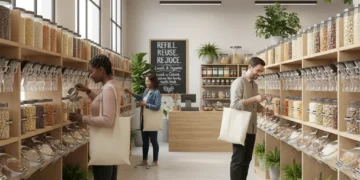
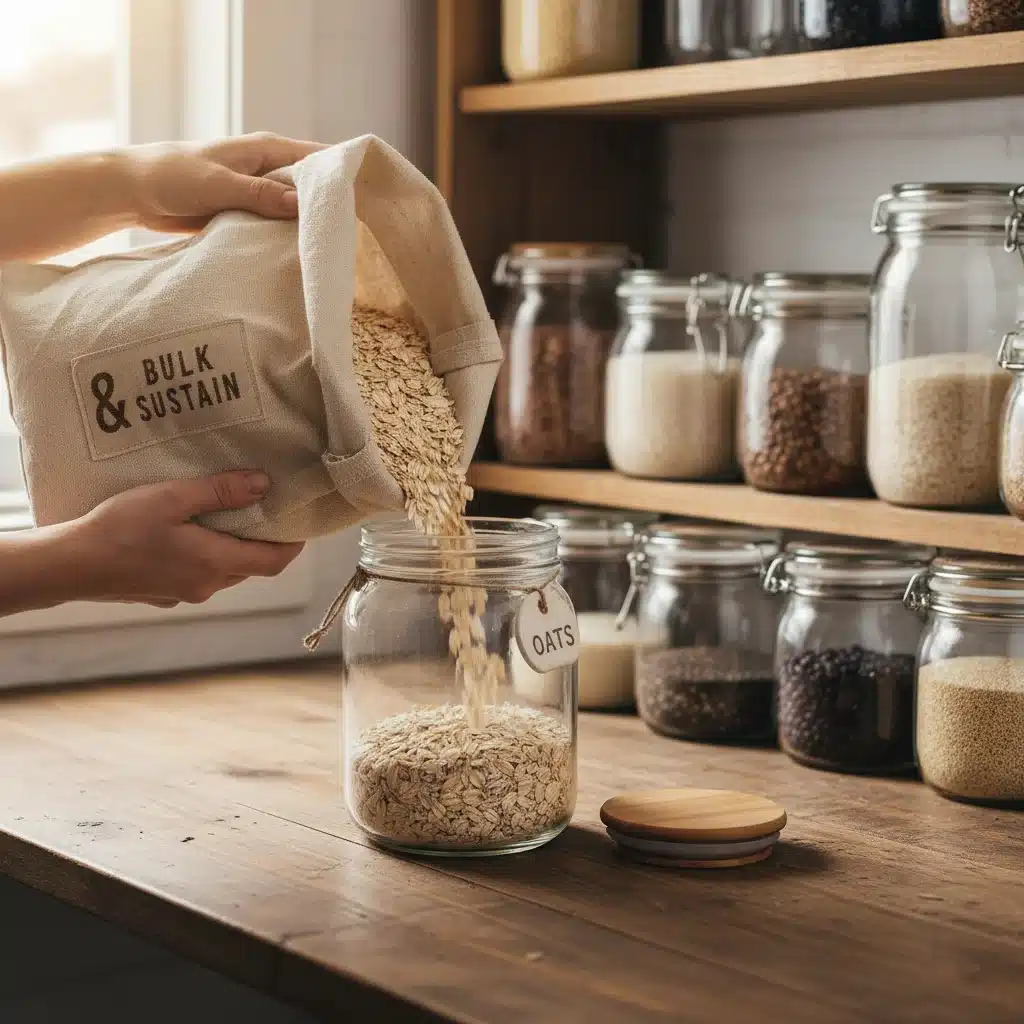
This is perhaps the most effective strategy for eliminating packaging. Seek out stores with bulk bins for grains, pasta, nuts, seeds, dried fruits, coffee, tea, spices, and even liquids like oils, vinegars, and soaps. Bring your own reusable bags, jars, and containers. Many stores now allow you to tare (weigh) your empty containers before filling them, ensuring you only pay for the product.
- Grains & Legumes: Rice, oats, lentils, beans.
- Nuts & Seeds: Almonds, walnuts, chia seeds, flax seeds.
- Pasta: Various shapes and types.
- Spices & Herbs: A vast array, significantly cheaper in bulk.
- Oils & Vinegars: Some stores offer refill stations.
- Coffee & Tea: Bring your own reusable coffee tins or tea bags.
Starting with just a few items you regularly consume in bulk can make a huge difference. As you get comfortable, expand your bulk repertoire. This practice not only reduces packaging but often saves money due to the absence of packaging costs.
Prioritize Unpackaged Produce:
Say goodbye to plastic-wrapped cucumbers and pre-bagged apples. Opt for loose fruits and vegetables. Bring reusable produce bags (mesh or cloth) to the store instead of using the flimsy plastic ones provided. Farmer’s markets are excellent places for unpackaged produce, often allowing you to connect directly with the growers.
Meat, Dairy, and Deli:
This category can be trickier, but progress is possible. Ask your butcher or deli counter if they are willing to put your purchases directly into your own reusable containers. Many are accommodating. For dairy, look for milk in returnable glass bottles or make your own plant-based milks. Consider making your own yogurt to avoid plastic tubs.
Beverages:
Ditch bottled water. Invest in a good reusable water bottle and filter tap water if needed. For other beverages, look for options in glass bottles that can be reused or recycled, or consider making your own juices and sodas. Coffee shops often offer discounts for bringing your own reusable cup.
Phase 3: Kitchen Organization & Storage – Sustaining Your Zero-Waste Kitchen
Once you’ve brought your unpackaged goods home, proper storage is key to maintaining your zero-waste kitchen and preventing food waste. This involves investing in reusable containers and adopting smart organization strategies.
Essential Reusable Storage Solutions:
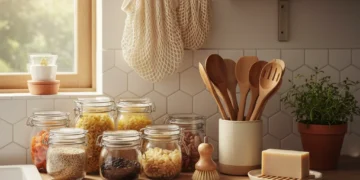
- Glass Jars: Ideal for dry goods (grains, pasta, nuts, spices), leftovers, and homemade sauces. They are durable, easy to clean, and don’t absorb odors.
- Stainless Steel Containers: Excellent for lunches, snacks, and storing food in the fridge or freezer. Lightweight and unbreakable.
- Cloth Bags: For bulk shopping, produce, and storing bread.
- Beeswax Wraps: A fantastic alternative to plastic cling film for covering bowls, wrapping sandwiches, and cheese.
- Silicone Bags: Reusable, freezer-safe, and perfect for storing leftovers or marinating food.
- Reusable Water Bottles & Coffee Cups: Non-negotiable for on-the-go hydration and caffeine fixes.
Pantry and Fridge Organization:
A well-organized pantry and fridge not only look good but also help you see what you have, reducing the likelihood of forgotten food and subsequent waste. Label your jars and containers, and implement a ‘first in, first out’ system for perishables.
Phase 4: Cooking & Meal Planning – Maximizing Your Zero-Waste Kitchen Efforts
How you cook and plan your meals significantly impacts the amount of waste generated. A zero-waste kitchen thrives on intentionality and creativity.
Meal Planning:
Plan your meals for the week based on what you already have and what you plan to buy in bulk or unpackaged. This minimizes impulse buys and ensures you use up ingredients before they spoil. Create a shopping list and stick to it.
Cooking from Scratch:
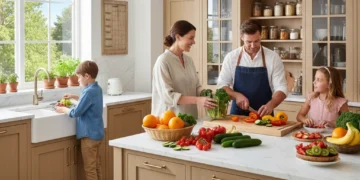
The more you cook from scratch, the less processed, pre-packaged food you’ll buy. This means making your own sauces, broths, breads, and snacks. Not only does this reduce packaging, but it also allows you to control ingredients and often results in healthier, tastier food.
Using Up Leftovers:
Leftovers are gold in a zero-waste kitchen. Store them properly and incorporate them into future meals. Repurpose ingredients creatively: leftover roasted vegetables can become a frittata, stale bread can become croutons or breadcrumbs, and vegetable scraps can be used for broth.
Phase 5: Waste Diversion – The Final Frontier of Your Zero-Waste Kitchen
Even with the most diligent efforts, some waste is inevitable. The key is to divert as much of it as possible from the landfill through composting and proper recycling.
Composting Food Scraps:
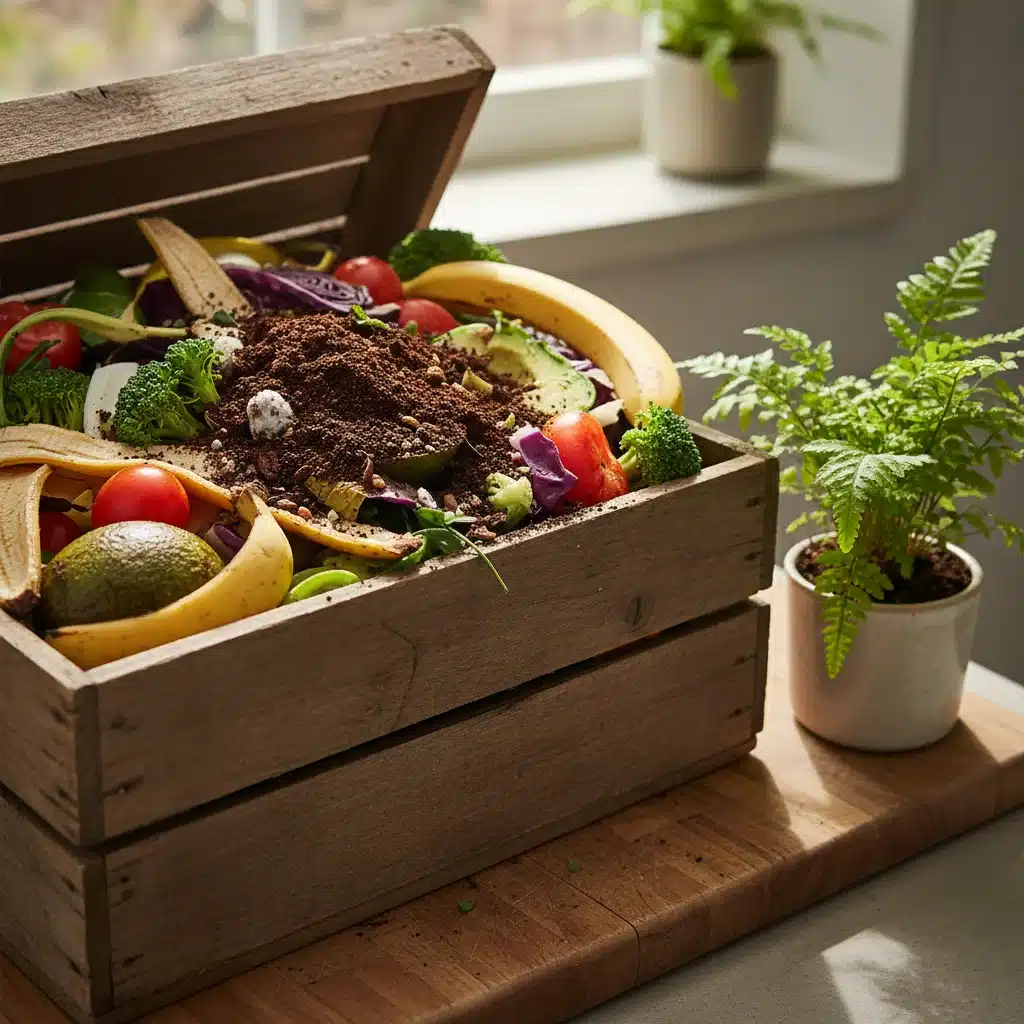
Food waste is a major contributor to landfill methane emissions. Composting is a powerful tool in a zero-waste kitchen. Compost all your organic waste – fruit and vegetable peels, coffee grounds, tea bags, eggshells, and even some paper products. You can have a backyard compost pile, an indoor vermicomposting bin, or utilize local municipal composting services if available.
Understanding what can and cannot be composted is vital. Generally, raw fruit and vegetable scraps, coffee grounds, tea leaves, and eggshells are excellent. Avoid meat, dairy, and oily foods in home composts, as they can attract pests and create odors.
Mastering Recycling:
While the ultimate goal is to reduce, reuse, and then recycle, proper recycling is still important for the packaging you can’t avoid. Understand your local recycling guidelines. These vary significantly by municipality regarding what materials they accept (plastics by number, glass colors, etc.) and how they should be prepared (rinsed, labels removed). ‘Wishcycling’ (putting items in recycling bins hoping they’re recyclable) can contaminate entire batches, so when in doubt, throw it out.
Beyond the Basics: Advanced Tips for a 2026 Zero-Waste Kitchen
Once you’ve mastered the fundamentals, consider these advanced strategies to further refine your zero-waste kitchen:
- DIY Everything: Make your own cleaning products (vinegar, baking soda, essential oils), beauty products, and even some pantry staples like bread, yogurt, or condiments. This eliminates packaging entirely.
- Grow Your Own: Even a small herb garden on a windowsill can reduce packaging from fresh herbs. If you have space, consider growing some of your own vegetables.
- Support Local & Sustainable Businesses: Choose businesses that prioritize unpackaged goods, offer refill options, or have strong sustainability practices.
- Repair, Don’t Replace: Extend the life of your kitchen appliances and tools by repairing them when possible, rather than immediately buying new ones.
- Educate and Advocate: Share your zero-waste kitchen journey with friends and family. Advocate for more bulk options and sustainable practices in your local grocery stores and community.
Overcoming Challenges in Your Zero-Waste Kitchen Journey
No journey is without its hurdles. You might encounter:
- Limited Access to Bulk Stores: If bulk options are scarce, focus on buying larger quantities of items in recyclable packaging or making more from scratch.
- Time Constraints: Making everything from scratch can be time-consuming. Prioritize what you can realistically manage and gradually incorporate more DIY as time allows.
- Cost: While bulk buying often saves money, initial investments in reusable containers can seem high. Start small, acquiring items gradually.
- Social Pressure: You might encounter skepticism from others. Focus on your own journey and the positive impact you’re making.
Remember, the goal is to eliminate 80% of packaging, not 100%. Don’t let perfection be the enemy of good. Every small step contributes to a larger positive change.
The Future of Zero-Waste Kitchens in 2026 and Beyond
As we look to 2026 and beyond, the movement towards zero-waste kitchens is only gaining momentum. Innovations in packaging alternatives, an increase in bulk shopping options, and a growing consumer demand for sustainable products will make this lifestyle even more accessible. Governments and corporations are also starting to respond with policies and initiatives aimed at reducing single-use plastics and promoting circular economies.
Your individual choices contribute to this larger shift. By actively participating in the zero-waste kitchen movement, you are not just cleaning up your own home; you are sending a powerful message to manufacturers and retailers that consumers demand more sustainable options.
Conclusion: Your Sustainable Kitchen Awaits
Embarking on the path to a zero-waste kitchen in 2026 is an incredibly impactful decision. It’s a journey of conscious consumption, resourcefulness, and a deep respect for our planet. By systematically auditing your waste, strategically shopping, organizing your kitchen for efficiency, planning your meals, and diligently diverting waste, you can realistically eliminate 80% or more of your food packaging waste.
Start small, celebrate your successes, and don’t be discouraged by occasional slip-ups. Every reusable bag, every bulk purchase, every homemade meal, and every composted scrap makes a difference. Your zero-waste kitchen is more than just a place to prepare food; it’s a testament to a sustainable lifestyle, a healthier environment, and a brighter future for all. Welcome to the revolution.