Water-Saving Landscaping 2026: Drought-Resistant Plants to Cut Your US Water Bill
As we step further into 2026, the imperative for sustainable living and resource conservation continues to grow, especially concerning water usage. For many homeowners across the United States, a significant portion of their monthly utility bills is attributed to landscape irrigation. The good news? You don’t have to sacrifice a beautiful yard to save water and money. Enter water-saving landscaping, a strategic approach that not only helps the environment but can also significantly reduce your US water bill, potentially by up to 25% or even more.
This comprehensive guide will delve into the world of water-saving landscaping, offering practical advice, innovative techniques, and a spotlight on seven remarkable drought-resistant plants that are perfect for American gardens. Whether you’re battling arid conditions, facing water restrictions, or simply aiming for a more eco-conscious lifestyle, embracing water-saving landscaping is a smart move for 2026 and beyond.
The Growing Need for Water-Saving Landscaping in 2026
Water scarcity is becoming an increasingly pressing issue in many regions of the US, driven by climate change, population growth, and outdated infrastructure. This has led to stricter watering regulations, higher water prices, and a greater awareness among homeowners about their environmental footprint. Traditional lawns and thirsty ornamental plants, while aesthetically pleasing to some, are often major culprits in excessive water consumption. A typical American household uses approximately 30% of its total water consumption outdoors, a figure that can soar to 60% or more in drier climates. This makes addressing outdoor water use a prime target for significant savings.
Water-saving landscaping, often referred to as xeriscaping, isn’t just about planting cacti and rocks. It’s a thoughtful design philosophy that focuses on creating a harmonious, low-maintenance, and visually appealing outdoor space using plants appropriate for the local climate. By implementing these principles, you can cultivate a garden that thrives on minimal irrigation, reducing your reliance on municipal water supplies and, consequently, lowering your monthly expenses.
Understanding Your Water Usage
Before diving into specific plants and techniques, it’s crucial to understand your current water usage. Most water bills provide a breakdown of consumption, but you can also perform a simple audit. Check for leaks in your irrigation system, assess the efficiency of your sprinklers, and observe how long you typically water your lawn and garden. This baseline understanding will help you appreciate the impact of your water-saving landscaping efforts.
Many utility companies offer free water audits or rebates for installing water-efficient appliances and landscaping features. Taking advantage of these programs can further amplify your savings and accelerate your transition to a water-wise yard.
Key Principles of Water-Saving Landscaping
Adopting water-saving landscaping involves several core principles that work together to create an efficient and beautiful outdoor space. These aren’t rigid rules but rather guidelines to help you make informed decisions about your garden design and maintenance.
1. Plan and Design for Efficiency
The first step in effective water-saving landscaping is thoughtful planning. Consider your local climate, sun exposure, soil type, and the natural contours of your property. Group plants with similar water needs together (hydrozoning) to avoid over- or under-watering certain areas. Design for functionality, creating distinct zones for relaxation, entertainment, and planting. Minimize turf areas, especially in narrow strips or on slopes where water runoff is common.
2. Improve Soil Health
Healthy soil is fundamental to water retention. Incorporate organic matter, such as compost, into your soil. This improves its structure, increases its water-holding capacity, and enhances nutrient absorption, meaning plants need less frequent watering. Well-aerated soil also allows roots to penetrate deeper, making plants more resilient to dry spells.
3. Select Appropriate Plants
This is where drought-resistant plants come into play. Choosing plants native to your region or those adapted to arid conditions is paramount. These plants have evolved to thrive with minimal supplemental irrigation once established. They often have specific adaptations like waxy leaves, deep root systems, or small leaf surfaces to conserve moisture. This guide will highlight some excellent choices shortly.
4. Efficient Irrigation Methods
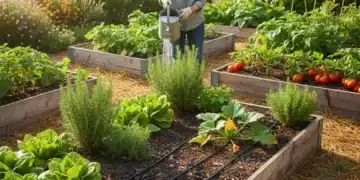
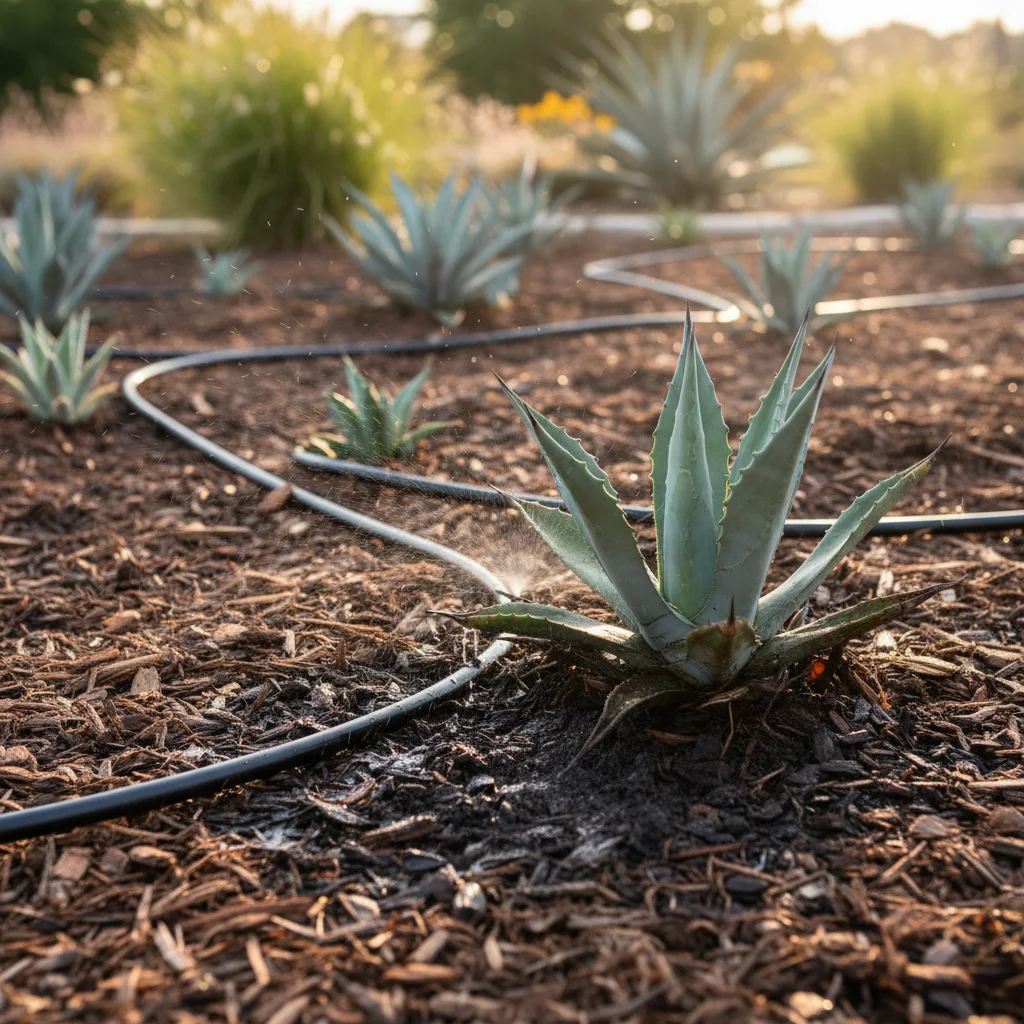
Even drought-tolerant plants need some water, especially during establishment. Employing efficient irrigation systems is critical for water-saving landscaping. Drip irrigation and soaker hoses deliver water directly to the plant’s root zone, minimizing evaporation and runoff. Smart irrigation controllers that adjust watering schedules based on weather conditions and soil moisture levels are also excellent investments.
5. Use Mulch Generously
Mulch is a landscaper’s best friend in a water-wise garden. A 2-4 inch layer of organic mulch (like wood chips, shredded bark, or straw) around plants helps retain soil moisture by reducing evaporation, suppresses weeds (which compete for water), and moderates soil temperature. As it decomposes, organic mulch also enriches the soil.
6. Thoughtful Maintenance
Proper maintenance is key to sustained water savings. Prune plants judiciously, as excessive new growth requires more water. Mow lawns (if you keep them) higher to encourage deeper root growth and shade the soil. Regularly check your irrigation system for leaks or clogs. By actively managing your landscape, you ensure its health and water efficiency.
7 Drought-Resistant Plants to Transform Your US Garden in 2026
Now, let’s explore some fantastic drought-resistant plants that are well-suited for various US climates and can form the backbone of your water-saving landscaping efforts. These plants are not only water-wise but also offer diverse textures, colors, and forms to create a truly captivating garden.
1. Lavender (Lavandula spp.)
- Why it’s great: Known for its intoxicating fragrance and beautiful purple blooms, Lavender is a classic drought-tolerant plant. It thrives in full sun and well-drained soil, requiring minimal water once established.
- Benefits: Attracts pollinators, deer resistant, versatile for borders, containers, or mass plantings.
- US Zones: Varies by species, generally USDA Zones 5-9.
- Tips: Prune after flowering to maintain shape and encourage new blooms.
2. Sedum (Stonecrop)
- Why it’s great: Sedums are incredibly resilient succulents available in a wide range of sizes, colors, and forms, from groundcovers to upright varieties. They store water in their fleshy leaves, making them highly drought-tolerant.
- Benefits: Low maintenance, excellent for rock gardens, green roofs, borders, and containers. Late-season interest with many blooming in fall.
- US Zones: Varies greatly, typically USDA Zones 3-9.
- Tips: Prefers full sun and well-drained soil. Avoid overwatering.
3. Russian Sage (Perovskia atriplicifolia)
- Why it’s great: This woody perennial boasts airy, silvery foliage and spikes of lavender-blue flowers that bloom from summer into fall. It’s exceptionally drought-tolerant and thrives in hot, dry conditions.
- Benefits: Long blooming season, attracts bees and butterflies, deer and rabbit resistant, adds a delicate texture to the garden.
- US Zones: USDA Zones 4-9.
- Tips: Cut back hard in early spring to encourage bushy growth.
4. Agave (Agave spp.)
- Why it’s great: Agaves are iconic succulents with striking architectural forms, ranging from small desktop varieties to massive specimens. Their thick, fleshy leaves are designed to store water, making them perfectly adapted to arid environments.
- Benefits: Provides dramatic focal points, extremely low water needs, low maintenance, excellent for desert and rock gardens.
- US Zones: Varies widely, generally USDA Zones 8-11, some tolerant to colder zones.
- Tips: Requires excellent drainage. Be mindful of sharp spines on some varieties.
5. Ornamental Grasses (e.g., Little Bluestem, Fountain Grass)
- Why it’s great: Many ornamental grasses, particularly native varieties like Little Bluestem (Schizachyrium scoparium) or adaptable ones like Fountain Grass (Pennisetum alopecuroides), are incredibly drought-tolerant once established. They offer movement, texture, and often beautiful fall color.
- Benefits: Provide year-round interest, low maintenance, excellent for mass plantings, borders, and naturalistic designs.
- US Zones: Varies significantly by species, often USDA Zones 3-9.
- Tips: Most prefer full sun. Cut back in late winter/early spring before new growth emerges.
6. Coneflower (Echinacea purpurea)
- Why it’s great: A beloved North American native, Coneflower is a pollinator magnet with vibrant daisy-like flowers that come in shades of purple, pink, white, and yellow. It’s remarkably tough and drought-tolerant once established.
- Benefits: Long blooming season, supports local ecosystems, deer resistant, excellent for perennial borders and meadows.
- US Zones: USDA Zones 3-9.
- Tips: Prefers full sun to partial shade and well-drained soil. Deadhead for more blooms or leave seed heads for winter interest and bird food.
7. Rosemary (Rosmarinus officinalis)
- Why it’s great: This fragrant herb is not only culinary but also an excellent drought-tolerant landscape plant. It features needle-like evergreen leaves and delicate blue flowers, thriving in full sun and poor, well-drained soil.
- Benefits: Edible, aromatic, deer resistant, provides evergreen structure, can be grown as a hedge, groundcover, or in containers.
- US Zones: USDA Zones 7-10 (some varieties are hardier).
- Tips: Prune regularly to maintain shape and encourage bushiness. Avoid heavy, wet soils.
Beyond Plants: Holistic Water-Saving Landscaping Strategies
While choosing the right plants is a cornerstone of water-saving landscaping, a truly effective approach integrates several other strategies. These techniques work in concert to maximize water efficiency and create a thriving, resilient ecosystem in your backyard.
Rainwater Harvesting
Collecting rainwater is an ancient practice that is experiencing a modern resurgence. Installing rain barrels or a more elaborate rainwater harvesting system can capture precipitation from your roof, providing a free and chemical-free water source for your garden. This significantly reduces your reliance on municipal water, especially during dry periods, and helps manage stormwater runoff.
Greywater Recycling
For the more adventurous, a greywater recycling system diverts water from sinks, showers, and washing machines for landscape irrigation. This untreated wastewater, free from toilet waste, can be safely used on many ornamental plants and fruit trees, further reducing your potable water consumption. Always check local regulations before installing a greywater system, as rules vary by state and municipality.
Permeable Paving
Traditional concrete or asphalt surfaces contribute to significant stormwater runoff. Permeable pavers, gravel, or decomposed granite allow rainwater to infiltrate the soil rather than running off into storm drains. This not only conserves water by recharging groundwater but also helps prevent erosion and pollution.
Reducing or Eliminating Lawns
Traditional turfgrass is often the biggest water guzzler in a landscape. Consider reducing the size of your lawn, replacing it with drought-tolerant groundcovers, native meadows, or hardscaping elements like patios and pathways. If you keep a lawn, opt for drought-tolerant grass varieties such as Buffalo Grass or Zoysia, and maintain it at a higher mowing height to encourage deeper roots and shade the soil.
Designing Your Water-Wise Oasis: A Step-by-Step Approach
Embarking on a water-saving landscaping project can seem daunting, but breaking it down into manageable steps makes it achievable and enjoyable.
Step 1: Assess Your Site
Walk your property and note key features: sun exposure (full sun, partial shade, full shade), existing plants, slopes, drainage patterns, and areas of high and low traffic. Identify problem areas, such as persistently wet spots or dry, barren patches. Understanding your site’s conditions is the foundation of good design.
Step 2: Define Your Needs and Desires
What do you want from your outdoor space? A place for entertaining, a quiet retreat, a play area for children, a vegetable garden? How much maintenance are you willing to do? Envision the functions and aesthetics you desire. This will guide your plant and material selections.
Step 3: Sketch a Plan
Draw a simple diagram of your yard, marking out zones for different activities and plant groupings. Indicate where you’ll have turf (if any), garden beds, pathways, and seating areas. This is your opportunity to experiment with ideas before you start digging.
Step 4: Choose Your Plants Wisely
Based on your site assessment and design, select drought-resistant plants that are appropriate for your climate and soil conditions. Consider mature size, bloom times, and overall aesthetic. Remember to group plants with similar water needs together.
Step 5: Prepare the Soil
As discussed, improving soil health is crucial. Amend compacted or poor soil with organic compost to enhance drainage and water retention. A soil test can provide valuable insights into nutrient deficiencies and pH levels, guiding further amendments.
Step 6: Install Efficient Irrigation (if needed)
If your design includes new planting beds, install drip irrigation or soaker hoses before planting. This ensures that water is delivered efficiently from the start. For existing areas, consider converting spray heads to more efficient options or adding smart controllers.
Step 7: Plant and Mulch
Carefully plant your chosen species, ensuring they are properly spaced. After planting, apply a generous layer of organic mulch around all plants. This will immediately begin to conserve moisture, suppress weeds, and regulate soil temperature.
Step 8: Maintain and Observe
Initially, even drought-tolerant plants need regular watering to get established. Monitor their progress and adjust watering as needed. Over time, you’ll learn the specific needs of your garden. Enjoy the beauty and the savings that your new water-saving landscaping brings!
The Financial and Environmental Rewards of Water-Saving Landscaping
The decision to transition to water-saving landscaping is an investment that pays dividends in multiple ways. Financially, the reduction in your water bill can be substantial. Imagine cutting your outdoor irrigation costs by 25% or more each month; over a year, this adds up to significant savings that can be redirected to other household needs or further garden enhancements.
Beyond direct monetary savings, there are numerous other benefits:
- Reduced Maintenance: Drought-tolerant plants often require less pruning, fertilizing, and pest control compared to traditional thirstier landscapes.
- Increased Property Value: A well-designed, sustainable landscape can enhance your home’s curb appeal and market value, especially in regions where water conservation is highly valued.
- Environmental Stewardship: By conserving water, you contribute to the health of local ecosystems, reduce the energy needed for water treatment and transport, and help mitigate the impacts of drought.
- Biodiversity Support: Many drought-tolerant plants are native species that provide essential habitat and food sources for local wildlife, including birds, bees, and butterflies.
- Resilience: A water-wise garden is more resilient to climate fluctuations, enduring heatwaves and dry spells with greater ease than conventional landscapes.
Common Misconceptions About Water-Saving Landscaping
Despite its growing popularity, water-saving landscaping still faces some misconceptions that deter homeowners from adopting it. Let’s debunk a few:
Misconception 1: It Looks Barren and Ugly
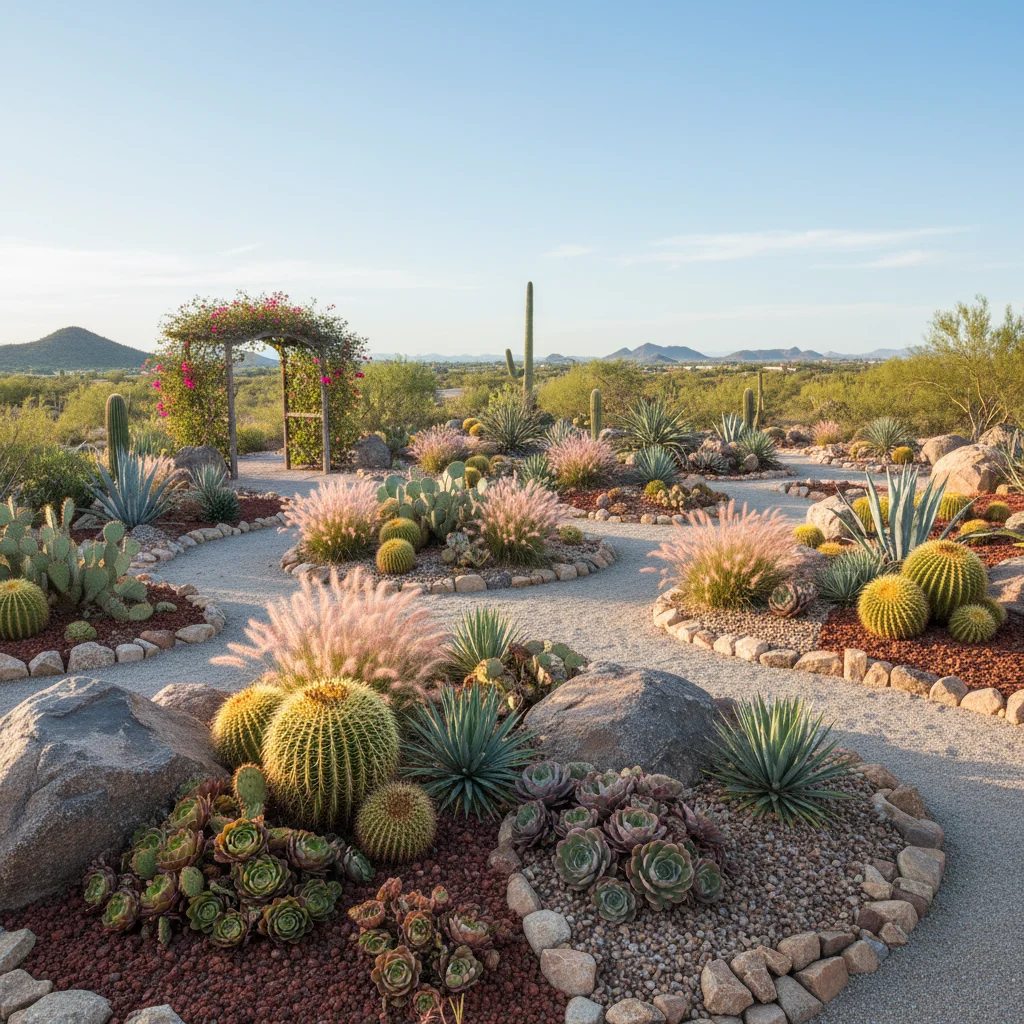
Reality: This couldn’t be further from the truth. Modern water-saving landscaping designs are vibrant, diverse, and incredibly beautiful. They incorporate a rich palette of textures, colors, and forms from a vast array of drought-tolerant plants, often integrating decorative rocks, gravel, and art to create stunning visual interest. The focus is on creating a lush, thriving environment that is in harmony with its natural surroundings.
Misconception 2: It’s Only for Desert Climates
Reality: While xeriscaping originated in arid regions, the principles of water-saving landscaping are applicable in any climate. Even in areas with ample rainfall, choosing plants appropriate for your specific microclimate and improving soil health can reduce the need for supplemental irrigation during dry spells and contribute to overall water conservation.
Misconception 3: It Requires No Water at All
Reality: While the goal is minimal supplemental irrigation, most plants, even drought-tolerant ones, require some water to get established. During prolonged dry periods or extreme heat, even established water-wise plants may benefit from occasional deep watering. The key is efficient watering and choosing plants that can tolerate extended periods without frequent irrigation.
Misconception 4: It’s Too Expensive to Install
Reality: The initial investment for a new landscape can vary, but the long-term savings on water bills and reduced maintenance often offset the upfront costs. Many regions offer rebates and incentives for water-efficient landscaping, making it even more affordable. Furthermore, starting small and gradually converting sections of your yard can spread out the cost over time.
The Future of US Landscaping is Water-Wise
As we navigate the environmental challenges of the 21st century, water-saving landscaping is not just a trend; it’s a necessity. The year 2026 serves as a powerful reminder that sustainable practices are integral to maintaining both ecological balance and personal financial well-being. By embracing drought-resistant plants and intelligent design principles, you can create a garden that is not only stunning and low-maintenance but also a testament to responsible resource management.
Start your journey toward a water-wise garden today. Explore the plants mentioned, research native options for your specific region, and begin to envision a landscape that thrives without excessive watering. Your wallet, your community, and the planet will thank you for making the switch to water-saving landscaping.